
Sizing a meeting table properly
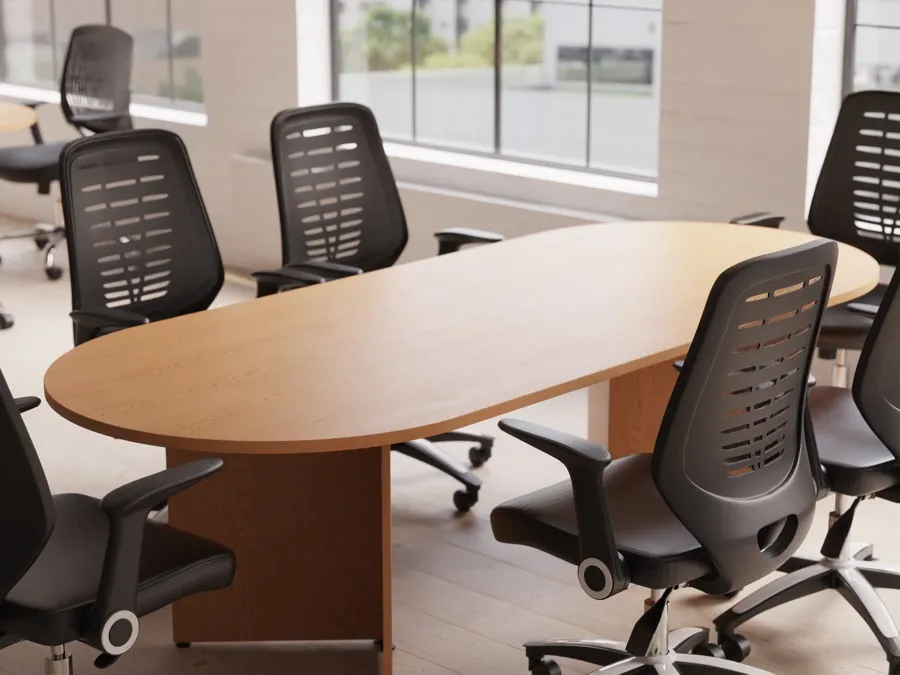
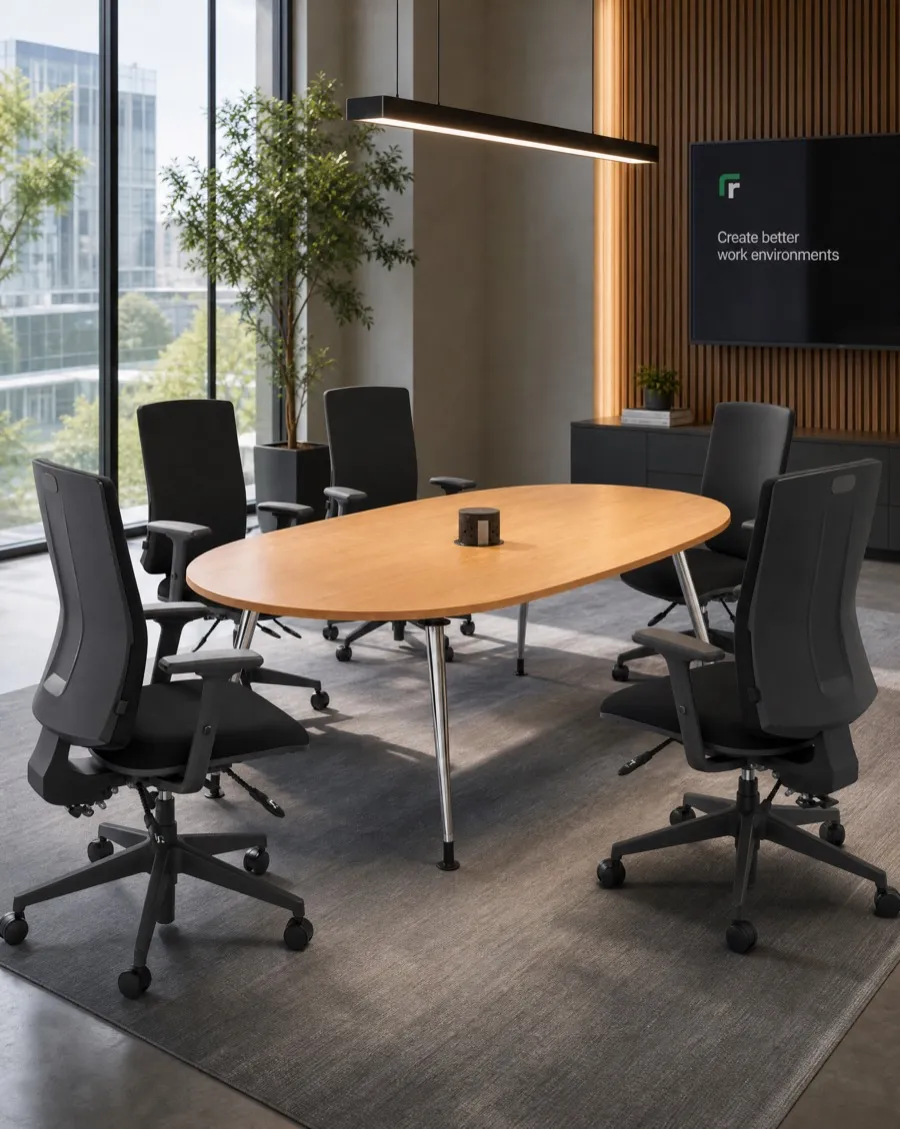
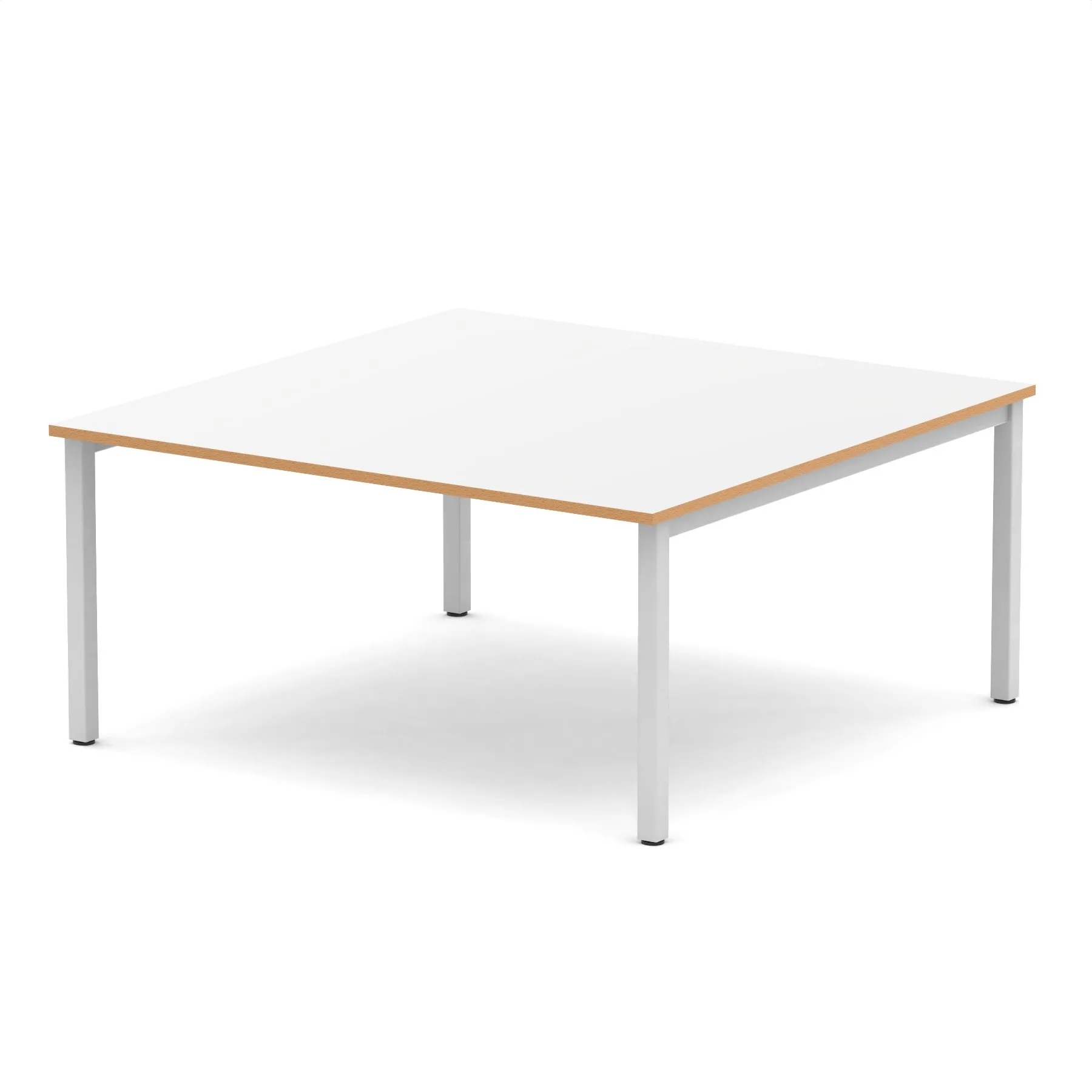
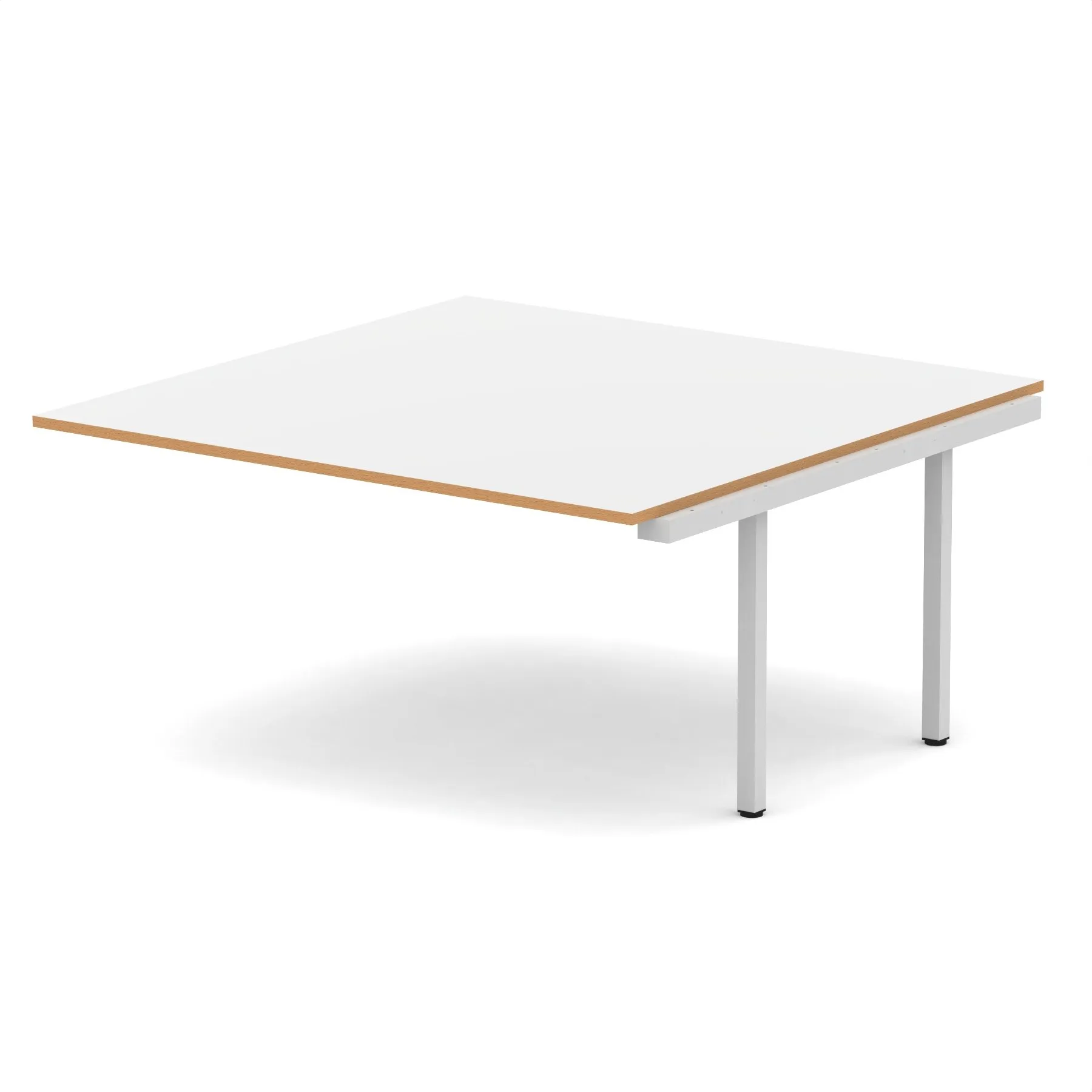
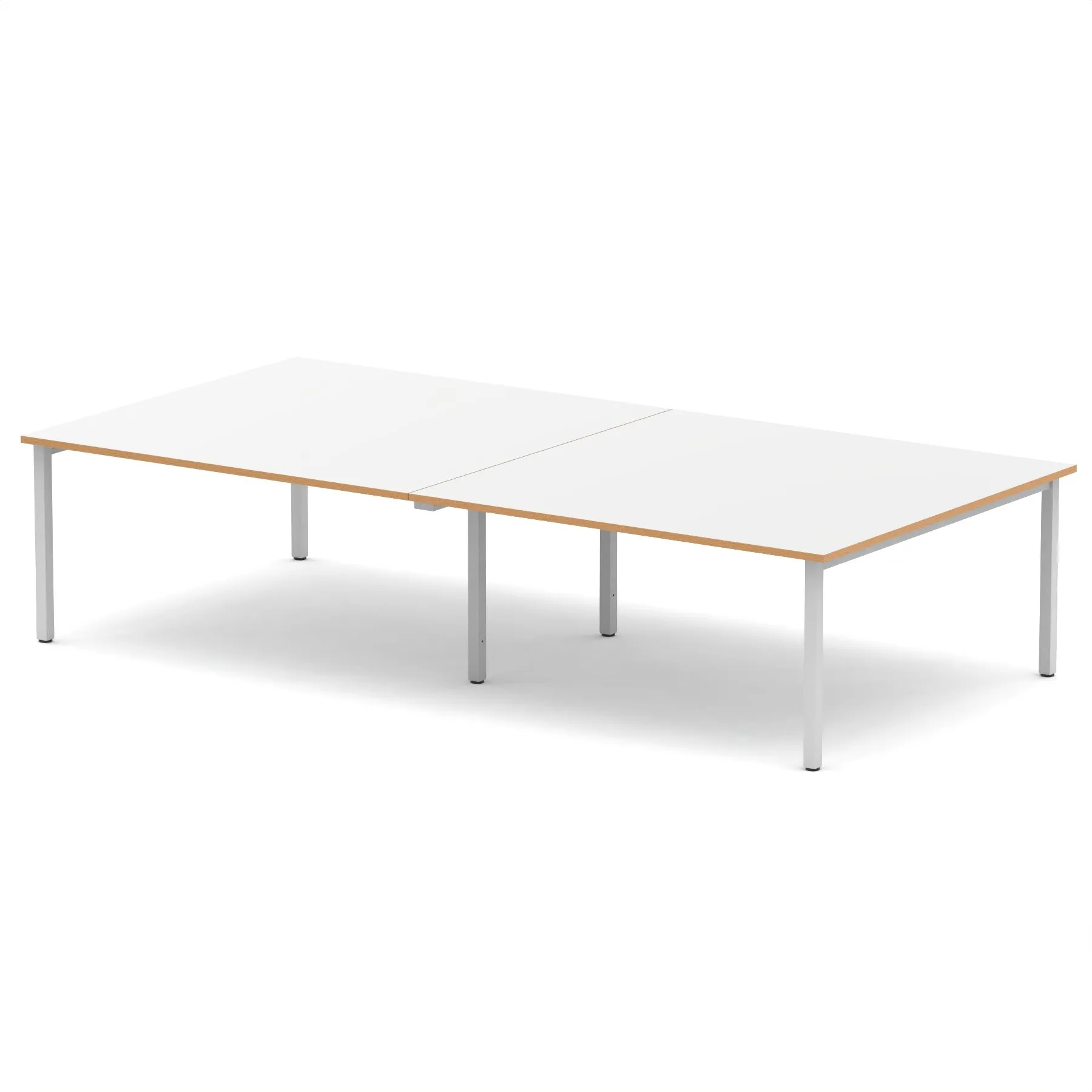
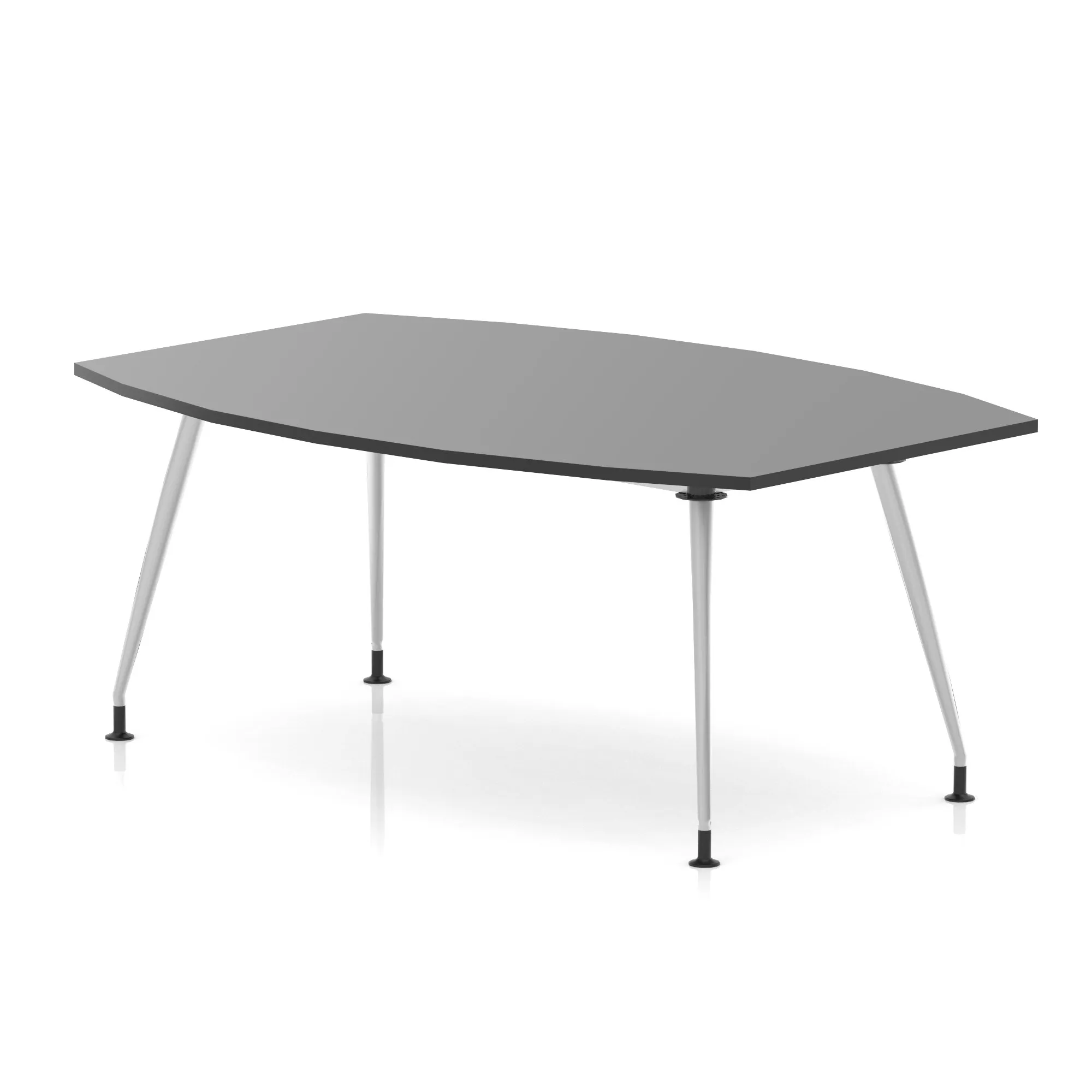
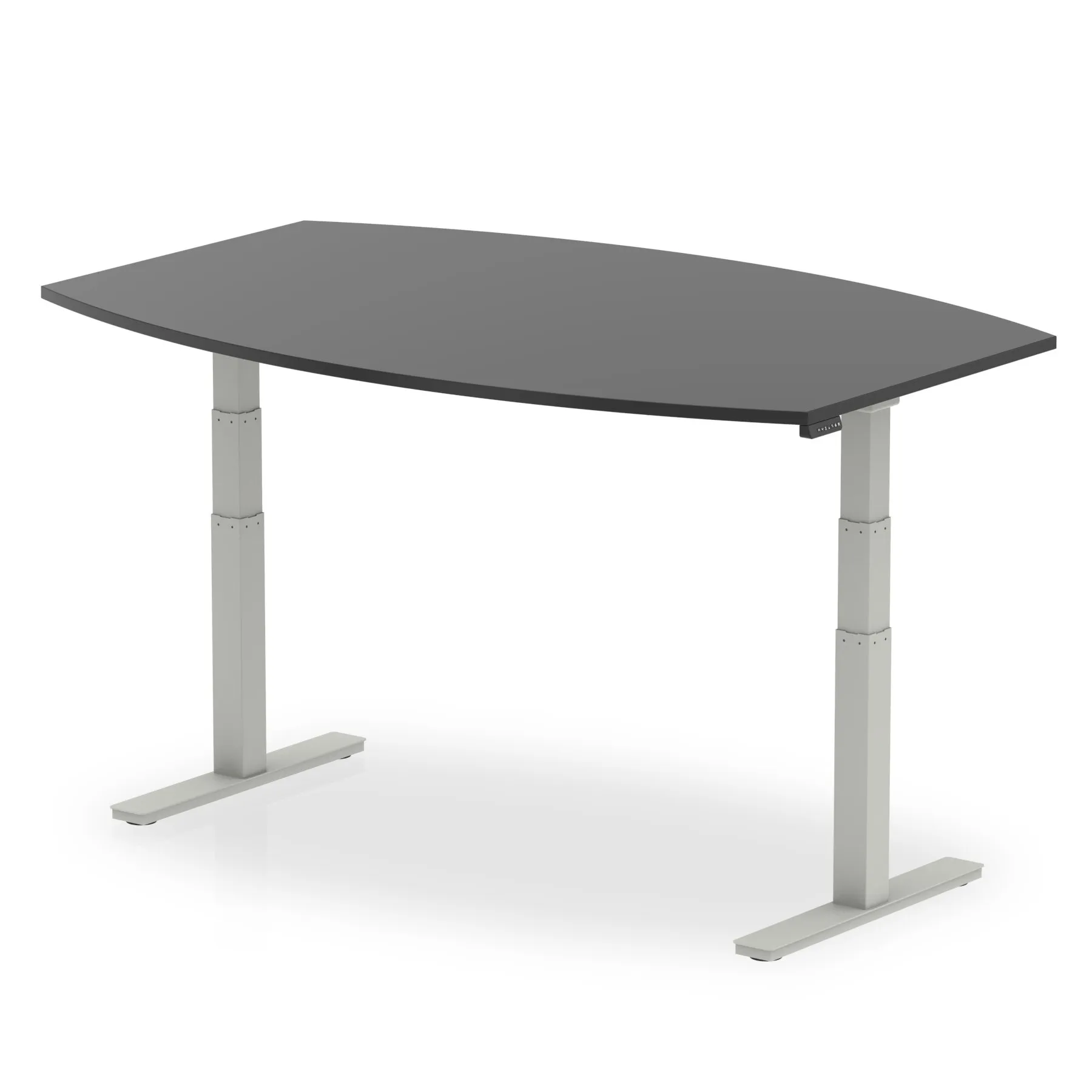
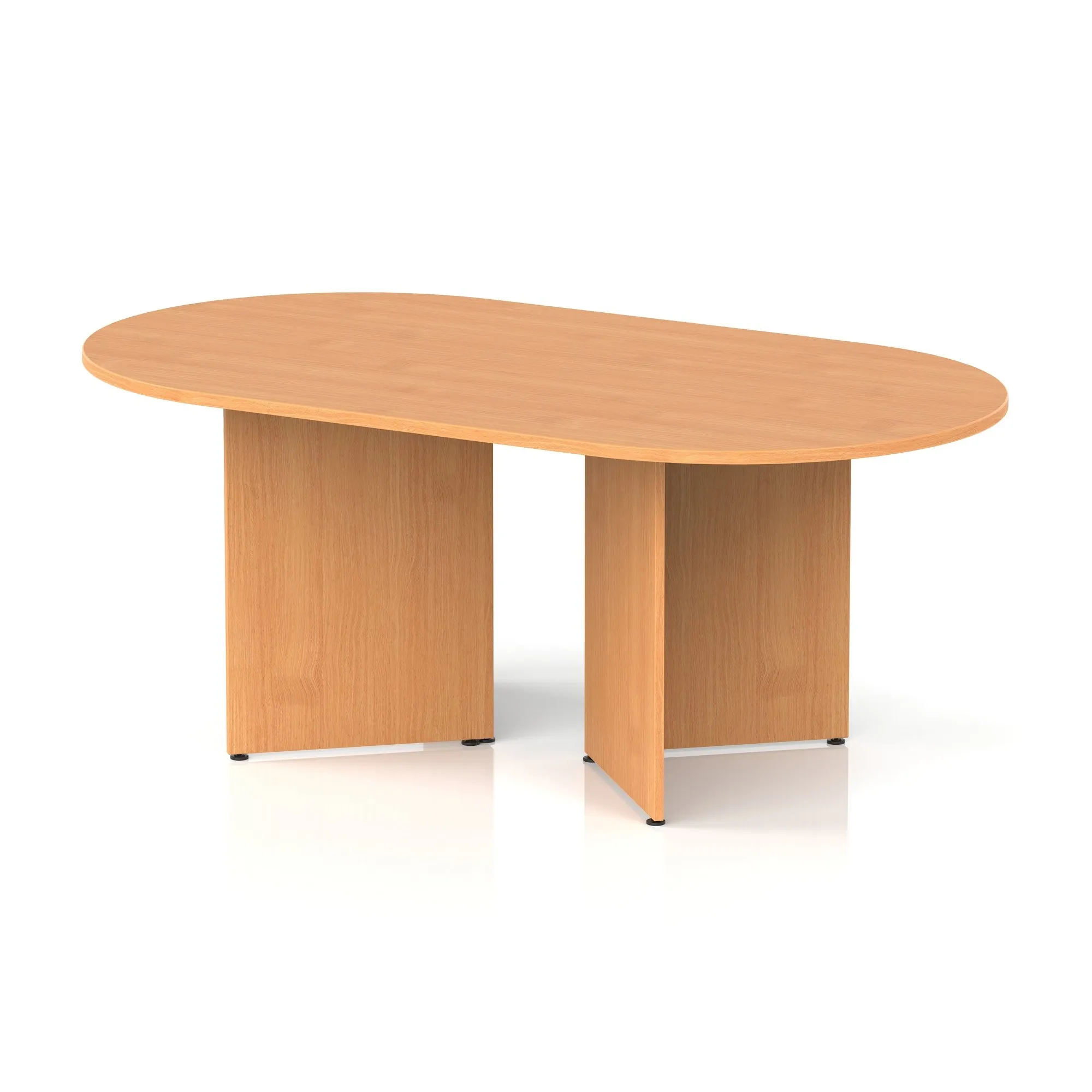
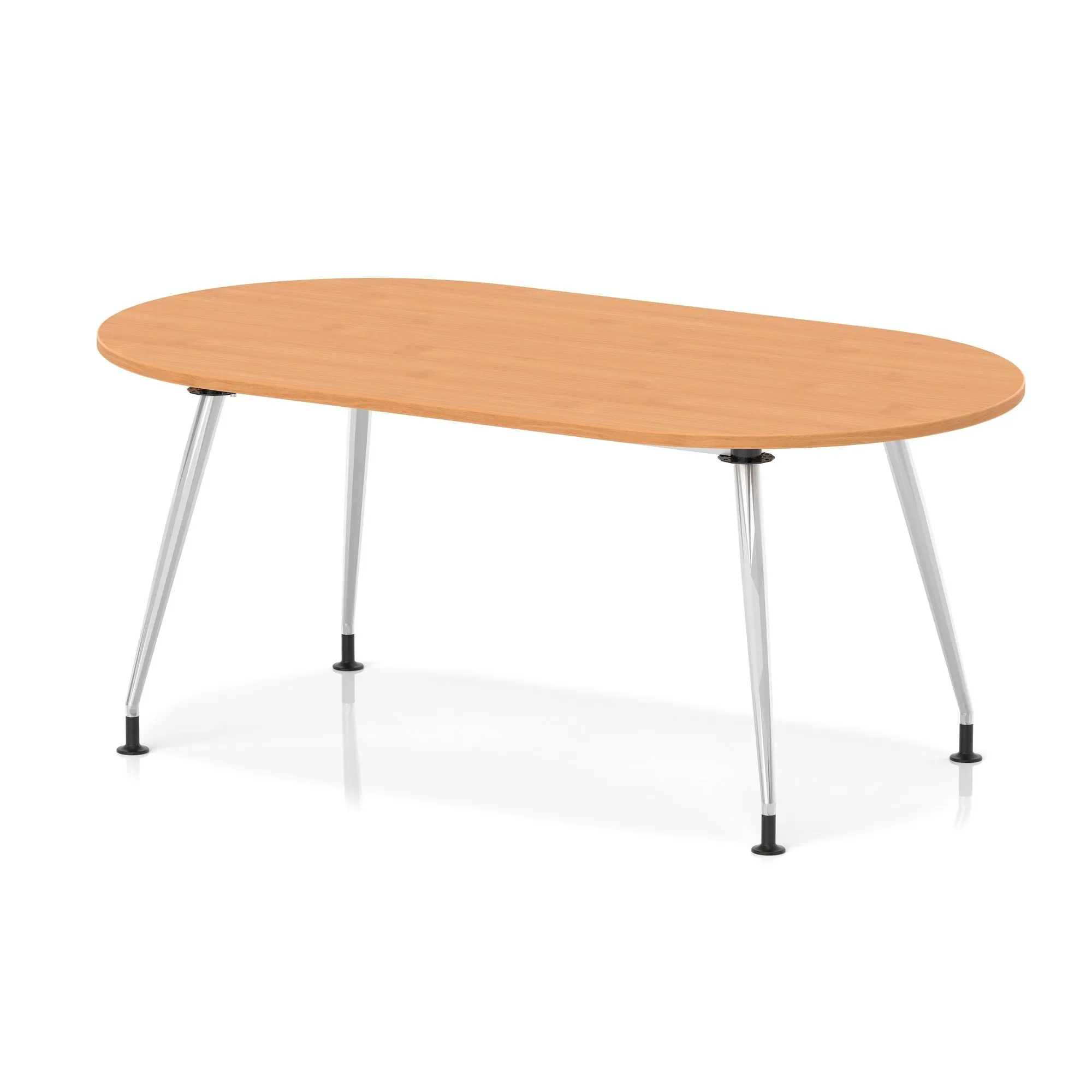
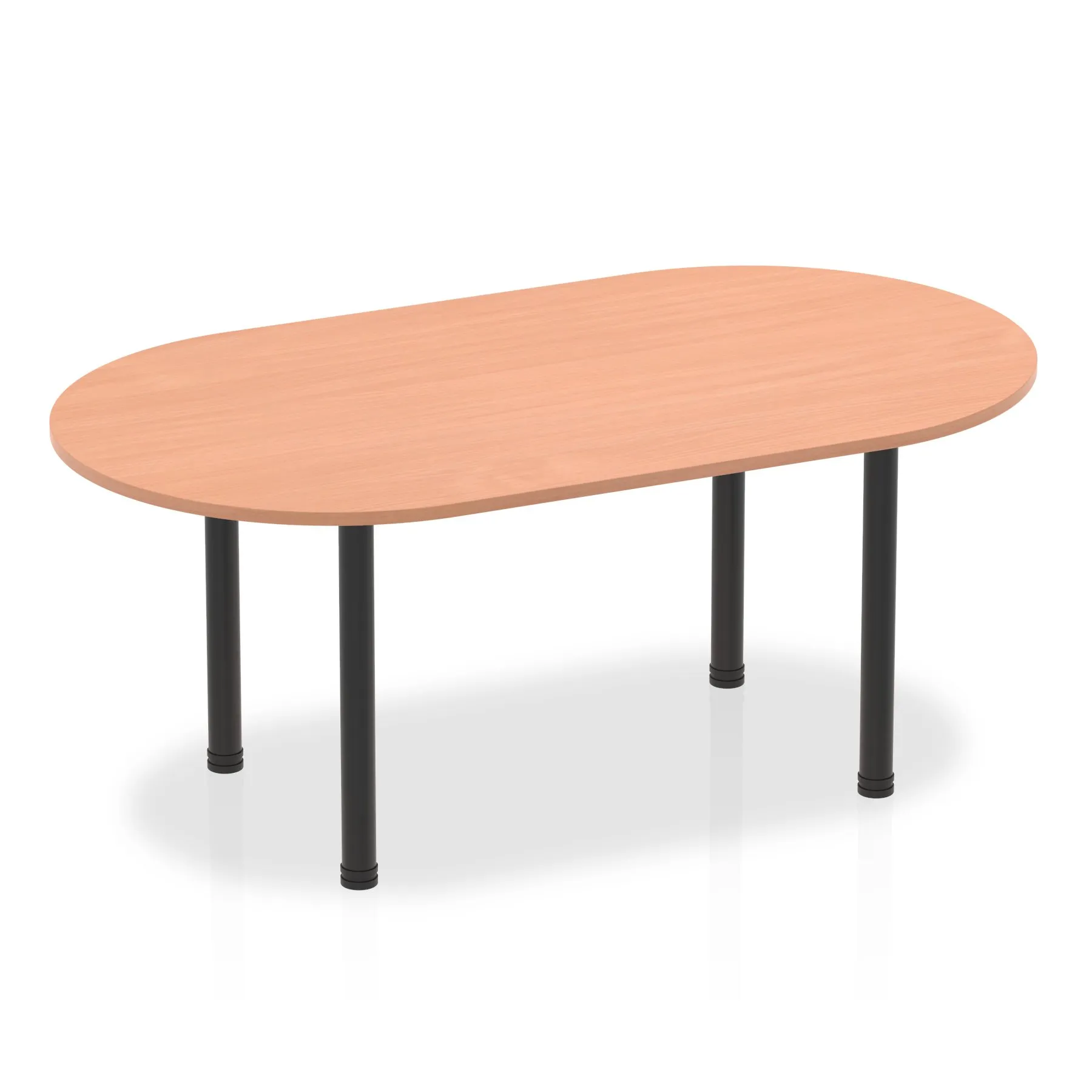
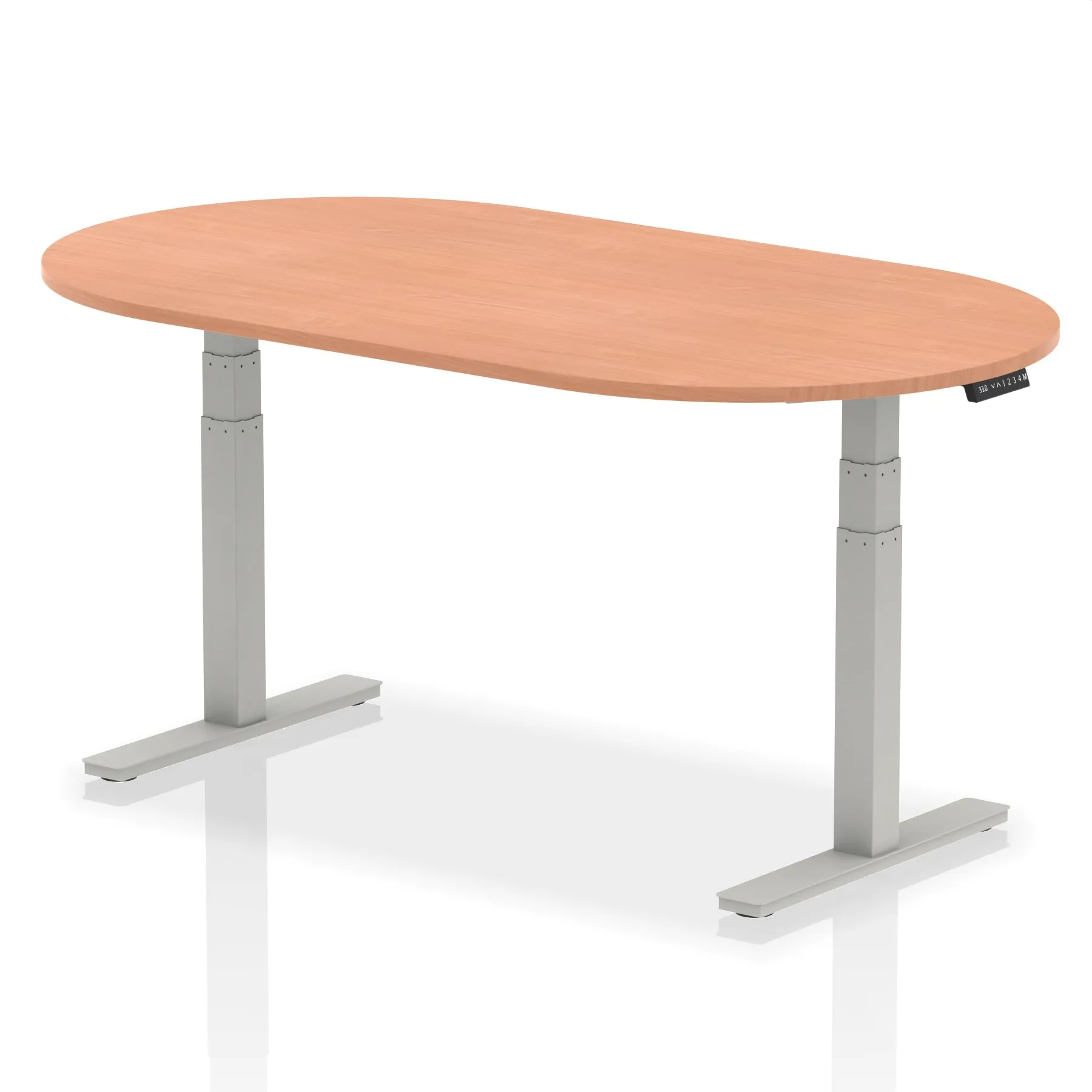
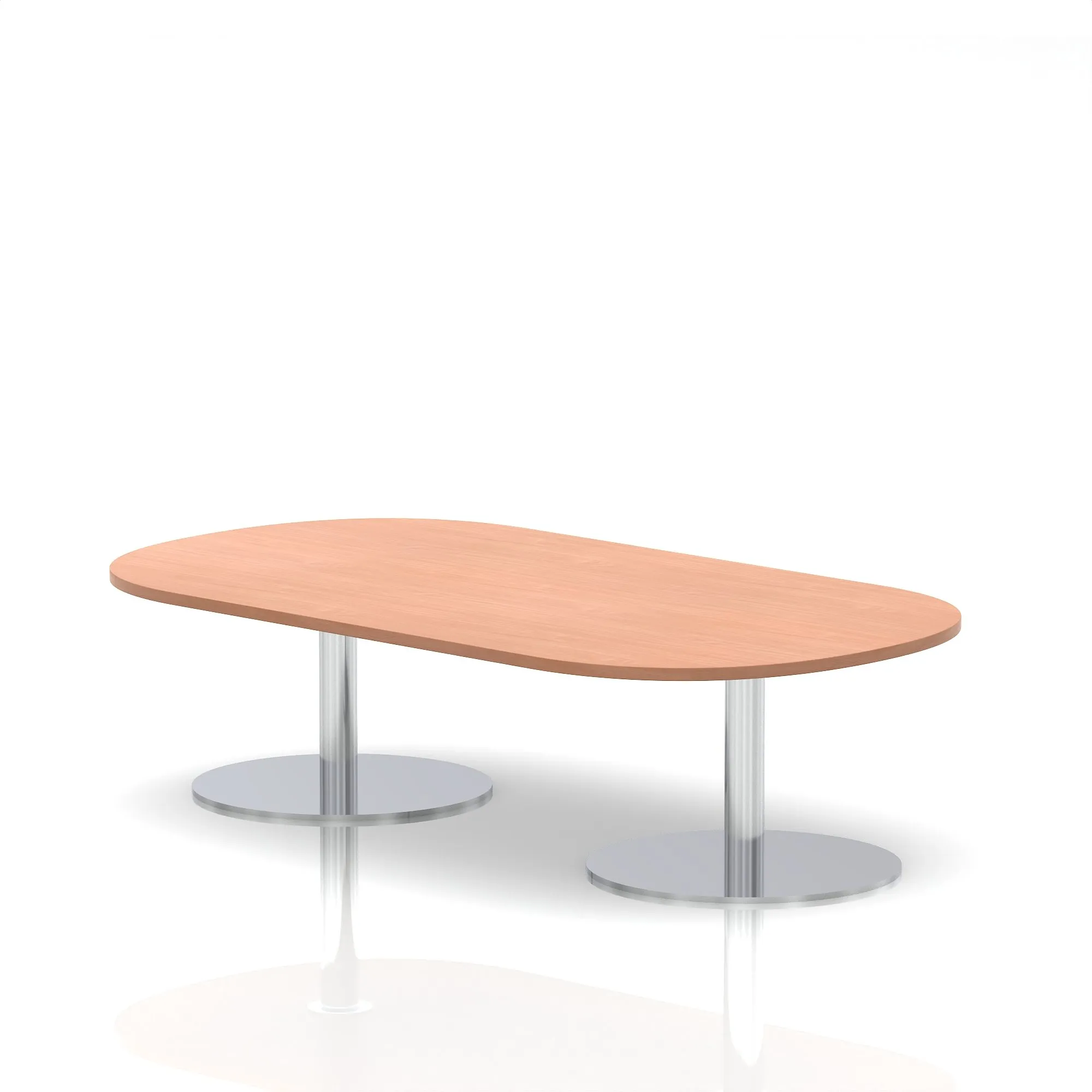
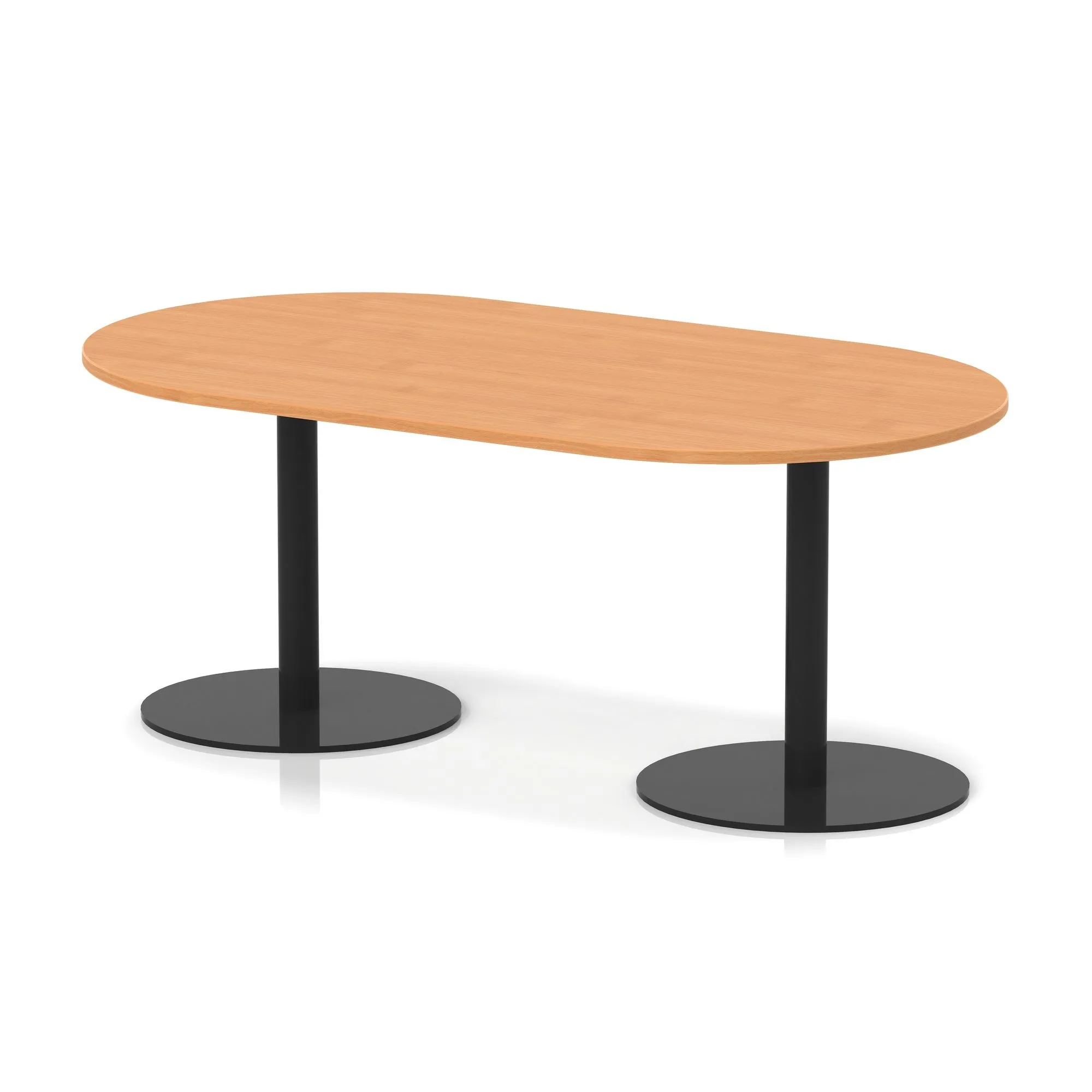
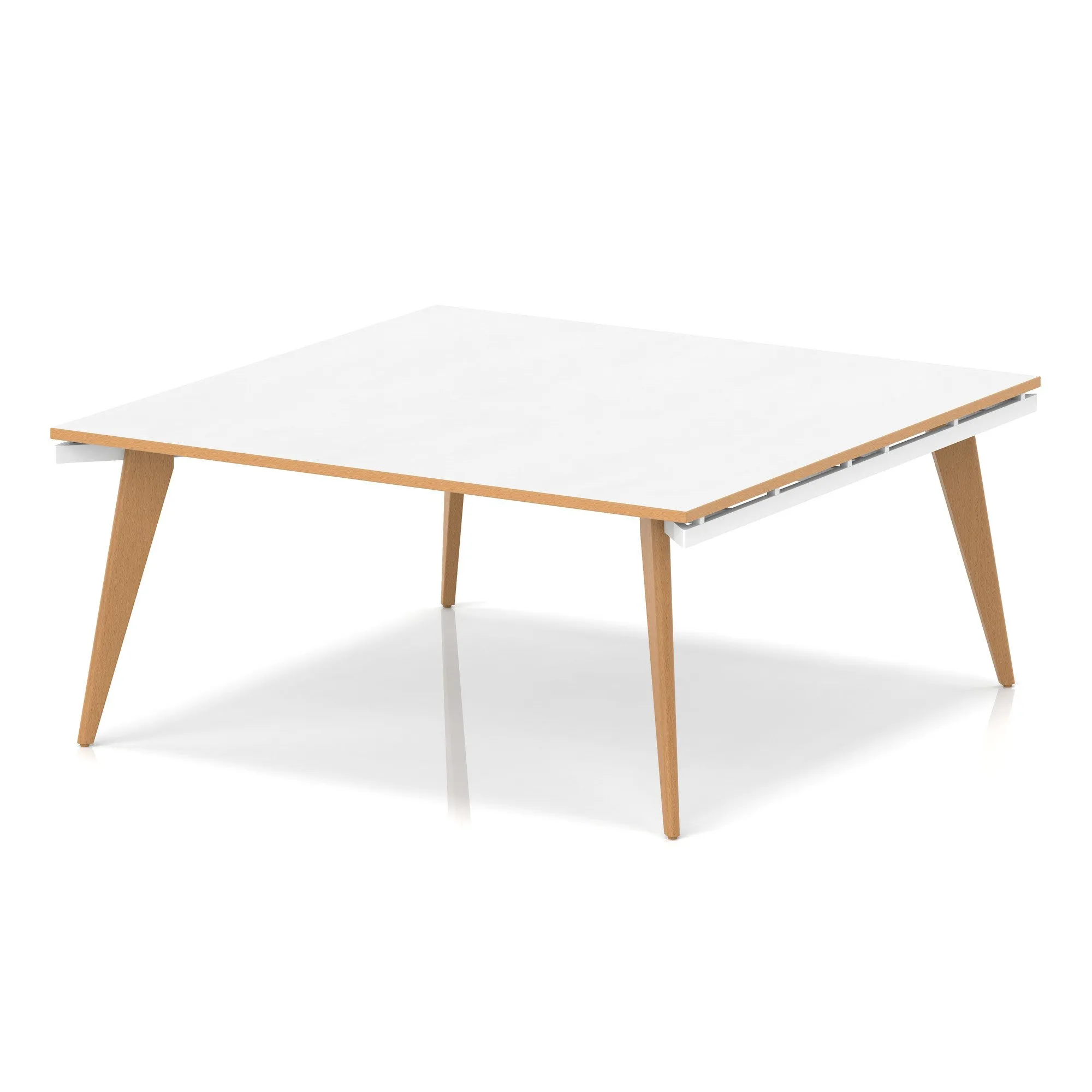
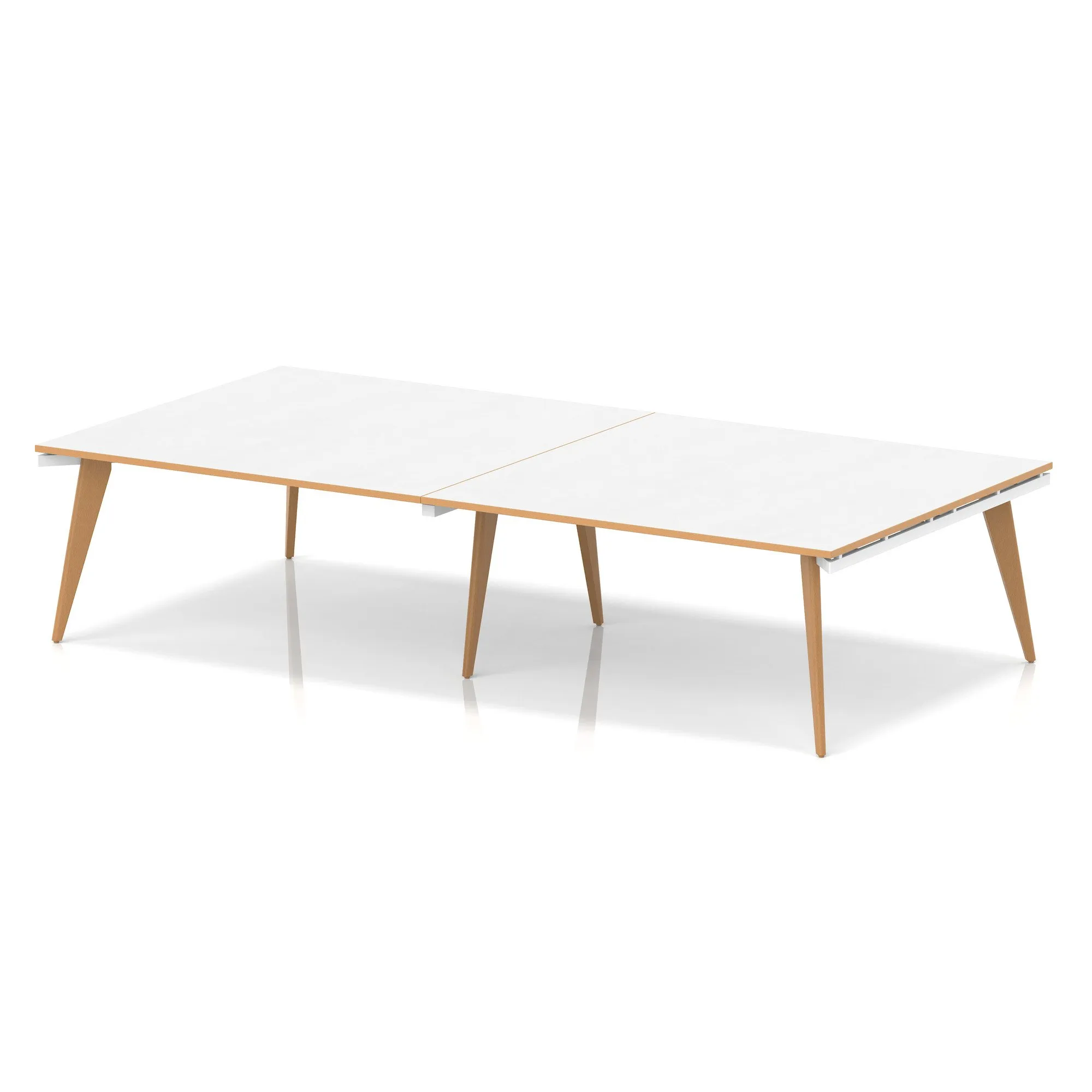
Tables for meeting rooms and boardrooms, from four seat meeting tables through to full boardroom sizes with extension kits. The table is usually specified to the guest list and should be specified to the room.
Measure the room, not the headcount
The common mistake is buying the largest table that technically fits. A boardroom table with 600mm of clearance leaves nobody able to walk behind a seated colleague, so the two end seats go unused and you have bought a table for ten that seats eight.
Allow around a metre between the table edge and the wall wherever people need to pass. If that leaves a table smaller than you wanted, the honest answer is that the room seats fewer people than you hoped.
Shape changes the conversation
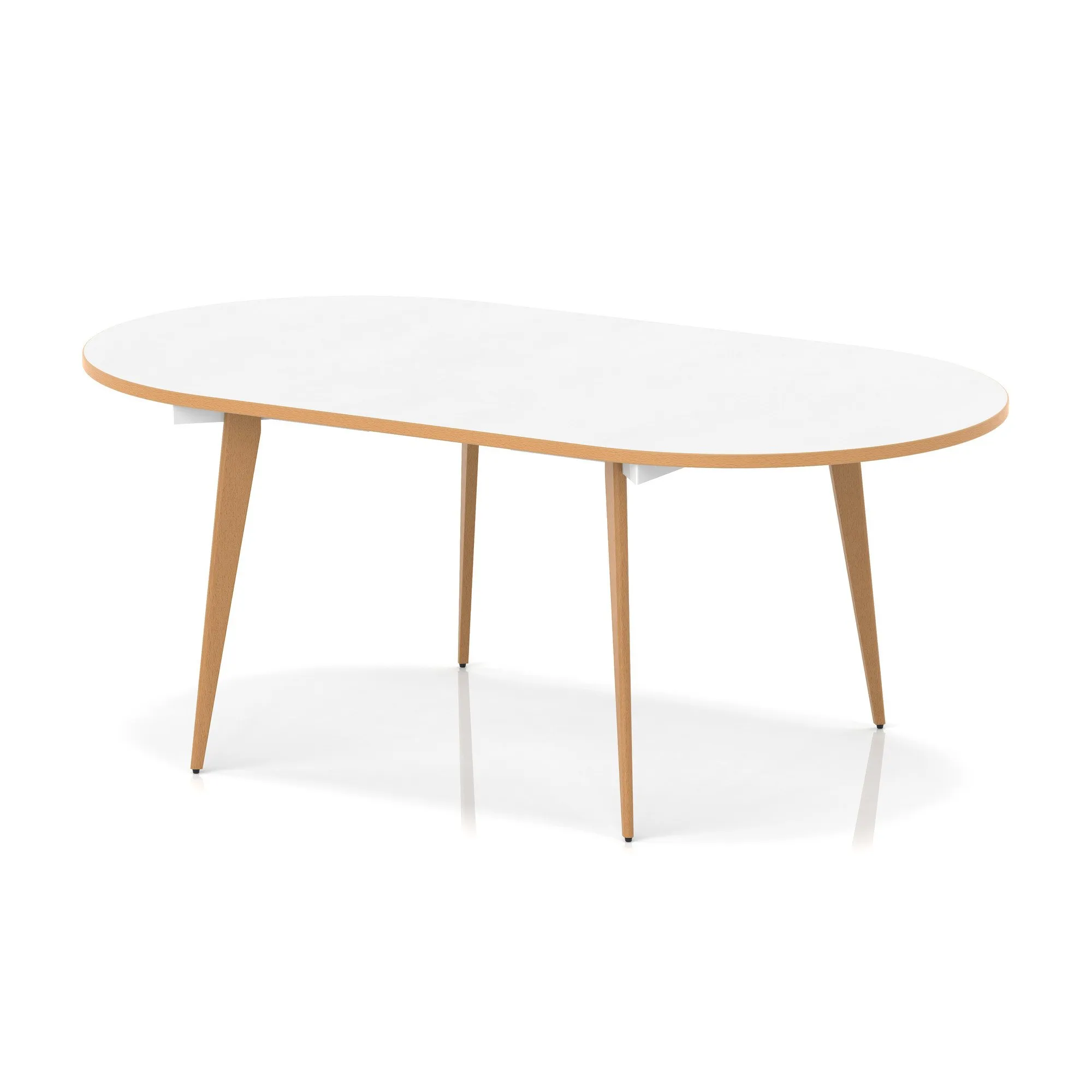
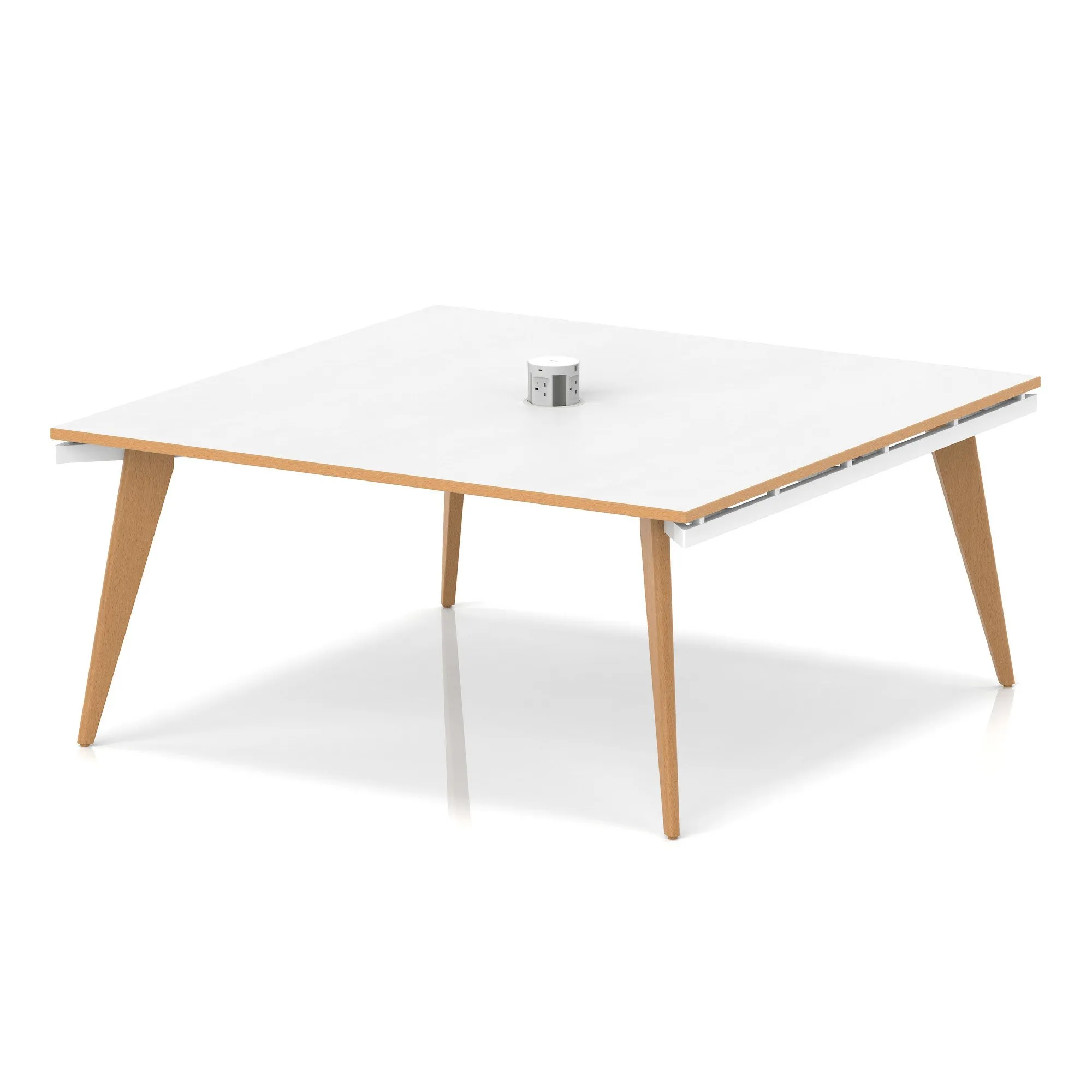
A rectangular table has a head, which suits presentations and hierarchy. A round or square table does not, which suits discussion. Neither is better, but choosing without thinking about it means the room dictates the meeting.
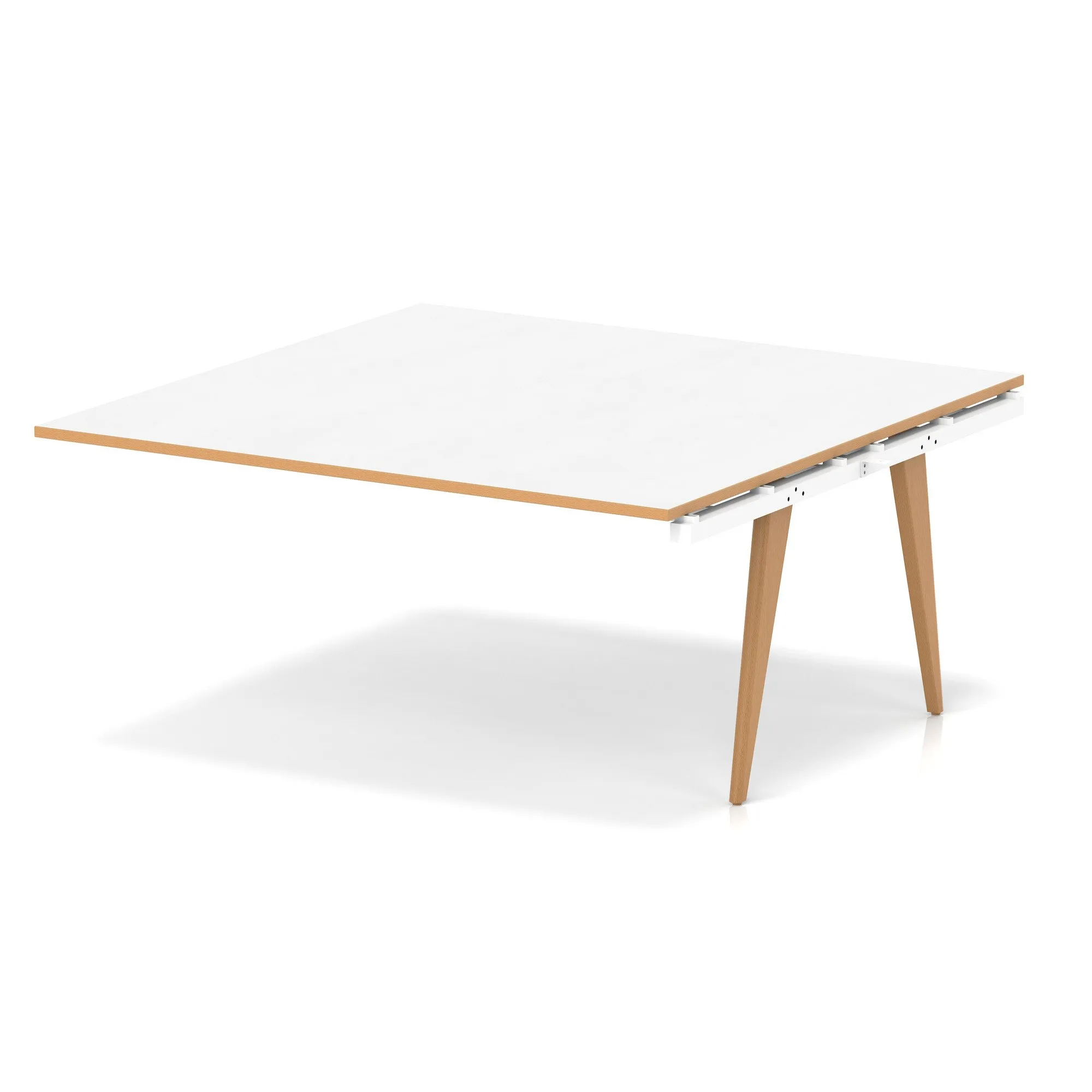
For rooms that host both, extension kits let a table grow for the quarterly and shrink back afterwards.
Power at the table
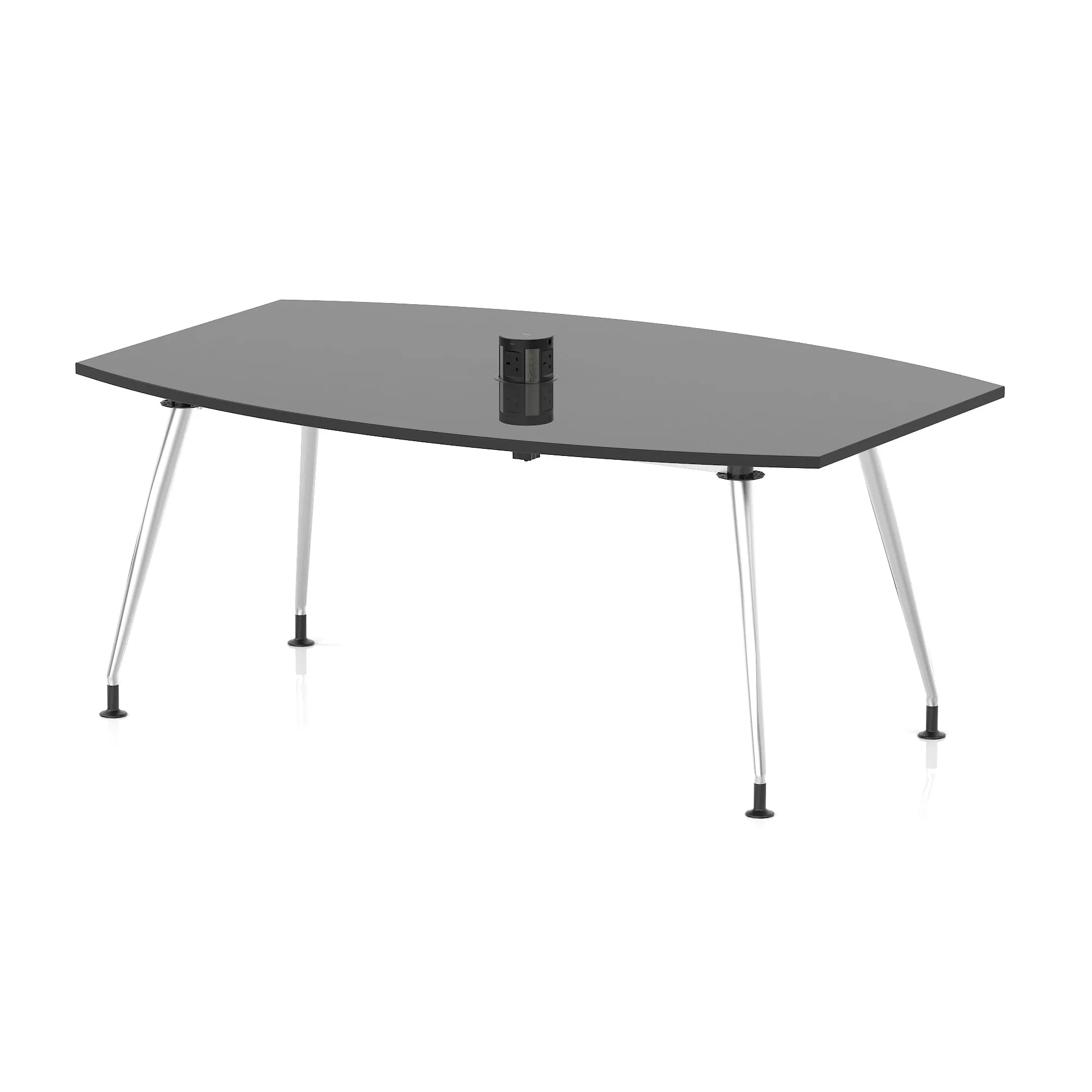
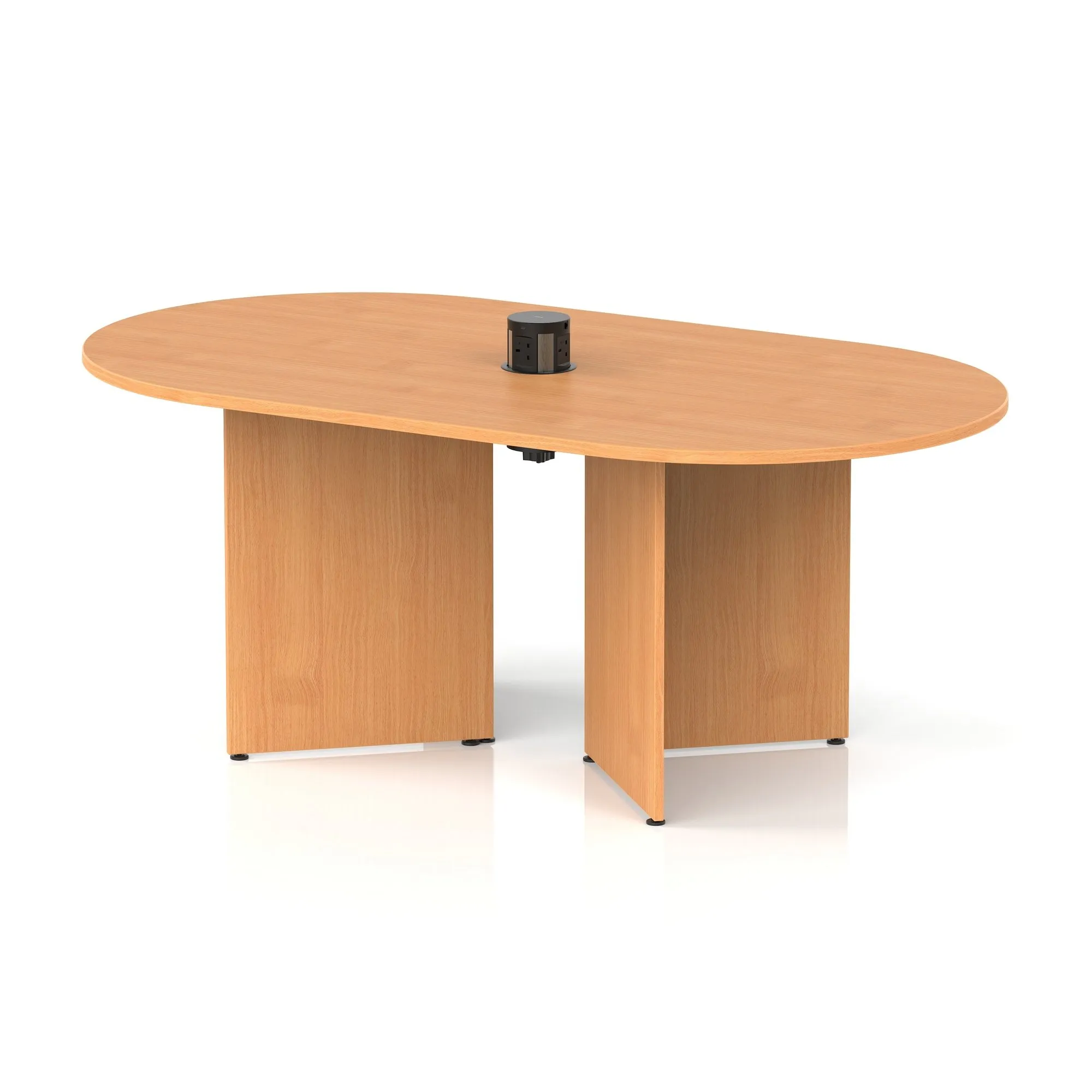
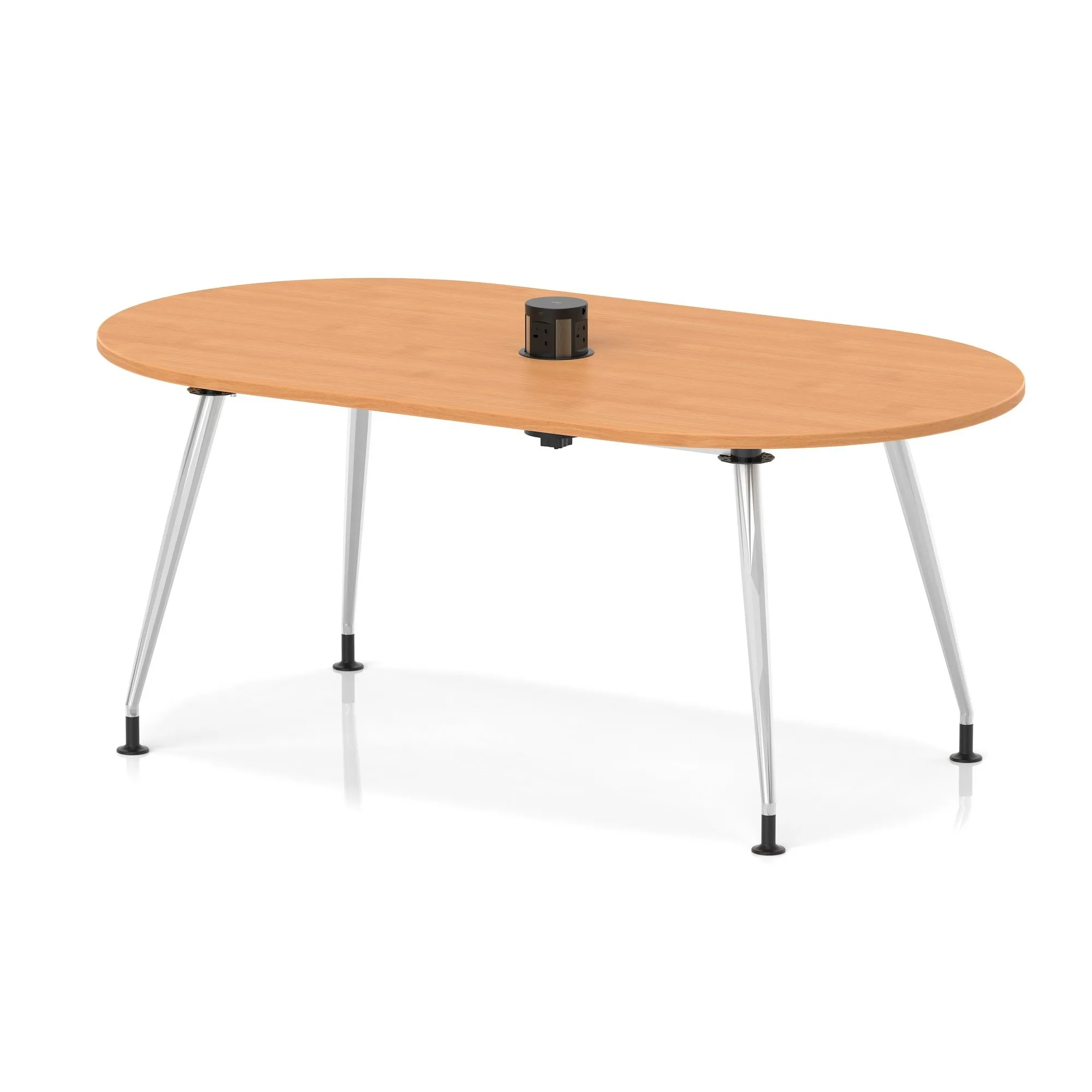
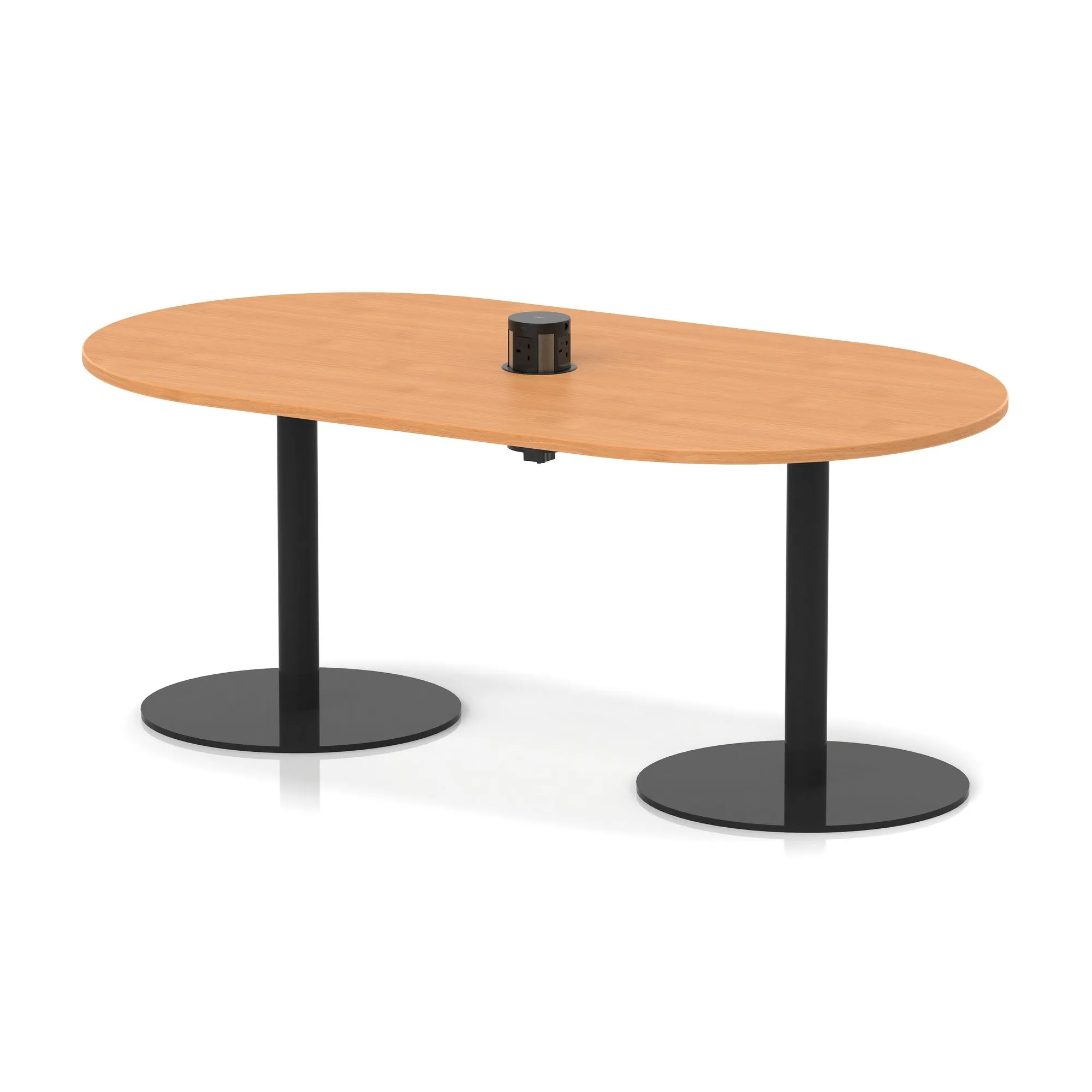
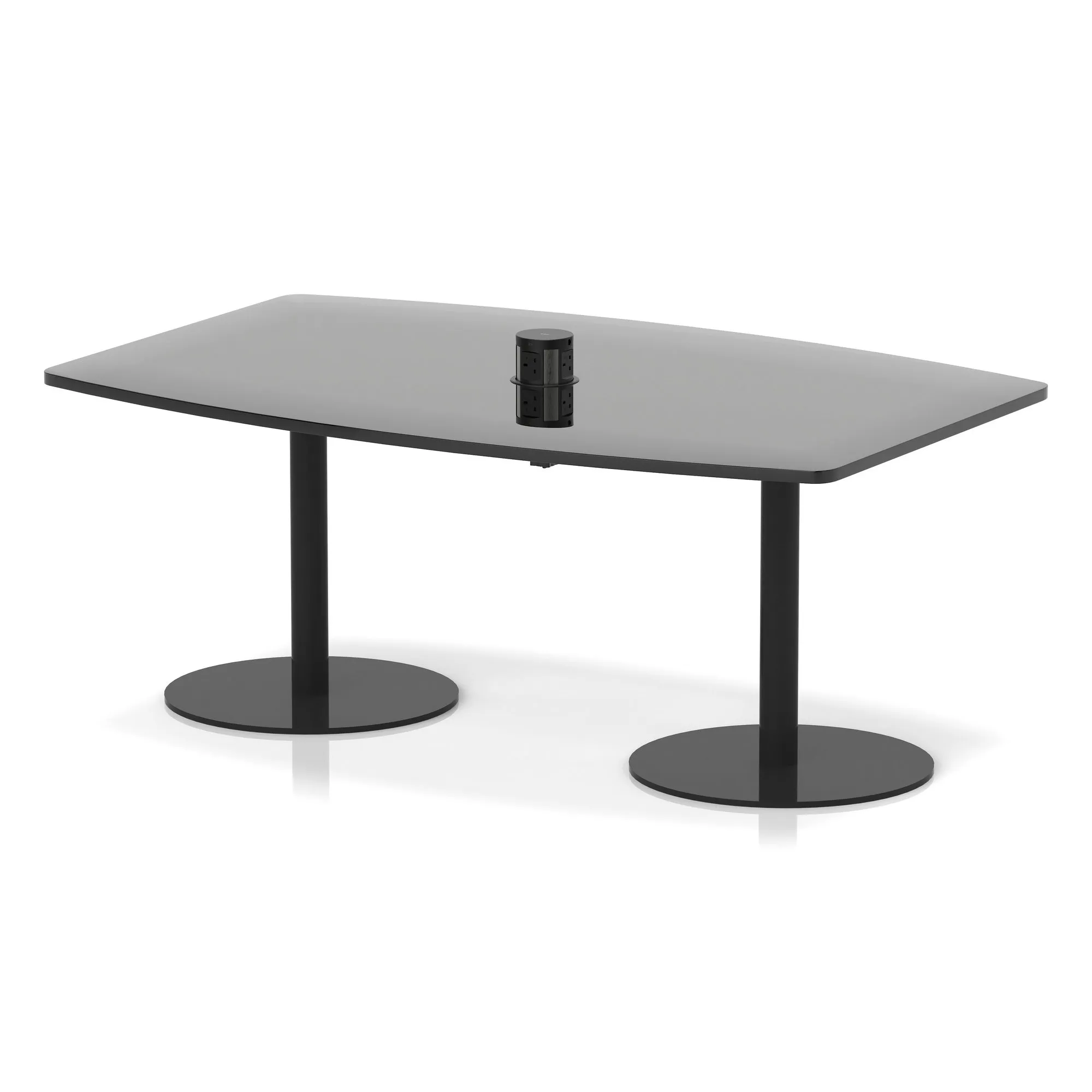
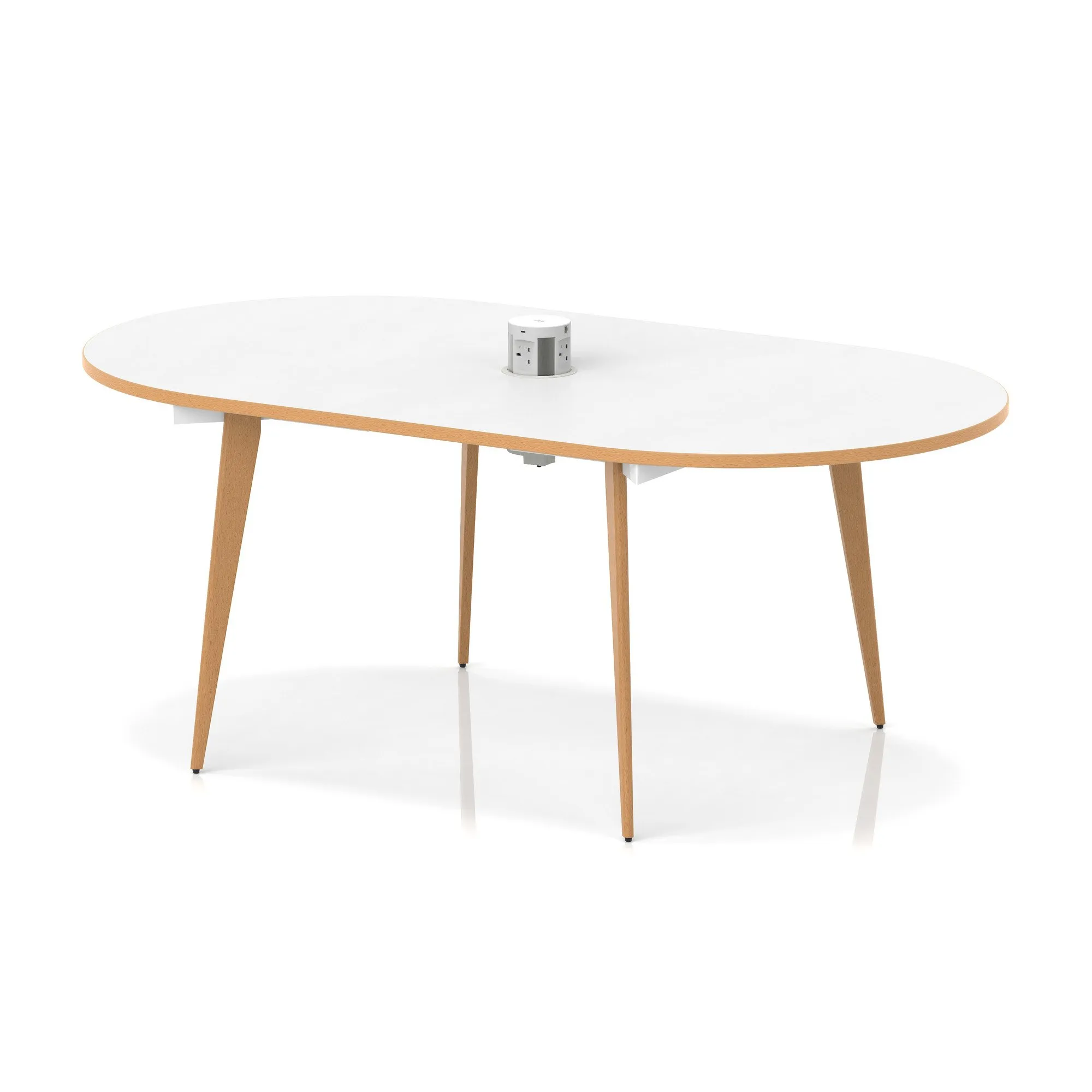
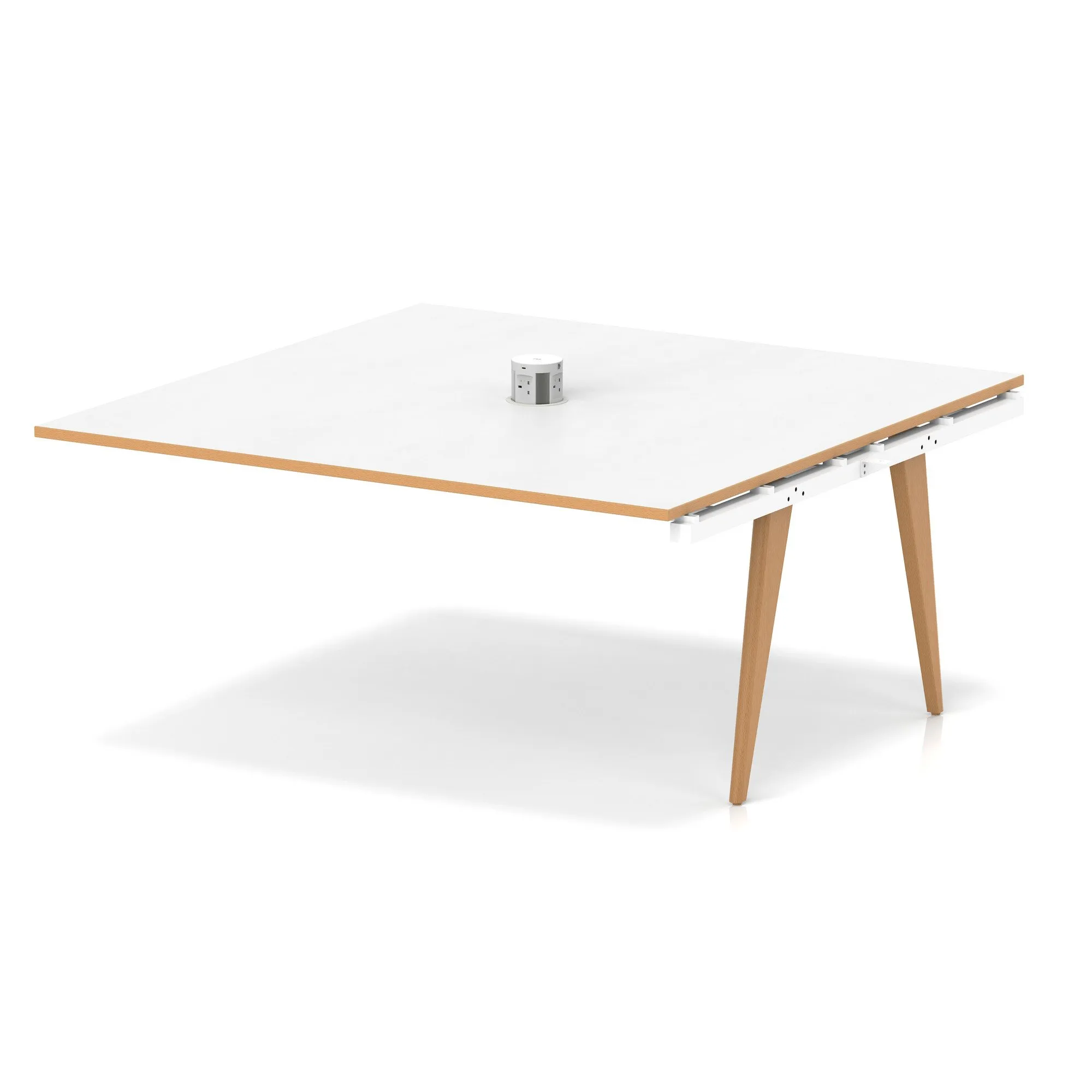
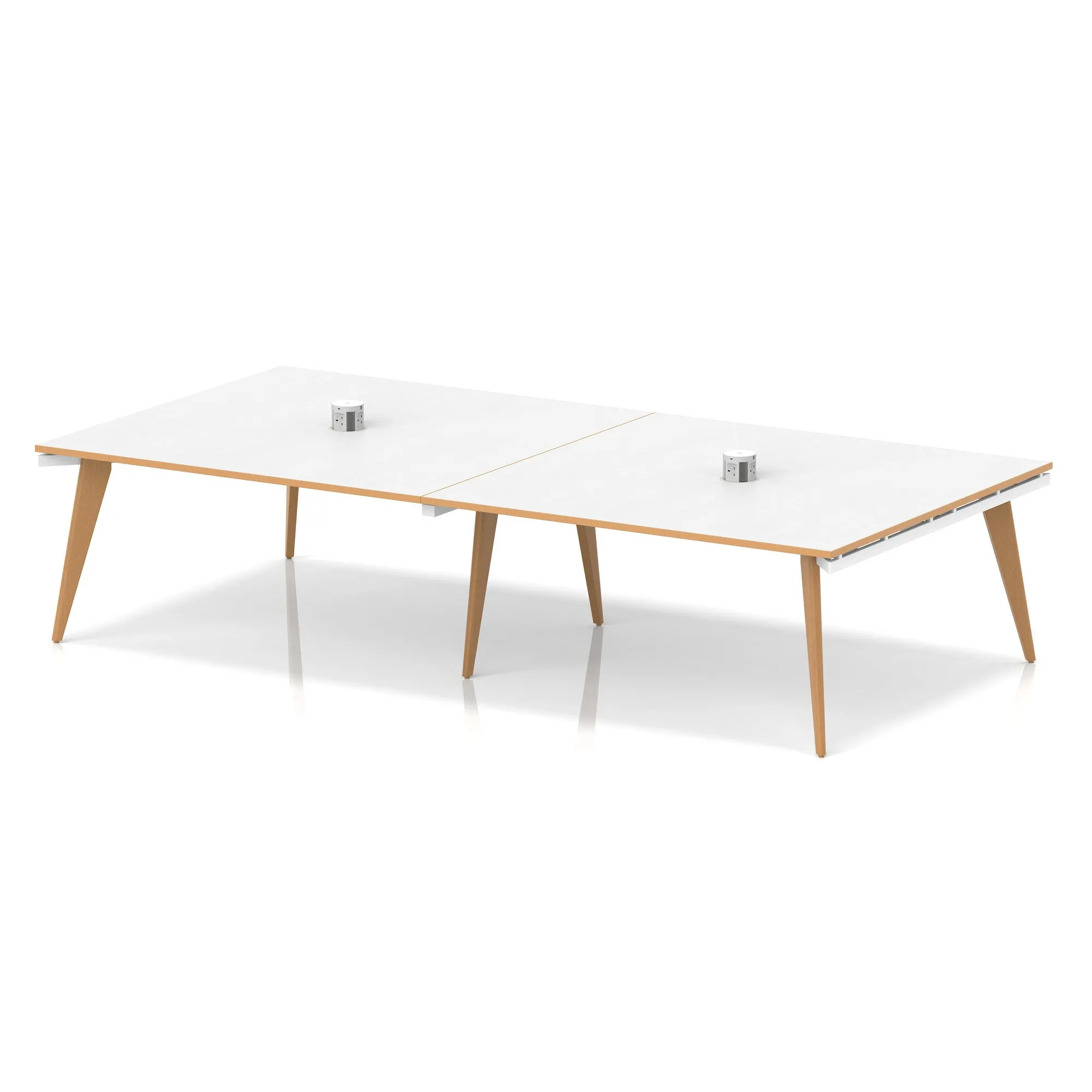
Any meeting longer than an hour involves laptops, and laptops involve an extension lead across the floor unless you plan for it. Boardroom tables with power use Volta pop-up modules that drop flush into the surface when not in use.
It costs more up front and removes a trip hazard permanently.
Matching the room
The Evolve Plus, Impulse and Oslo ranges coordinate with their desking equivalents, so meeting furniture matches the floor it sits on. High Gloss Furniture covers the more formal end for client facing boardrooms.