
The details that decide whether an office works
Everything that goes on and around the desk once the furniture is in. Accessories are usually the last line of the budget and the first thing people notice is missing, because they are what decide whether a new office actually works day to day.
The cheapest ergonomic win available
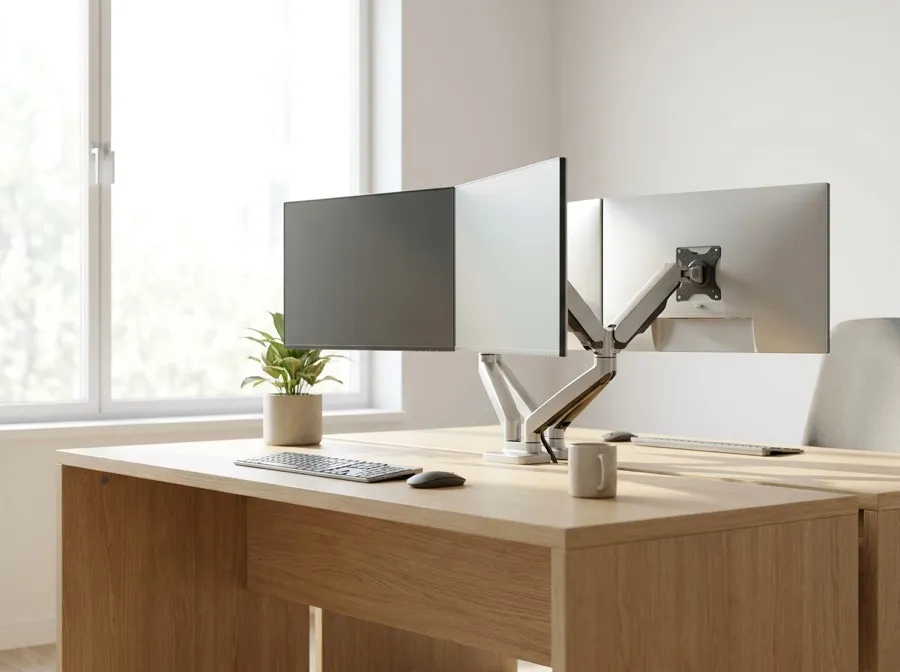
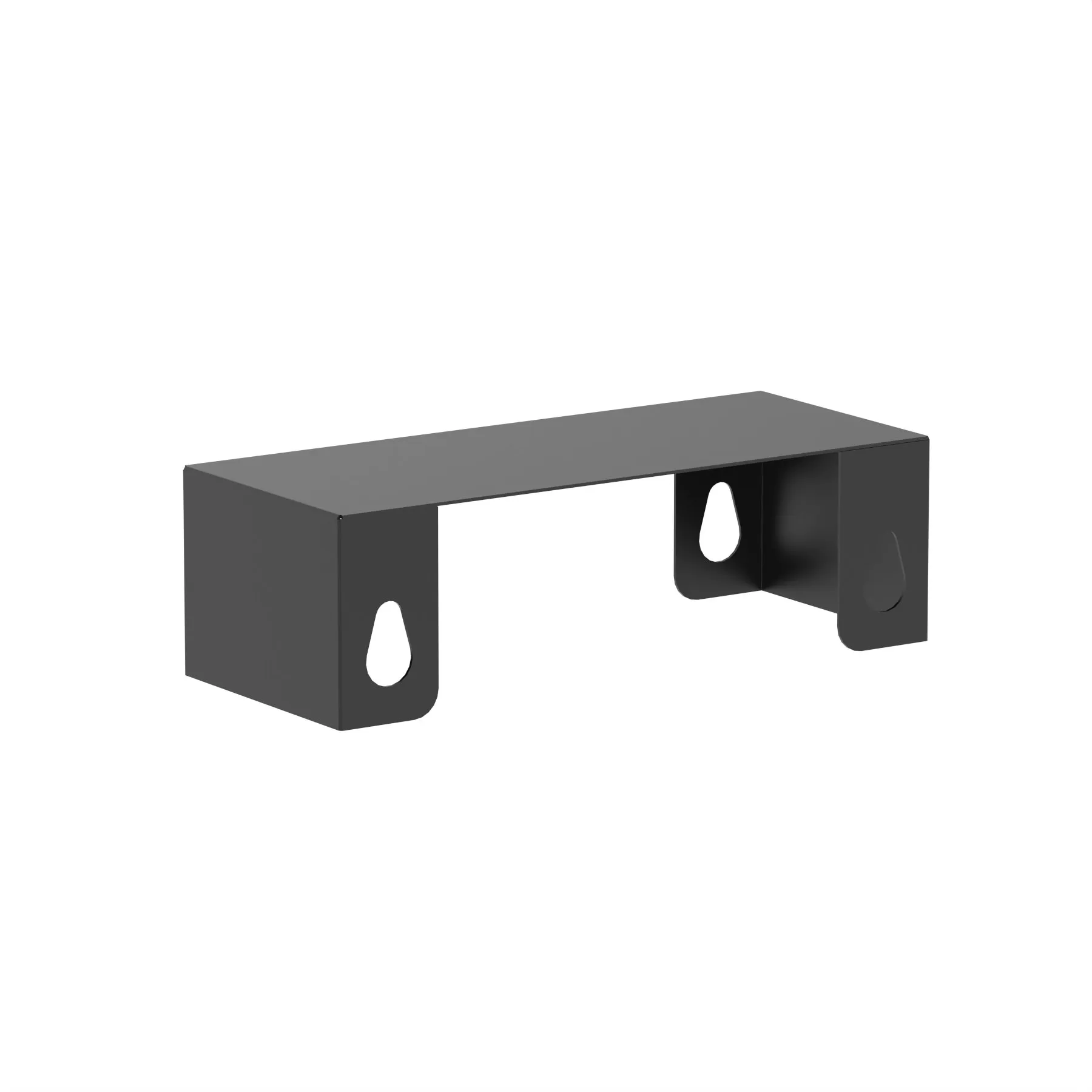
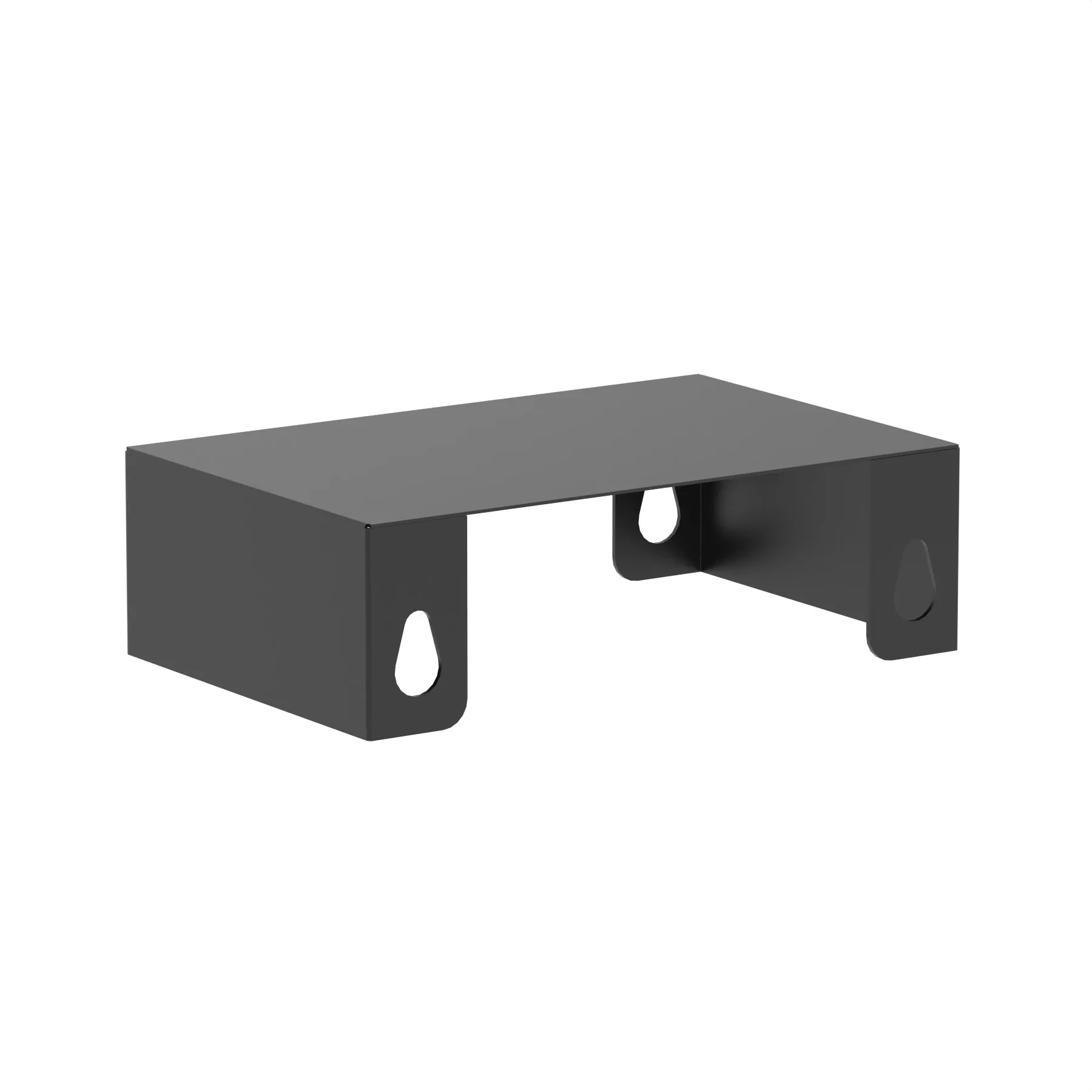
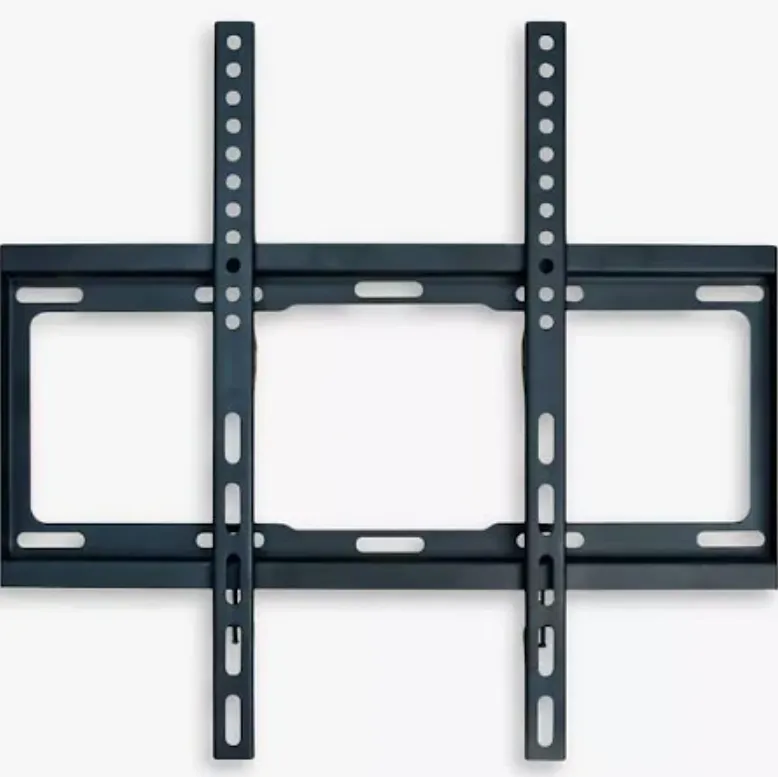
A monitor arm gets the screen to the right height and frees the surface underneath it. Screens sitting on their own stands are almost always too low, which pulls the head forward and puts load through the neck for eight hours a day.
It costs a fraction of a chair and fixes a problem a better chair cannot.
Cable management is not optional
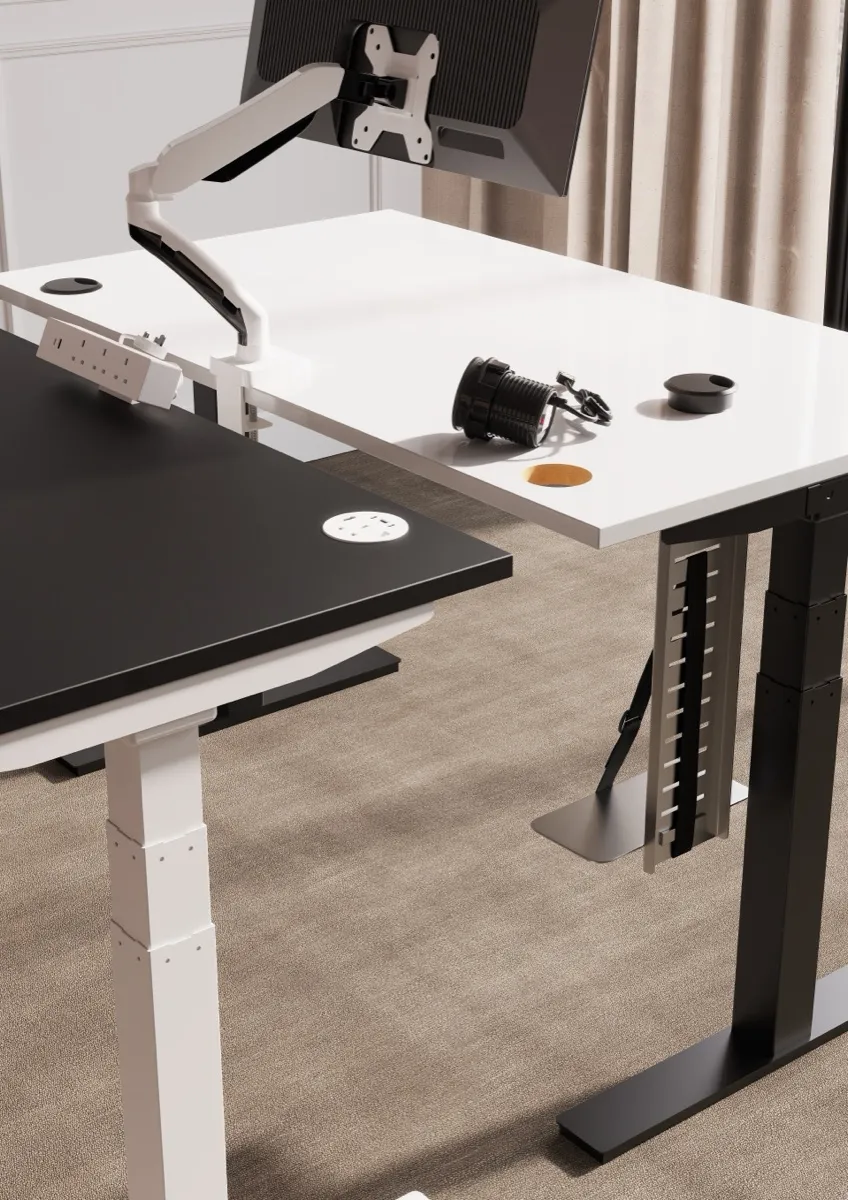
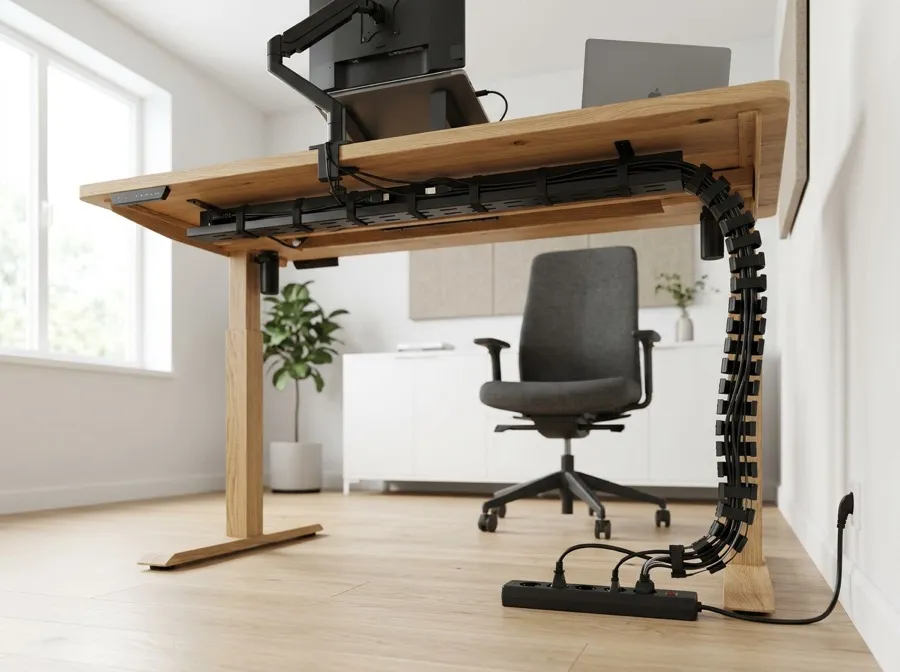
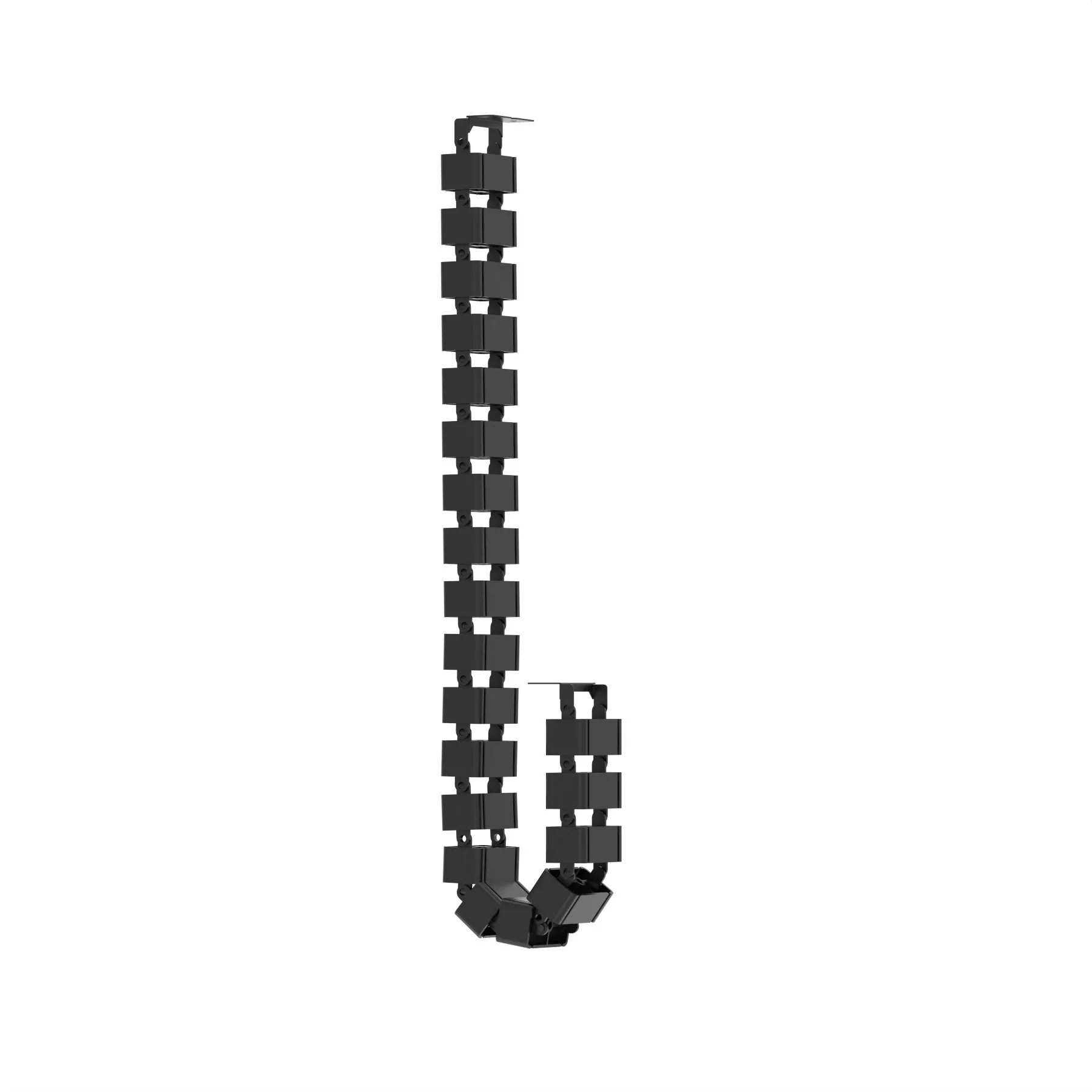
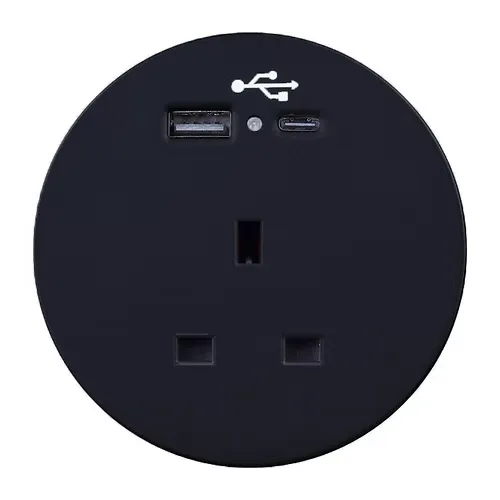
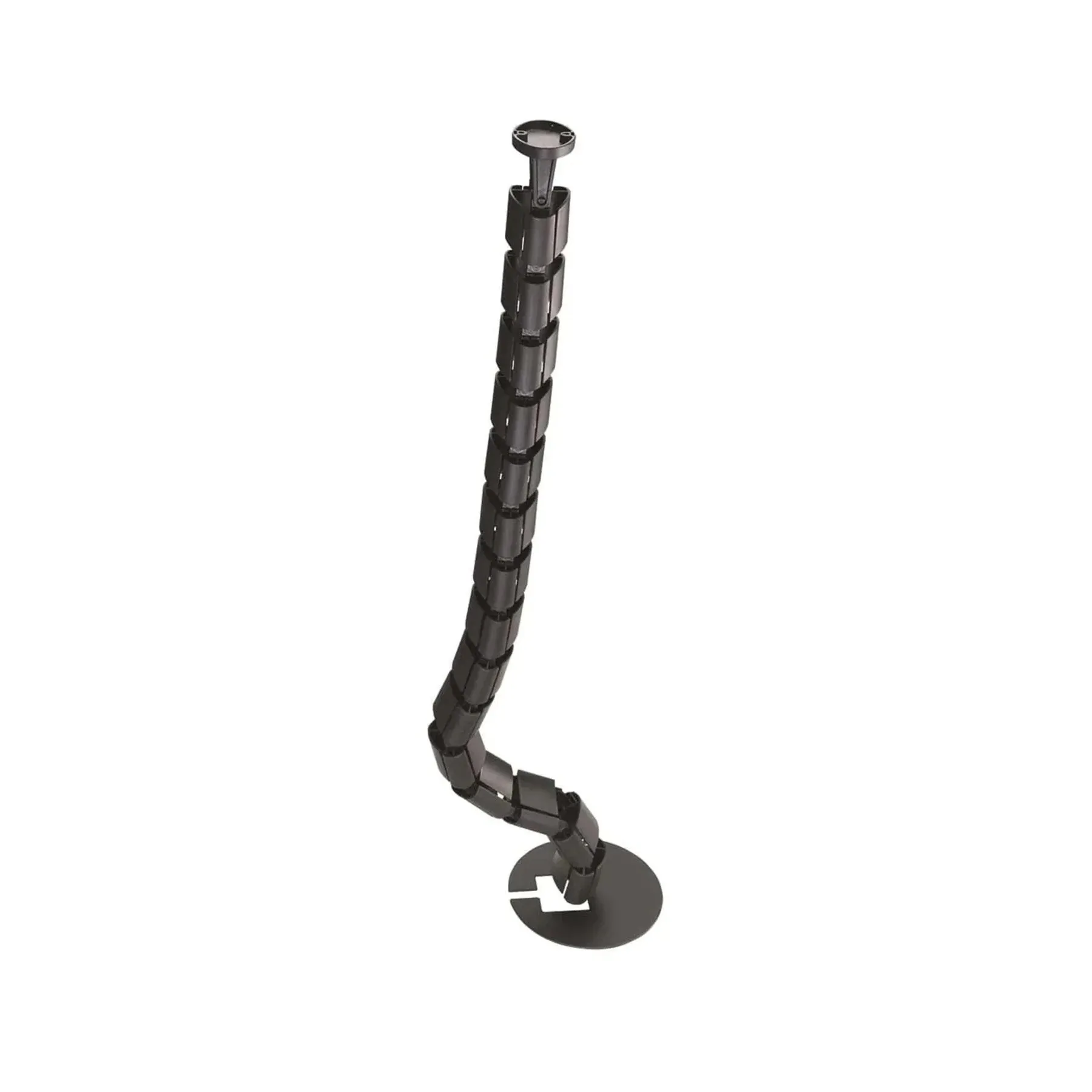
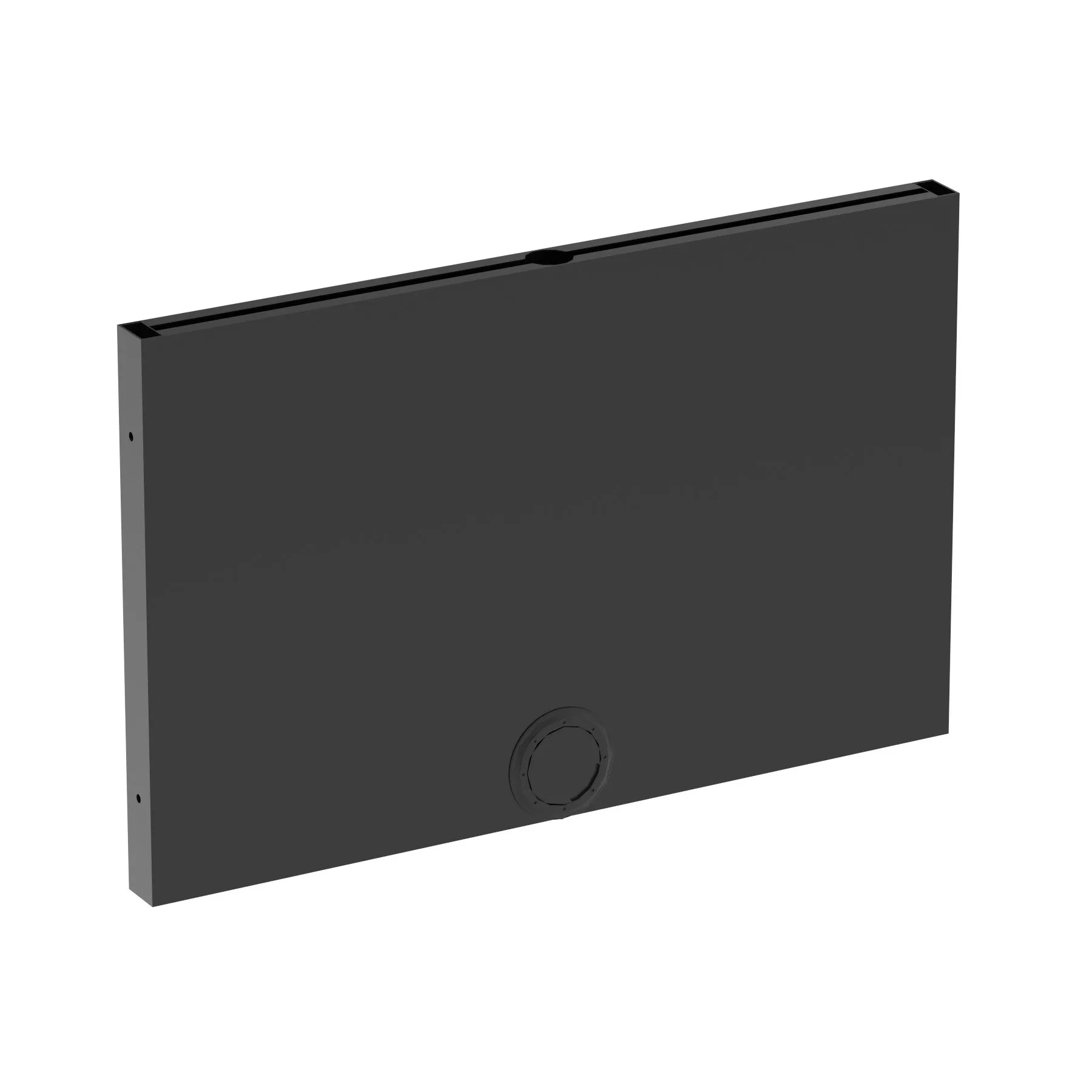
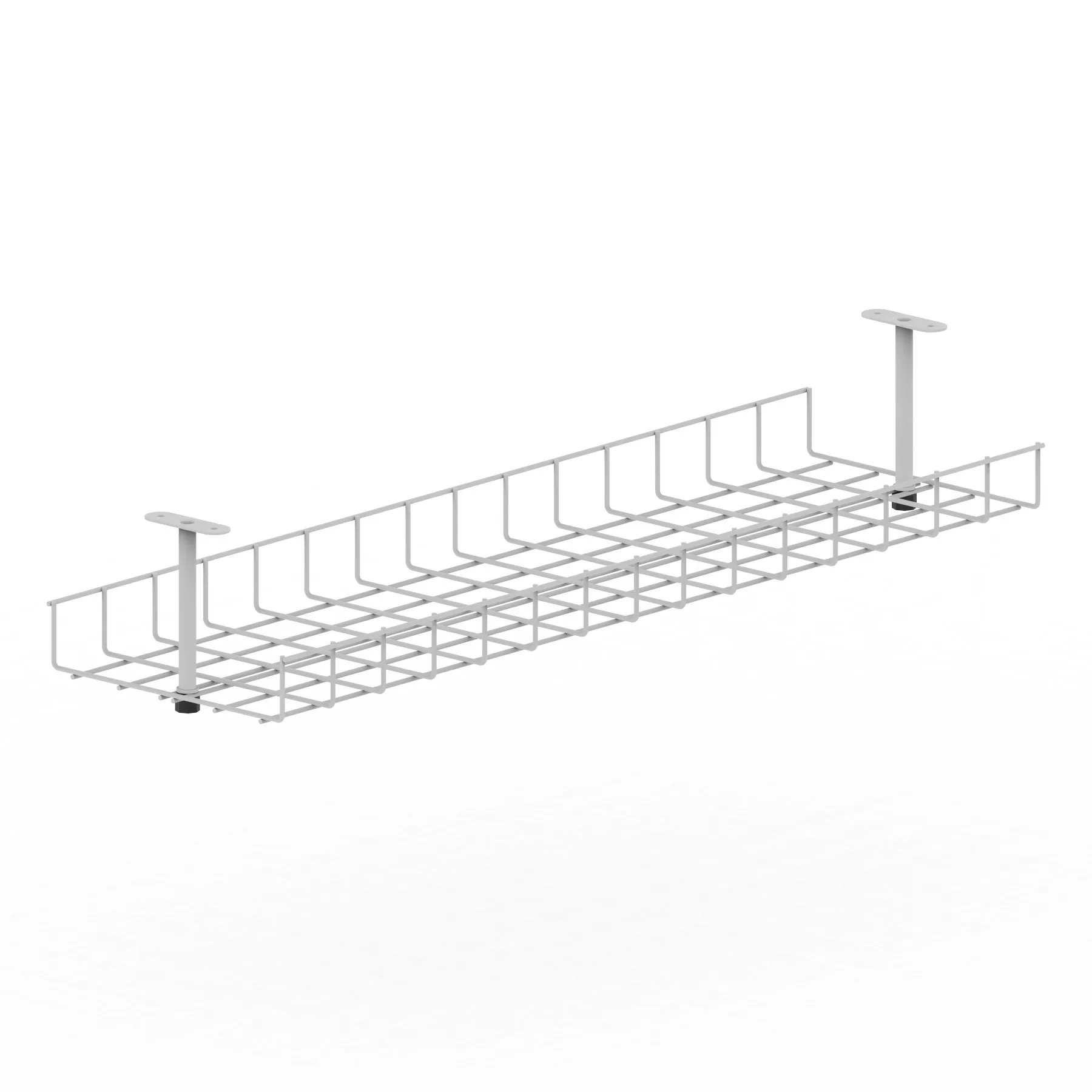
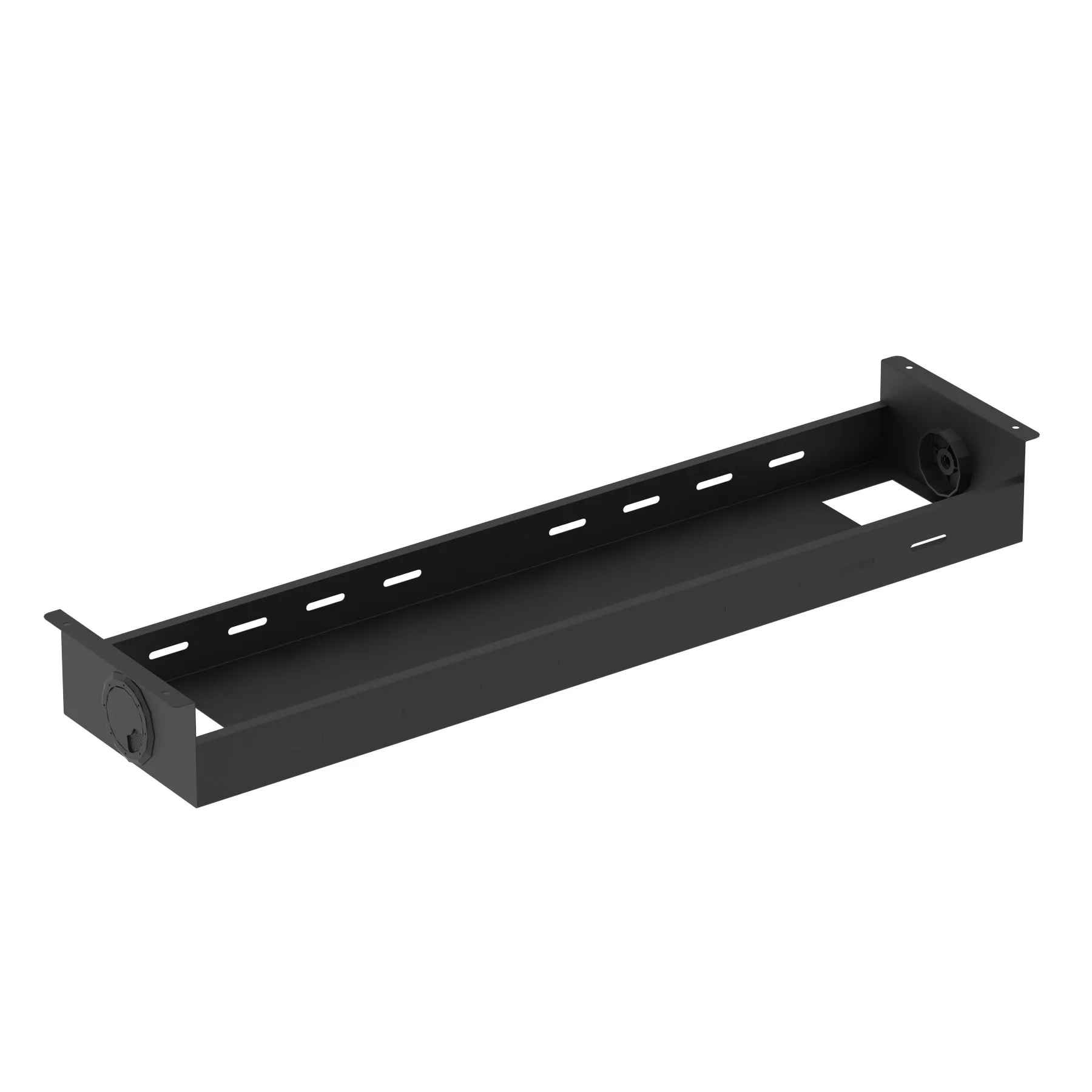
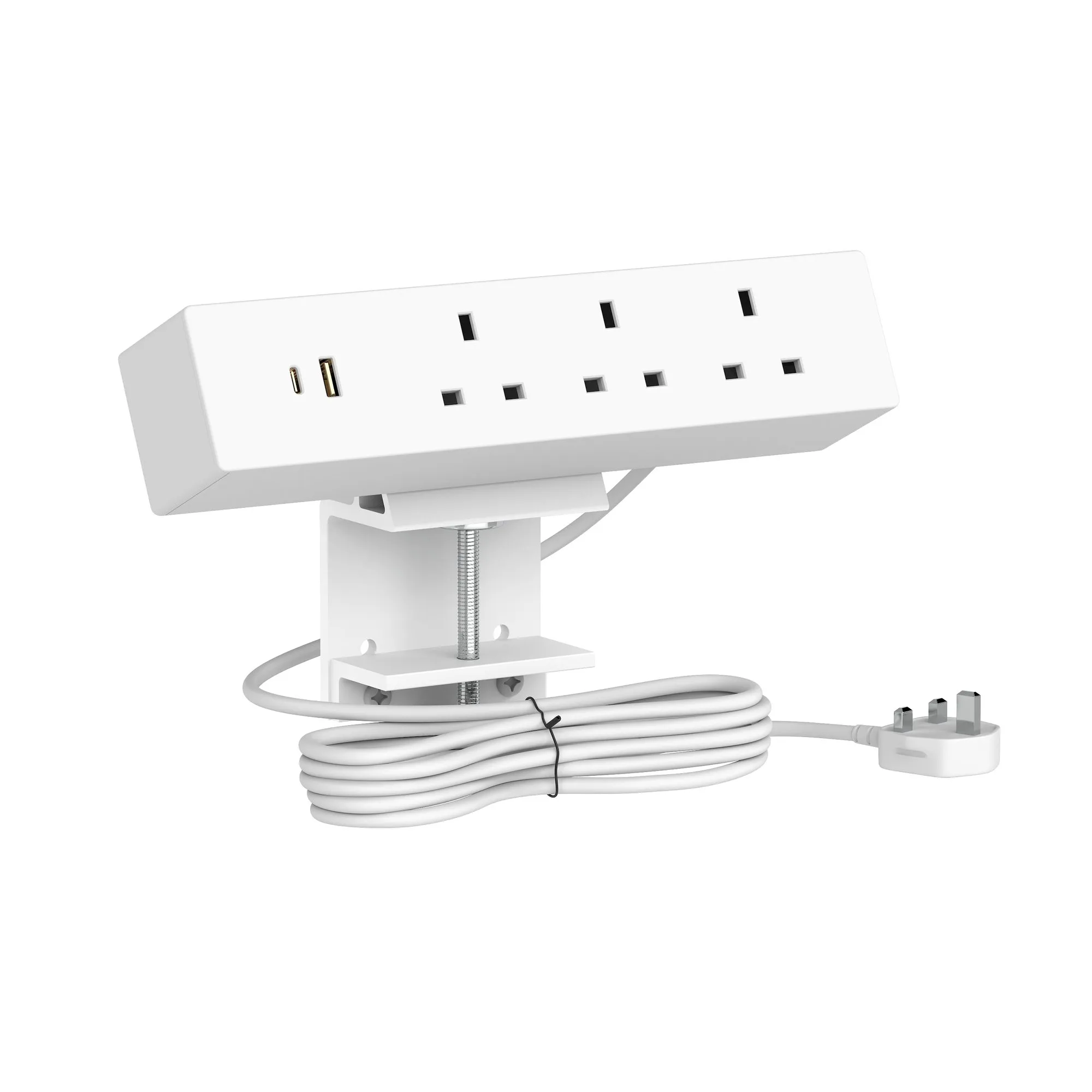
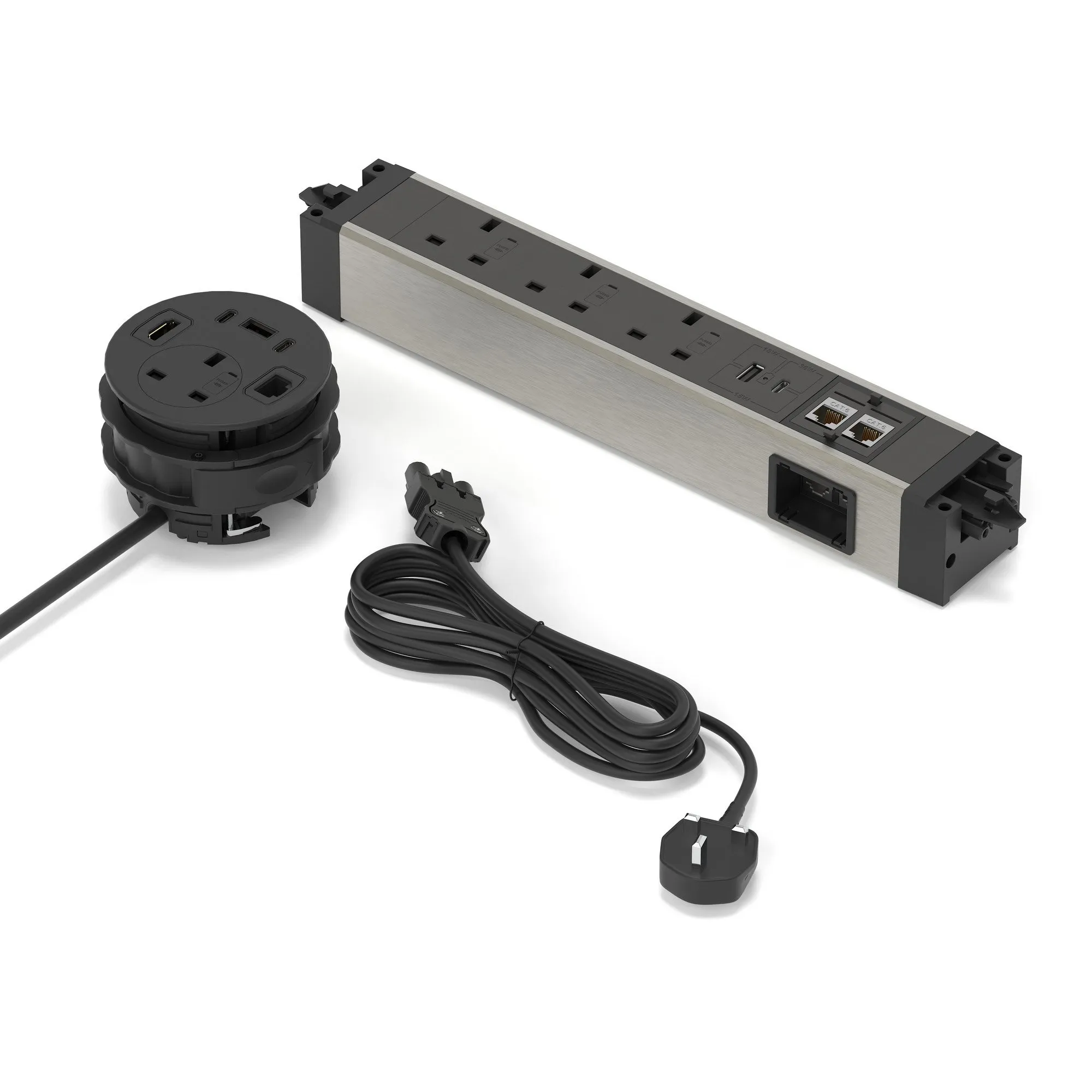
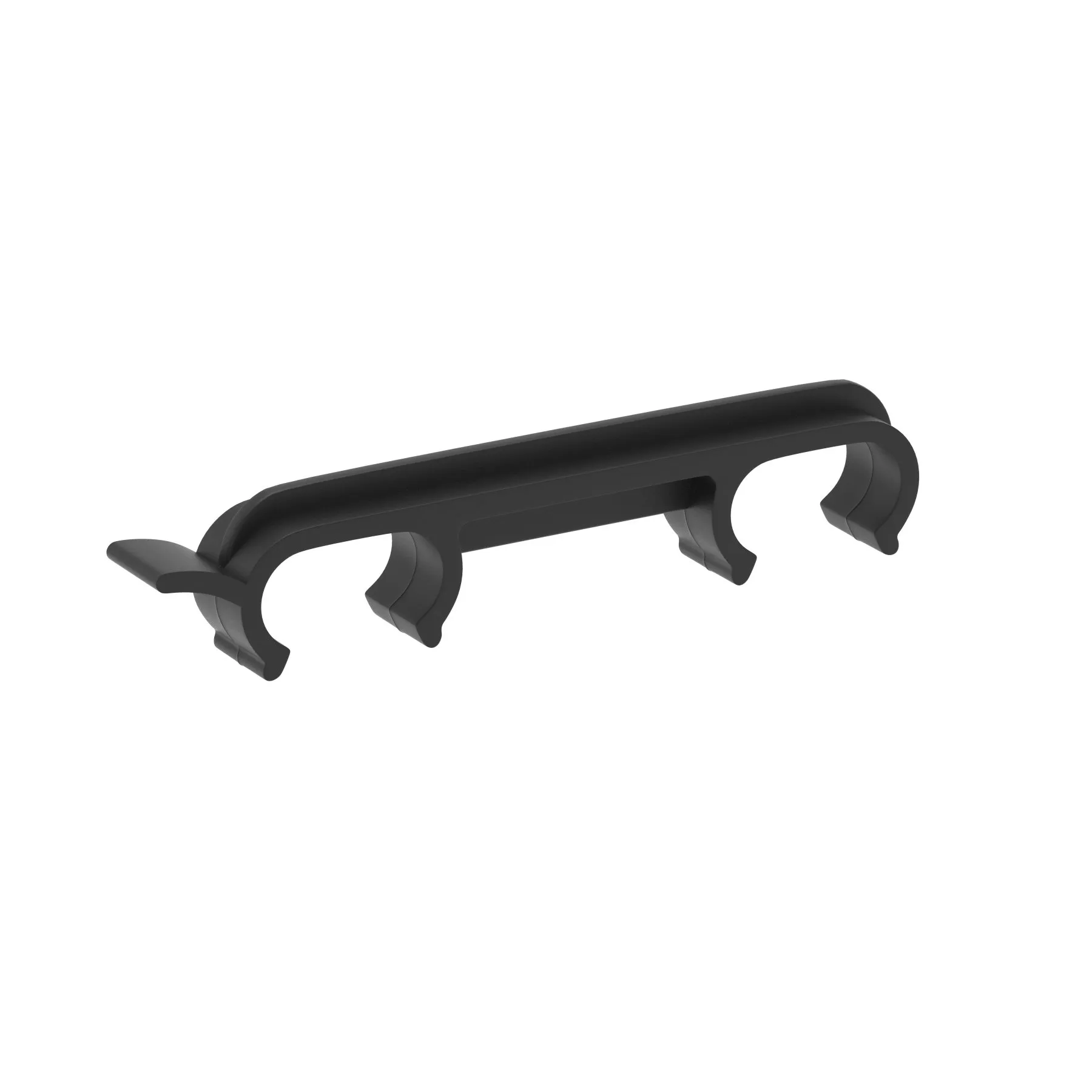
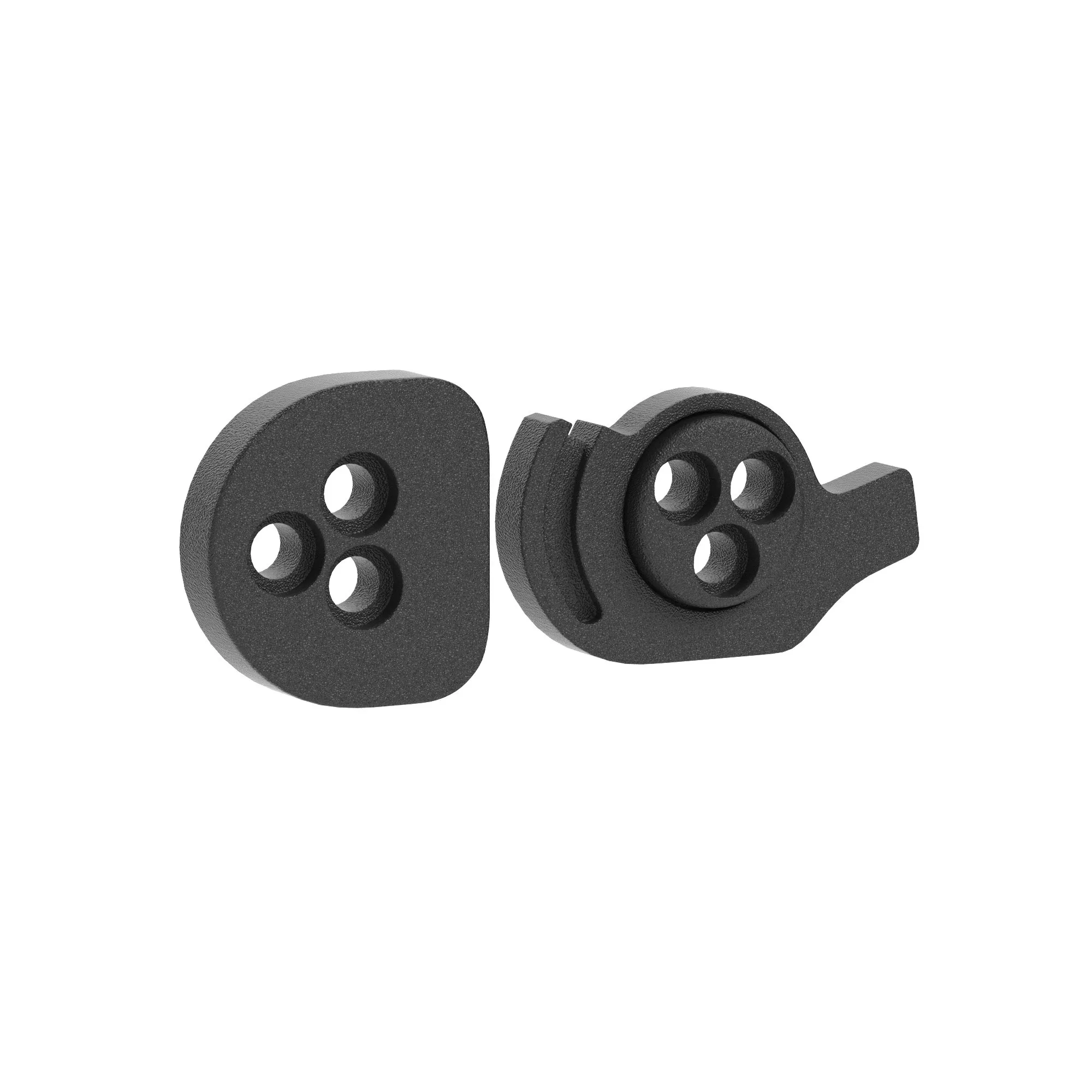
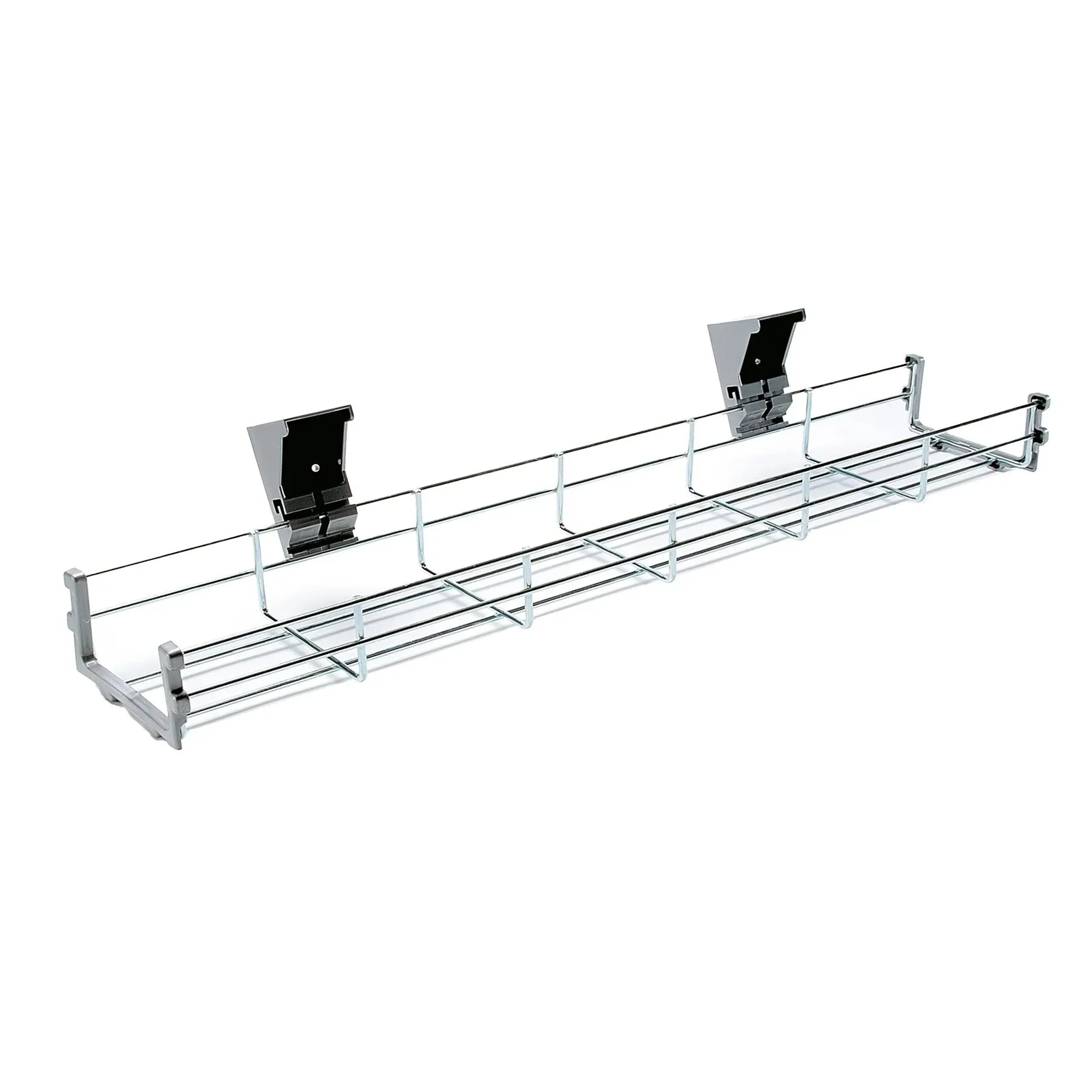
Getting power to the desk is the part of a fit-out most likely to be left until installation day, and the part most likely to look bad afterwards. Cable management covers spines, trays and baskets, and in-desk power modules put sockets where people actually work rather than at the skirting board.
Specify this alongside the desks. Retrofitting cable management to an occupied office means moving everybody twice.
Noise and privacy
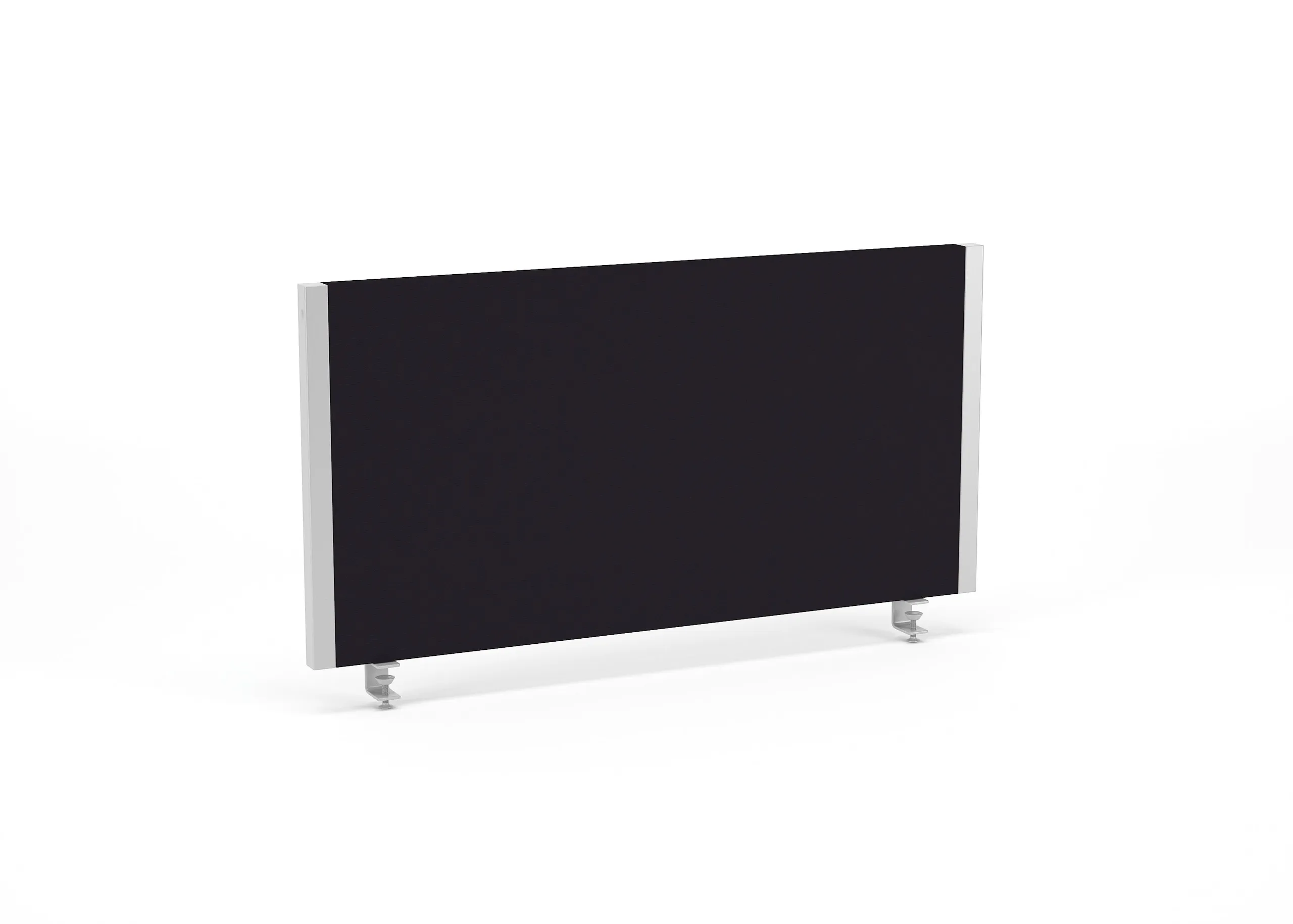
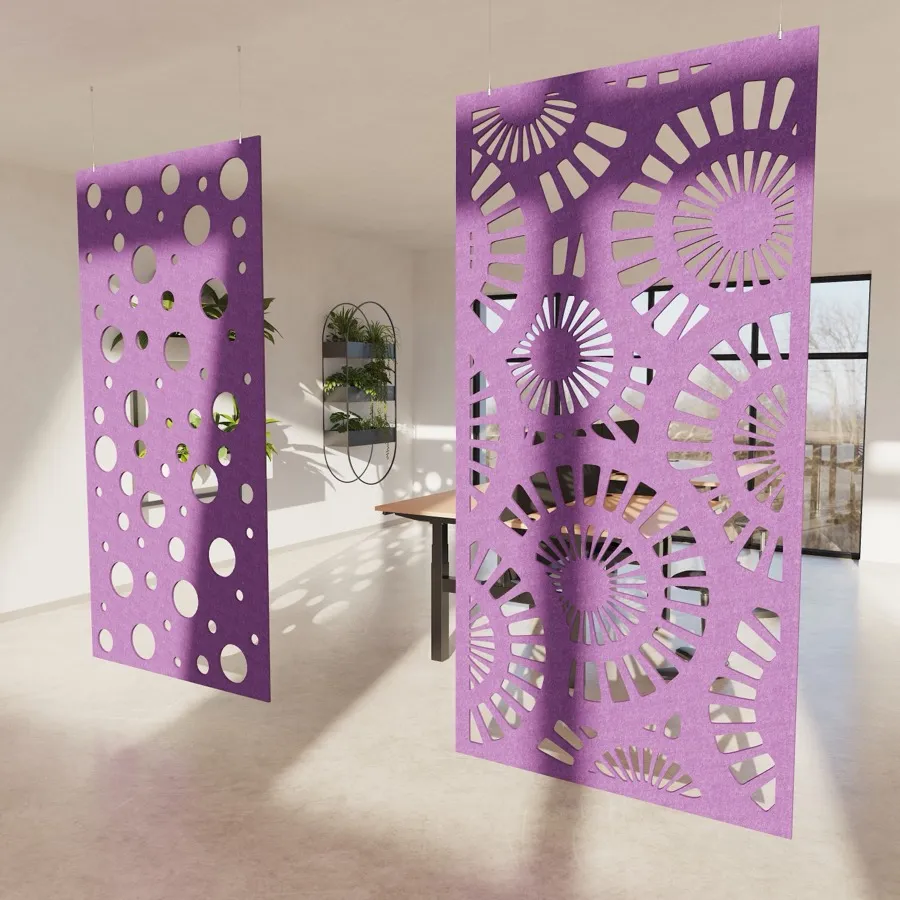
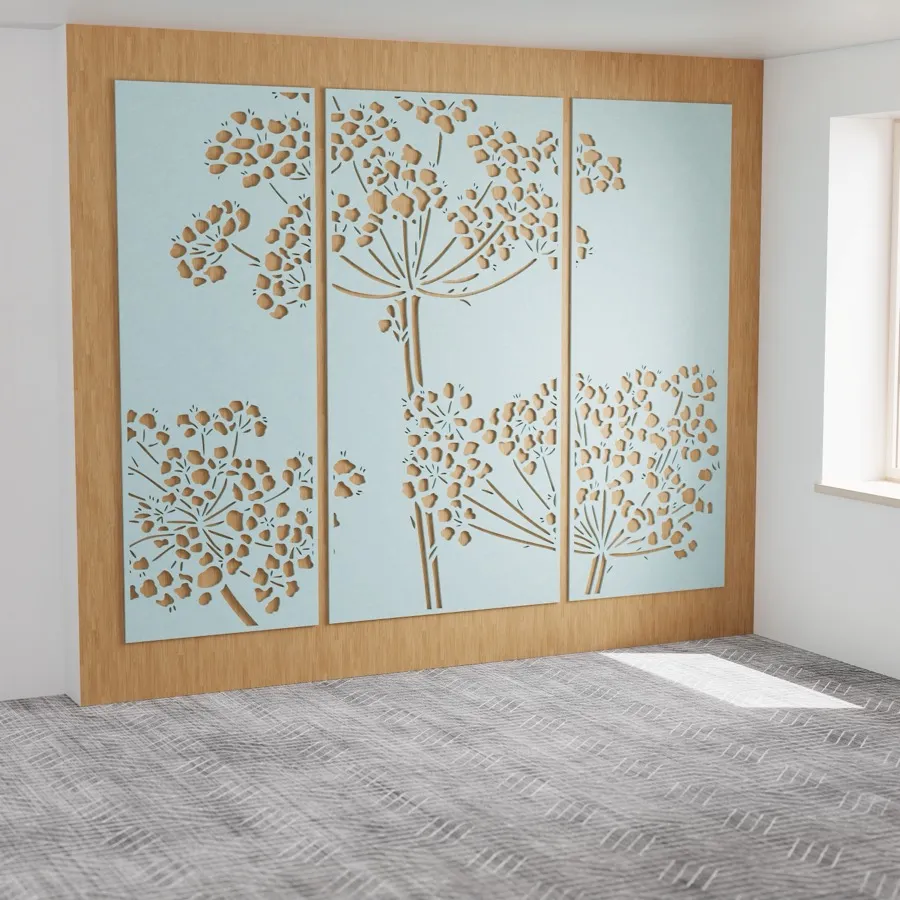
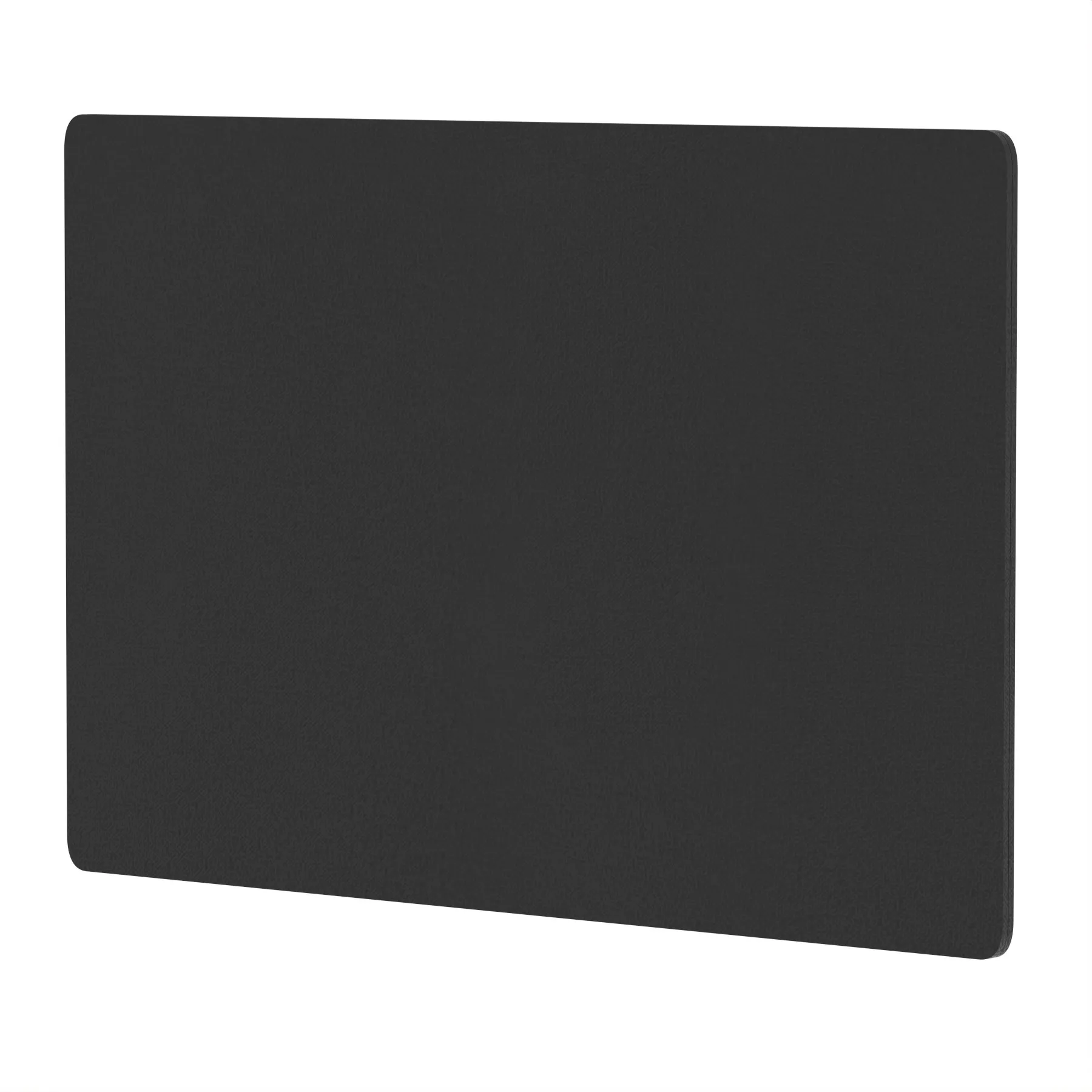
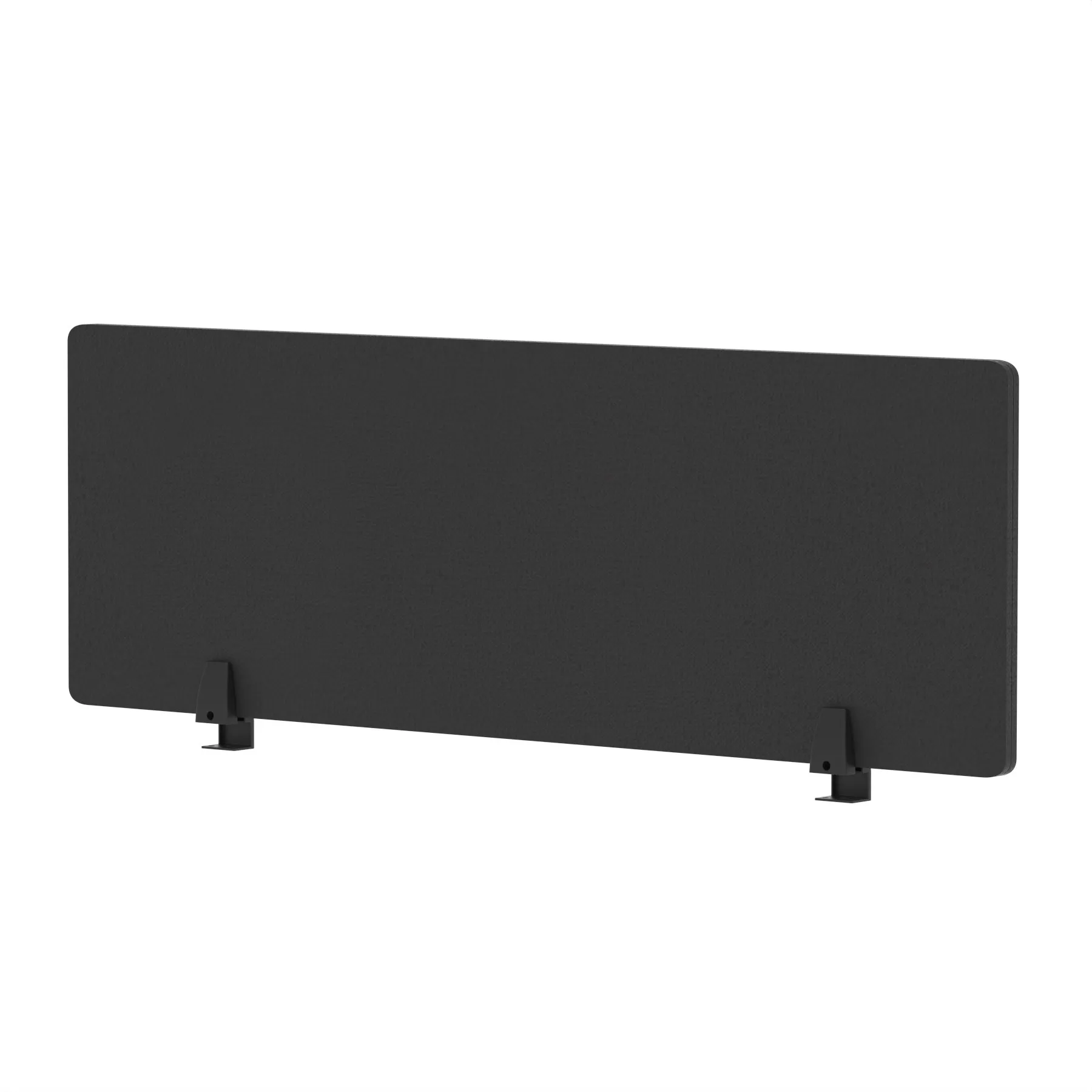
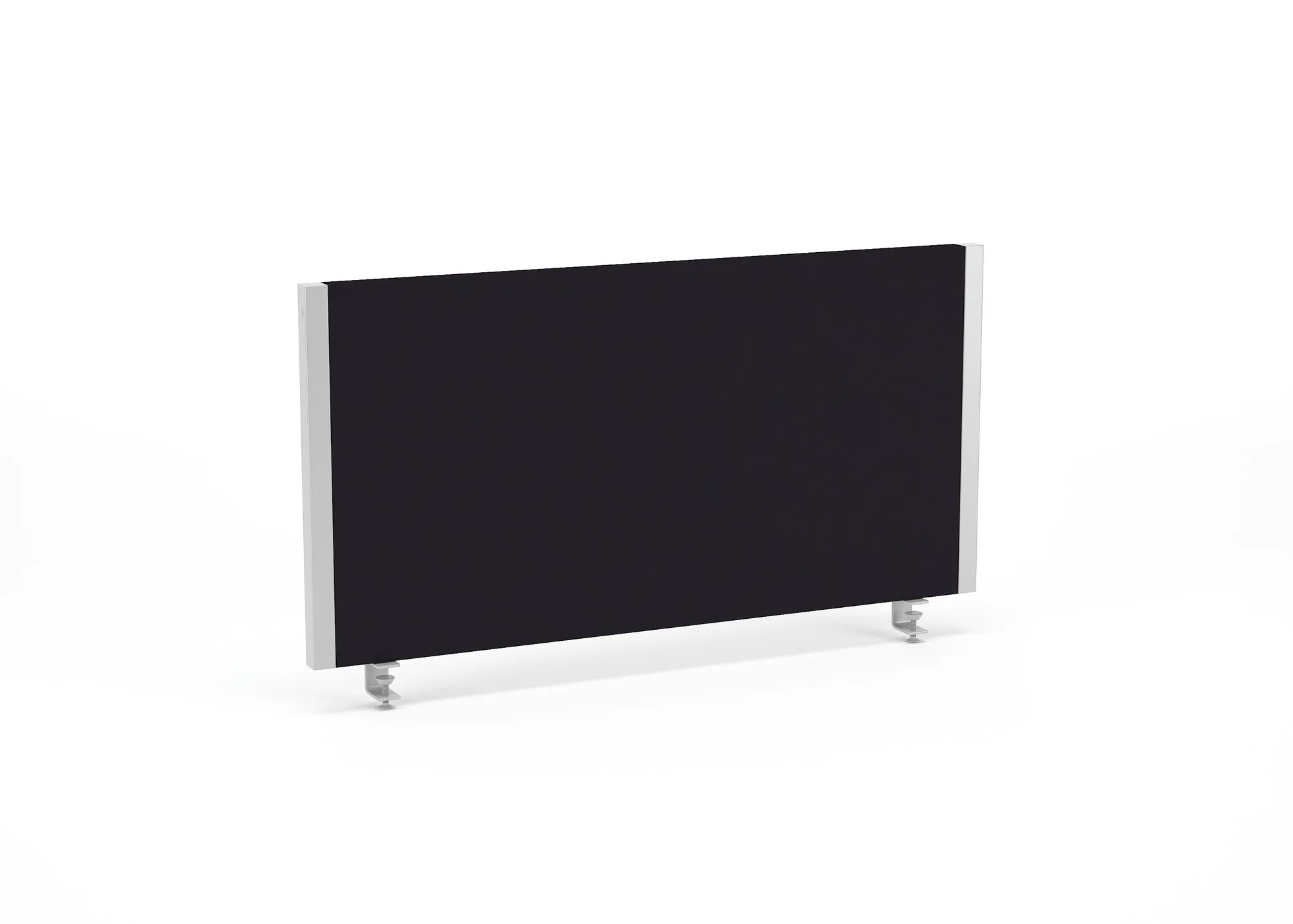
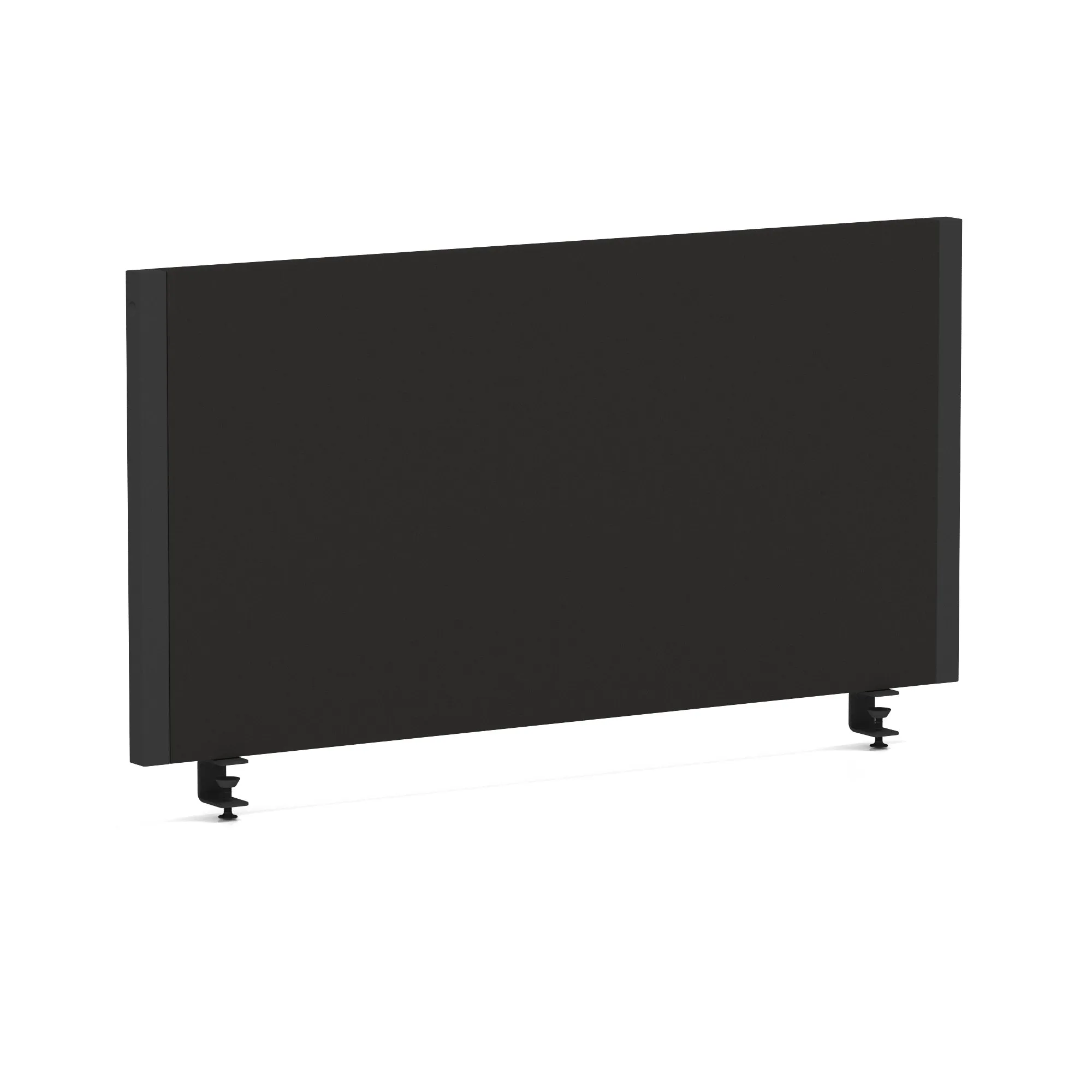
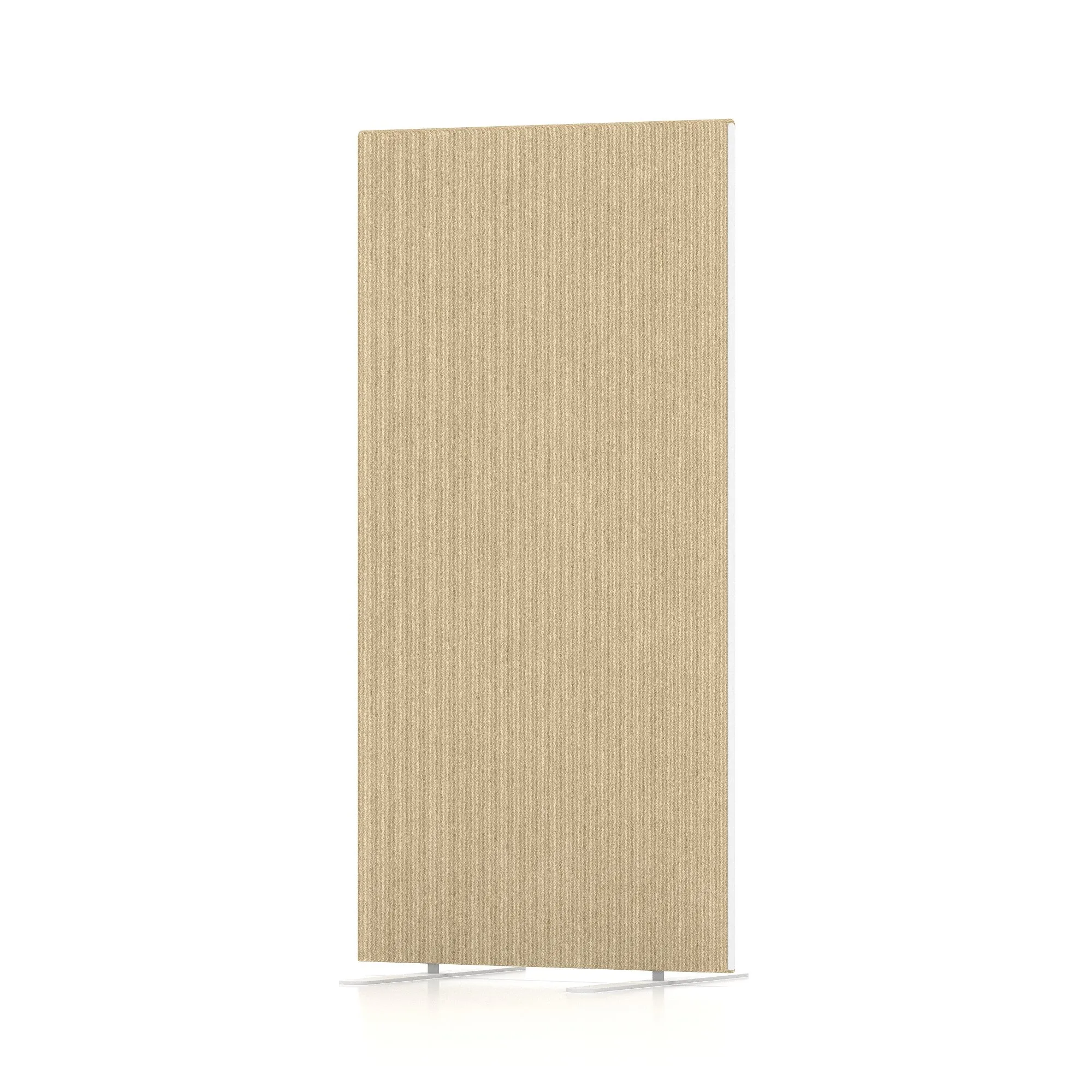
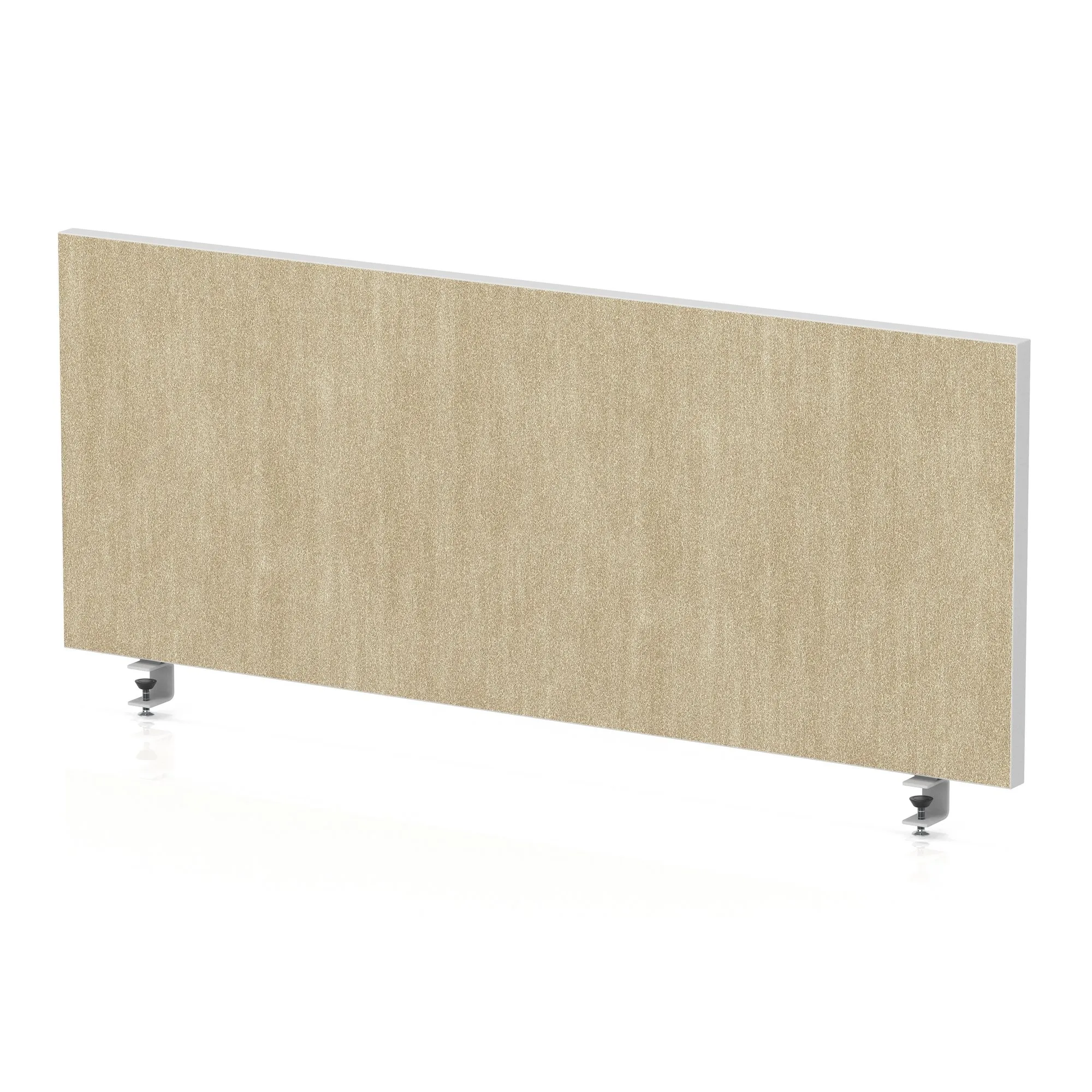
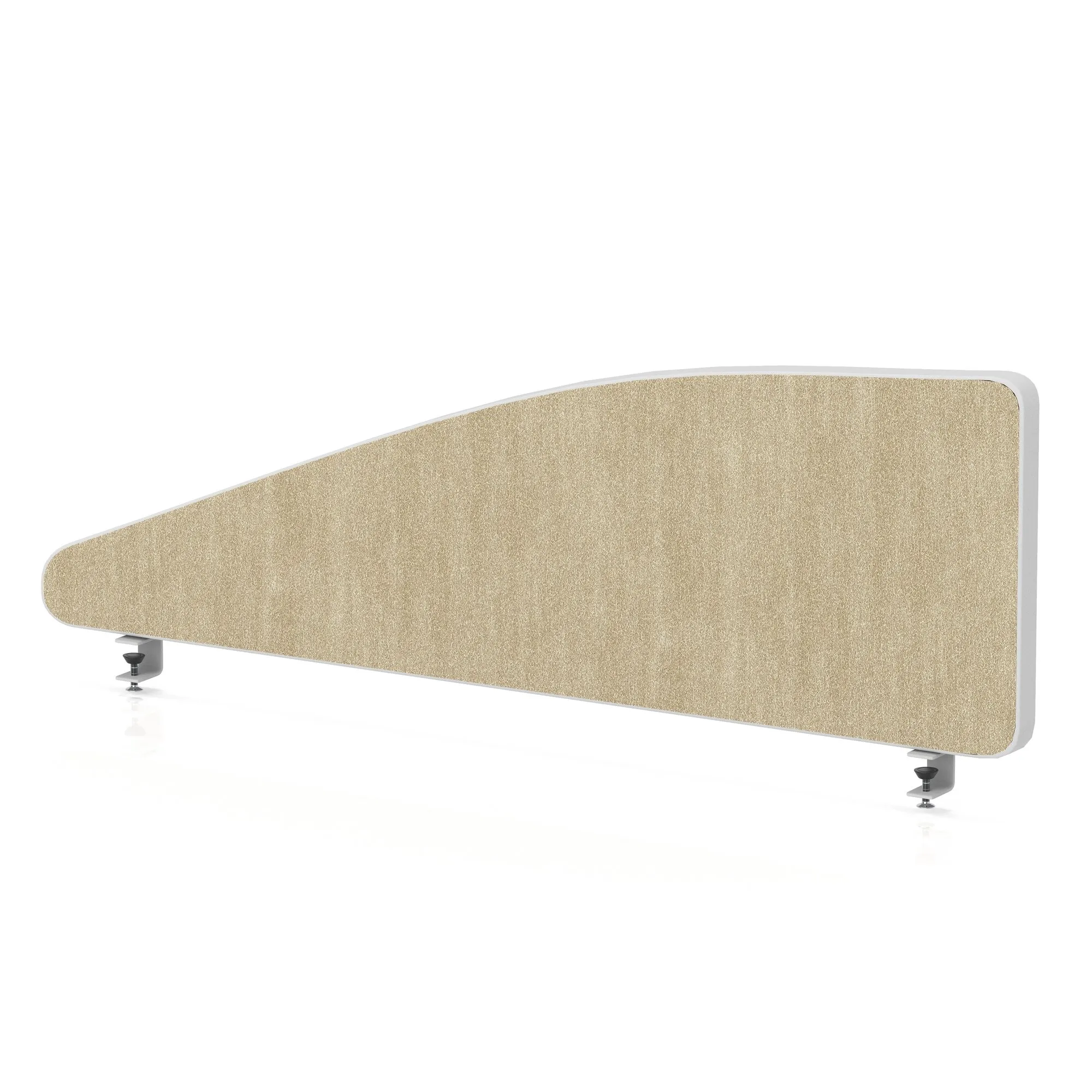
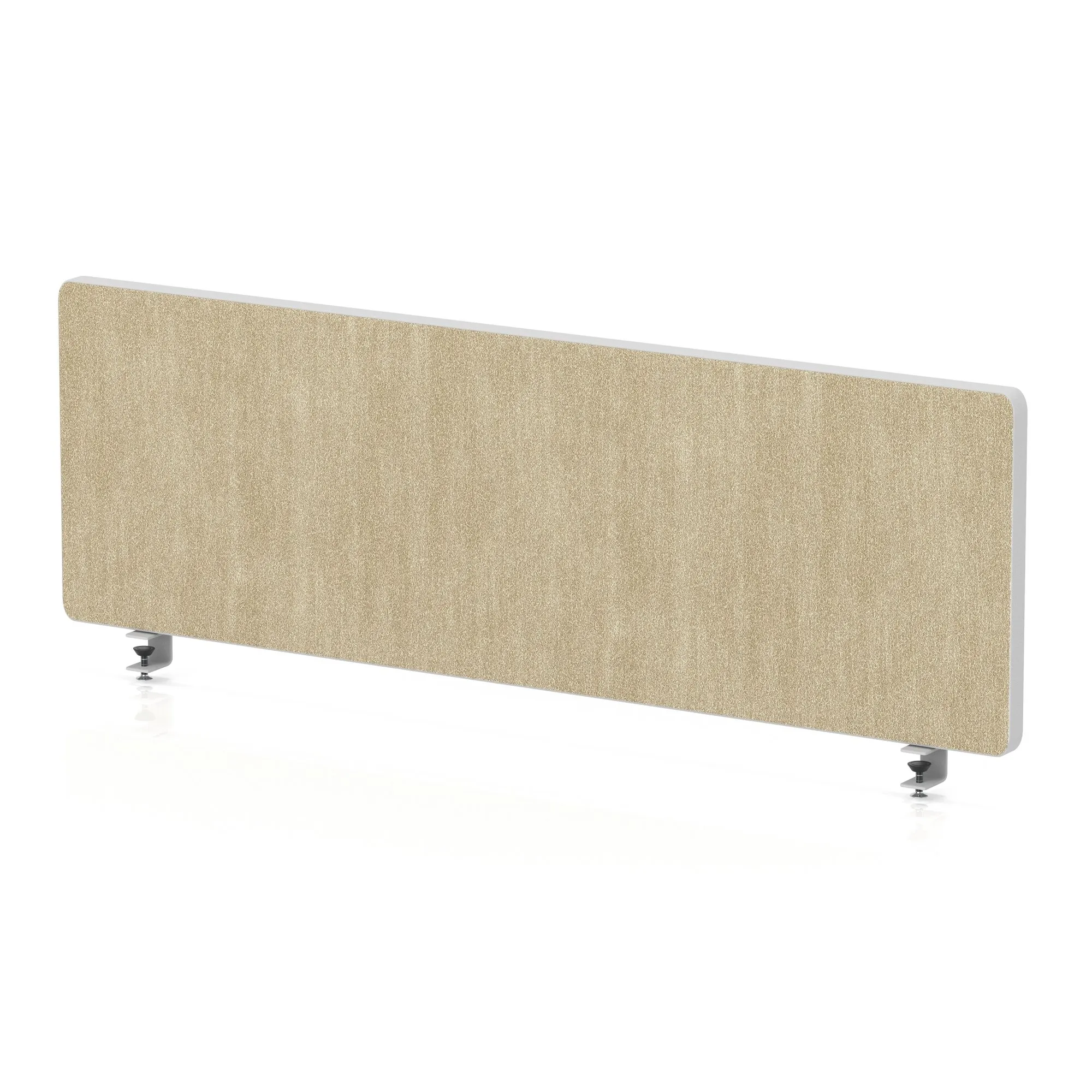
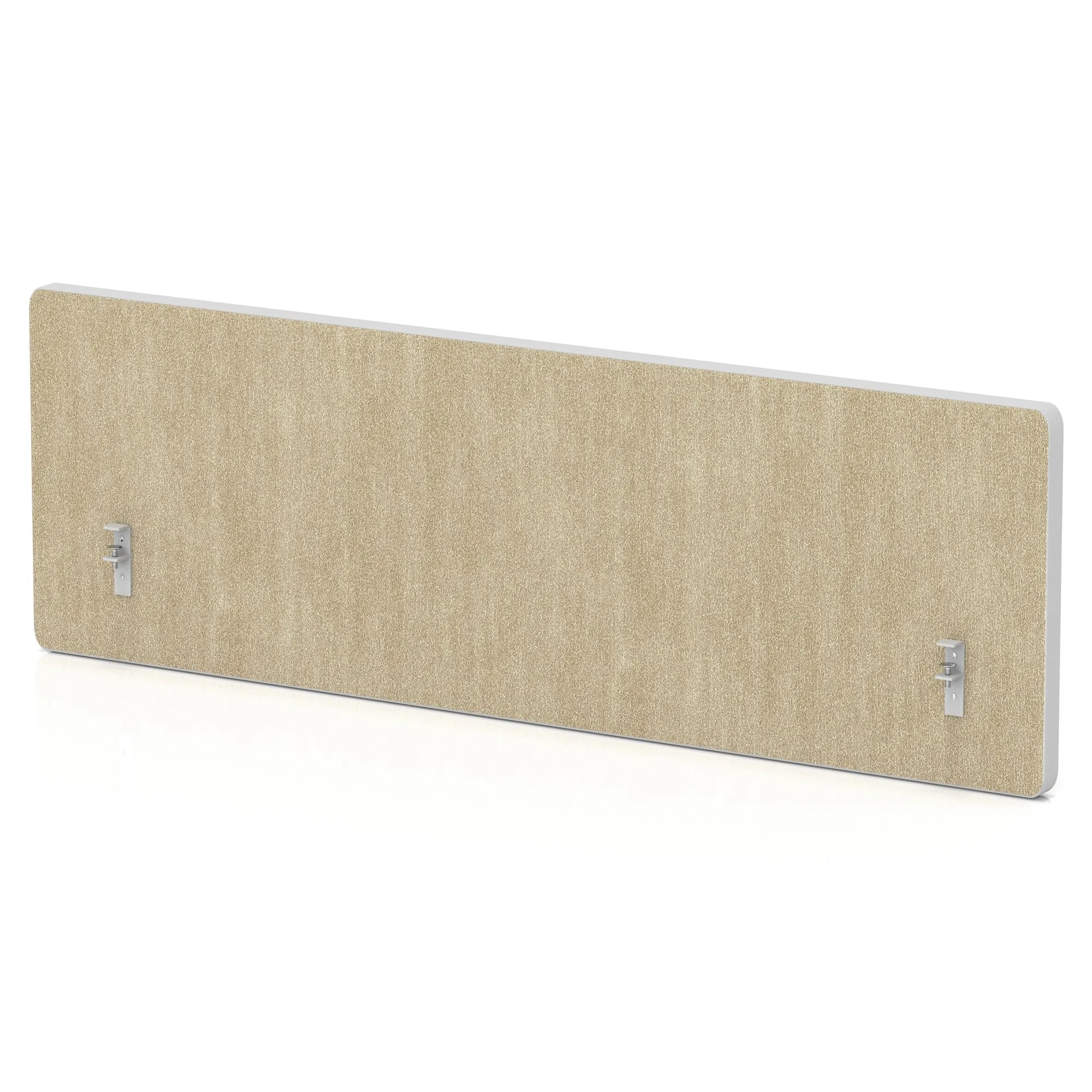
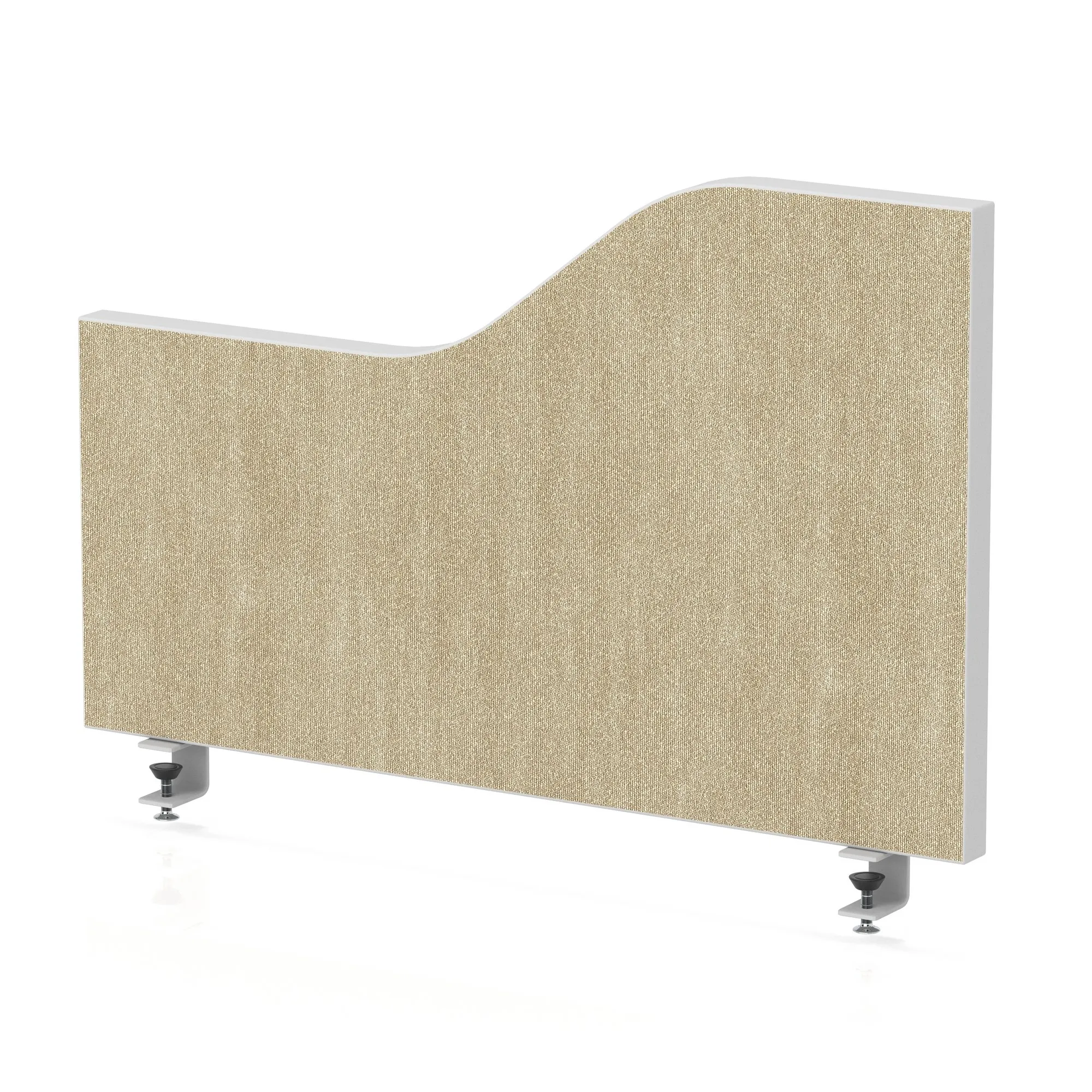
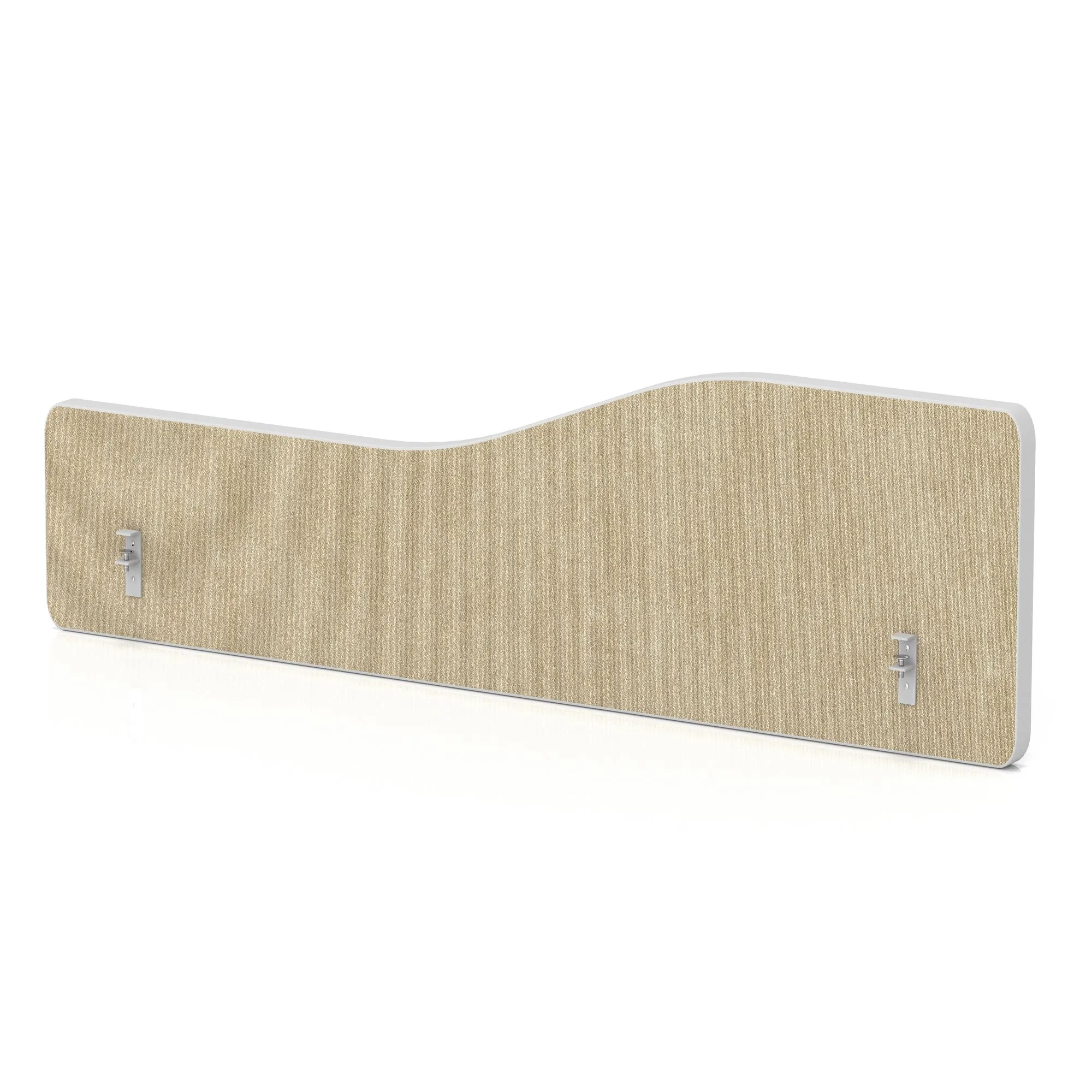
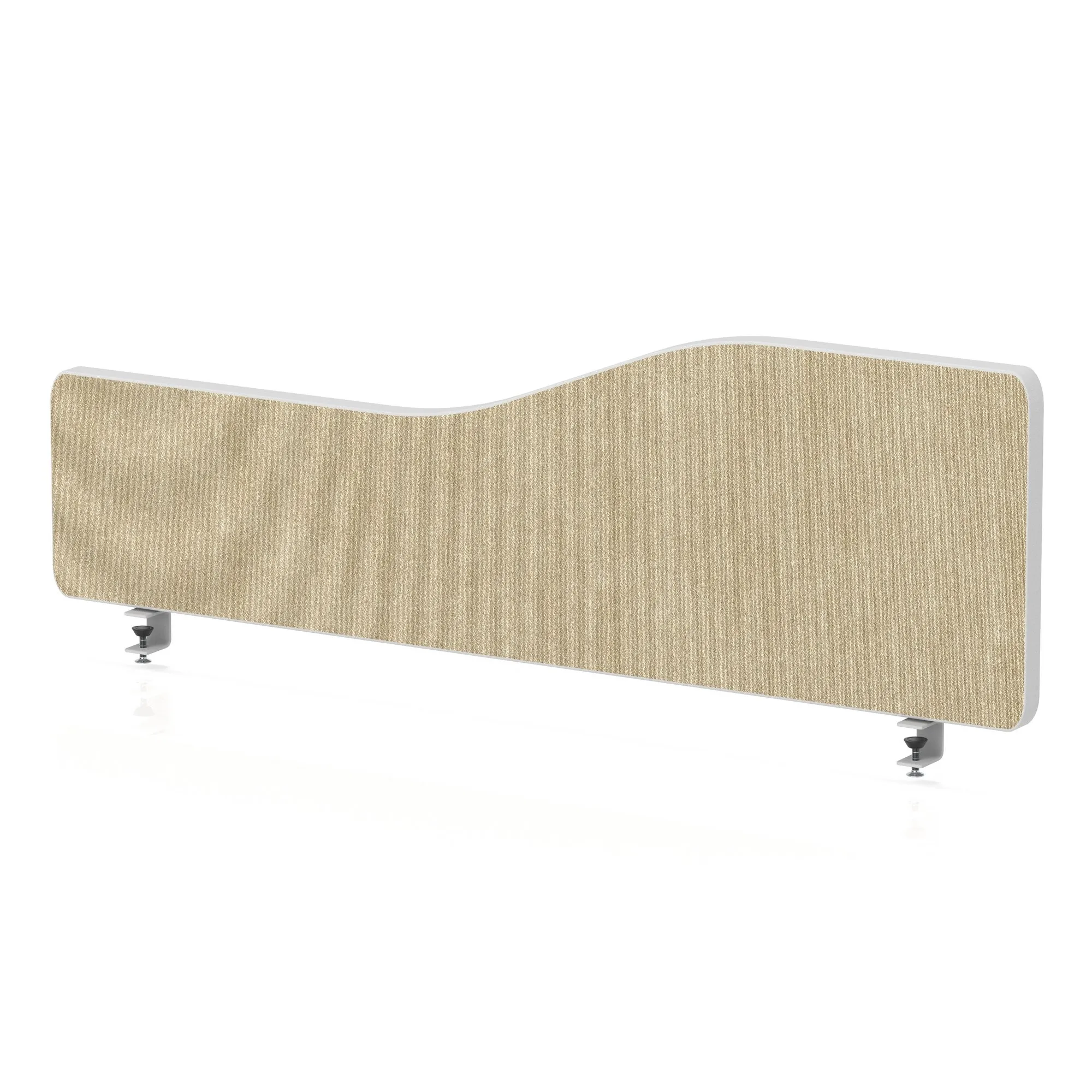
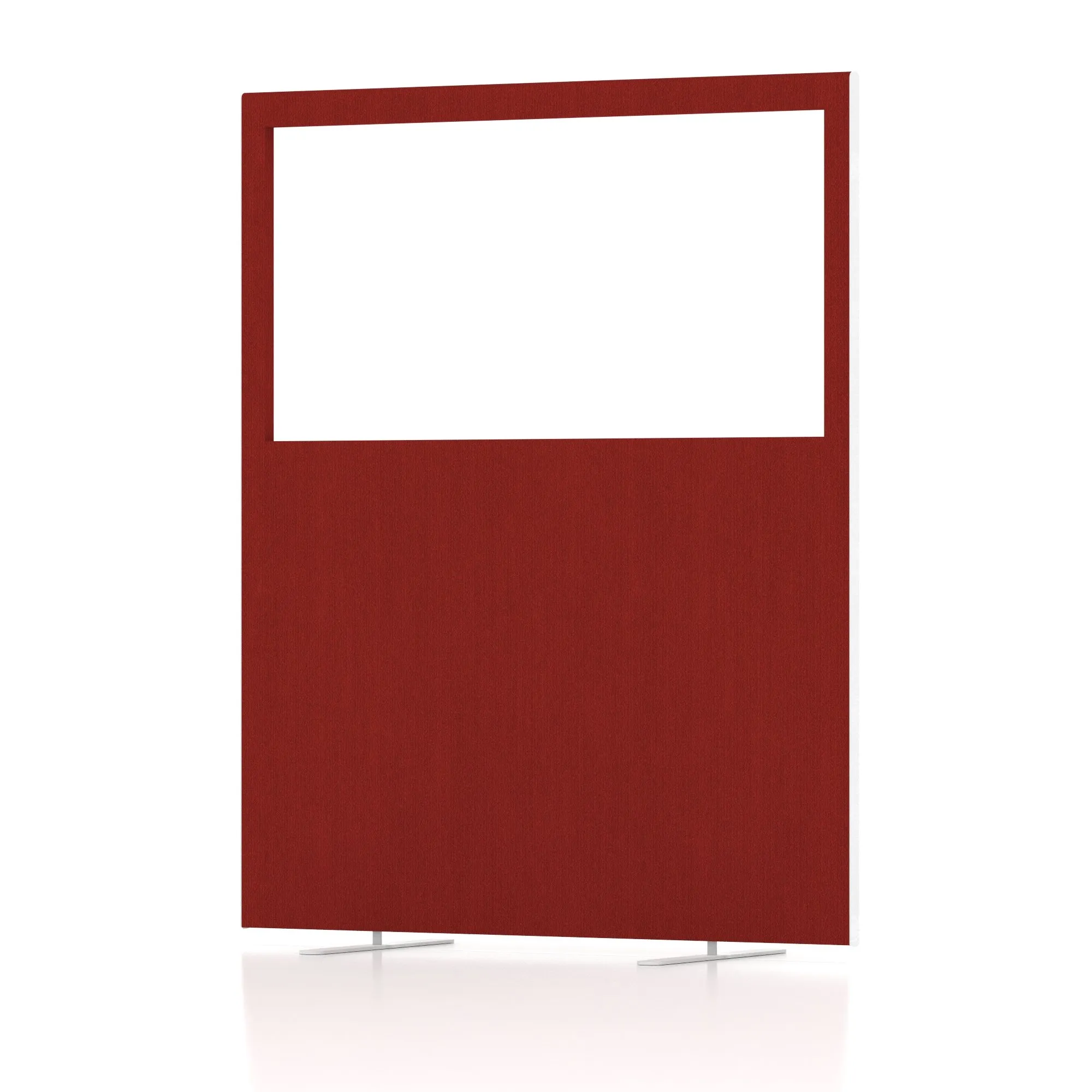
Open plan offices are loud, and hard surfaces make it worse. Desktop and acoustic screens give each person a defined area and absorb some noise, while acoustic solutions covers wall tiles, hanging screens and ceiling baffles for the room as a whole.
Absorption works best spread around a room rather than concentrated on one wall, so a mix of formats usually beats a single large panel.
The small things people forget
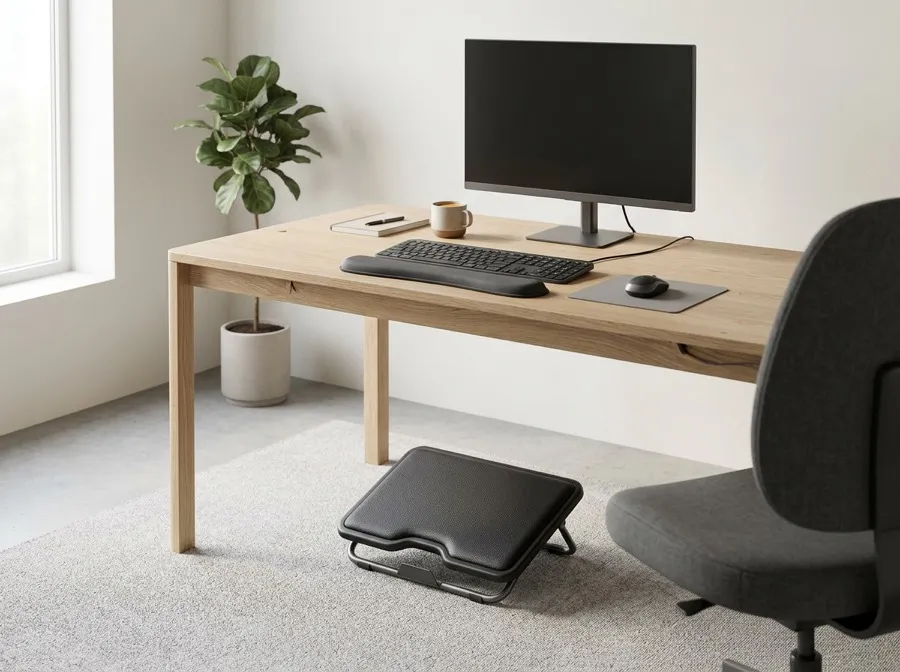
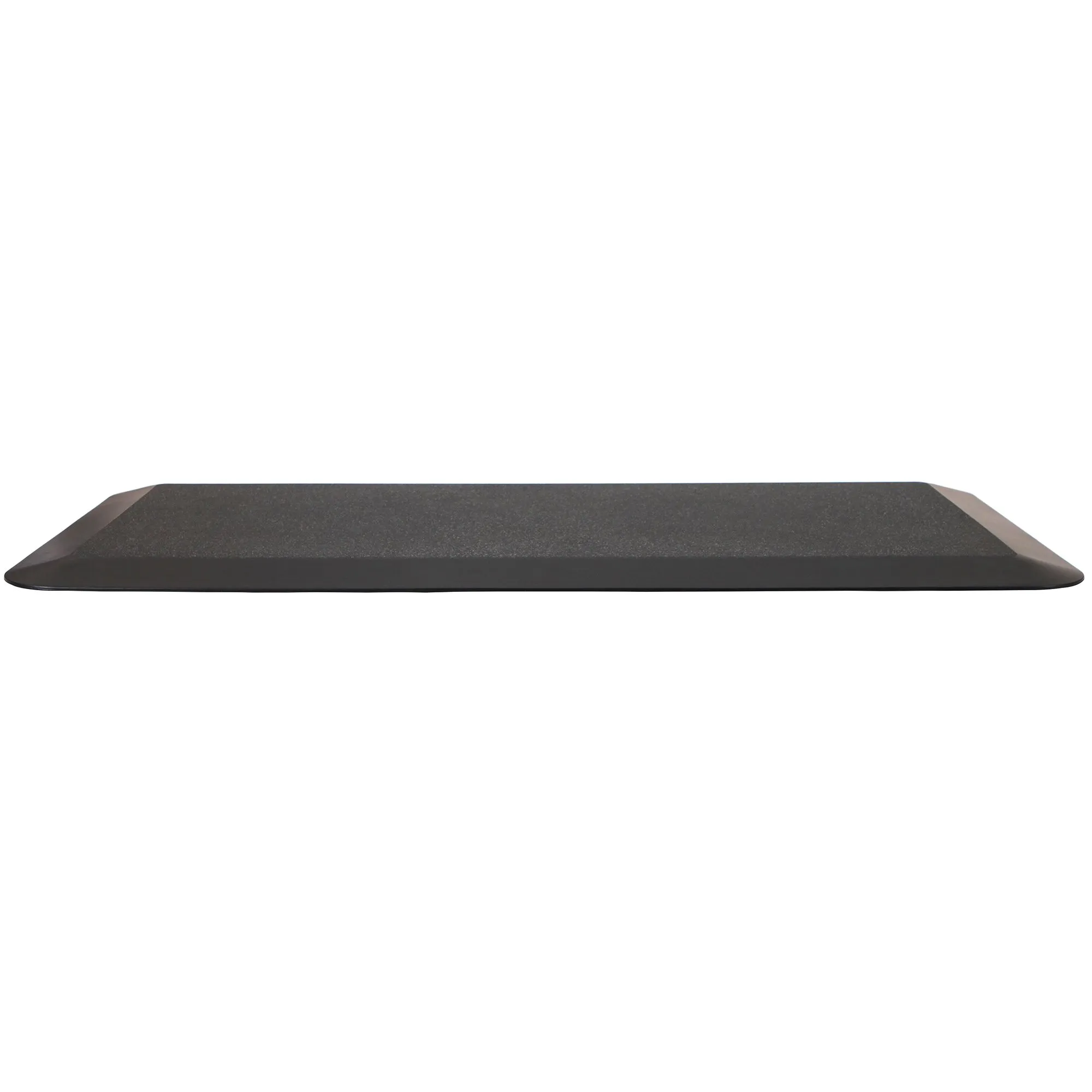
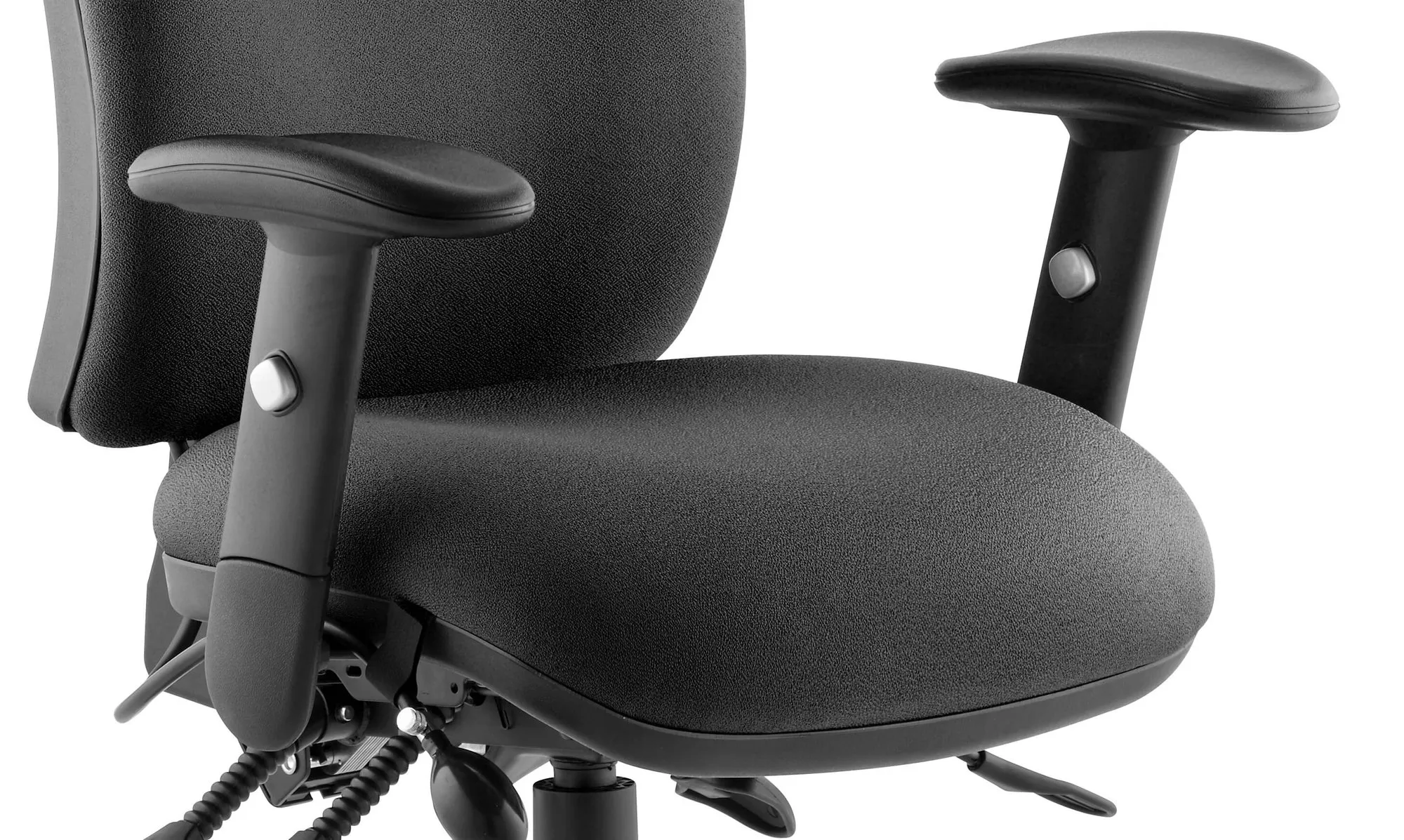
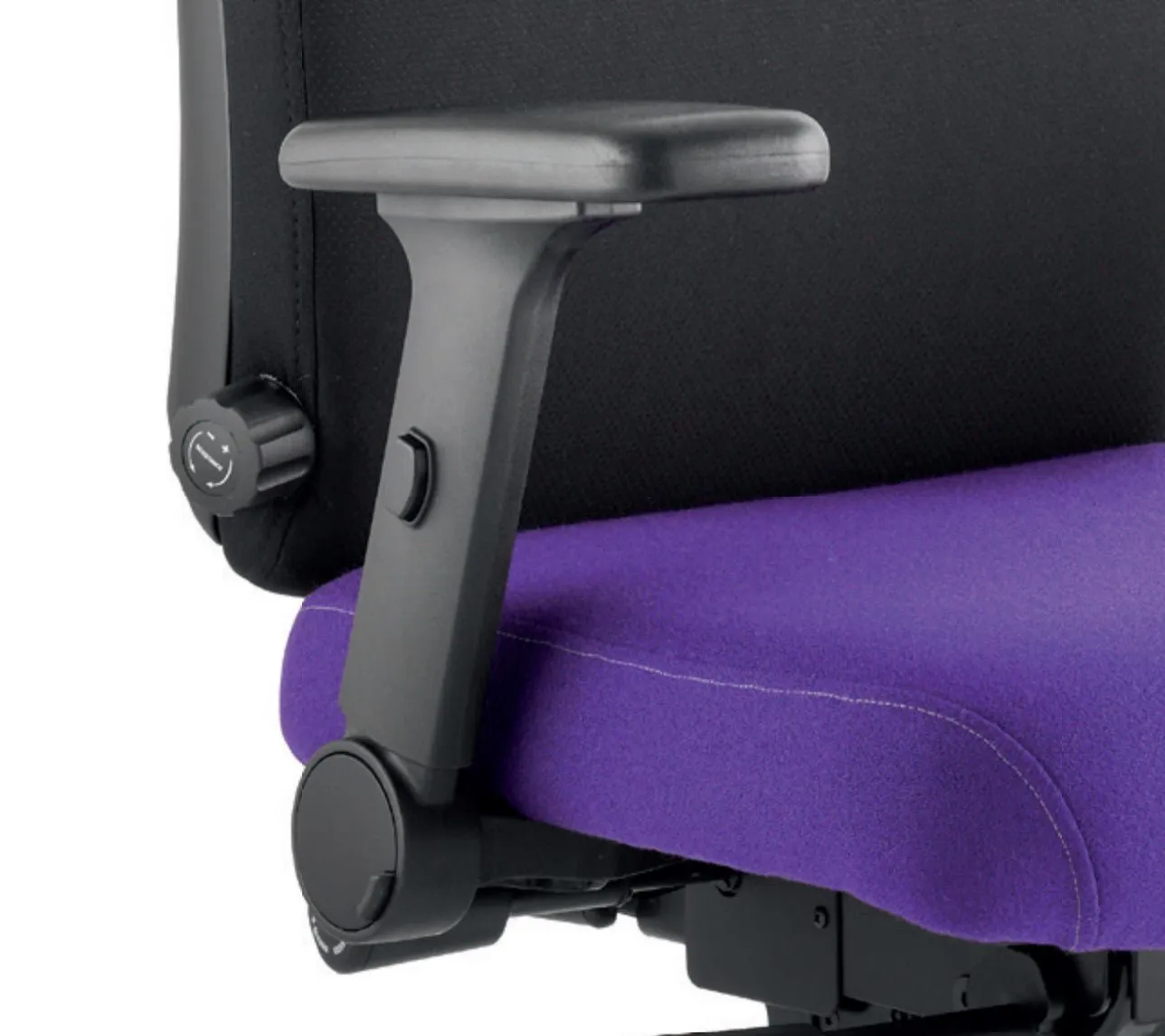
Footrests, lumbar supports and anti-fatigue mats. Our ergonomic accessories range covers them, and an anti-fatigue mat should be ordered with every sit-stand desk: standing on a hard floor for two hours is its own problem.