
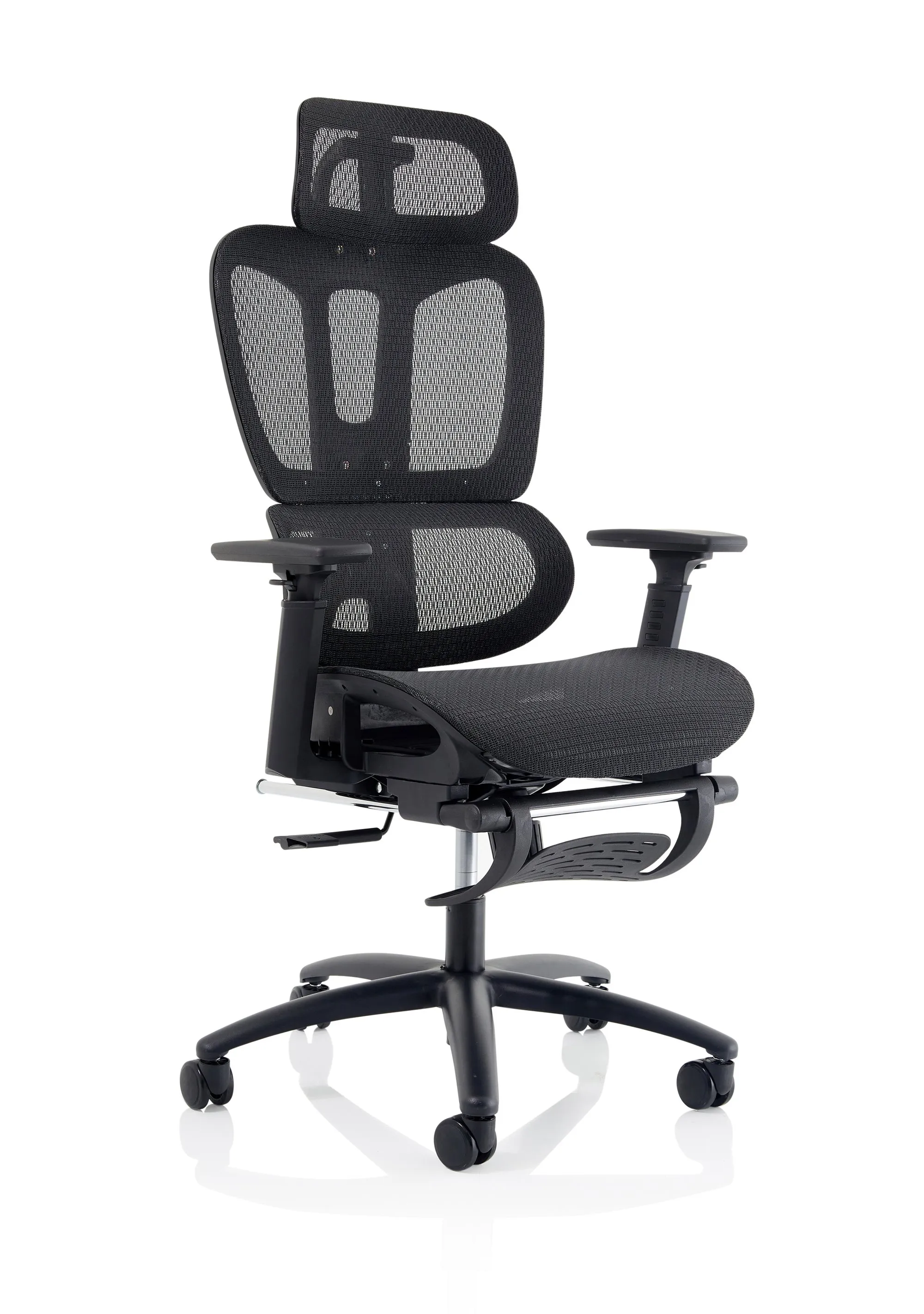
Small things that fix real problems
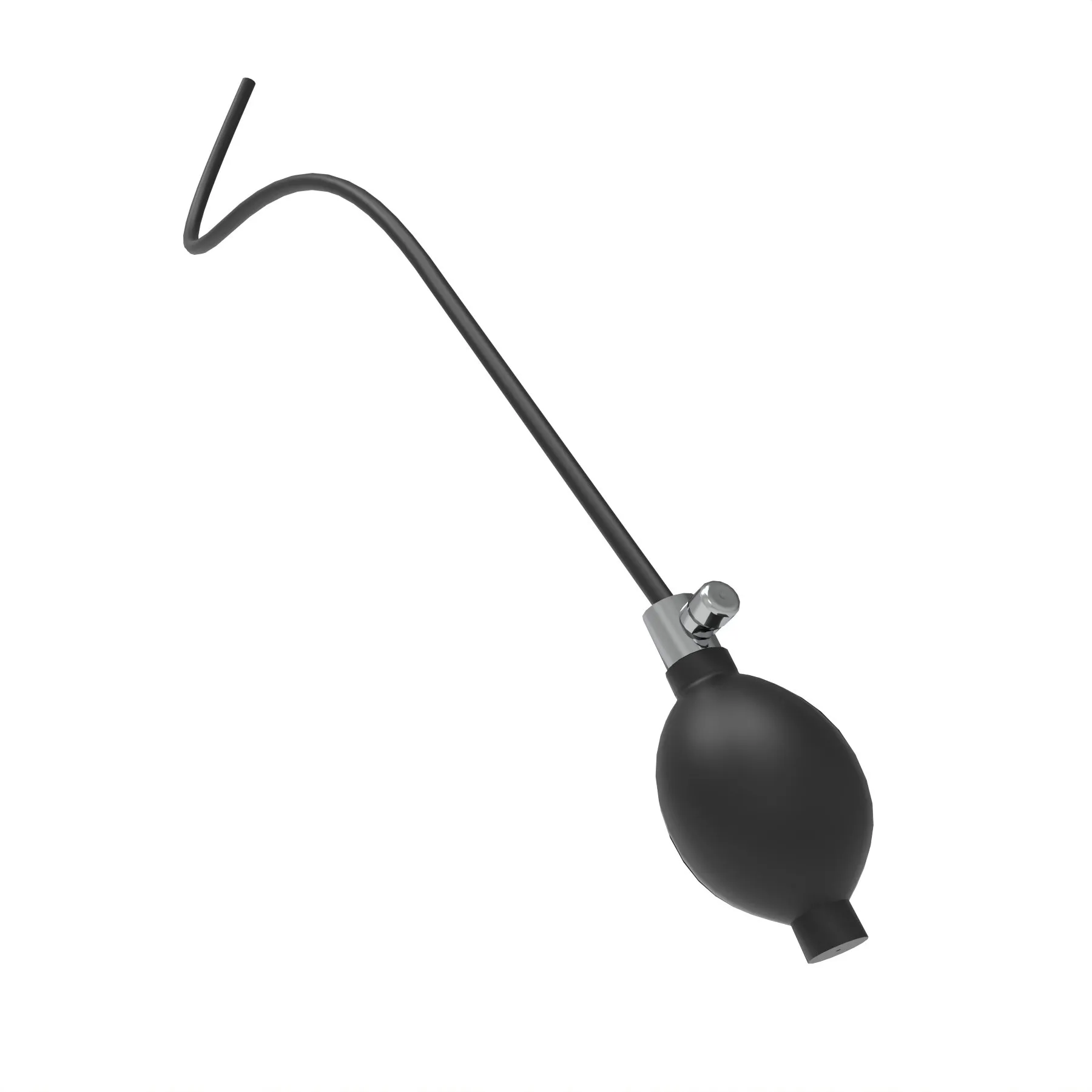
Lumbar supports, anti-fatigue mats and footrests. Individually unglamorous, and collectively they solve more day-to-day discomfort than most chair upgrades do.
The one to order with every sit-stand desk
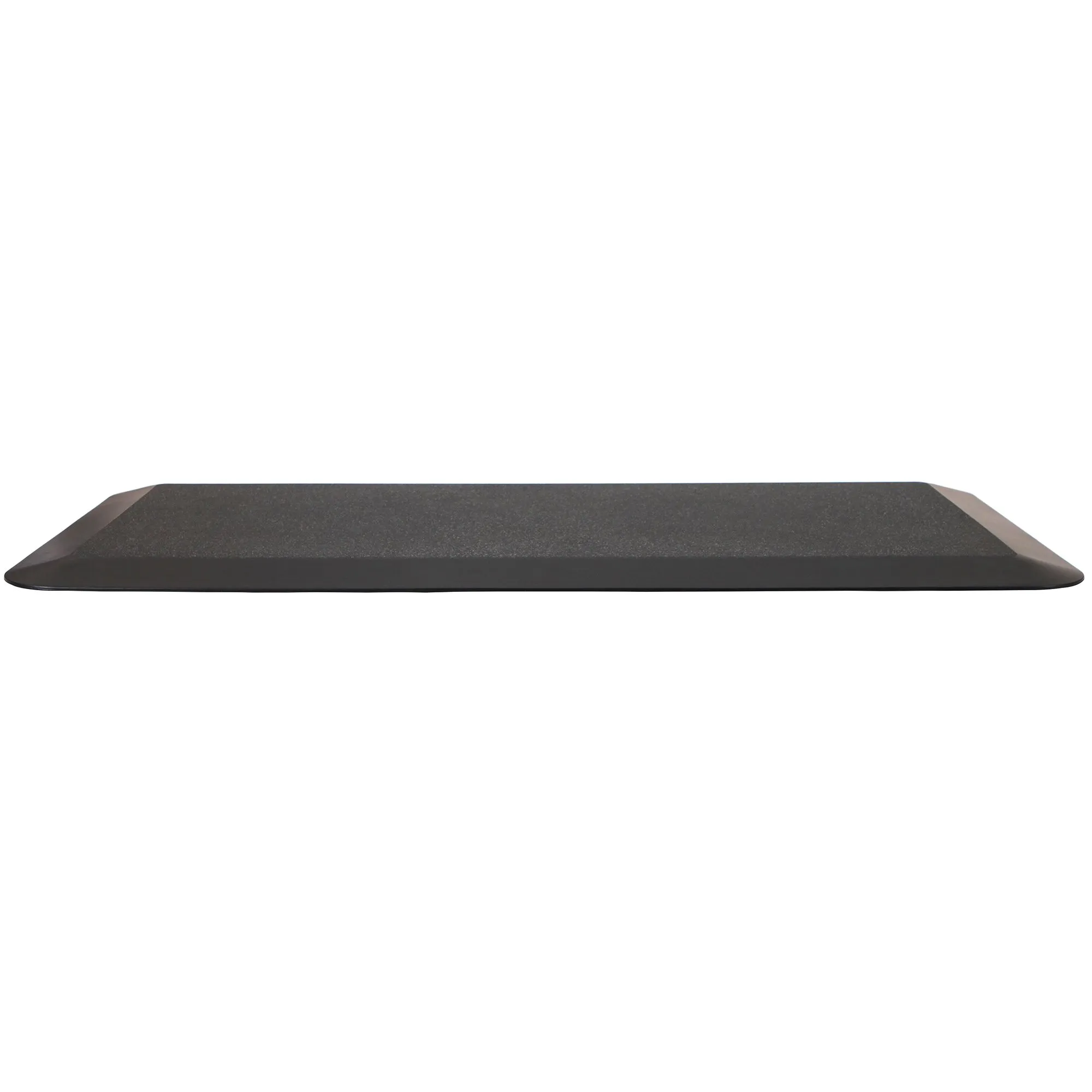
An anti-fatigue mat. Standing on a hard floor for two hours creates its own set of aches, and people conclude the standing desk does not suit them when the problem is the floor.
A mat costs a fraction of the desk and is the difference between a sit-stand desk that gets used and one that stays down.
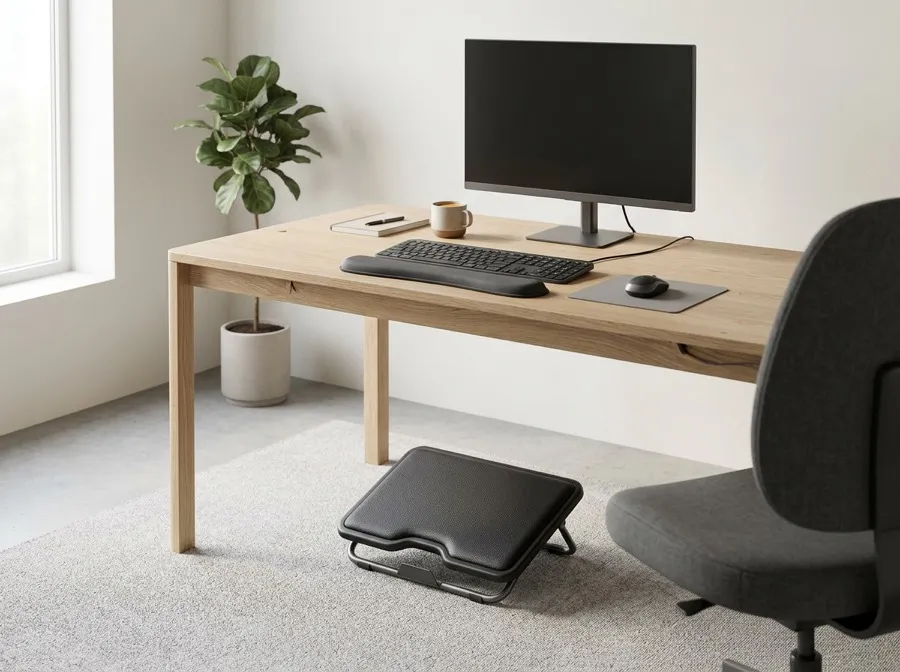
Footrests are not just for shorter people
If a chair is set at the right height for the desk, plenty of people cannot put their feet flat on the floor. That puts the load through the back of the thighs and cuts circulation.
The correct order is: set the chair to the desk, then add a footrest if the feet do not reach. Lowering the chair to reach the floor gets the desk height wrong instead.
Lumbar supports are a stopgap
A lumbar cushion on a poor chair is better than nothing, and worse than a chair with proper support built in. If someone needs one permanently, look at ergonomic and posture chairs.
And a monitor arm fixes more neck complaints than any cushion will.