
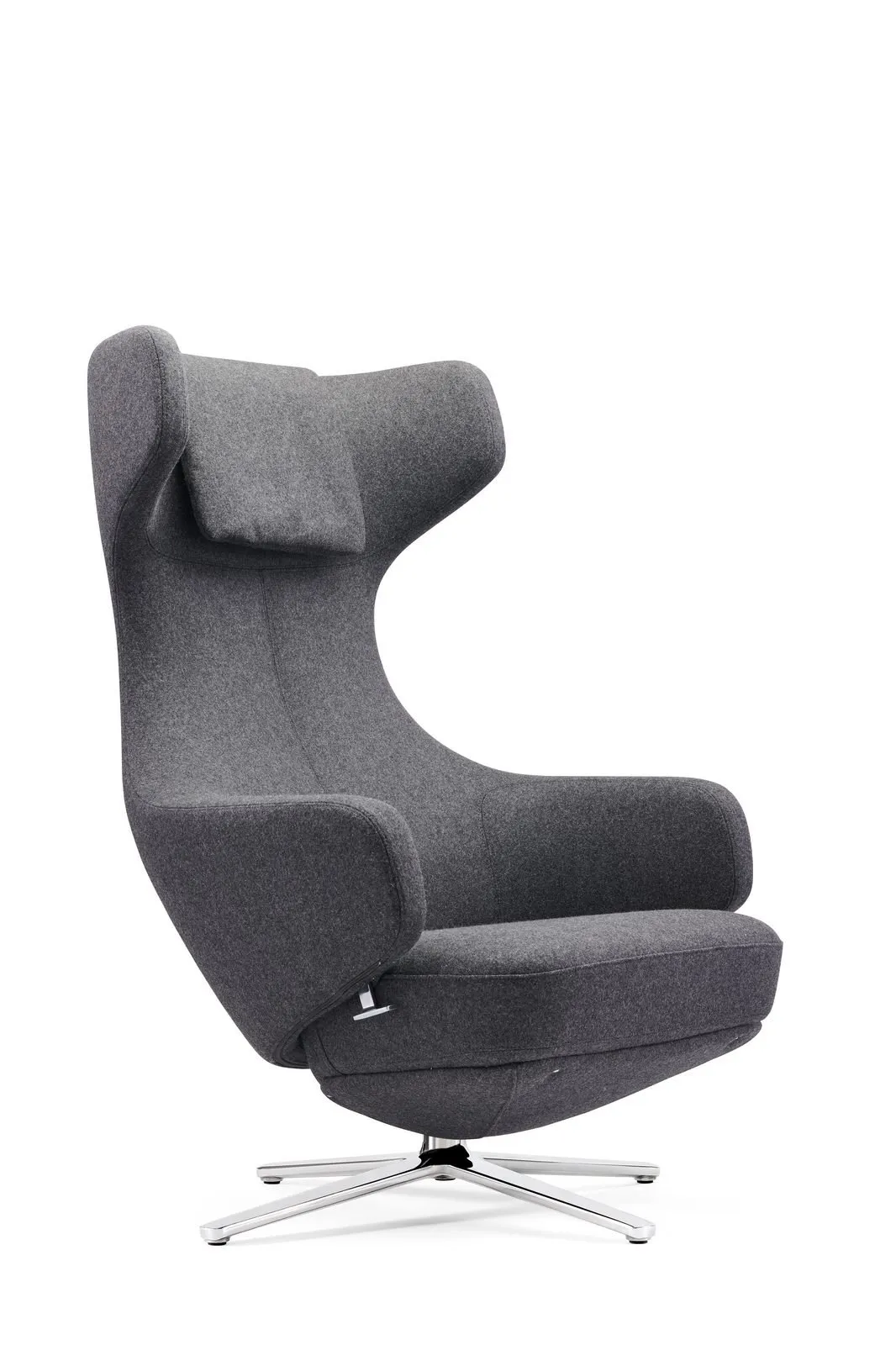
What you are actually paying for
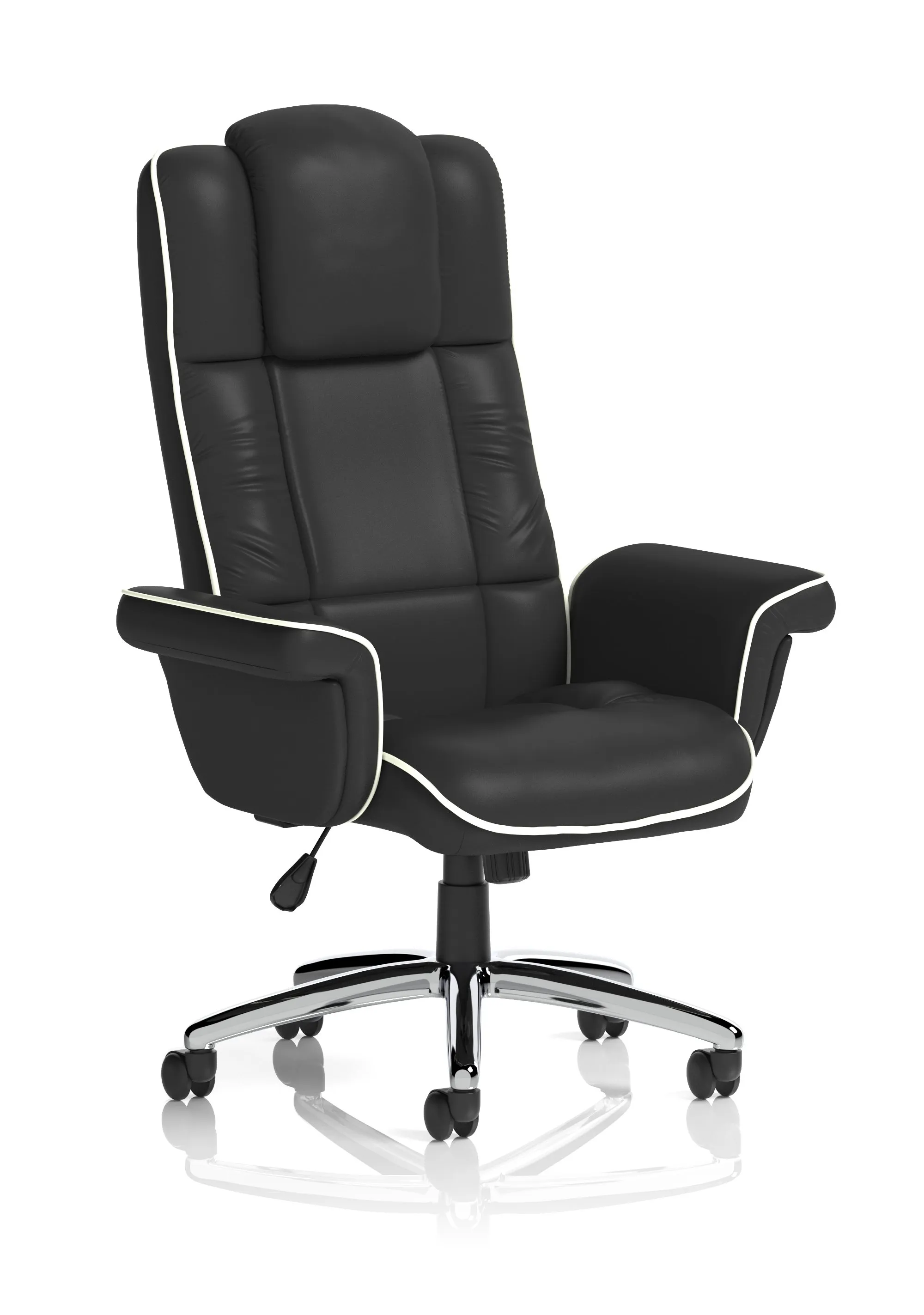
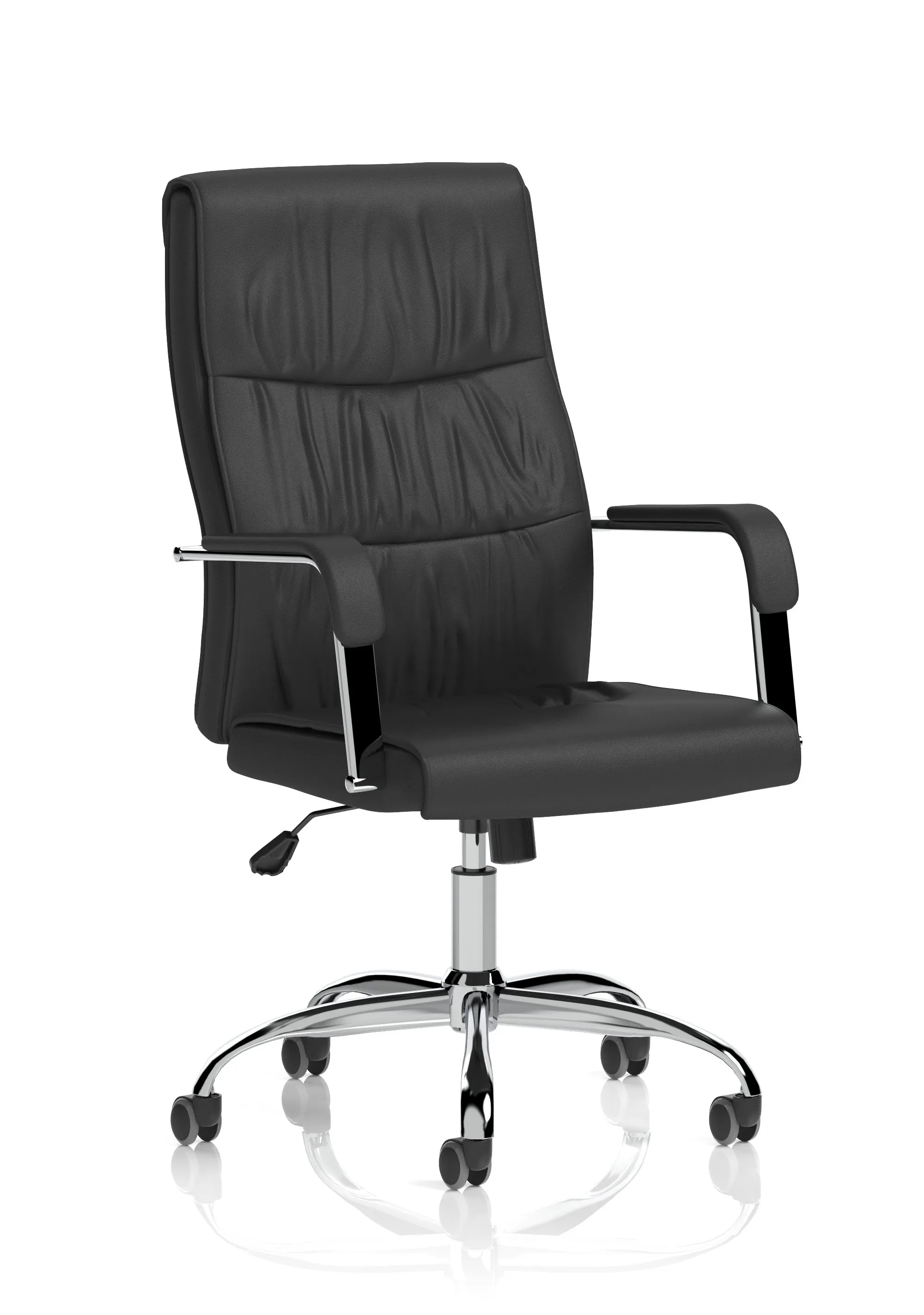
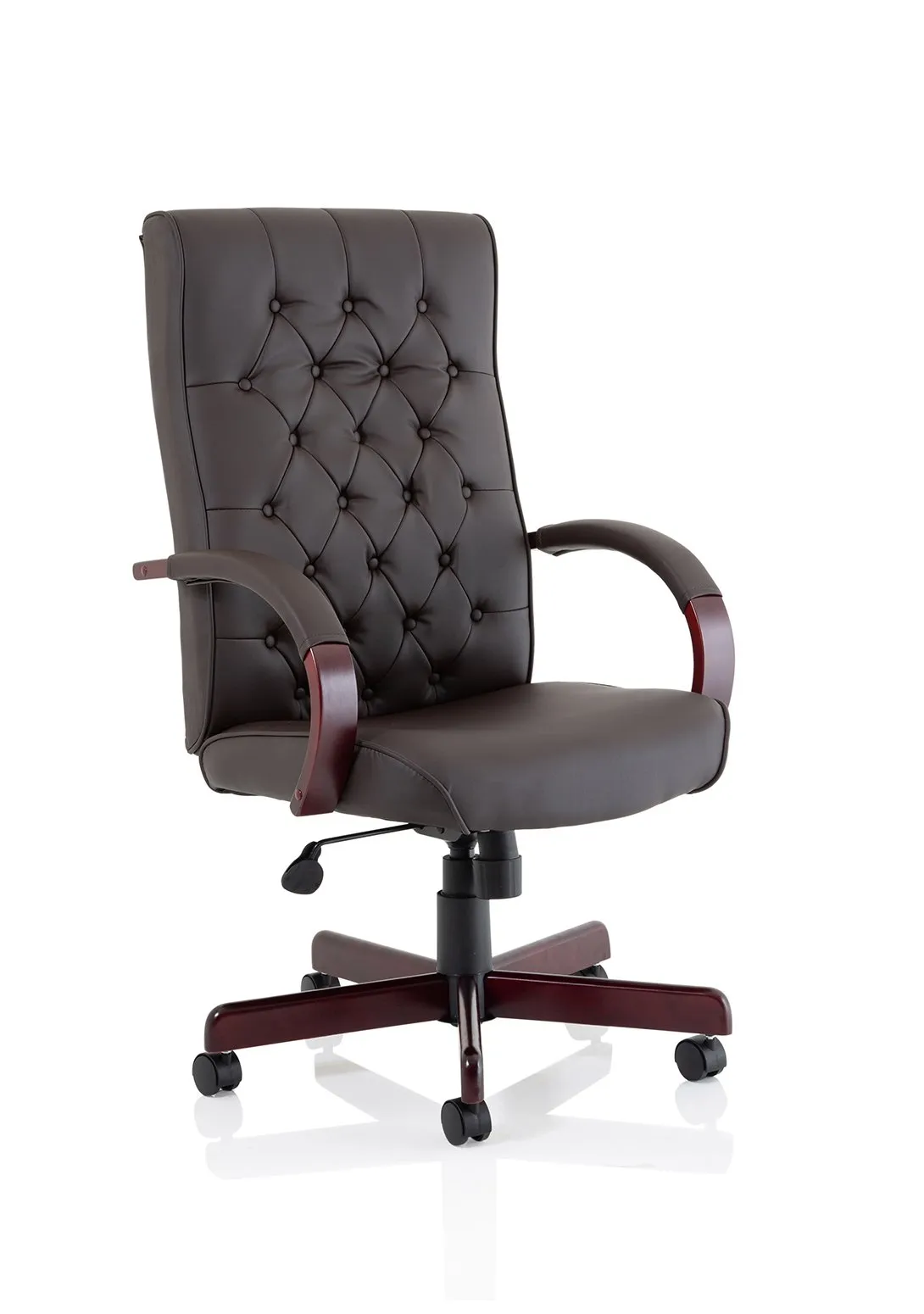
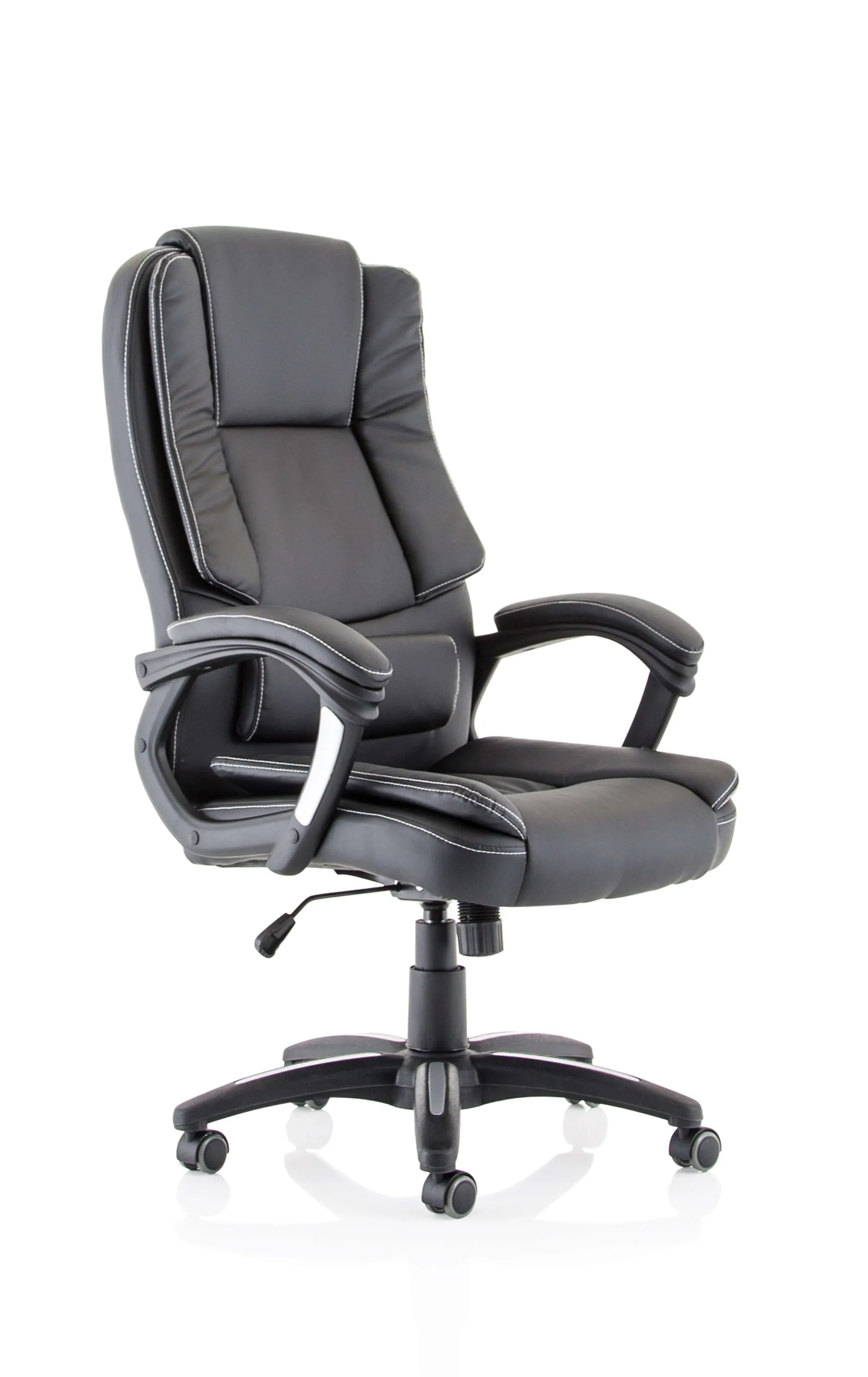
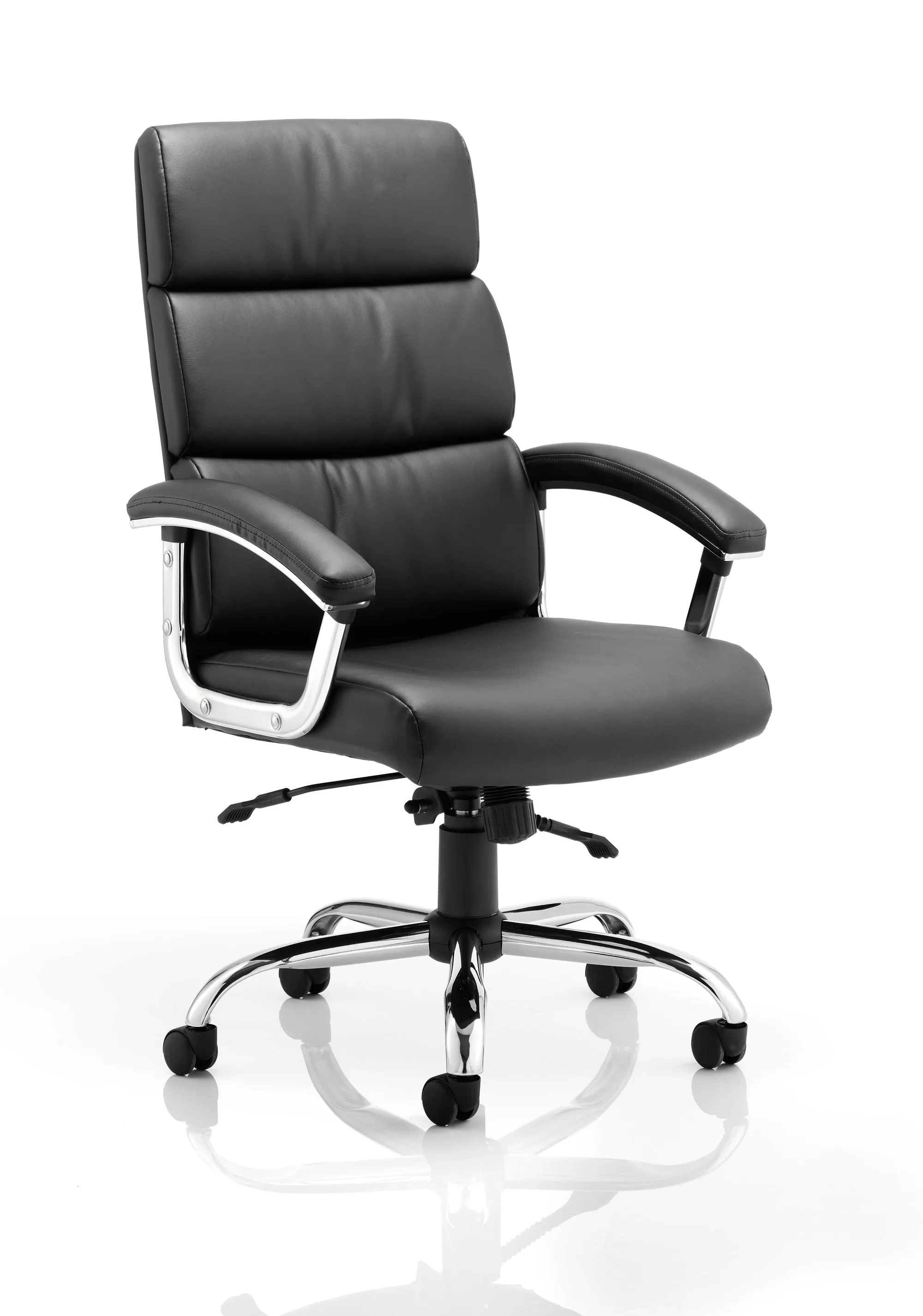
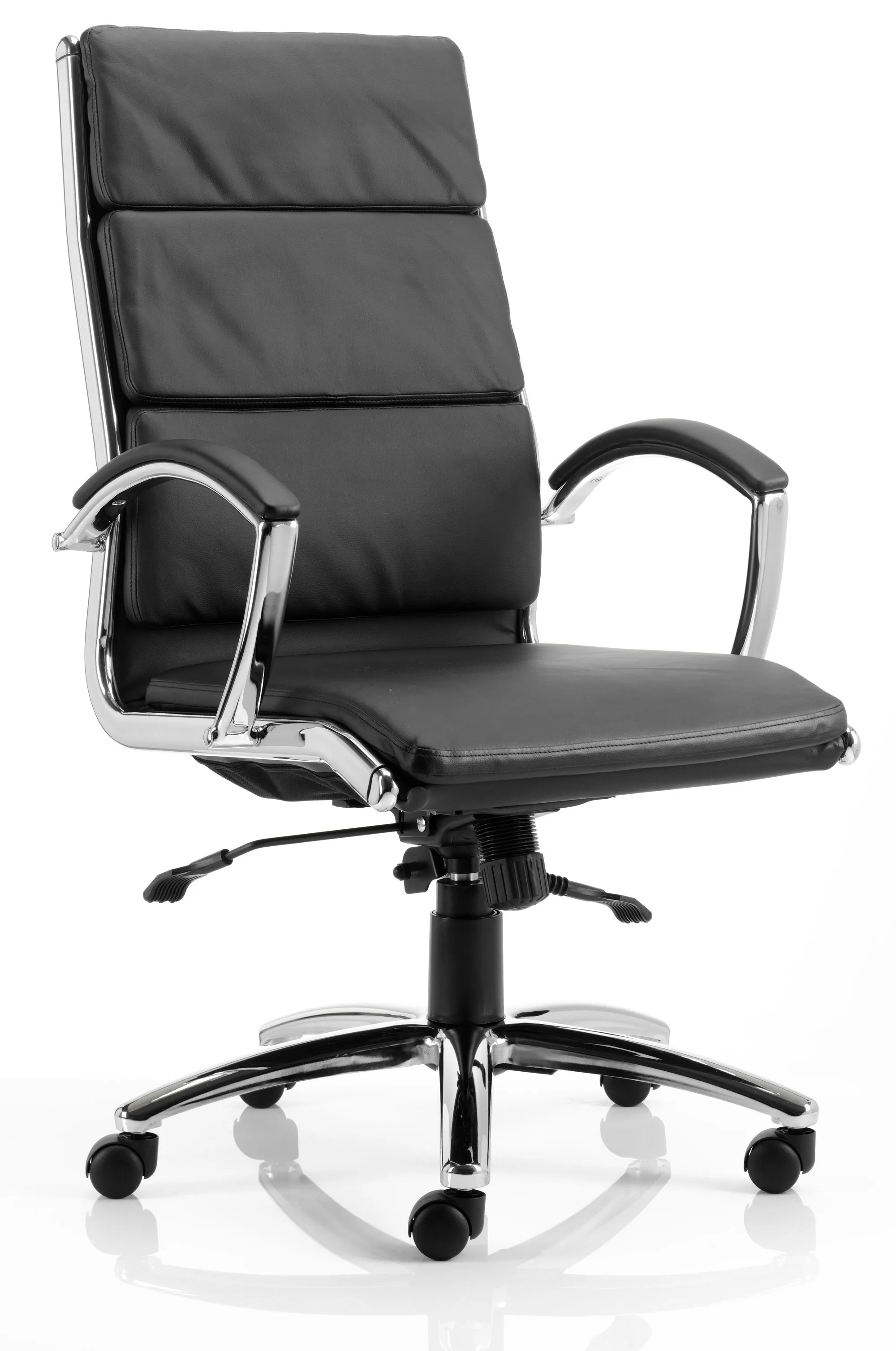
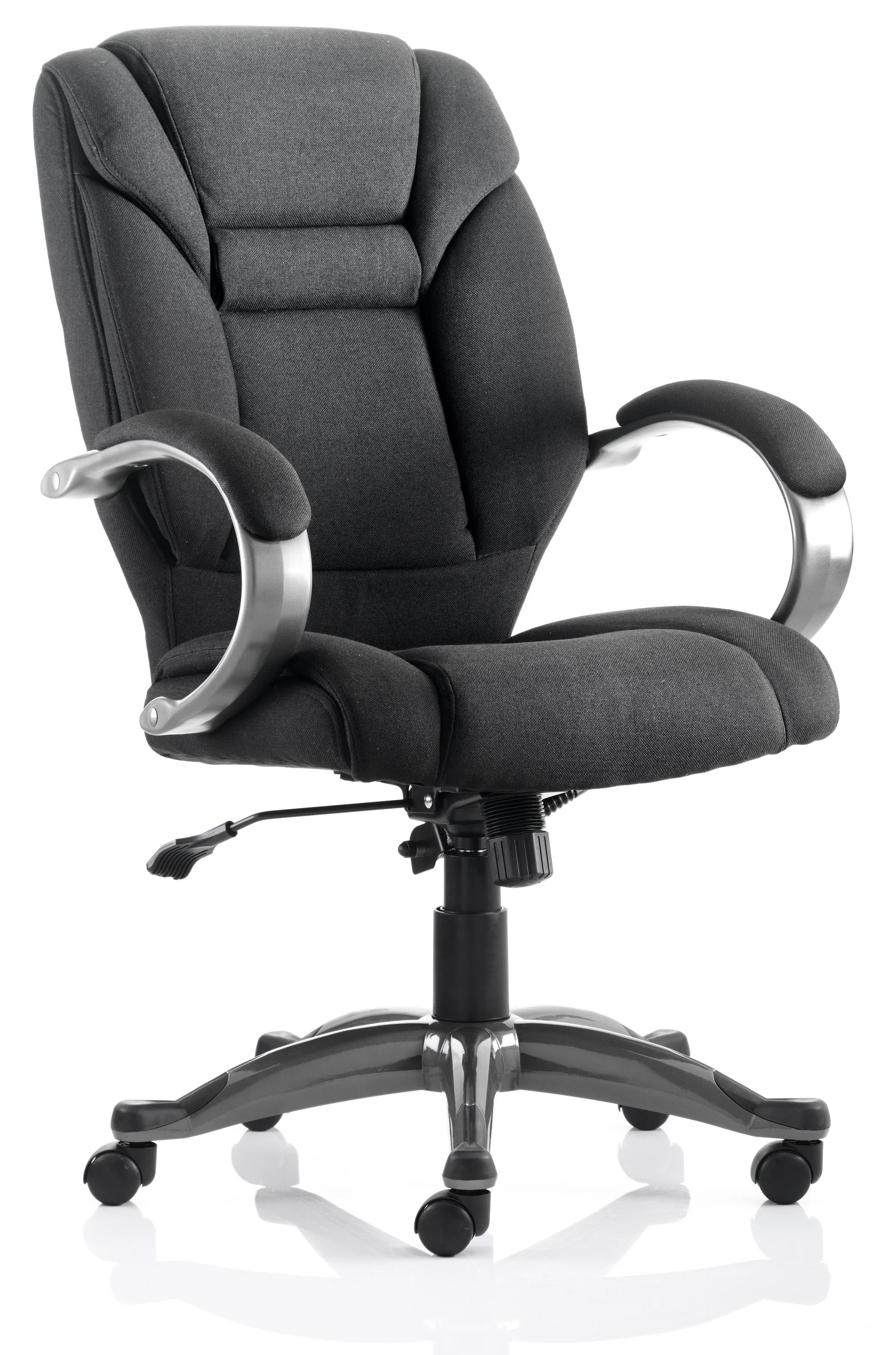
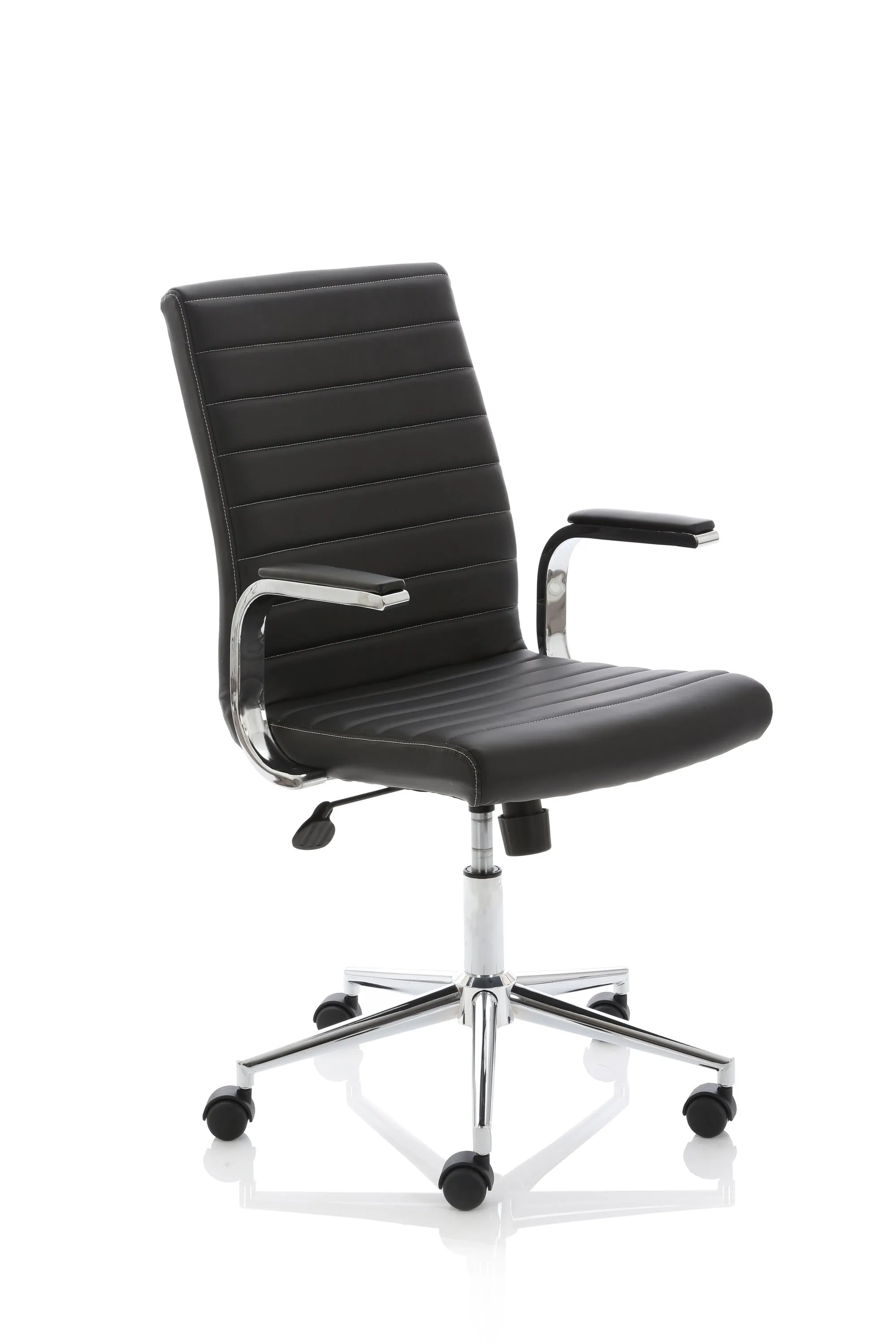
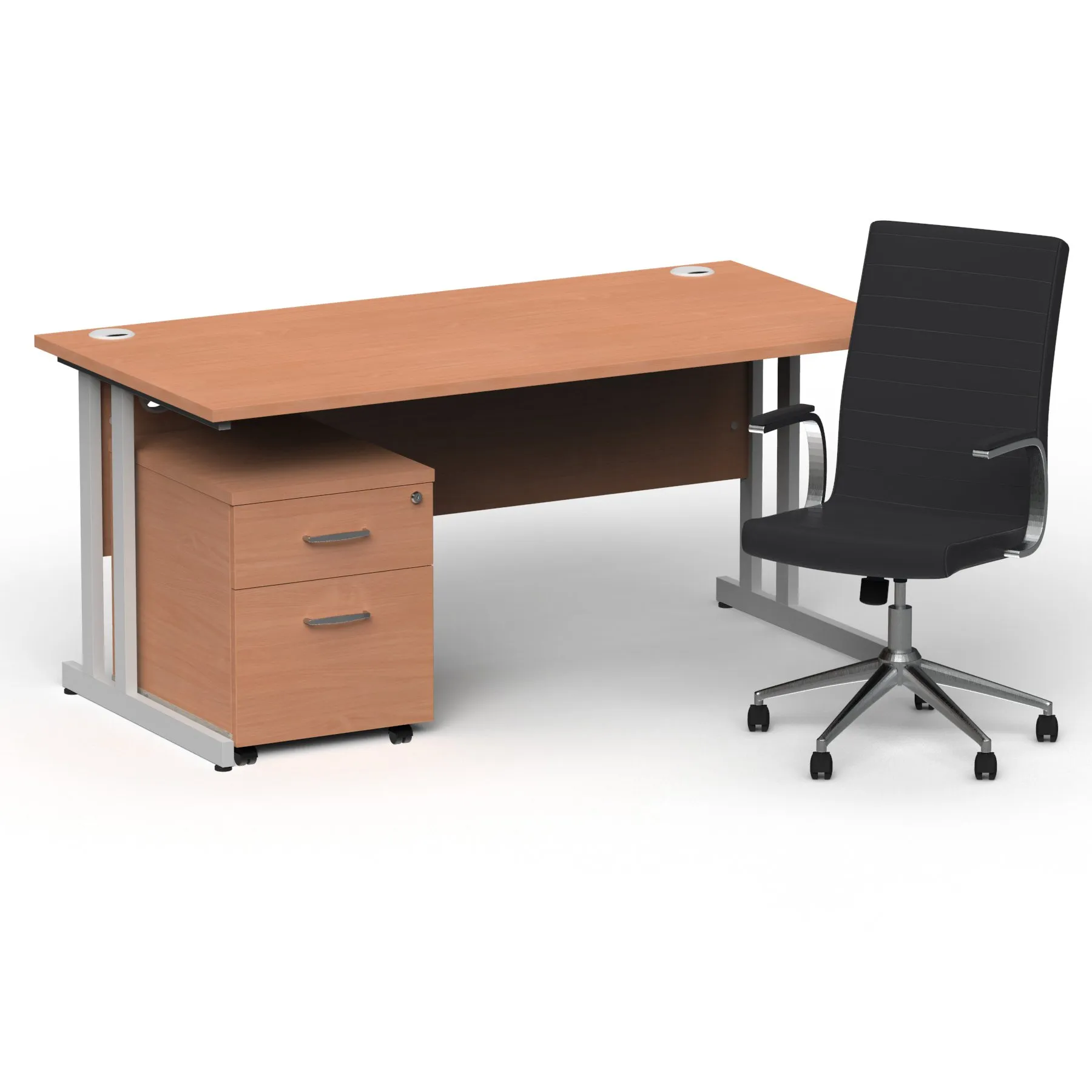
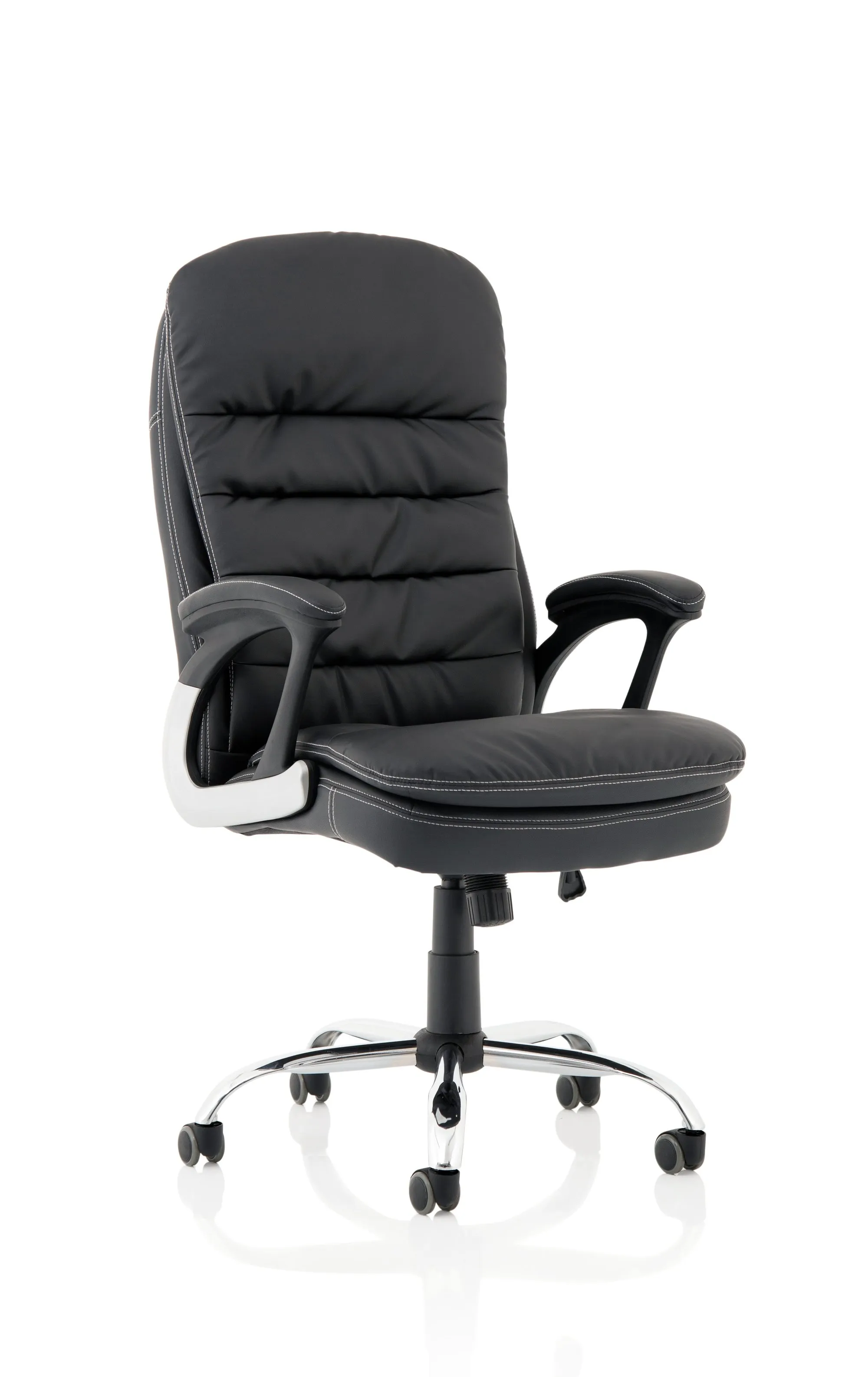
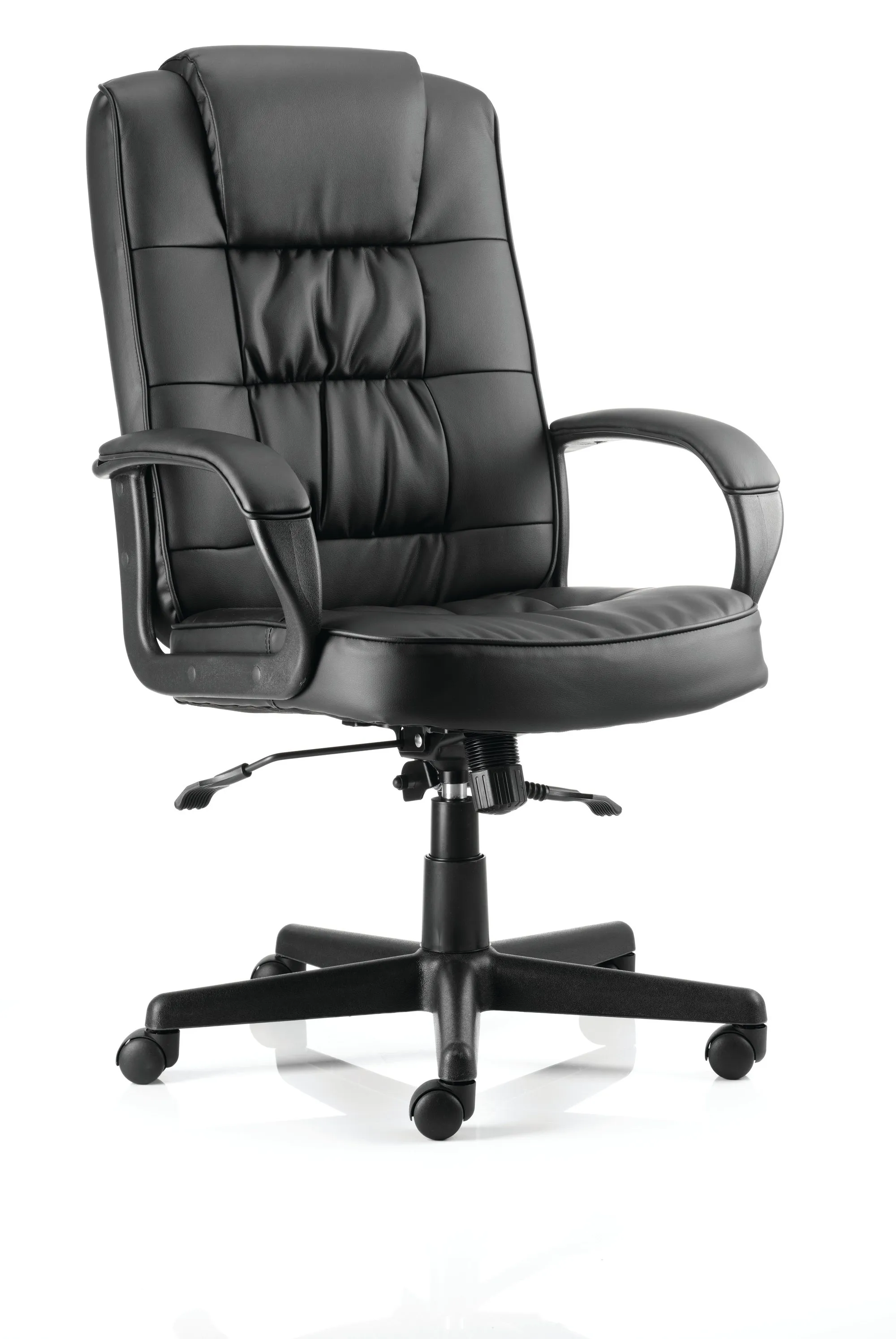
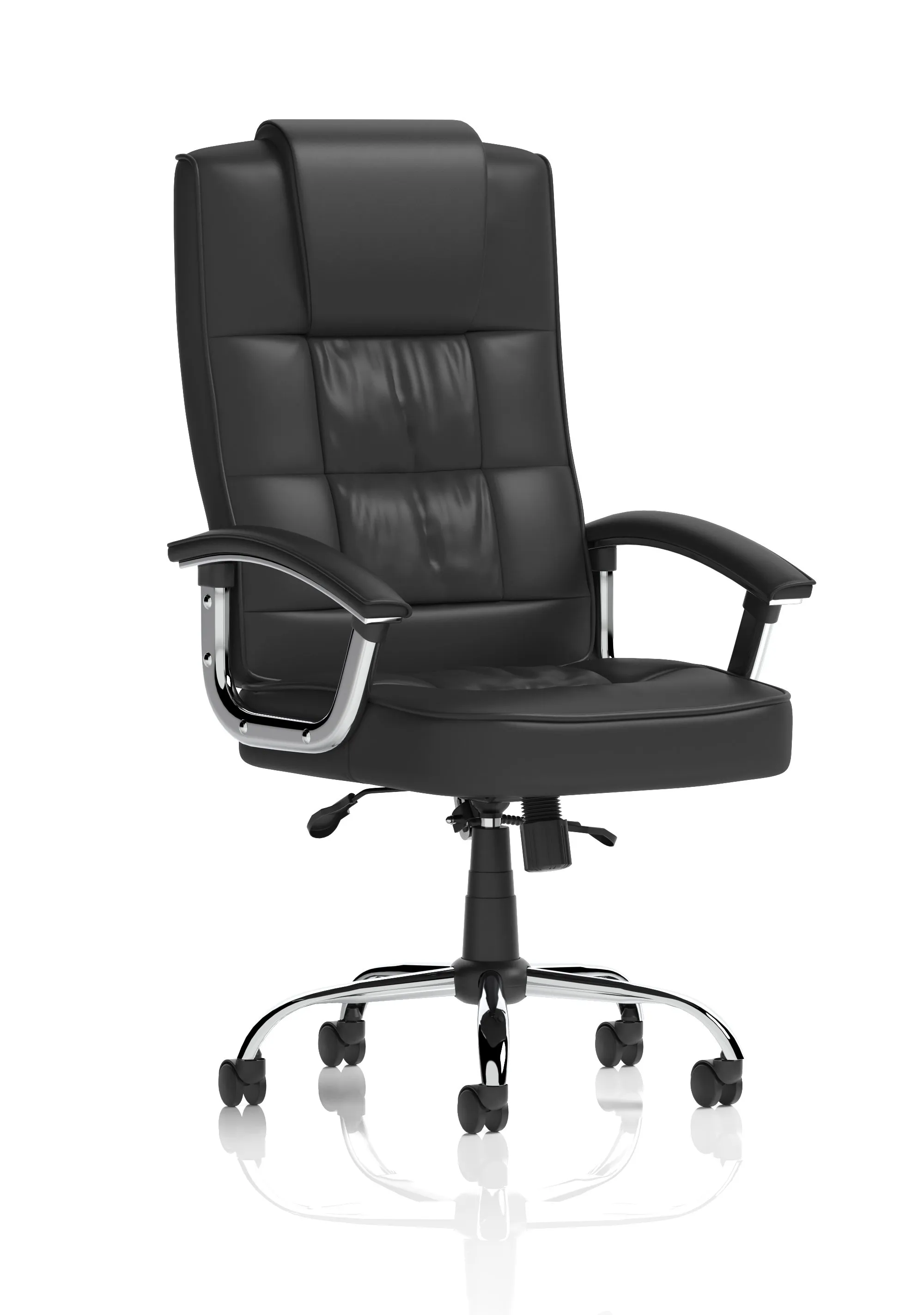
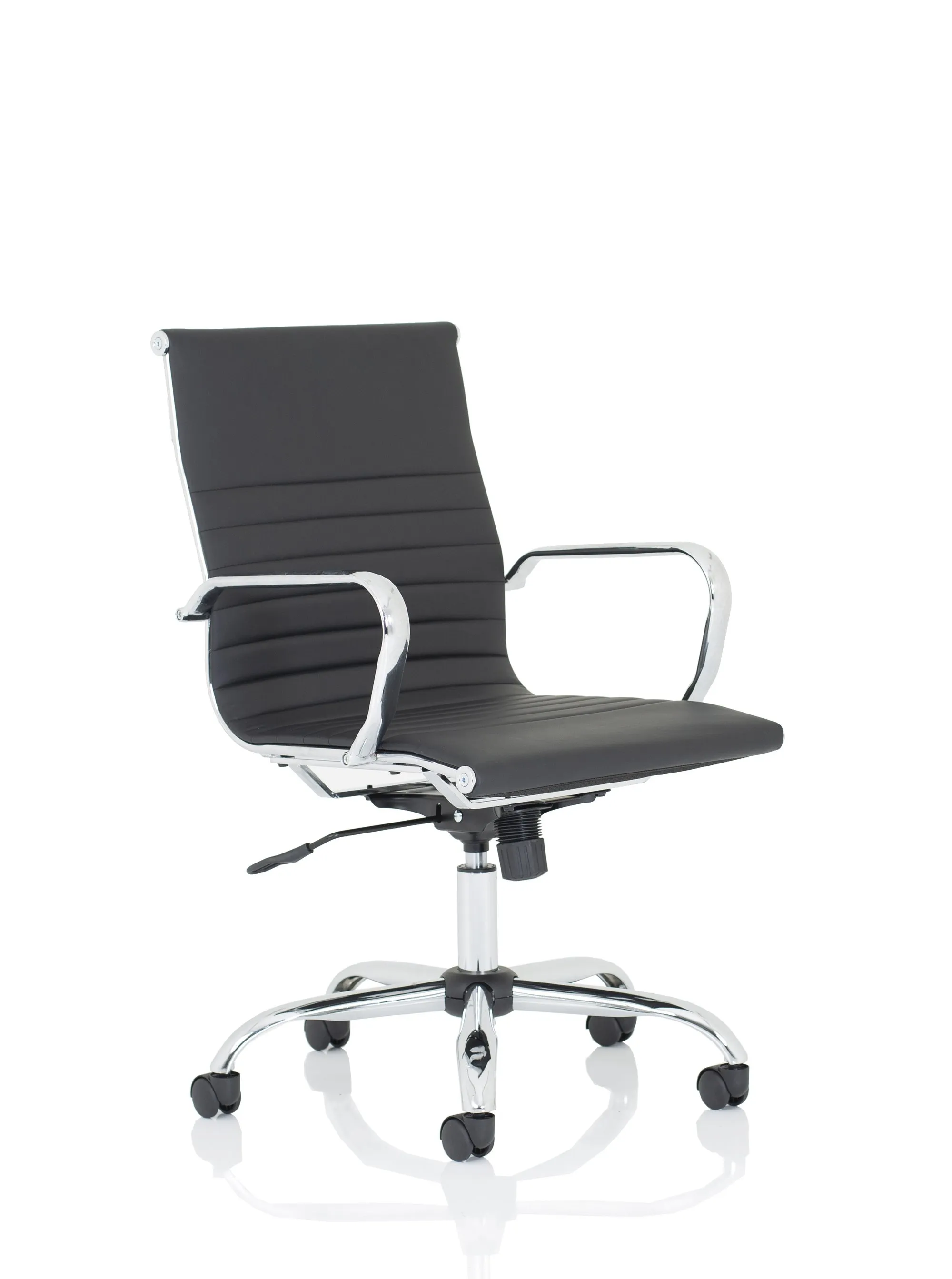
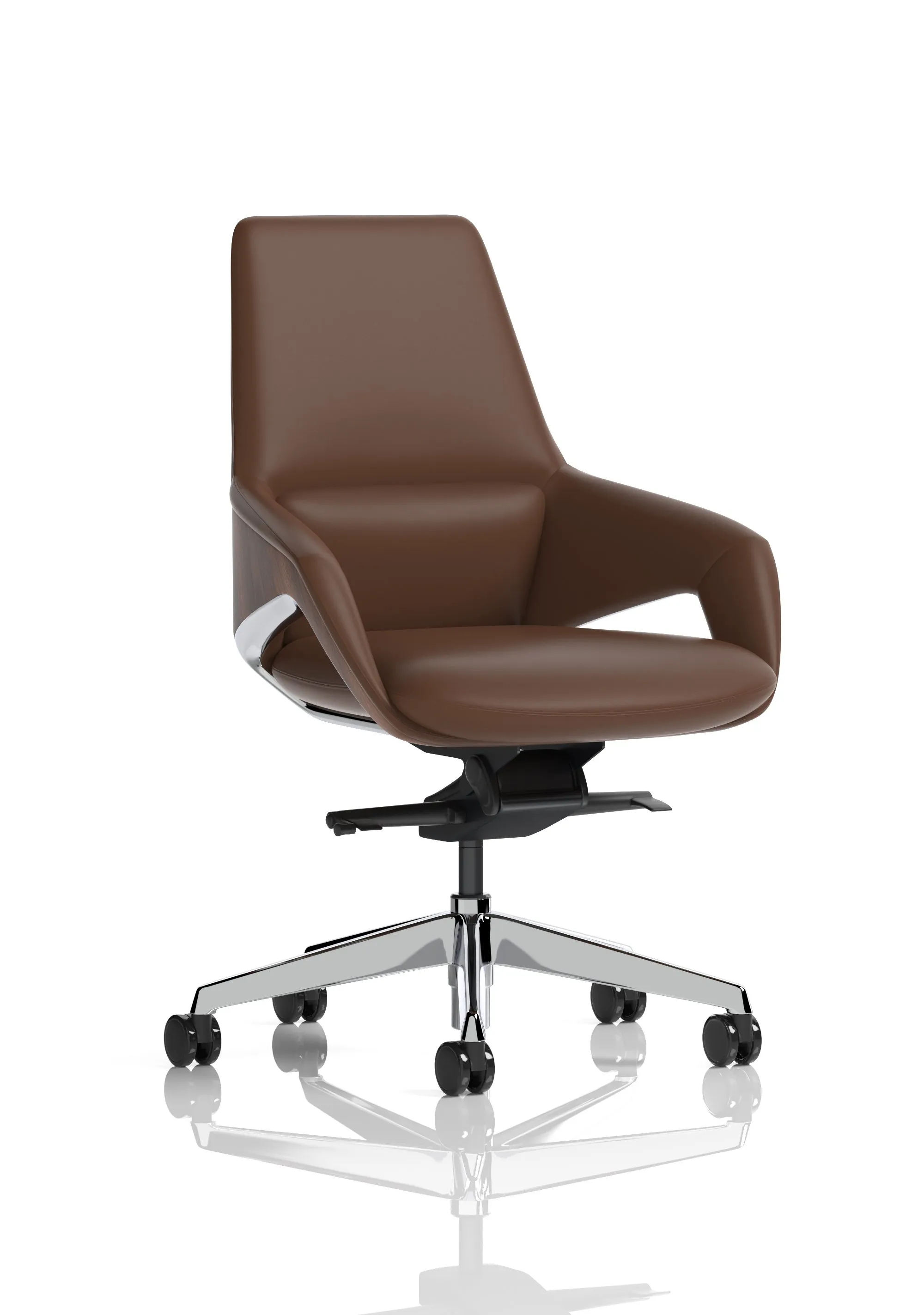
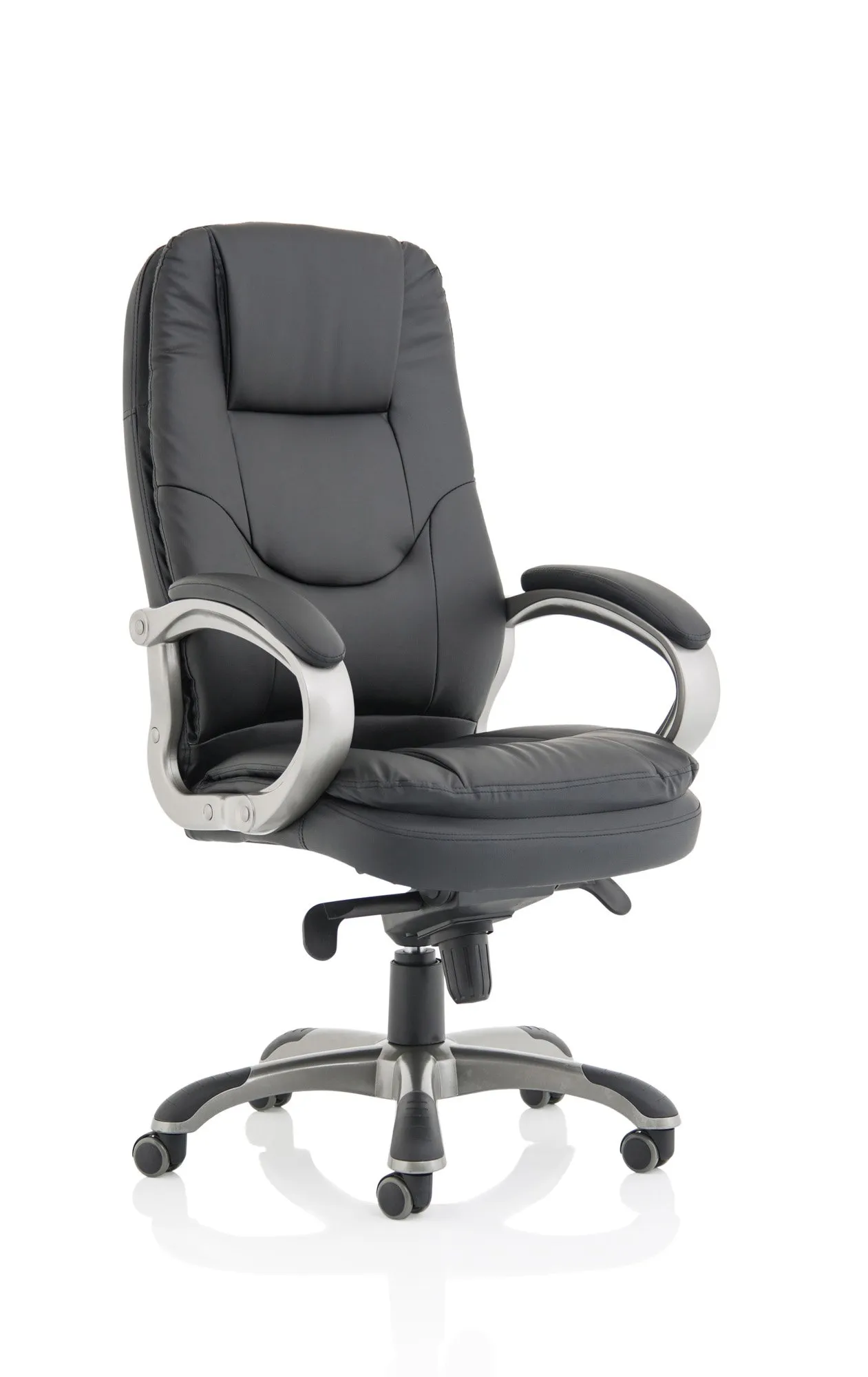
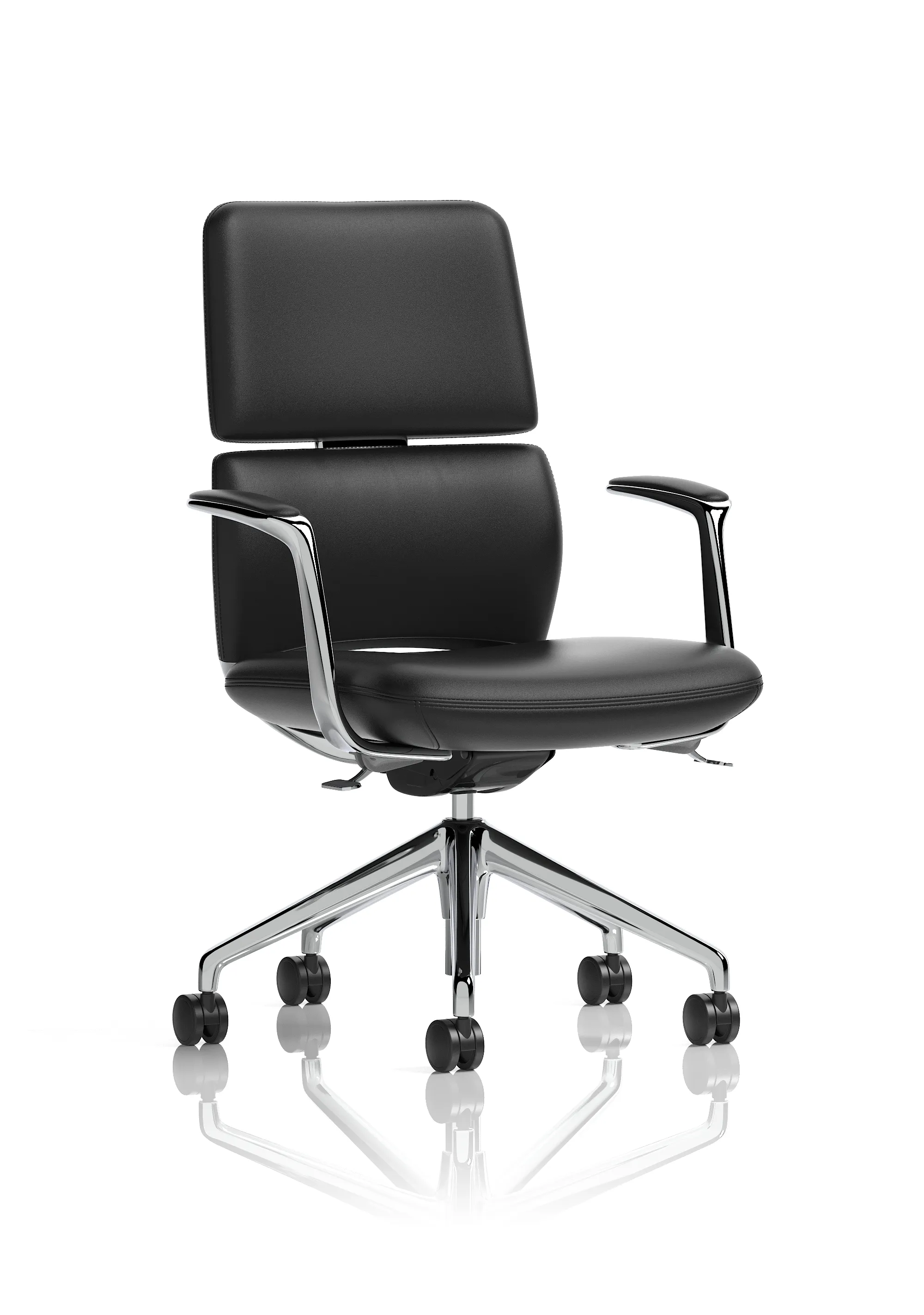
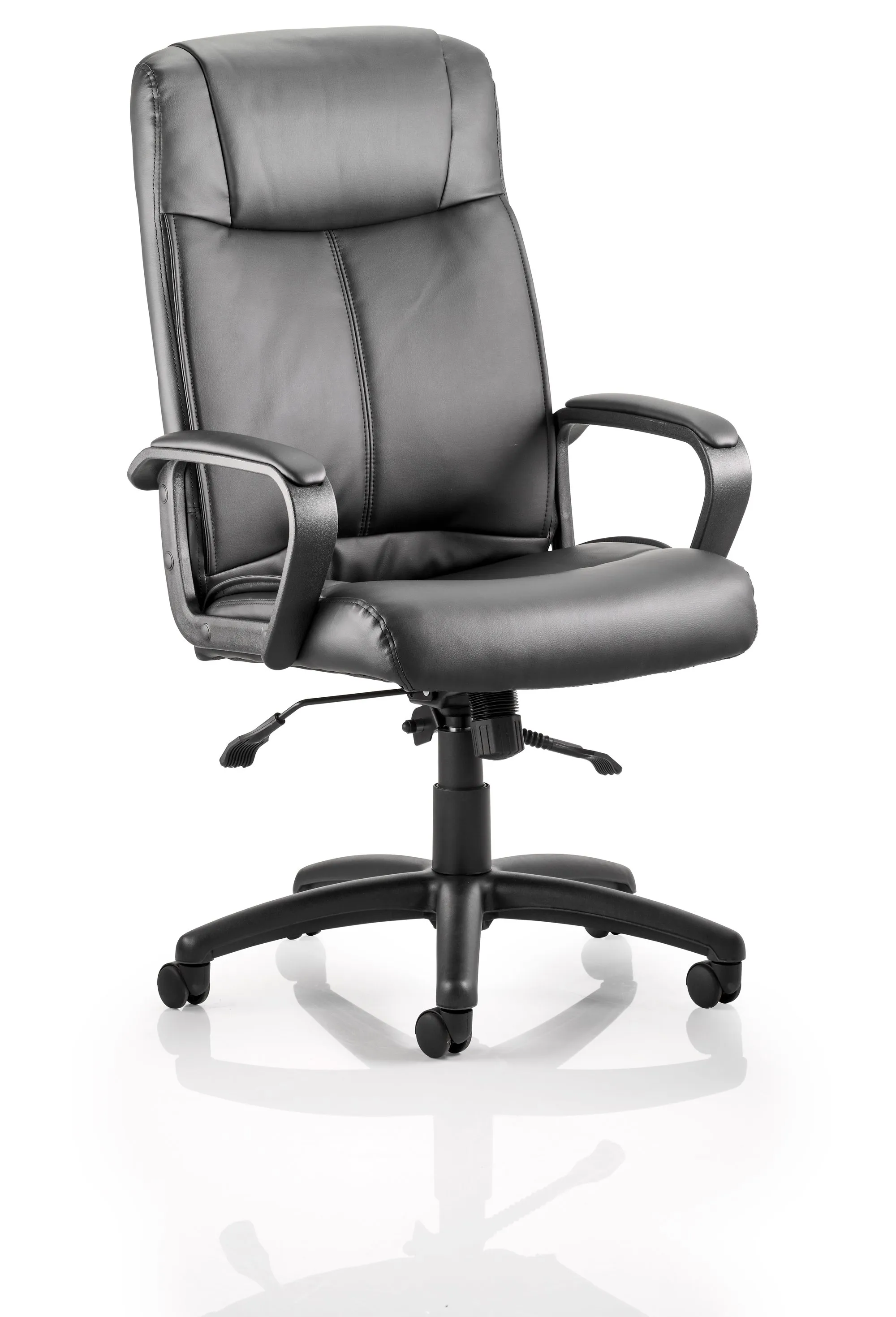
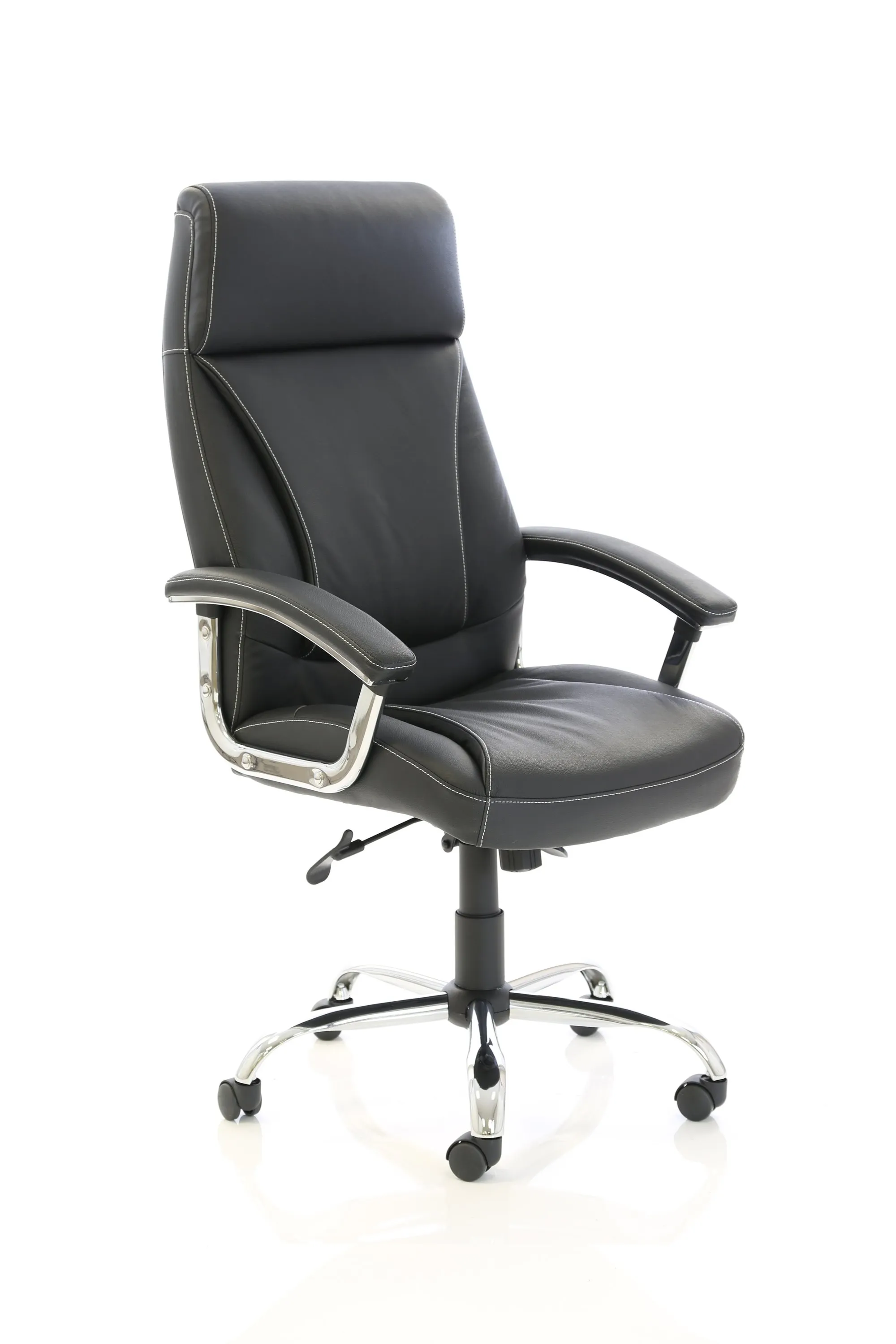
Executive seating for private offices and boardrooms, where the chair is part of how the room reads to whoever is sitting opposite. The engineering overlaps with task seating; the difference is presence, padding and materials.
High back or medium back
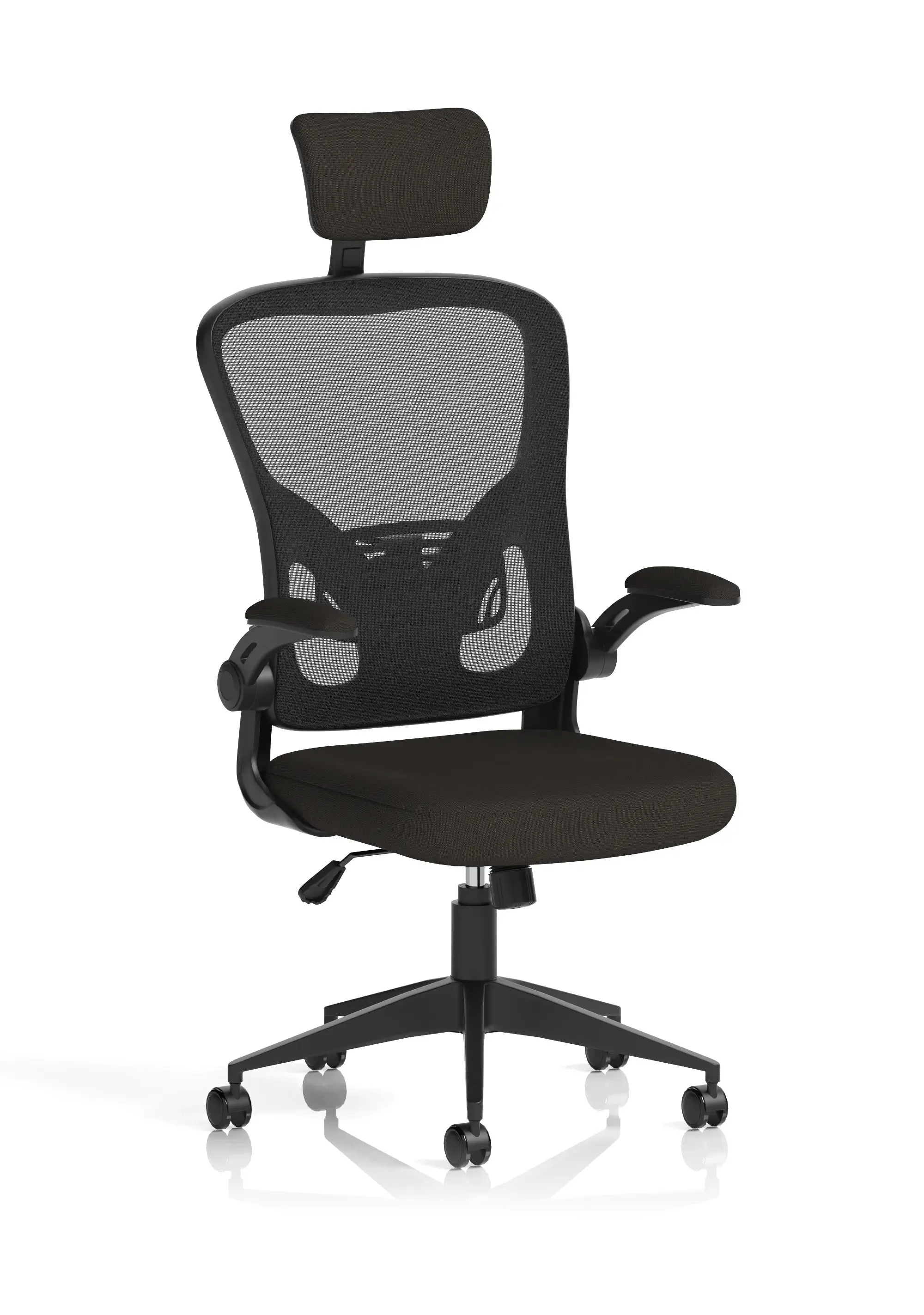
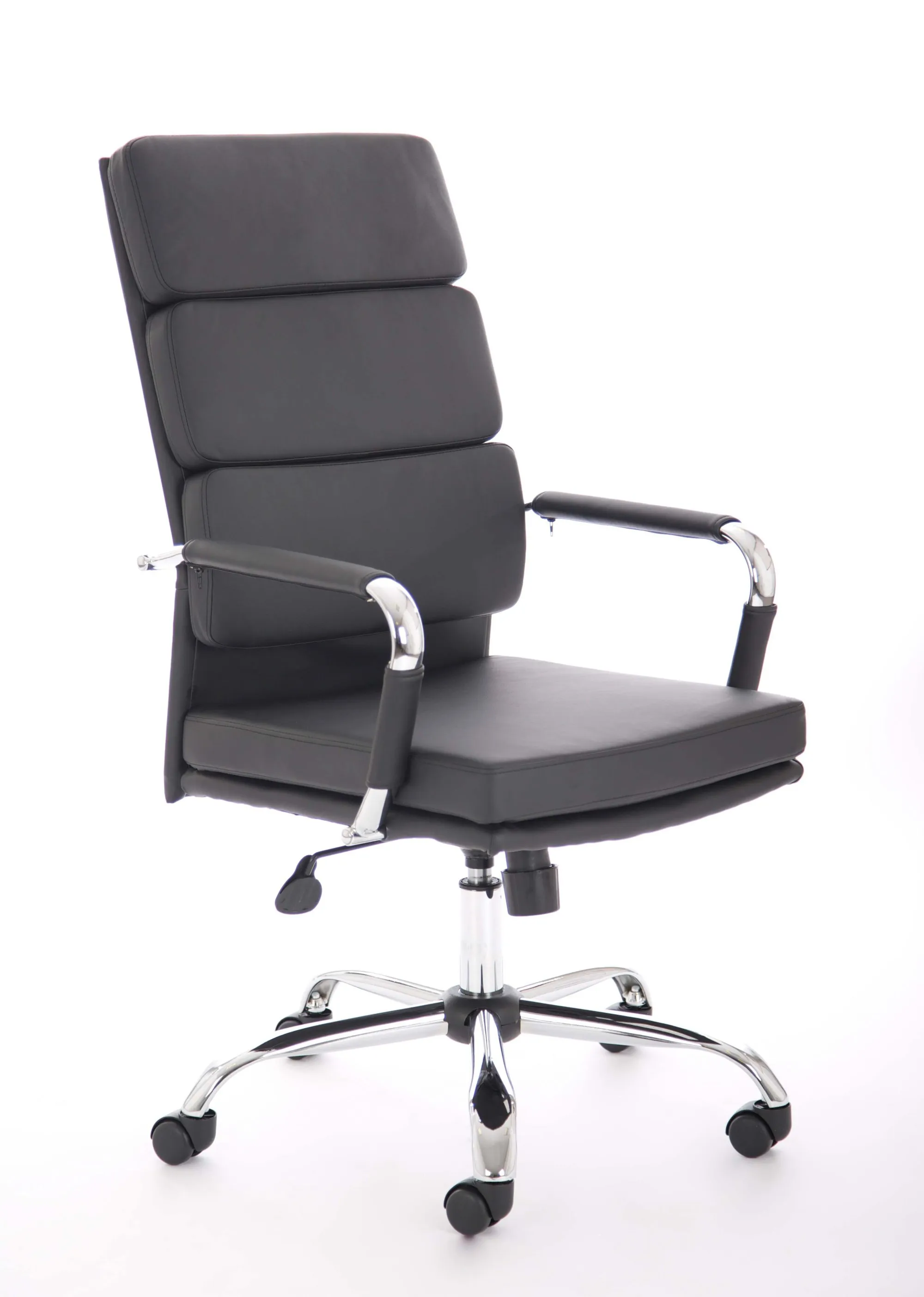
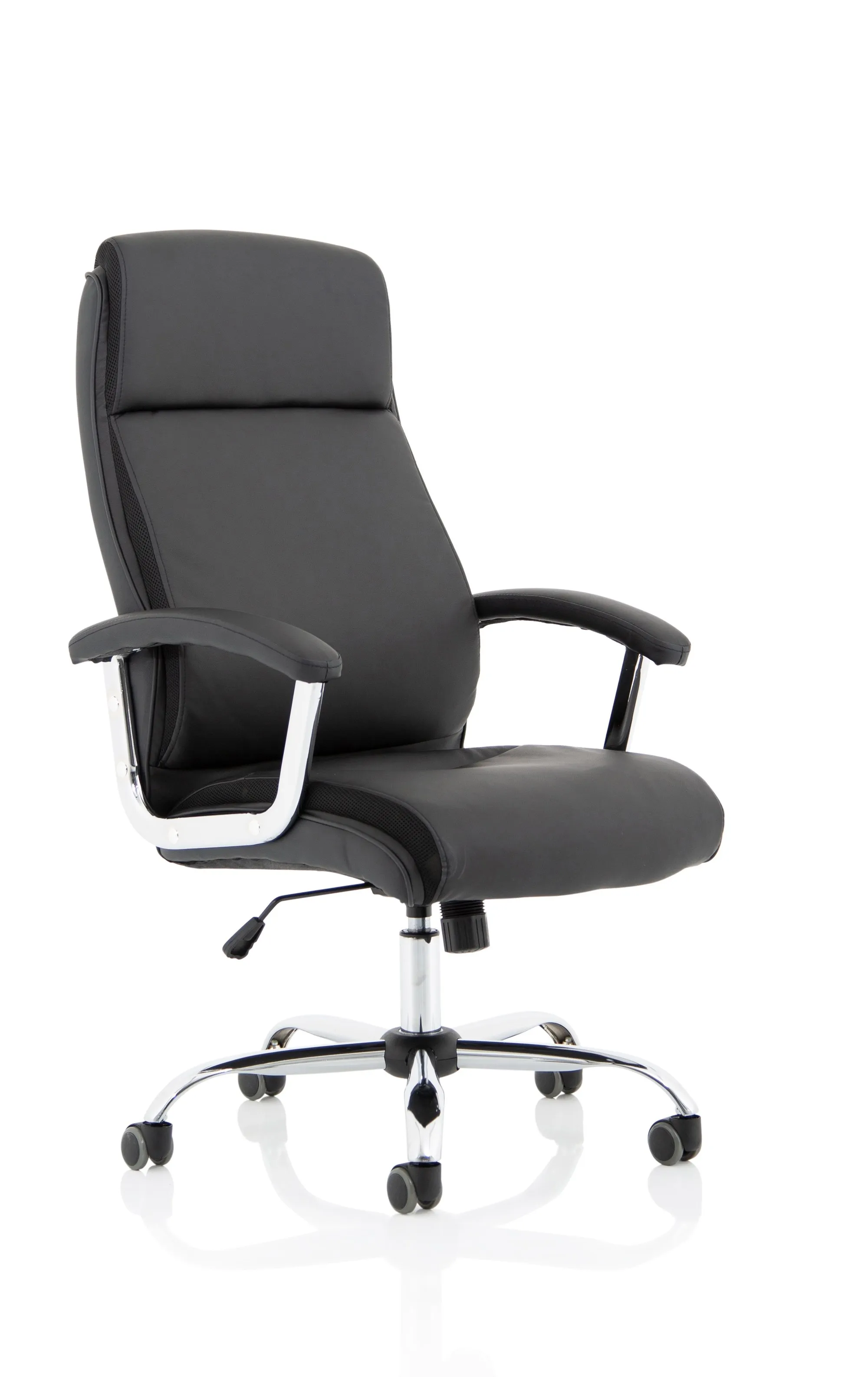
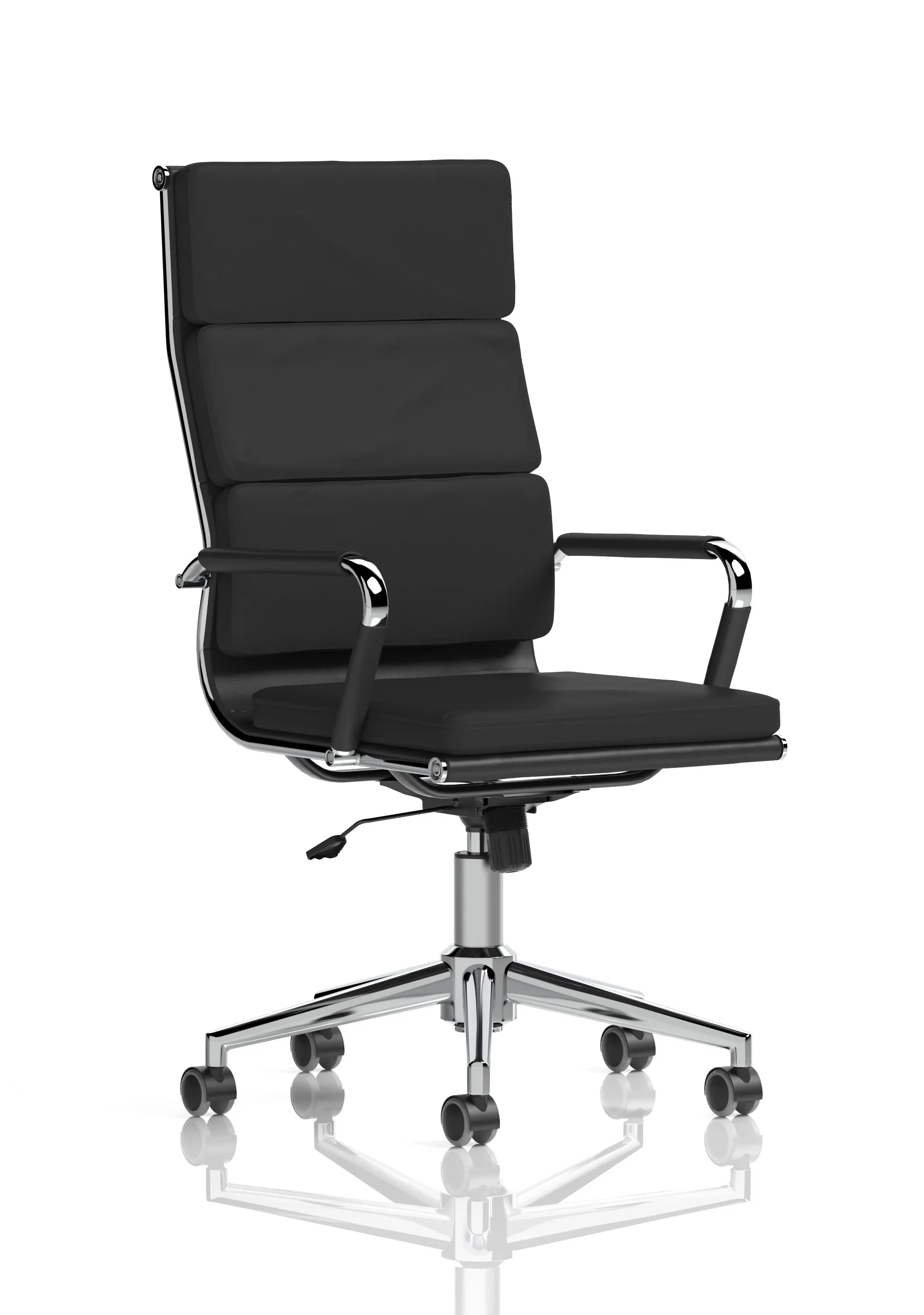
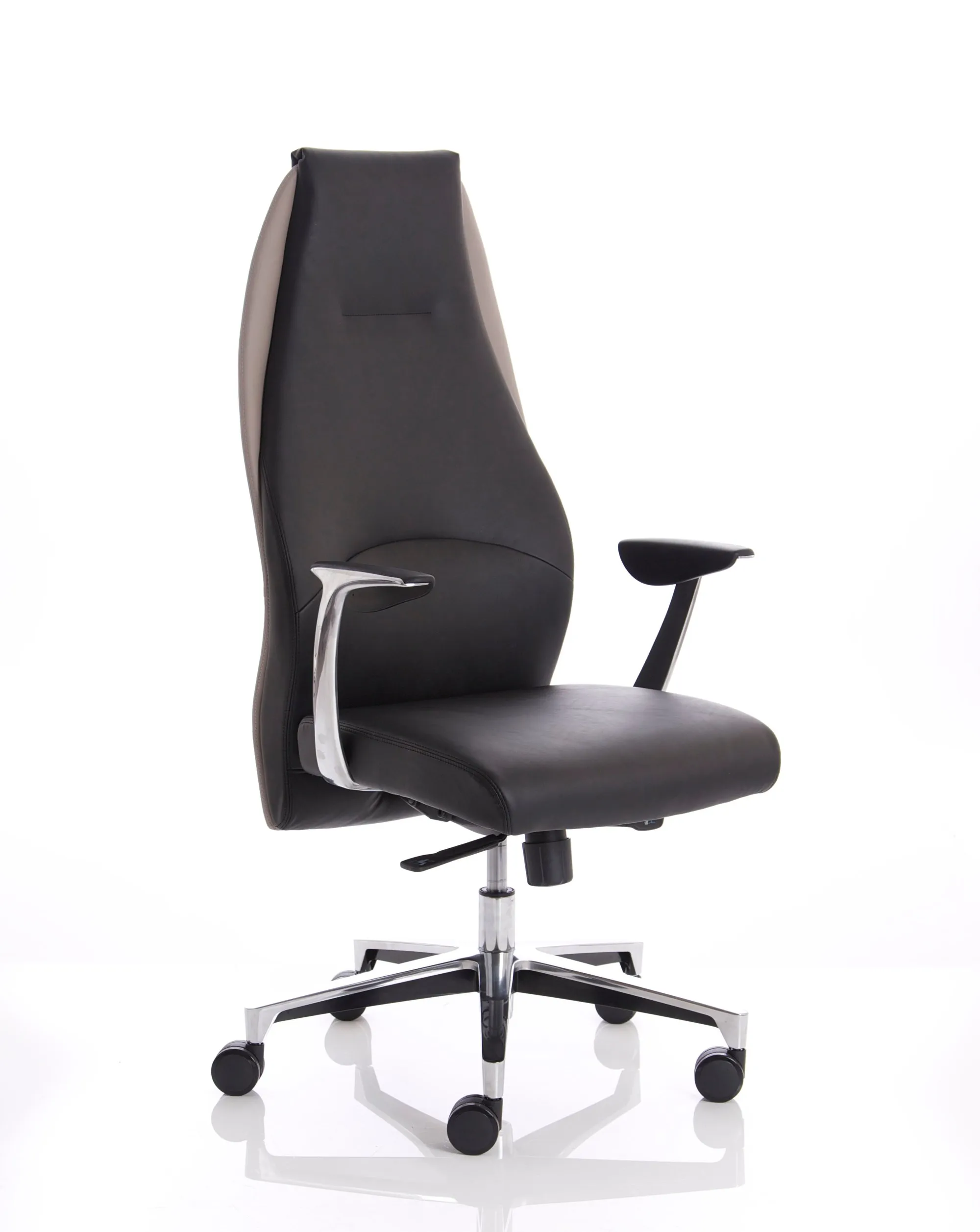
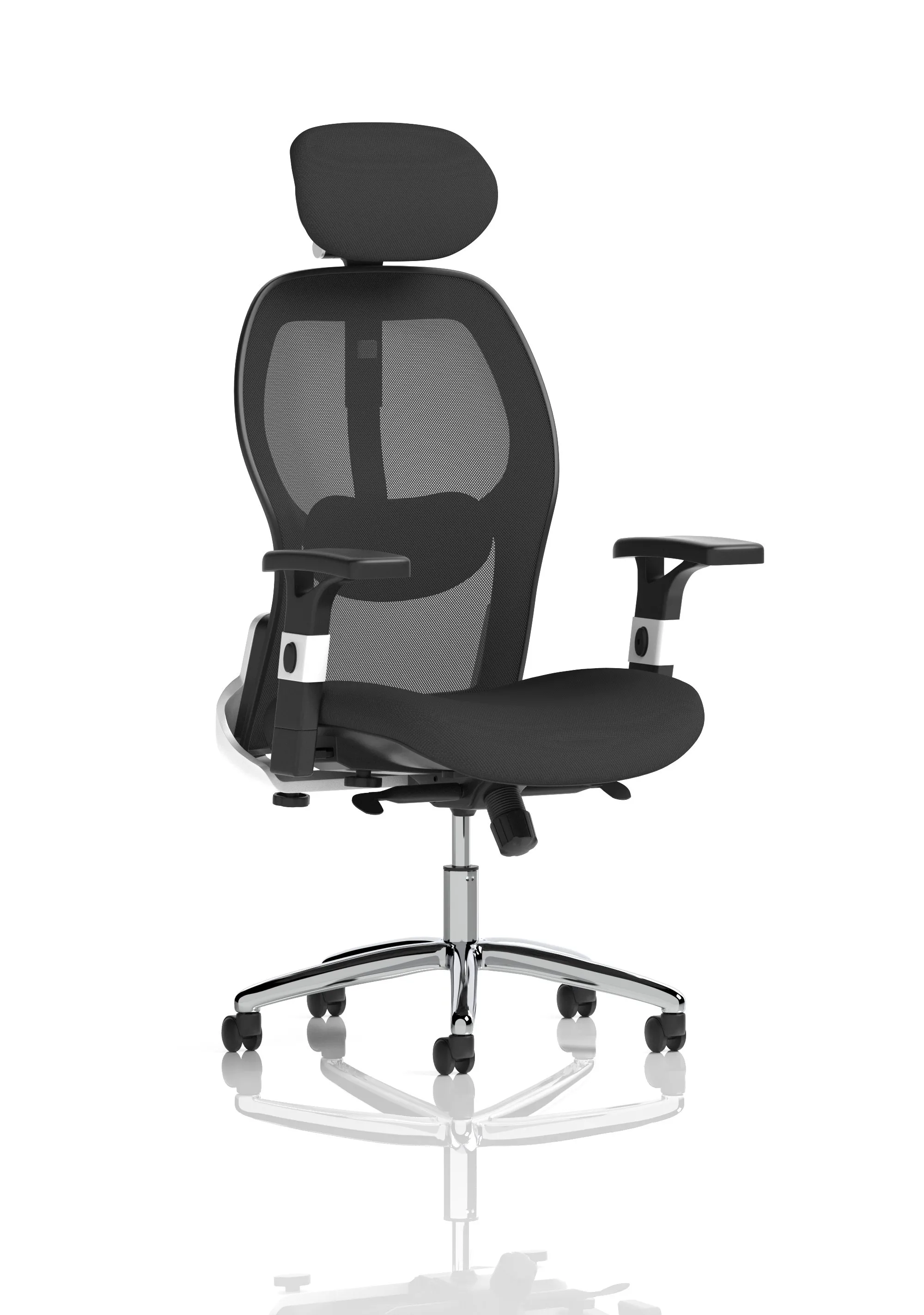
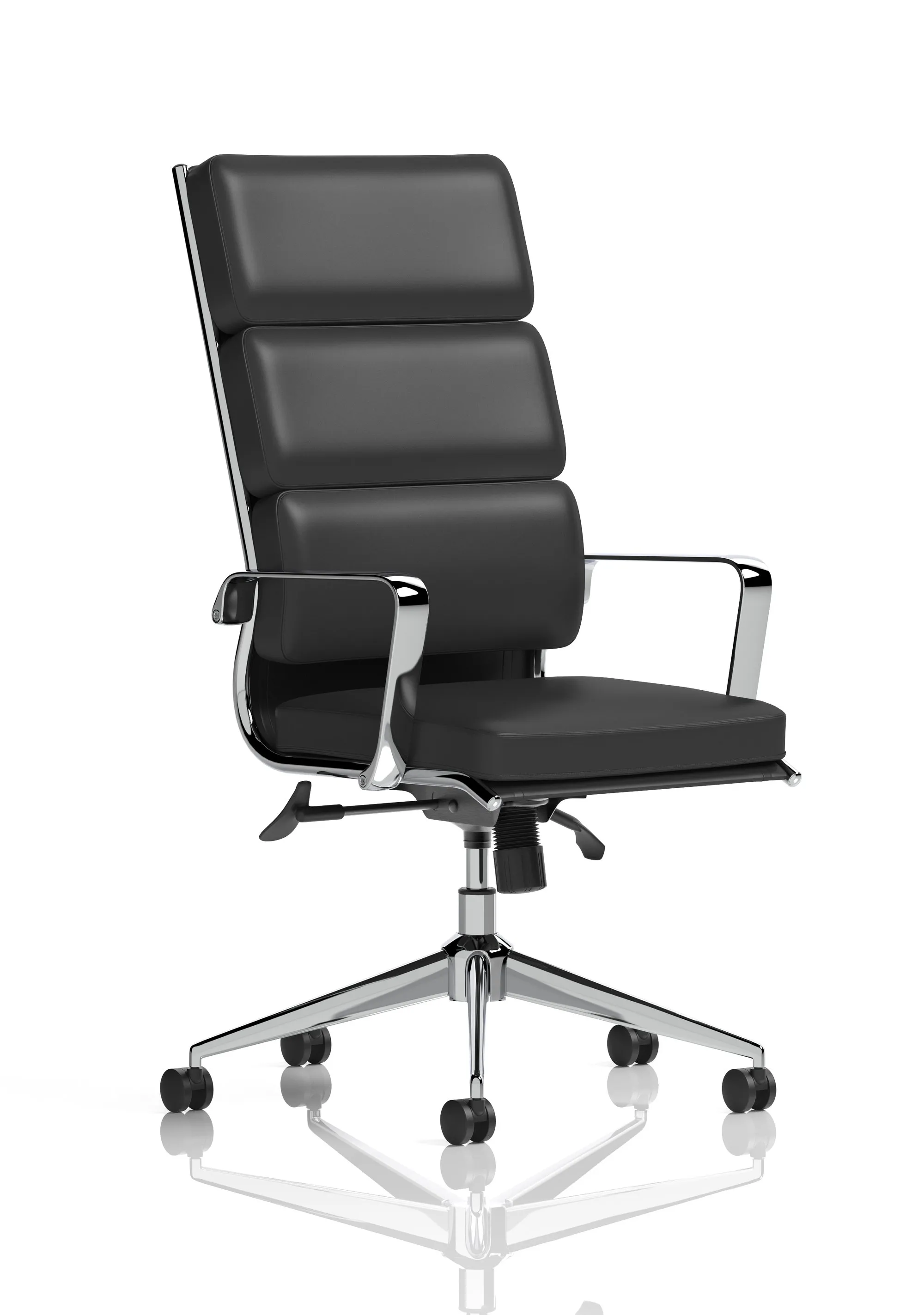
A high back supports the head and neck, which matters if the chair is genuinely used all day. It also occupies more visual space, which is usually the point in a director's office.
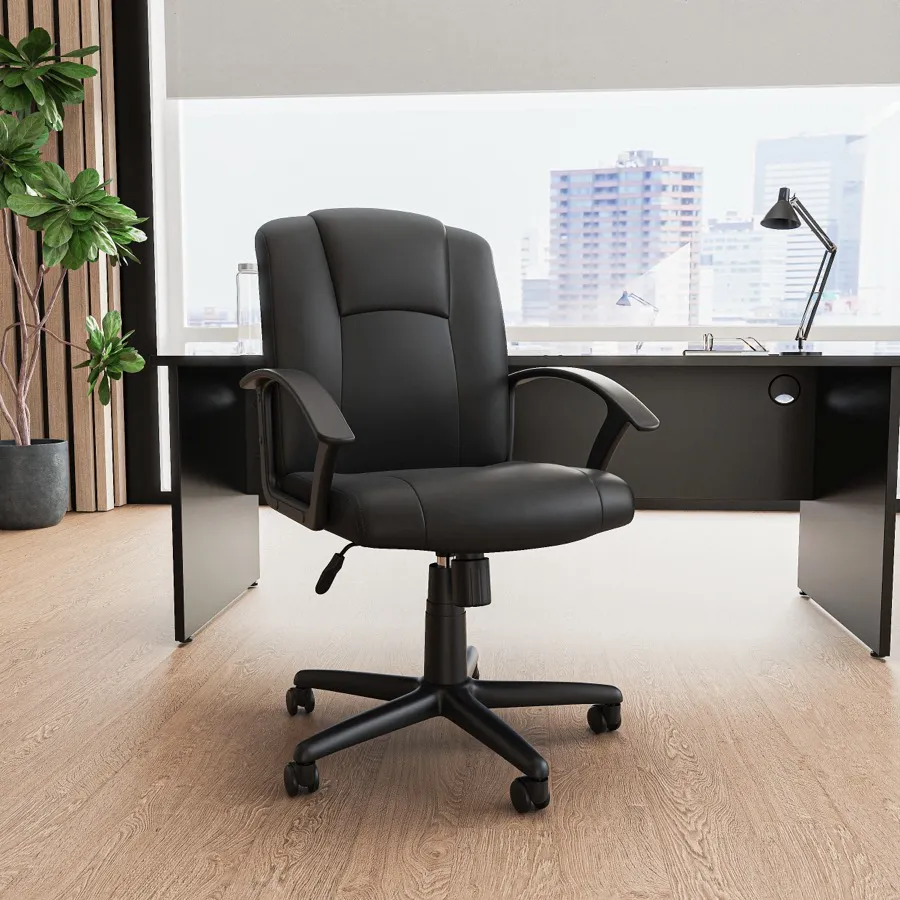
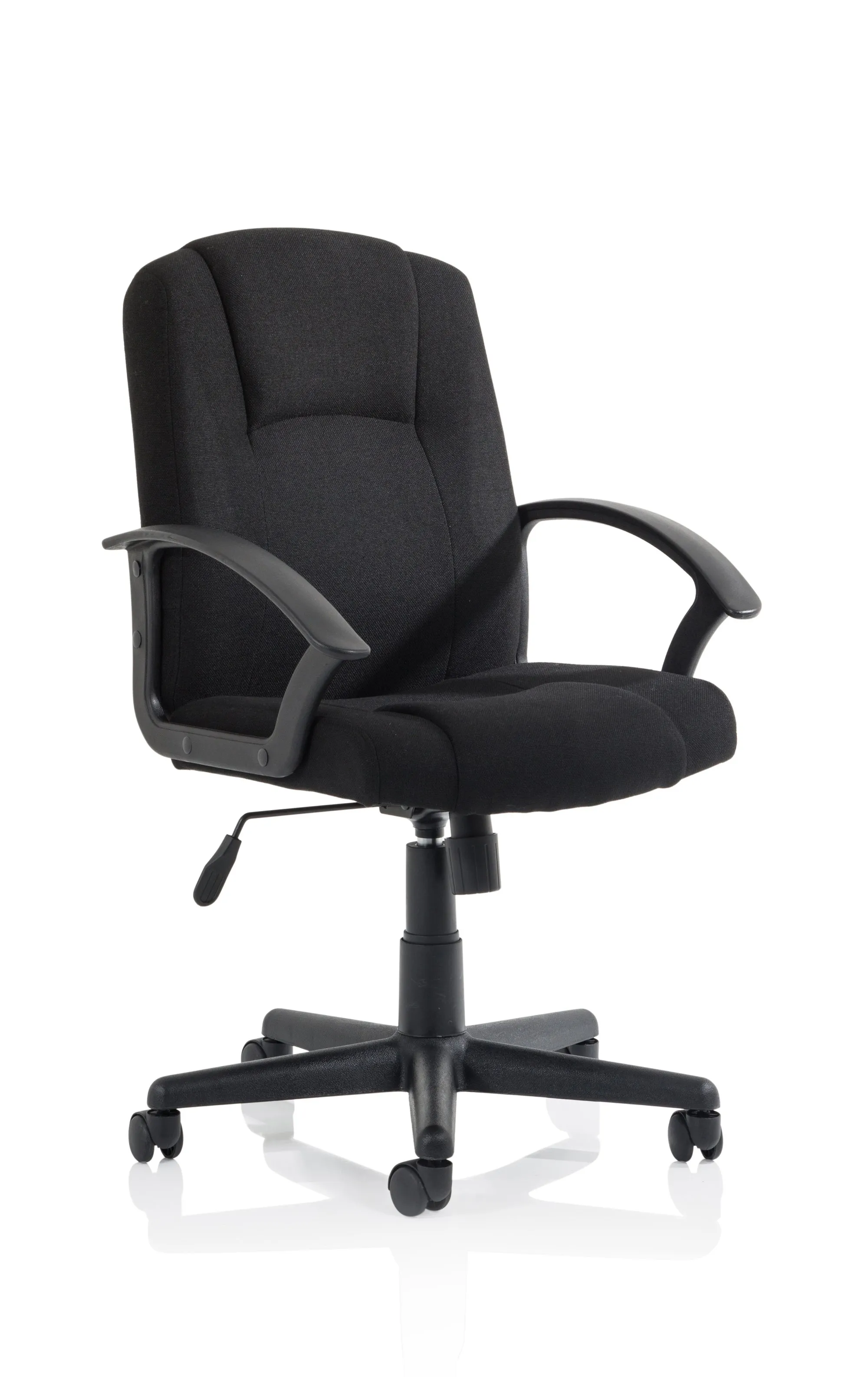
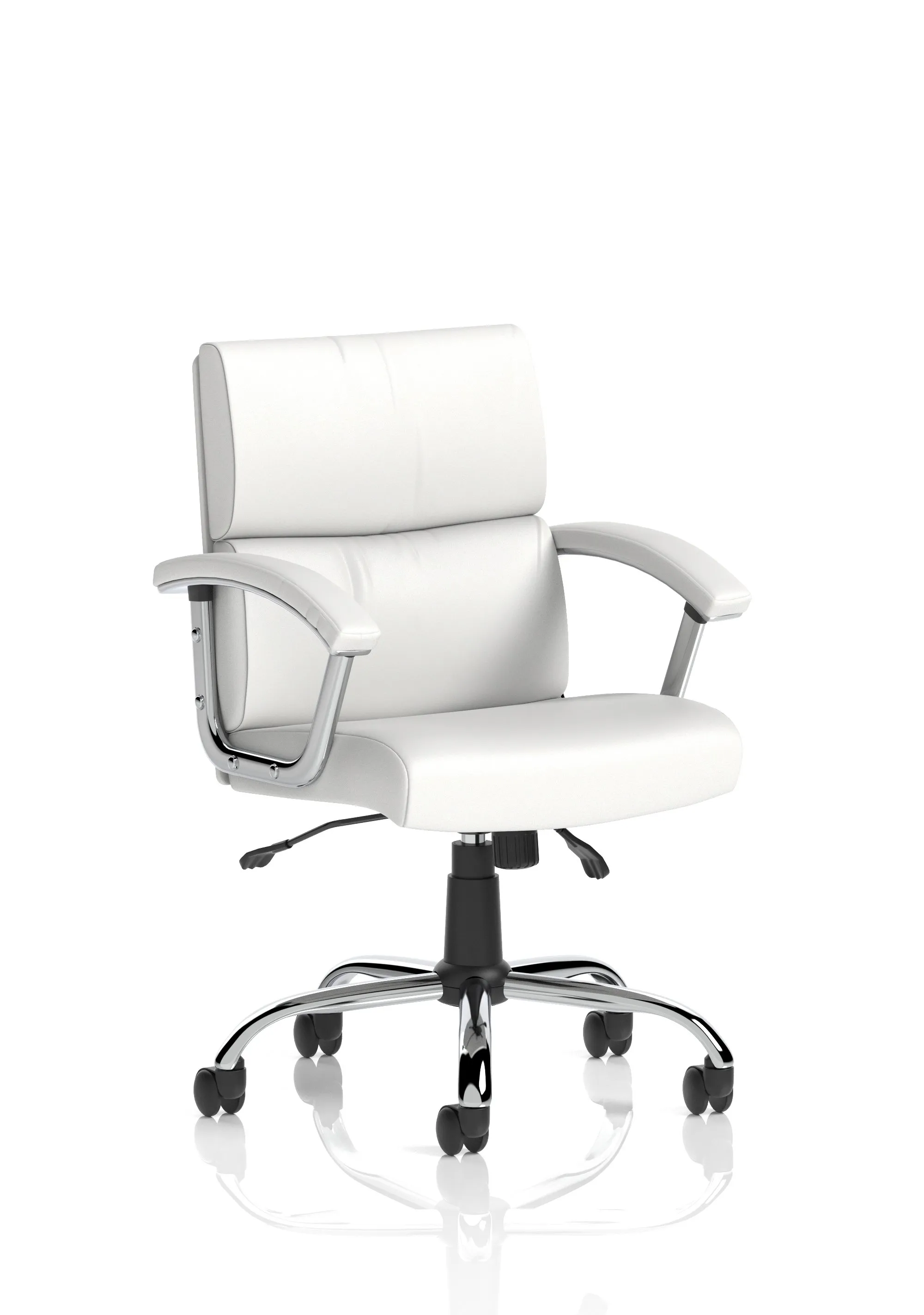
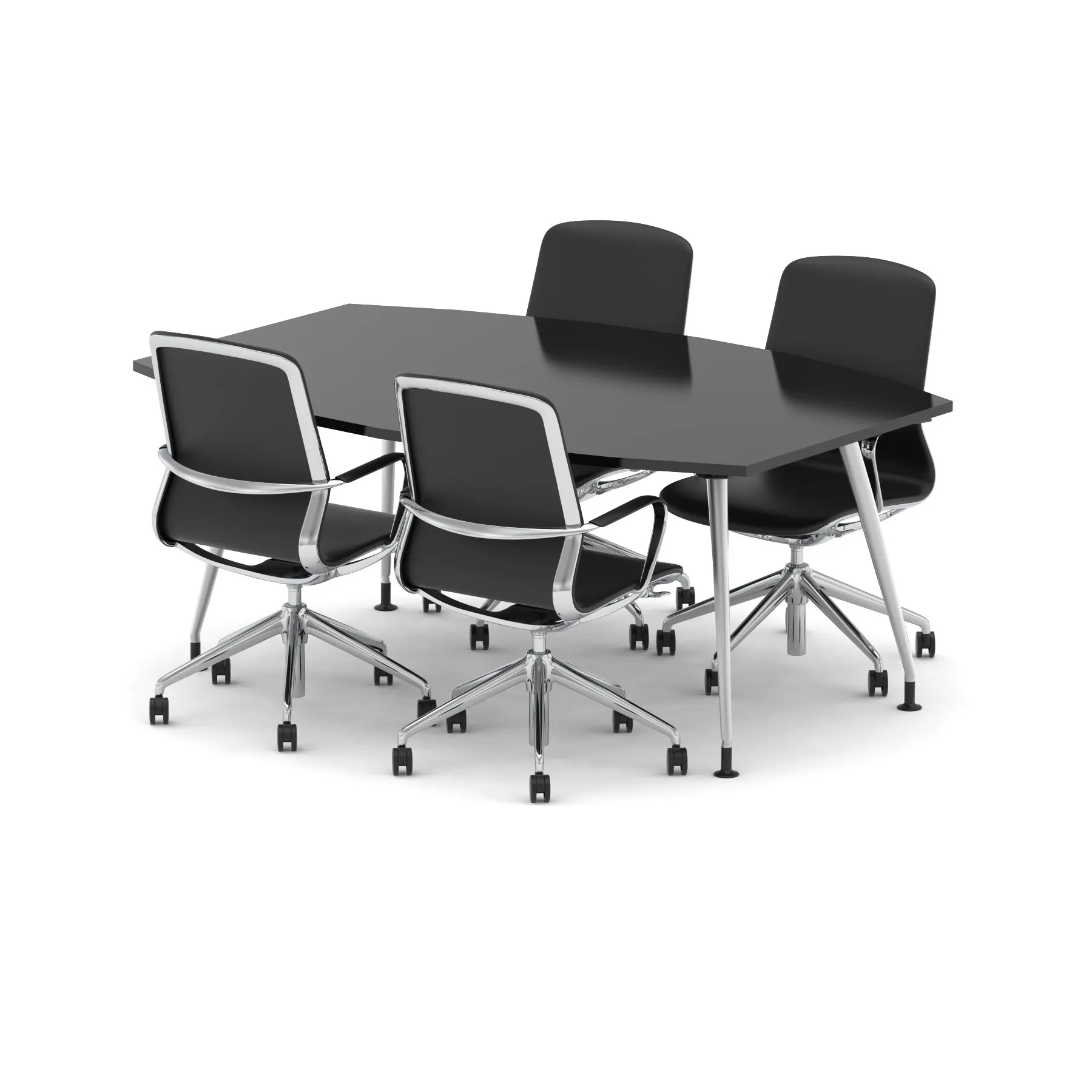
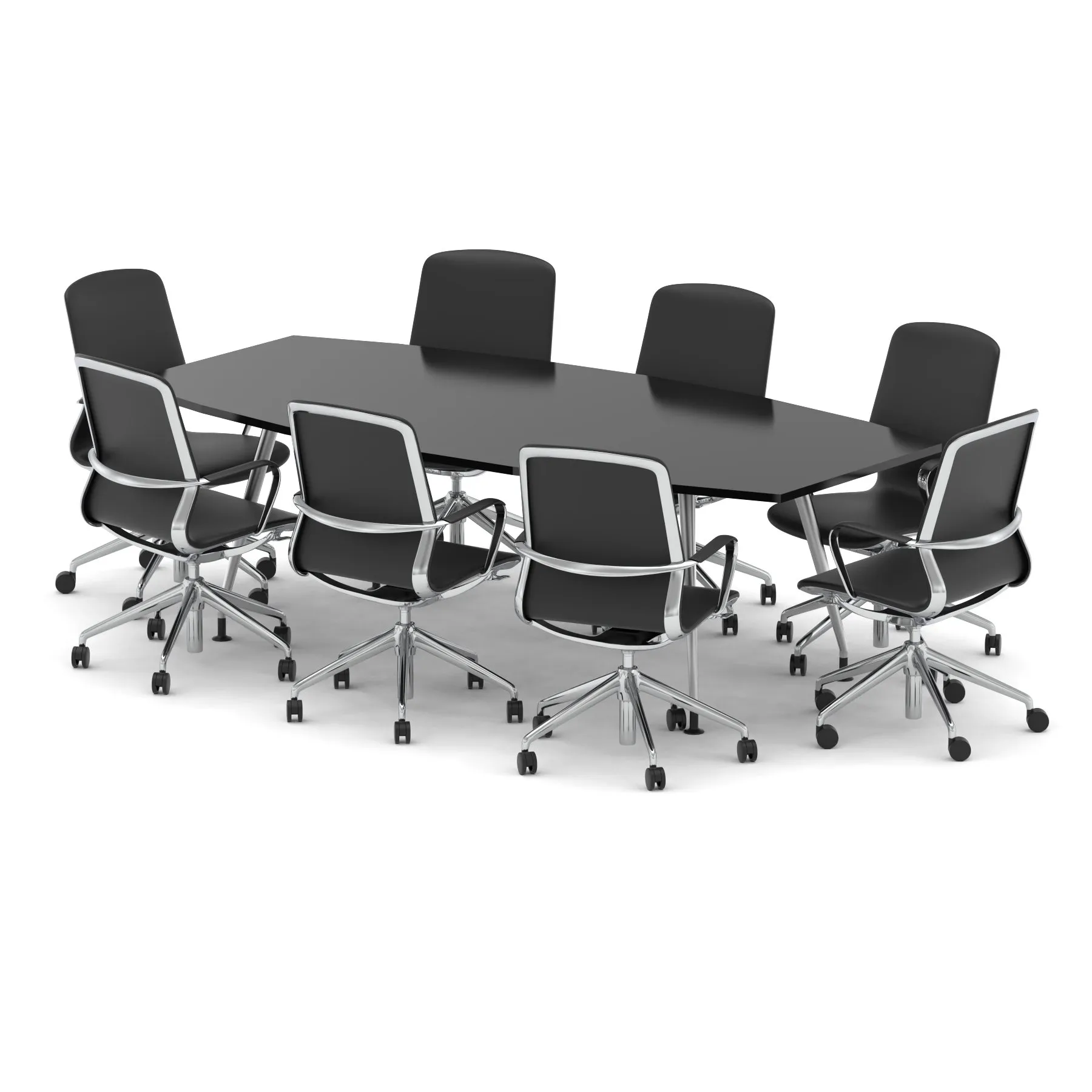
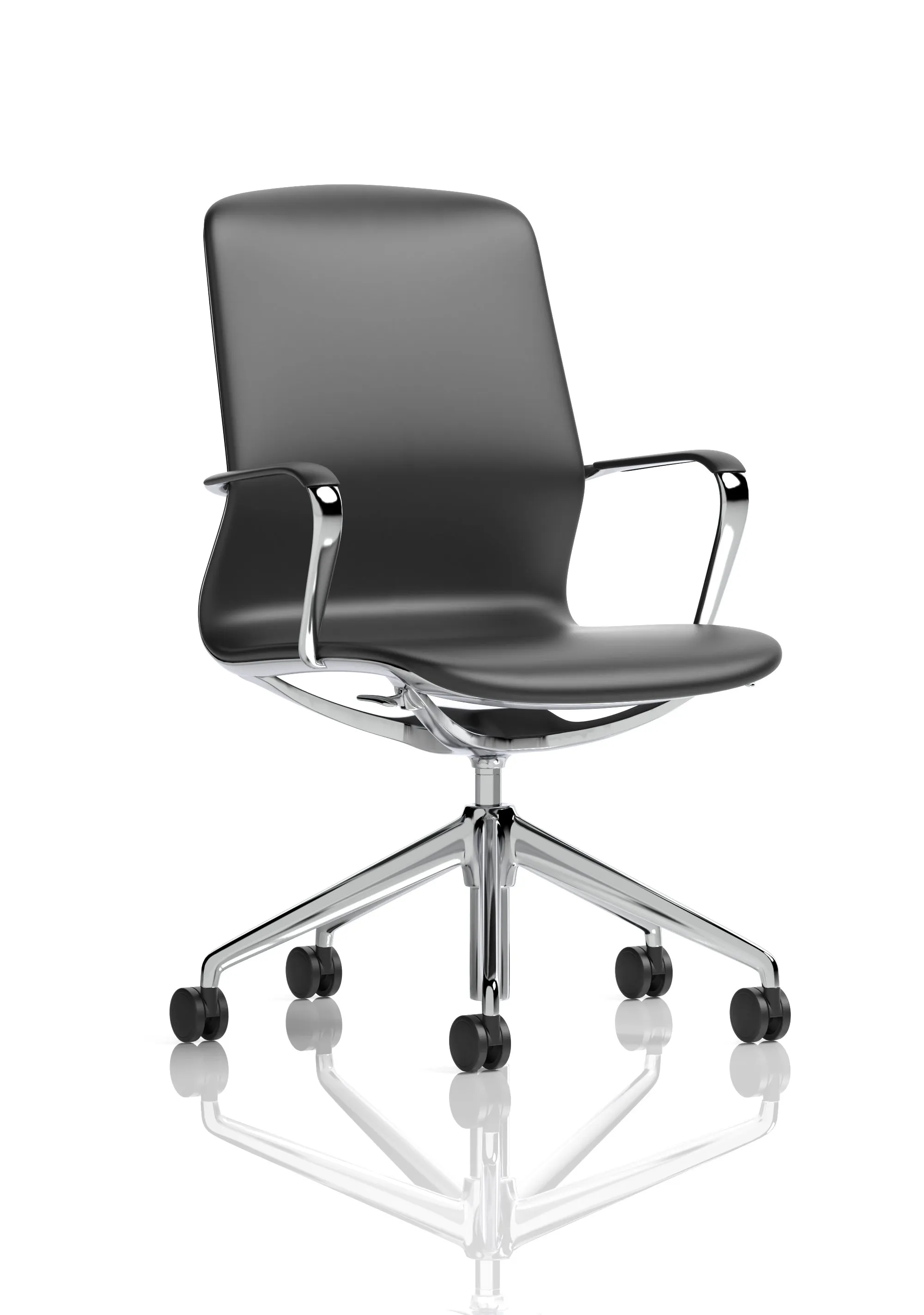
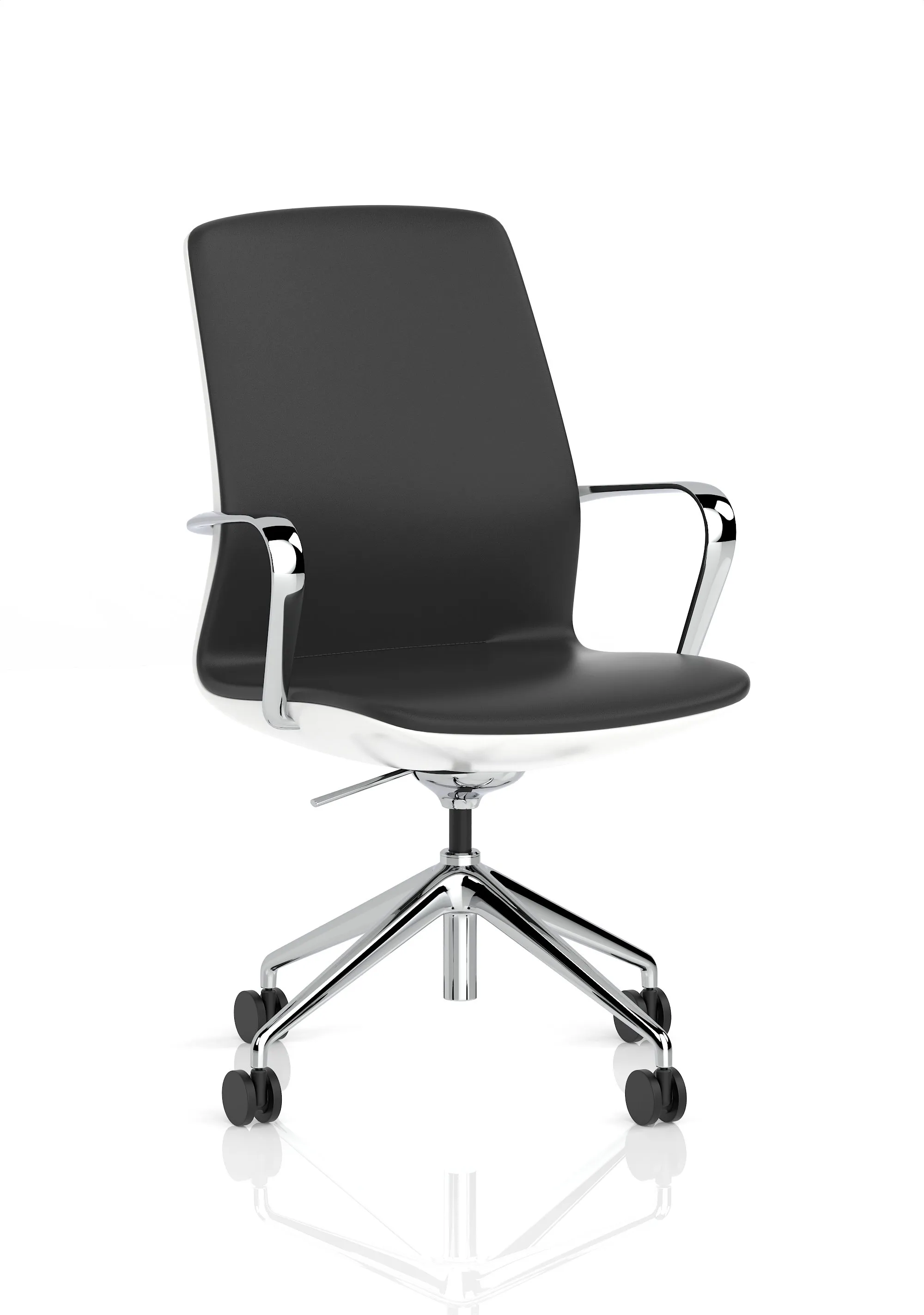
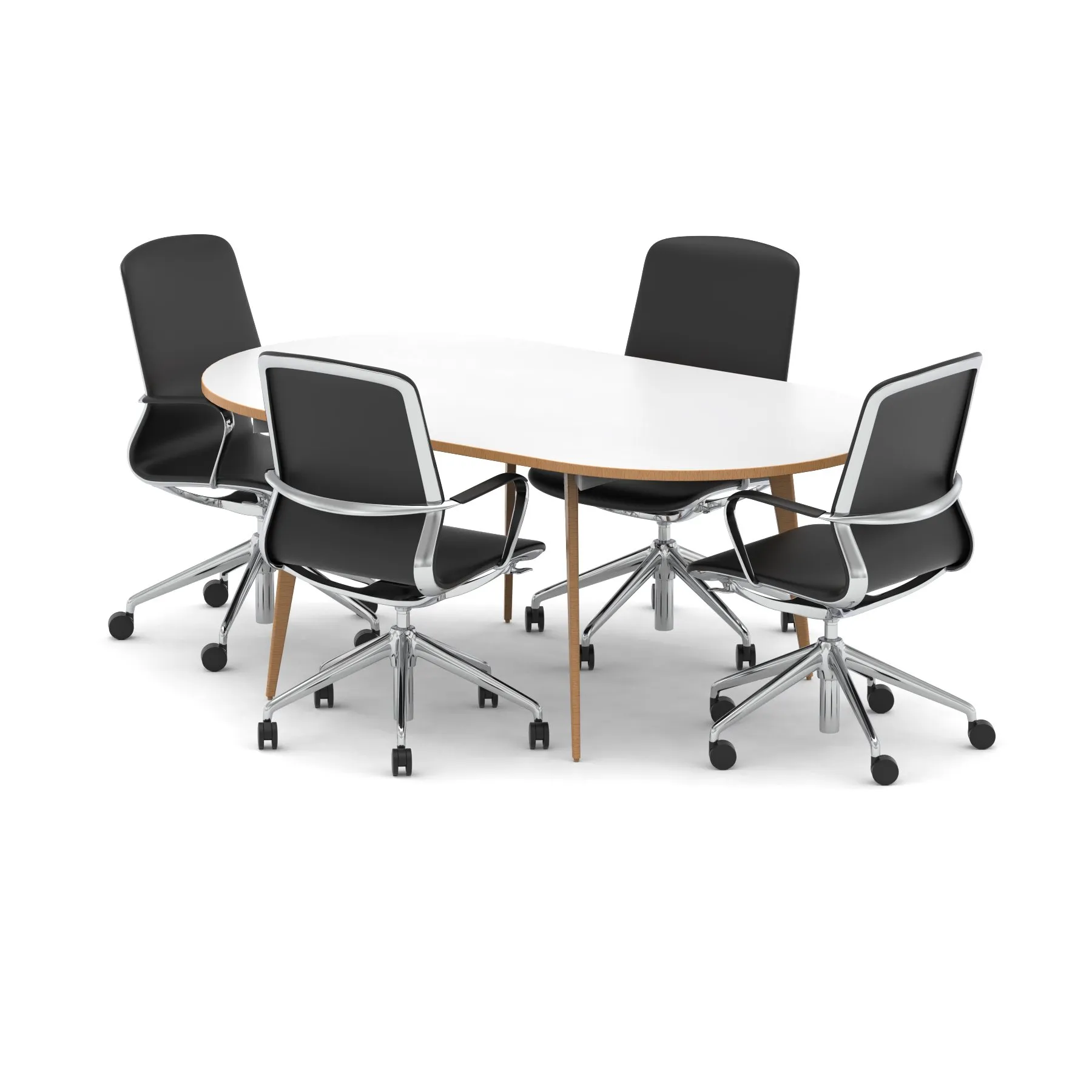
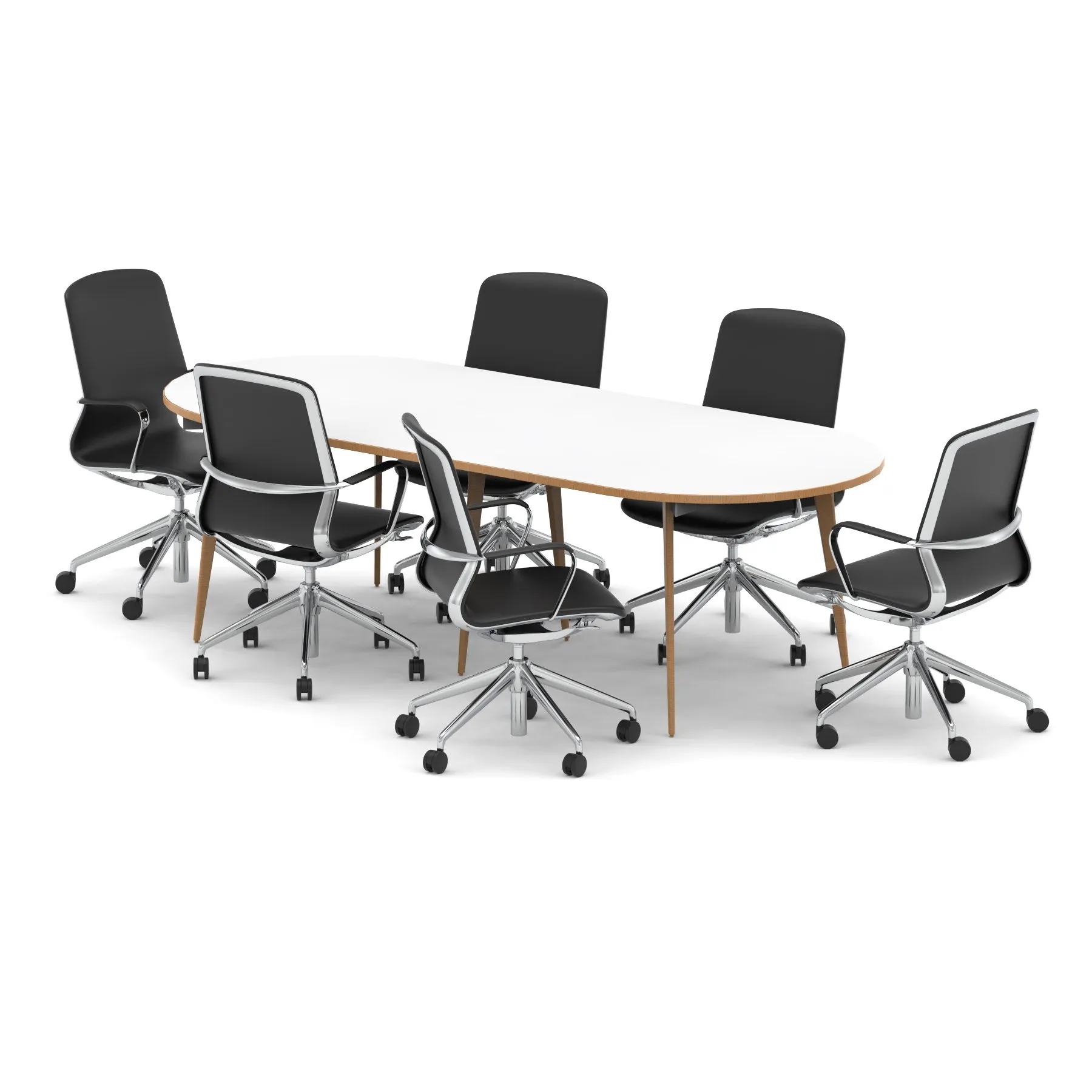
A medium back sits lower and reads as less imposing. In a smaller room, or around a boardroom table where a row of high backs would dominate, medium is often the better call.
Choosing the material
This is the decision that changes how the room feels.
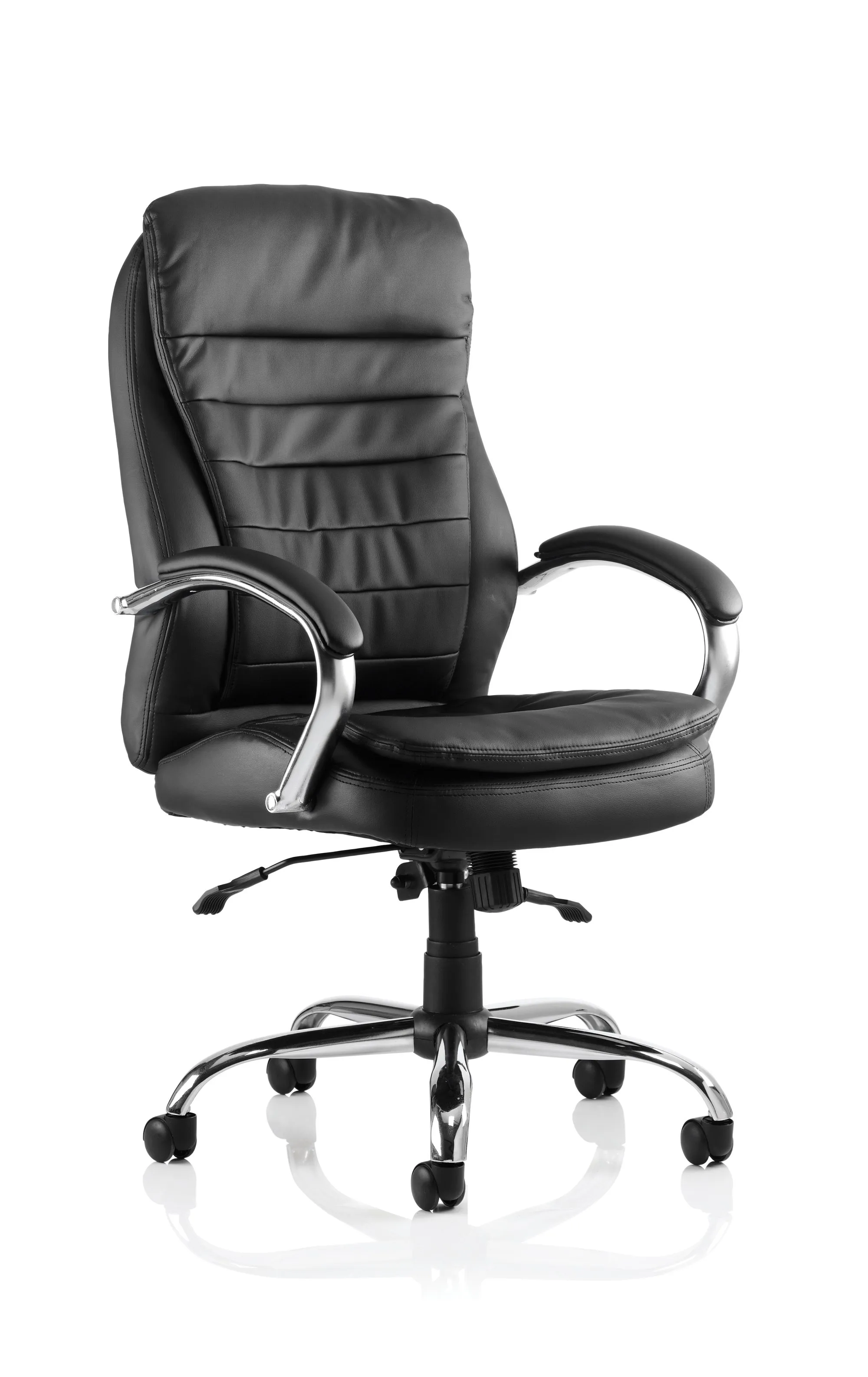
- Leather is the traditional answer. Formal, wipes clean in seconds, and the obvious choice for client facing rooms.
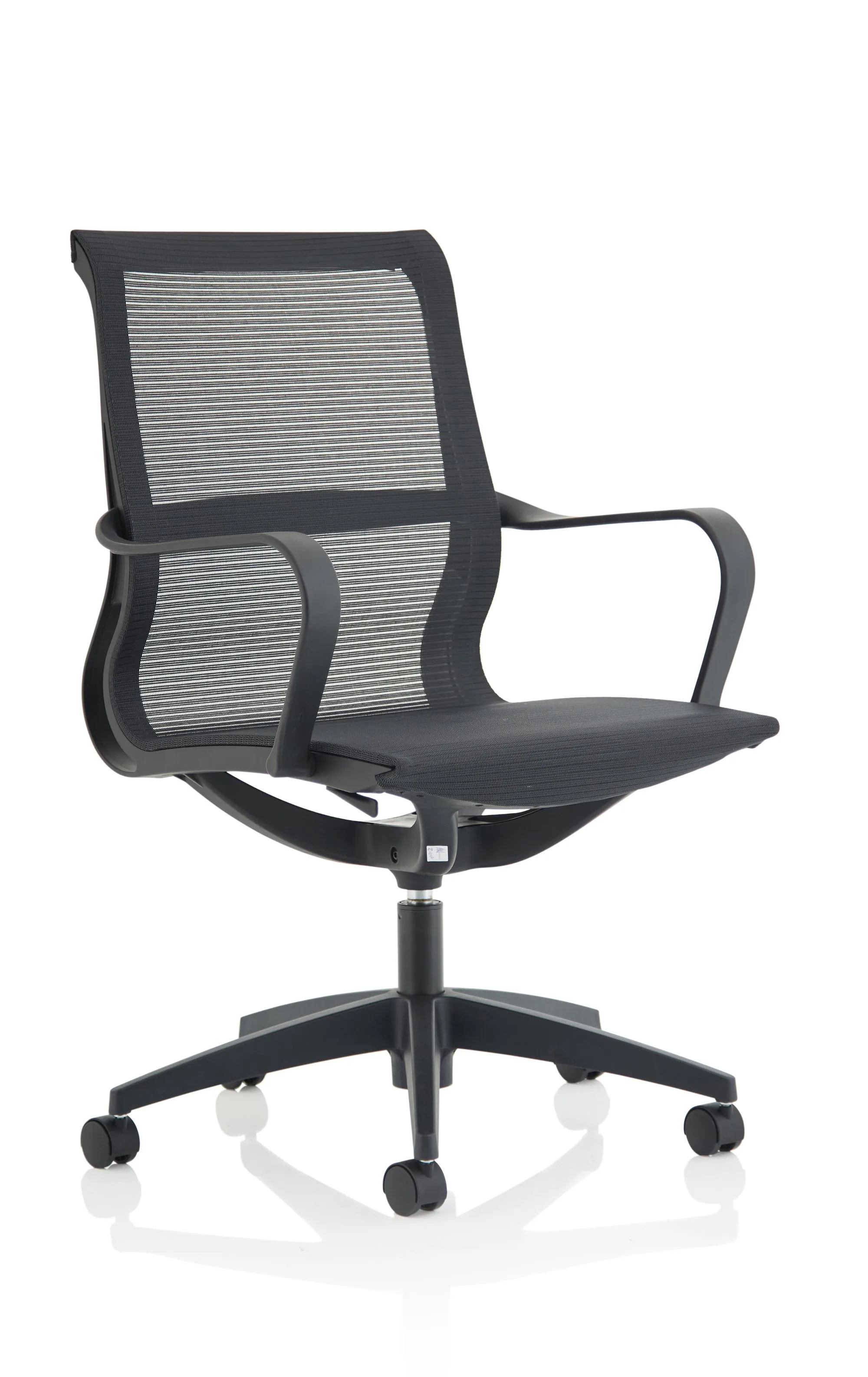
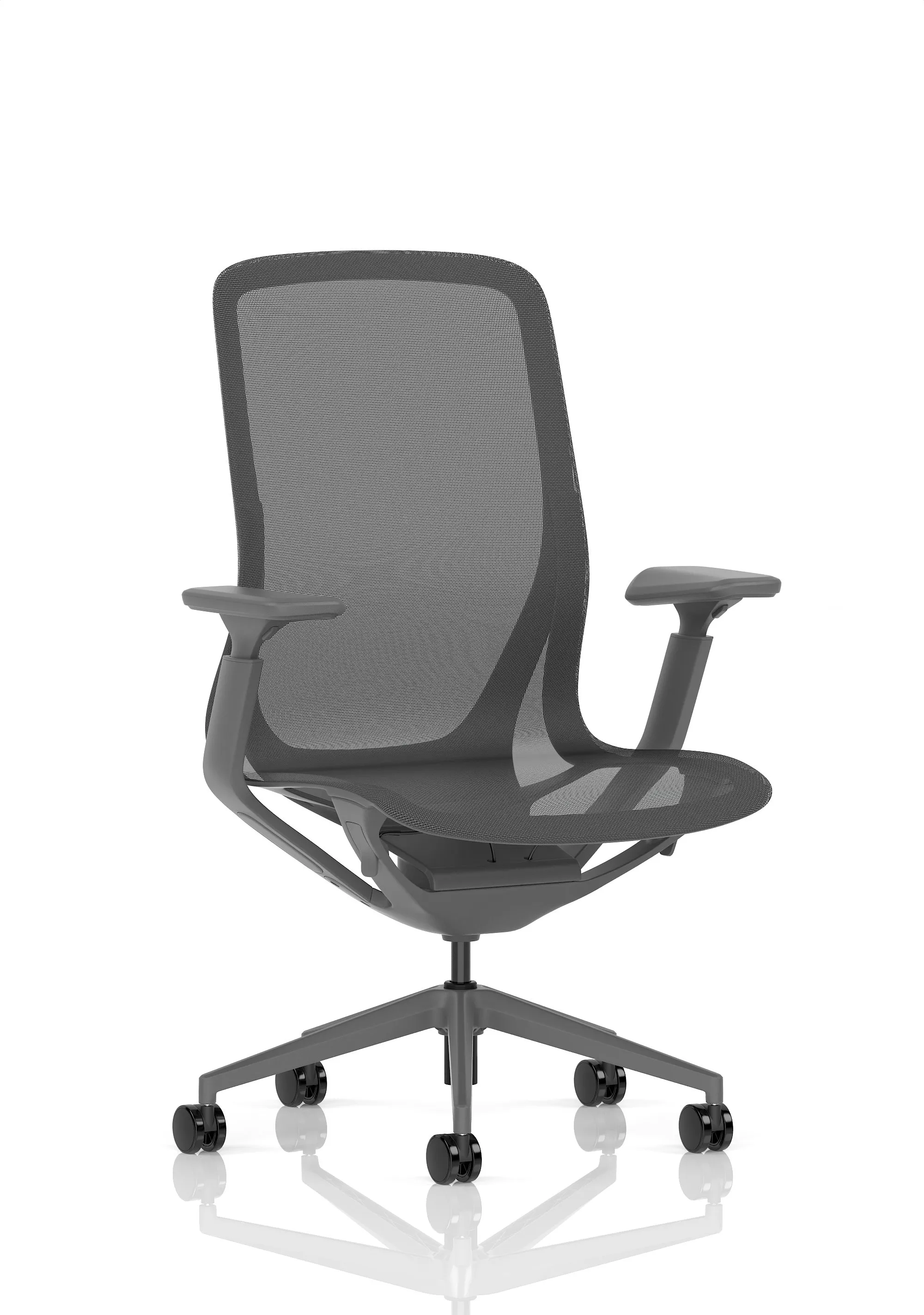
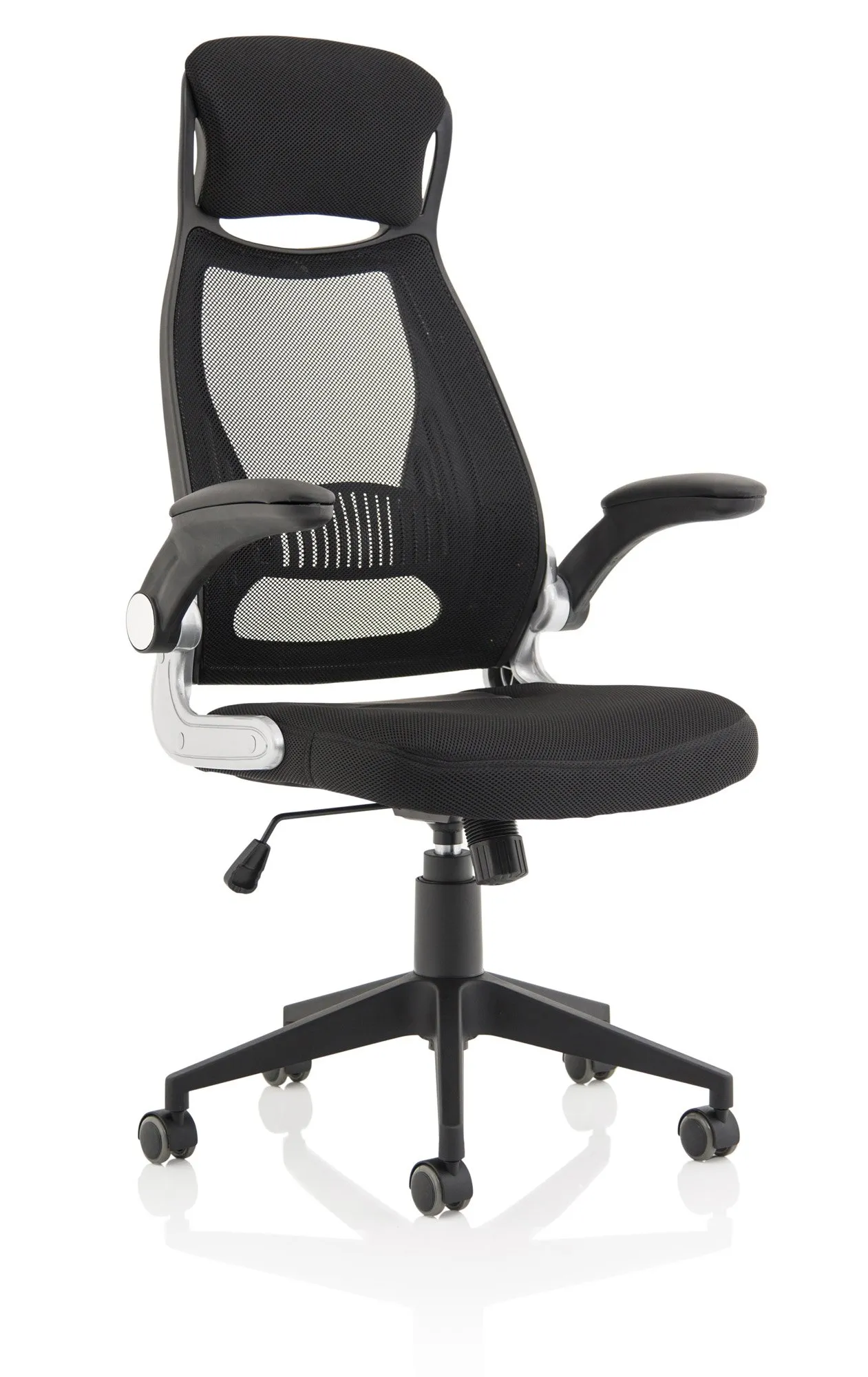
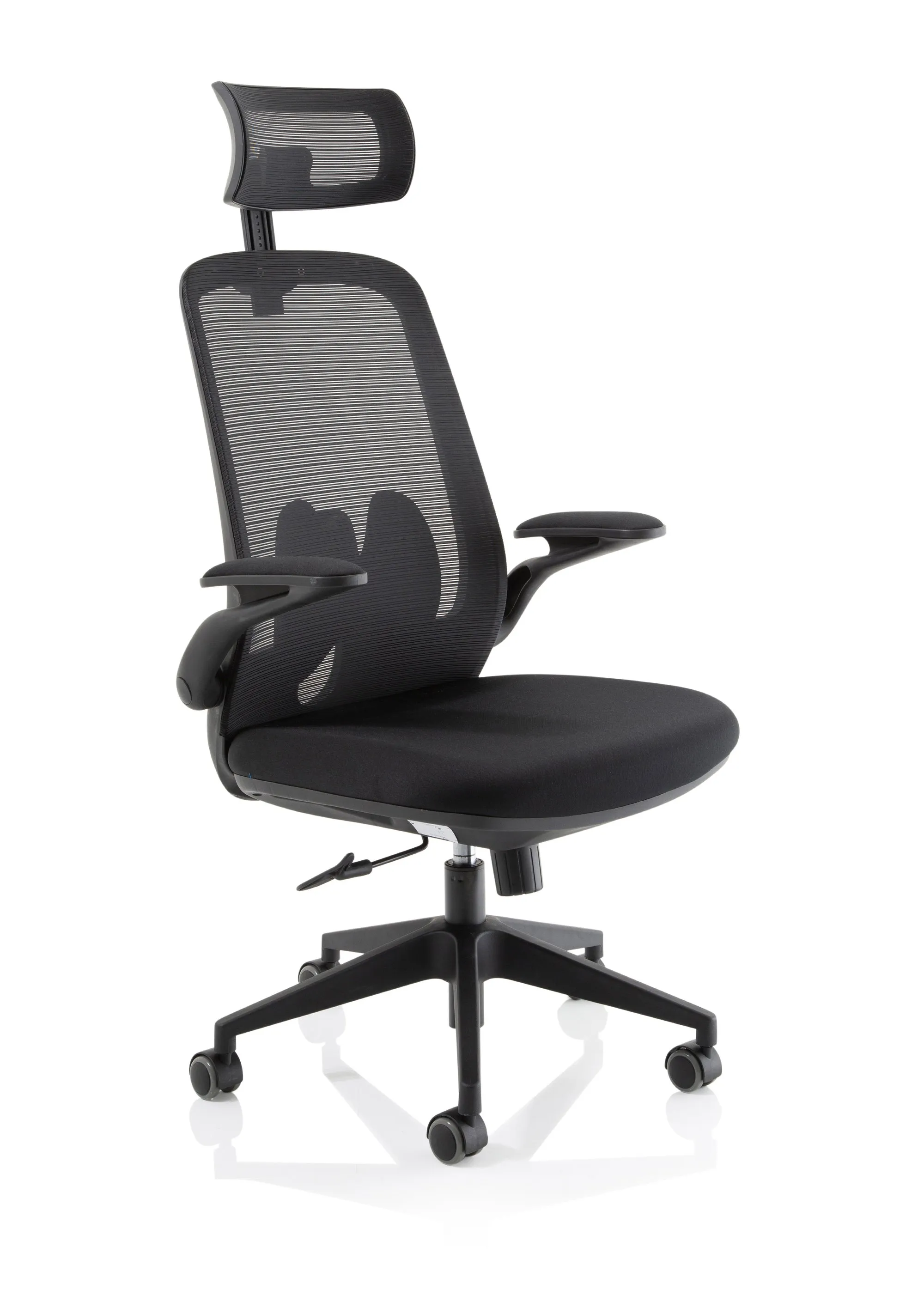
- Mesh gives executive support without the heat, which matters if the chair is occupied for real working hours rather than meetings.
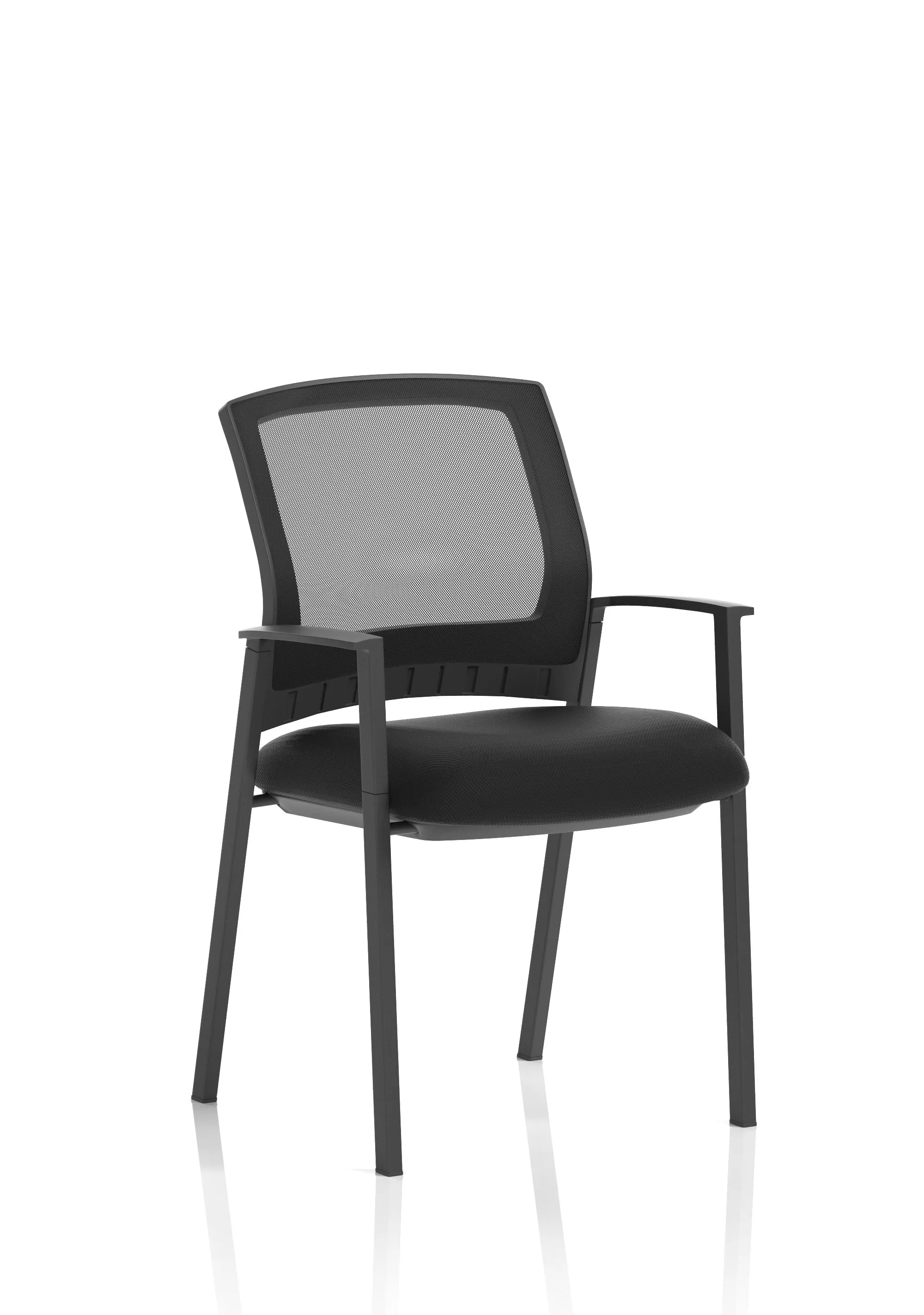
- Fabric is the softer middle ground, and suits offices that want to feel welcoming rather than corporate.
The honest caveat
An executive chair is not automatically better for your back than a good task chair. It is usually more padded and more imposing, but task and operator chairs often carry more adjustment, and ergonomic posture chairs carry considerably more support.
If the person will be at that desk eight hours a day and has back trouble, buy for support and let appearance come second.