Why mesh became the office default
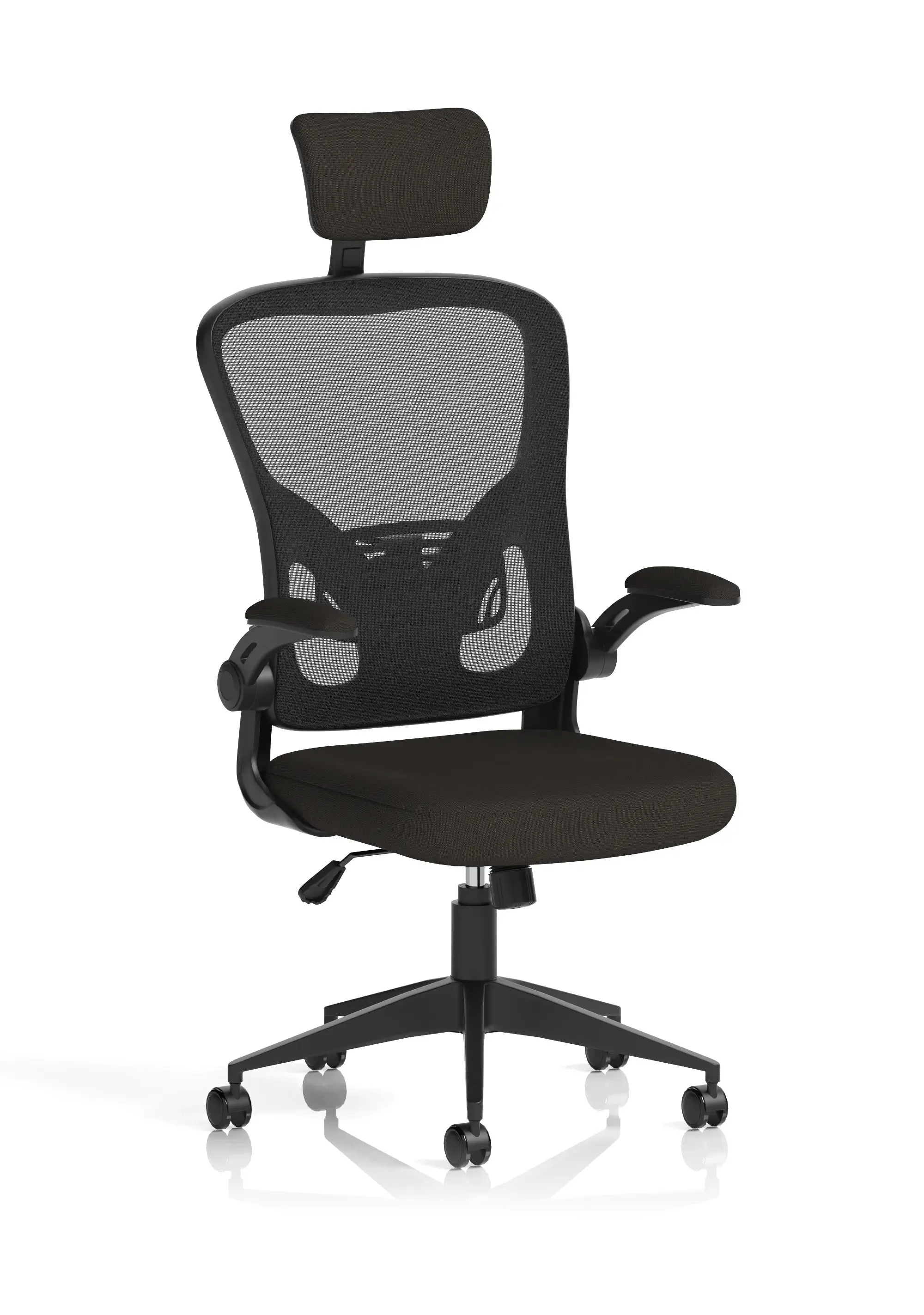
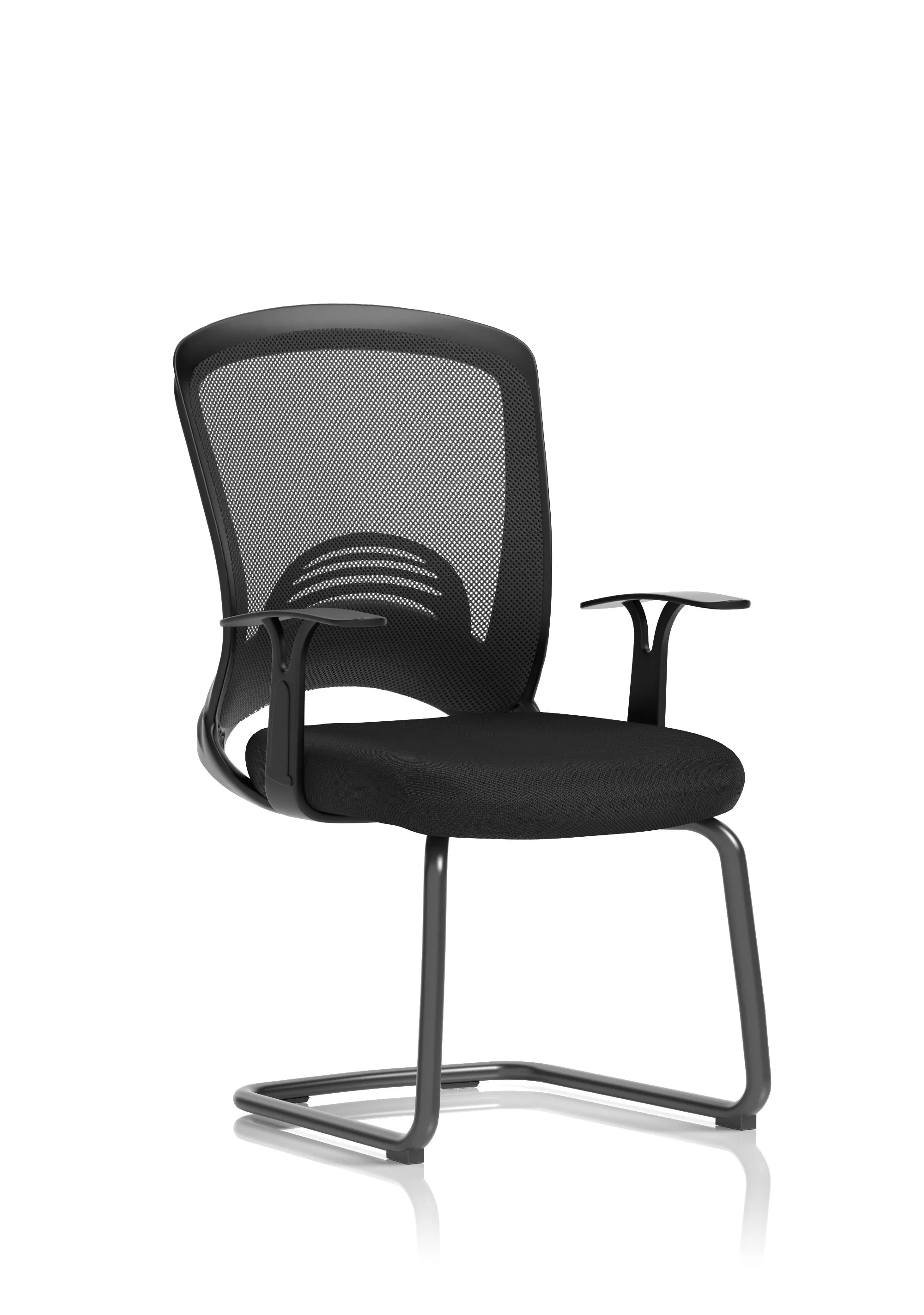
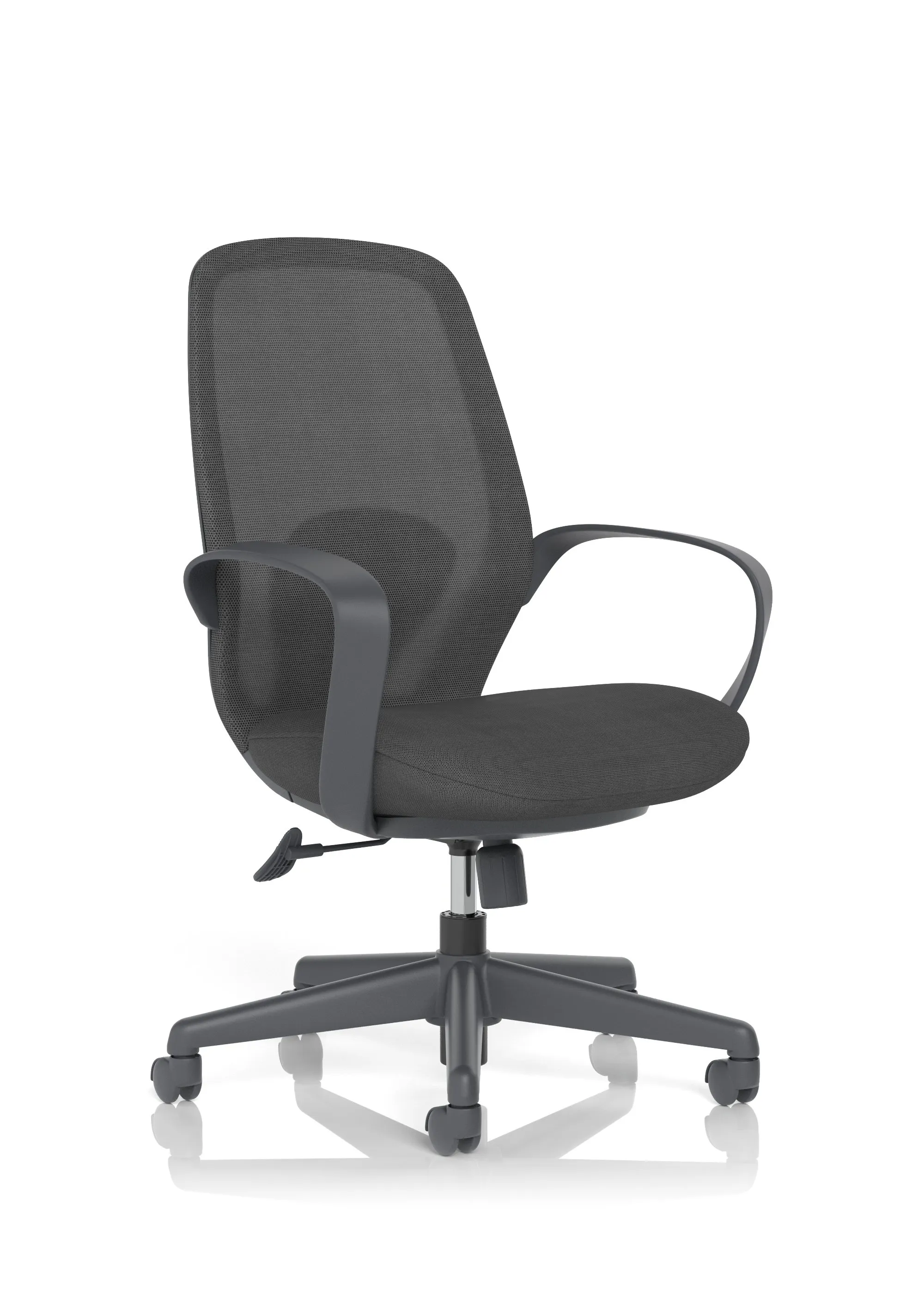
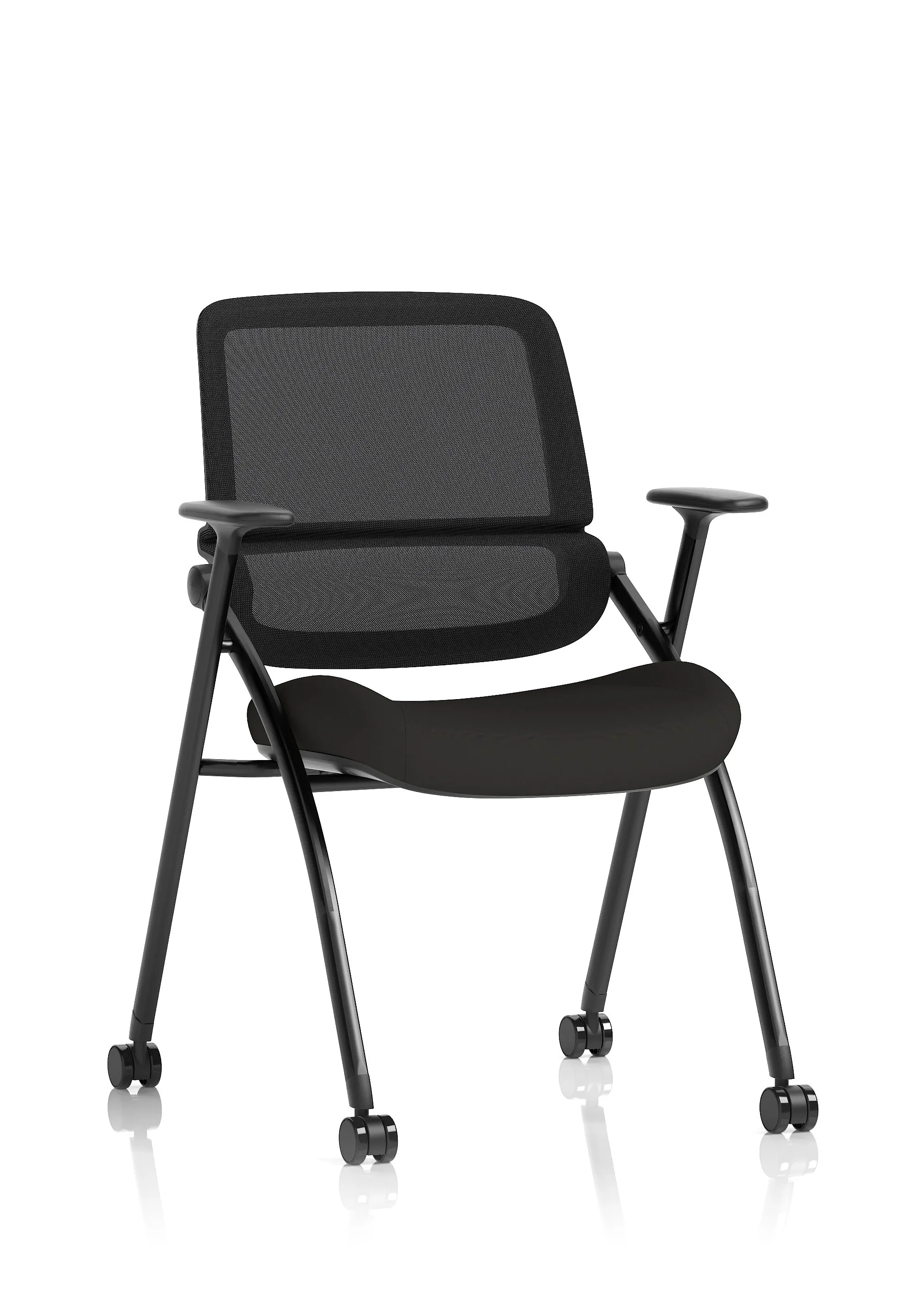
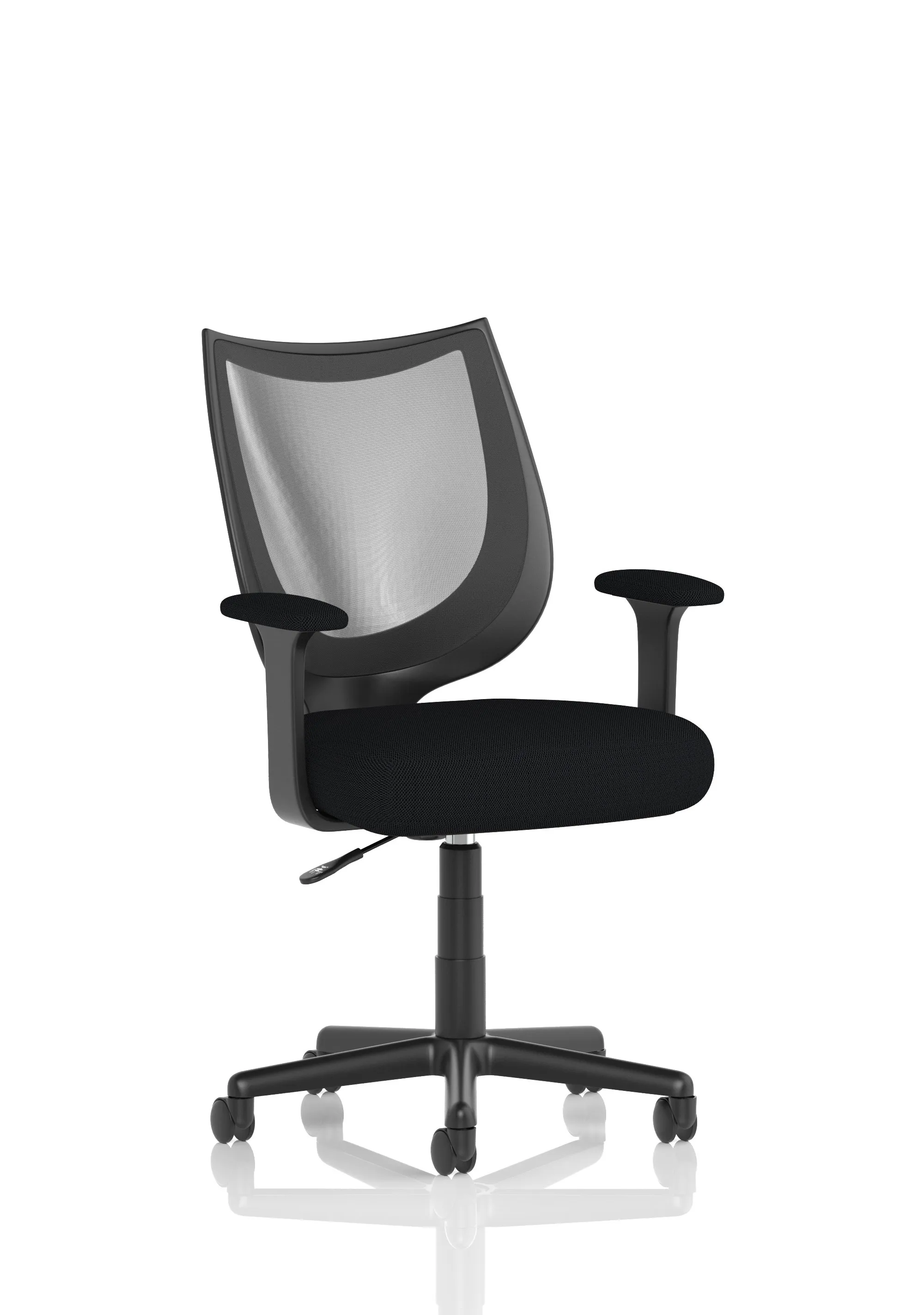
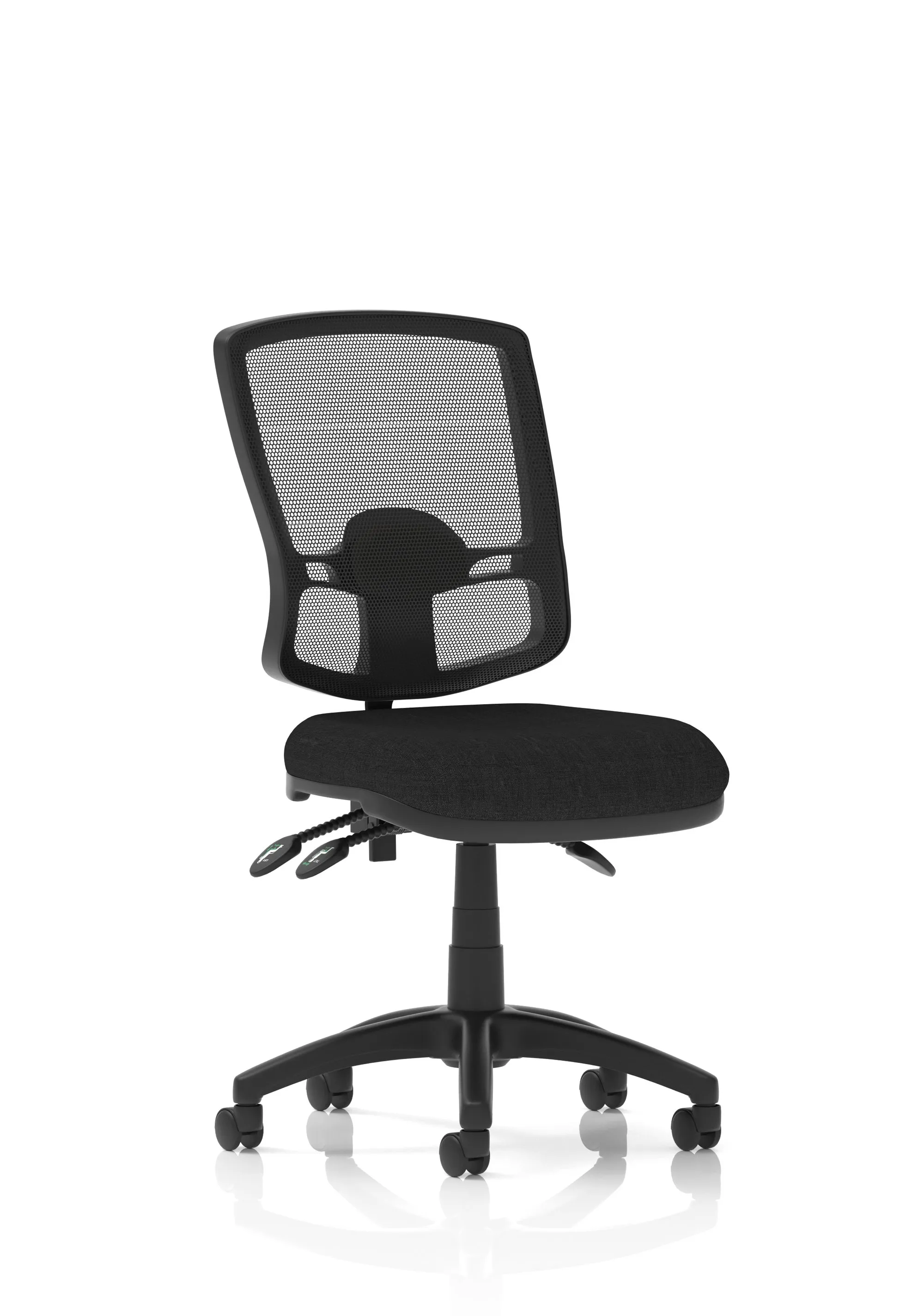
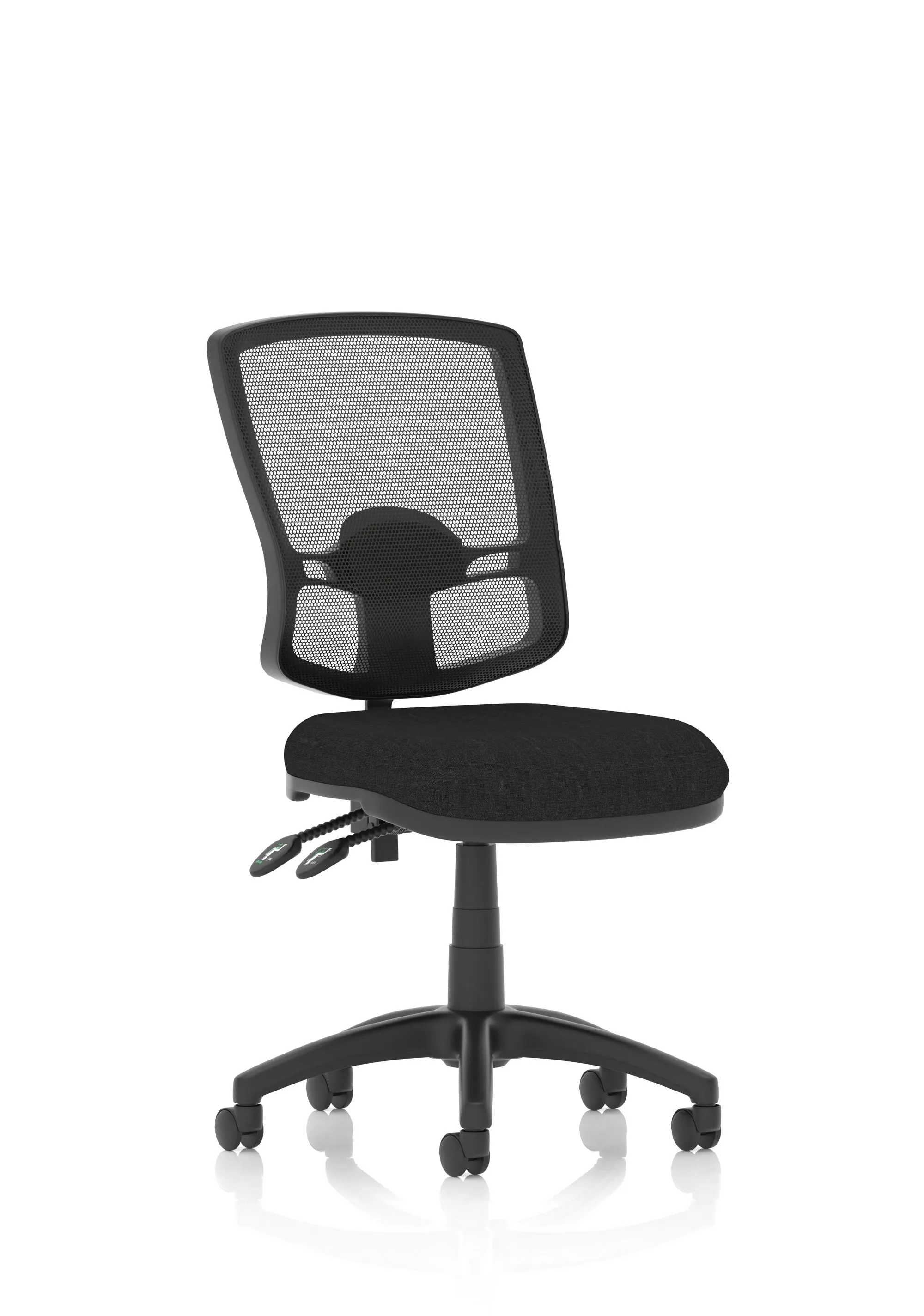
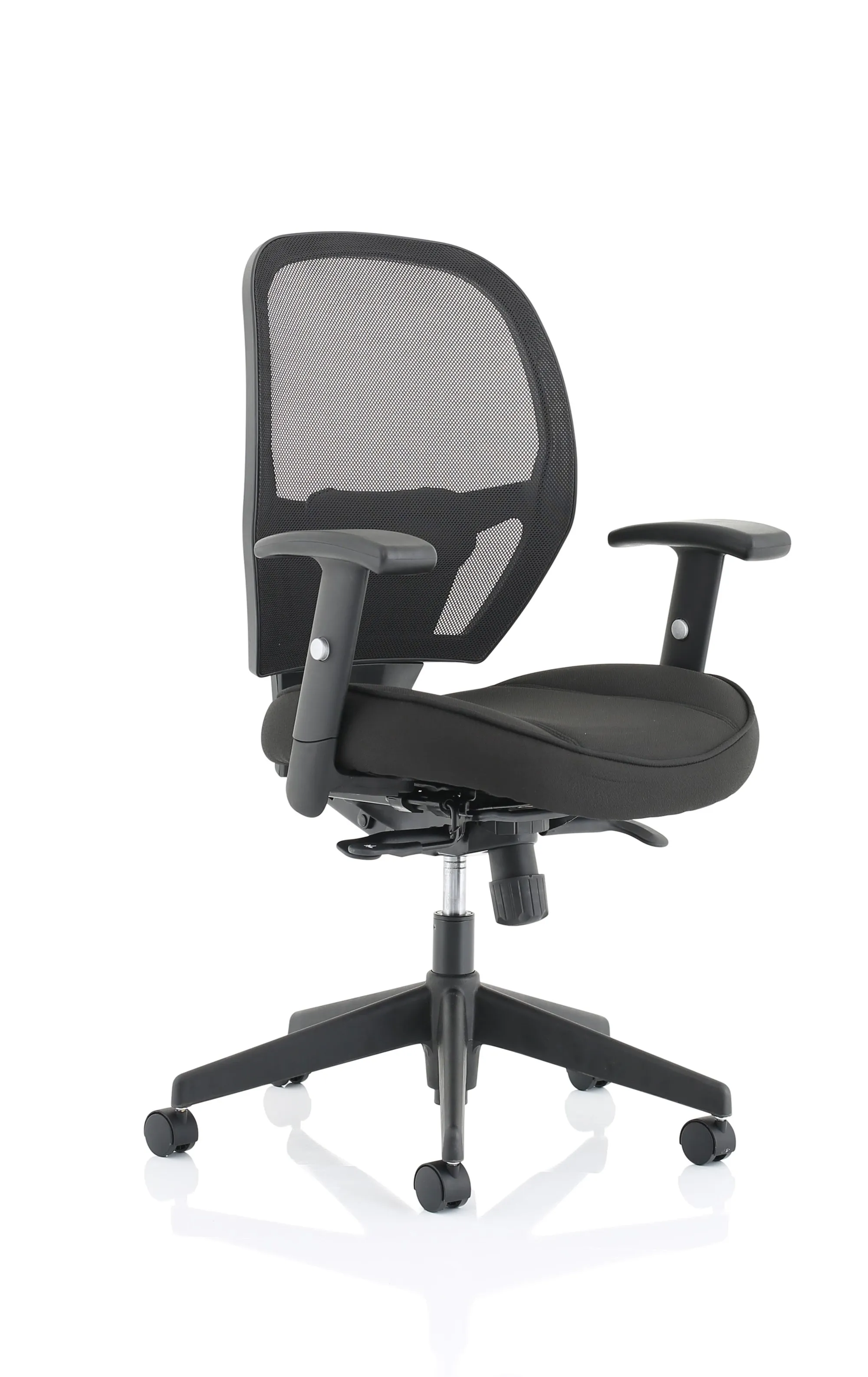
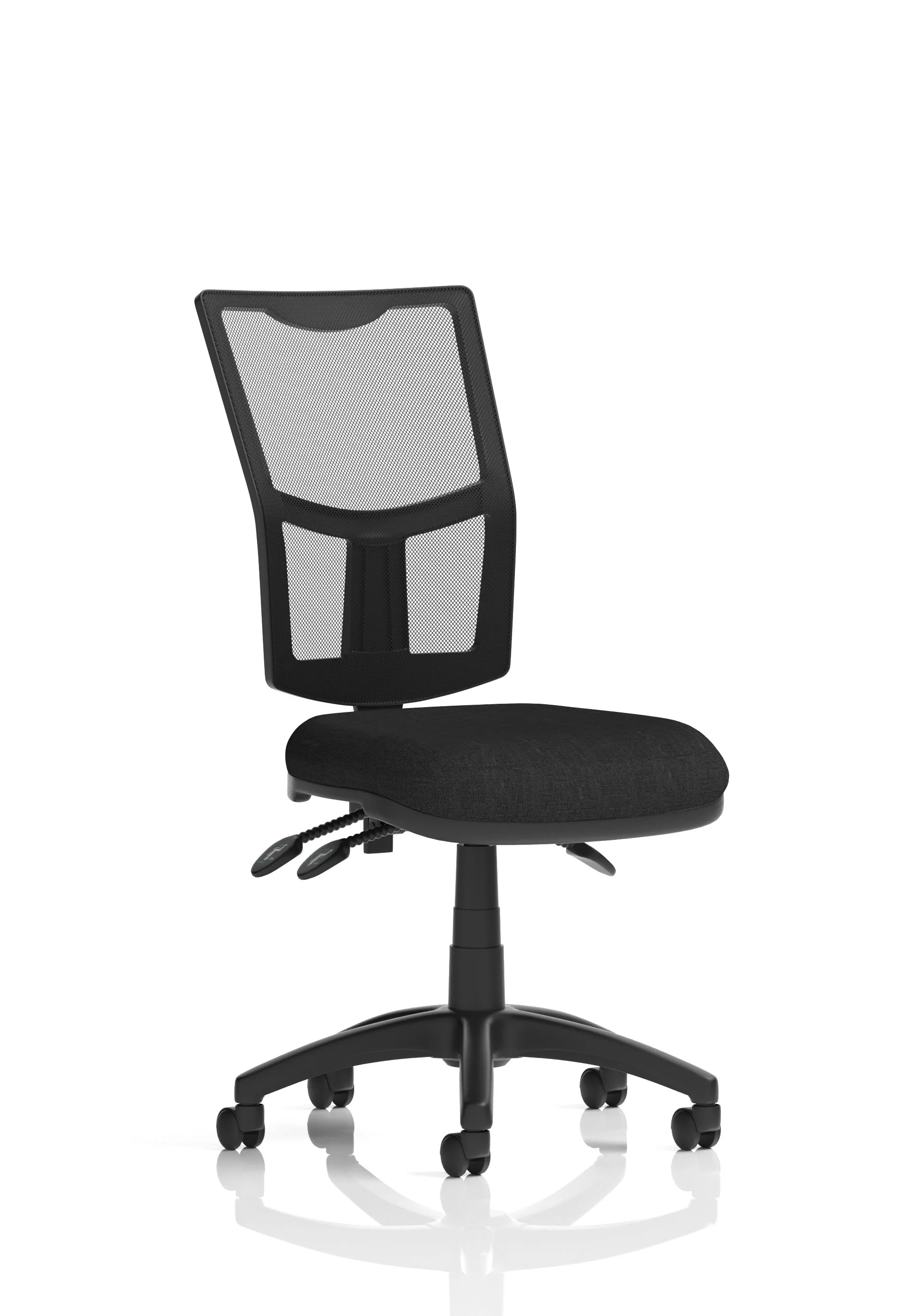
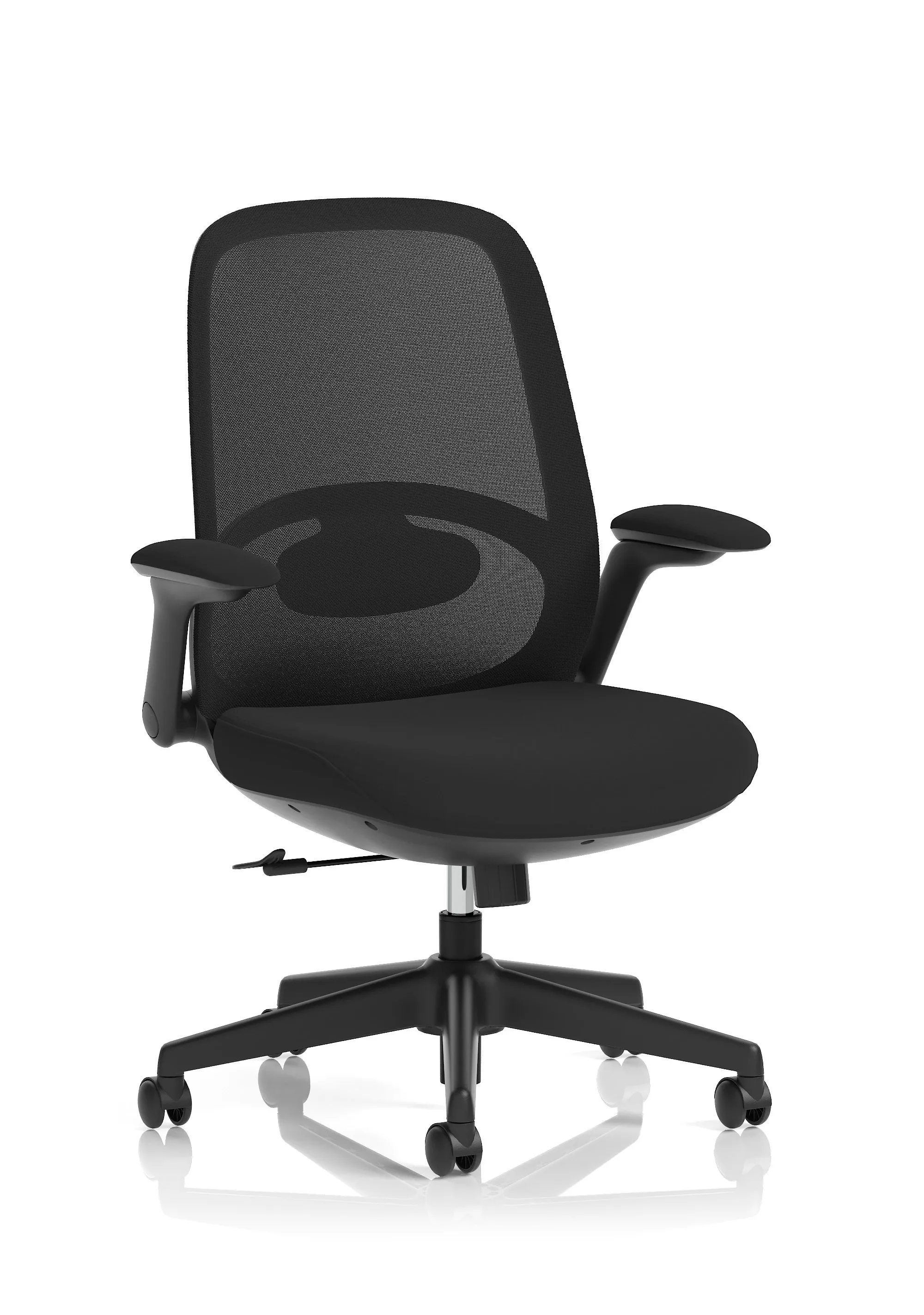
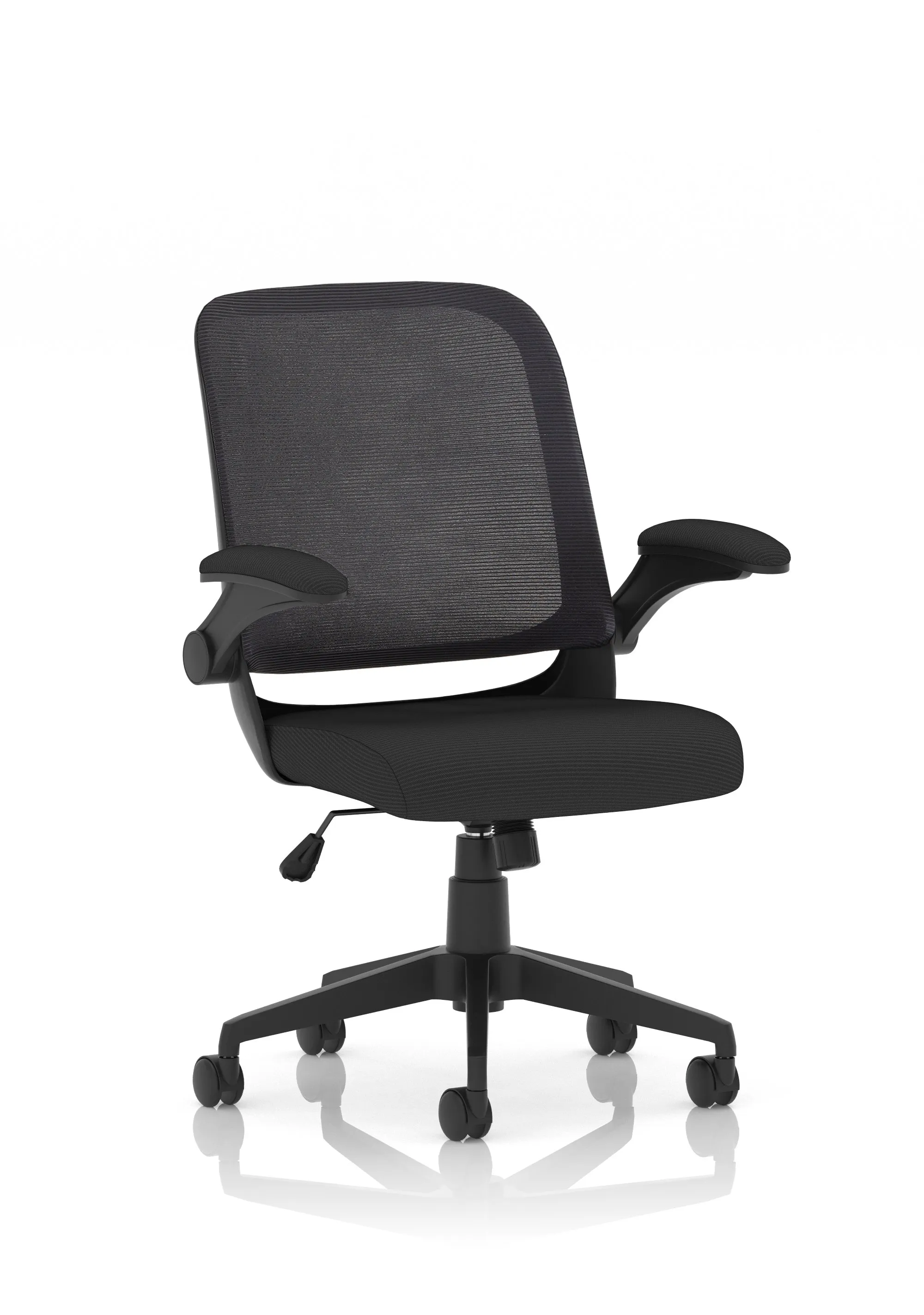
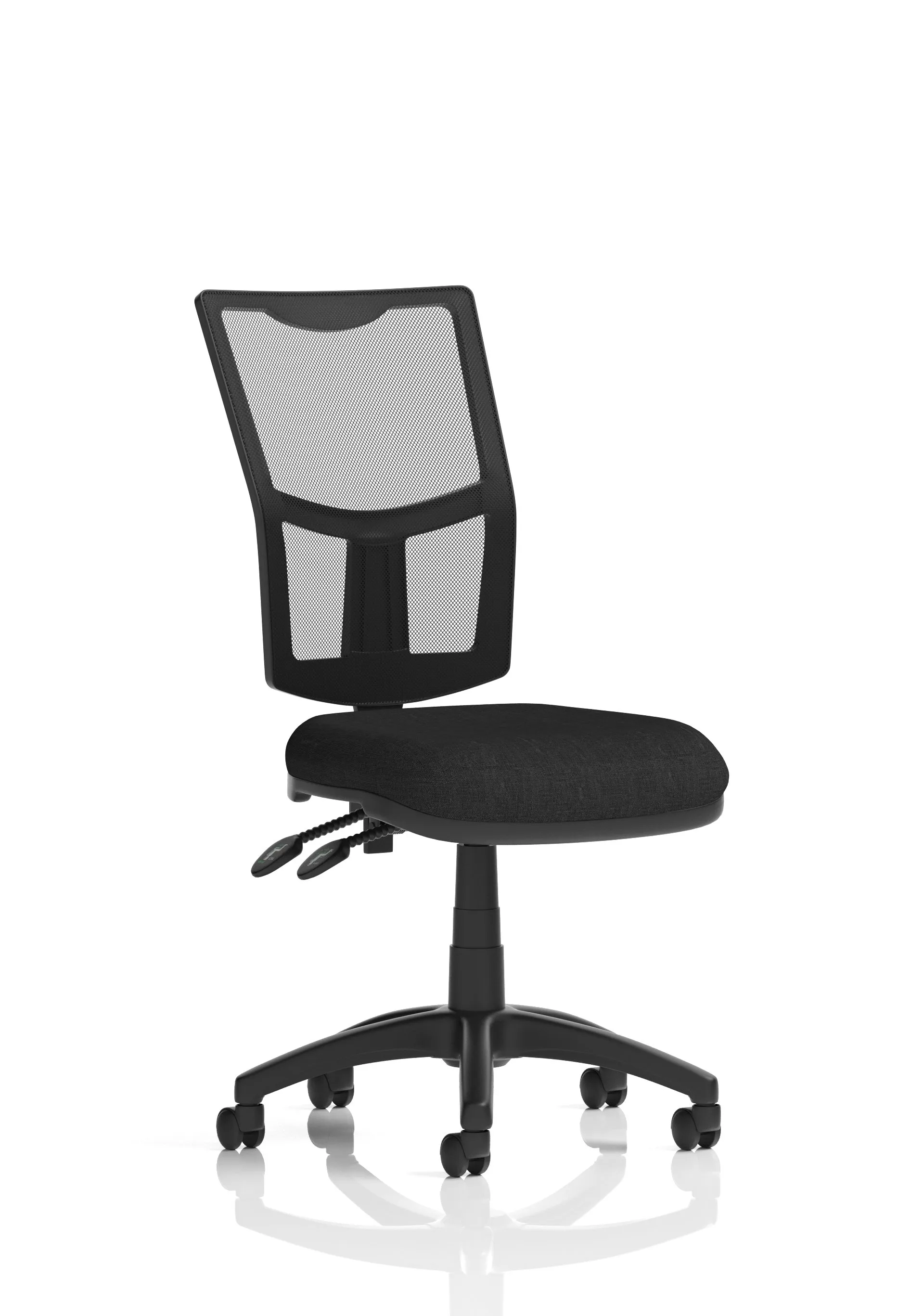
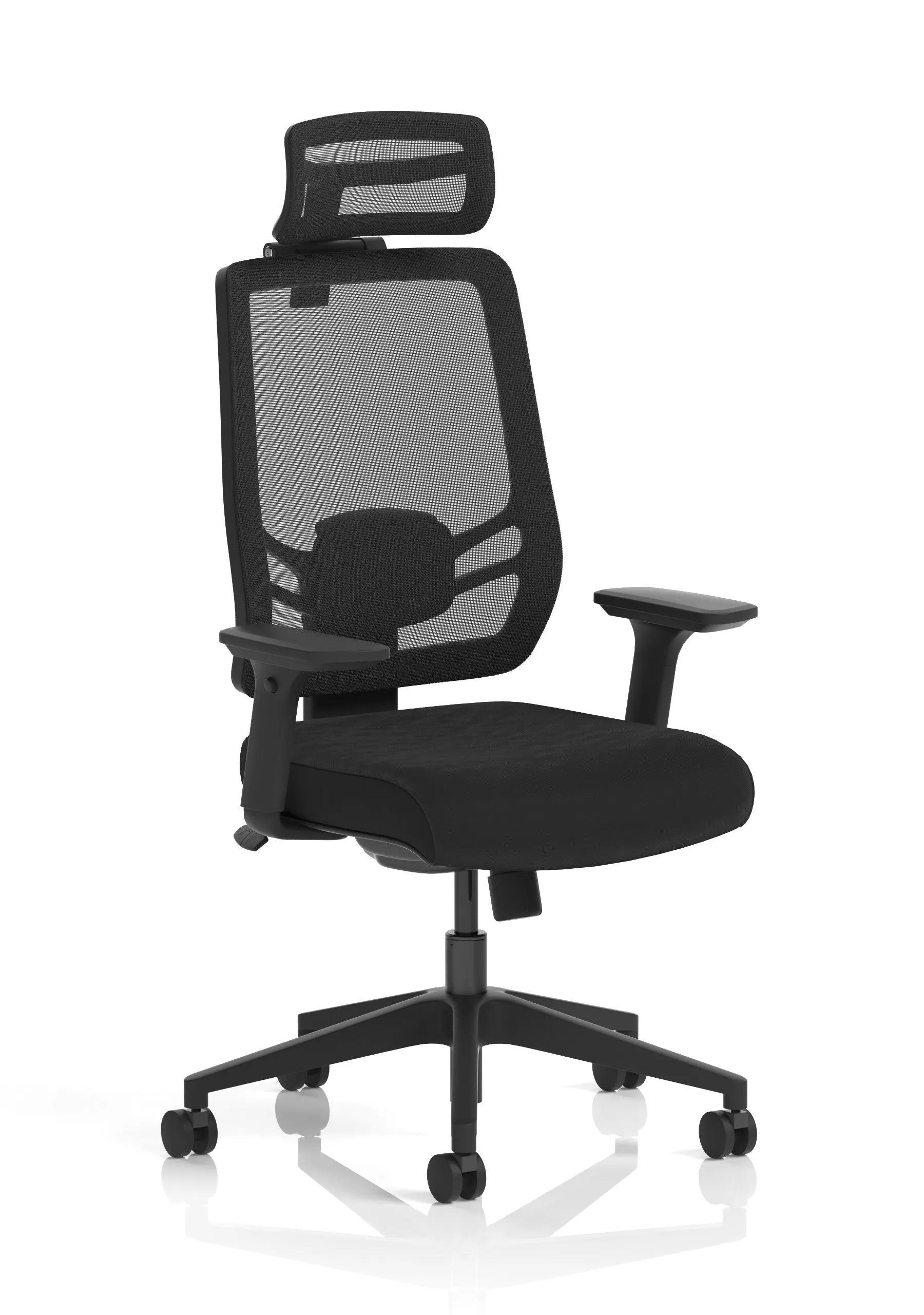
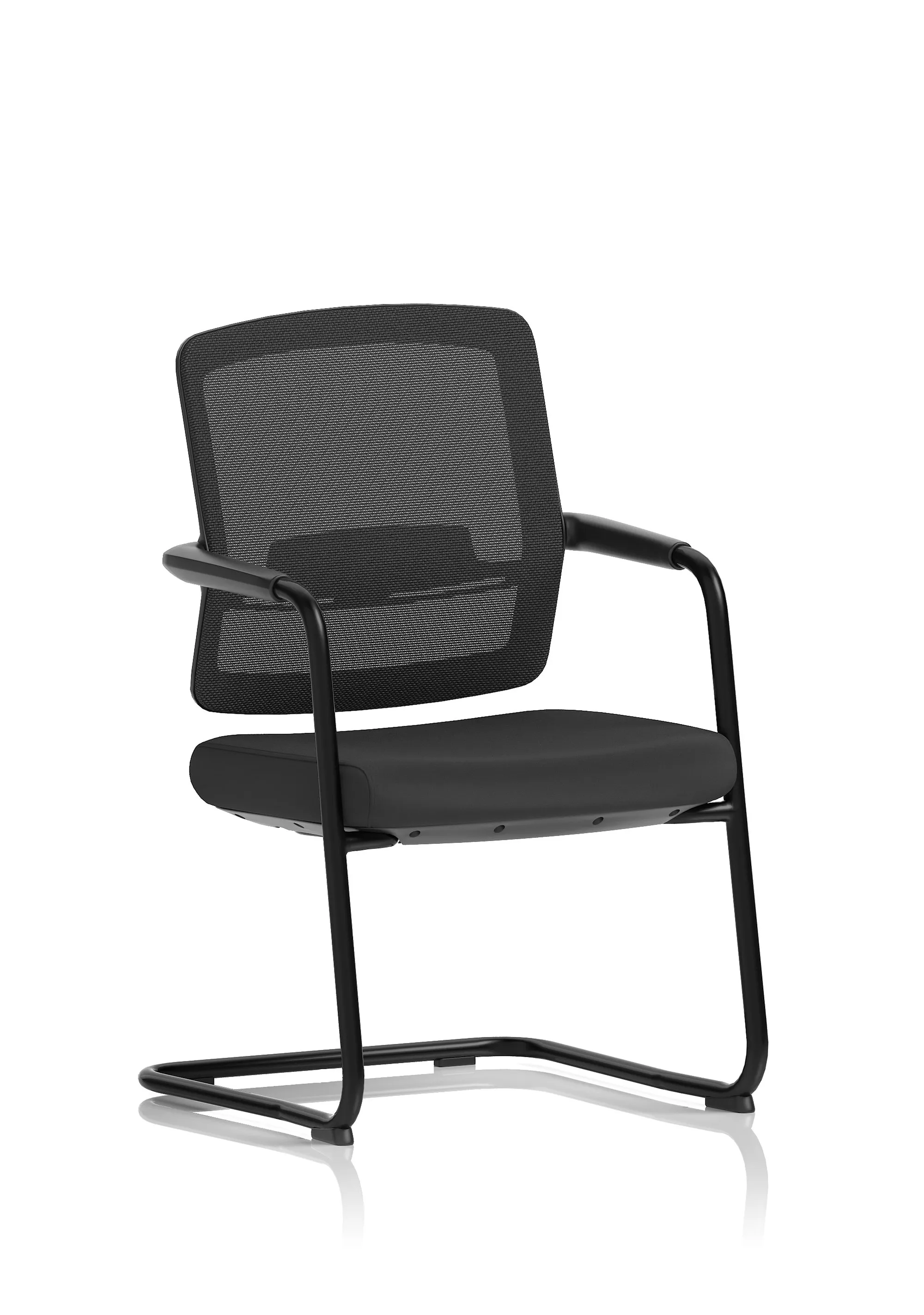
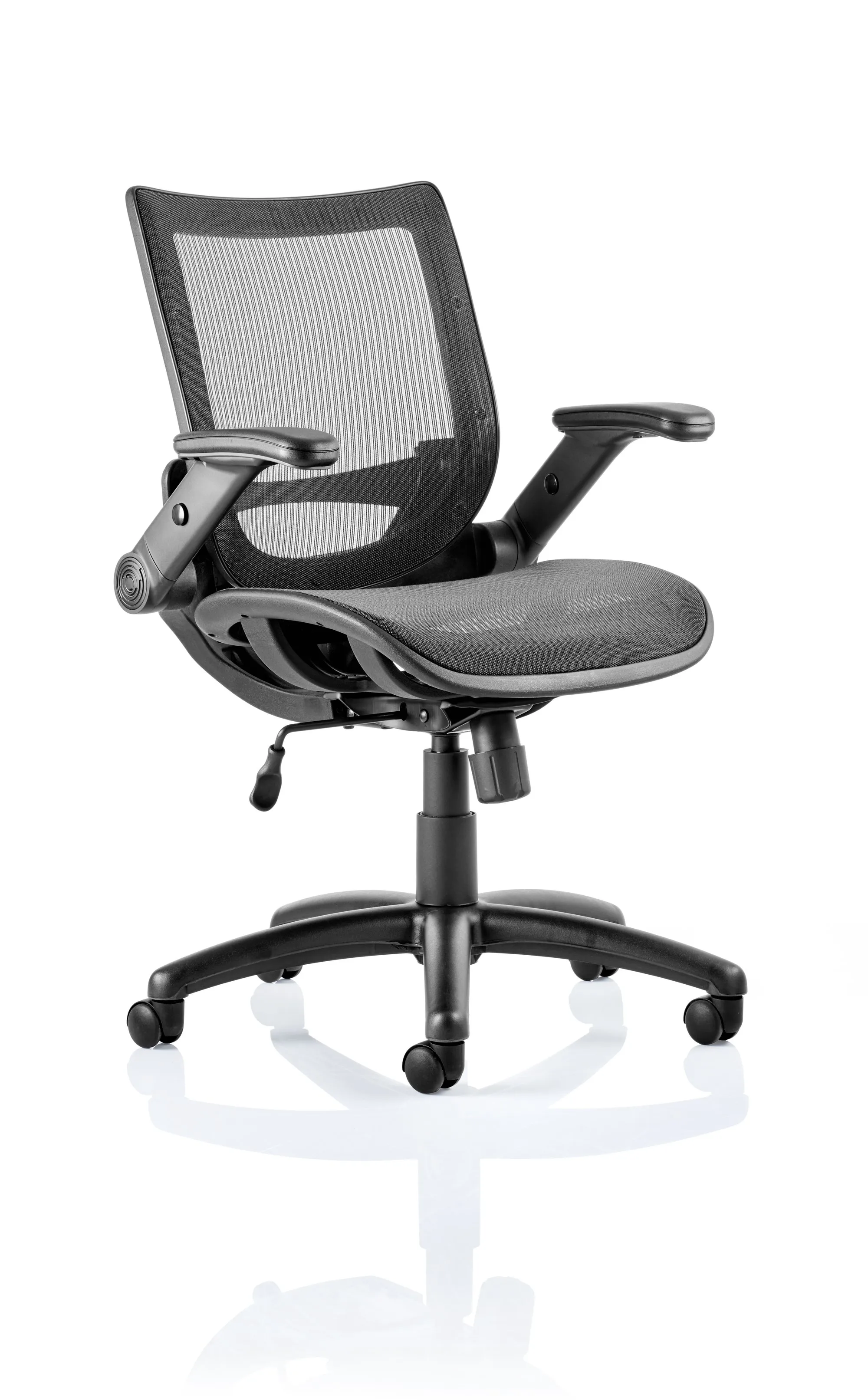
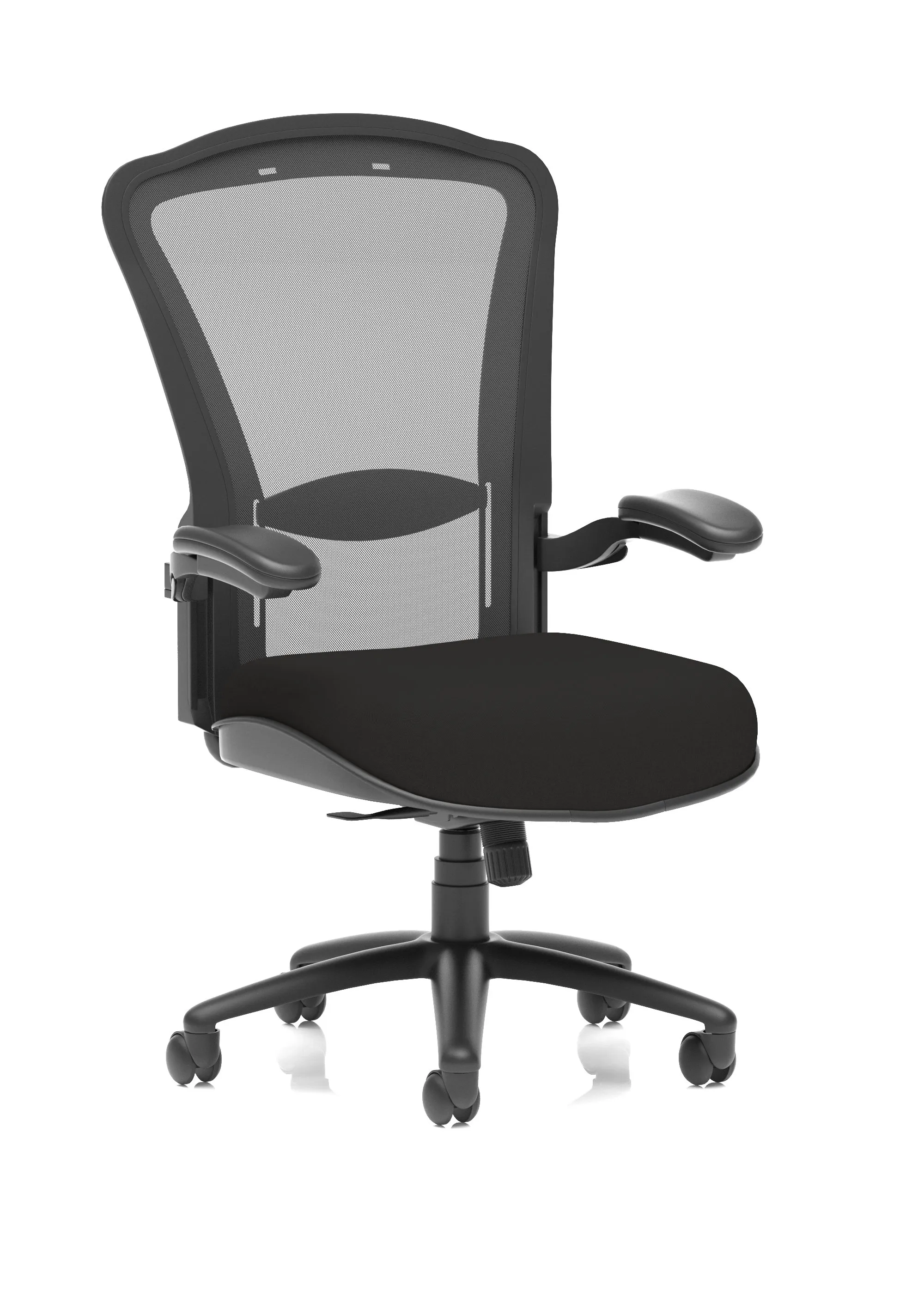
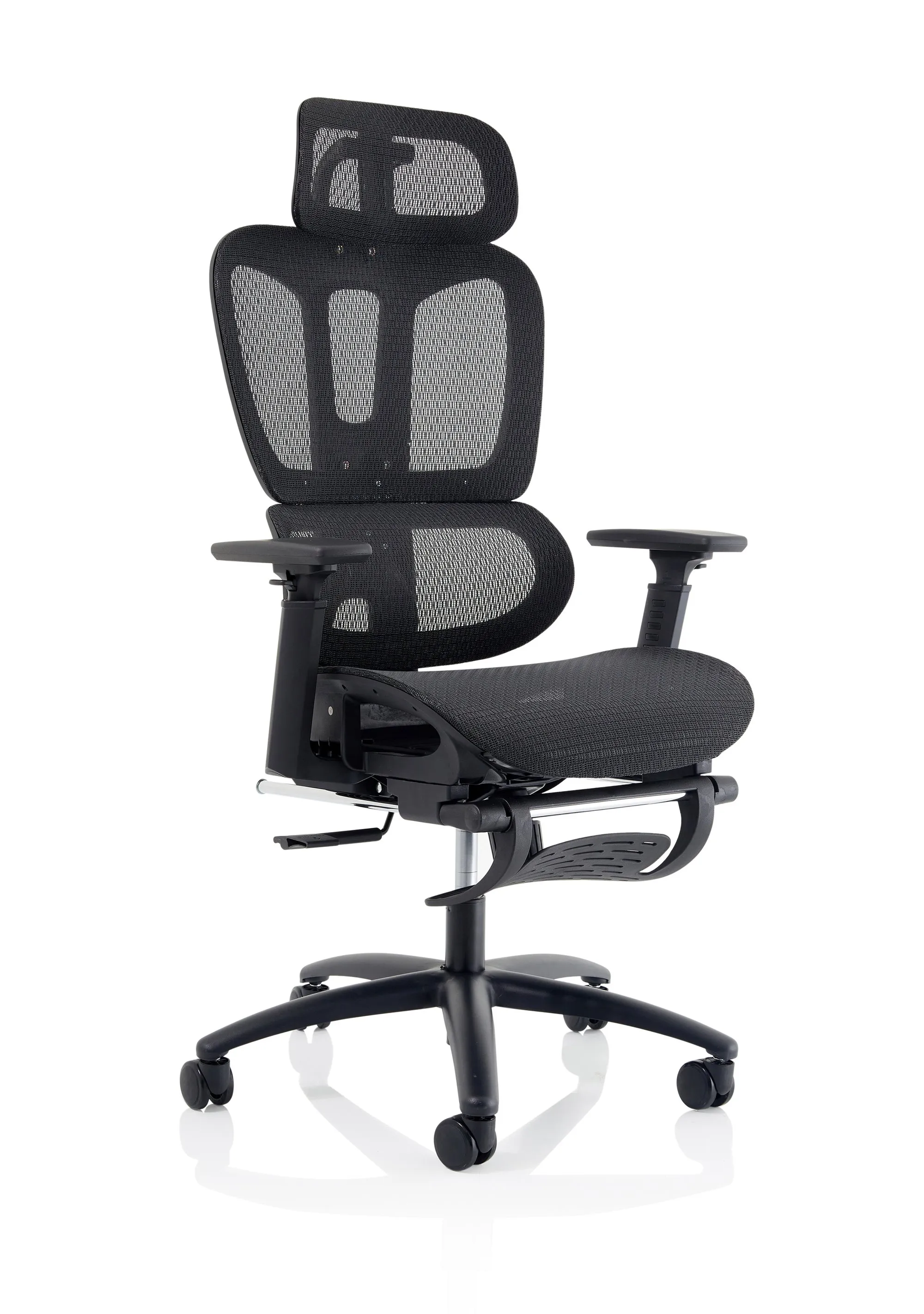
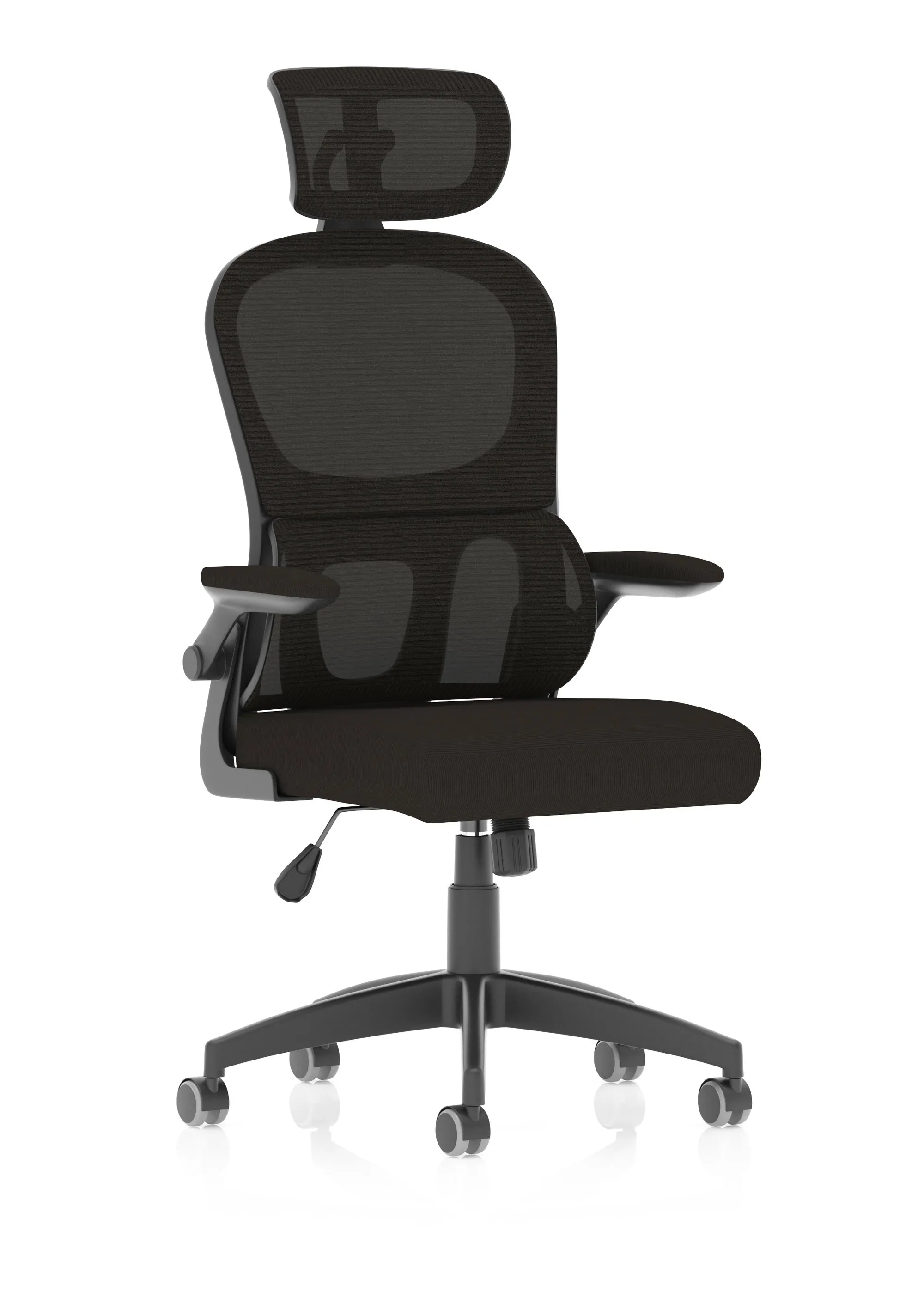
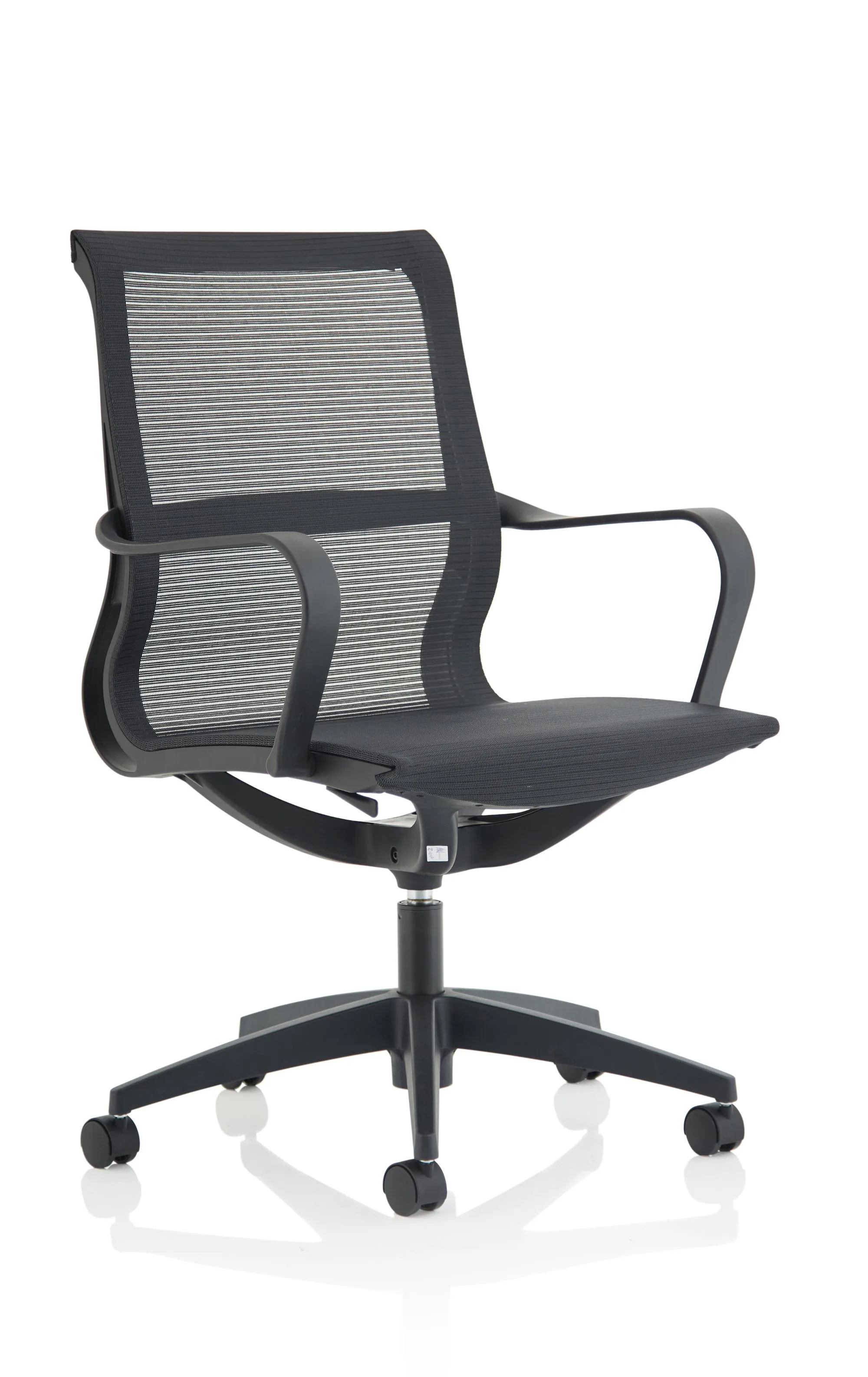
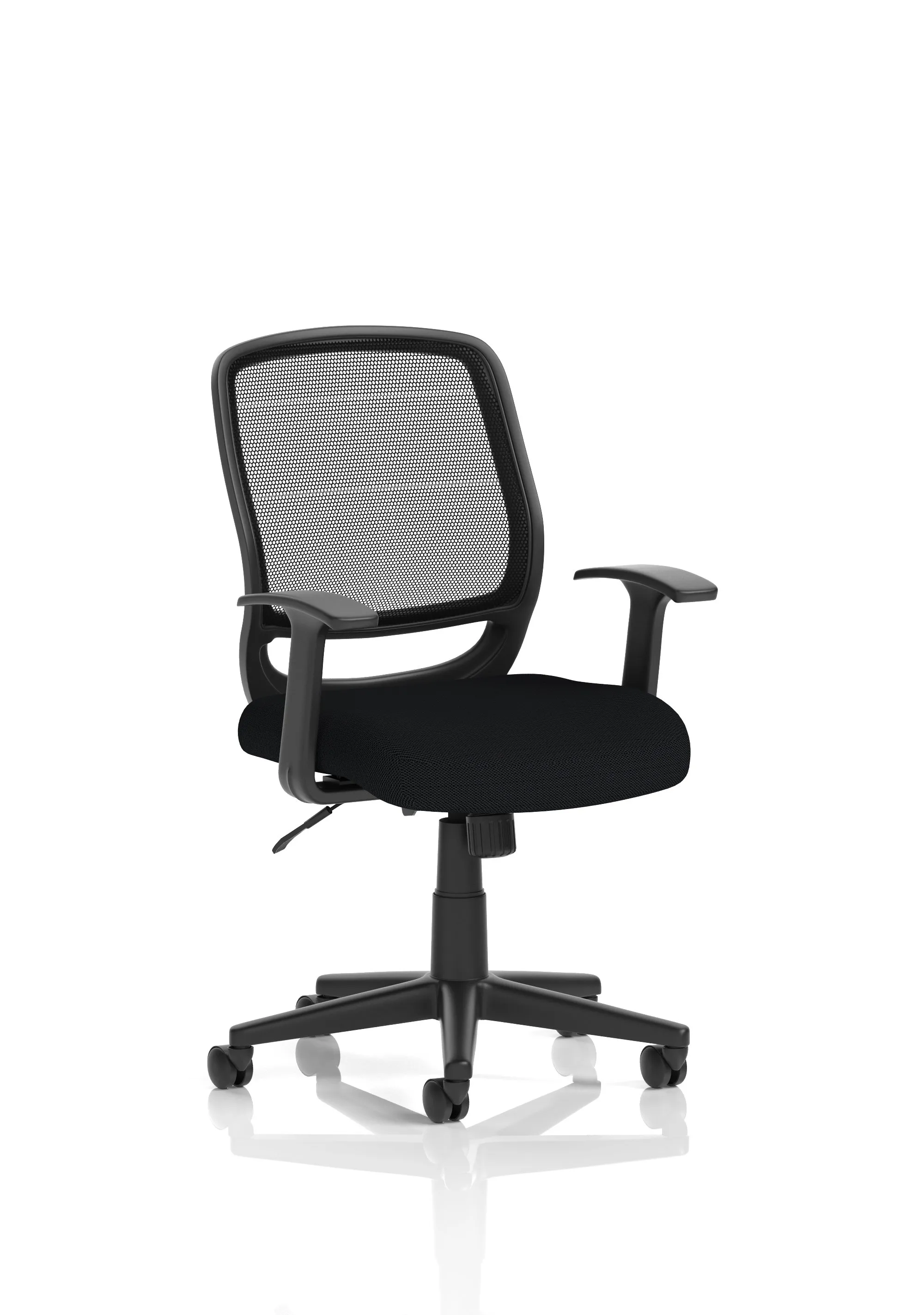
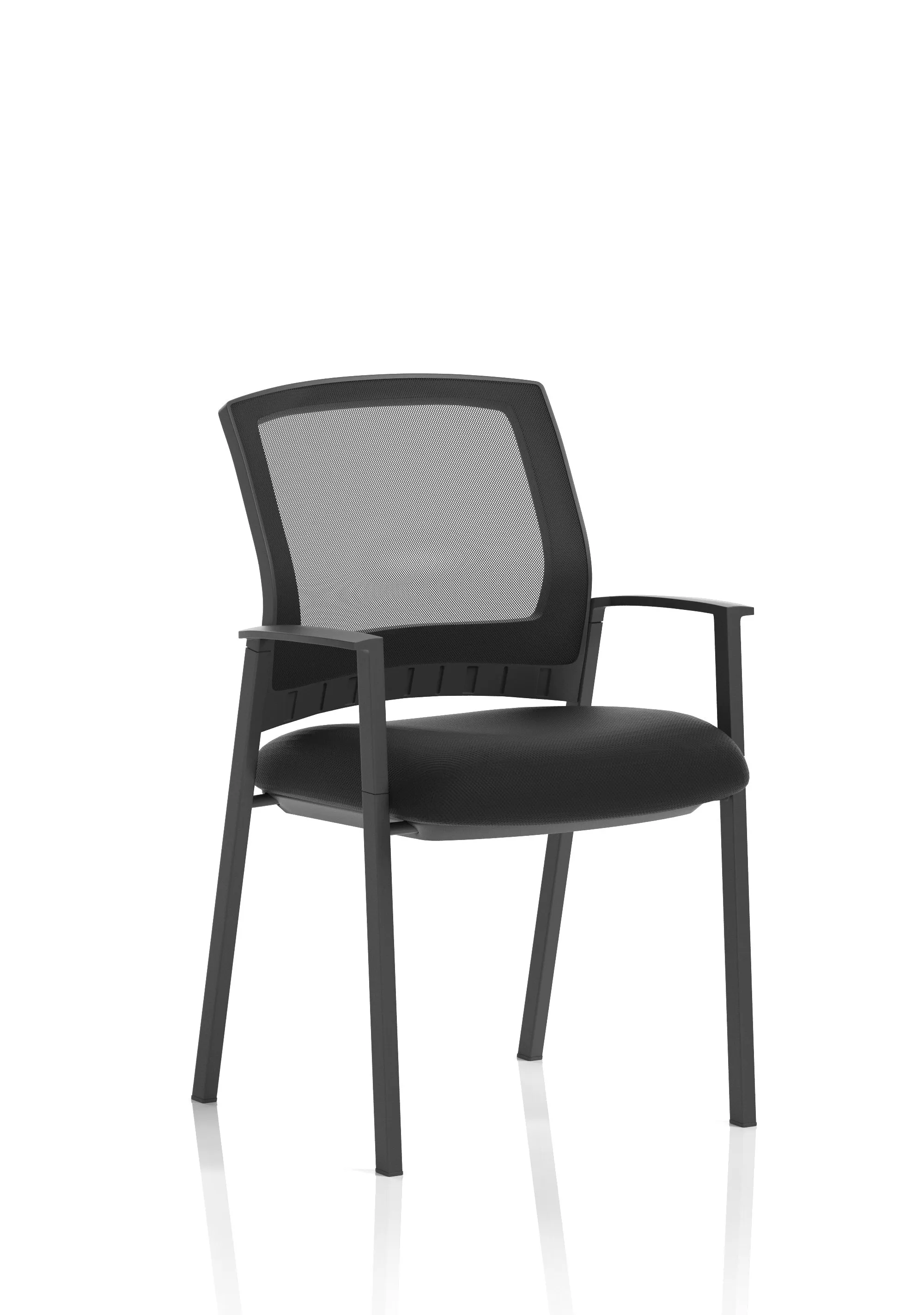
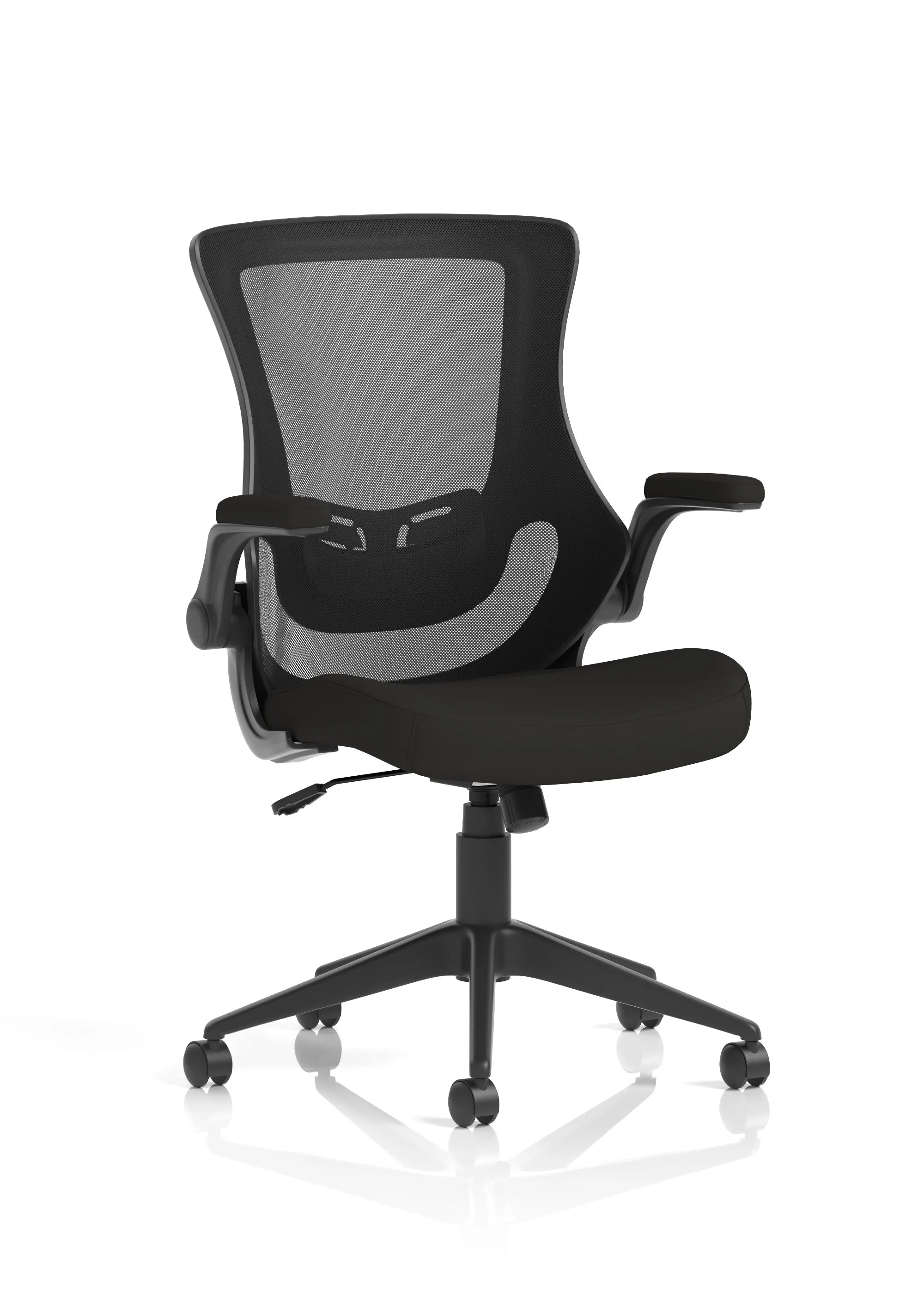
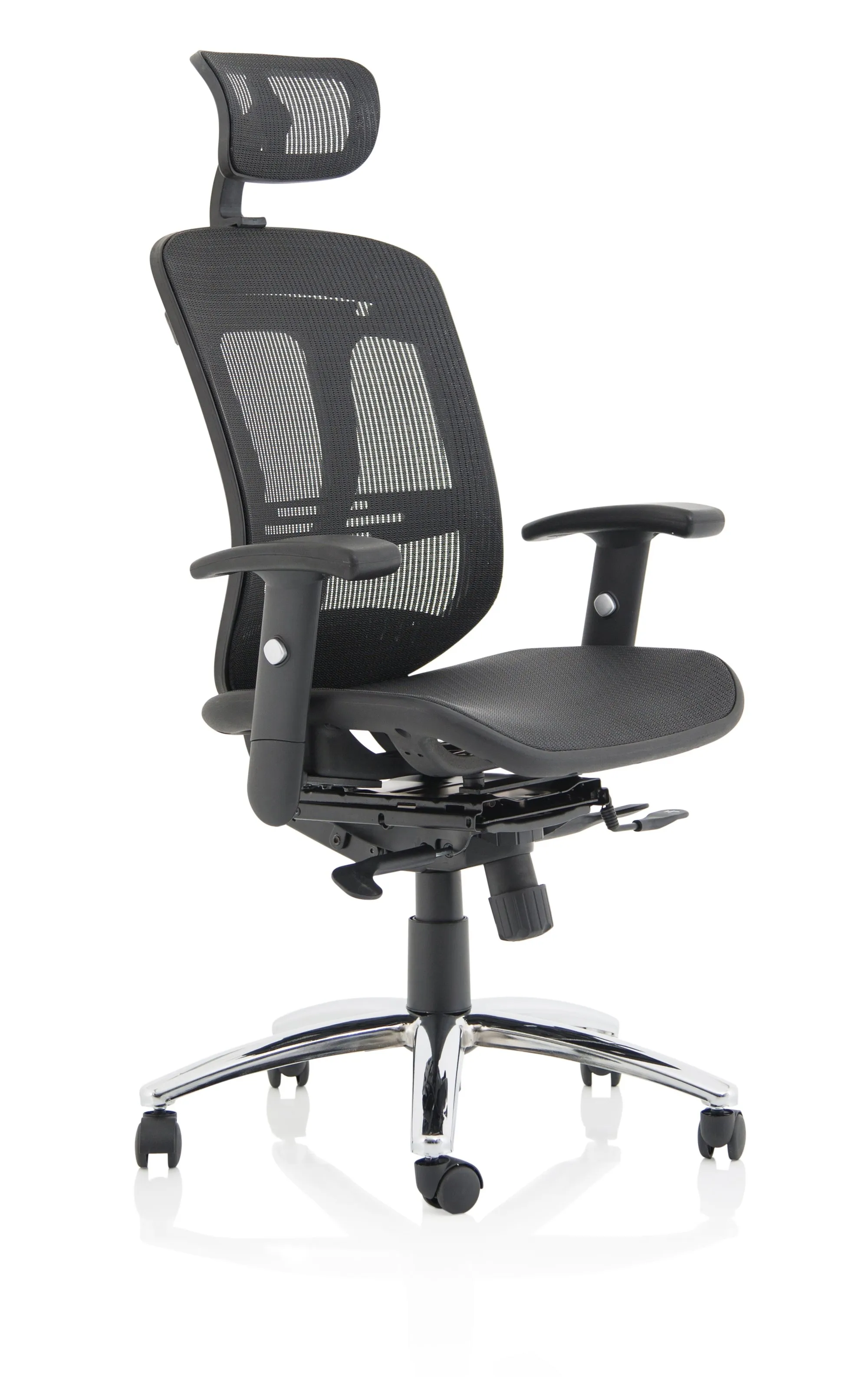
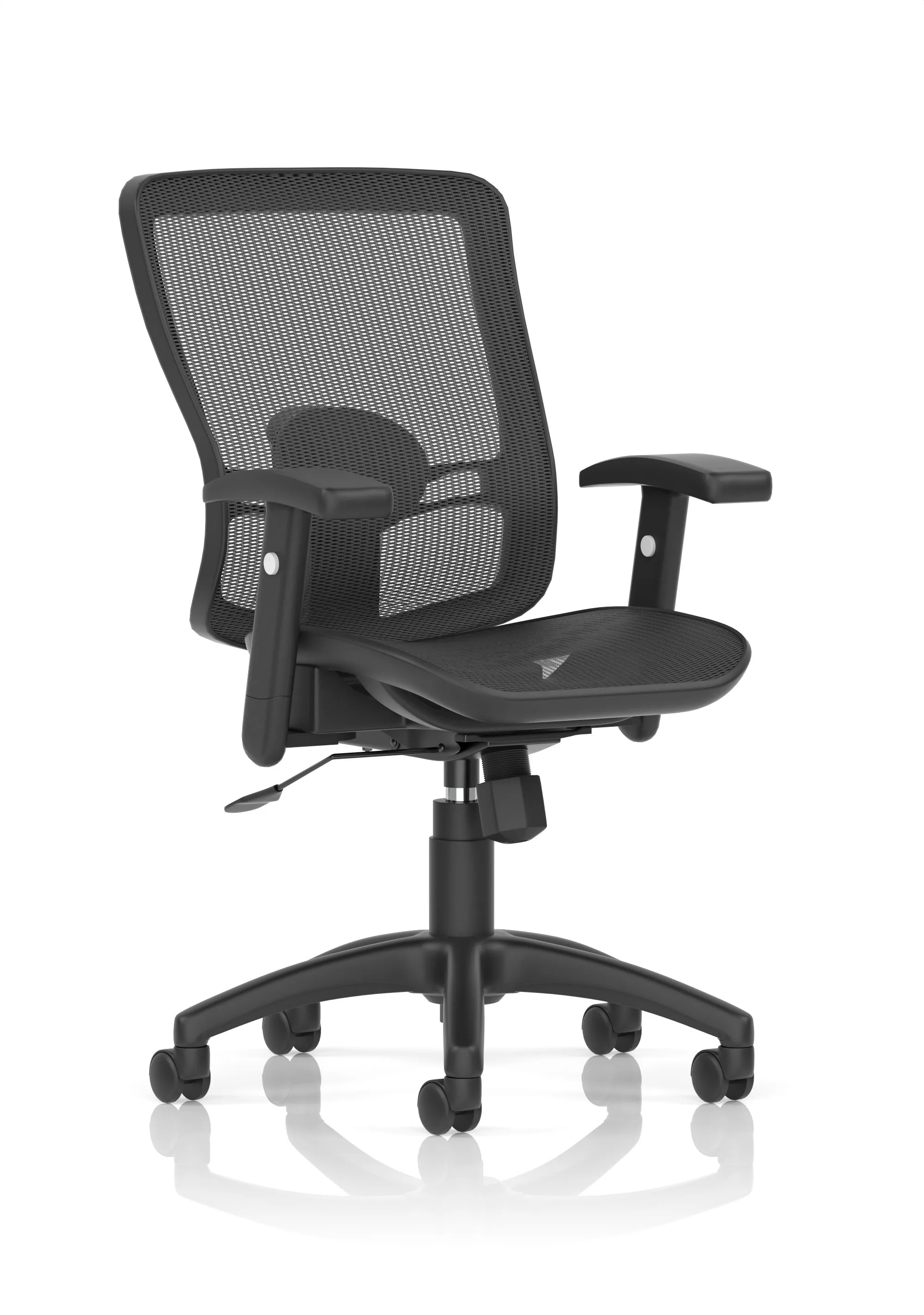
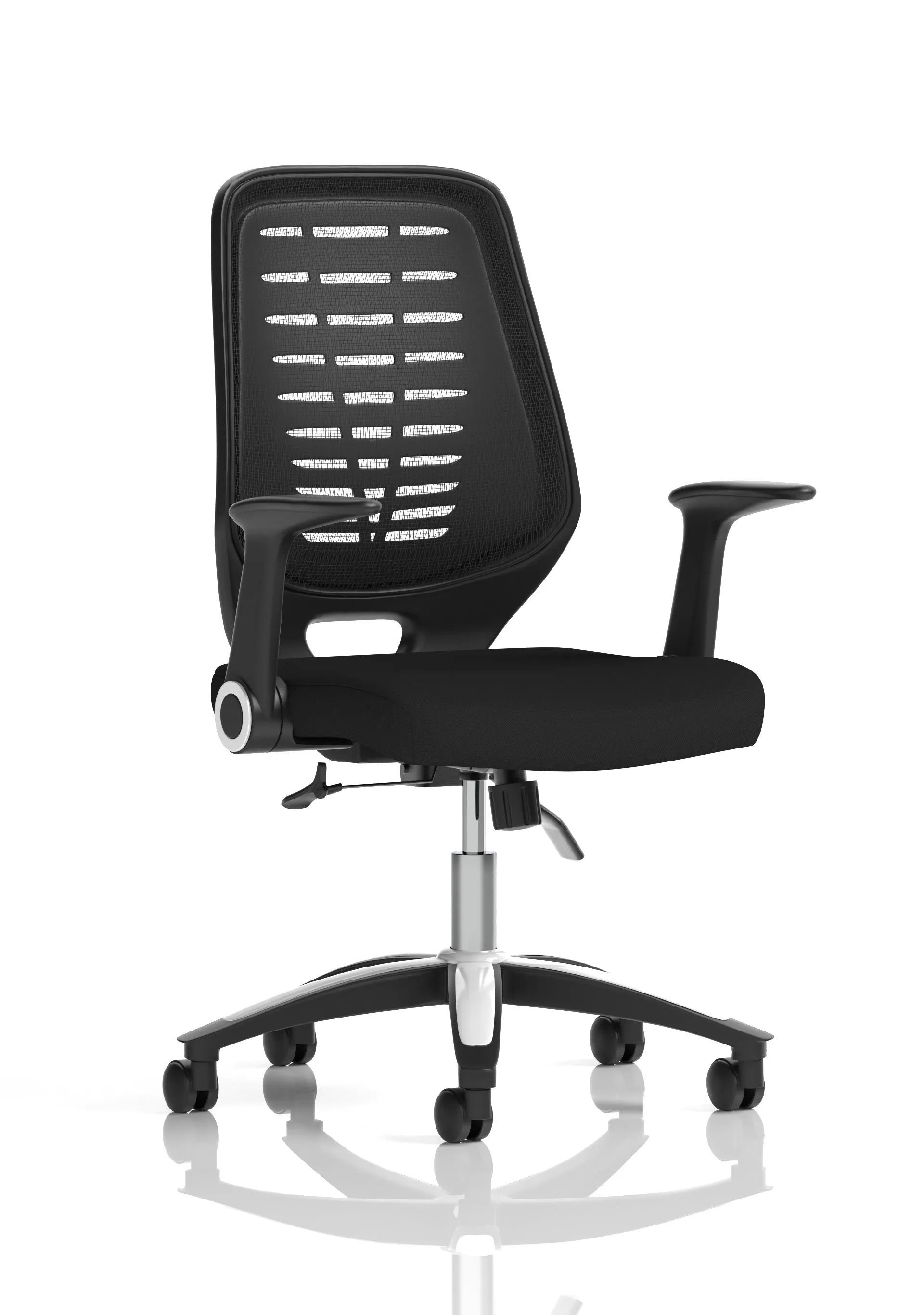
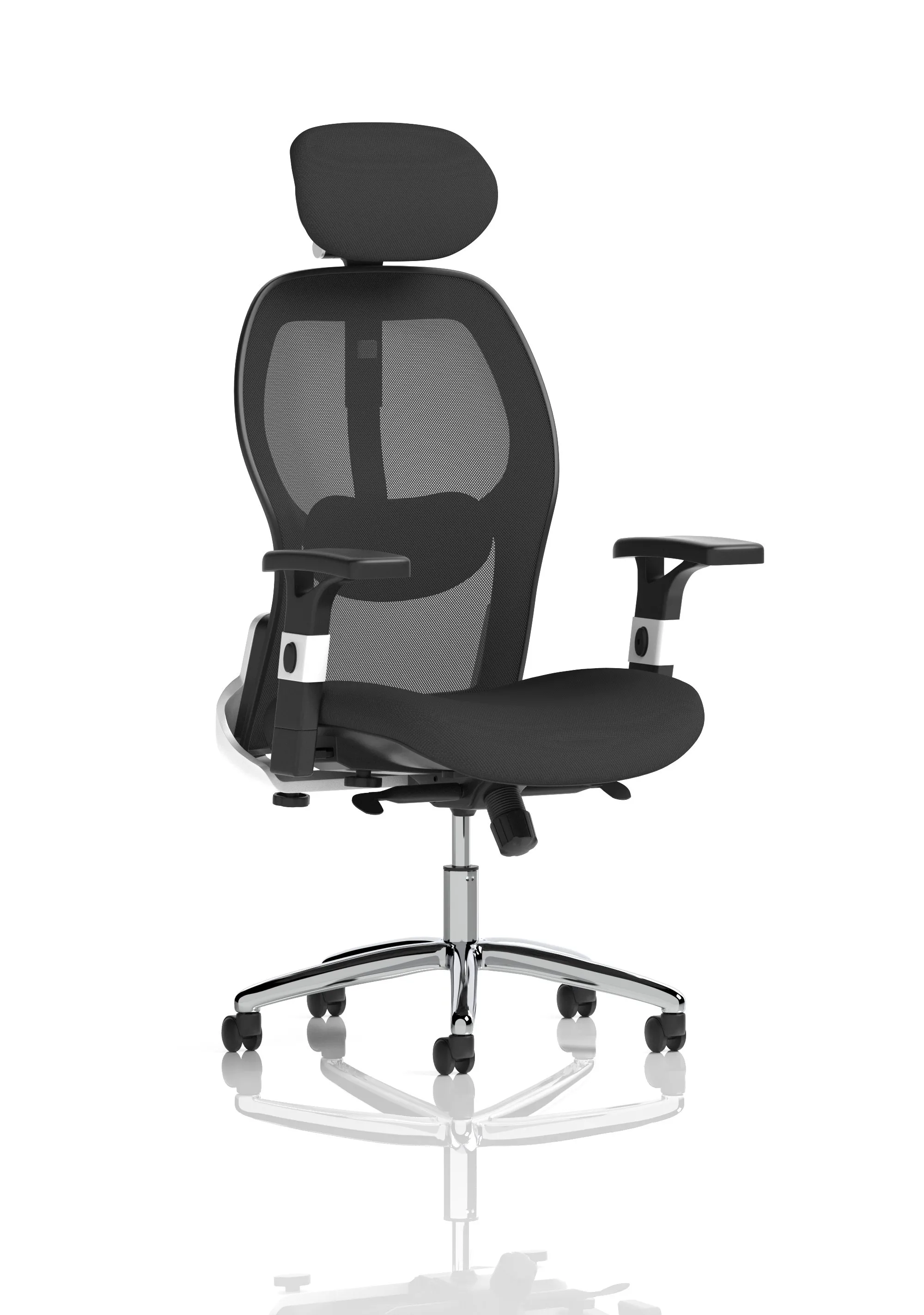
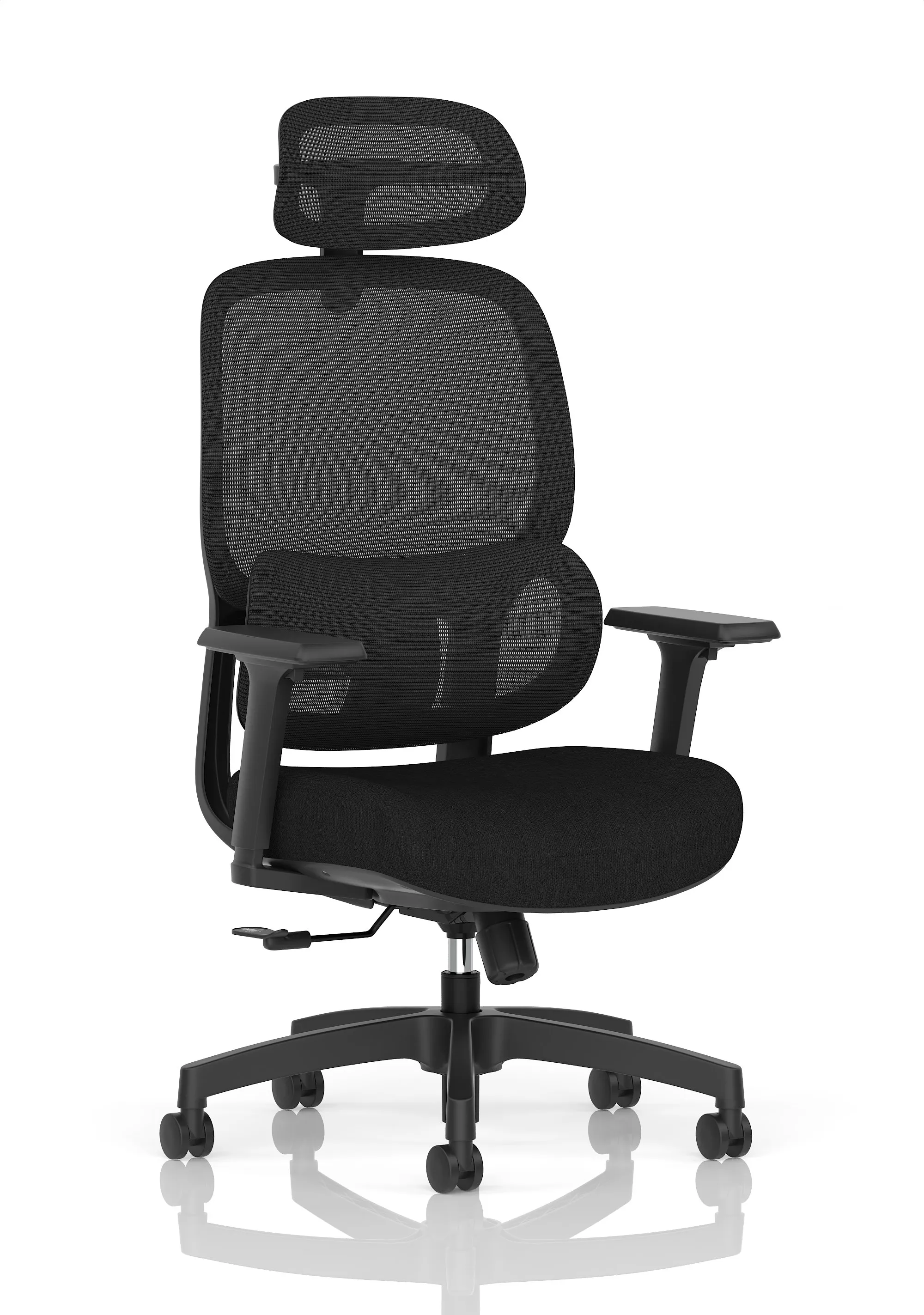
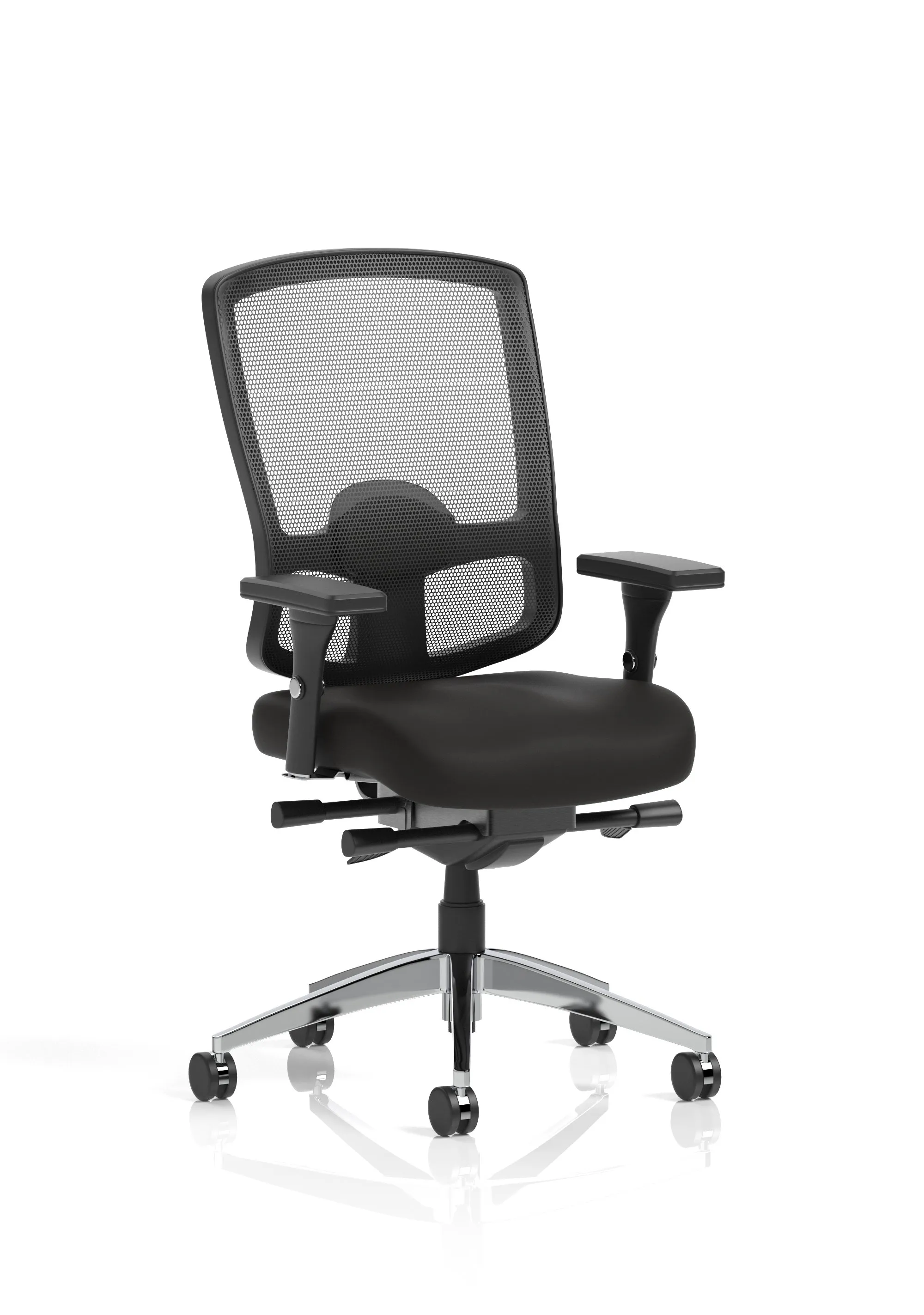
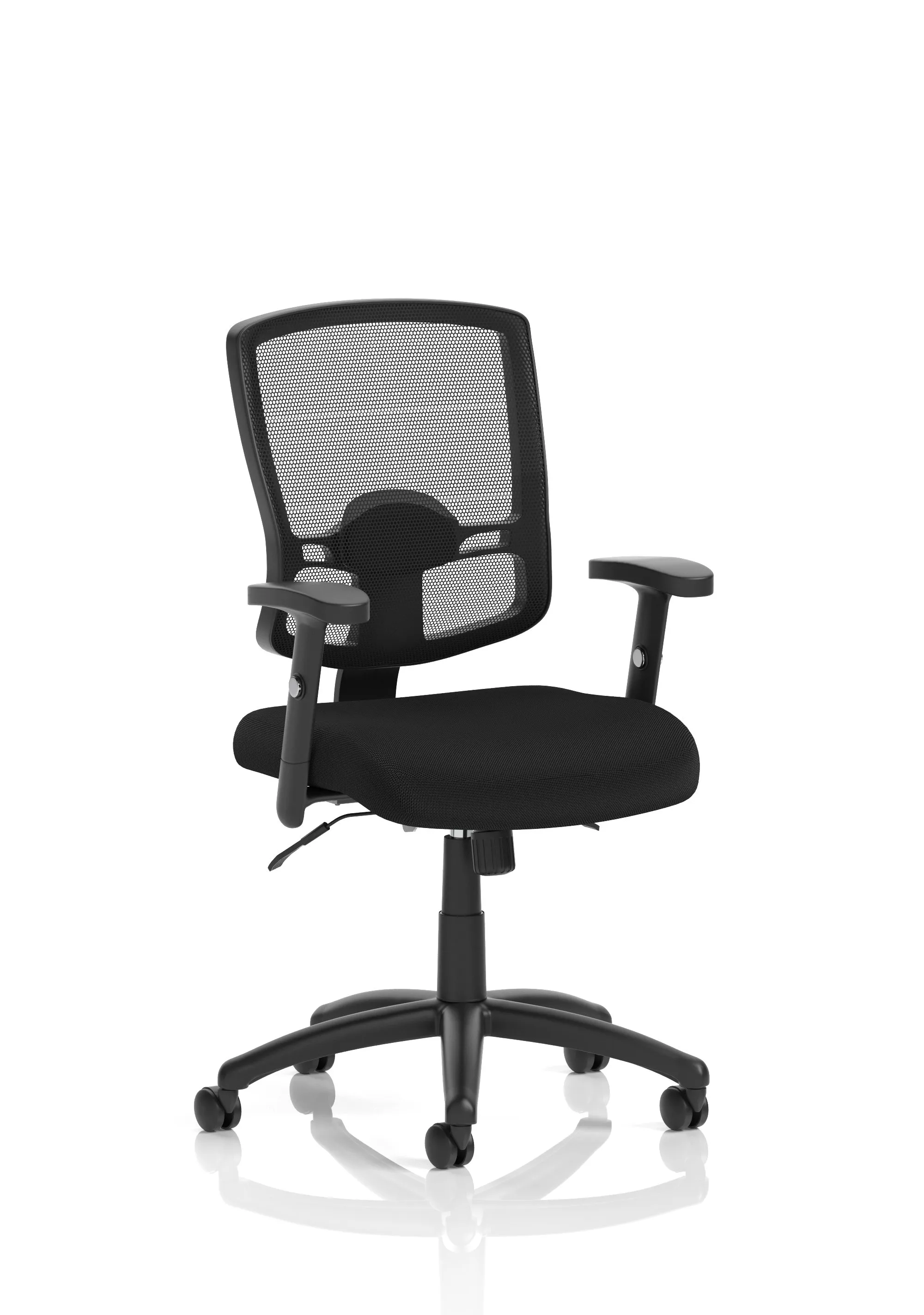
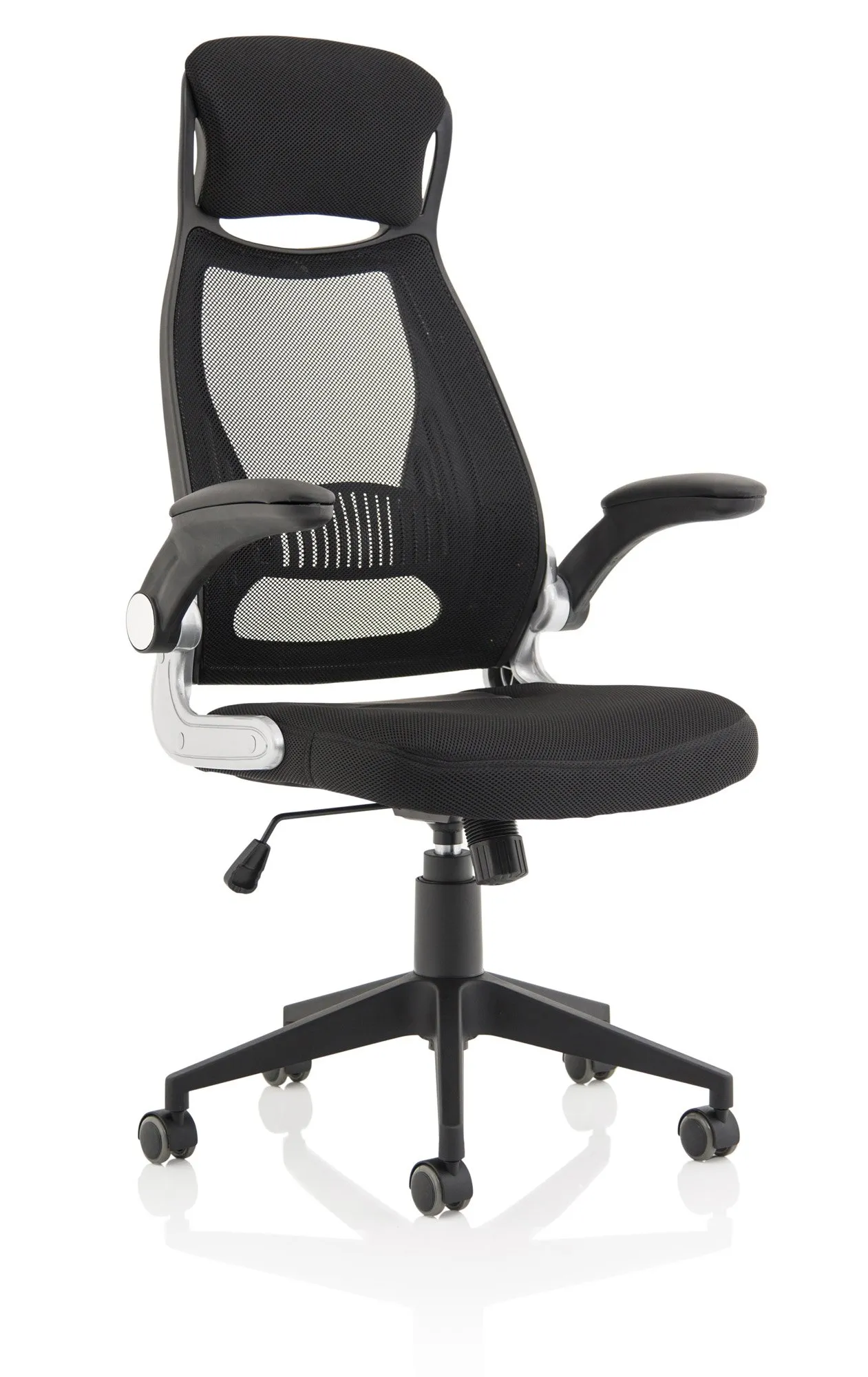
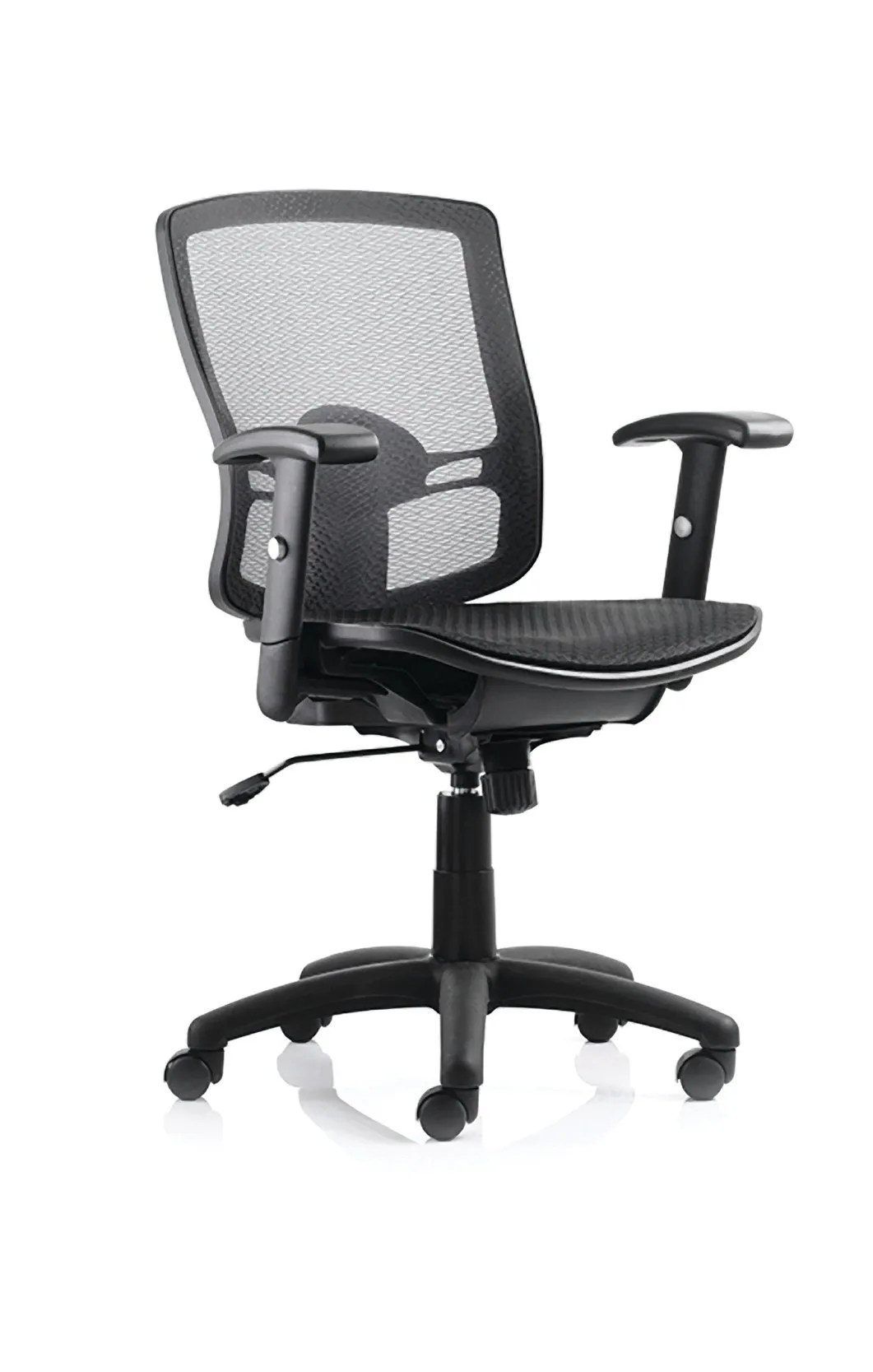
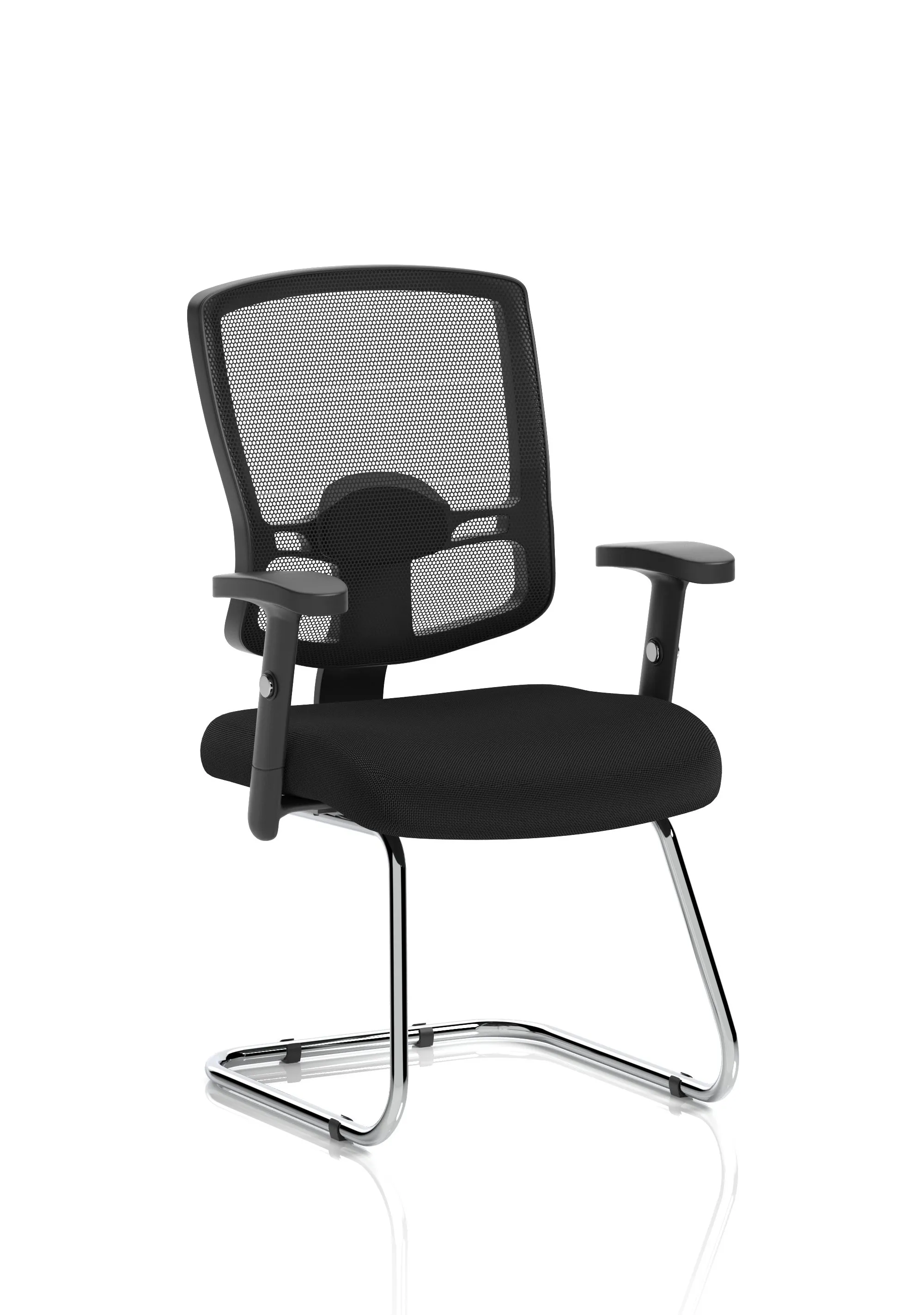
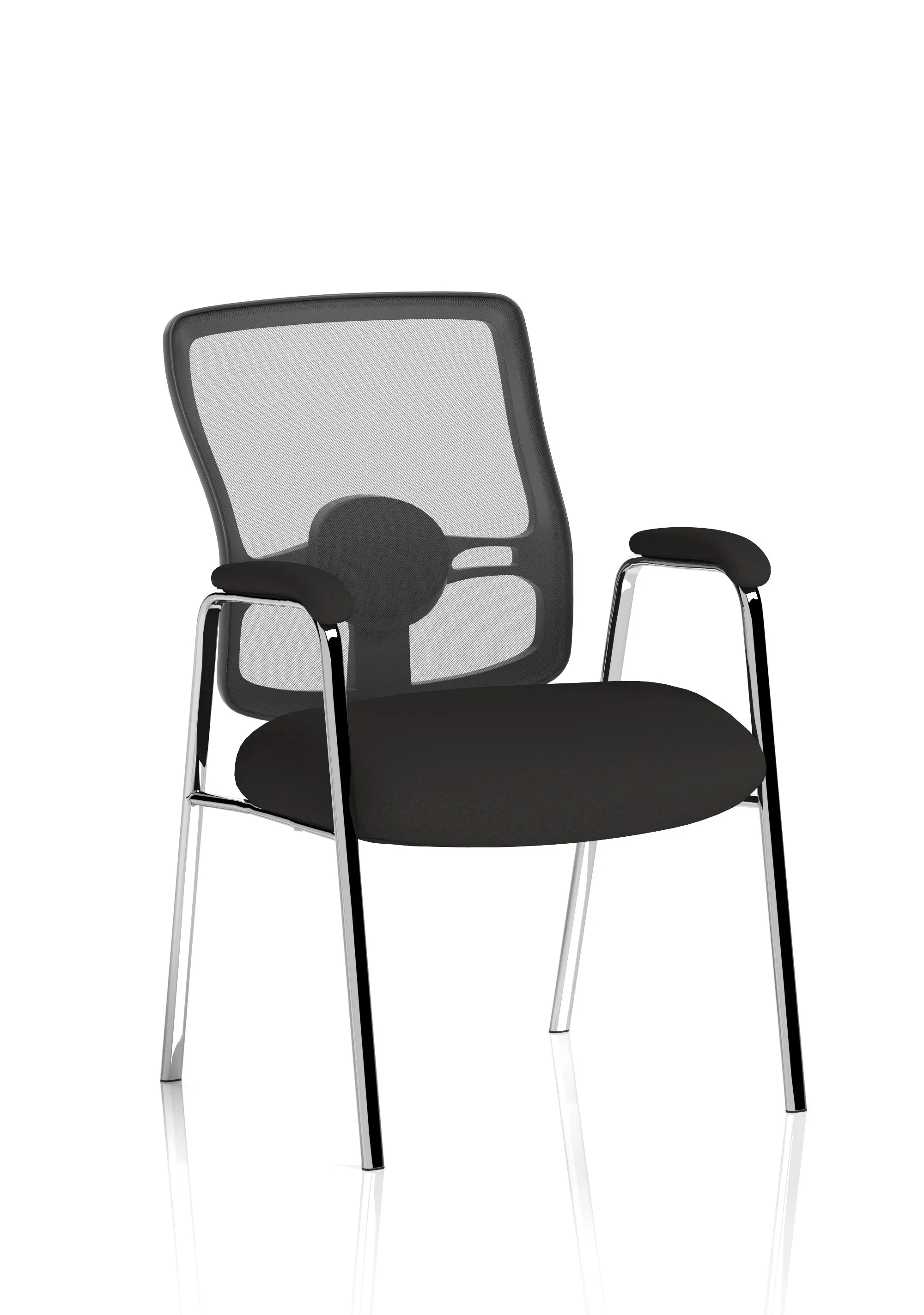
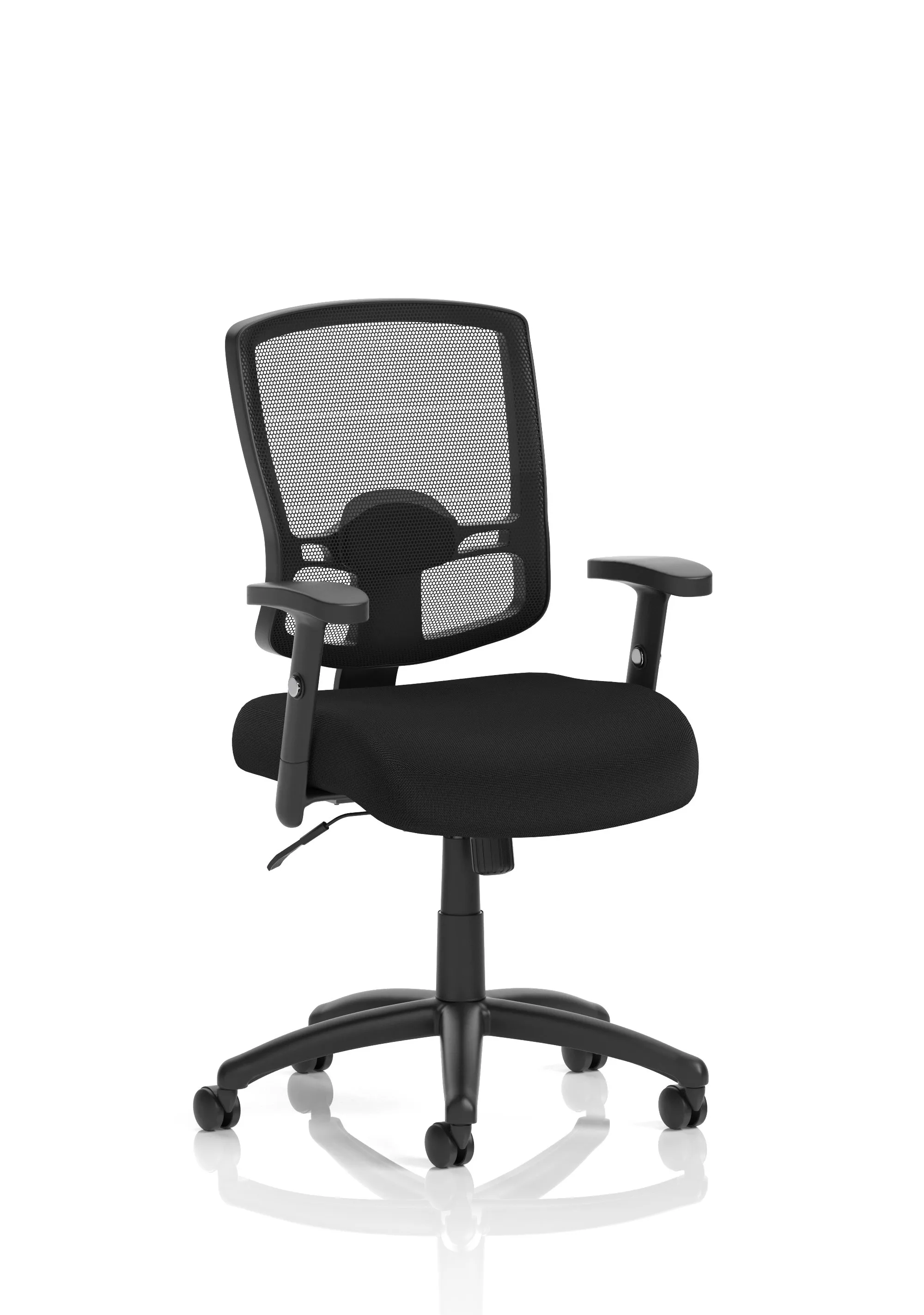
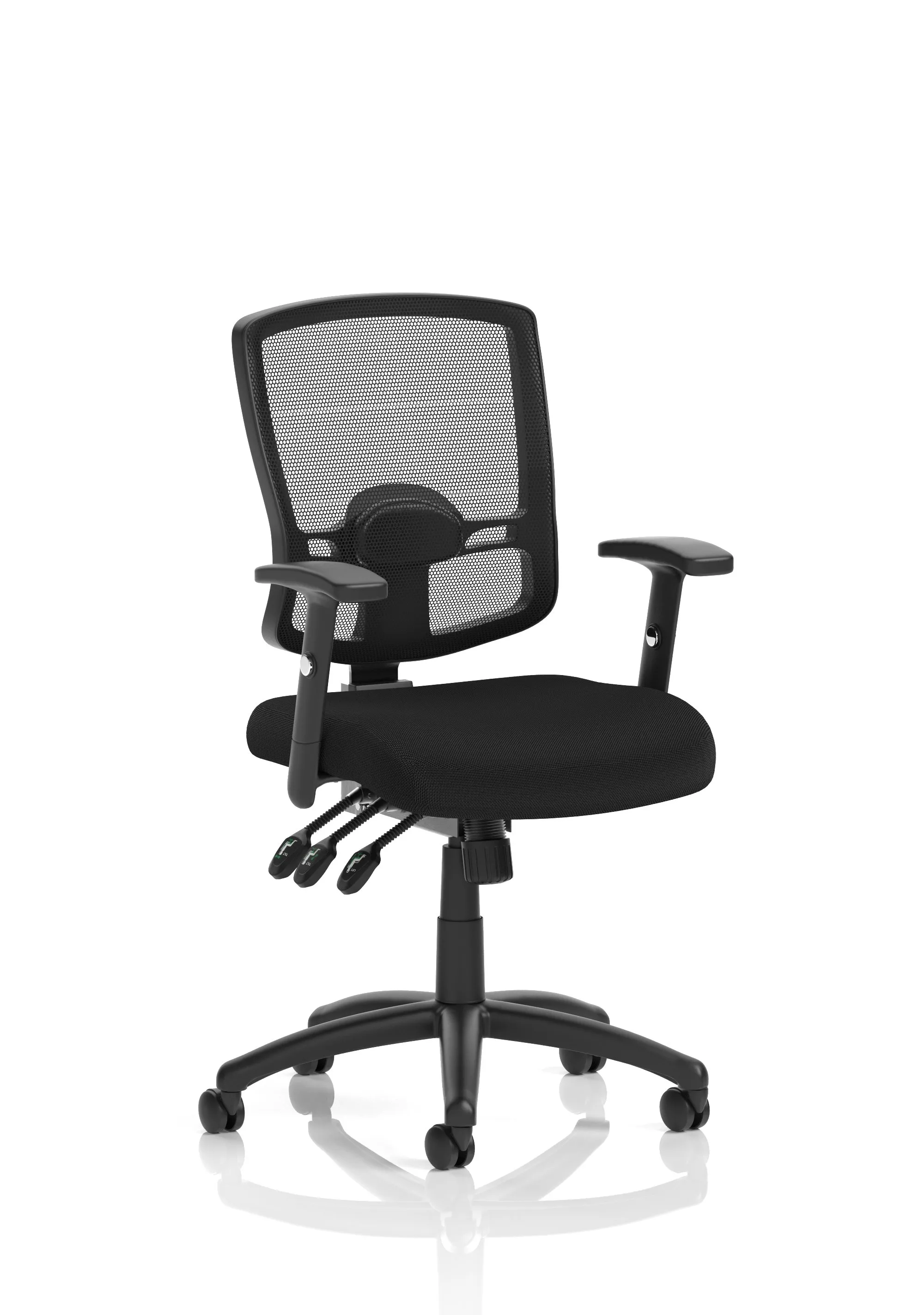
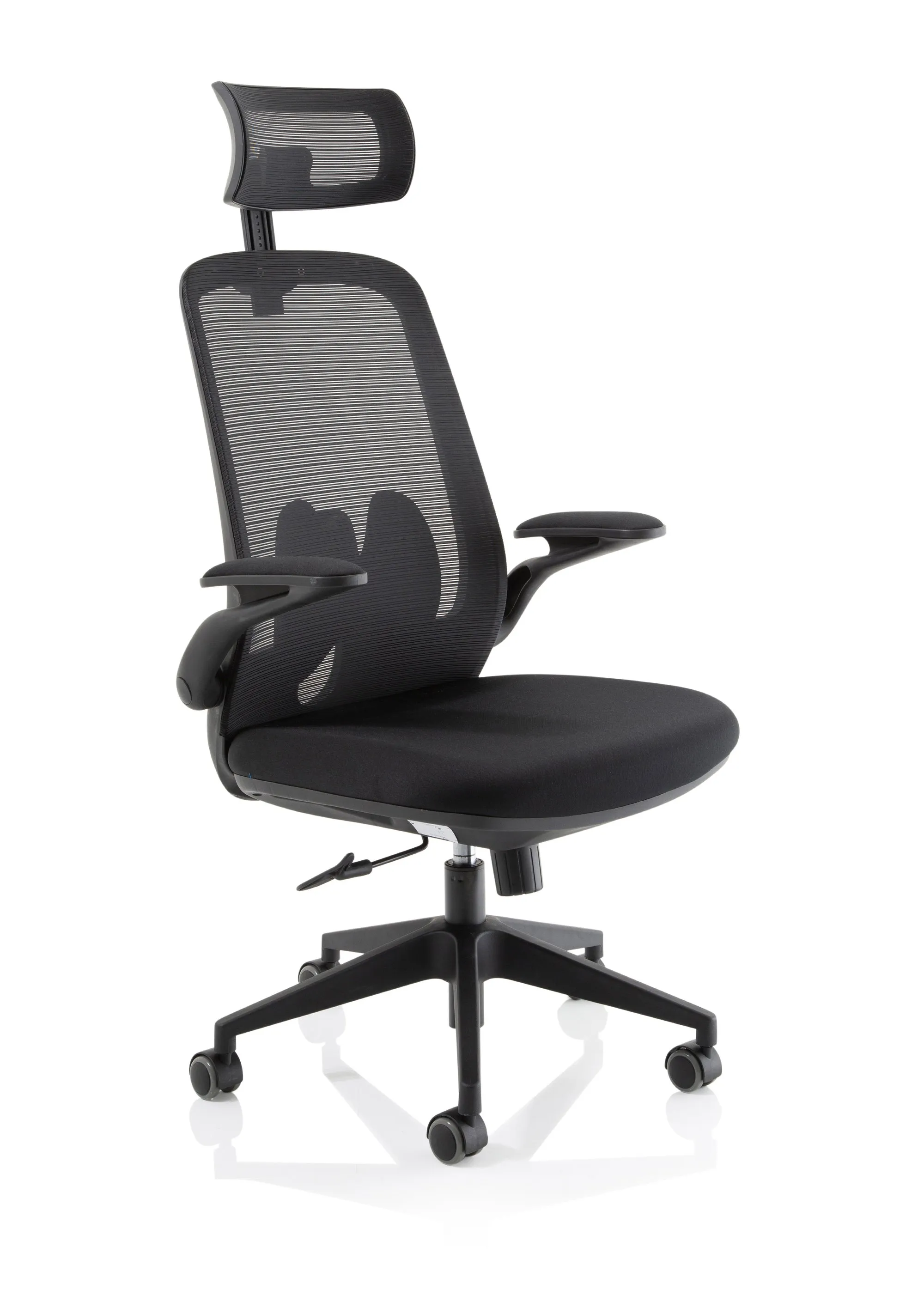
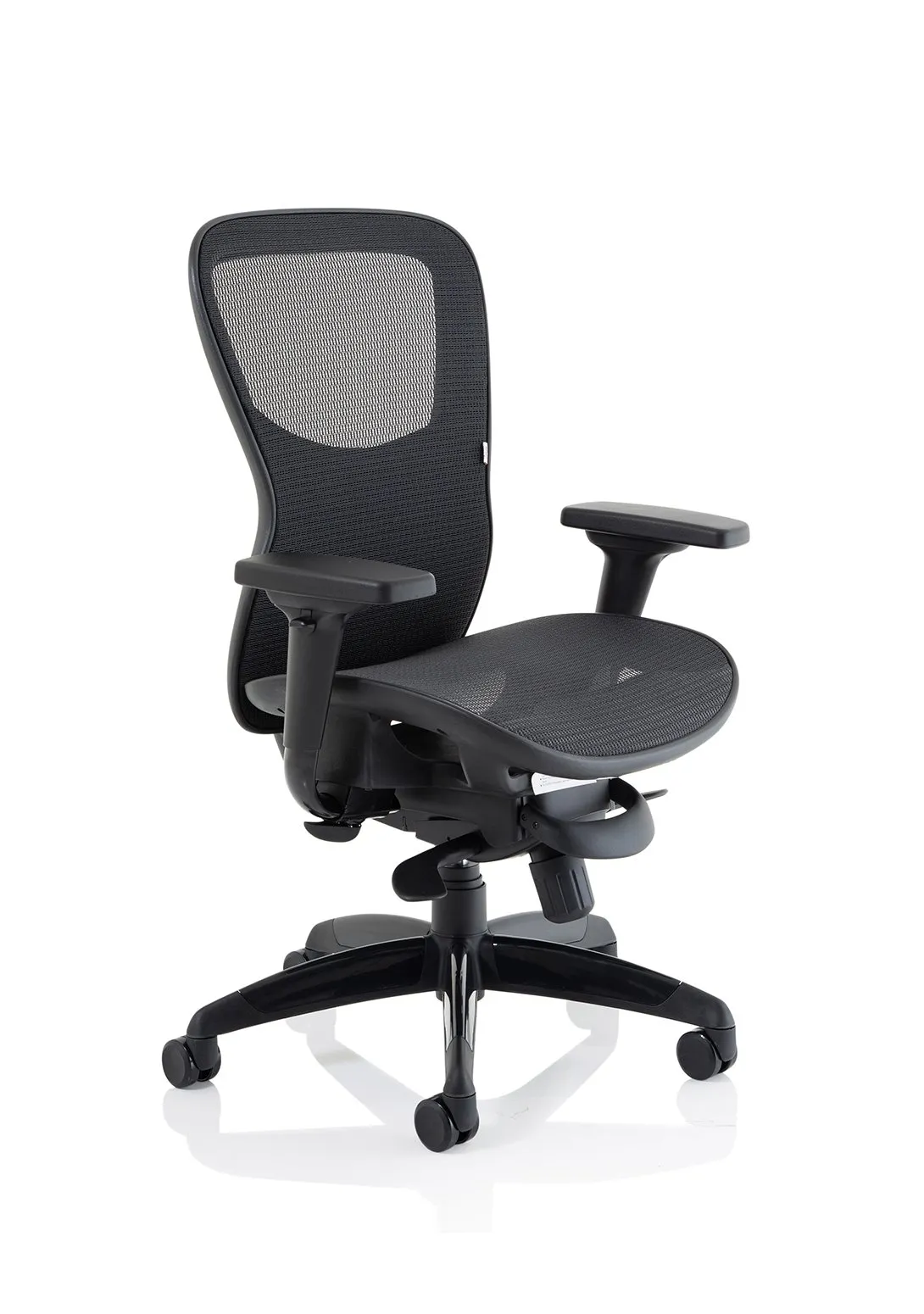
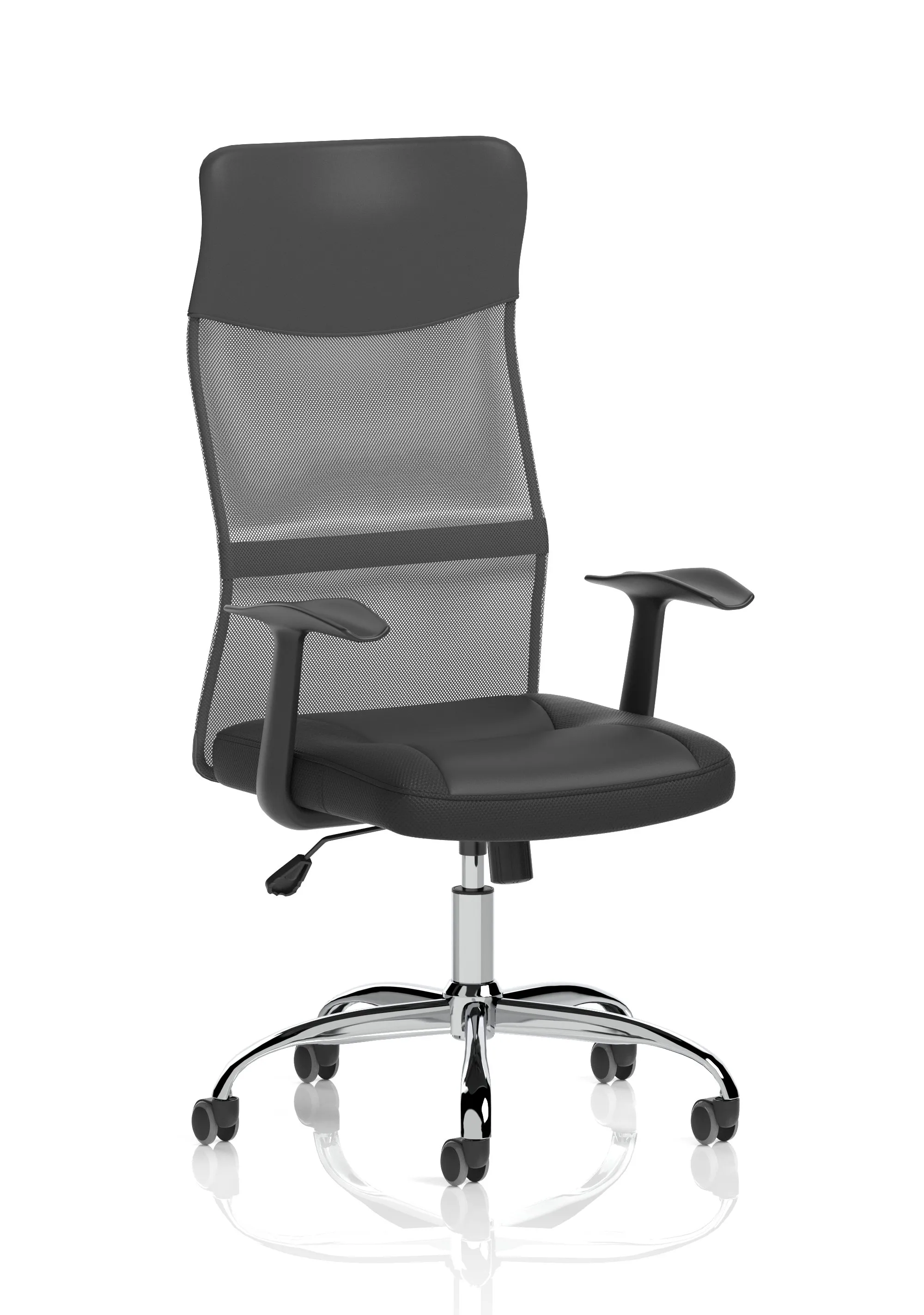
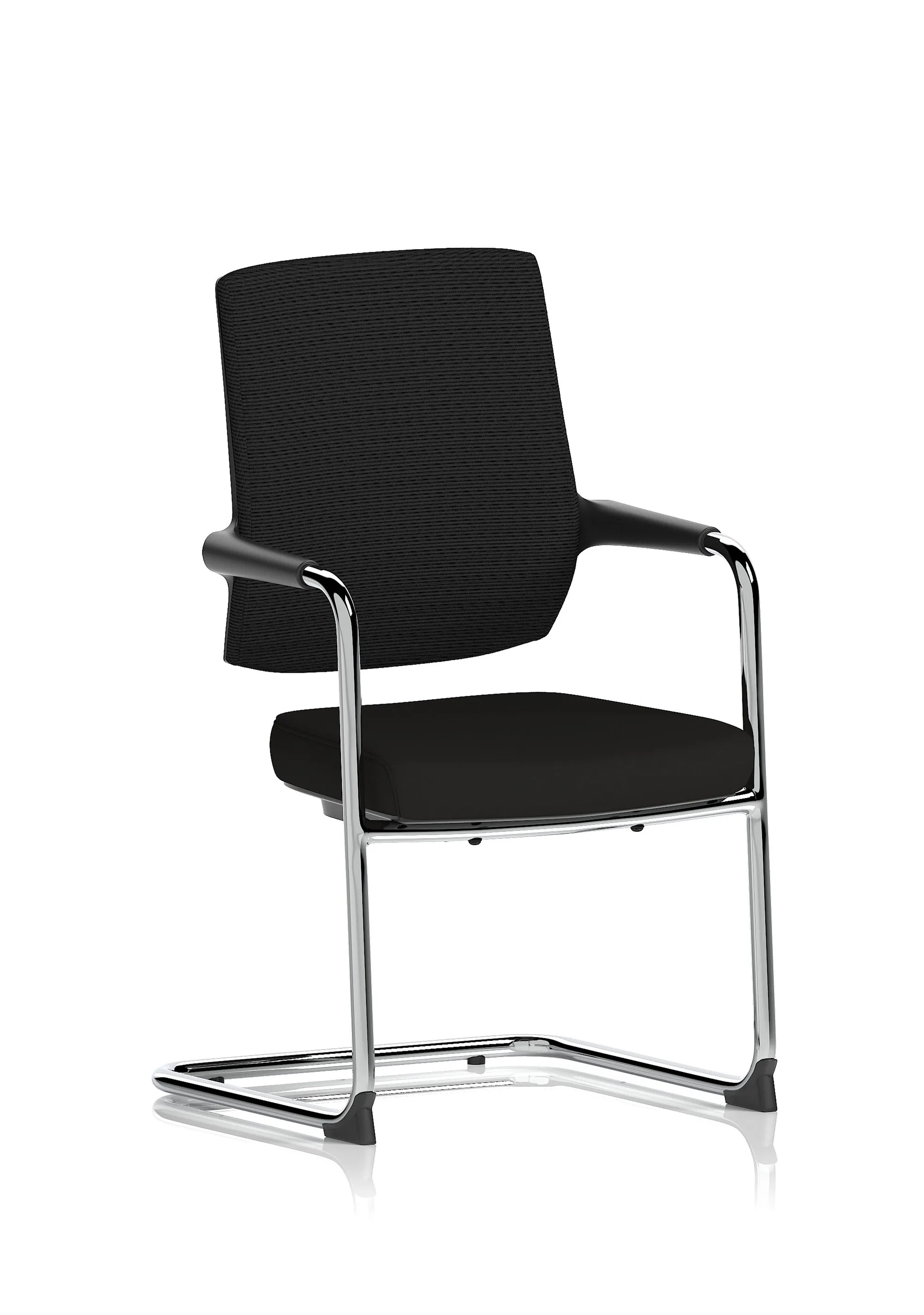
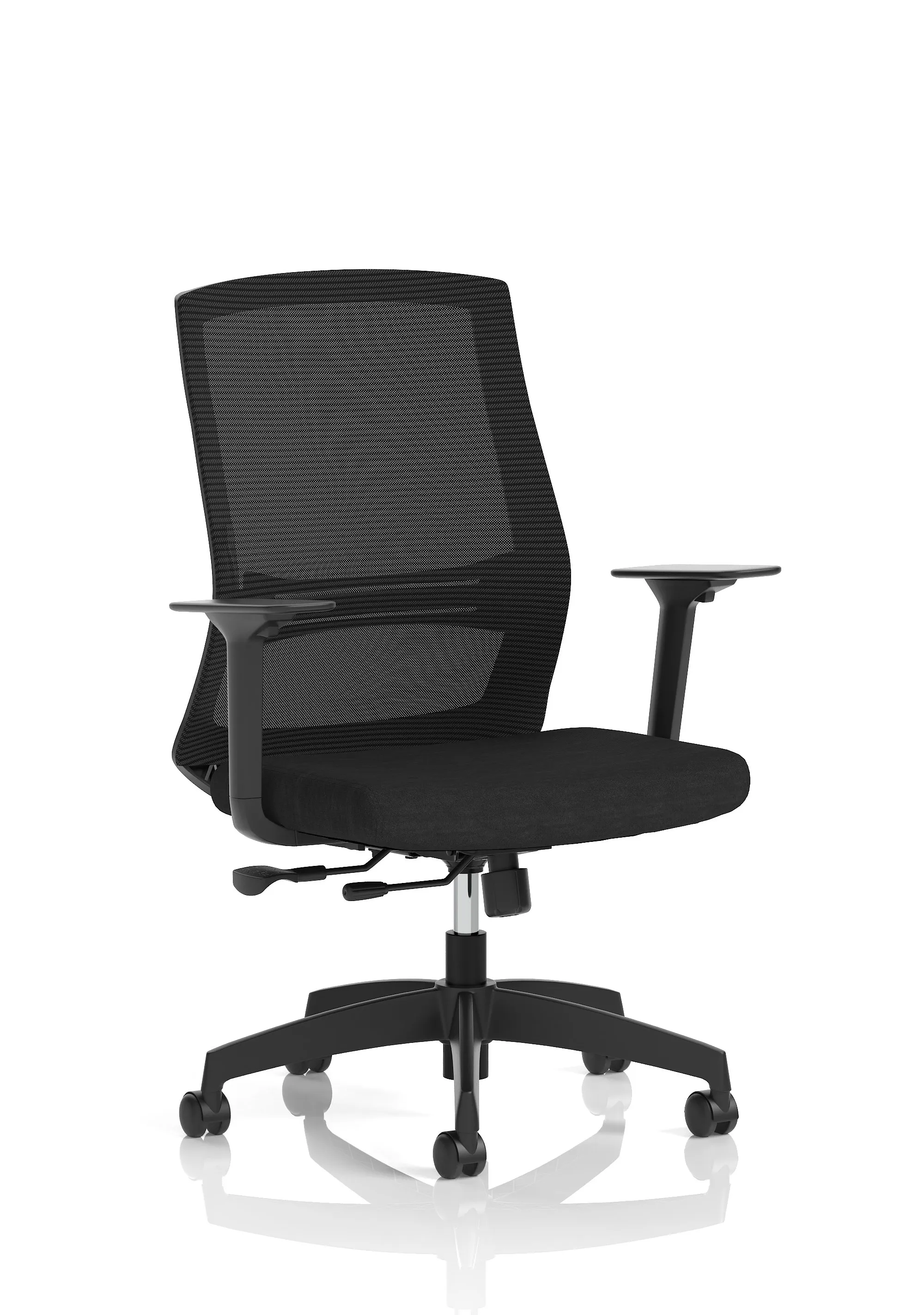
Every mesh backed chair we supply, gathered in one listing across task, executive and visitor ranges. Mesh has become the default in modern offices for one straightforward reason: it lets air through.
Why mesh took over
A foam back traps heat against the spine. Over an eight hour day in a warm office that becomes genuinely uncomfortable, and it is the complaint that drives most chair replacements. Mesh removes the problem rather than managing it.
The second reason is visual. A mesh back is see-through, so a floor of mesh chairs reads as lighter and less cluttered than the same floor in solid upholstery. In open plan offices with sight lines to protect, that matters.
Where mesh is the wrong answer
Cold offices, for a start. The same airflow that helps in July works against you in an under-heated space in January.
Mesh also reads as less formal. For a directors’ office or a client facing boardroom, leather usually carries the room better. And some people simply prefer the feel of a padded back, which is what our fabric range is for.
Mesh quality varies more than it looks
Not all mesh is the same. Cheap mesh sags within a year and stops supporting the lower back, which defeats the point. The tension and the frame matter more than the pattern. Every mesh chair in this range is specified for contract use rather than domestic.
Across the ranges
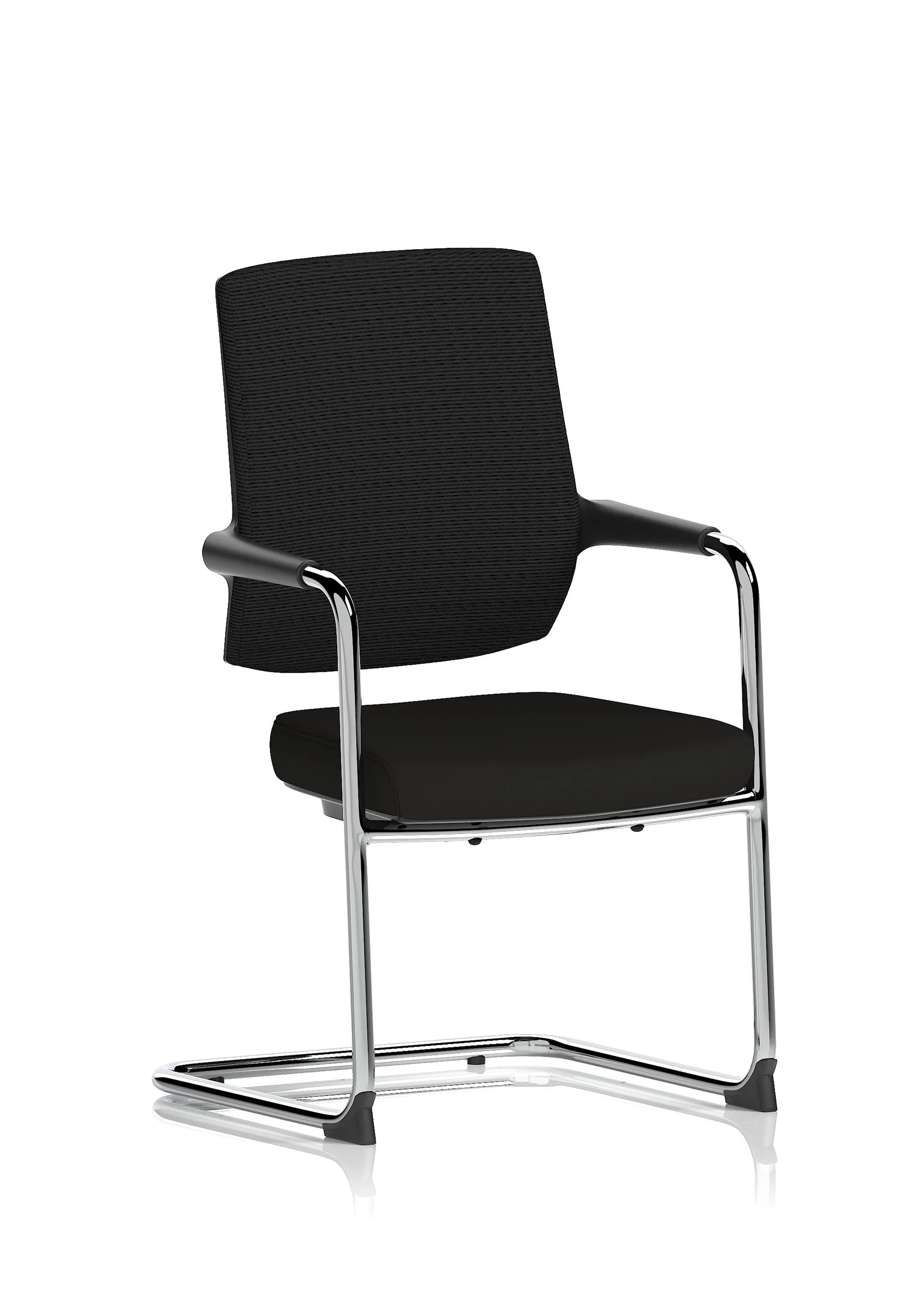
This listing cuts across roles rather than replacing them. Mesh task chairs for all-day desk work, mesh executive chairs where you want executive presence without the heat, and mesh visitor models for meeting rooms.