
Sit-stand for a whole team
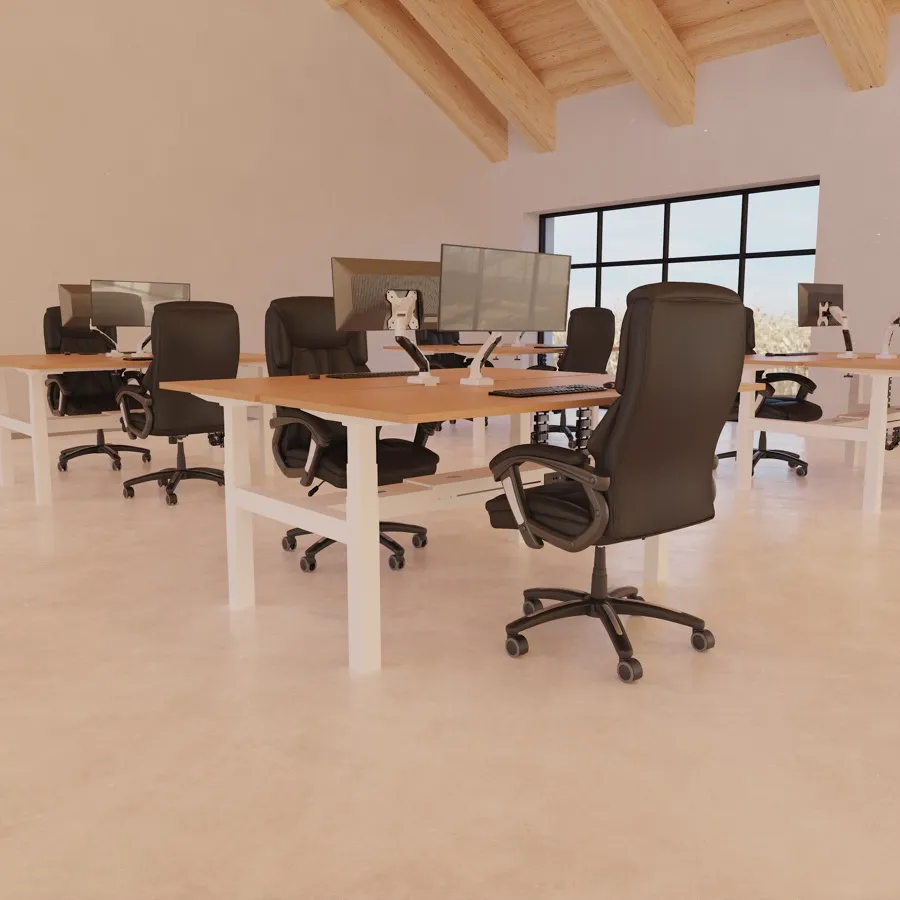
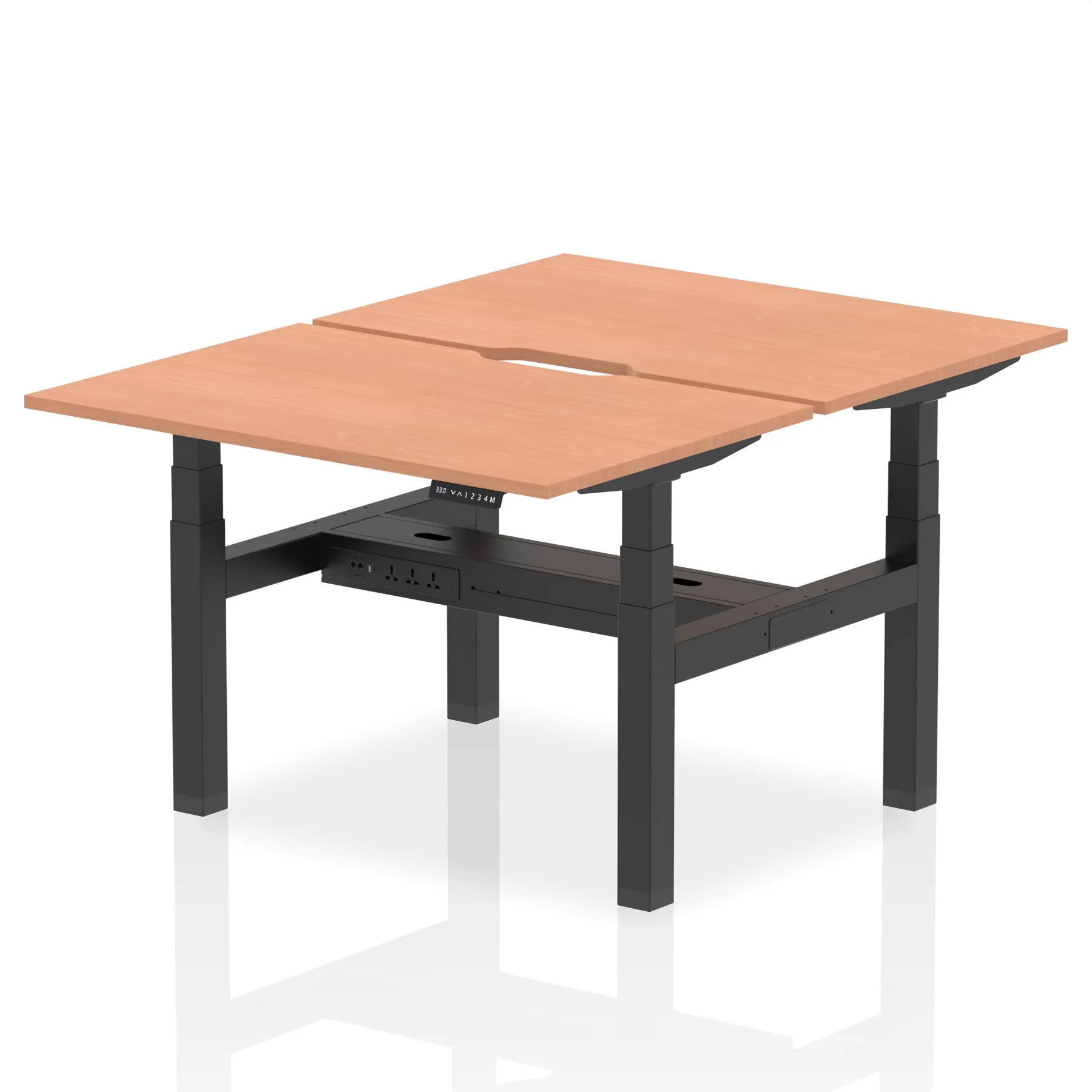
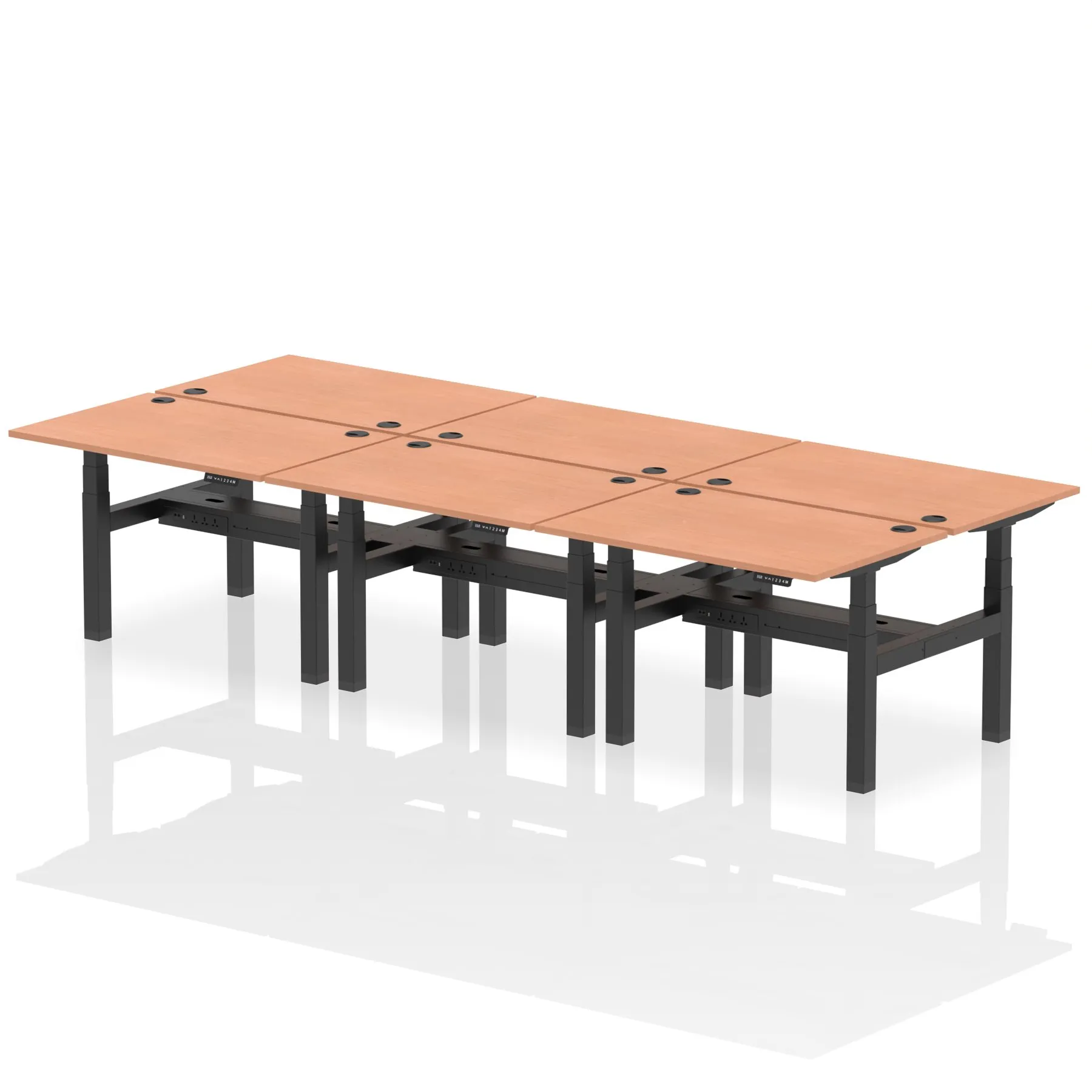
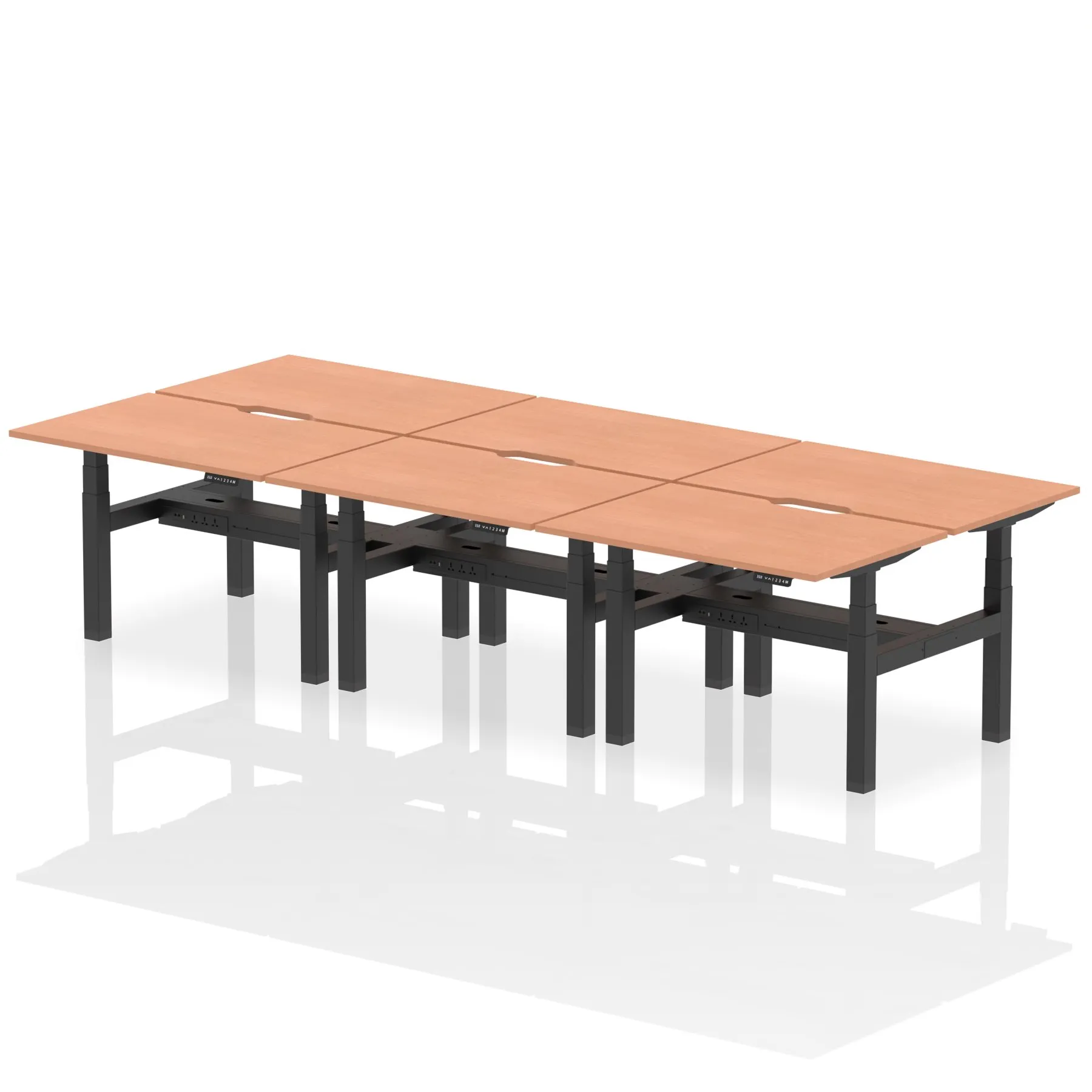
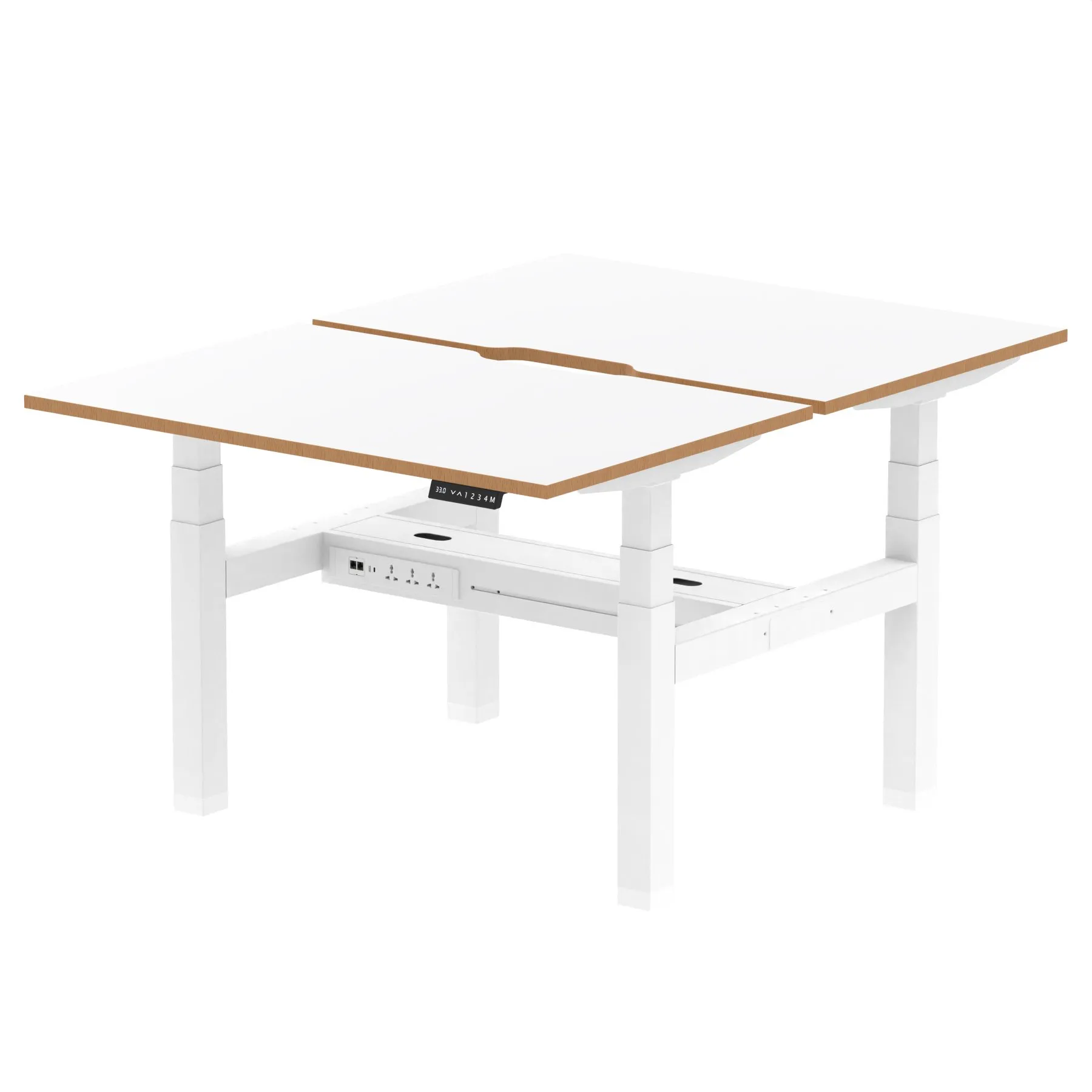
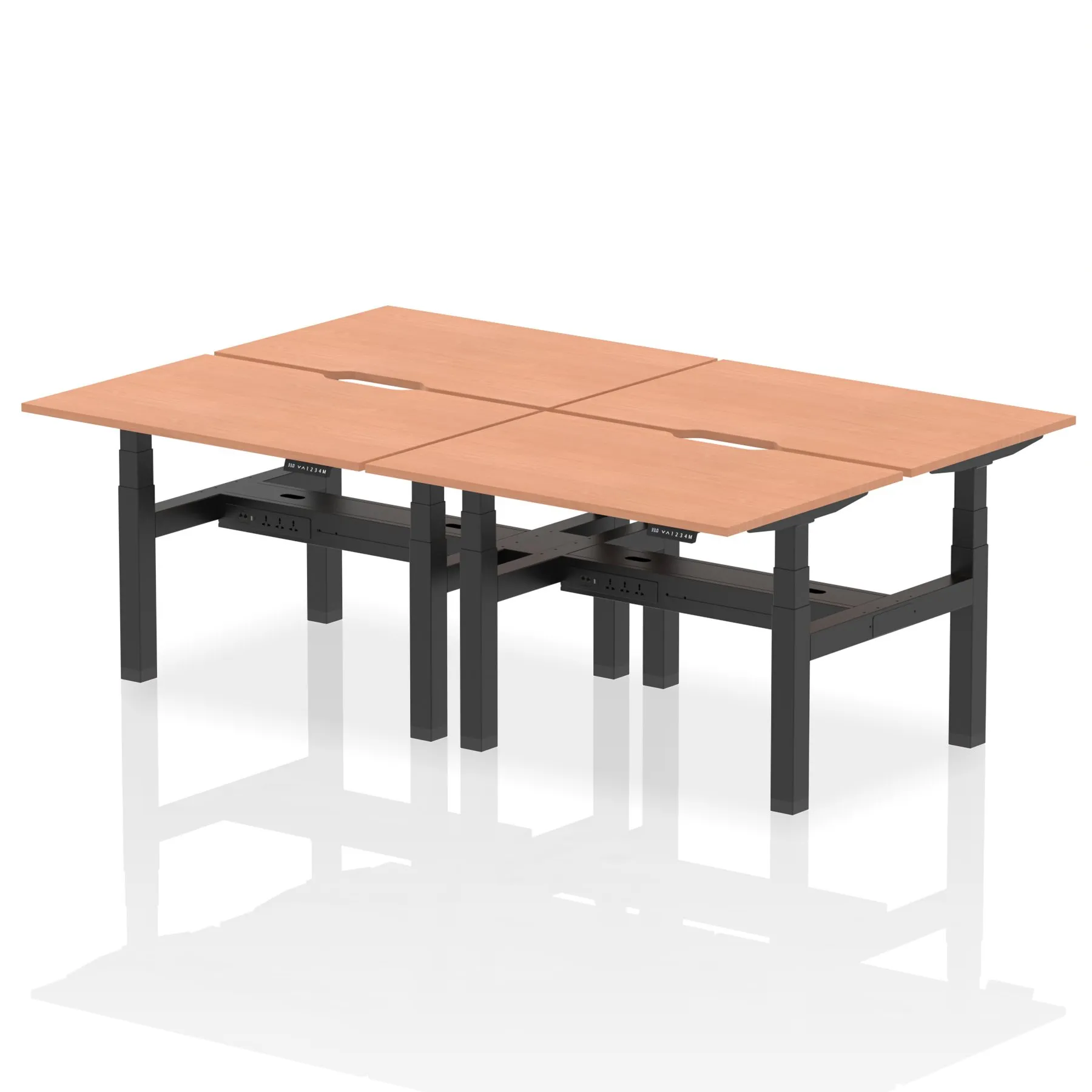
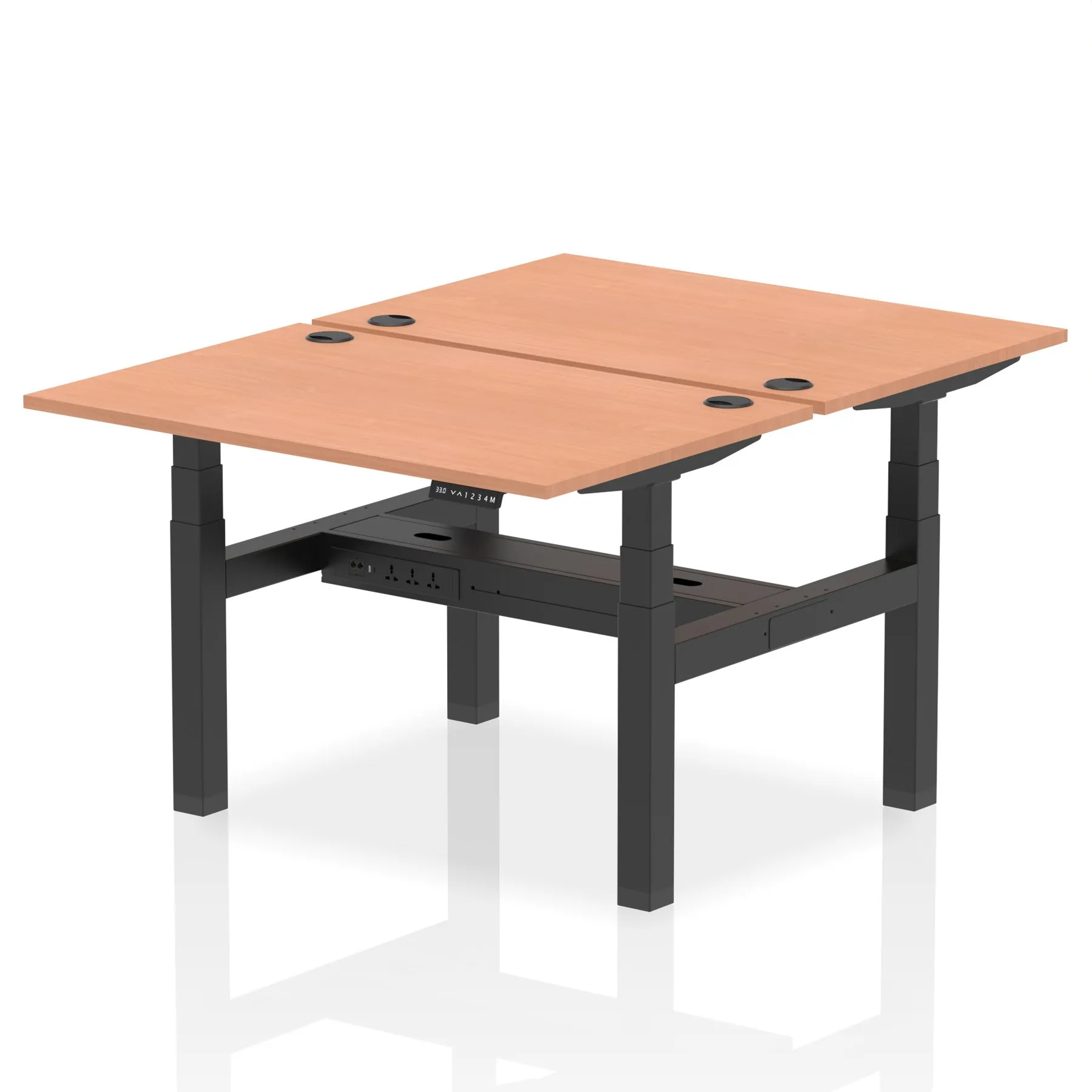
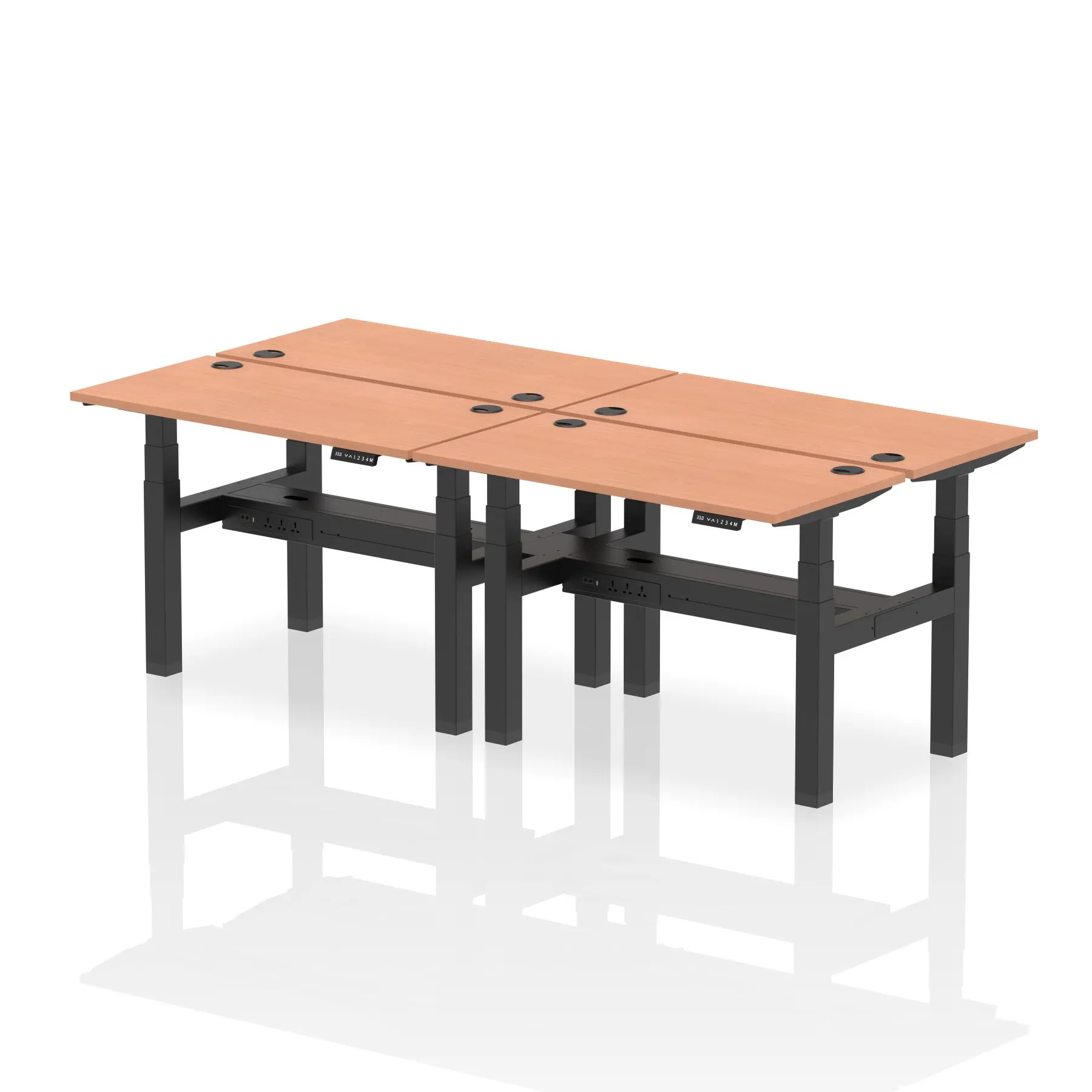
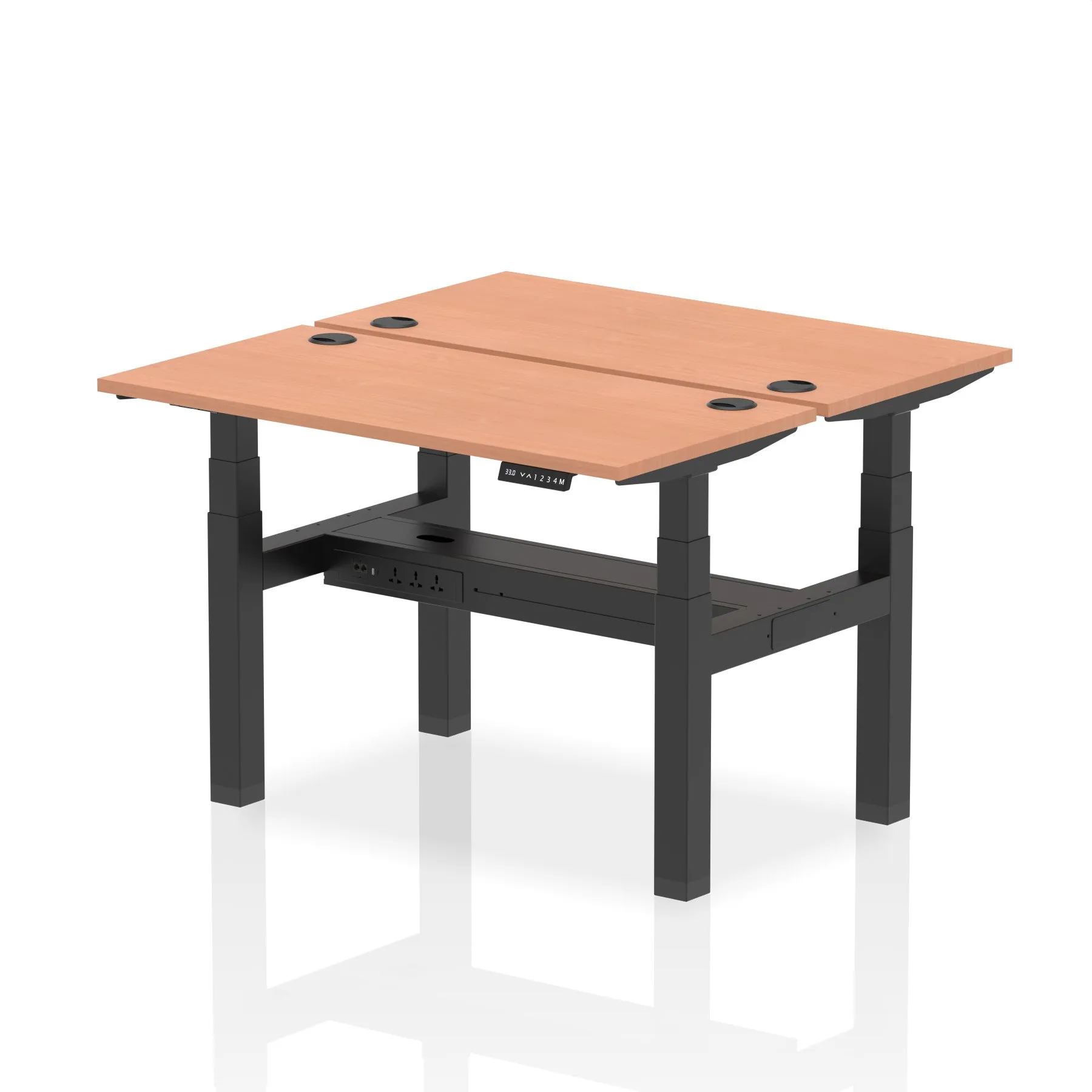
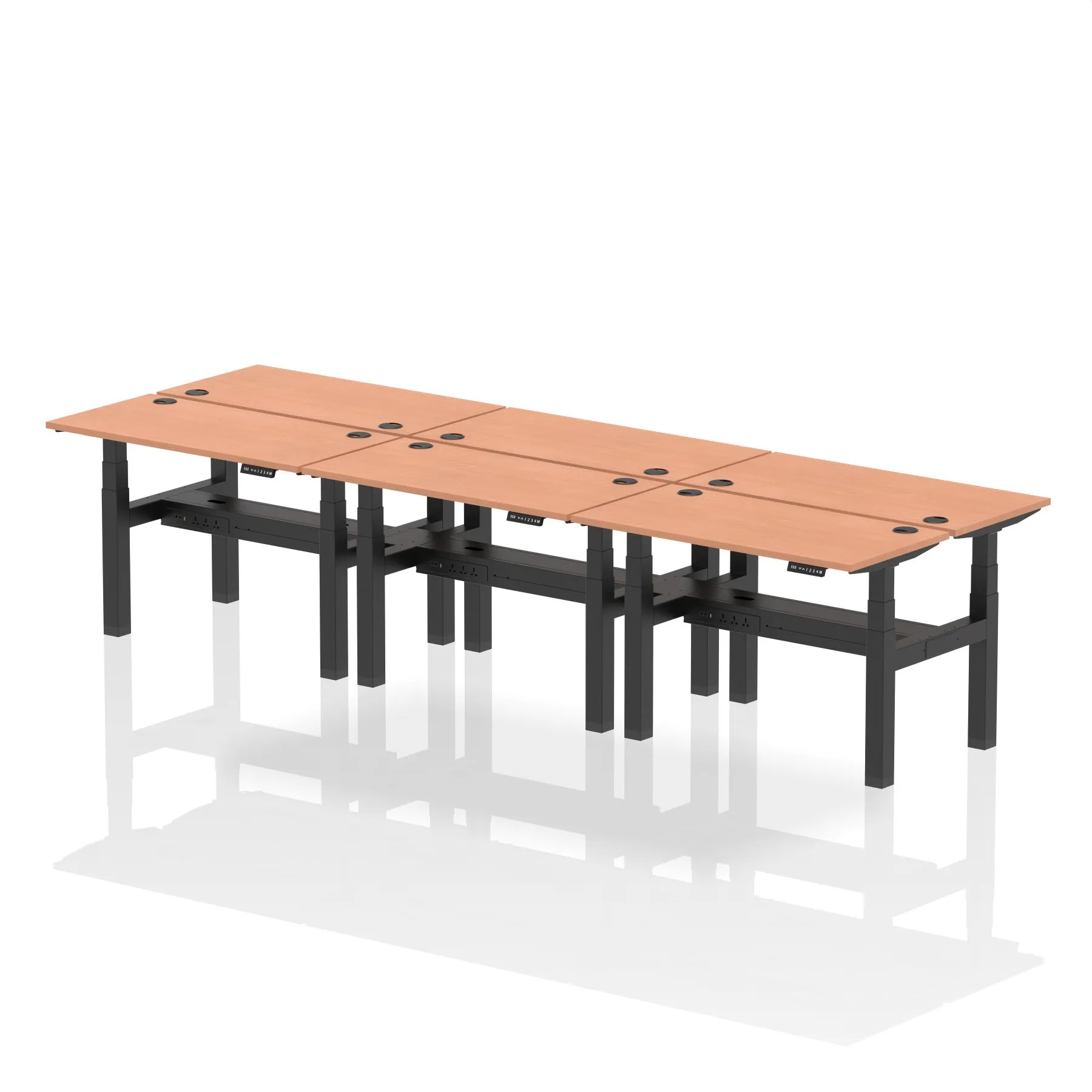
Height adjustable bench desks arranged back to back, so two rows of people face each other across a shared frame. The efficient way to give a team sit-stand without the floor area individual desks would need.
Why back-to-back rather than individual
Two rows on one frame use noticeably less floor area per person than two rows of separate desks, because the frame and the clearance are shared.
Power is the bigger saving. One supply feeds the run rather than each desk needing its own, which cuts both the installation cost and the number of floor boxes.
The trade-off to understand
On most back-to-back systems, each side adjusts independently, but people are working closely together. Someone standing while their neighbour sits changes the feel of the row, and not everyone likes it.
It is worth specifying desktop and bench screens at the same time rather than after the first complaint.
Cable management is not optional here
Two rows of moving desks sharing one supply means considerably more cable than a fixed bench. The Air range has matching flexible spines and linking bars designed for exactly this; see cable management and the Air collection.