
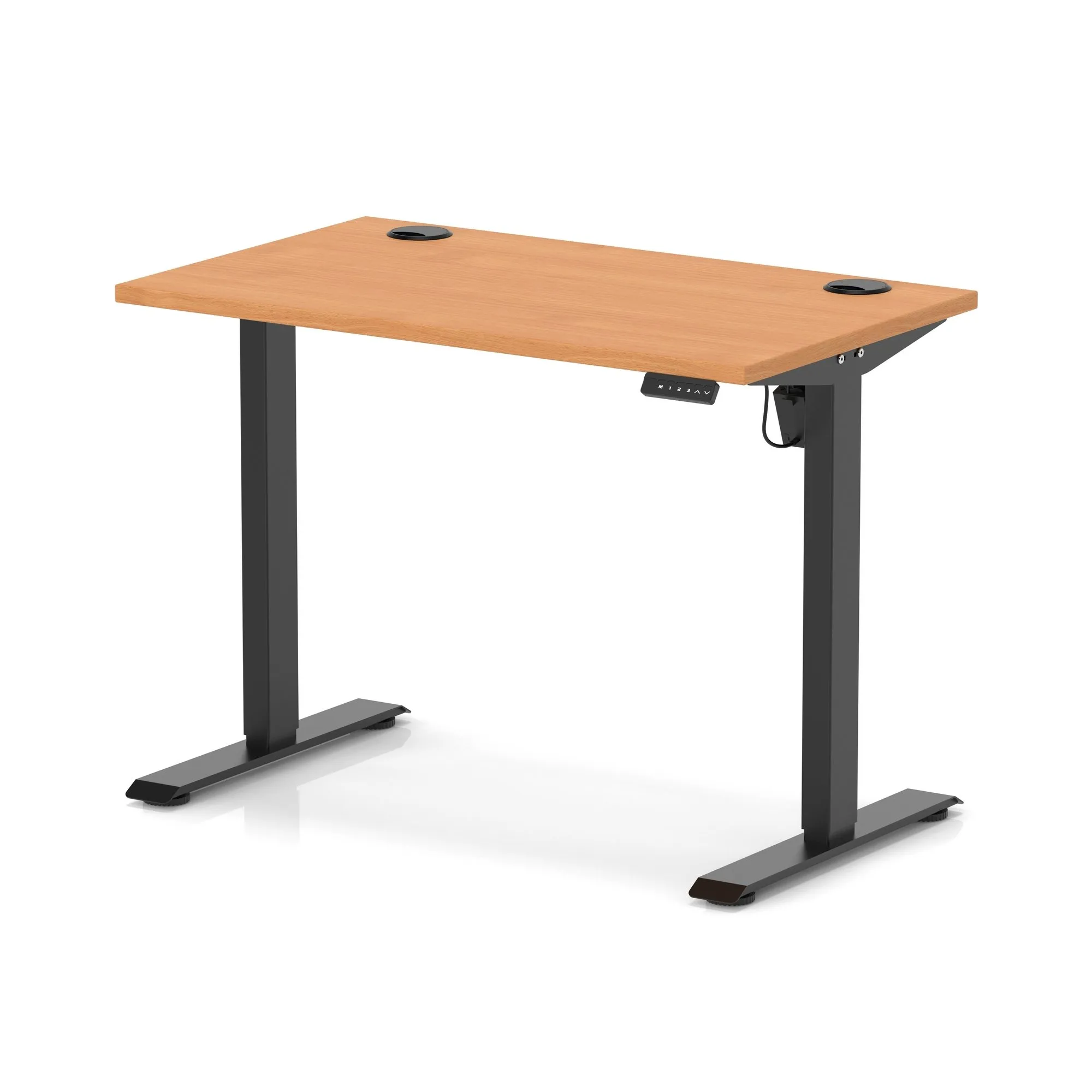
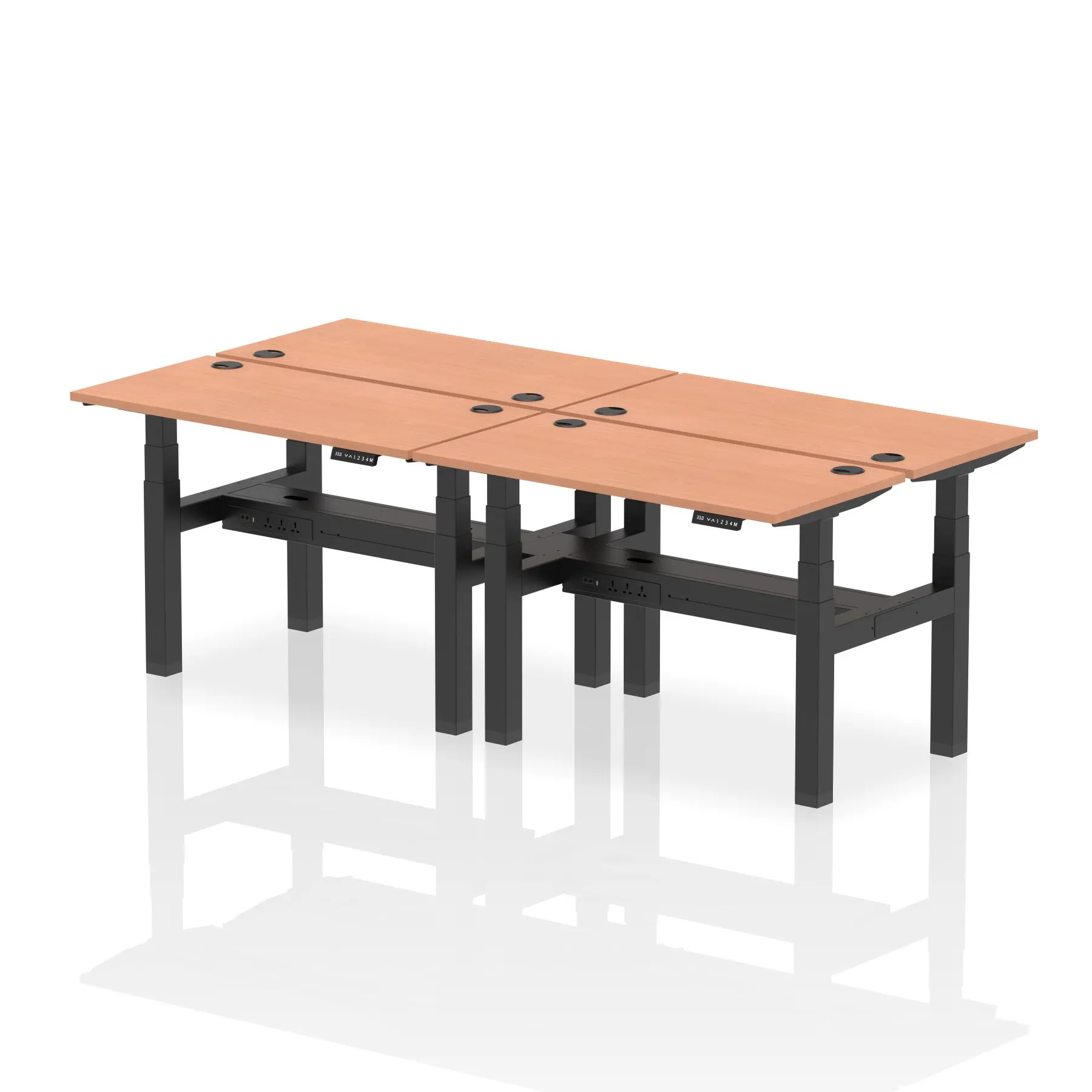
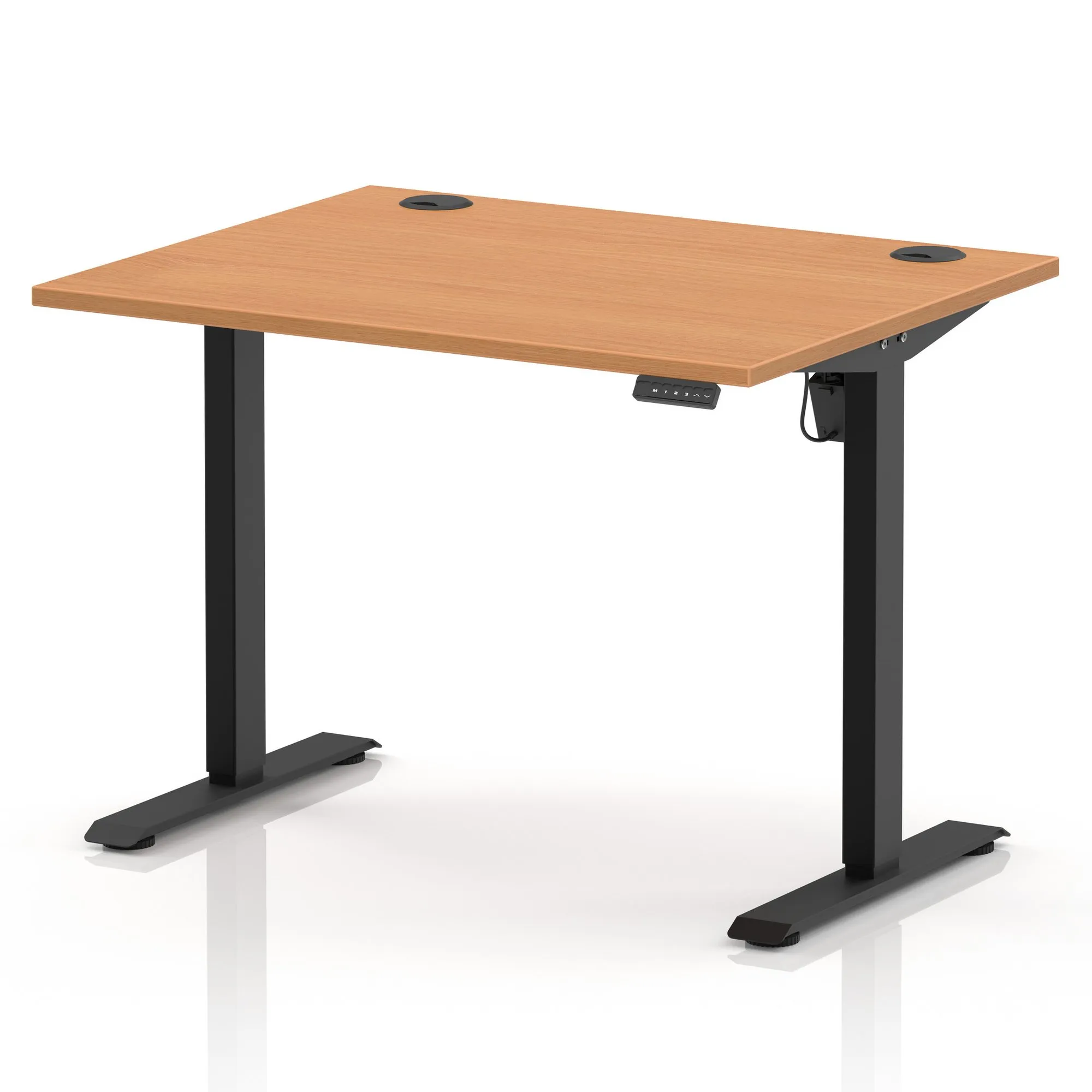
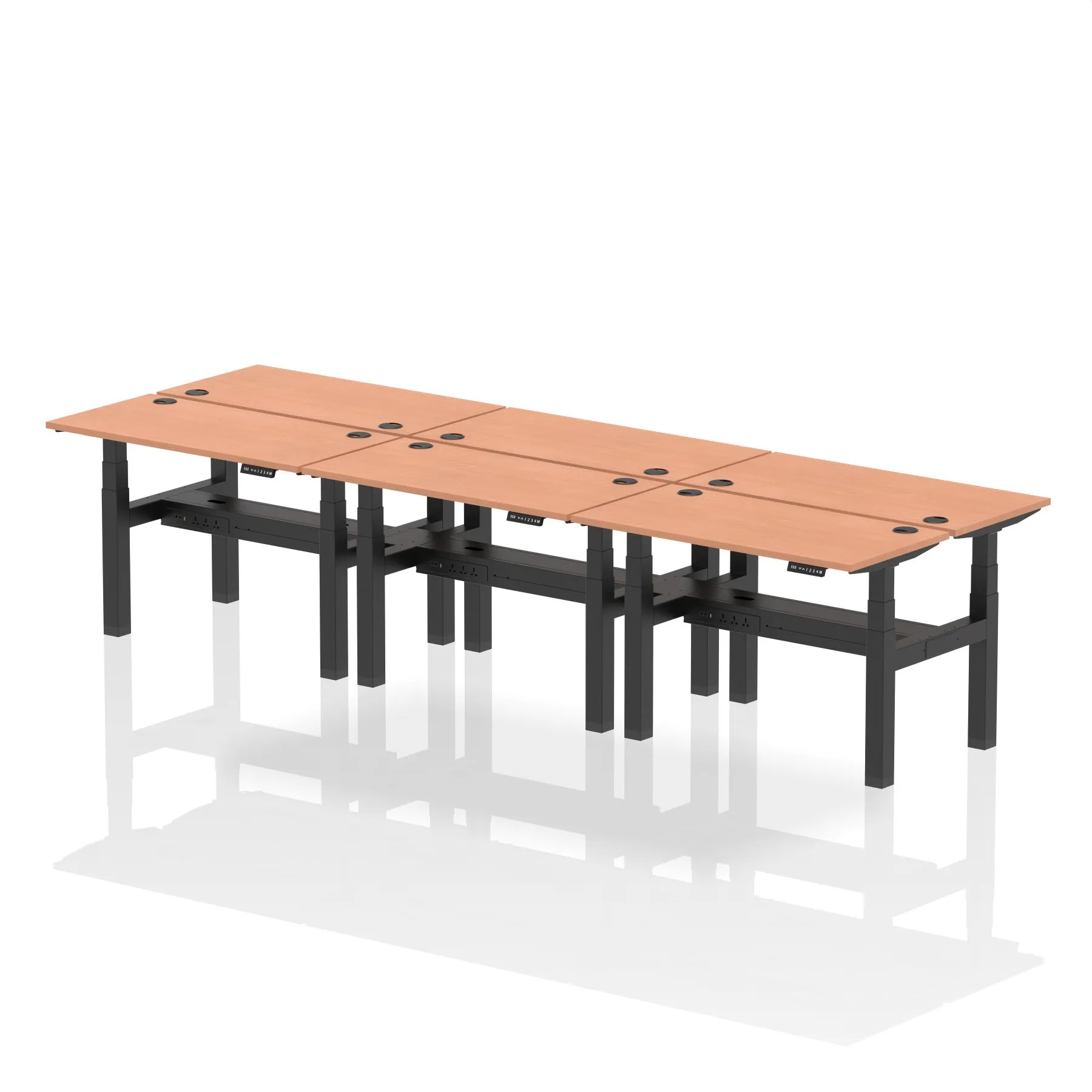
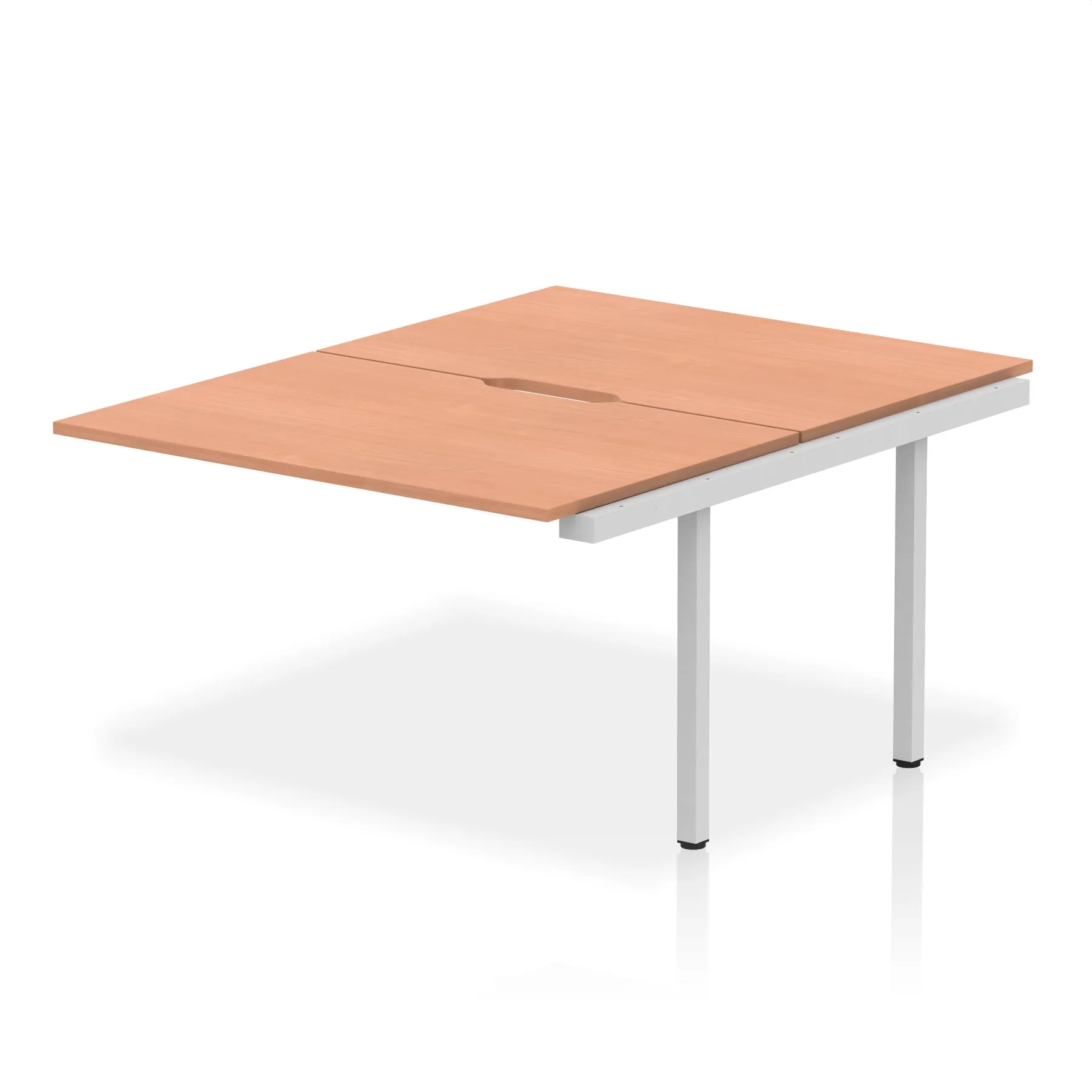
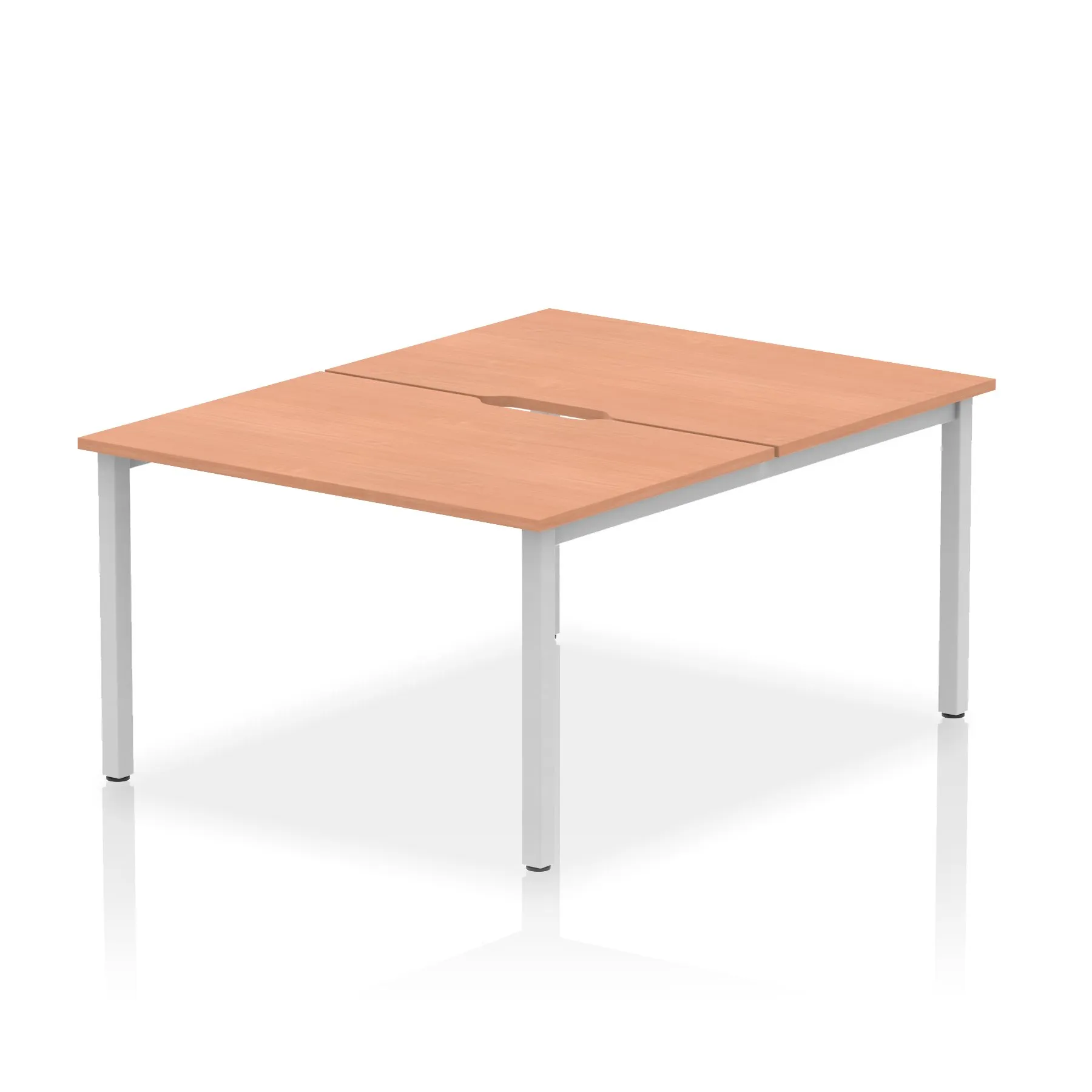
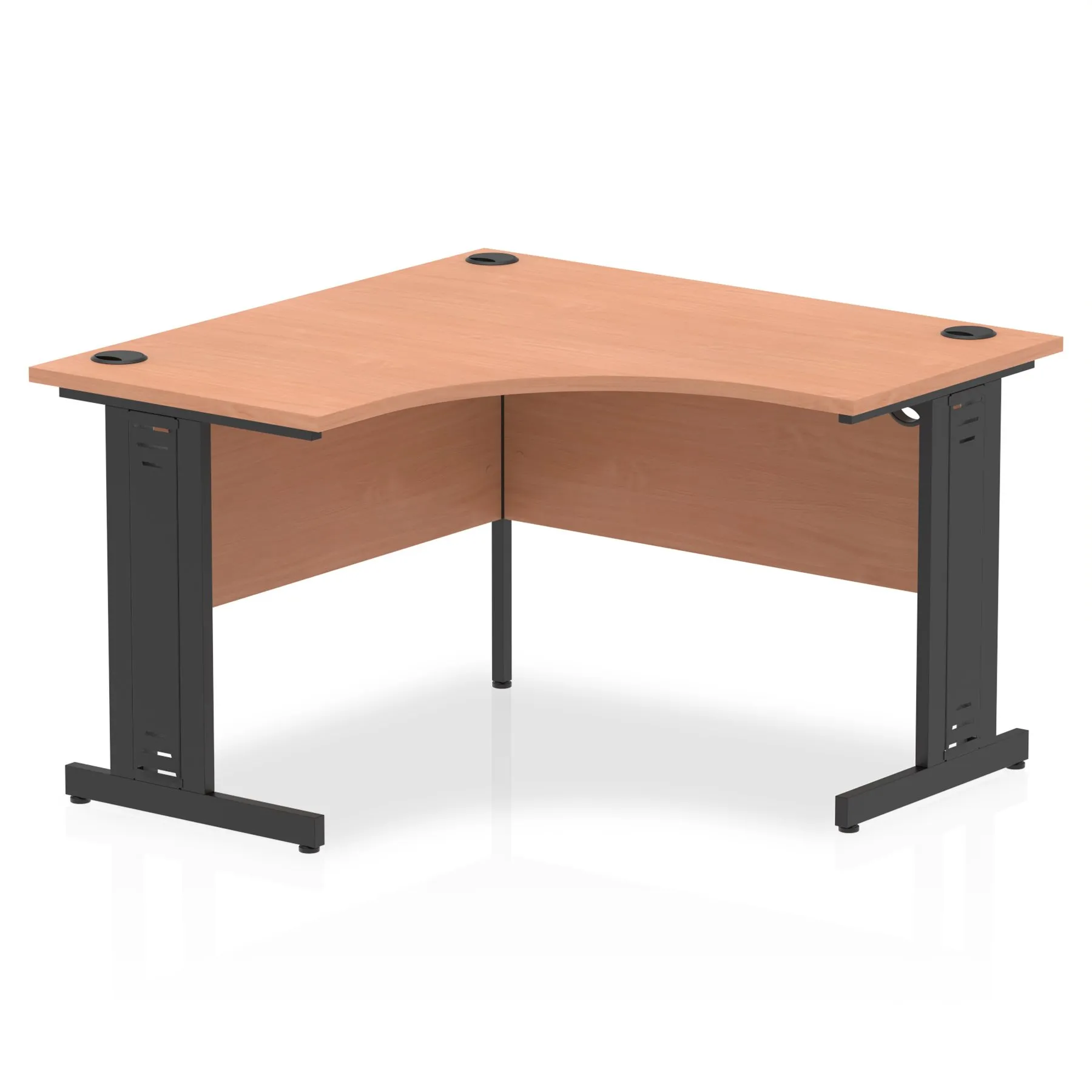
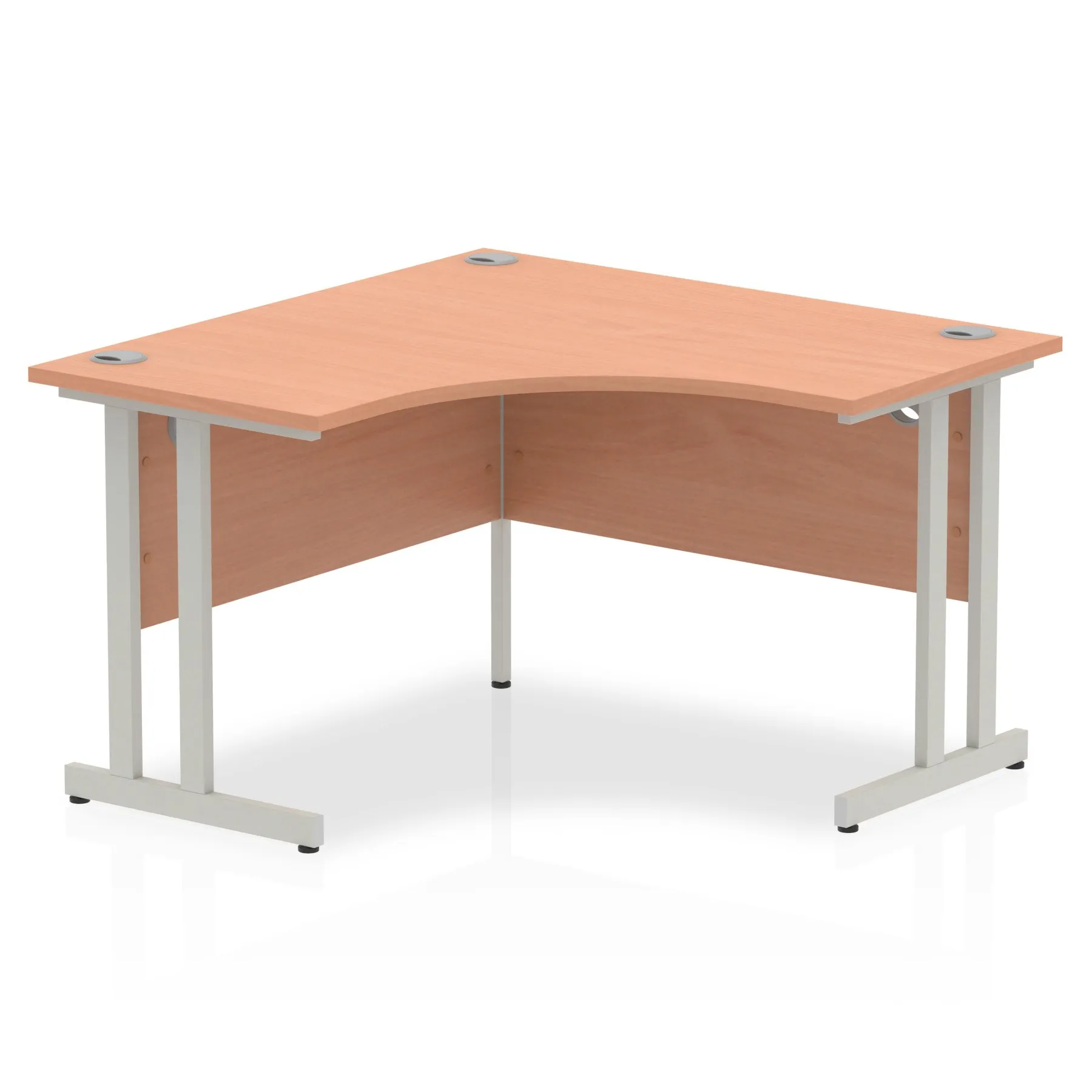
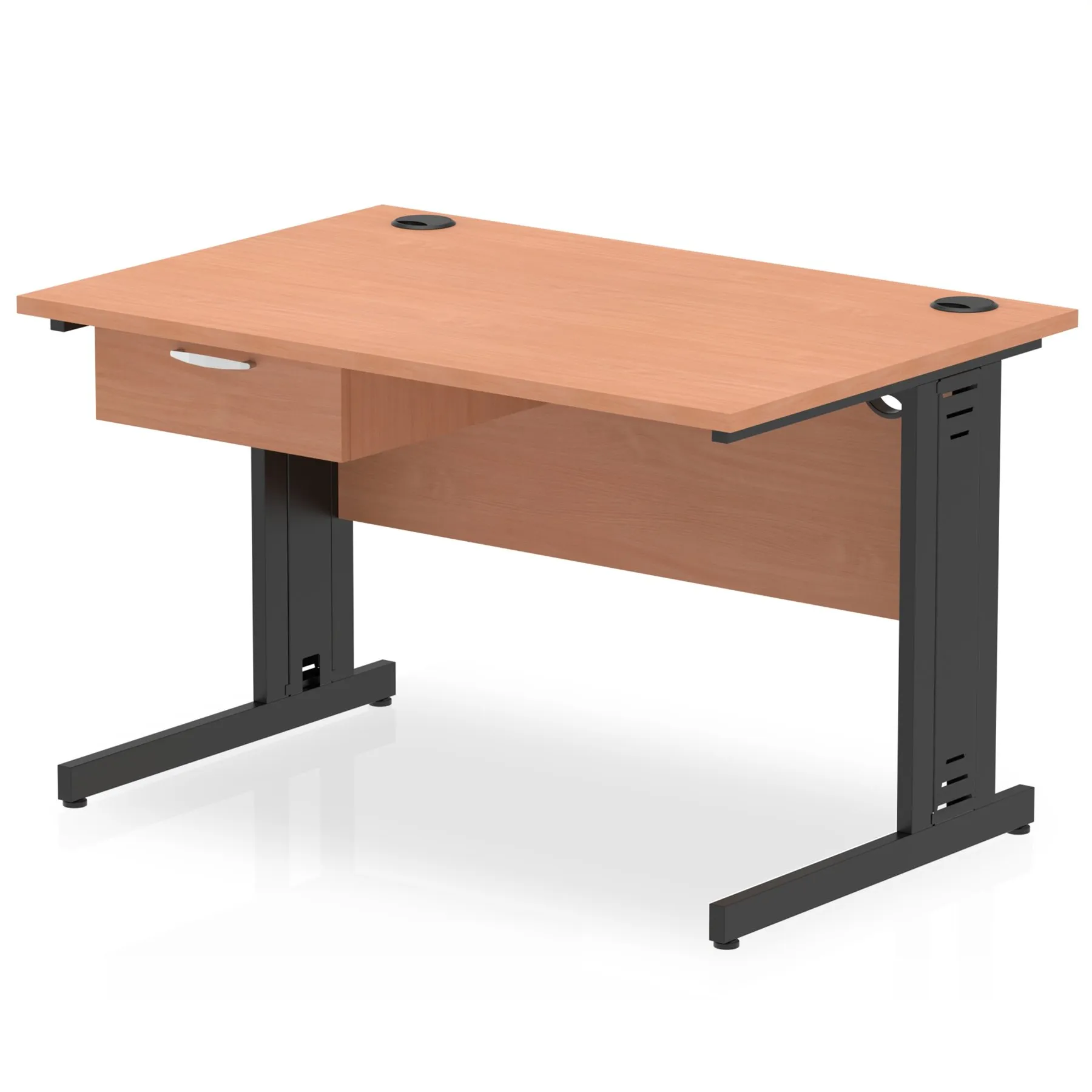
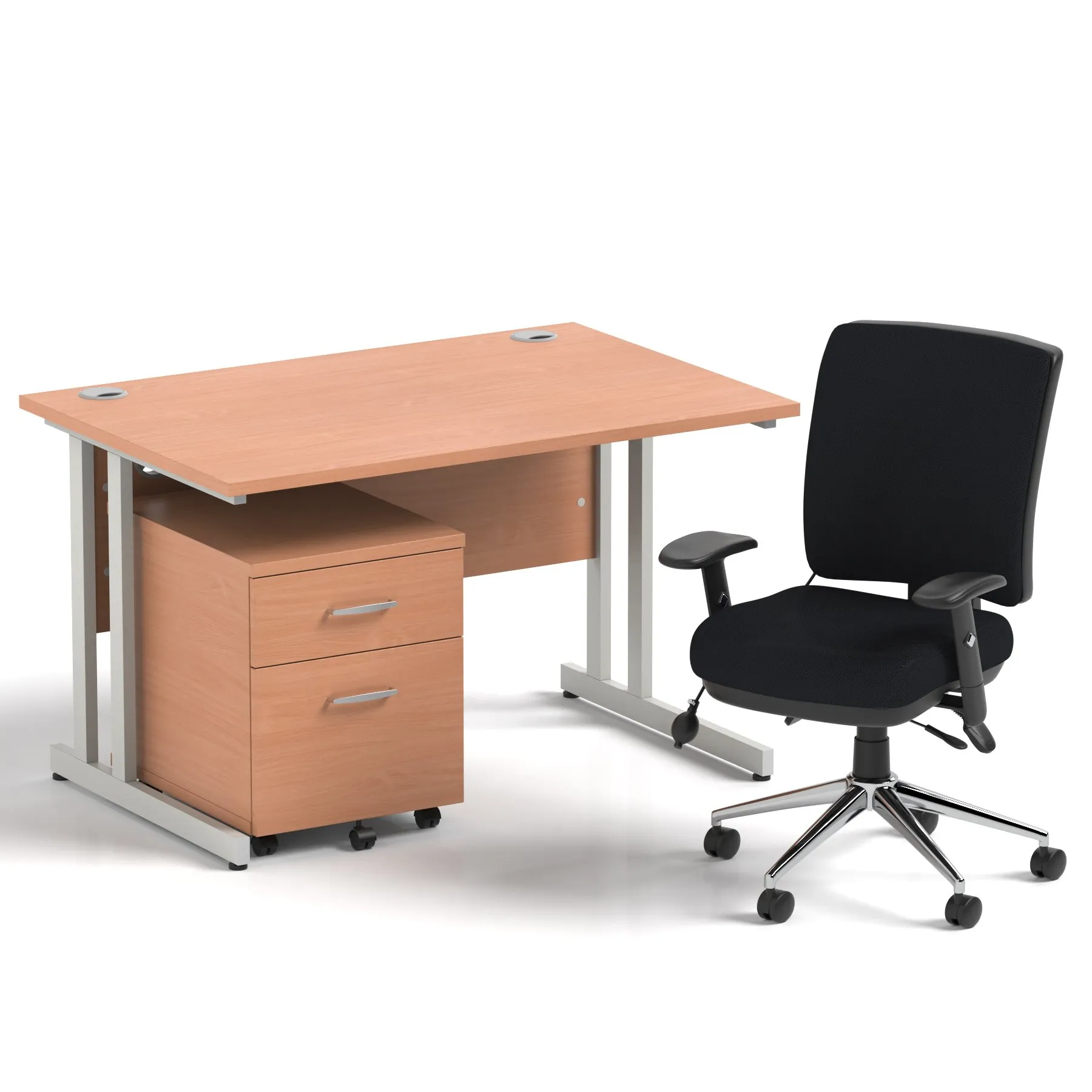
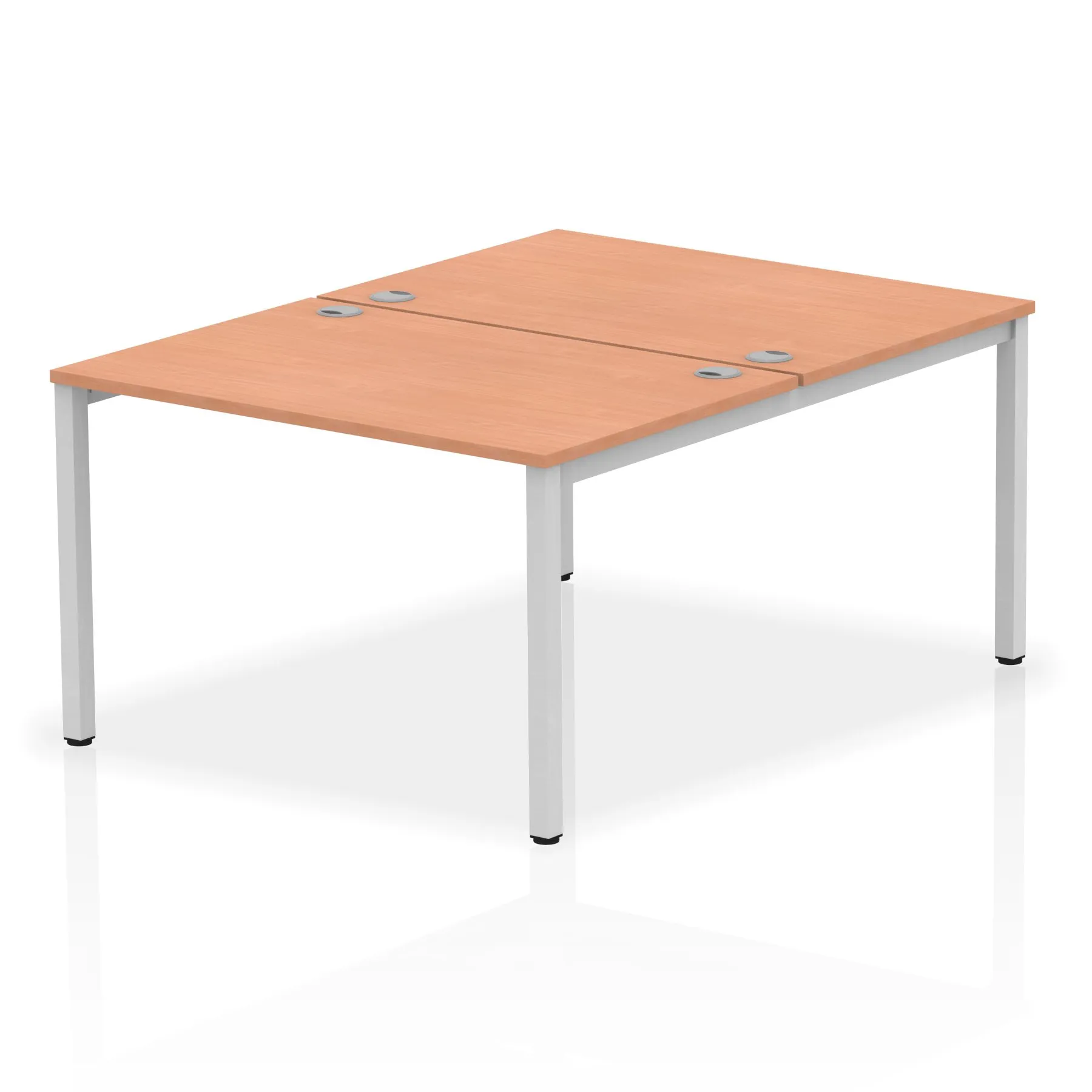
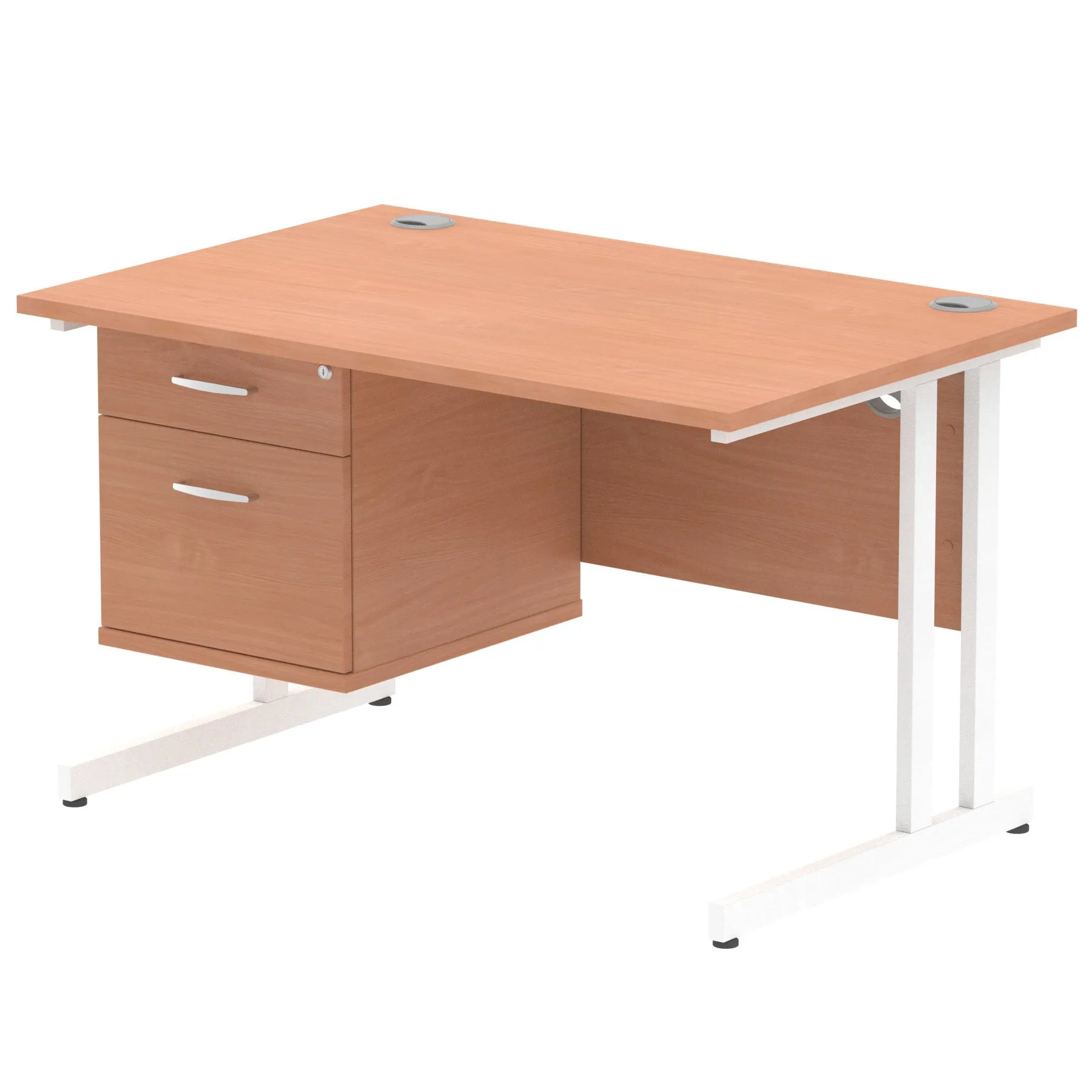
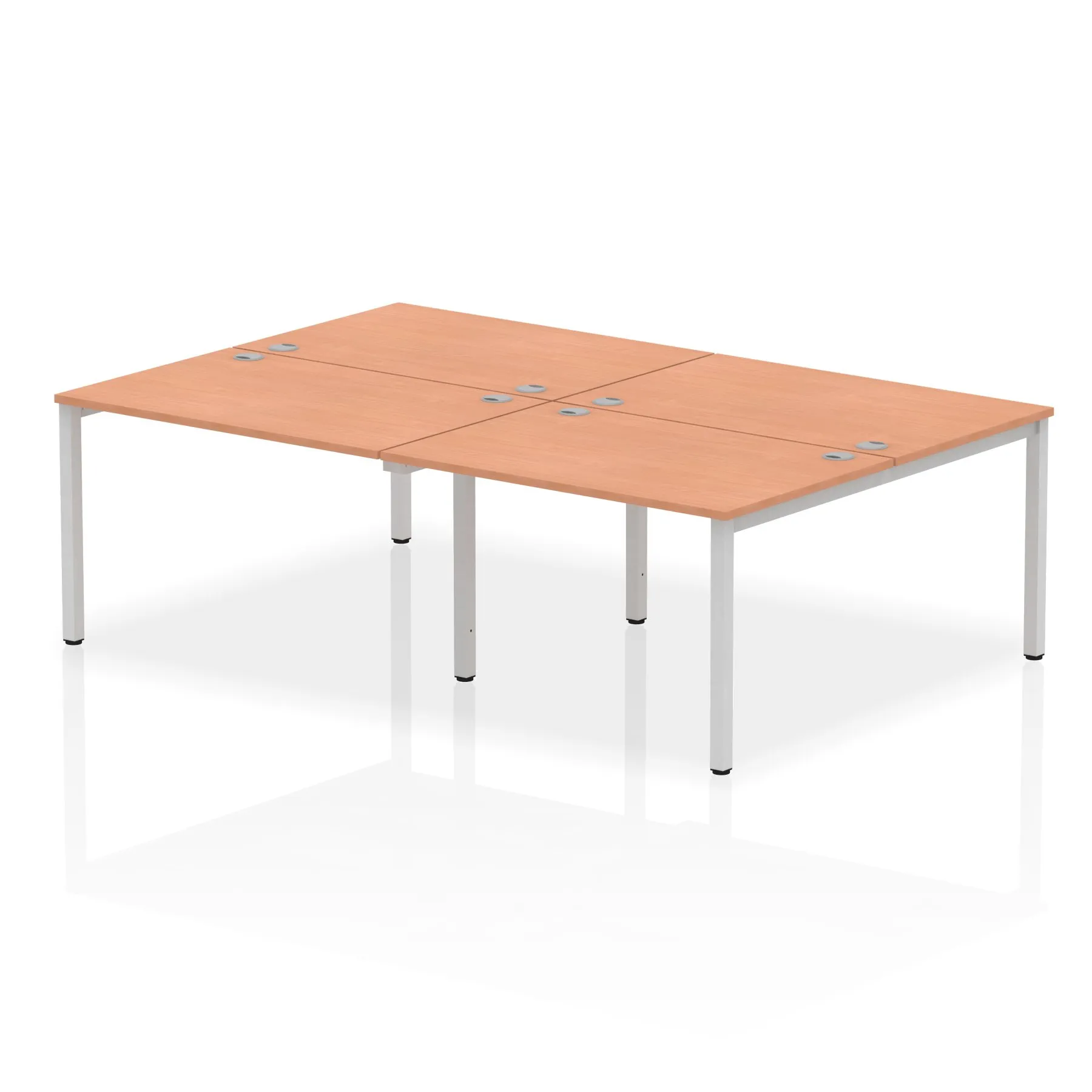
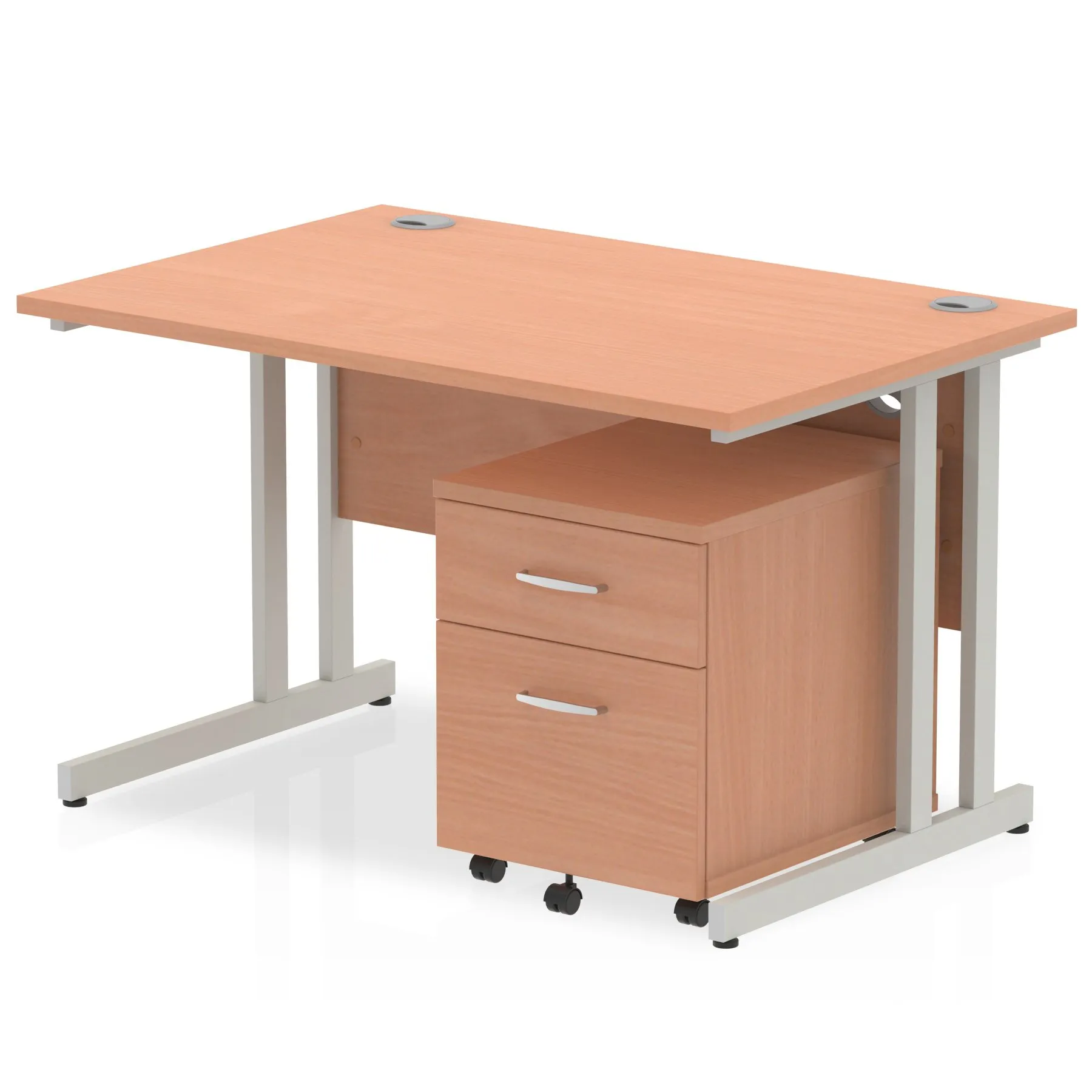
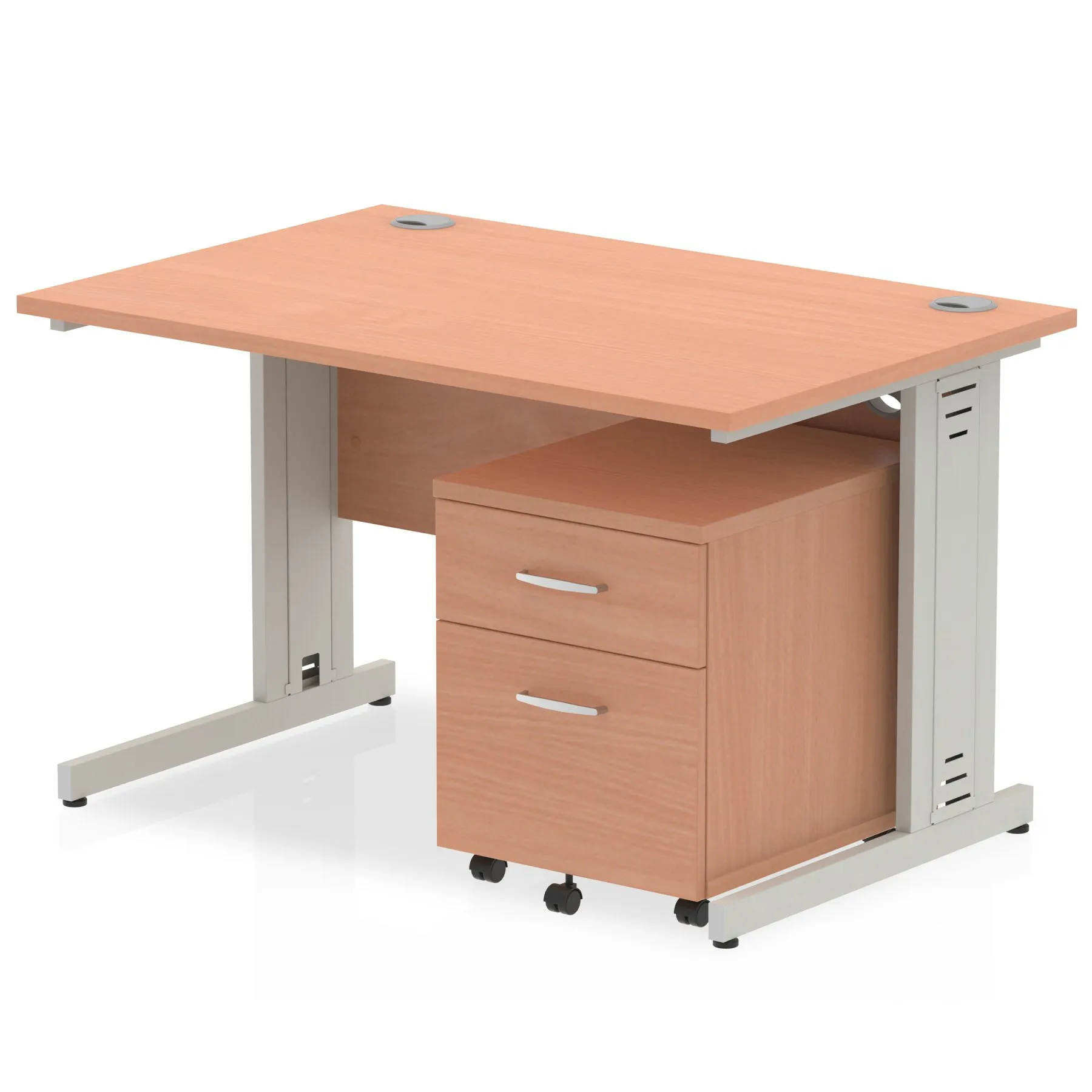
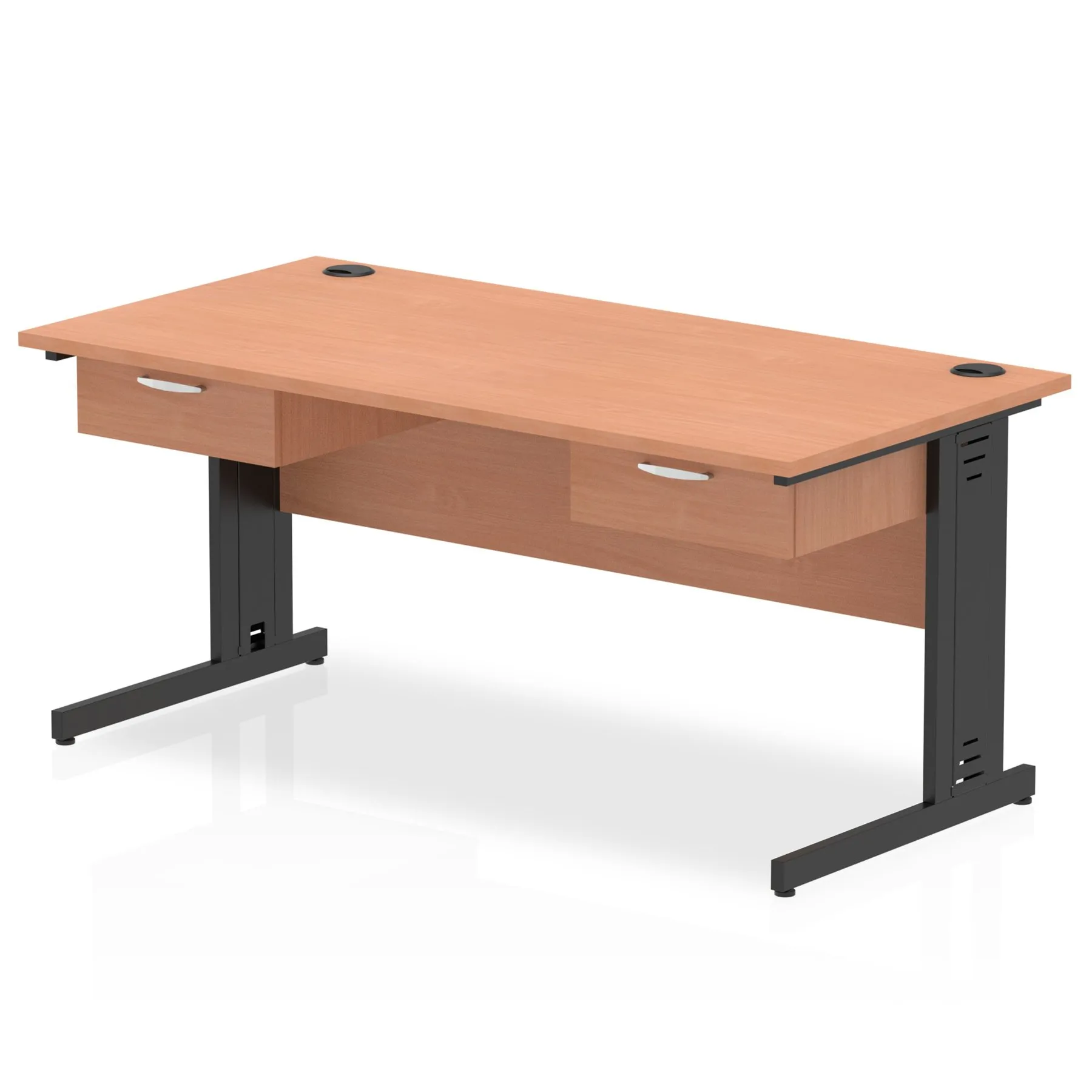
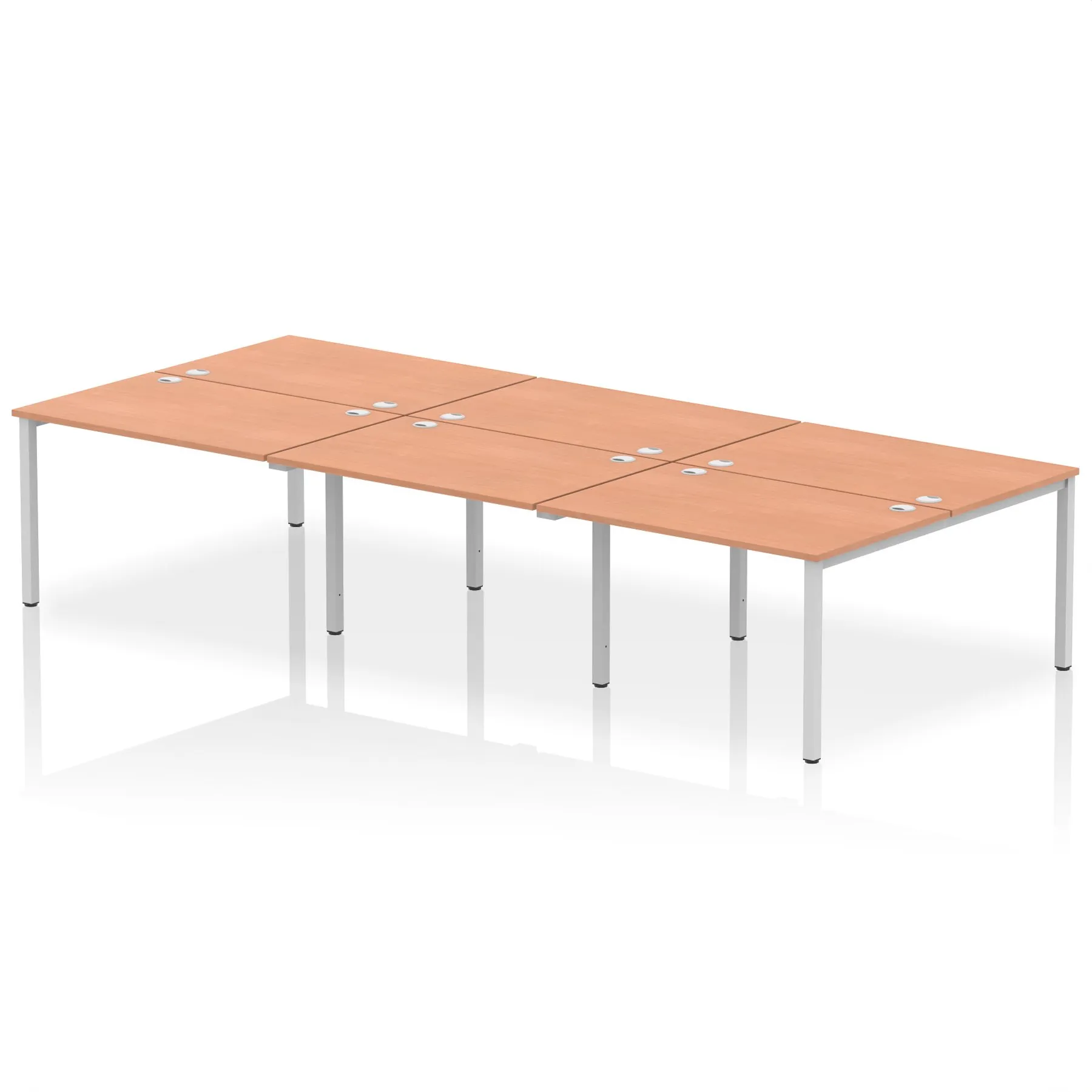
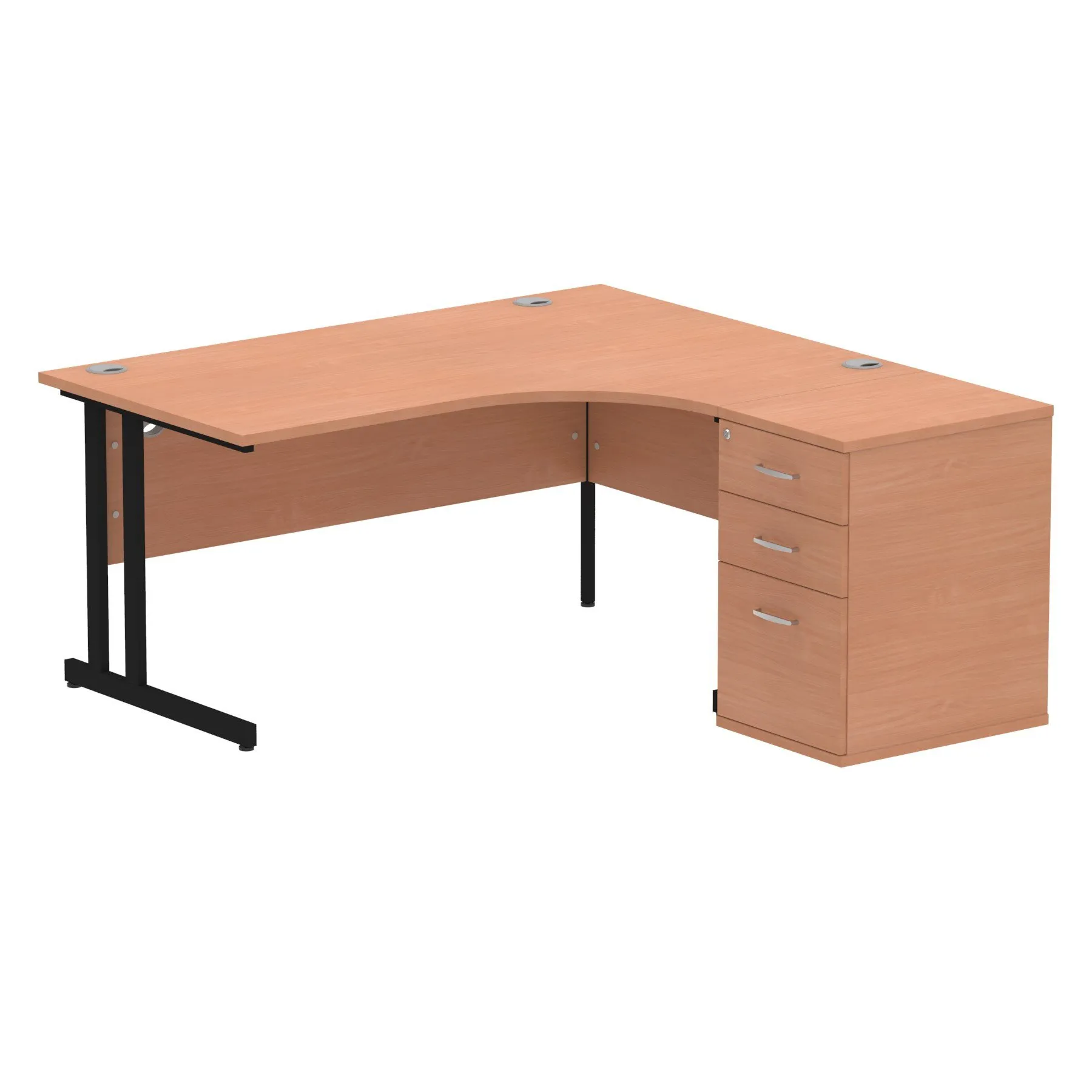
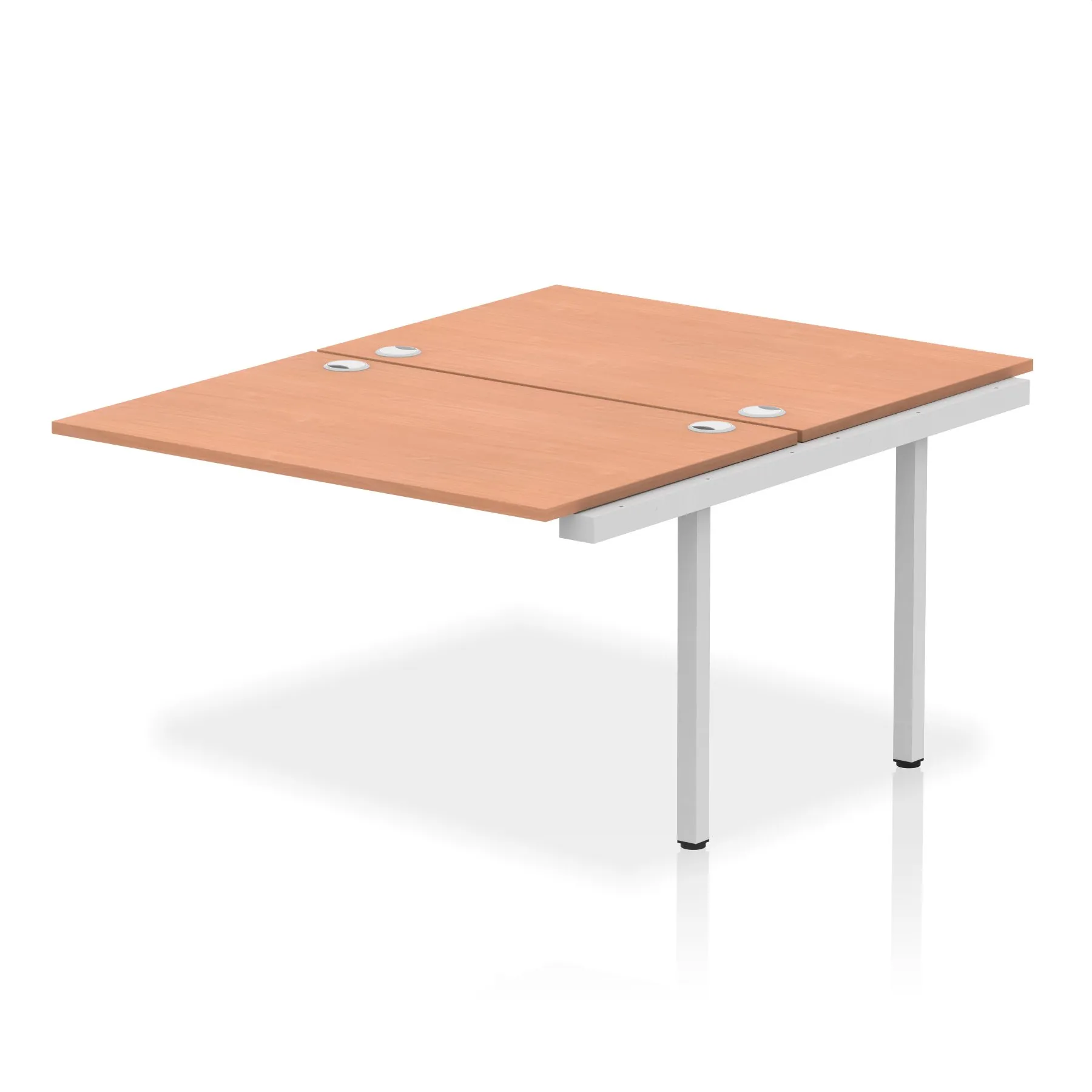
Cable ports, and why they matter
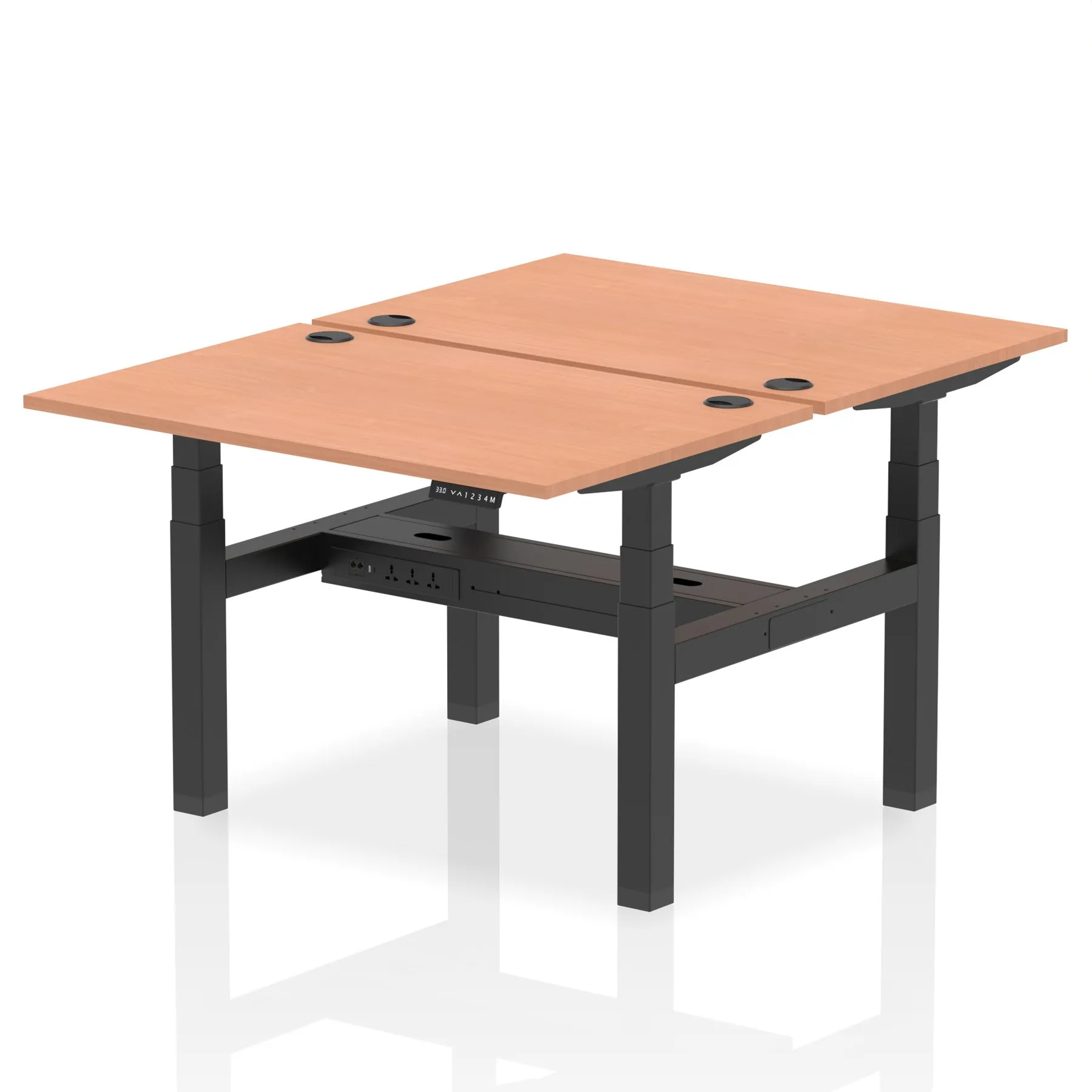
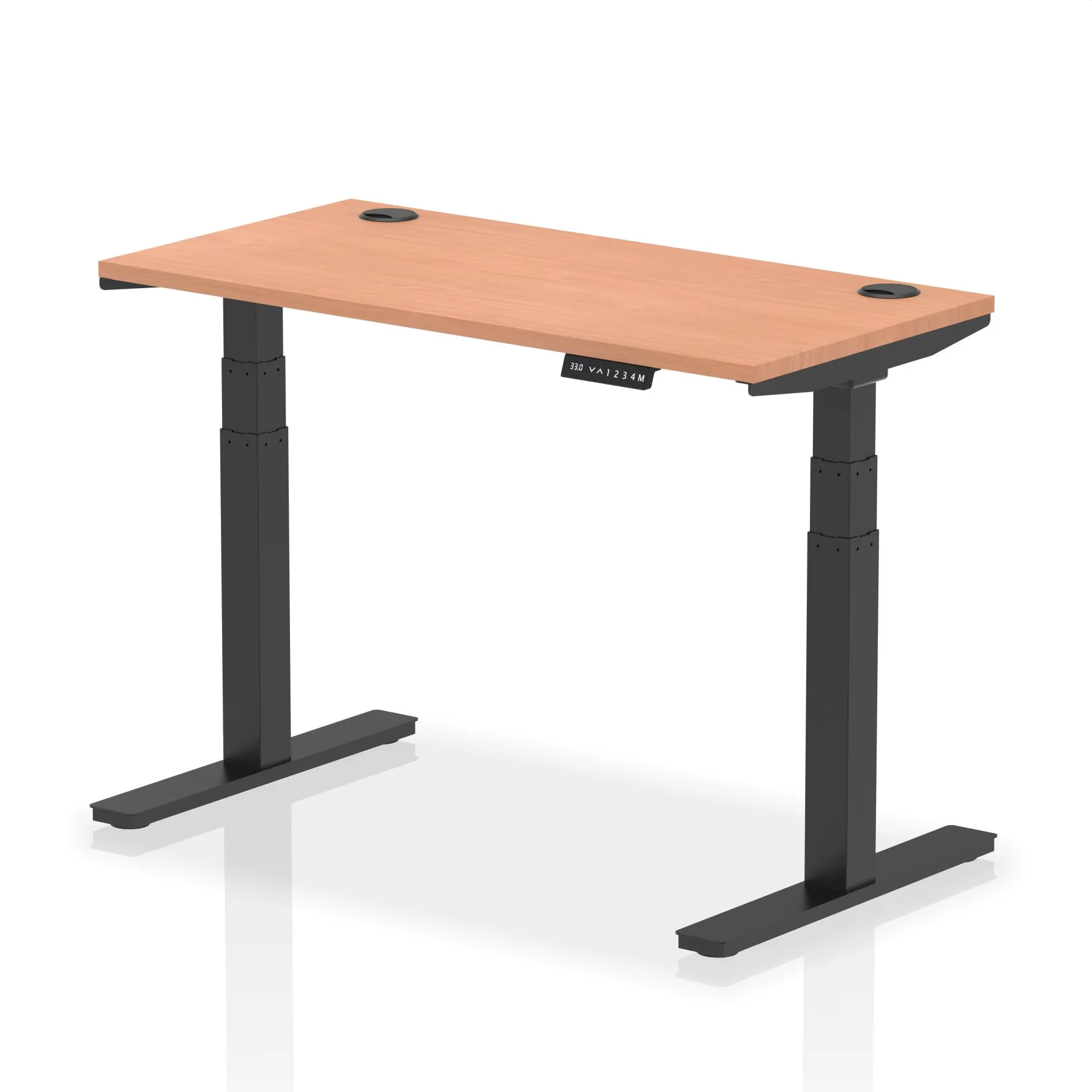
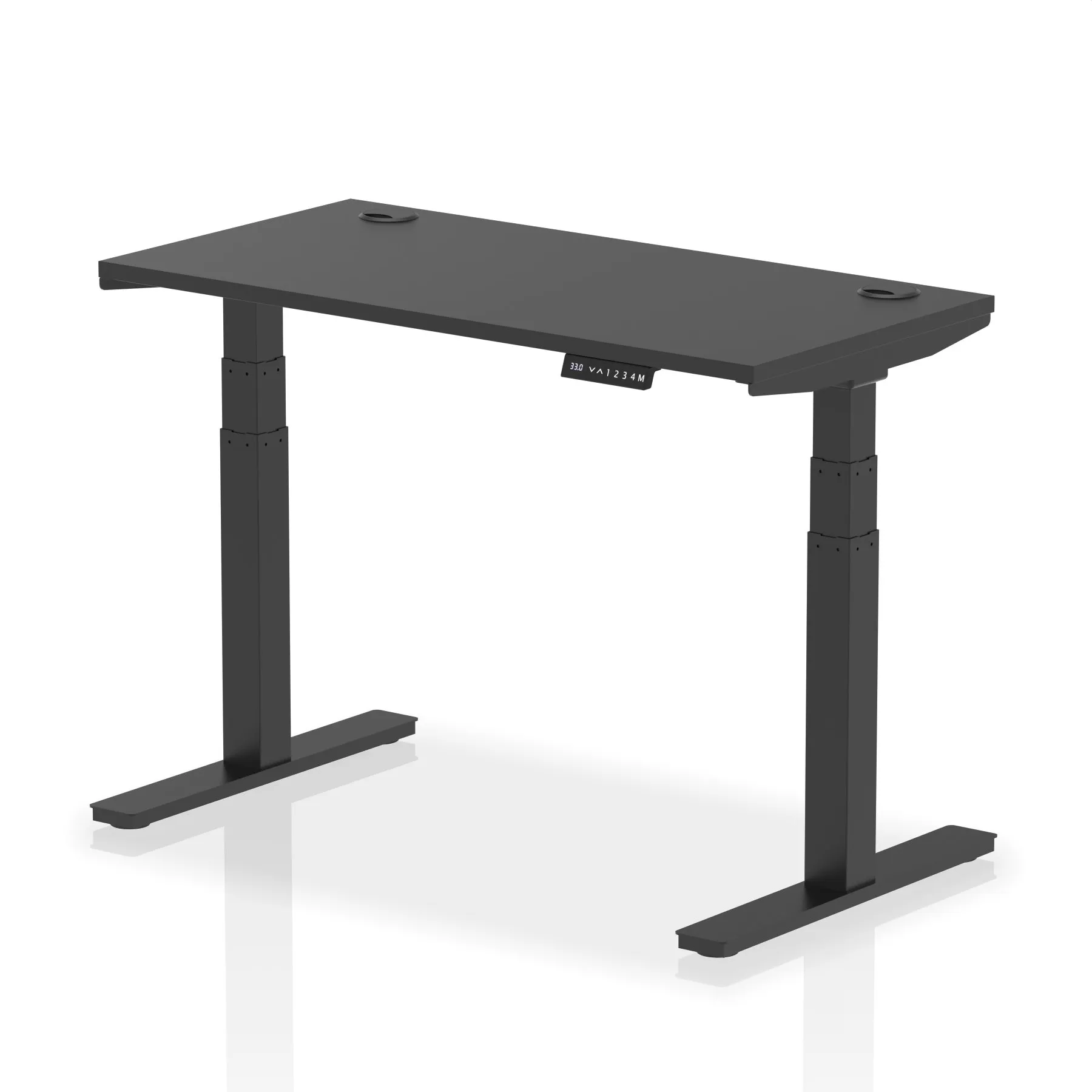
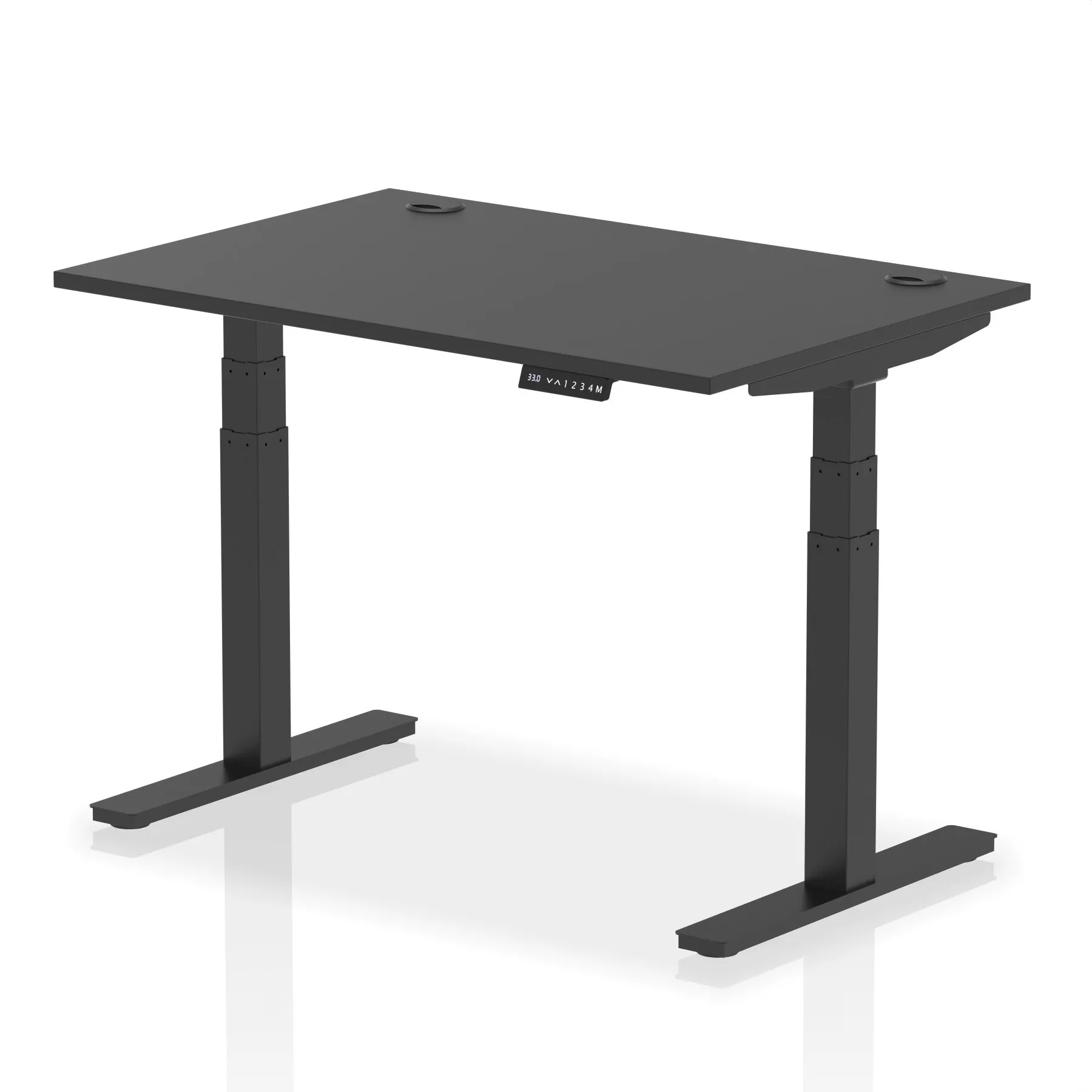
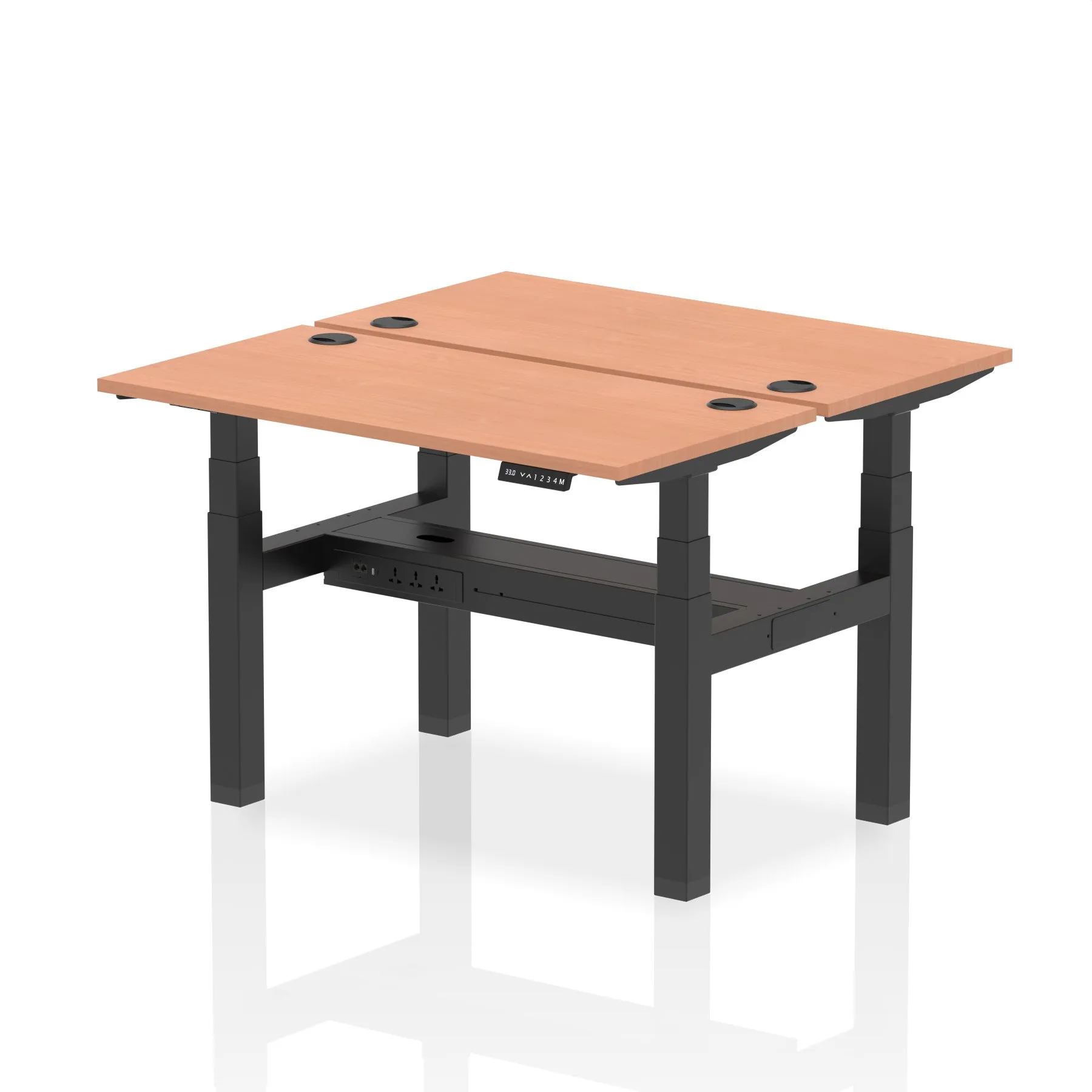
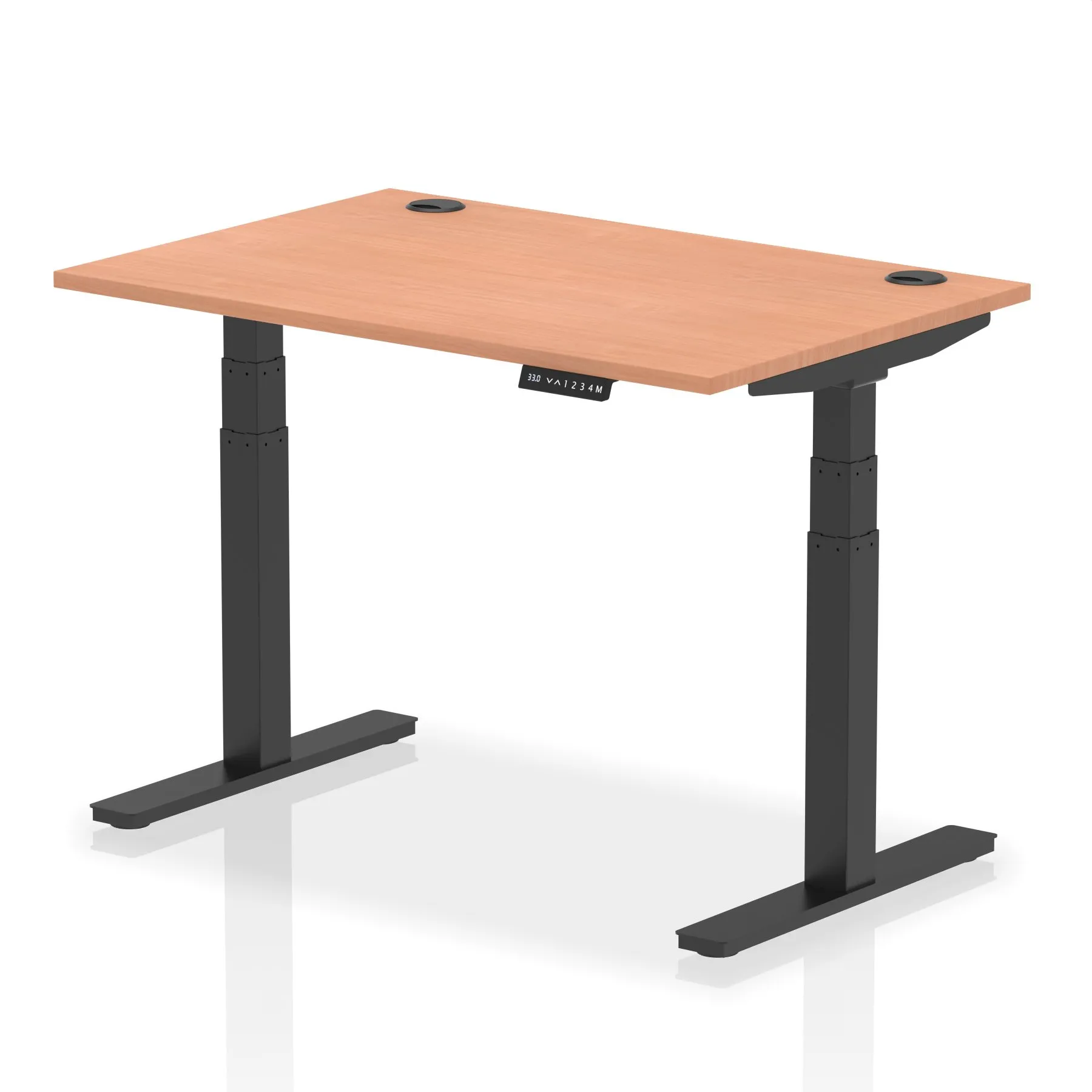
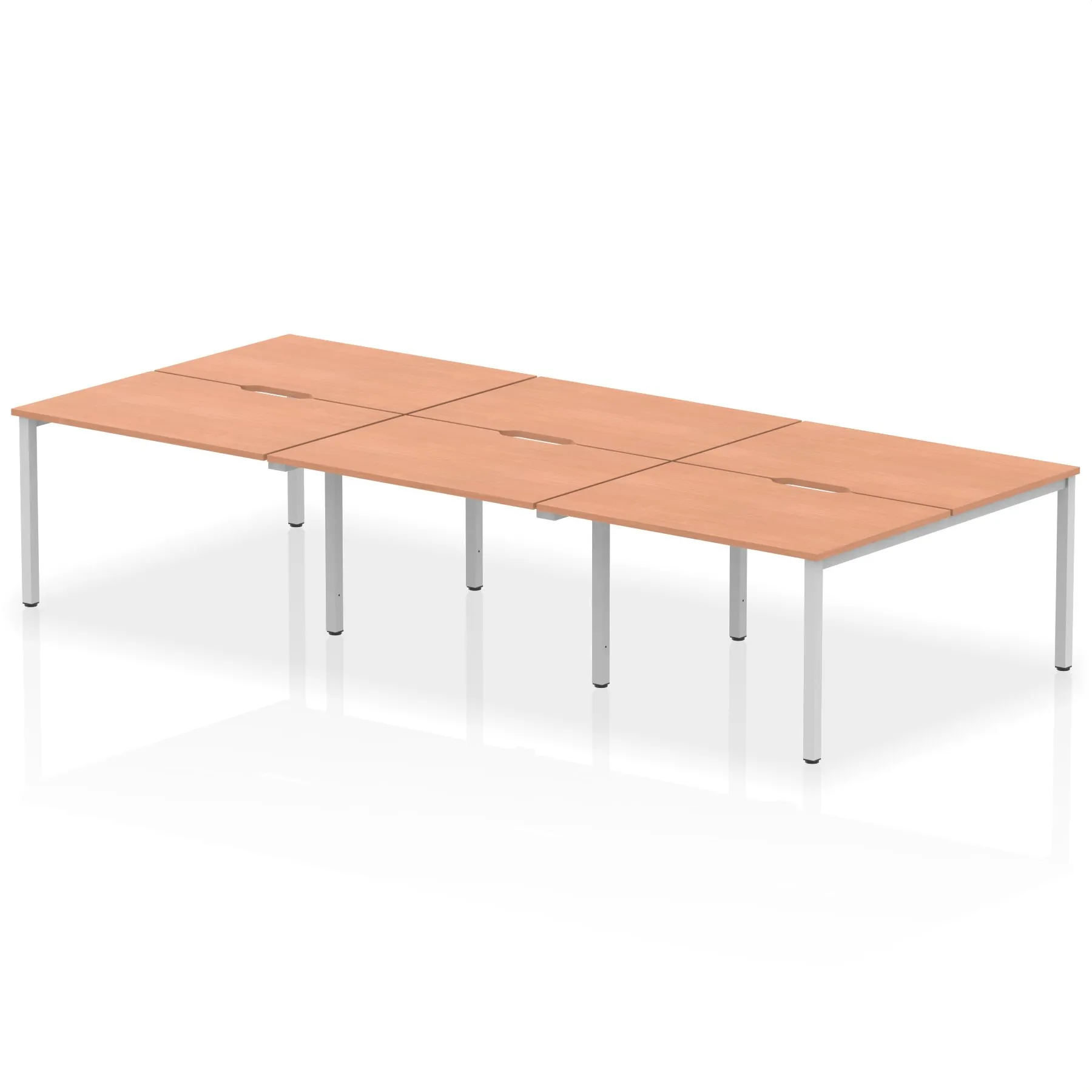
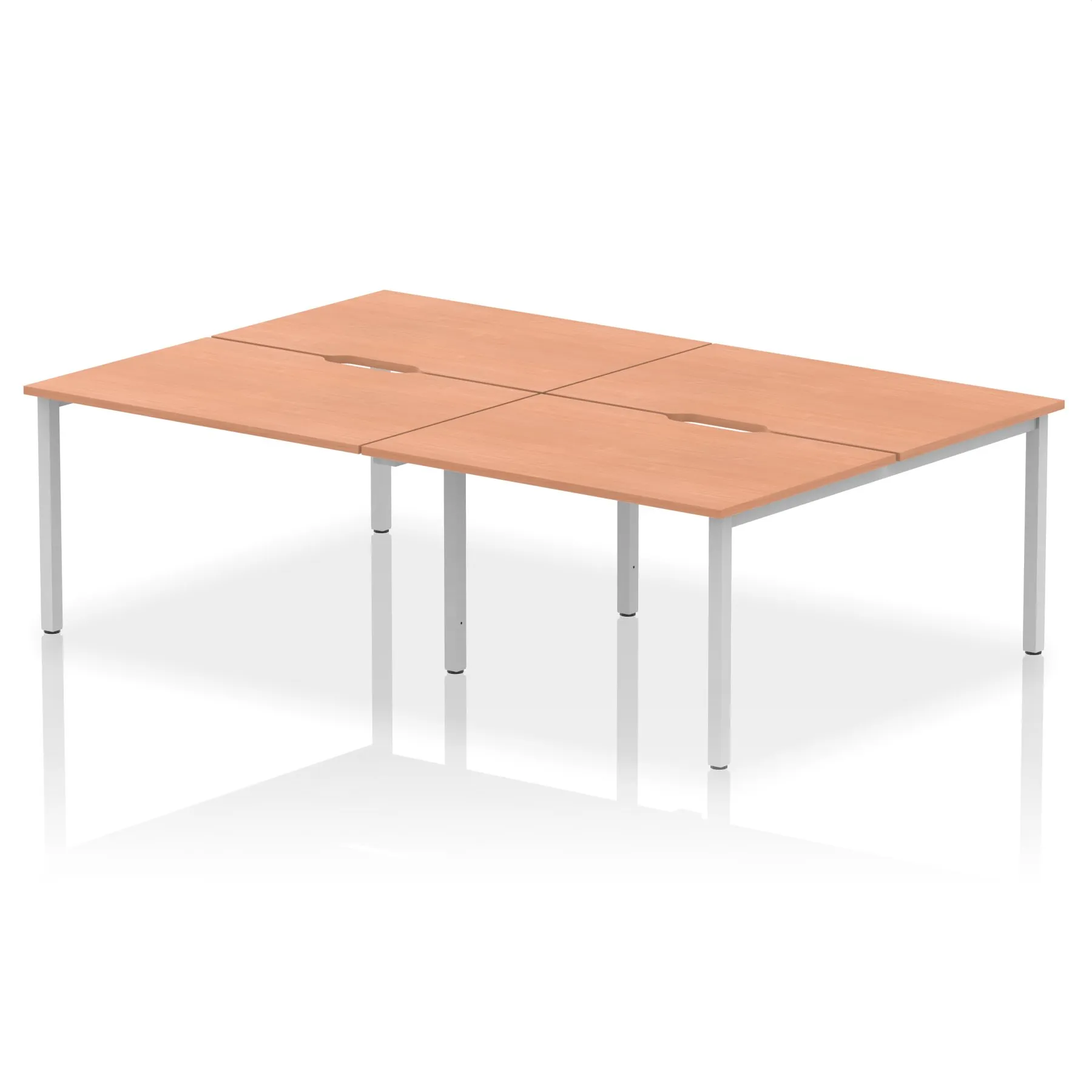
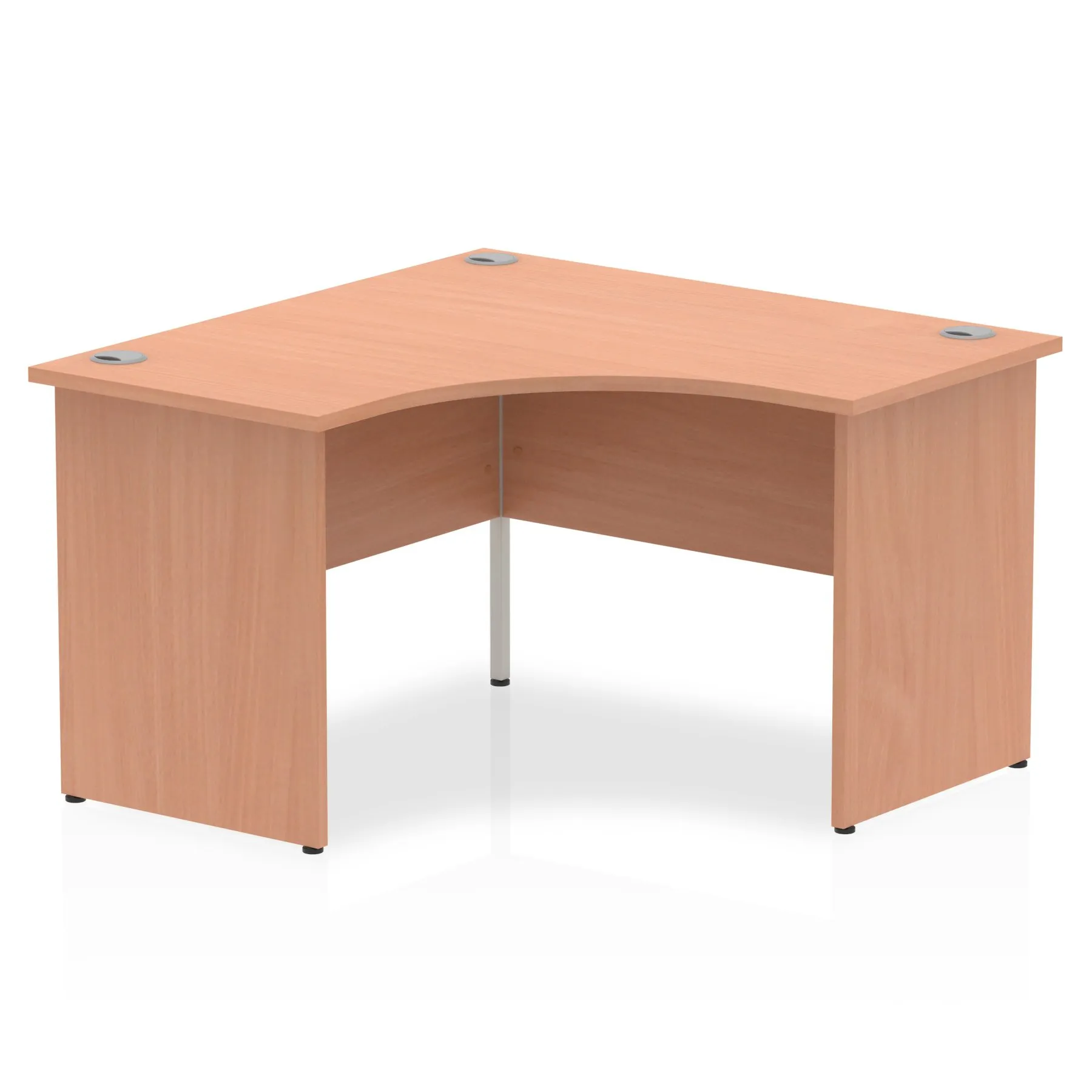
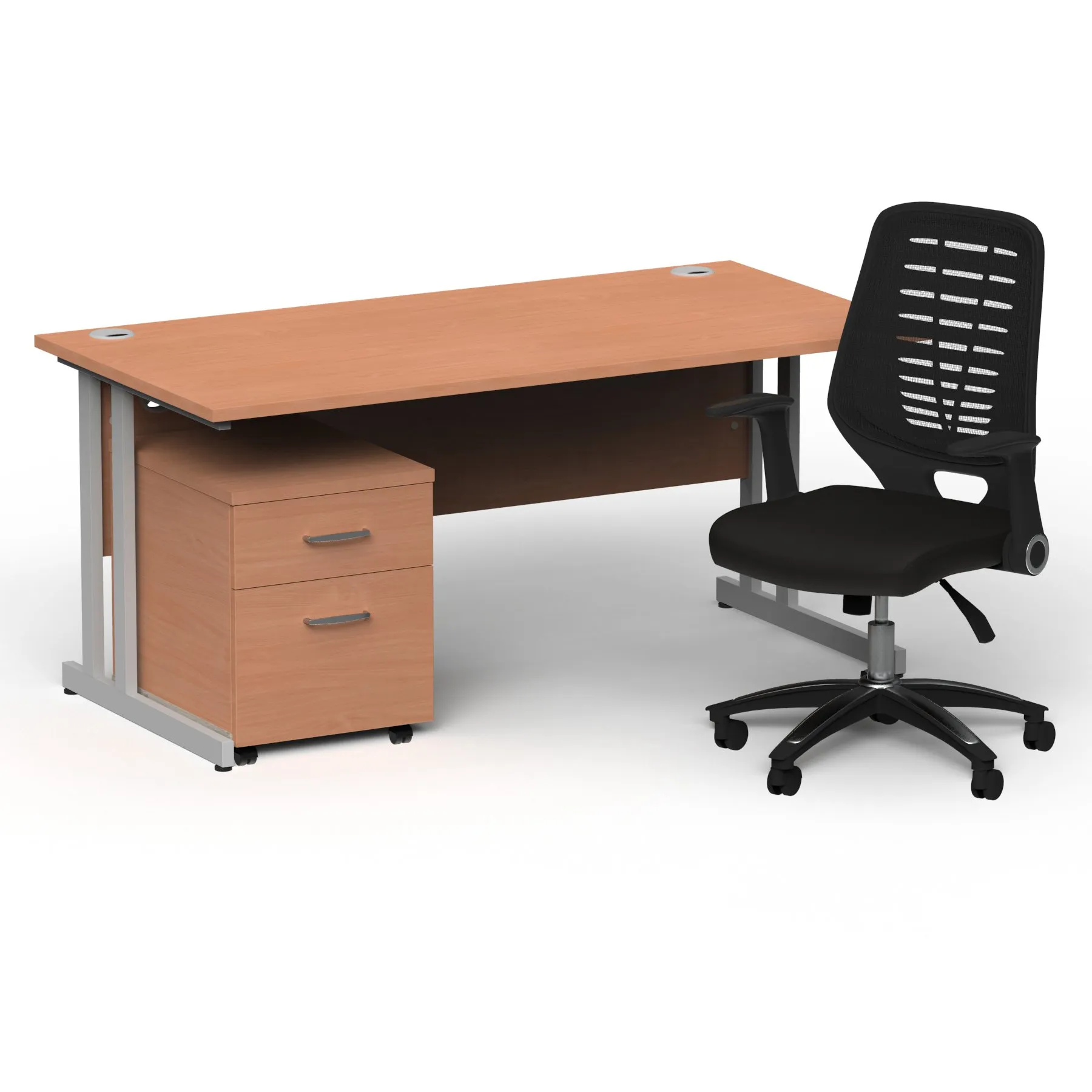
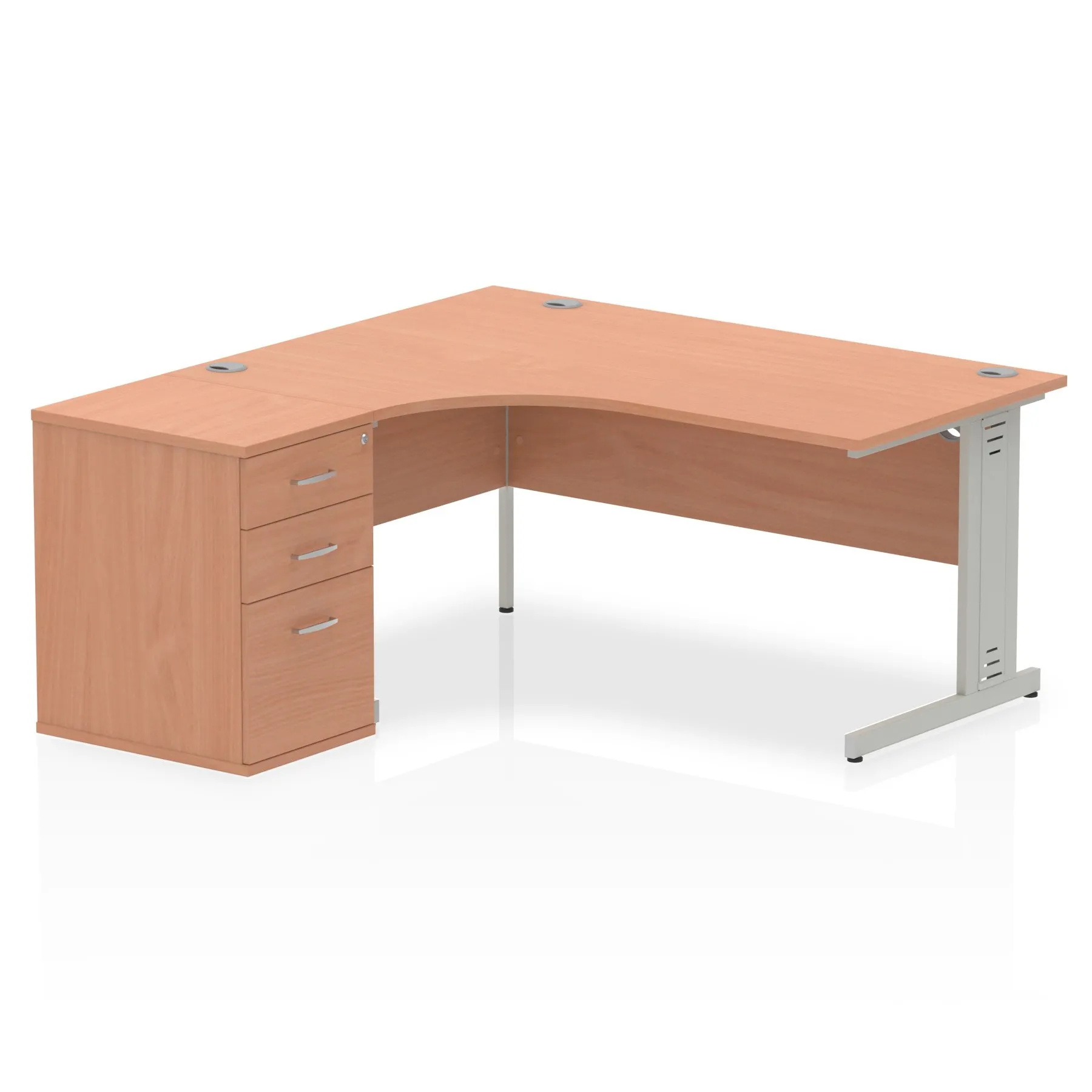
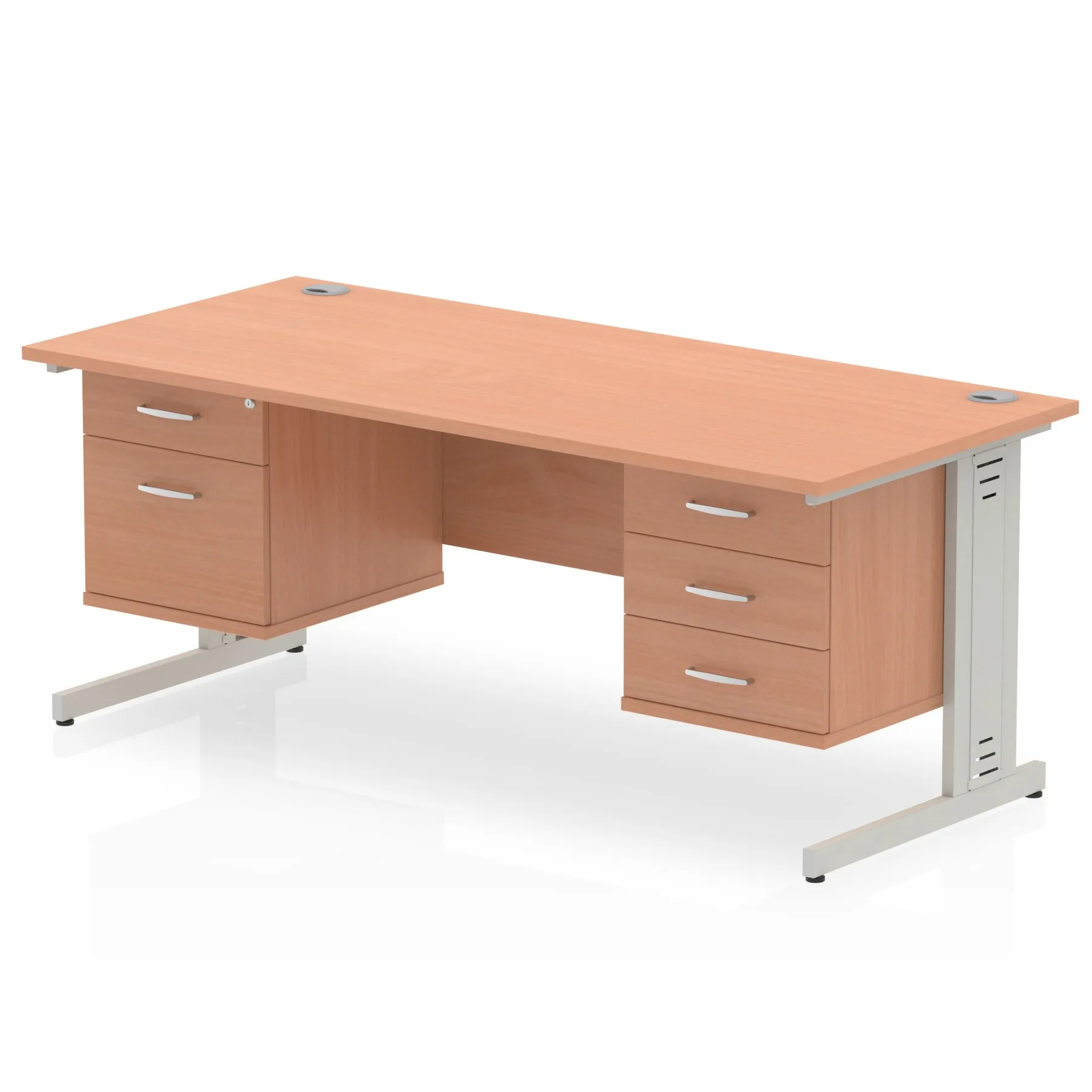
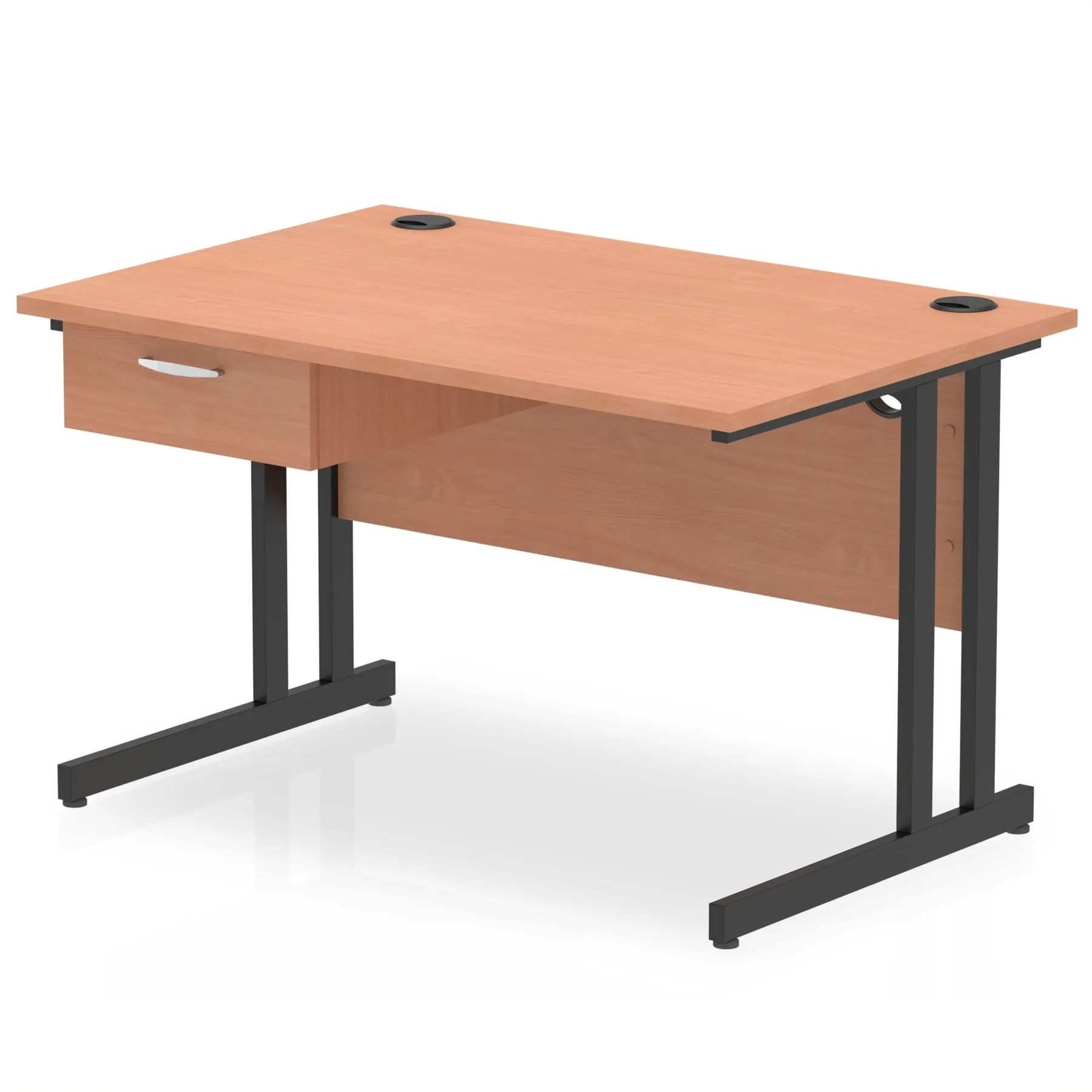
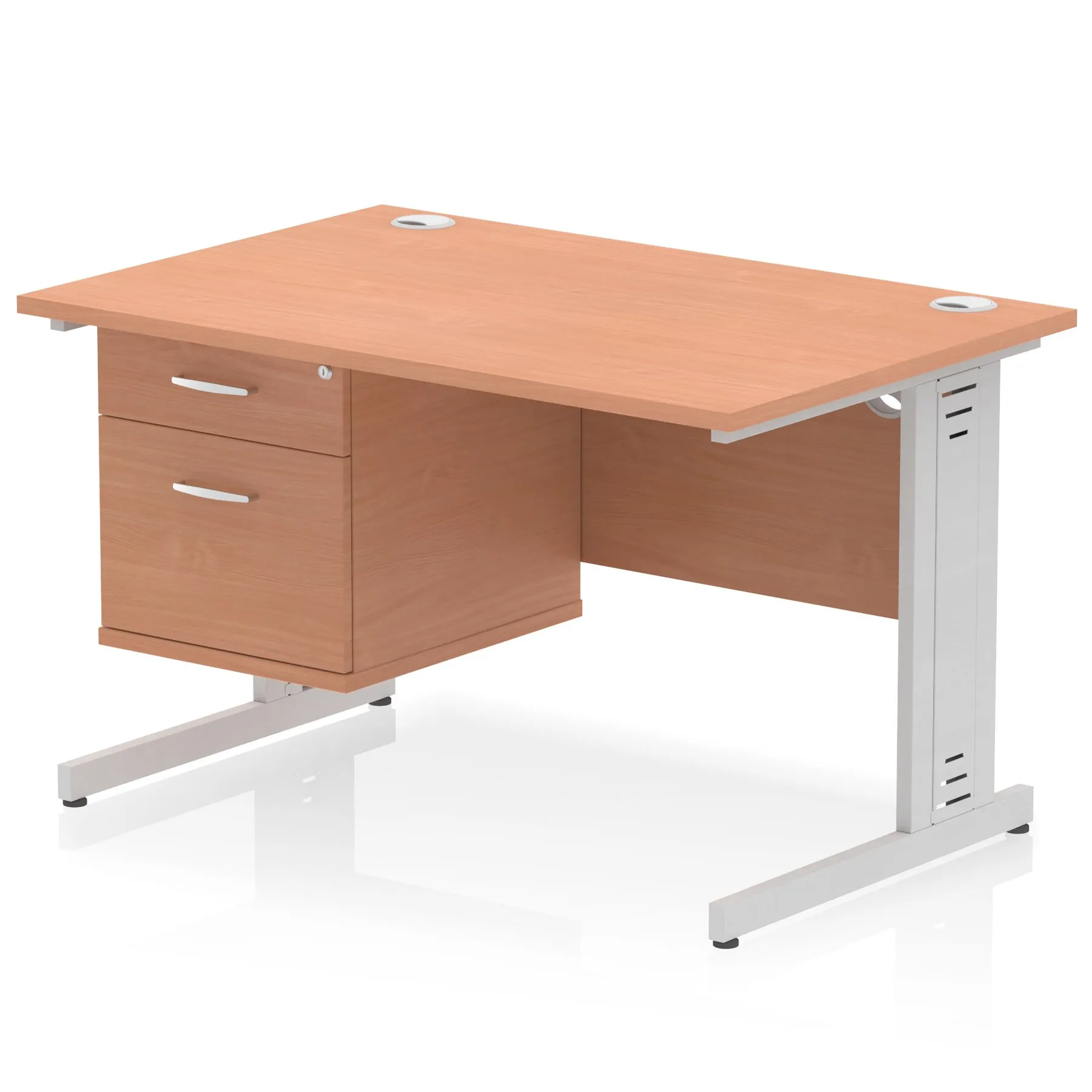
Desks supplied with cable ports cut into the surface, so leads drop straight through to a basket or floor box instead of trailing over the back edge. This is the standard top across our desking and the one to choose unless you have a reason not to.
What a cable port actually solves
Without one, every cable runs over the back edge of the desk. That looks untidy, it stops the desk sitting flush to a wall, and cables get pinched when the desk is pushed back. A port removes all three problems for a few pounds.
It also keeps the cable run short. Long loops of slack behind a desk are where dust collects and where somebody eventually catches a foot.
Port or scalloped edge
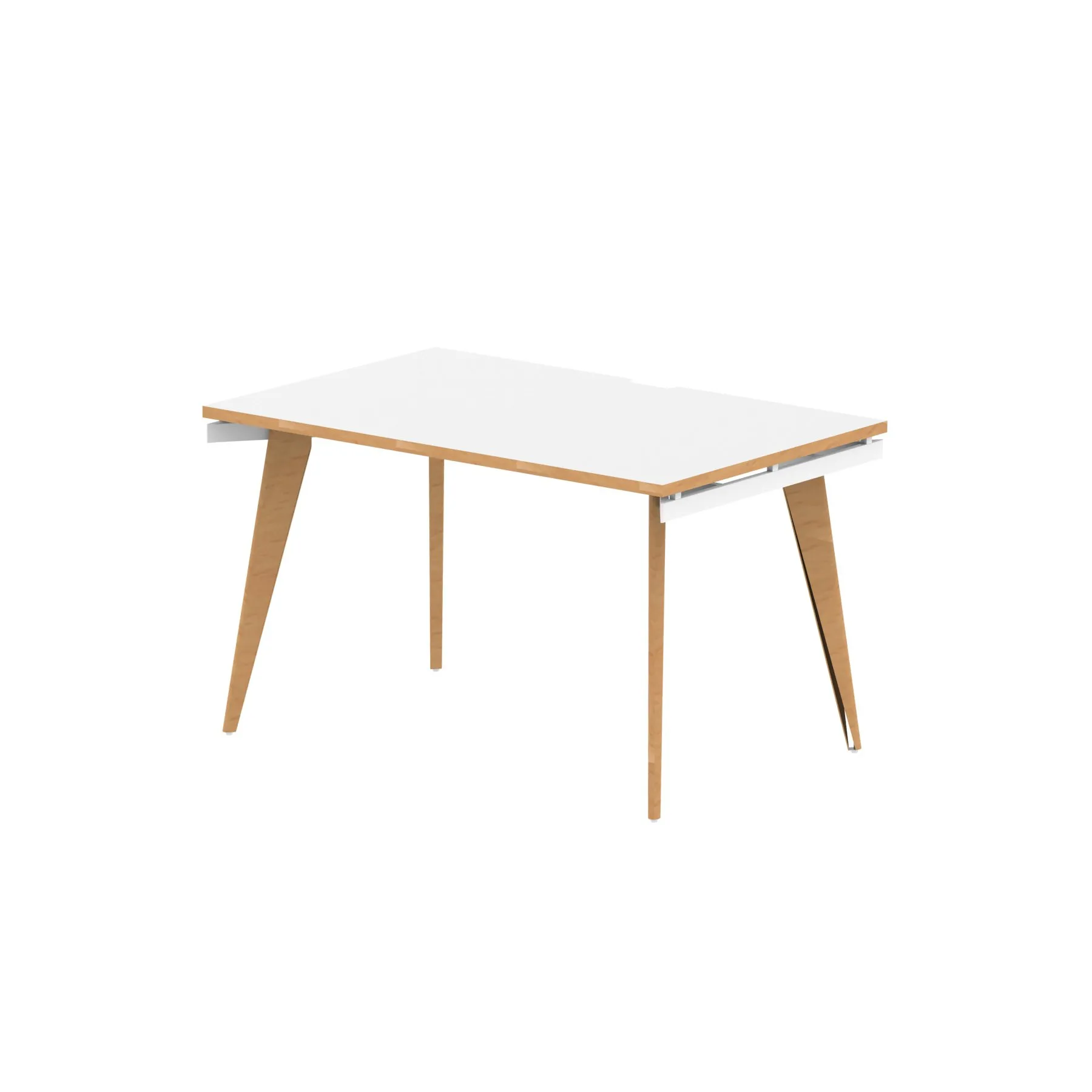
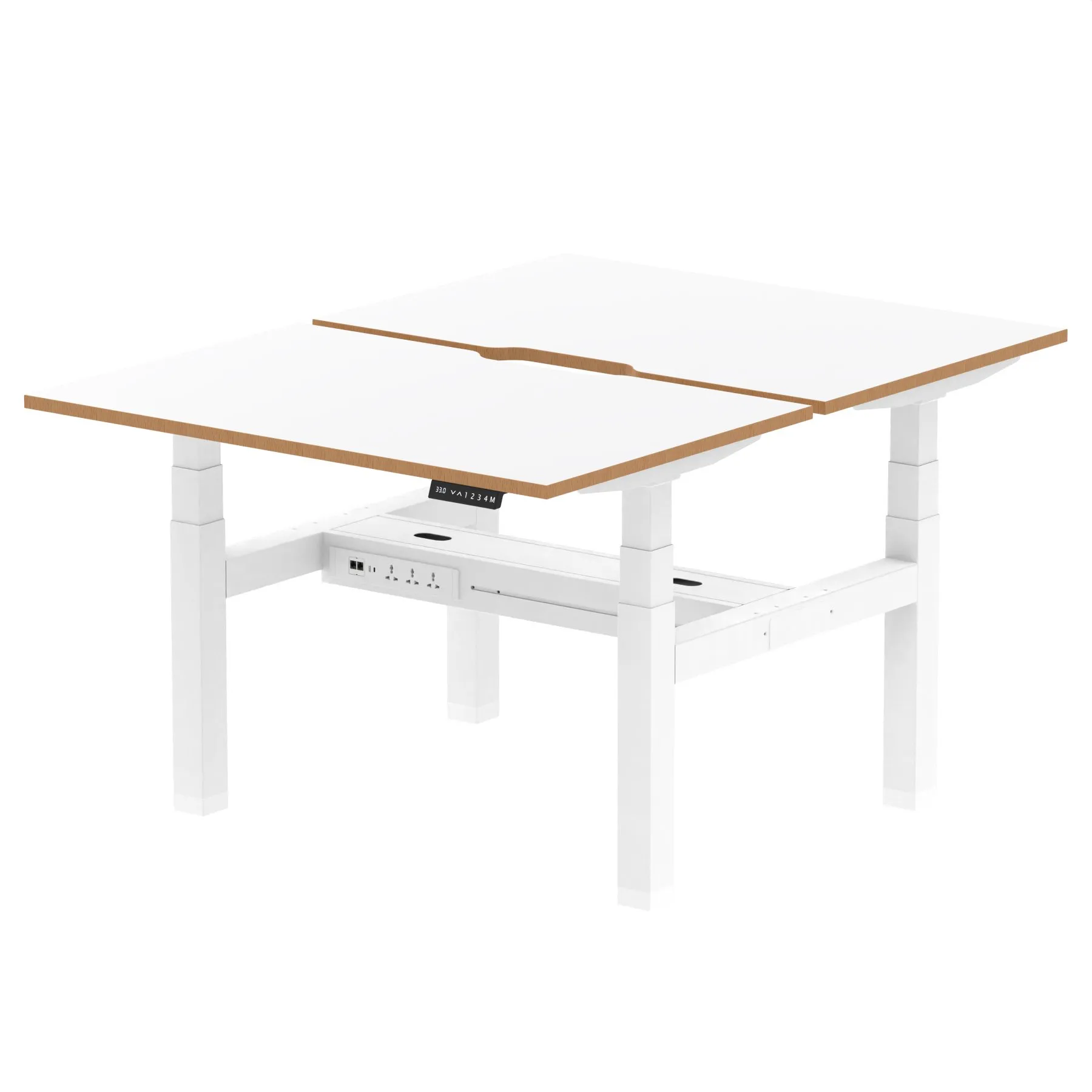
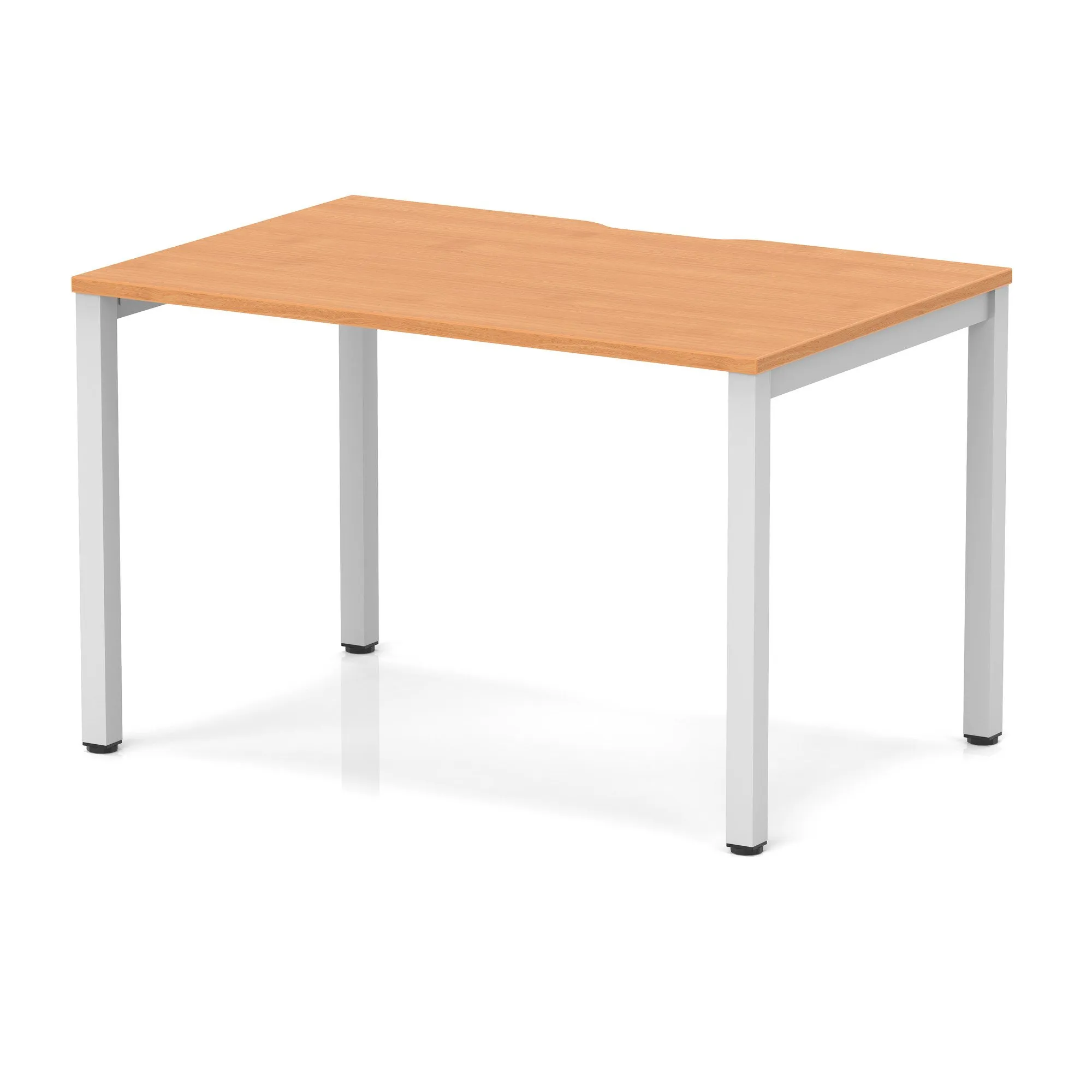
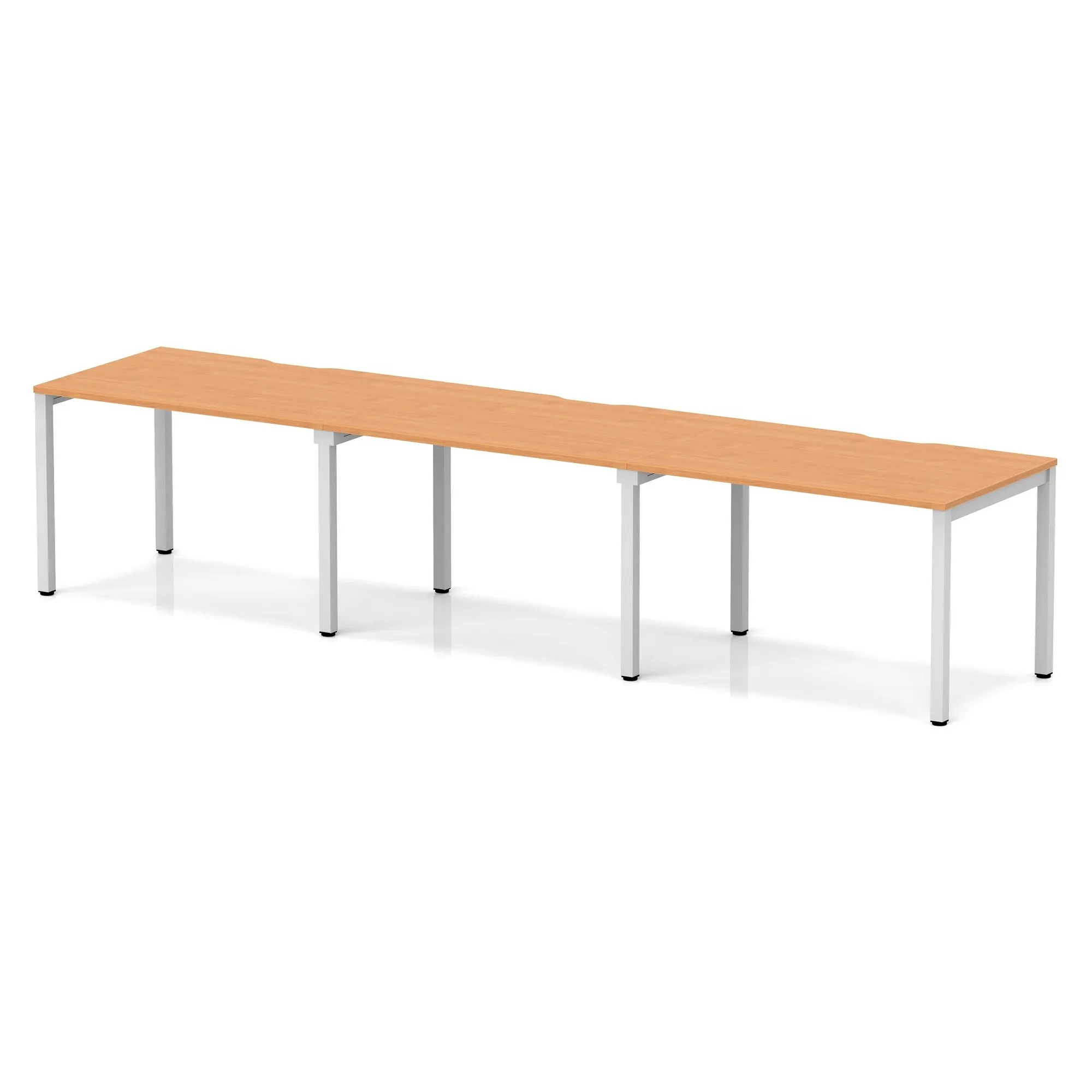
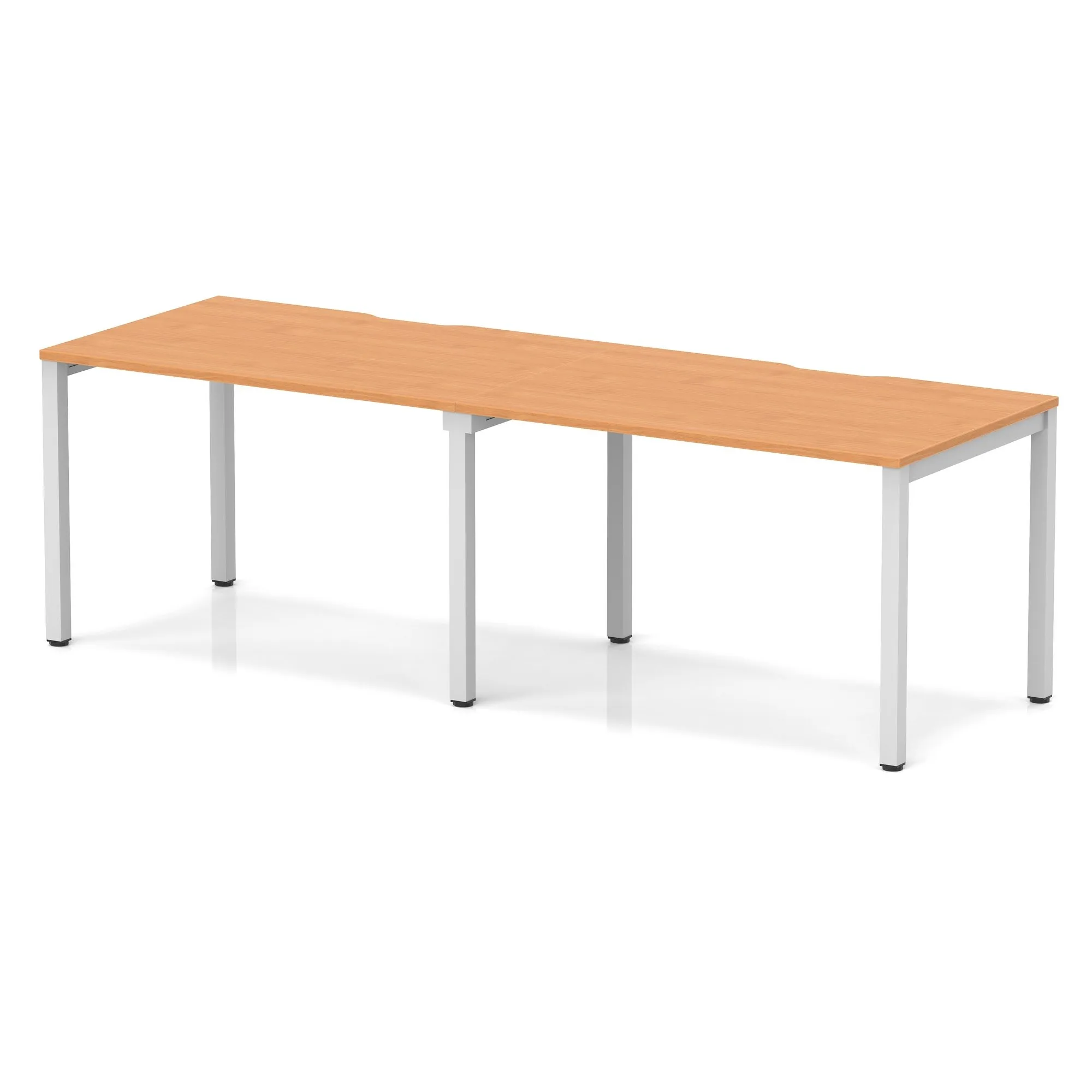
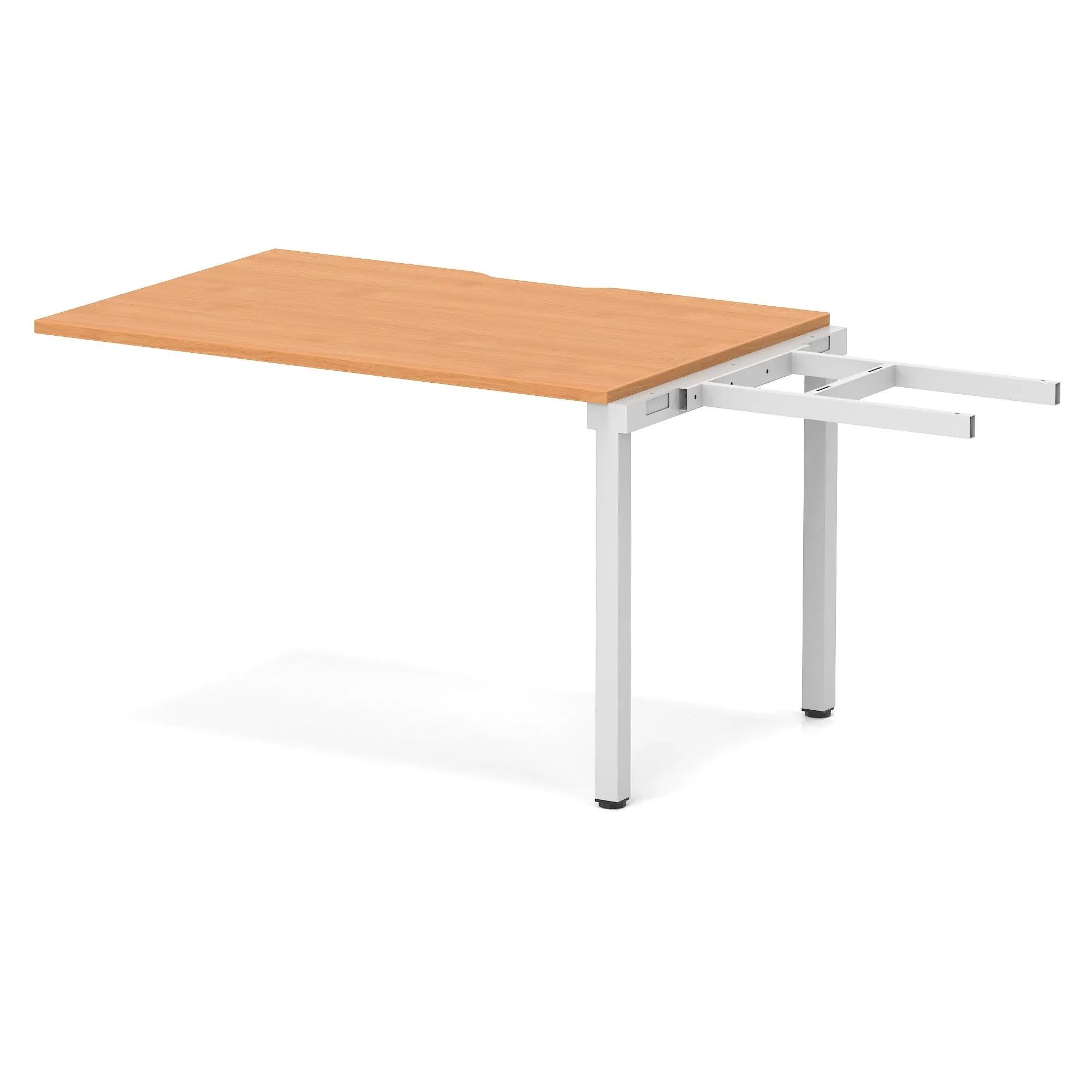
A port is a fixed hole in a fixed position, which is fine when the power position is fixed too. If your floor boxes might move, or desks get rearranged regularly, a scalloped edge desk gives a continuous channel along the whole back edge instead, so cables pass through at any point.
For most offices the port is the better answer: it is tidier, and the cut-out on a scalloped top is visible from behind.
Ports alone are not cable management
A port gets the cable through the desk. Getting it from there to the wall tidily needs a spine, tray or basket, and those are specified separately. Our cable management range covers them, and it is far easier to order at the same time as the desks than to retrofit once everyone has moved in.
Across the range
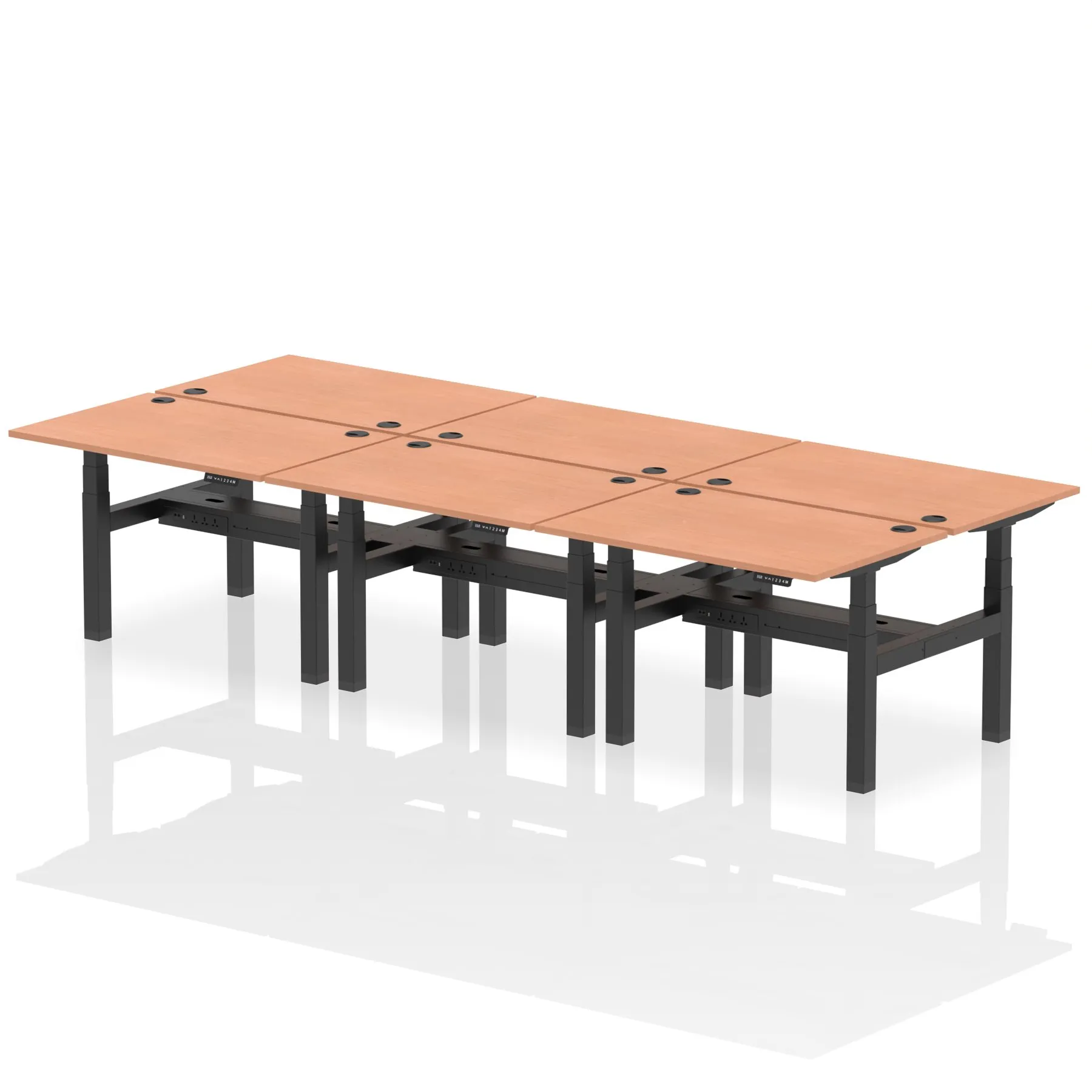
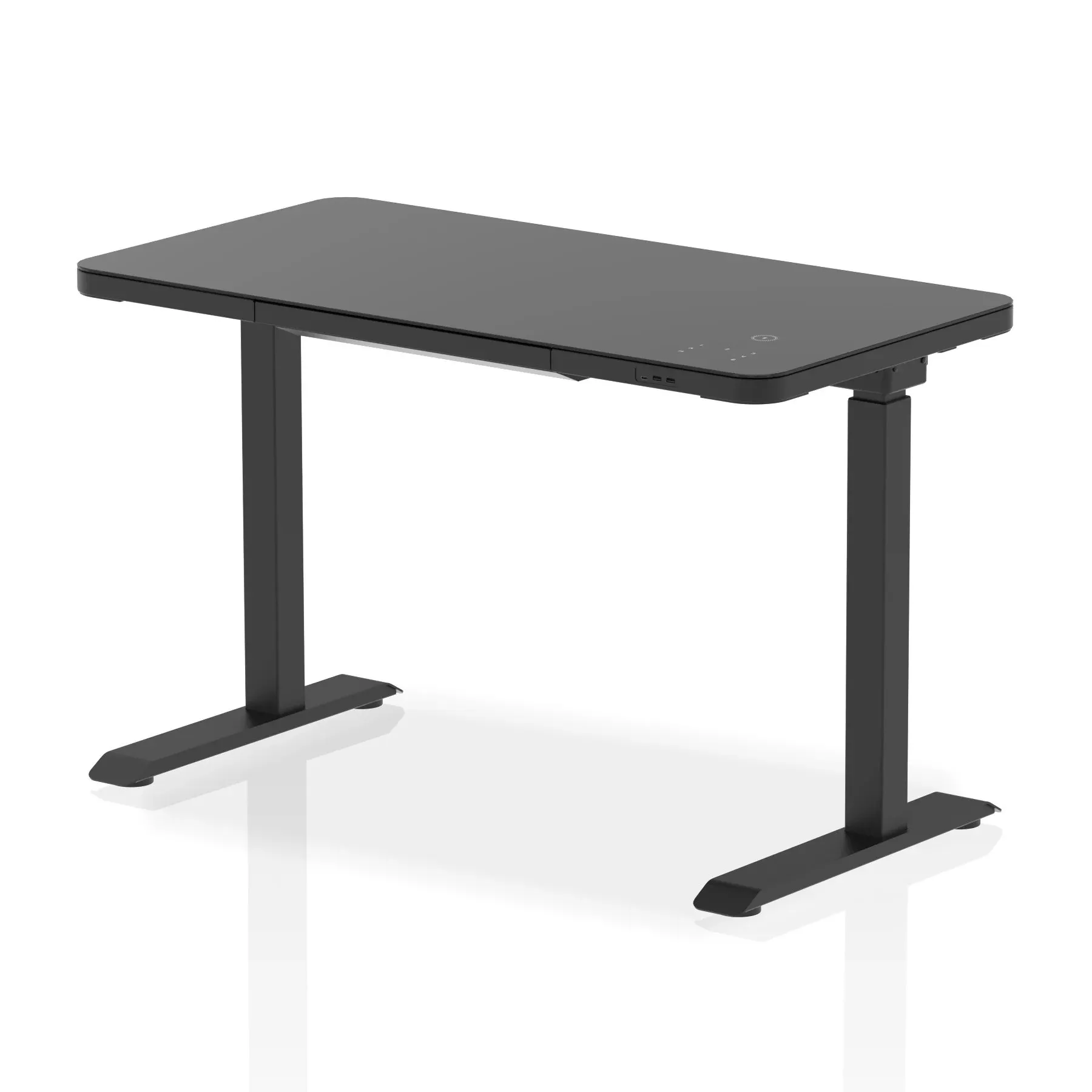
Cable port tops are available across straight, corner and crescent shapes and in every leg type, including the Air sit-stand collection.