
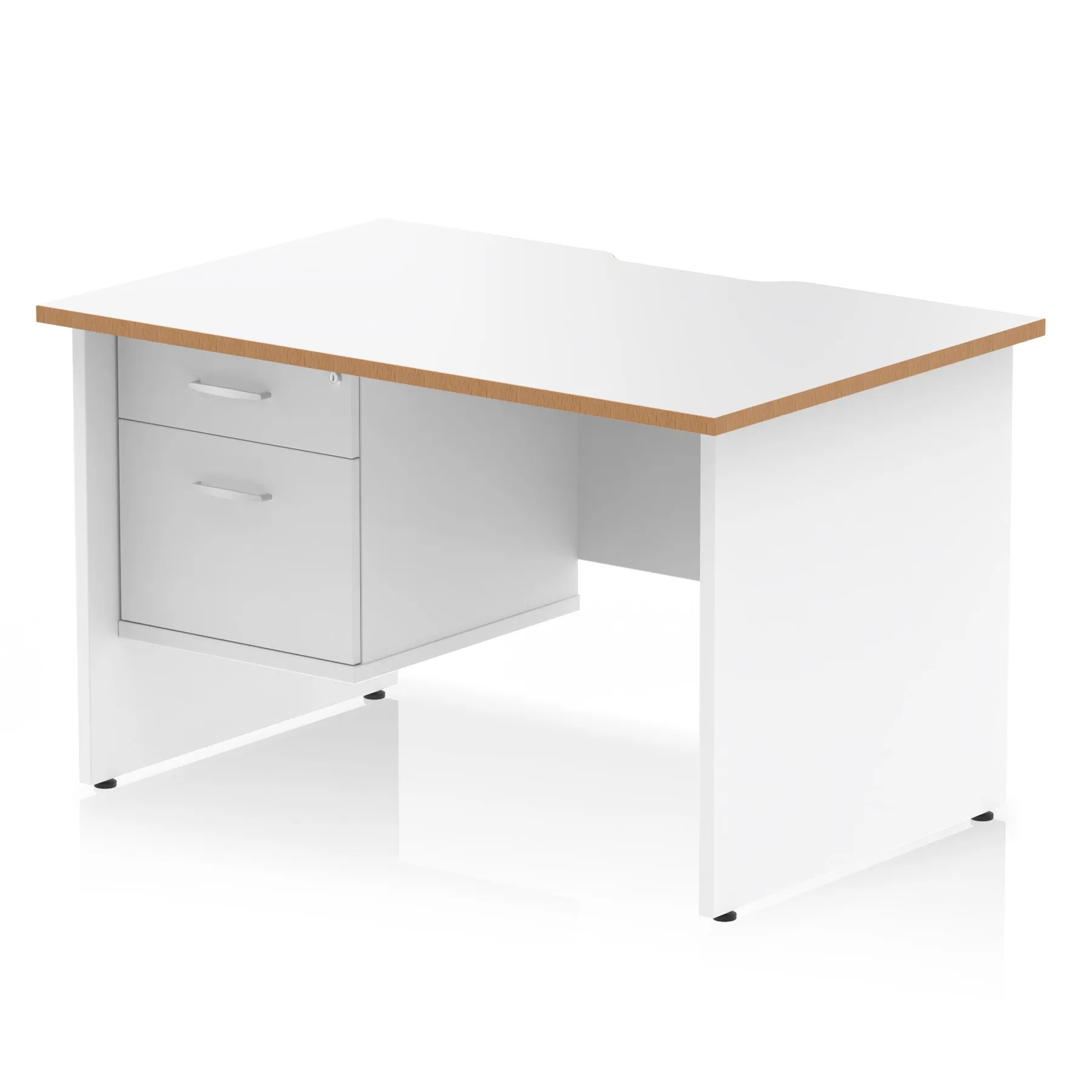
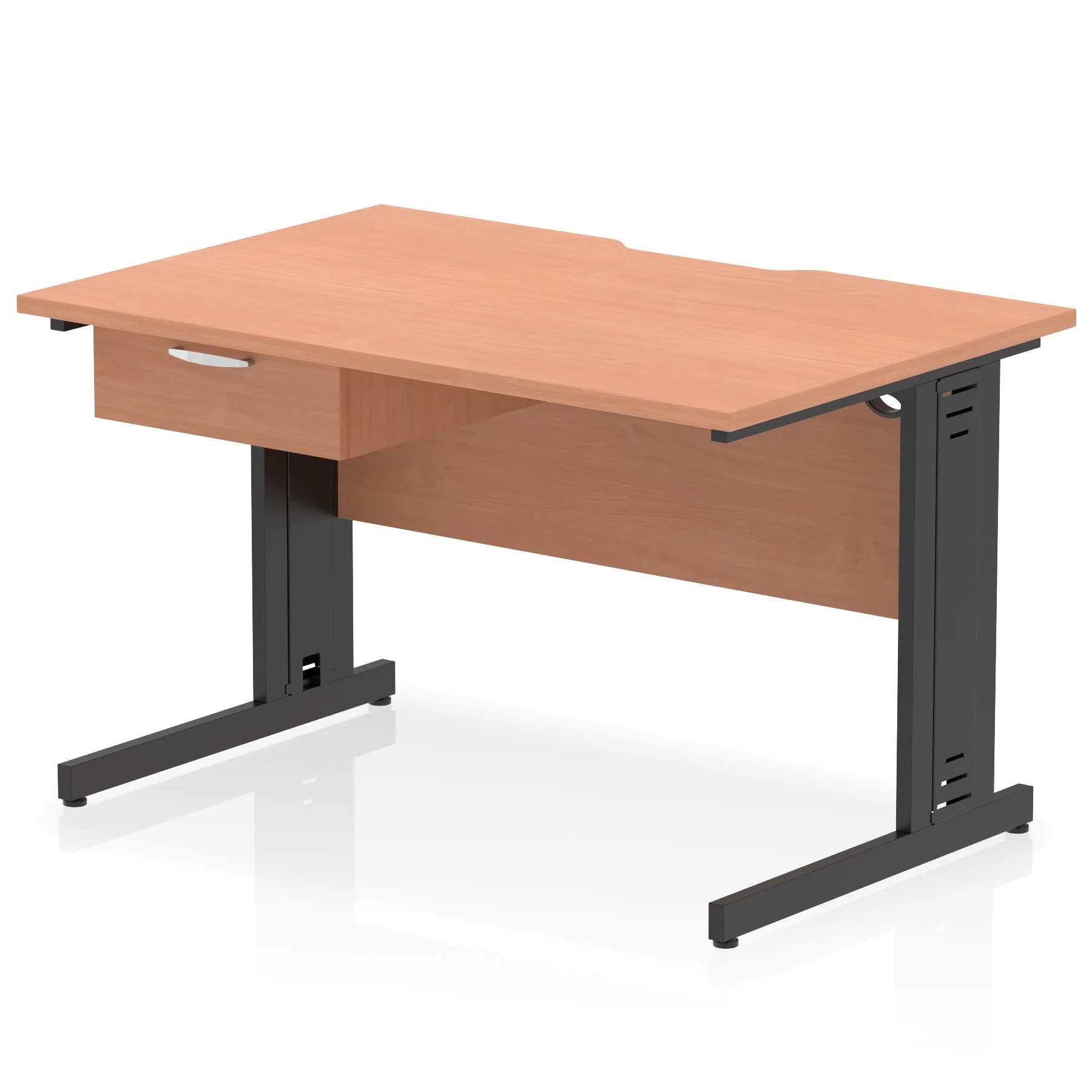
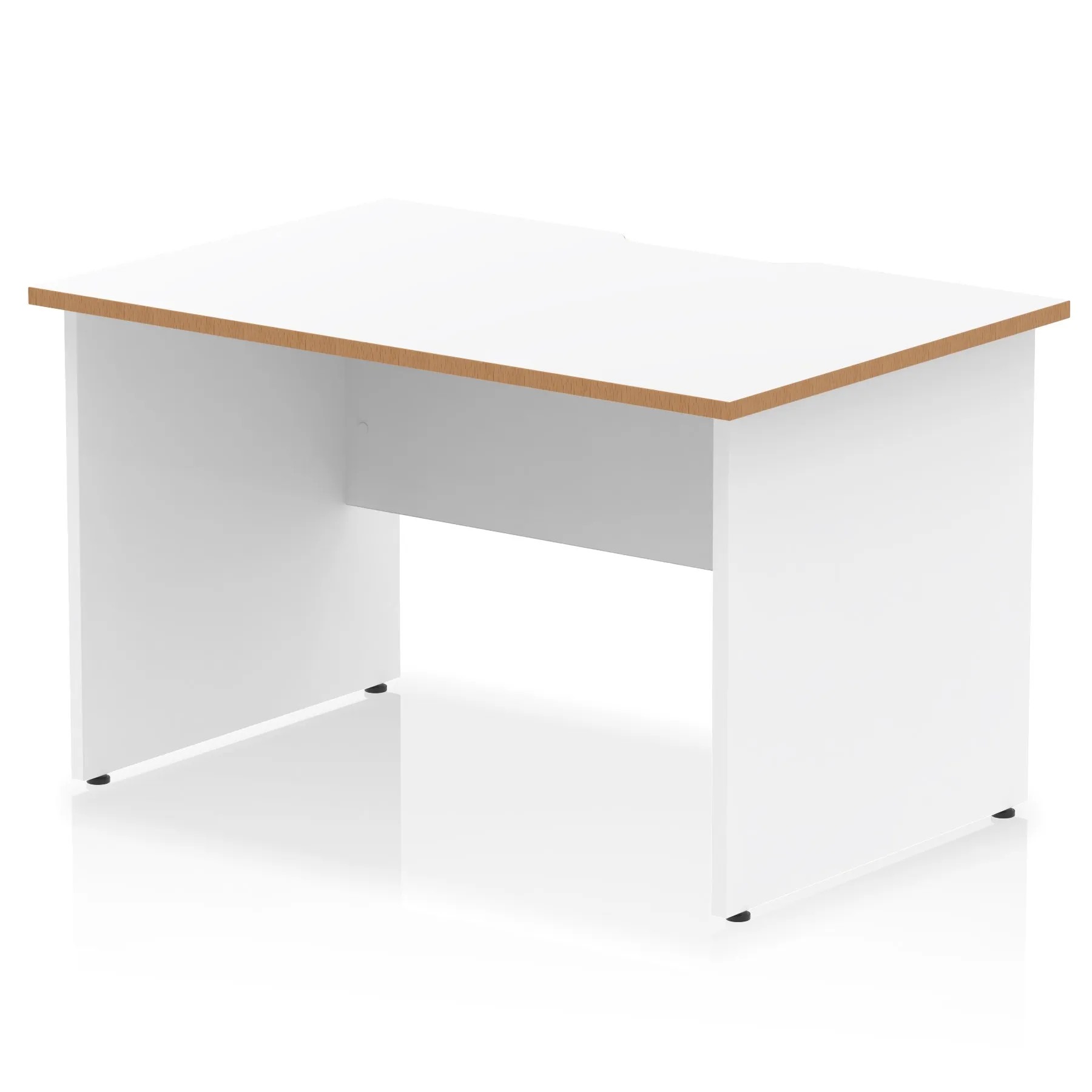
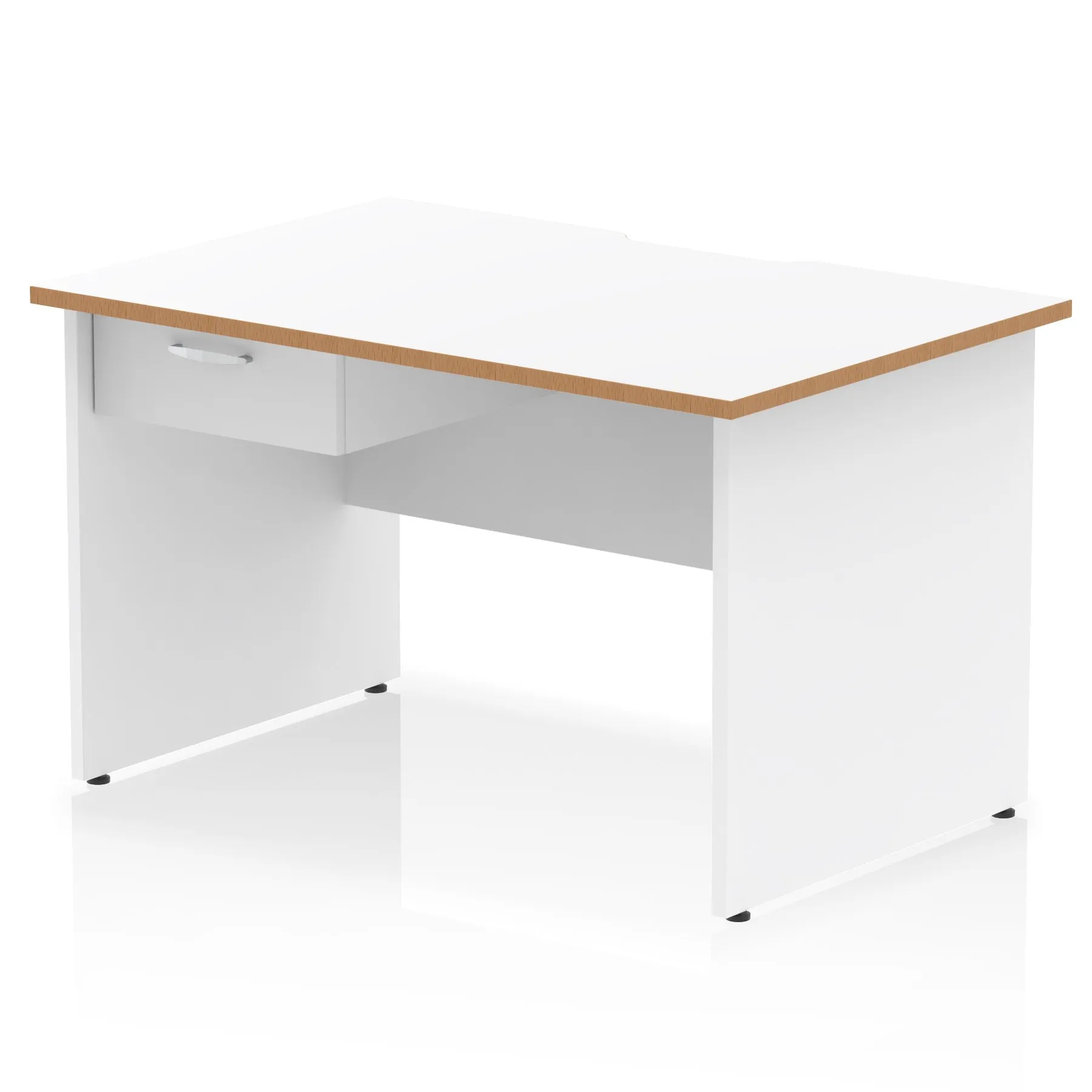
When a scalloped edge beats a cable port
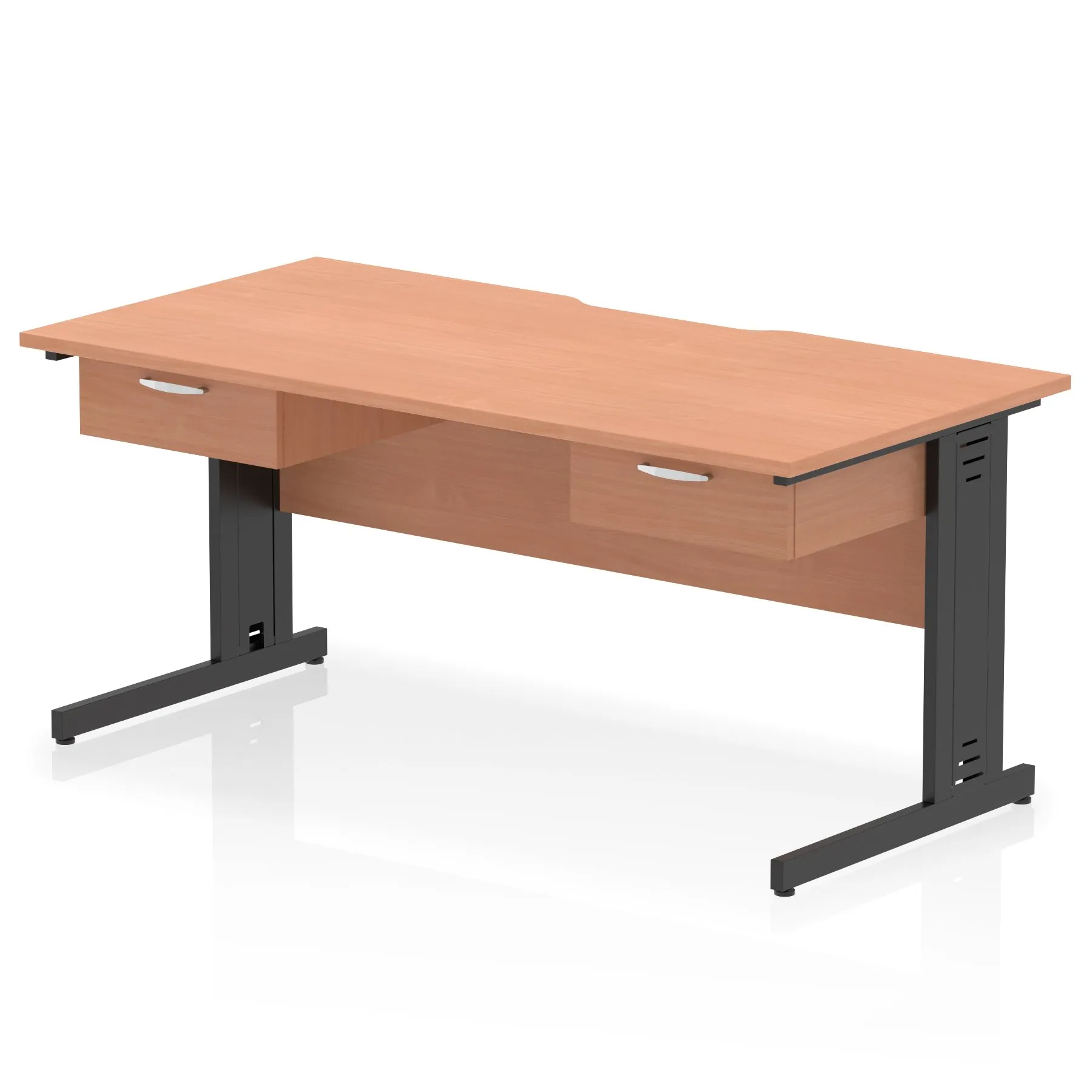
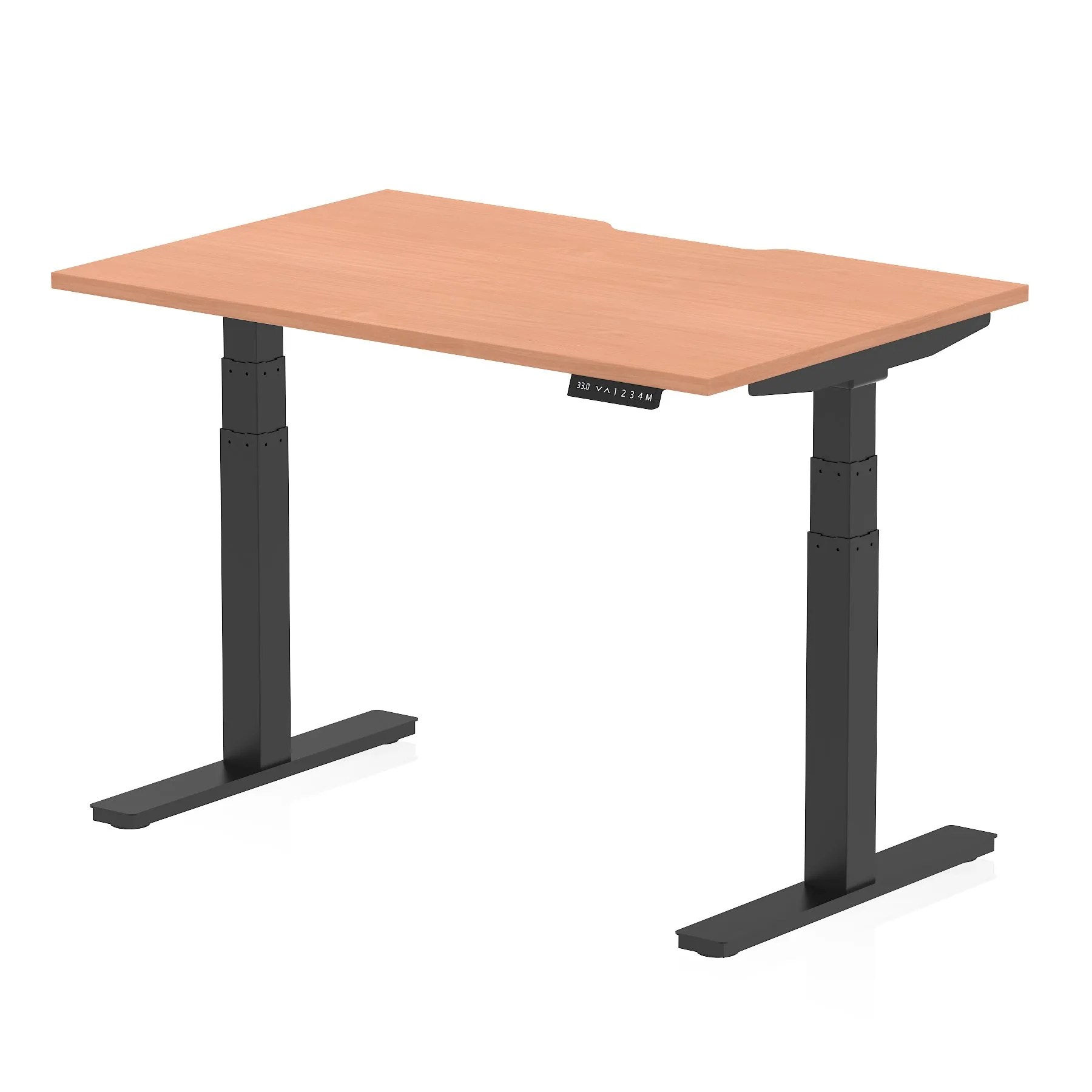
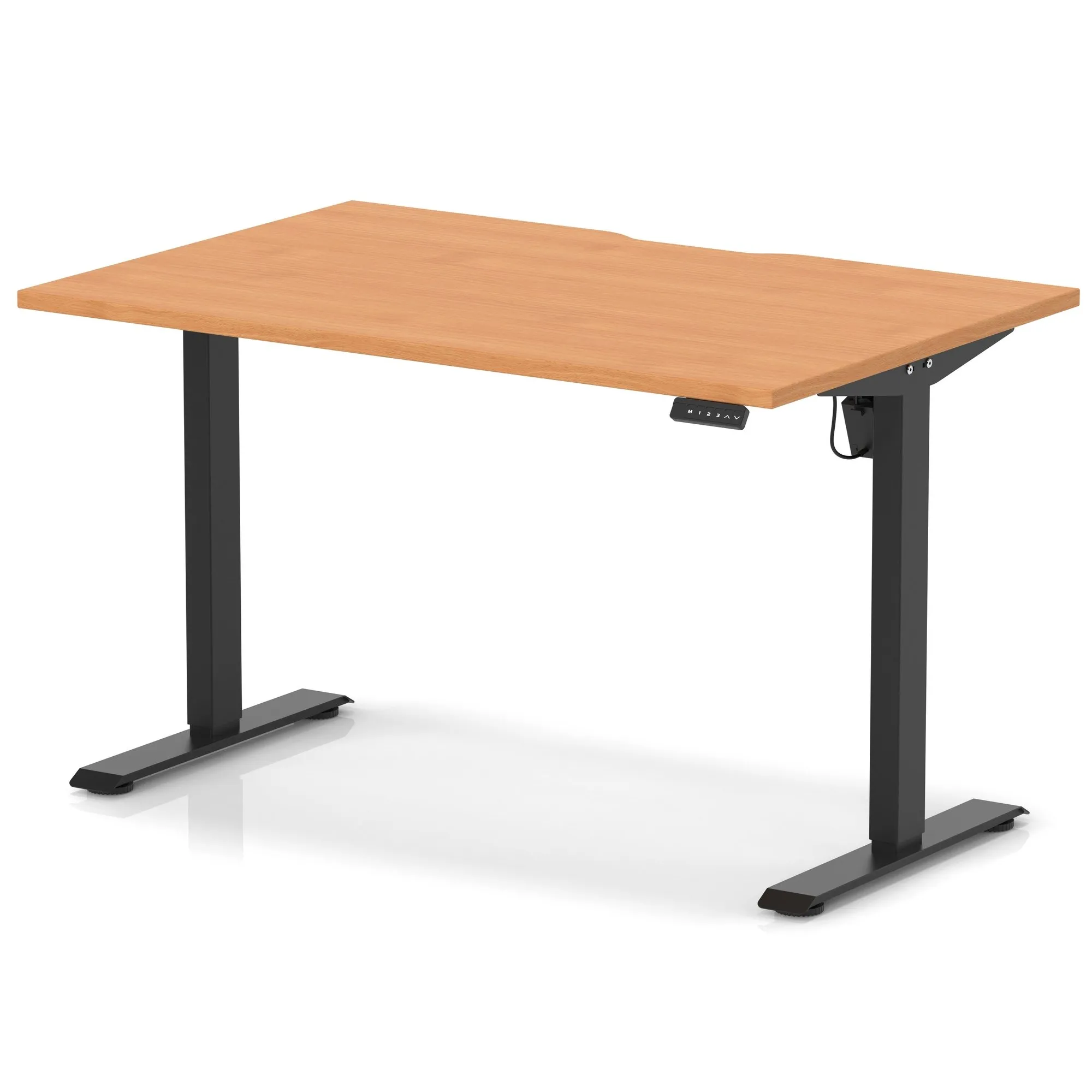
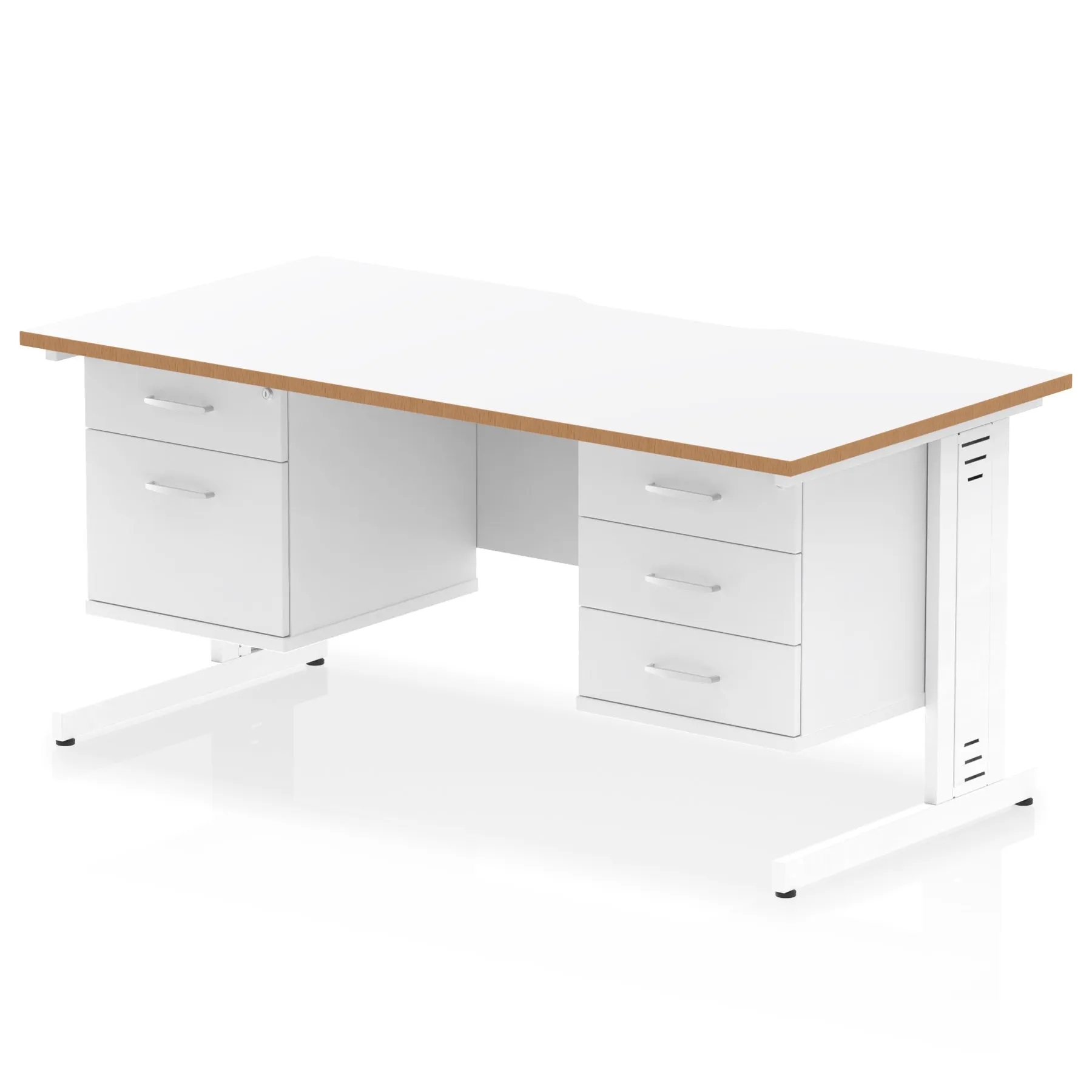
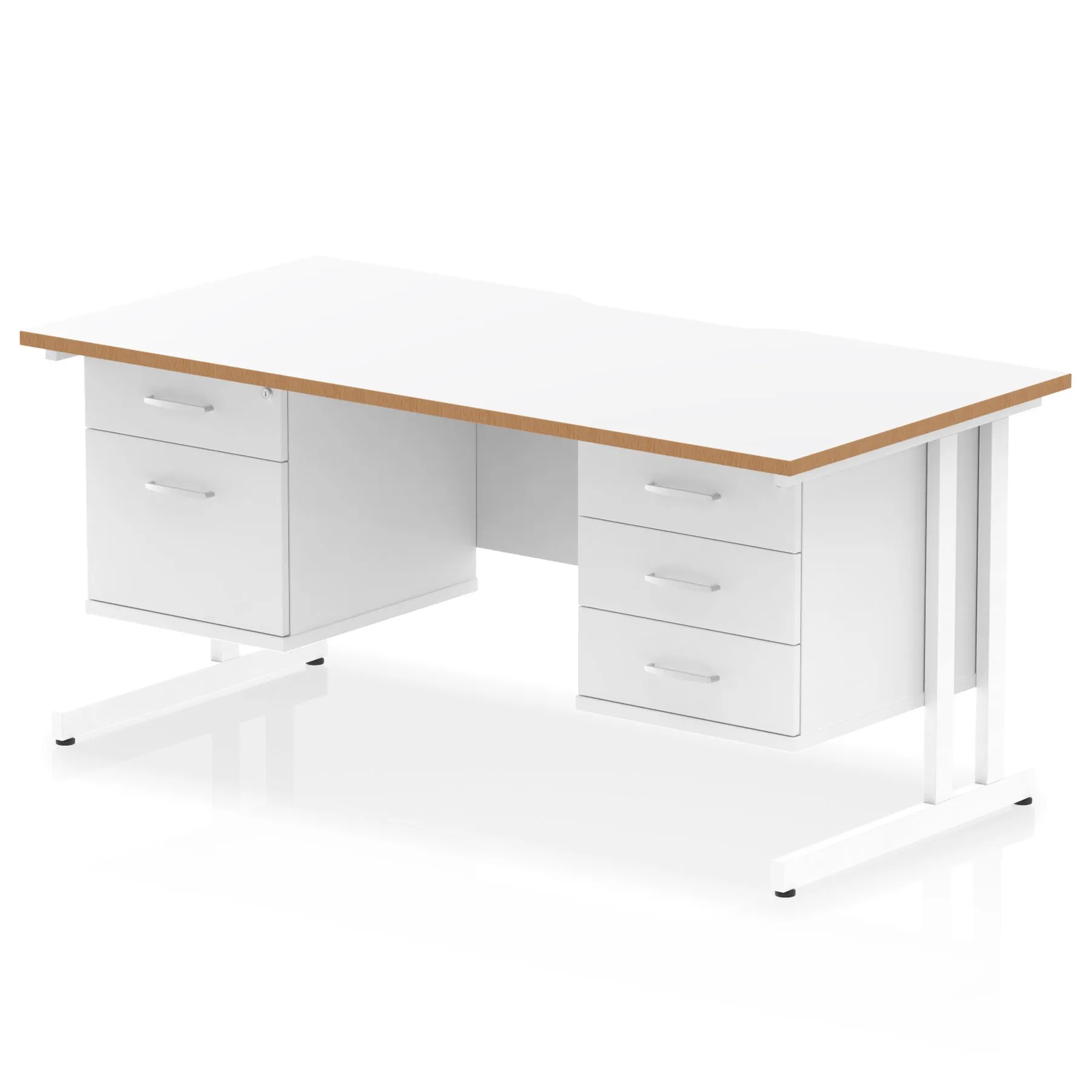
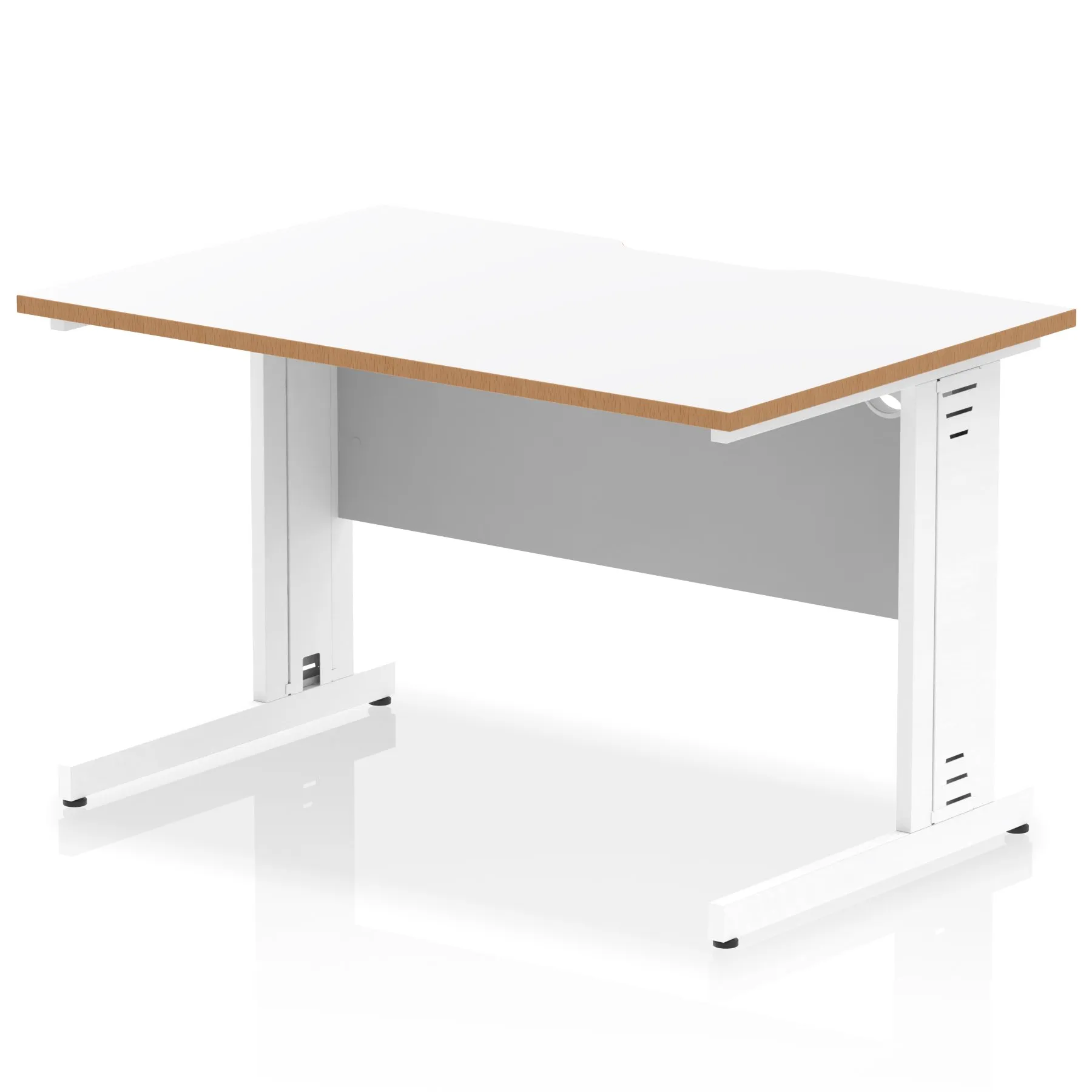
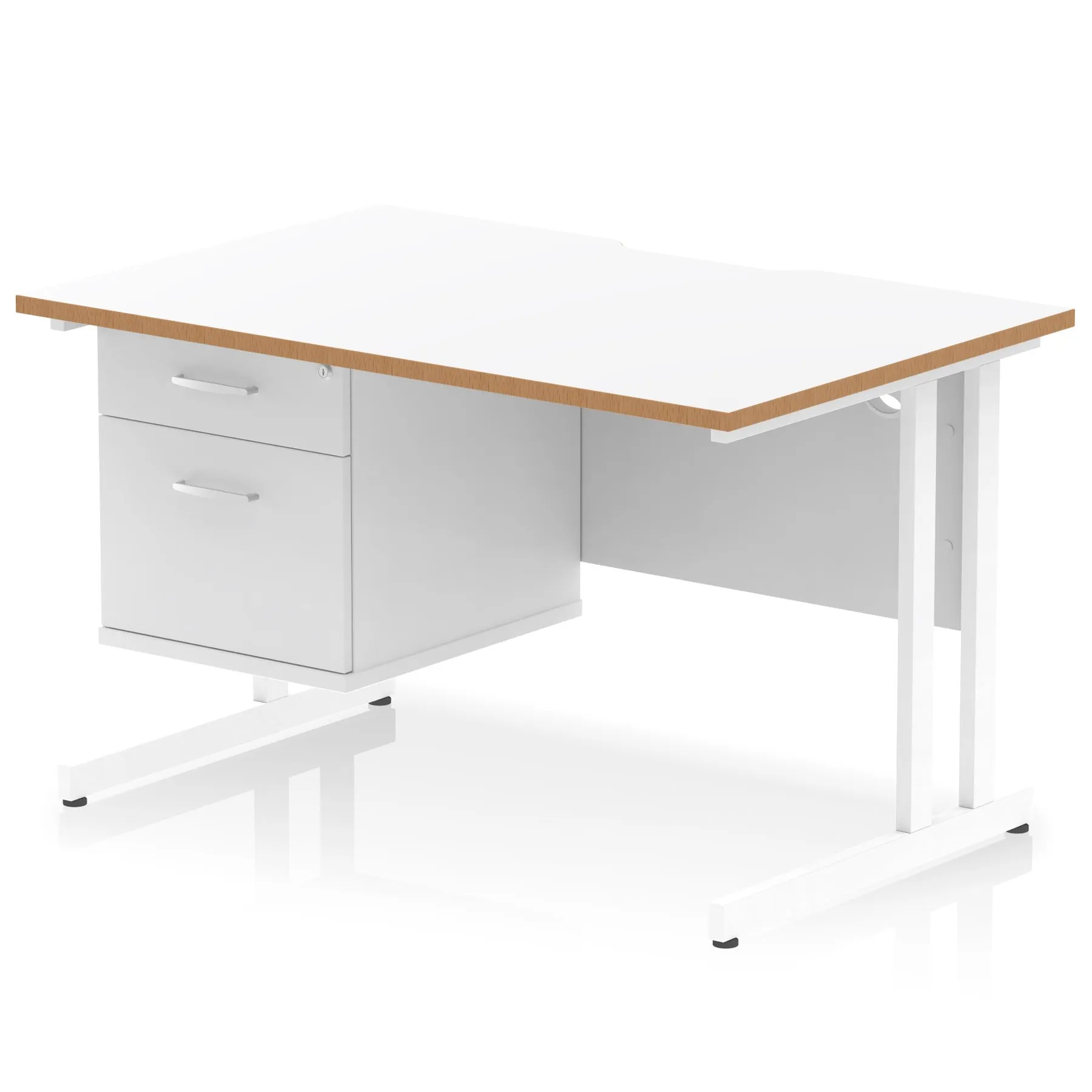
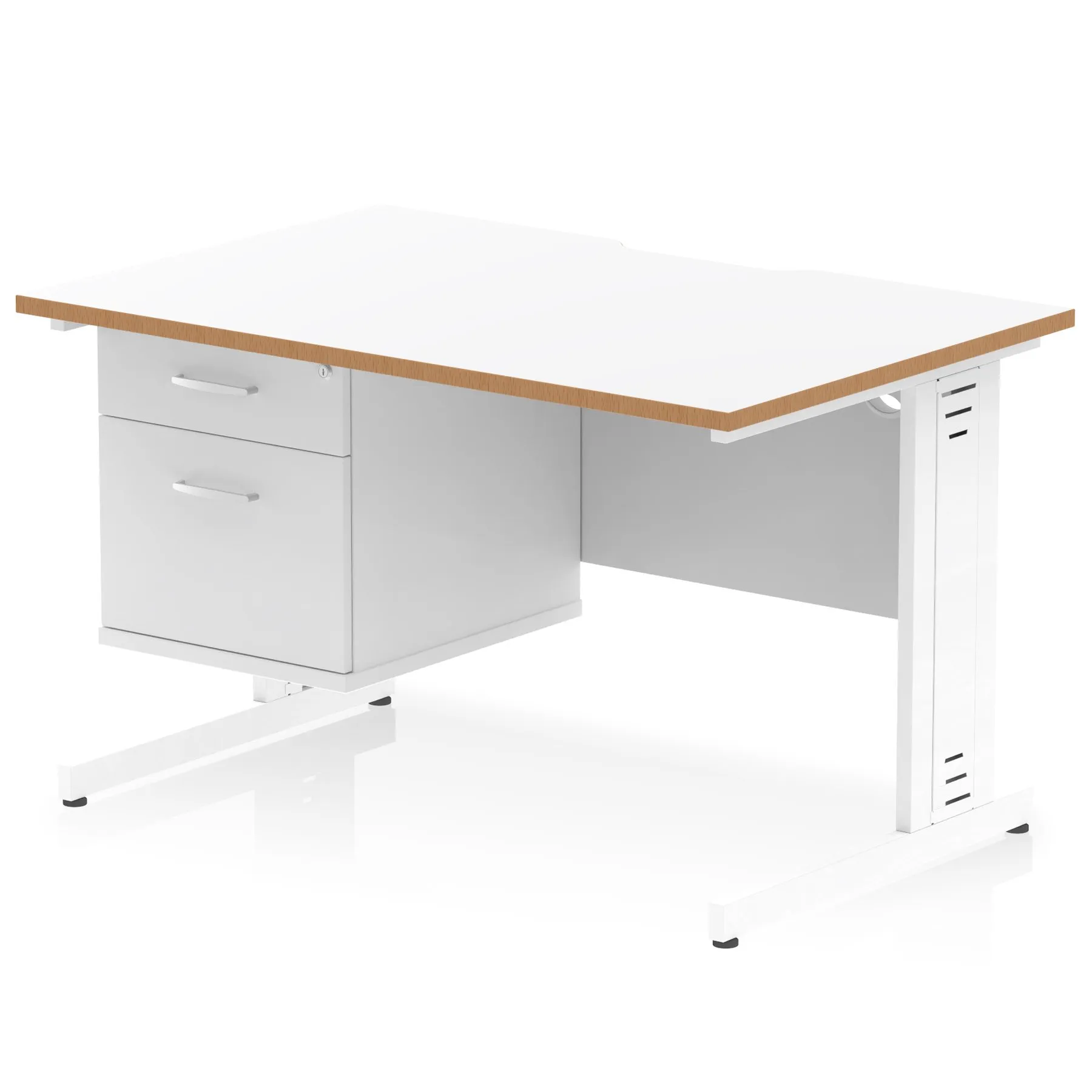
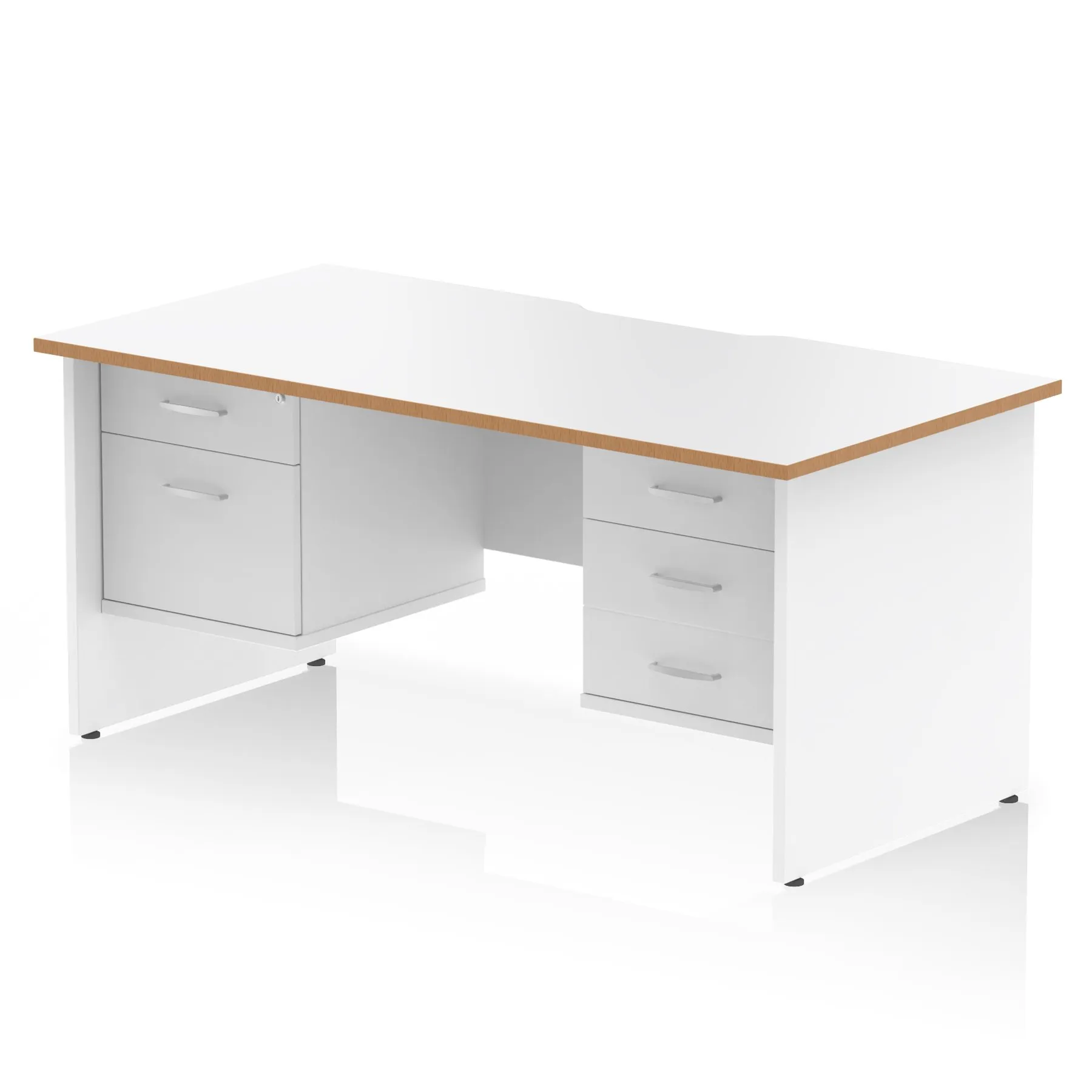
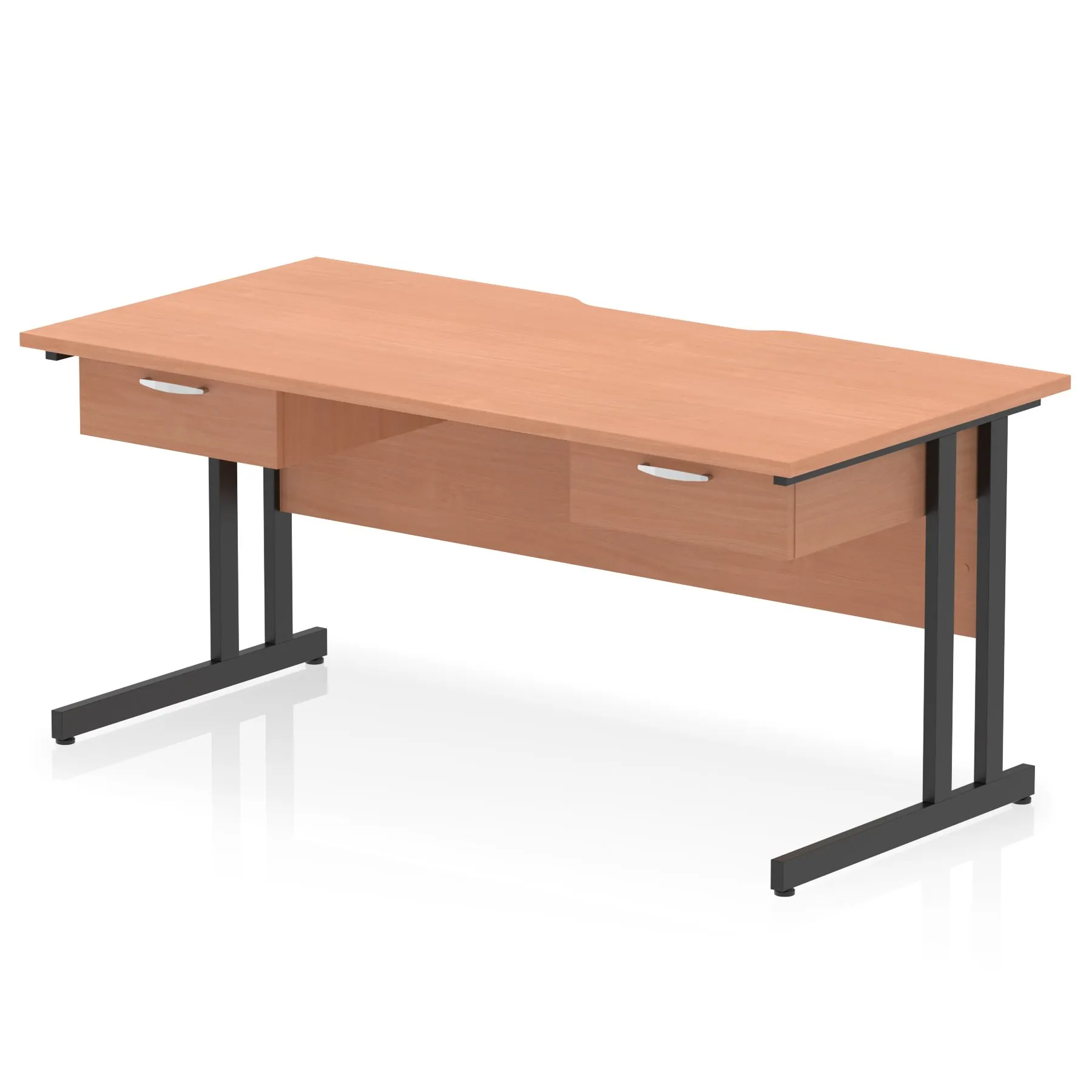
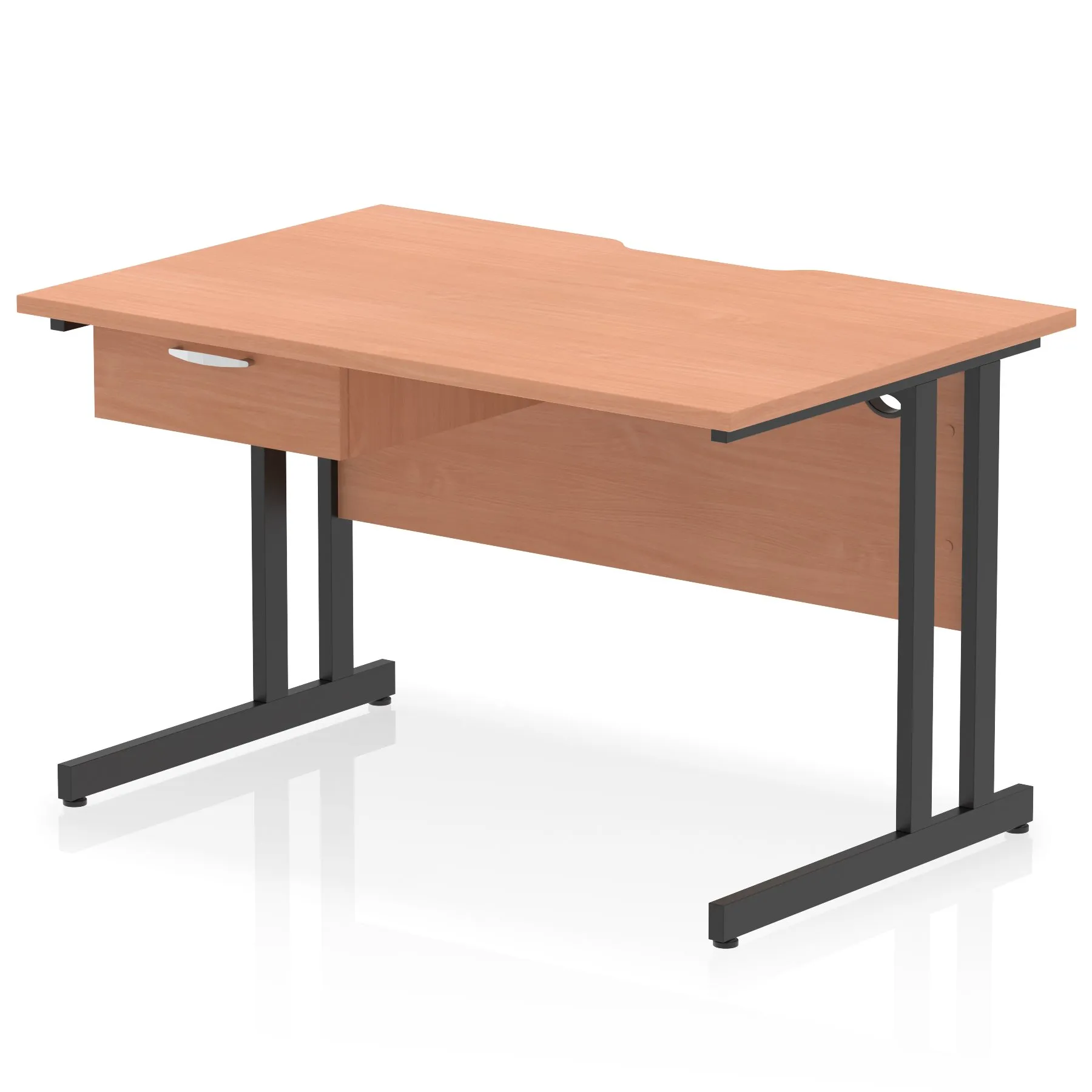
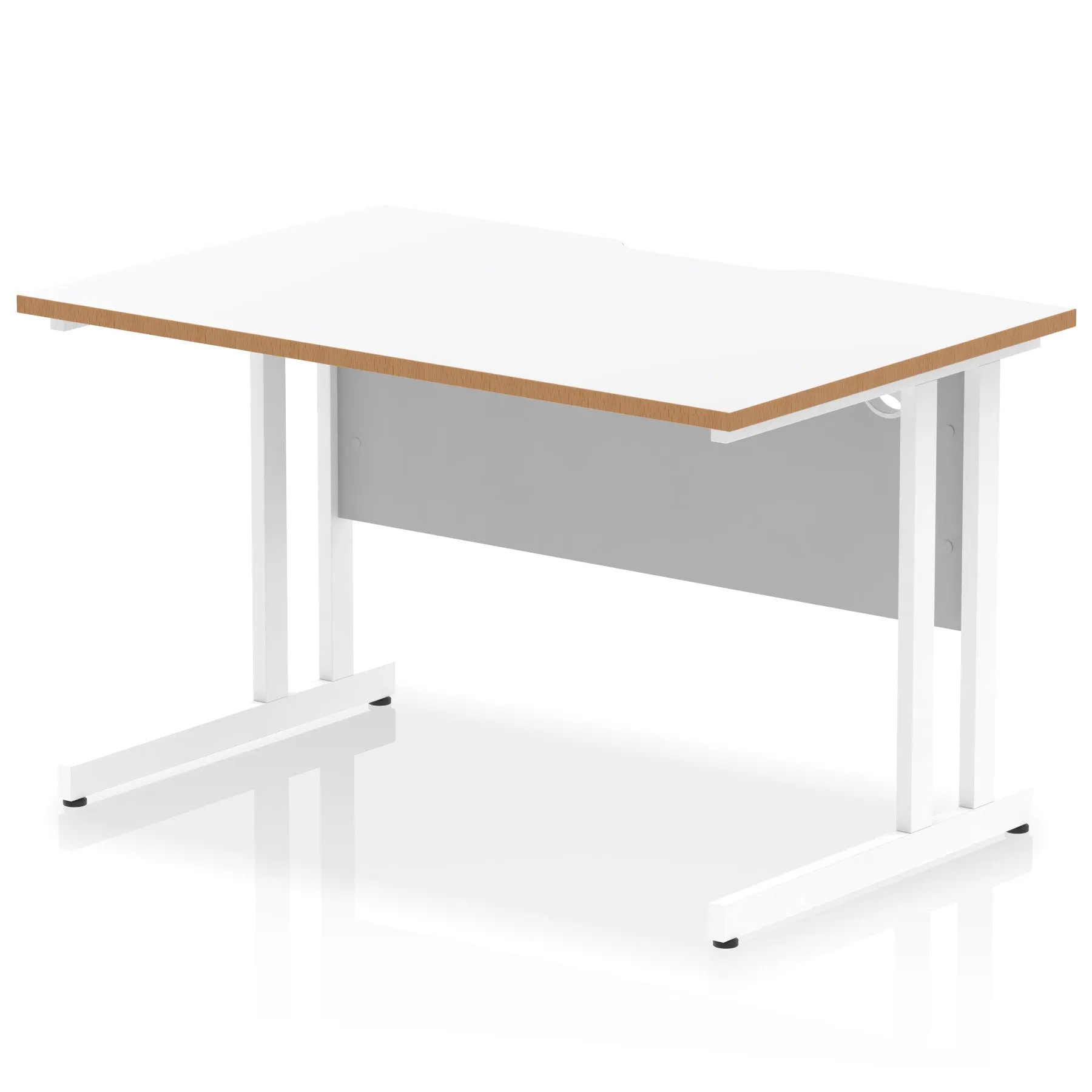
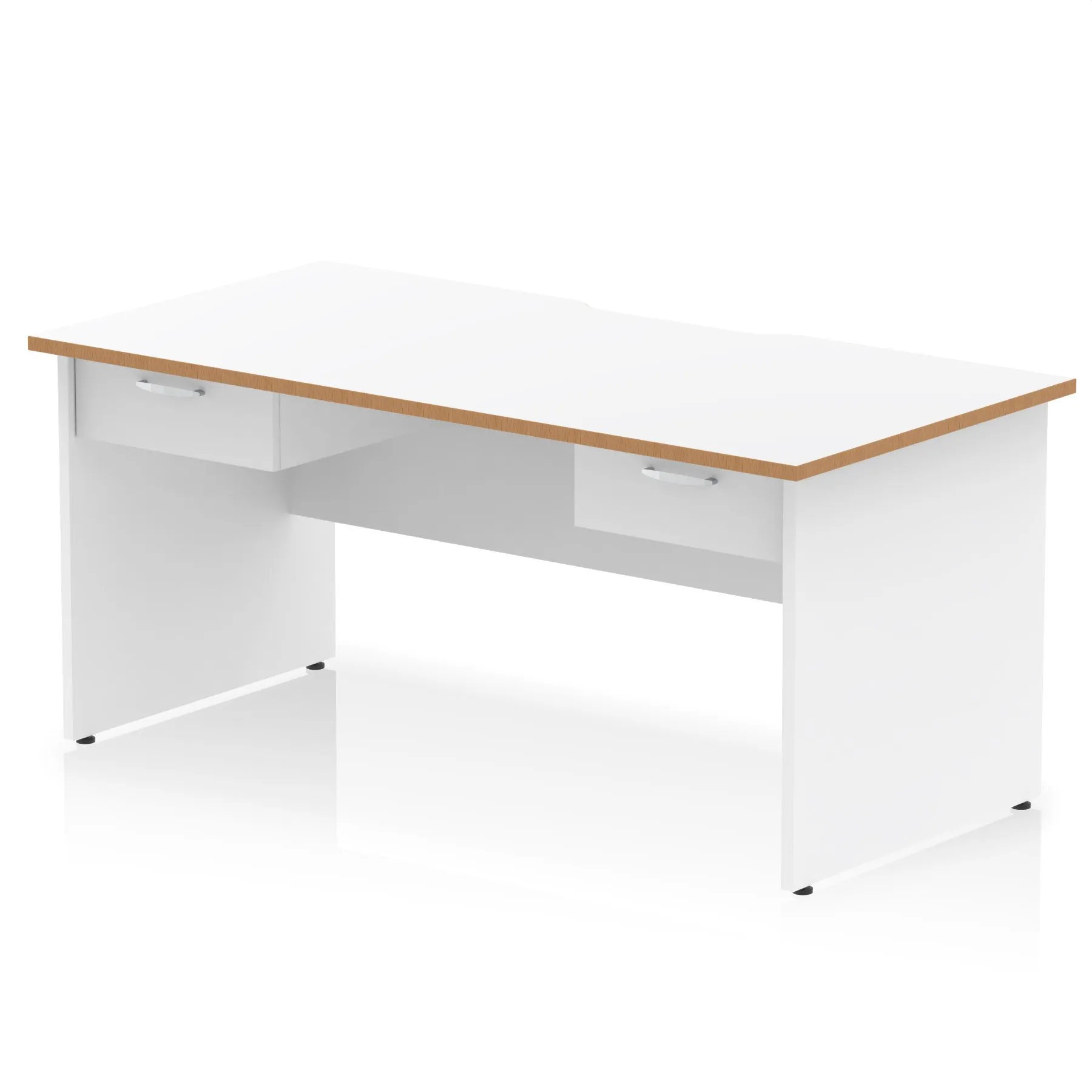
Desks with a scalloped cut-out along the back edge instead of a drilled port. The cut-out gives a continuous channel, so cables pass through anywhere along the width rather than at one fixed position.
The case for it
Flexibility. A cable port is a hole in a fixed place, which is fine until the floor box moves, the desk is turned round, or a second monitor arrives on the wrong side. A scalloped edge does not care where the cable enters.
It also handles thicker bundles better. A port sized for two cables becomes a problem when someone adds a dock, a lamp and a second screen.
The case against
It is visible. A scalloped desk seen from behind shows a cut-out along its whole back edge, which matters in rooms where desks float rather than sit against a wall. A cable port top is tidier in that situation and is the right default for most offices.
Where it genuinely wins
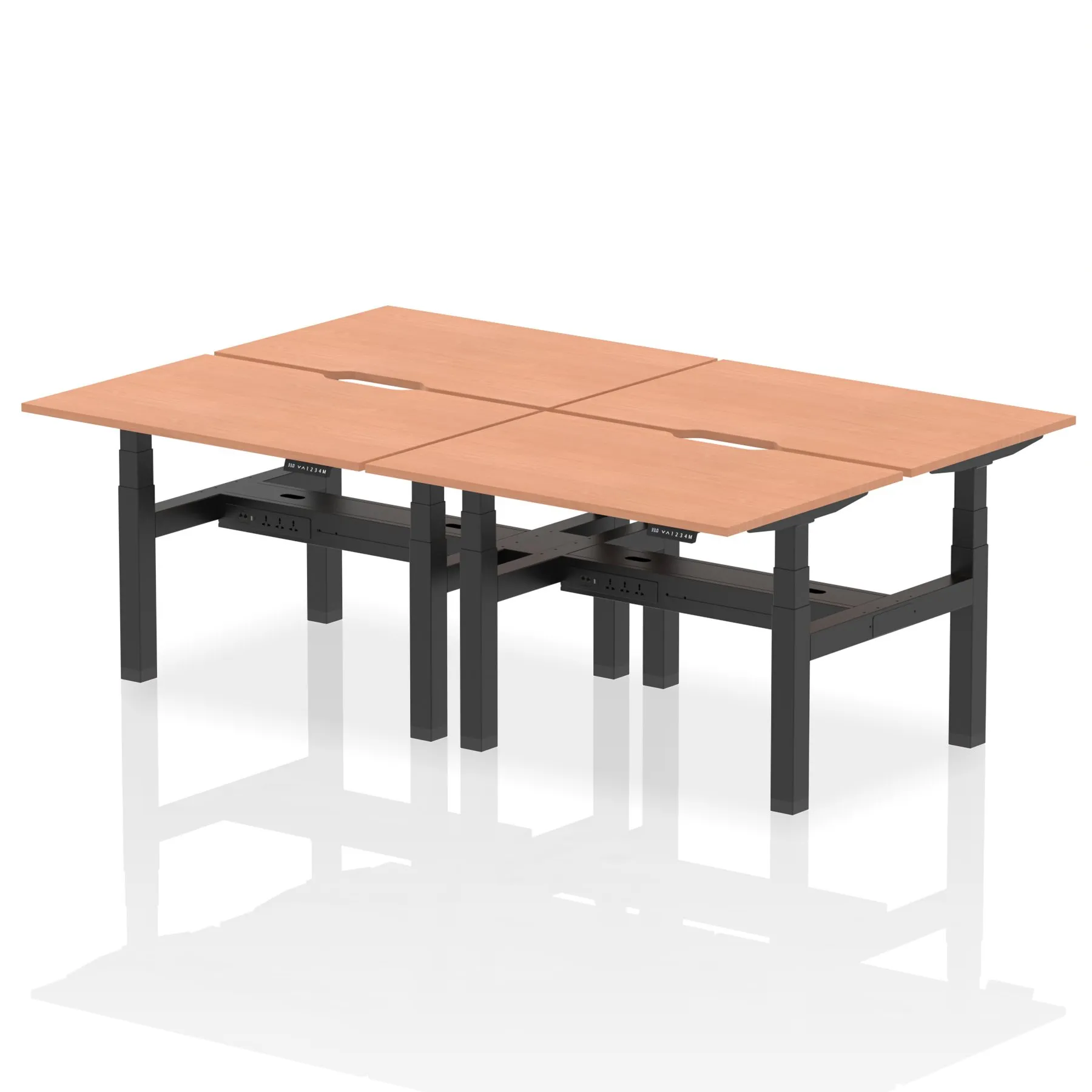
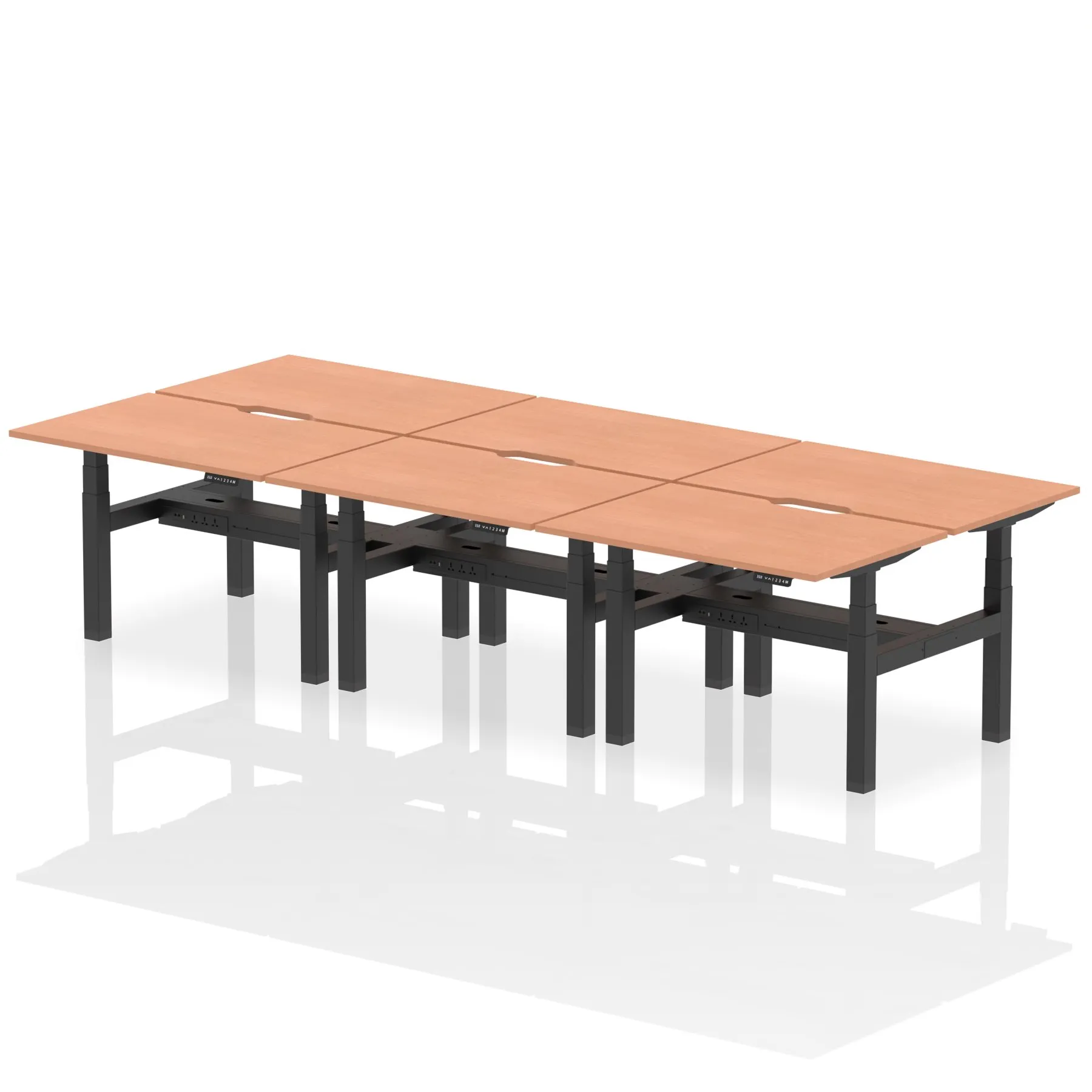
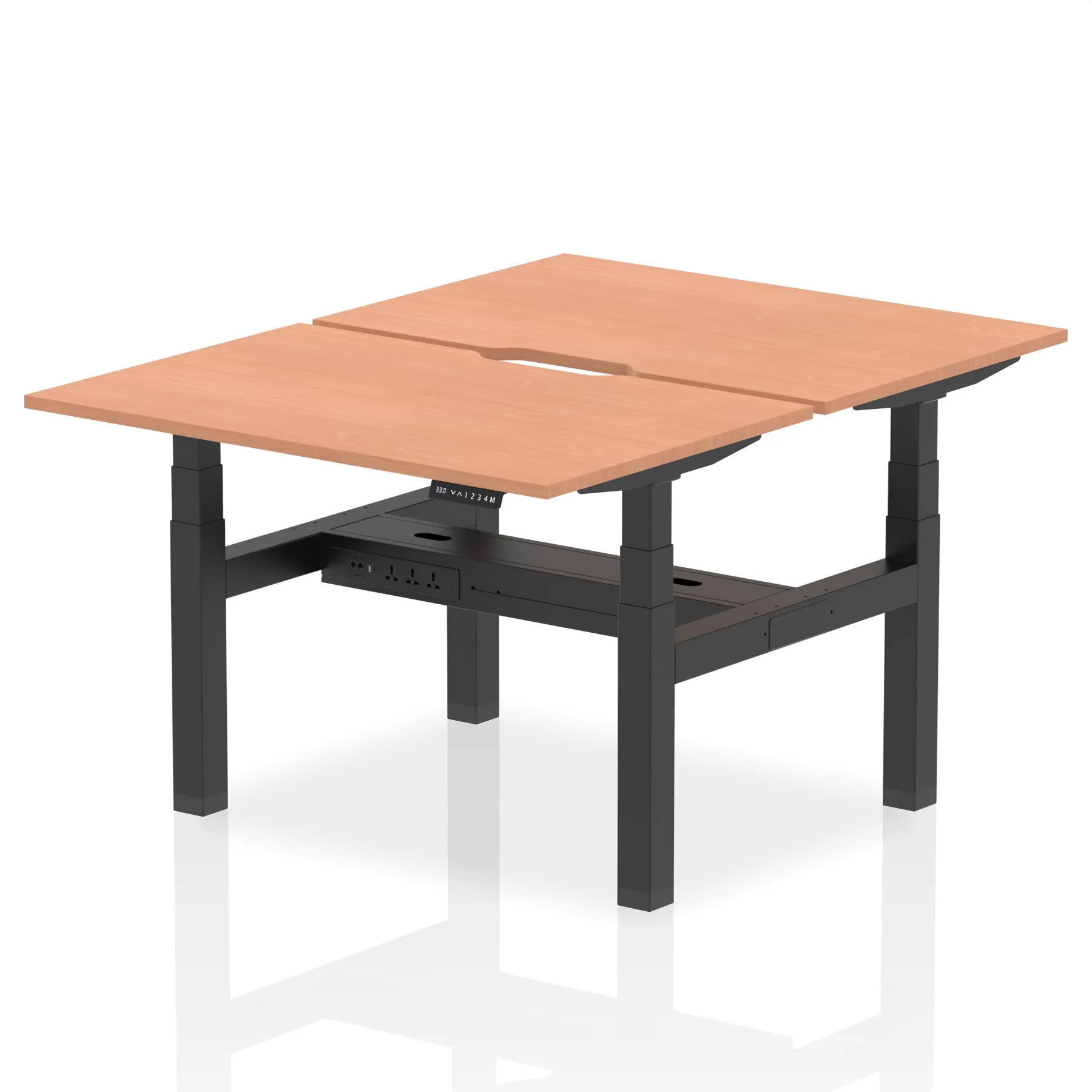
Height adjustable desks, which is why the Air range offers scalloped tops throughout. A desk that travels needs cable slack that moves with it, and a continuous channel handles that far better than a fixed hole.
Pair it with a flexible cable spine from our cable management range rather than assuming the channel alone is enough.