
Seating for meetings and receptions
Seating for the other side of the desk and around the meeting table. These chairs are occupied for minutes rather than hours, so the priorities shift from adjustment to appearance, durability and how easily they move.
Cantilever or four leg
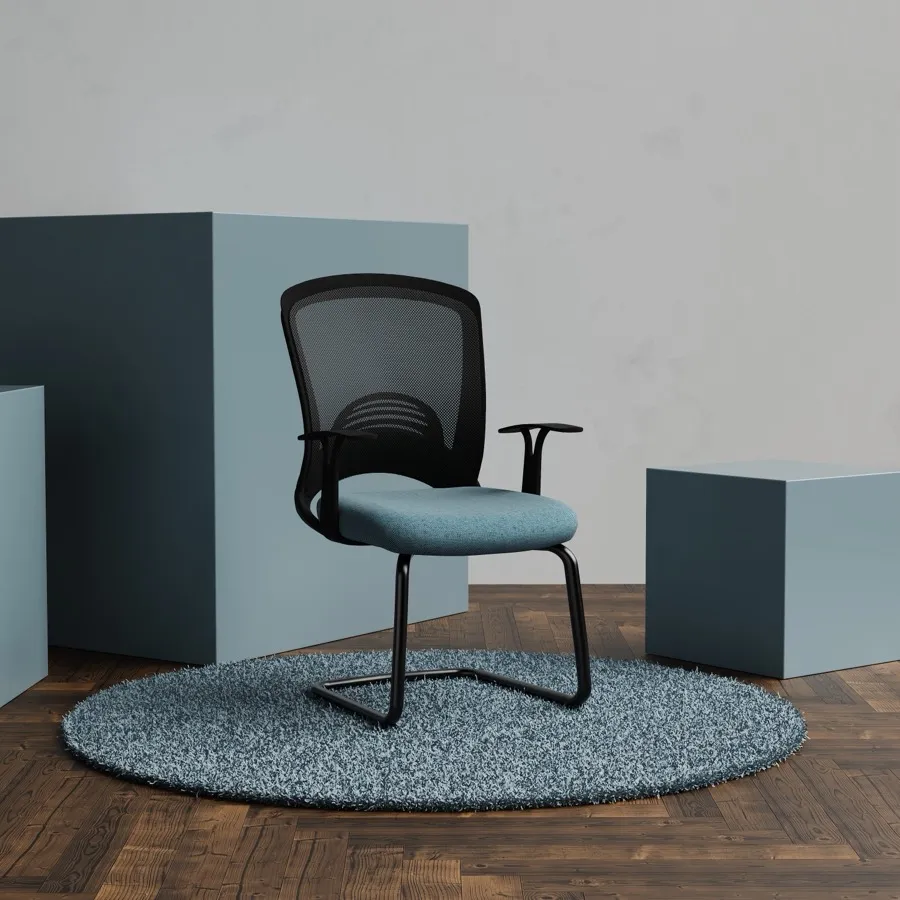
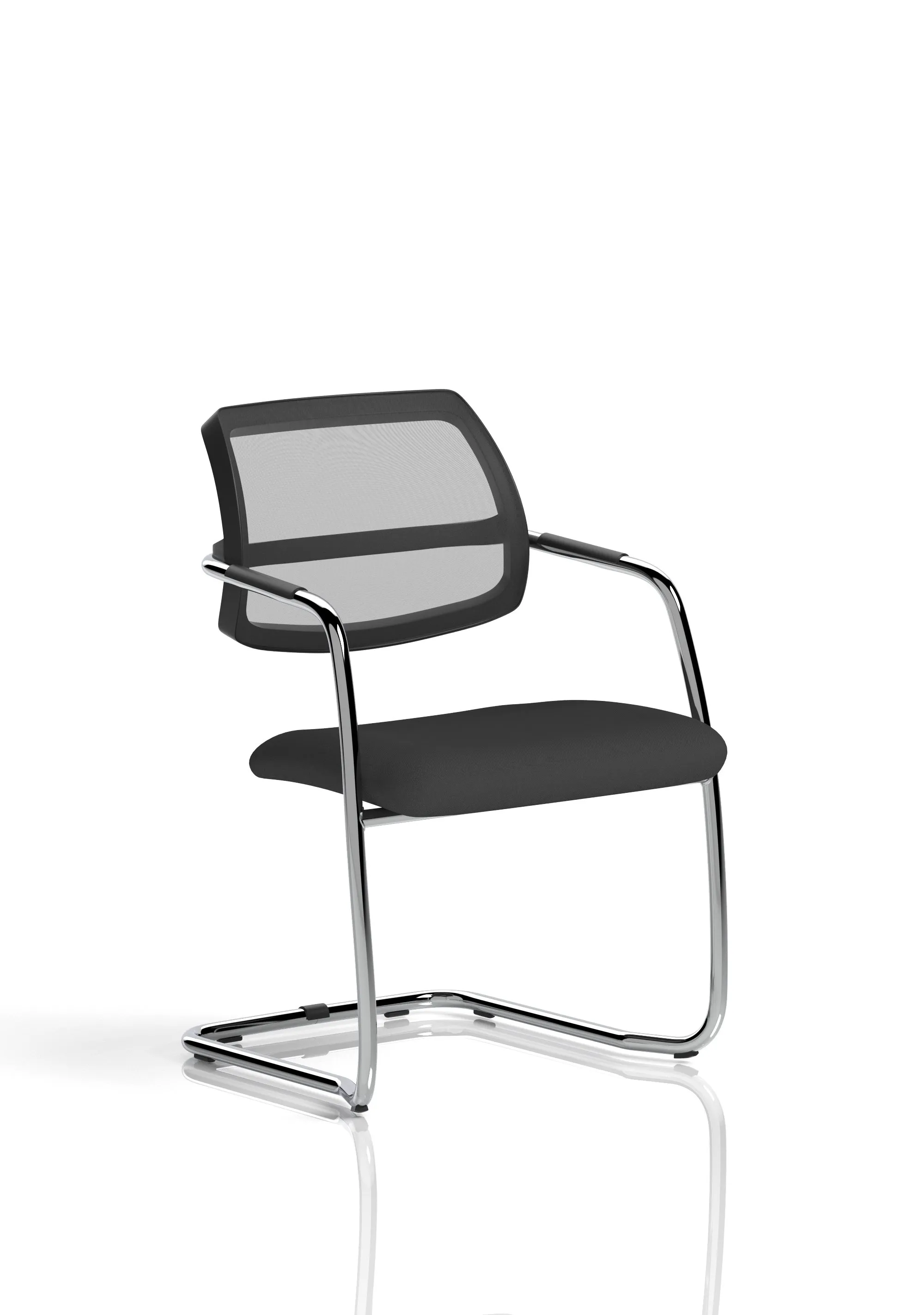
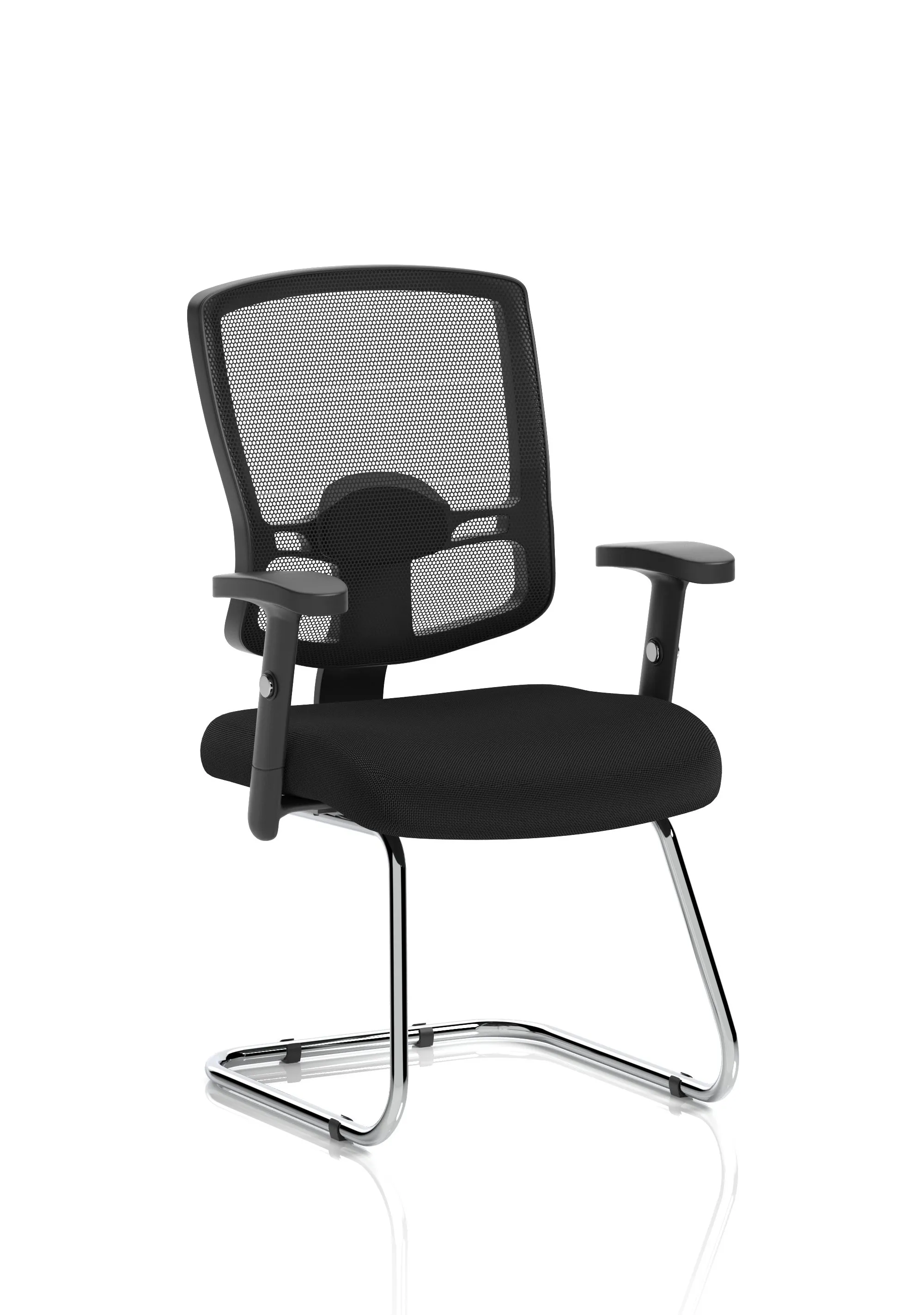
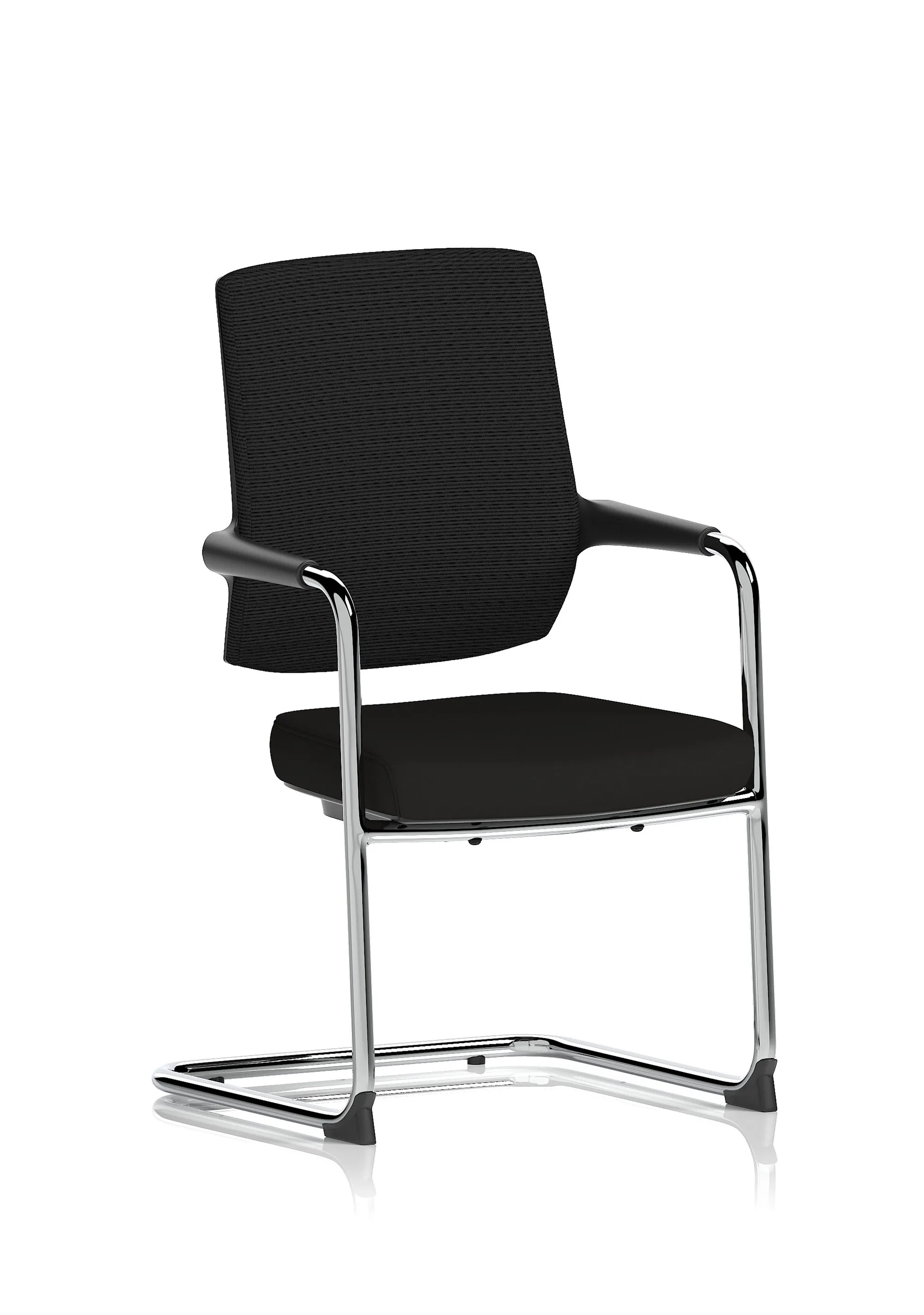
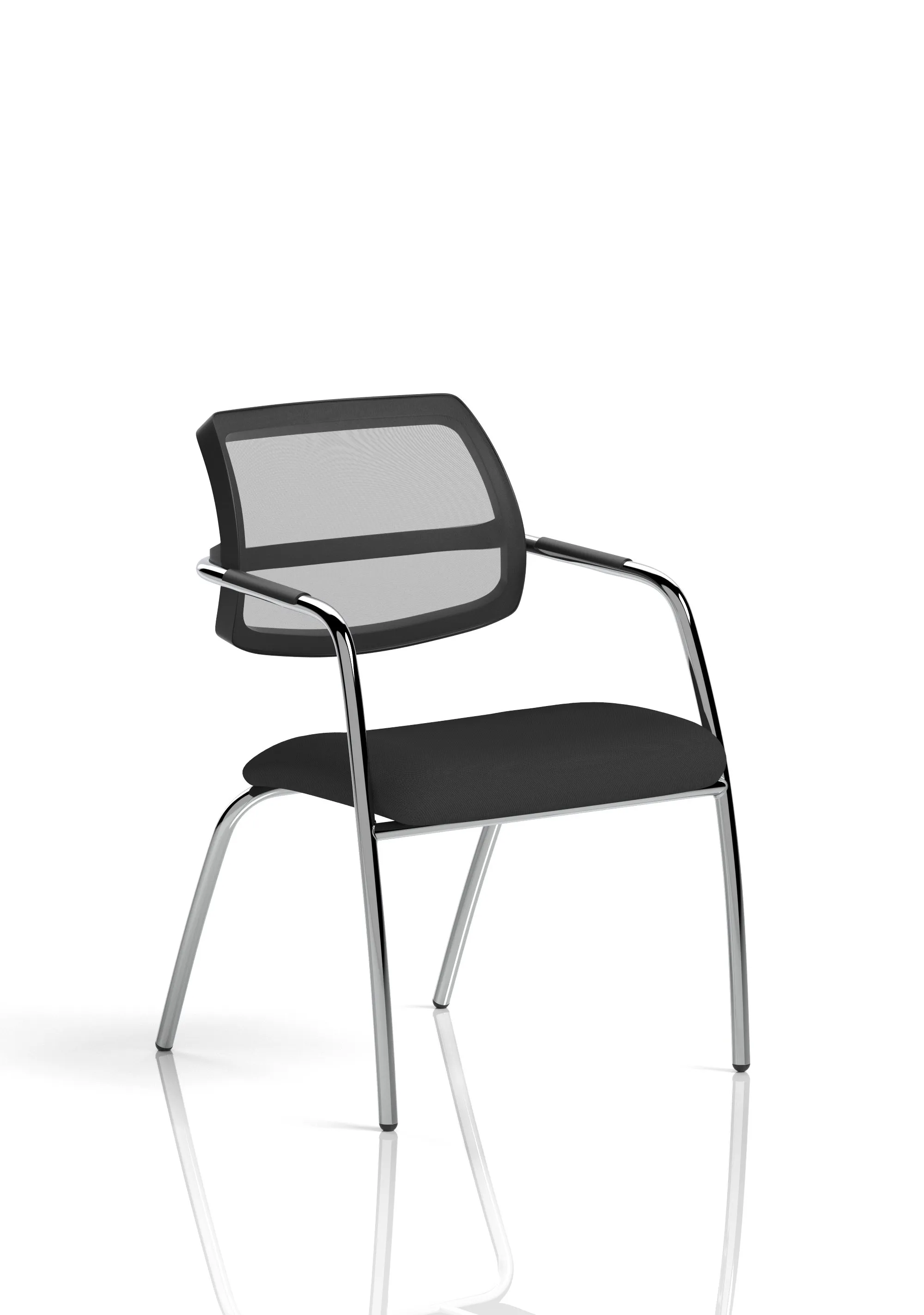
This is the main choice and it is more practical than aesthetic. A cantilever chair runs the frame in a continuous loop rather than on four separate legs, which gives a slight spring as you sit and leaves nothing to catch a cleaner mop on. Four leg chairs are more stable on uneven floors and generally stack better.
For a meeting room used daily, cantilever tends to look more considered. For a room that gets reconfigured, four leg and stacking is the practical answer.
How long is the meeting
A chair that is fine for twenty minutes can be unpleasant at ninety. If your meeting room hosts long sessions, specify upholstered conference seating with a padded seat rather than the lighter visitor models, and accept the cost difference.
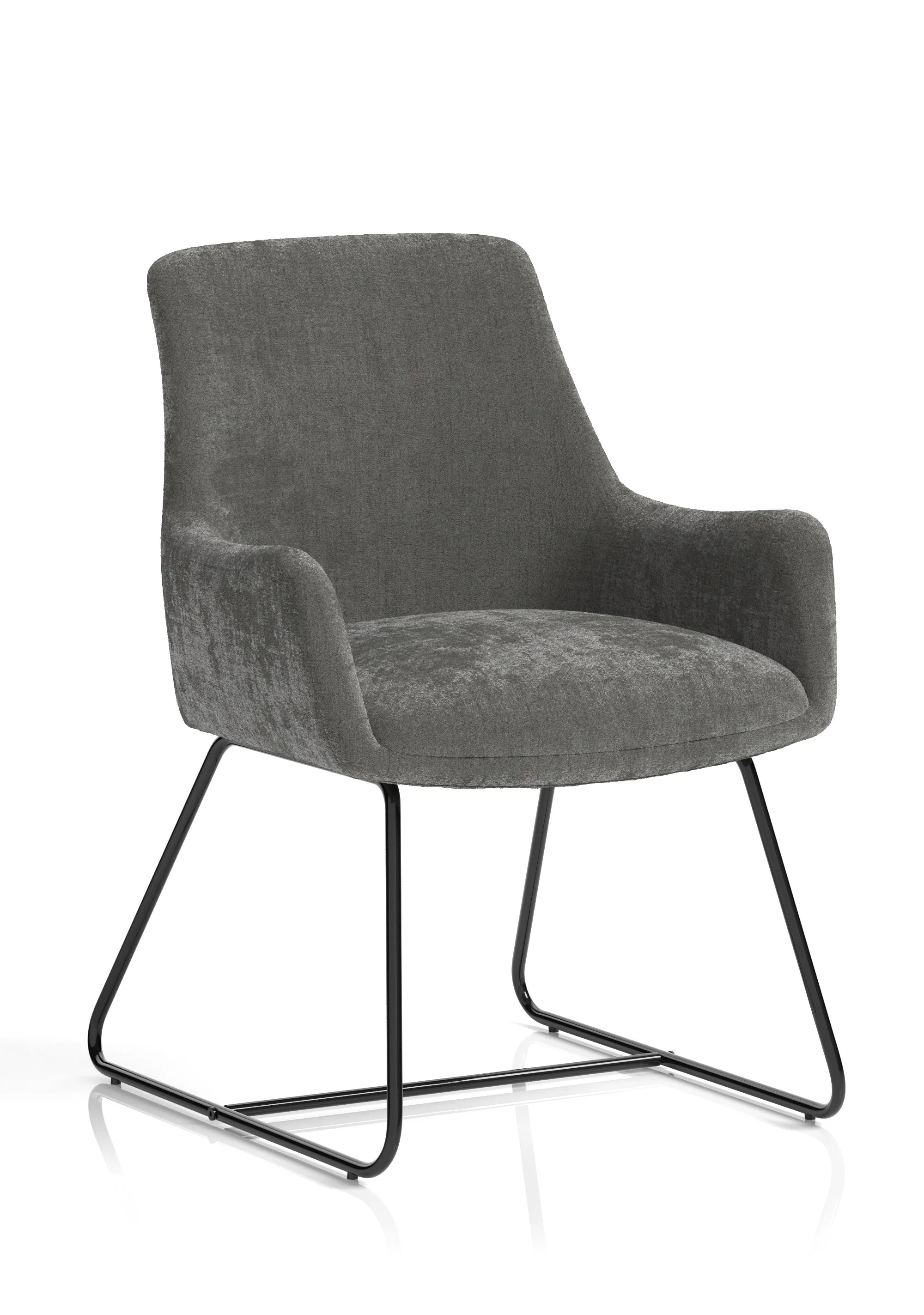
Reception is the opposite case. Nobody should be waiting long enough for seat depth to matter, and appearance carries more weight.
Rooms that change use
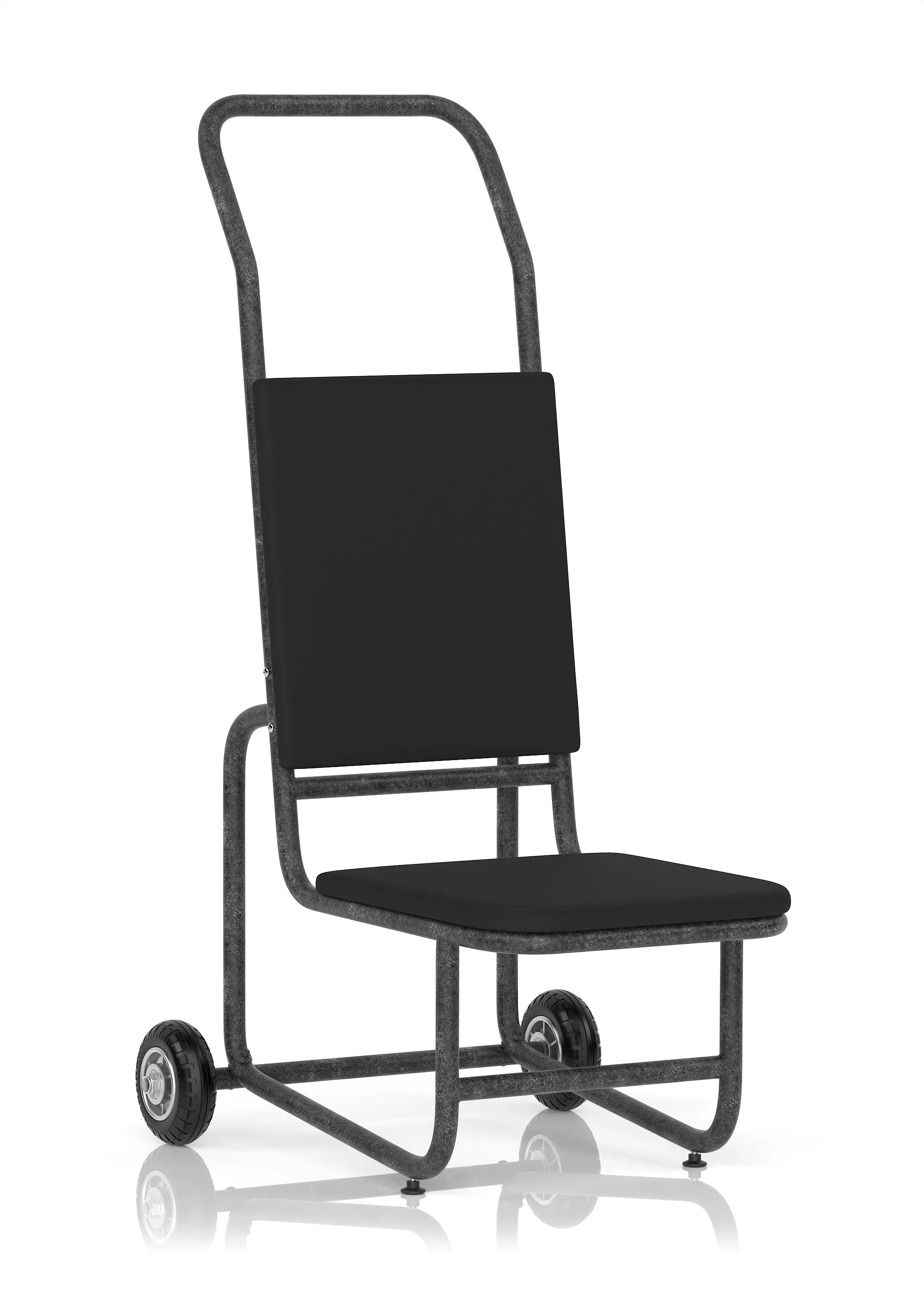
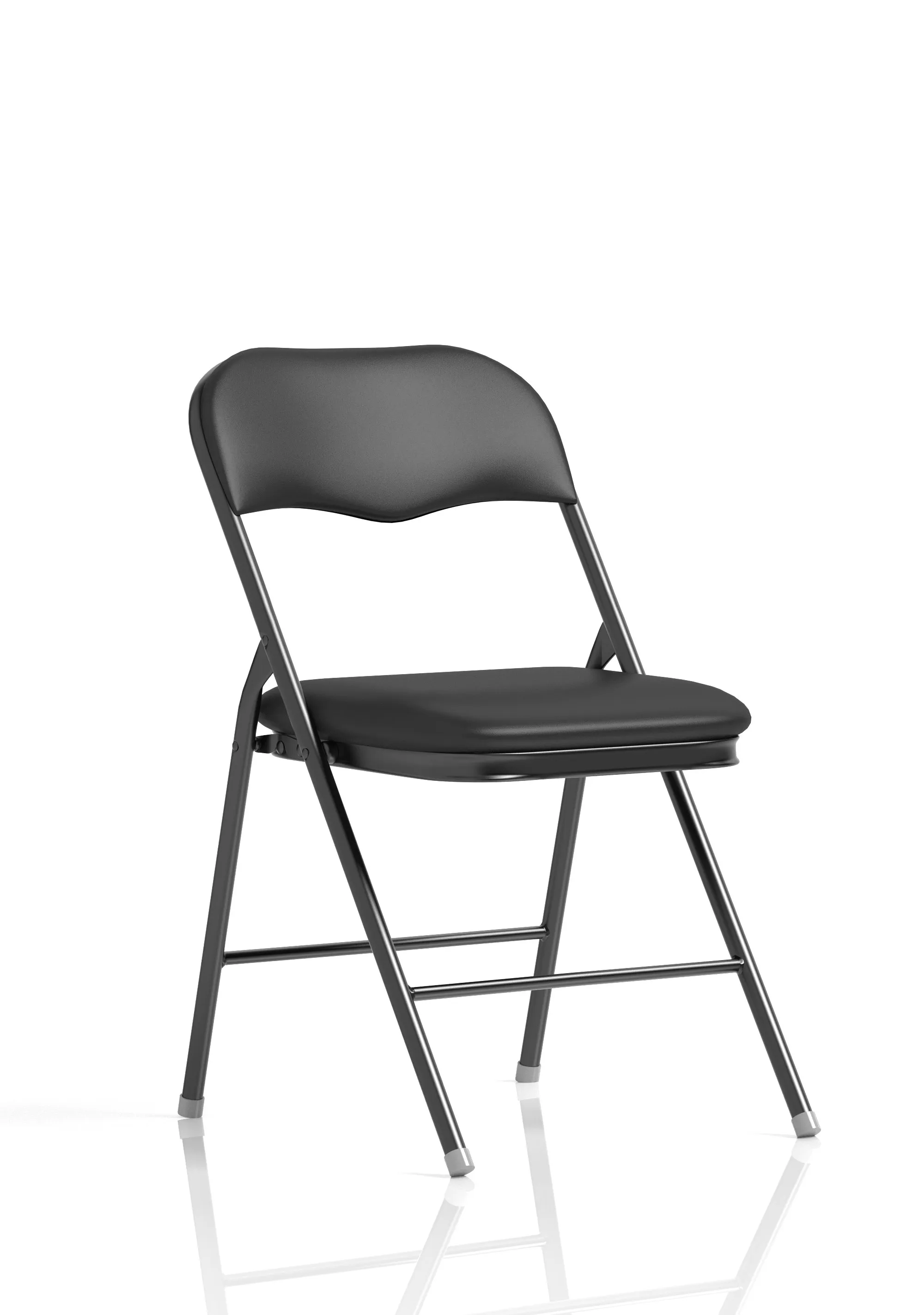
Training rooms and multipurpose spaces need chairs that disappear. Our stacking chairs cover that, and it is worth checking how high they stack and whether you have somewhere to put them before committing to a large order.
Matching the meeting table
Seat height and table height need to work together, and mismatches are common when chairs and tables are ordered separately. If you are furnishing a room from scratch, our meeting and boardroom tables are sized to standard seat heights, and the training collection pairs folding tables with folding chairs deliberately.