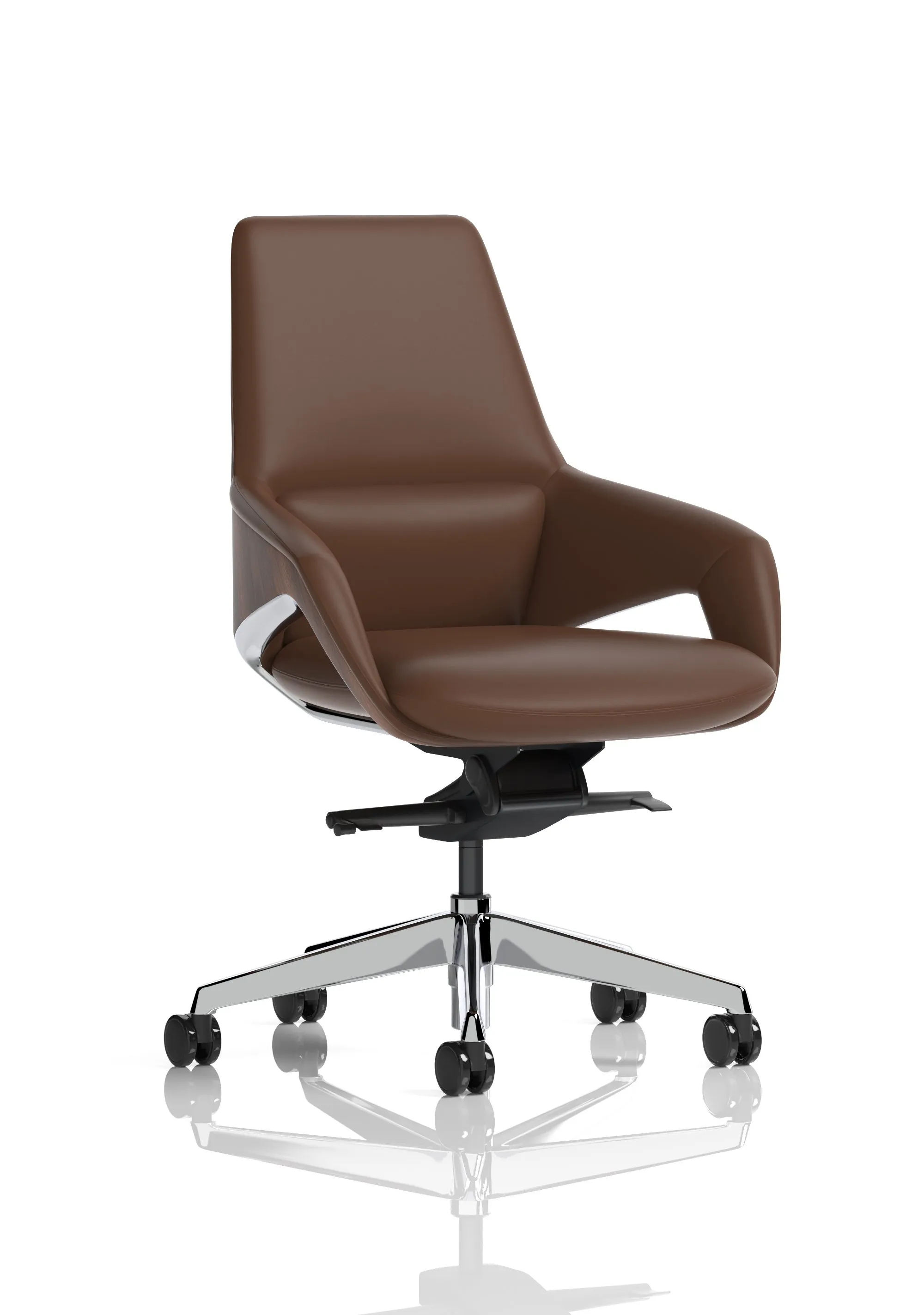
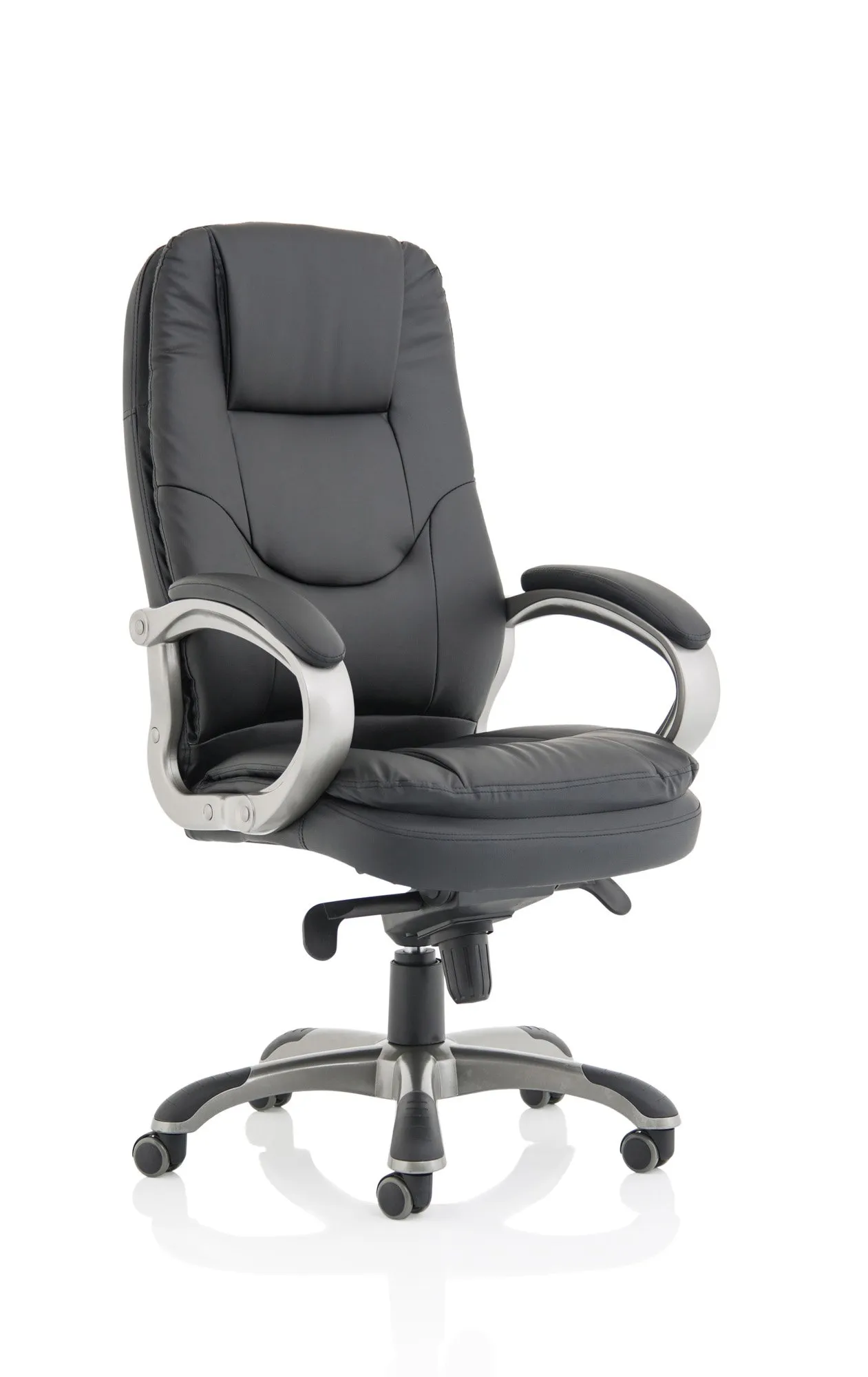
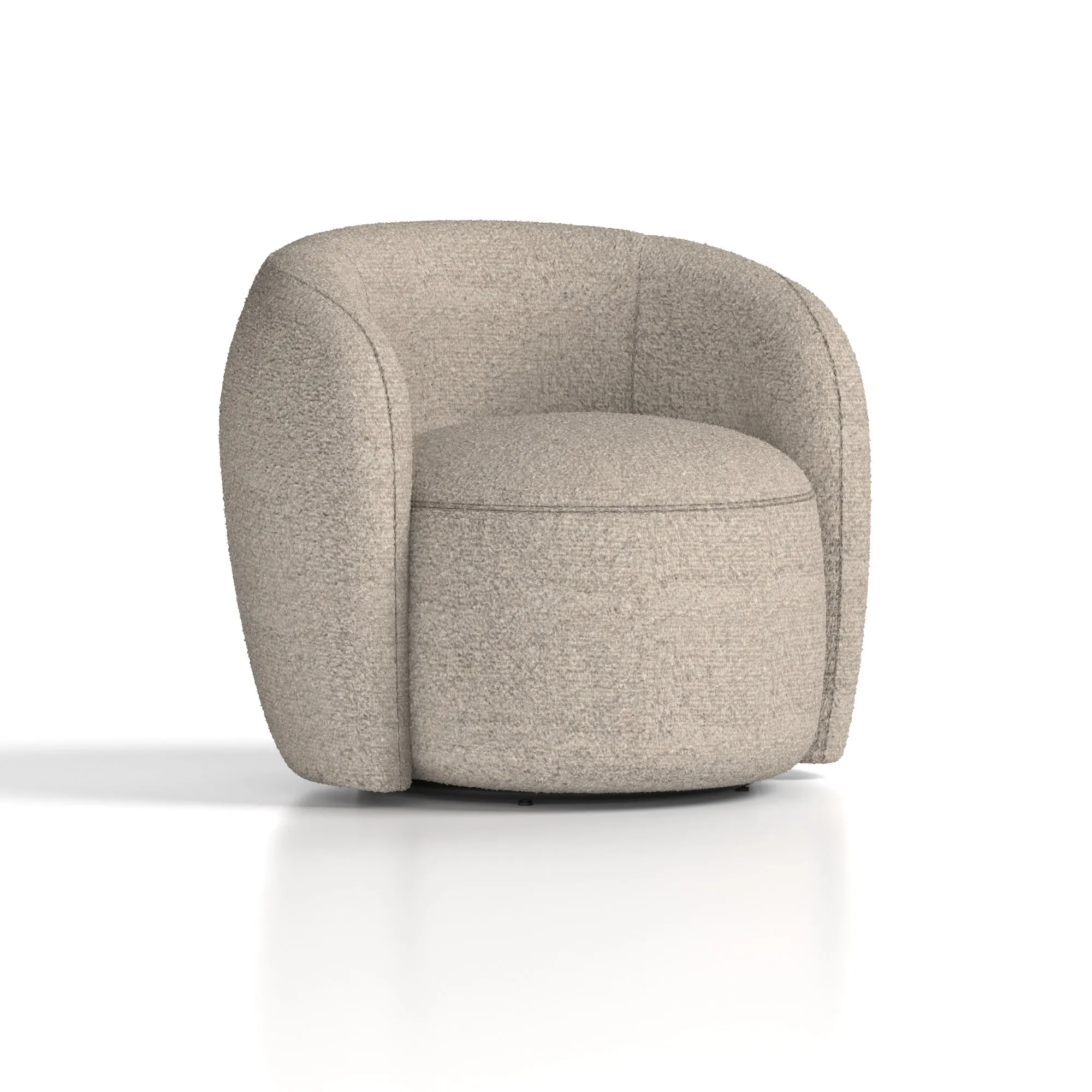
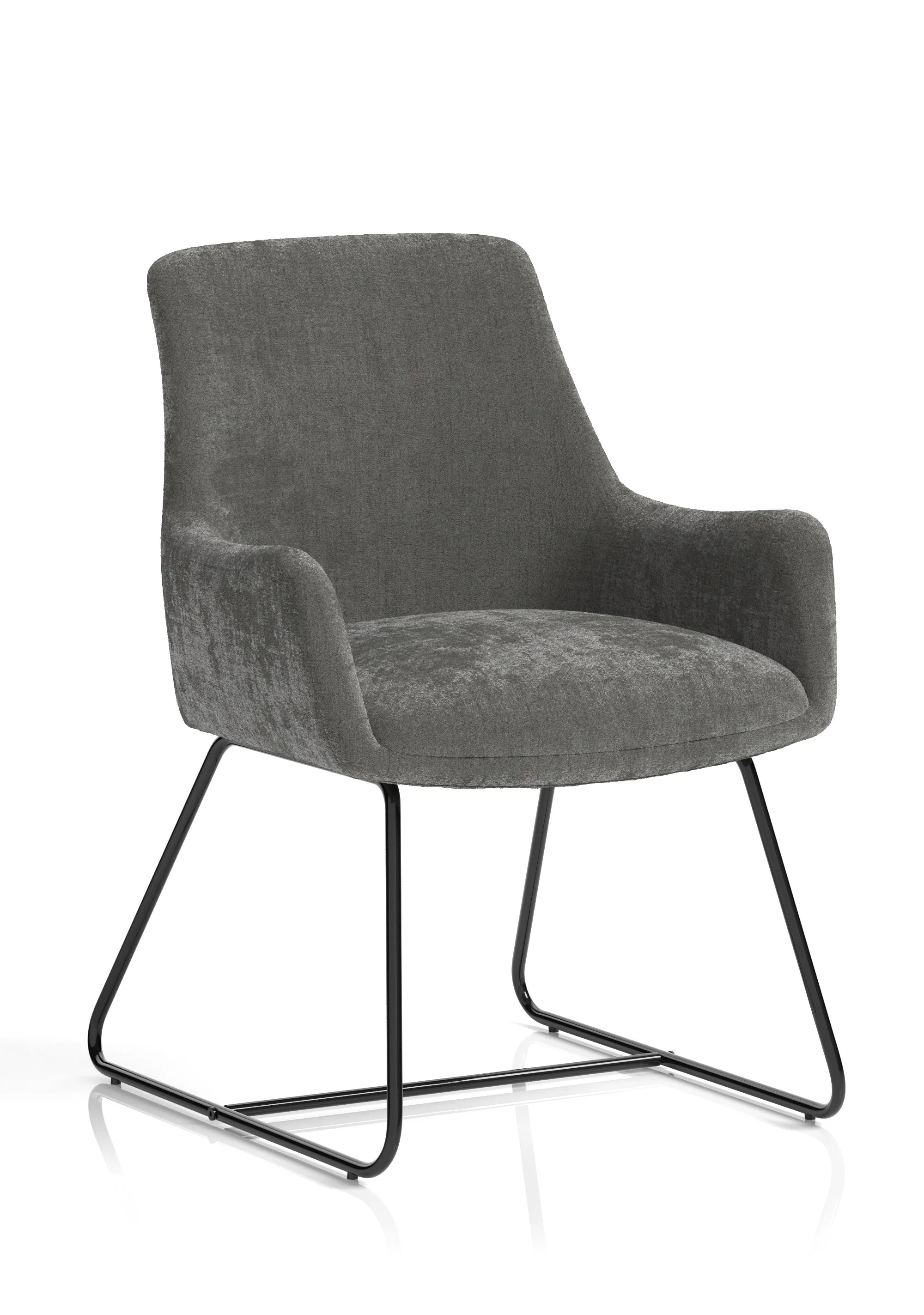
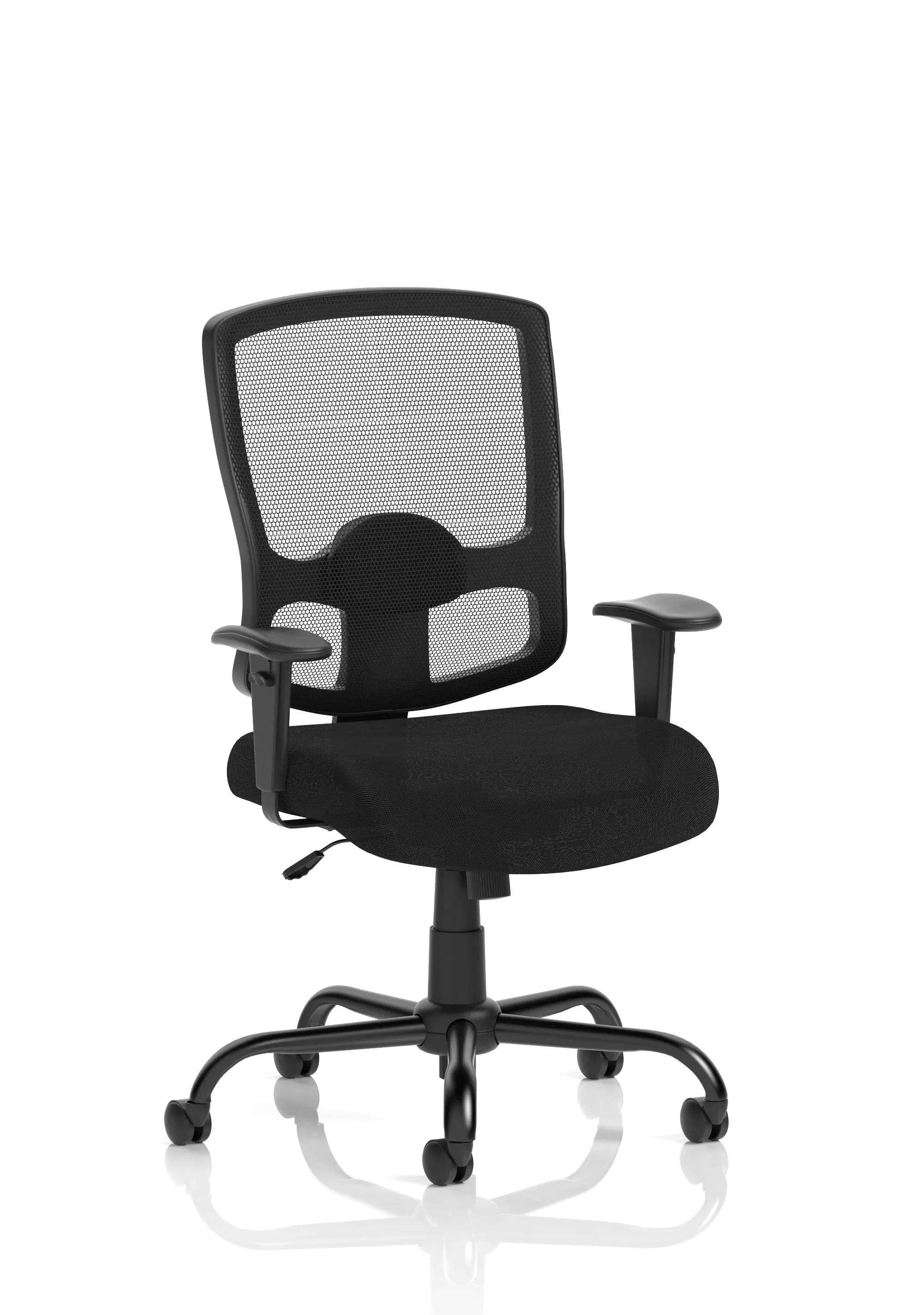
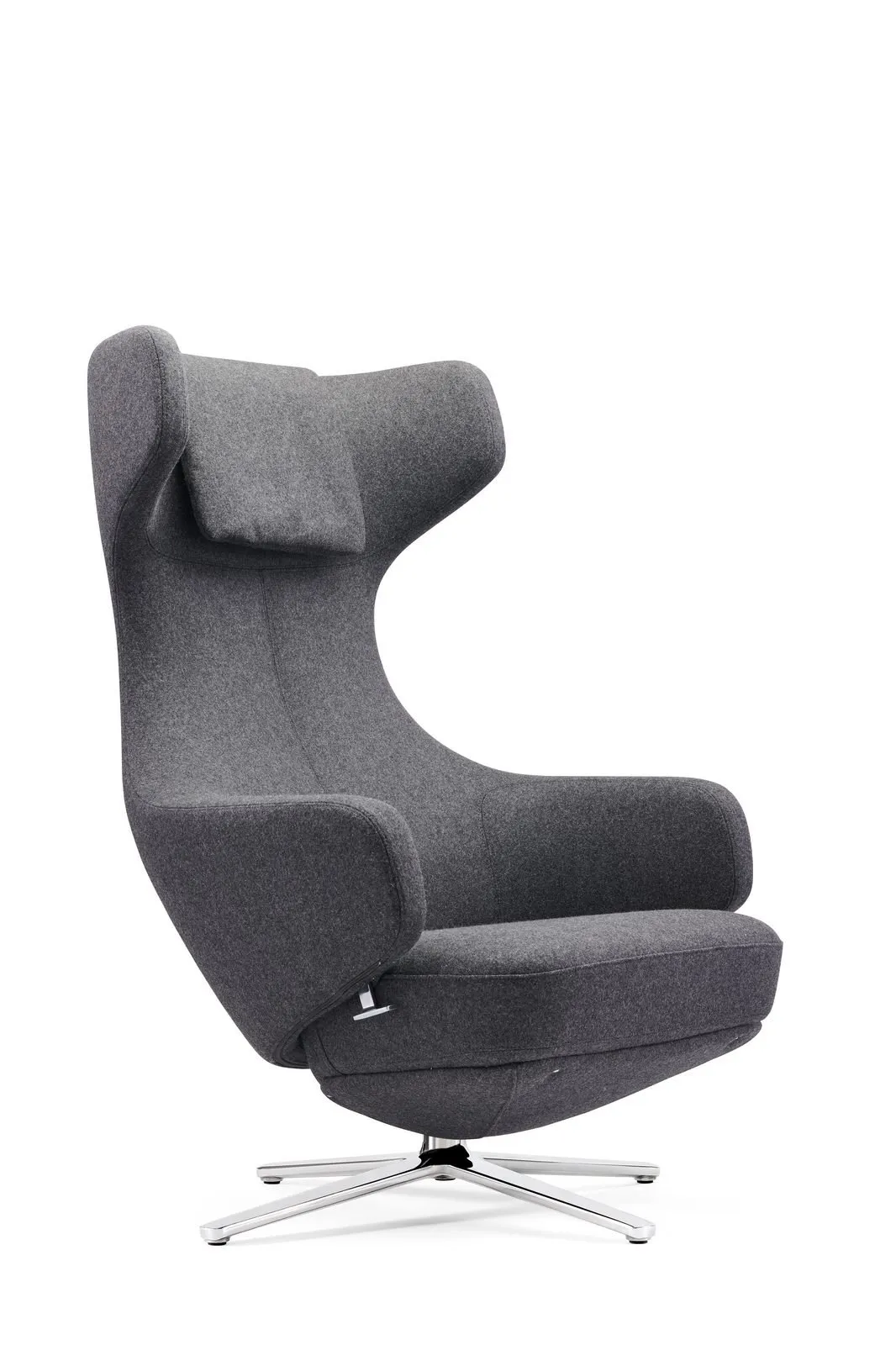
Upholstered seating, and when it wins
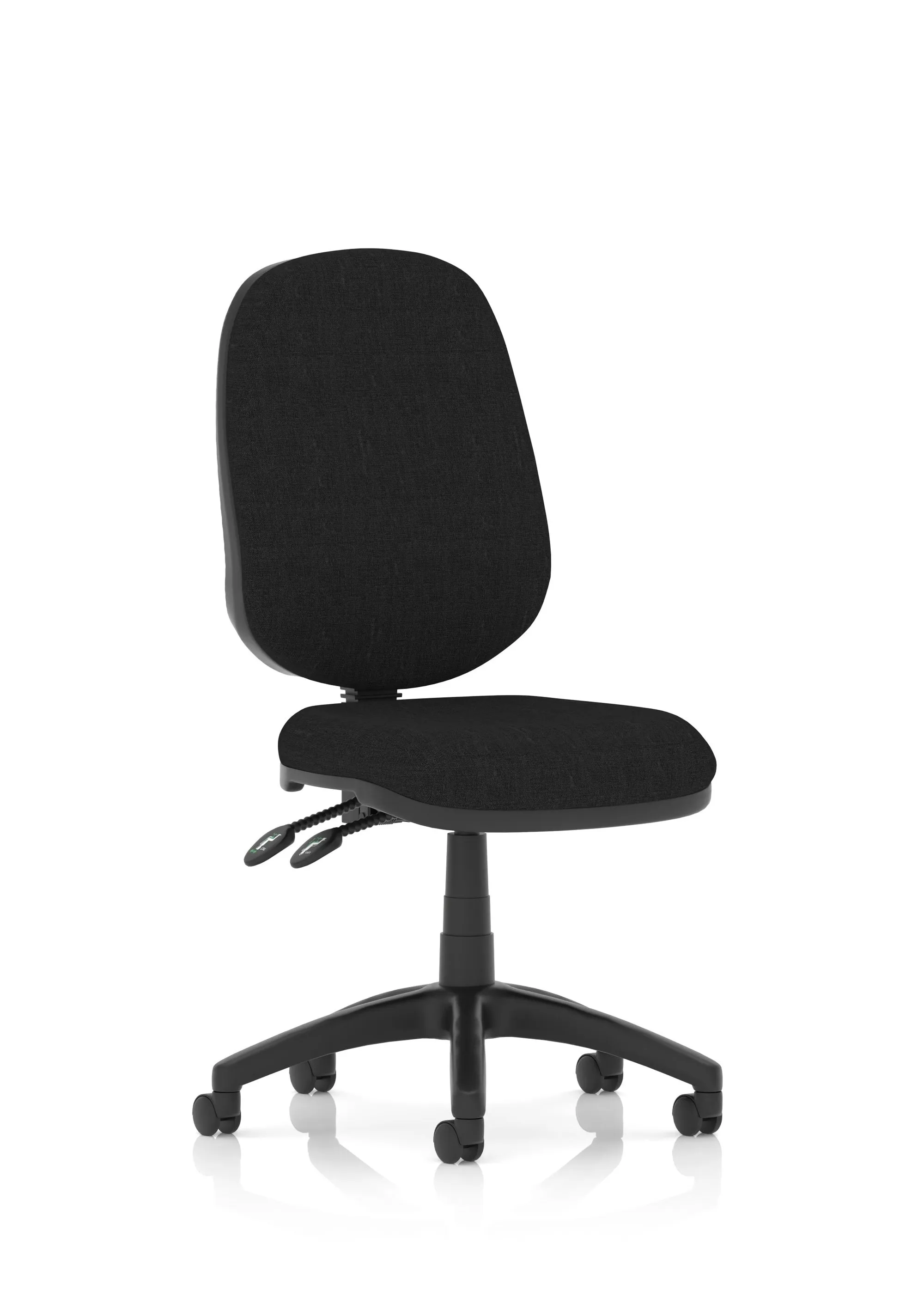
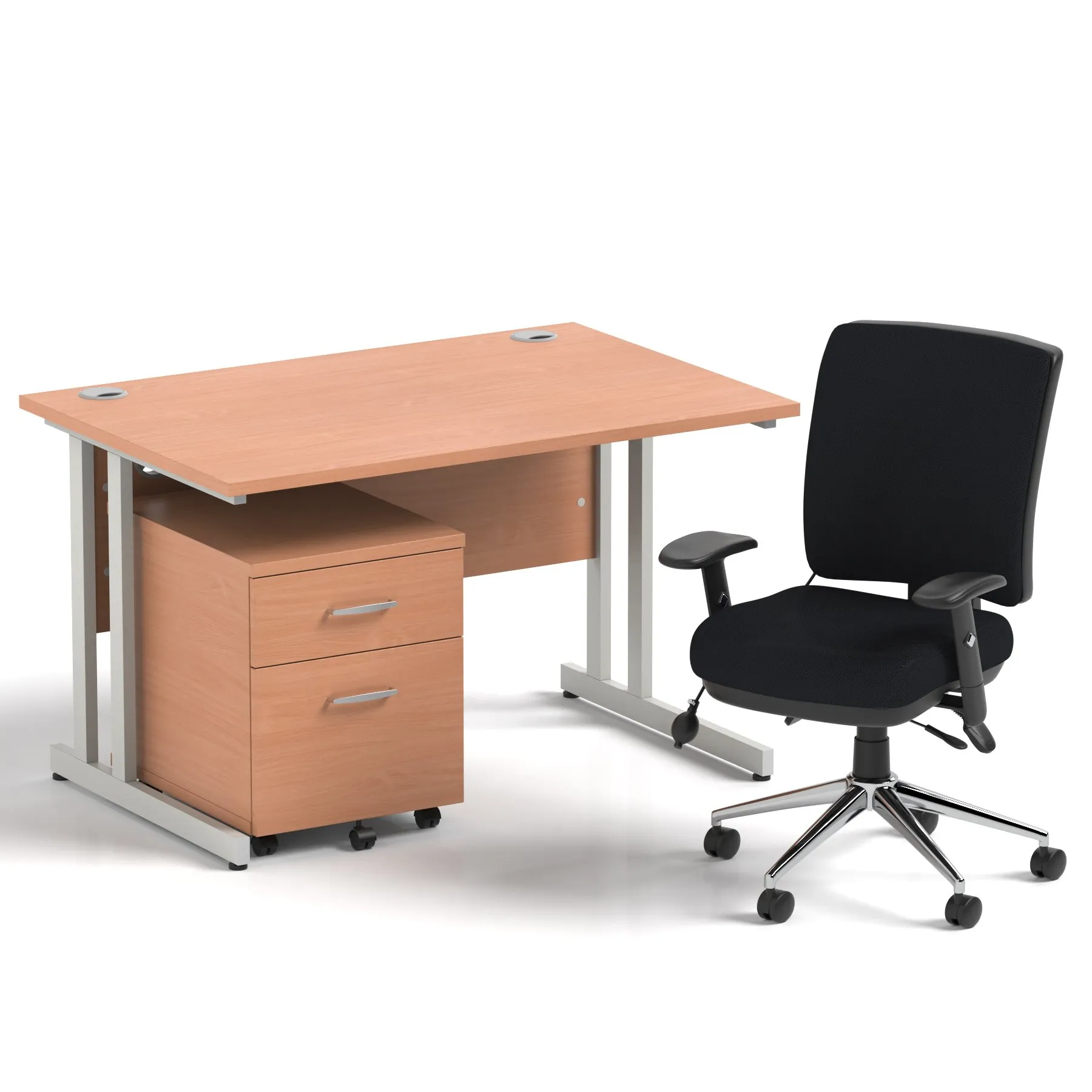
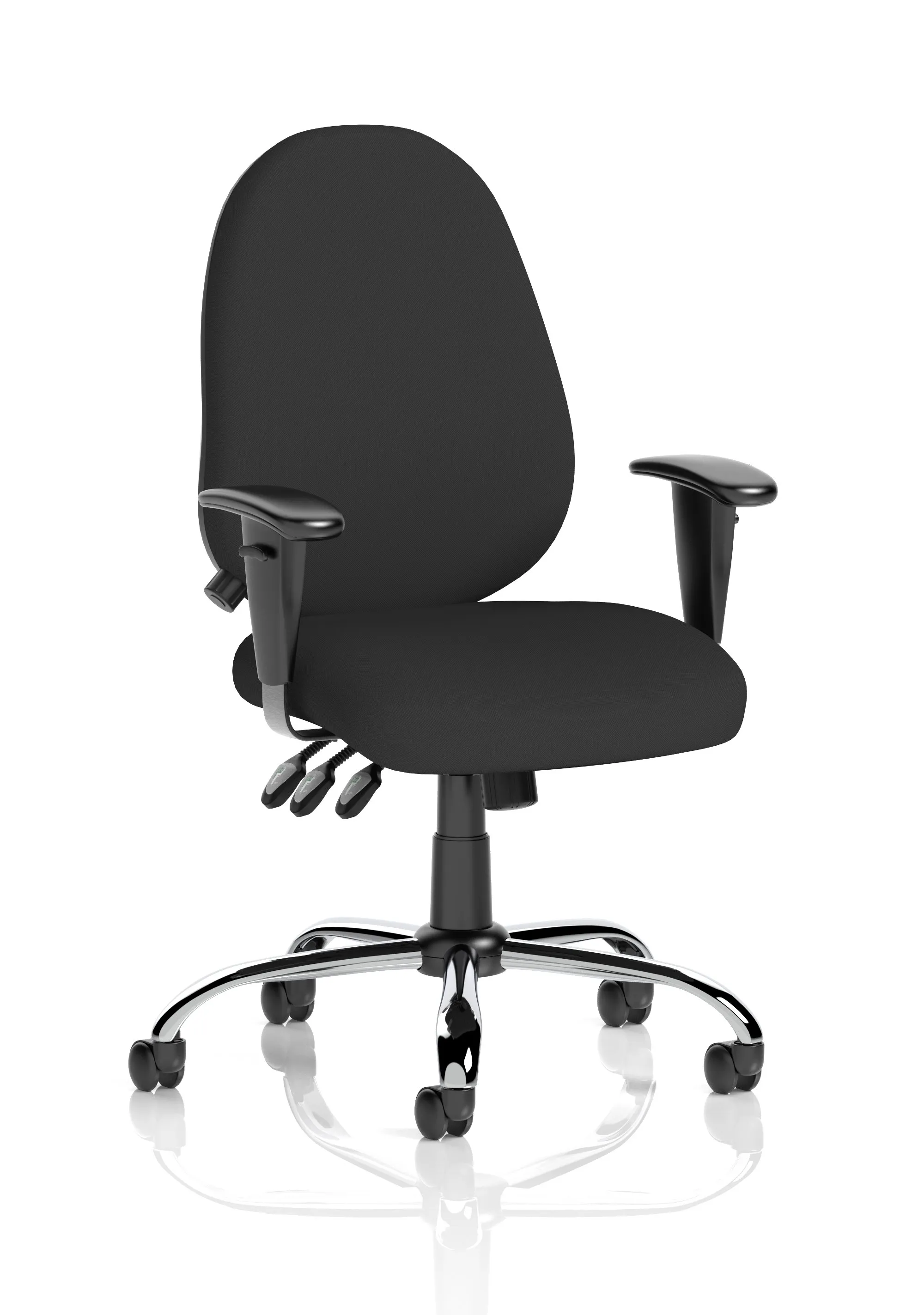
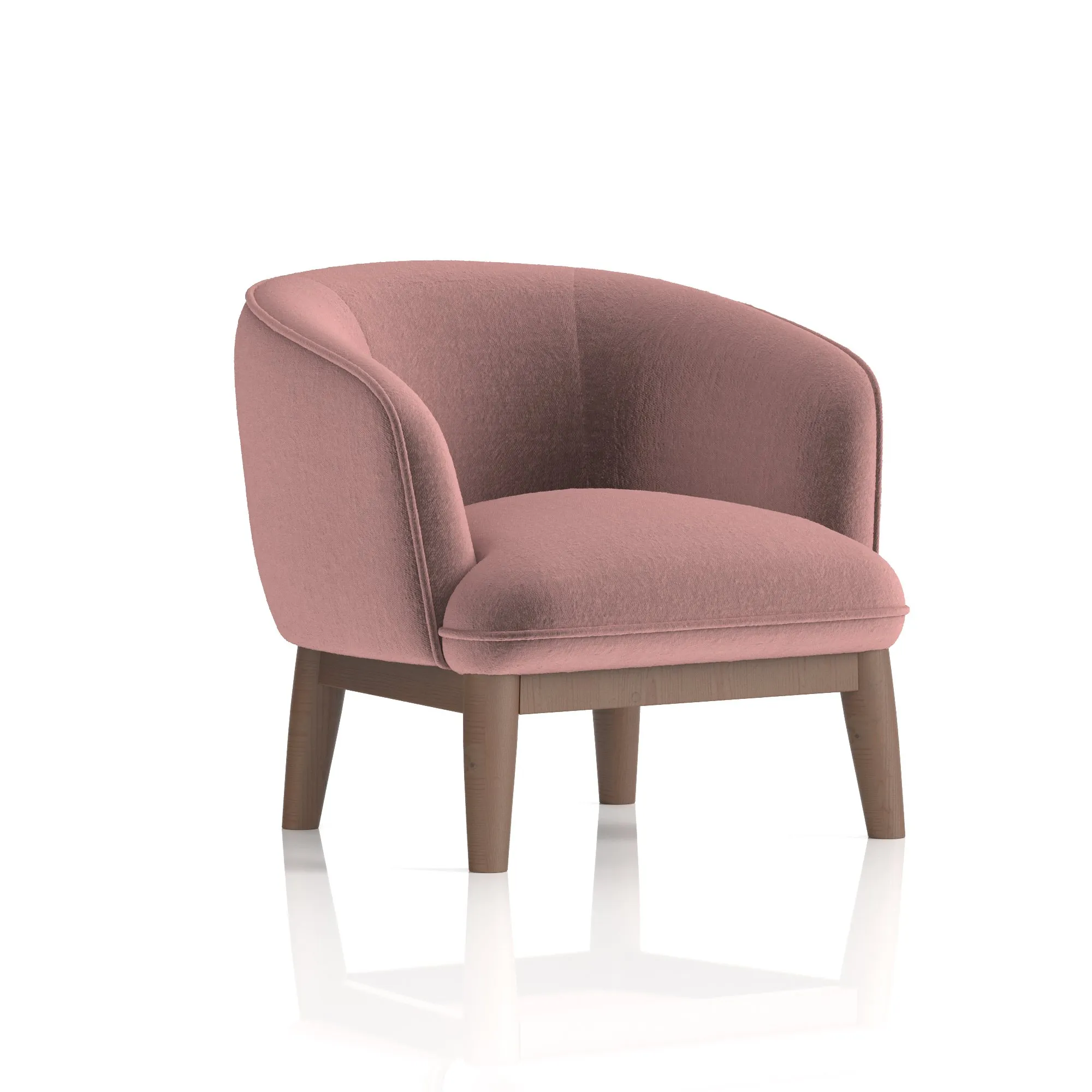
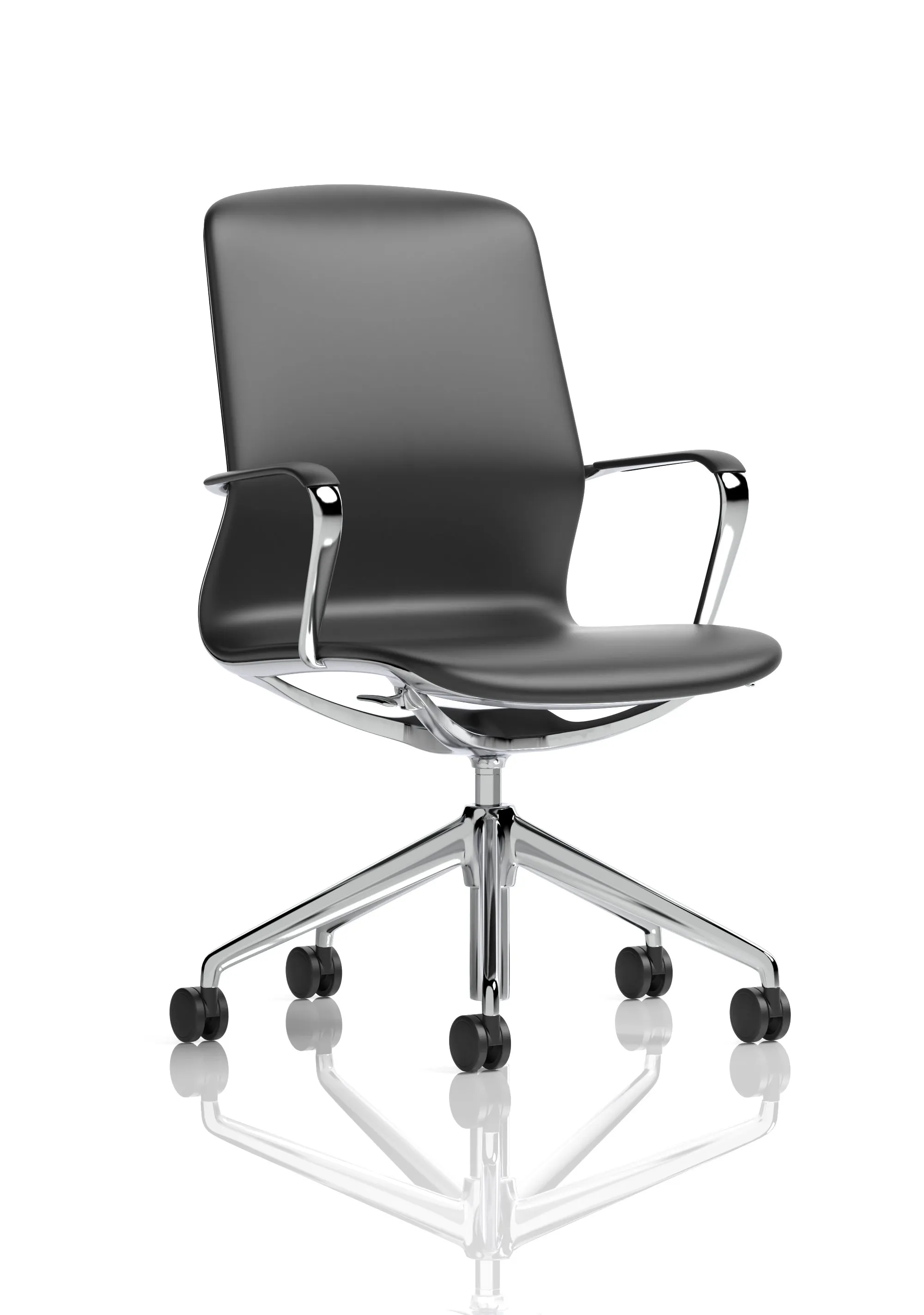
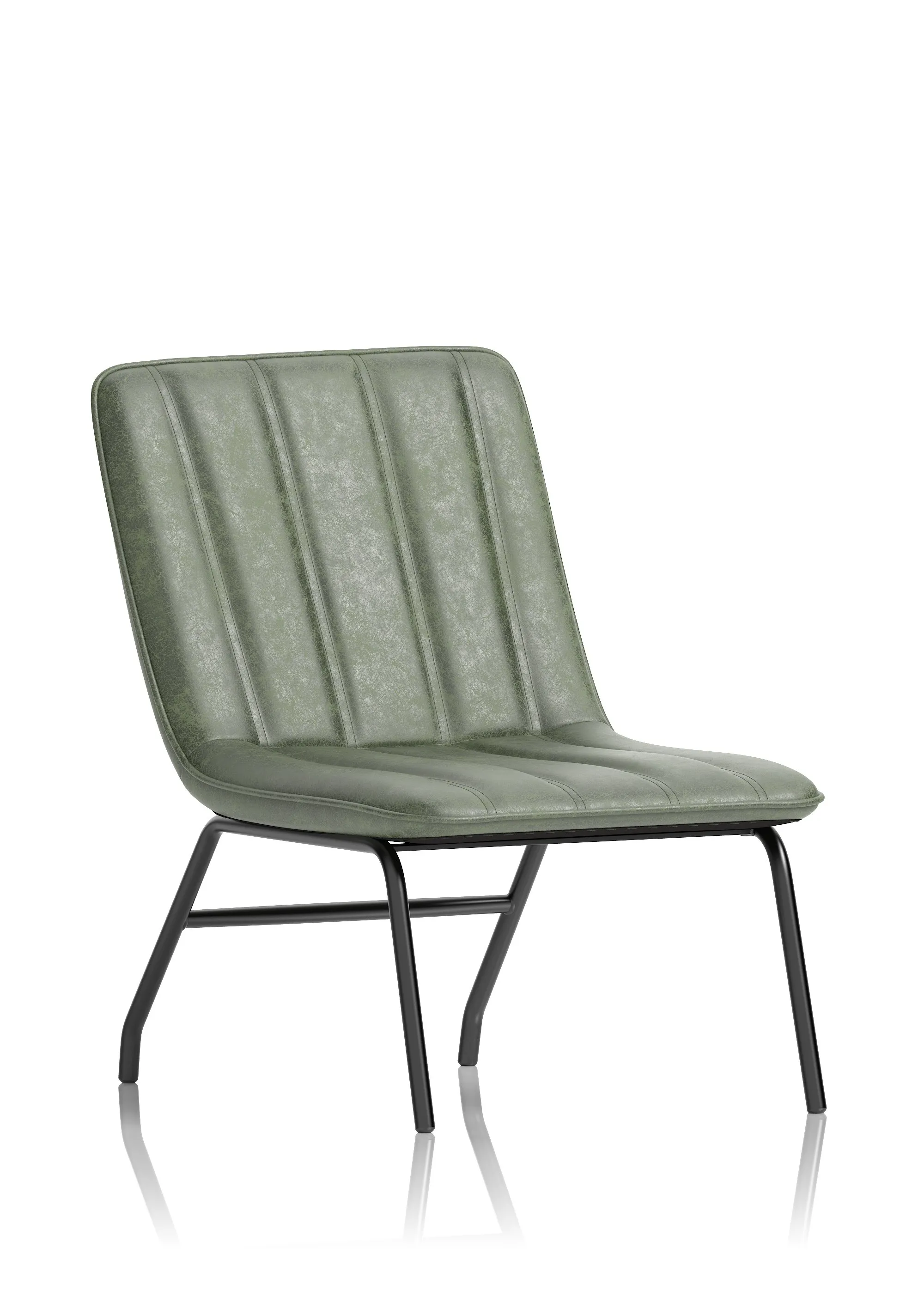
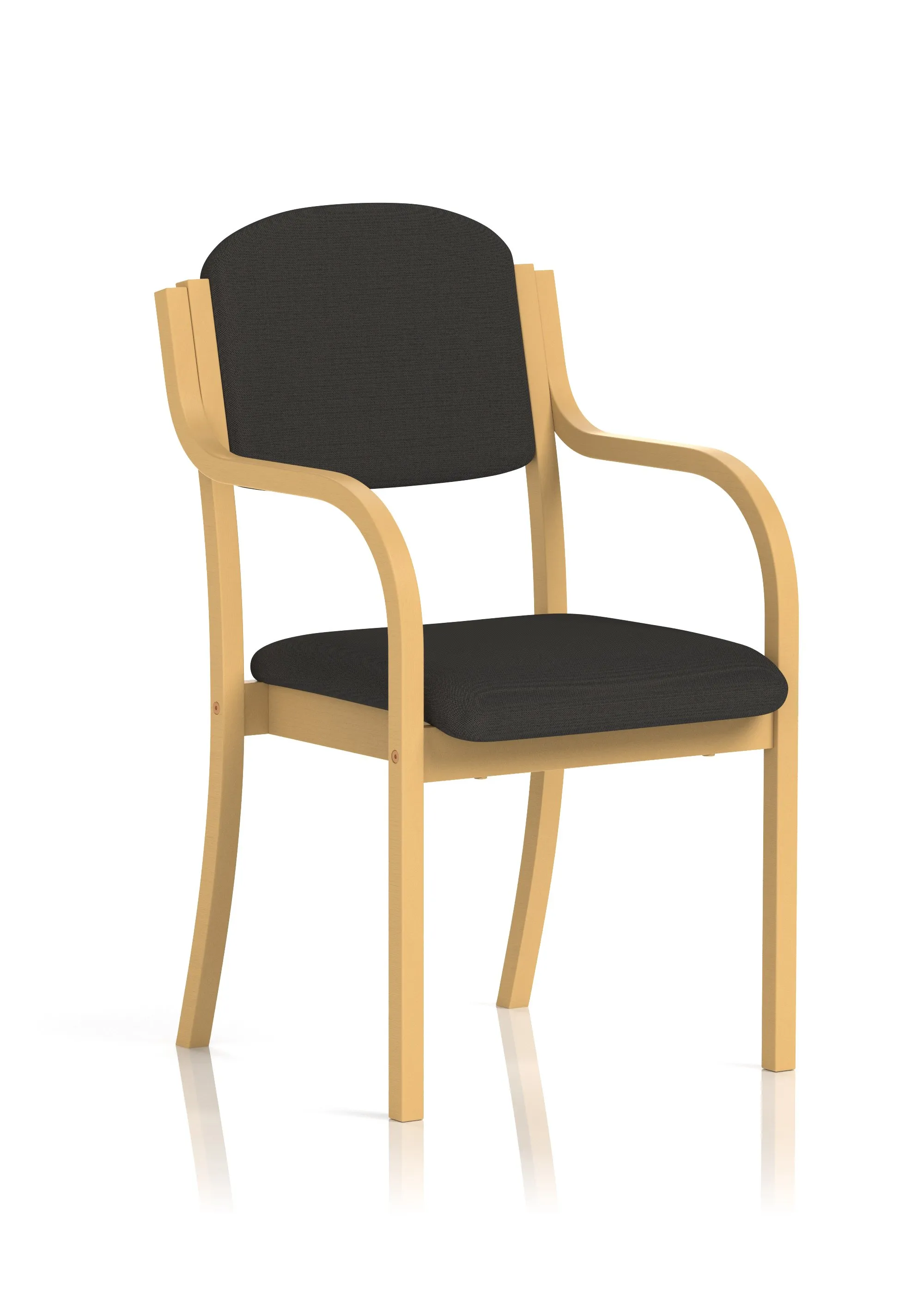
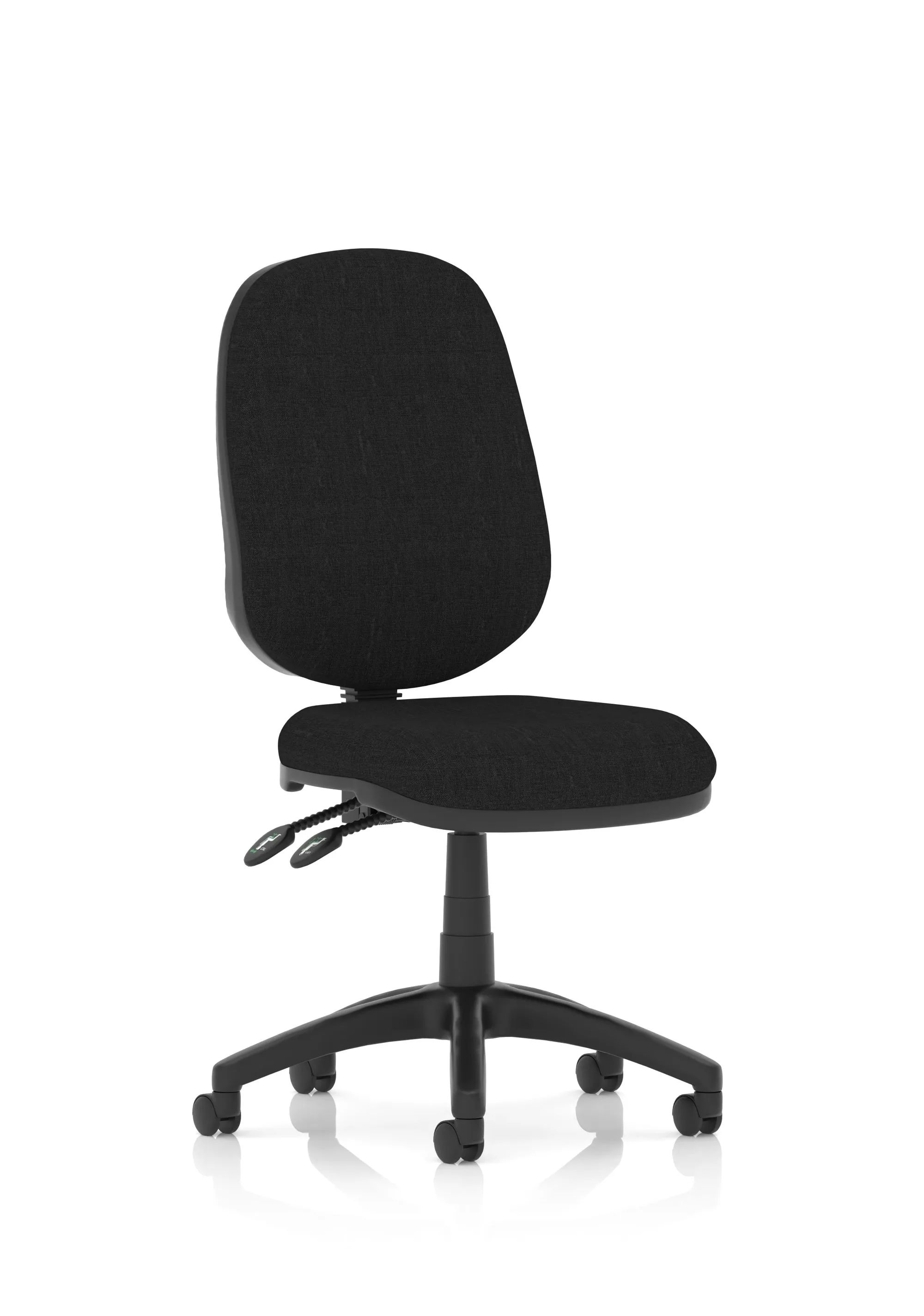
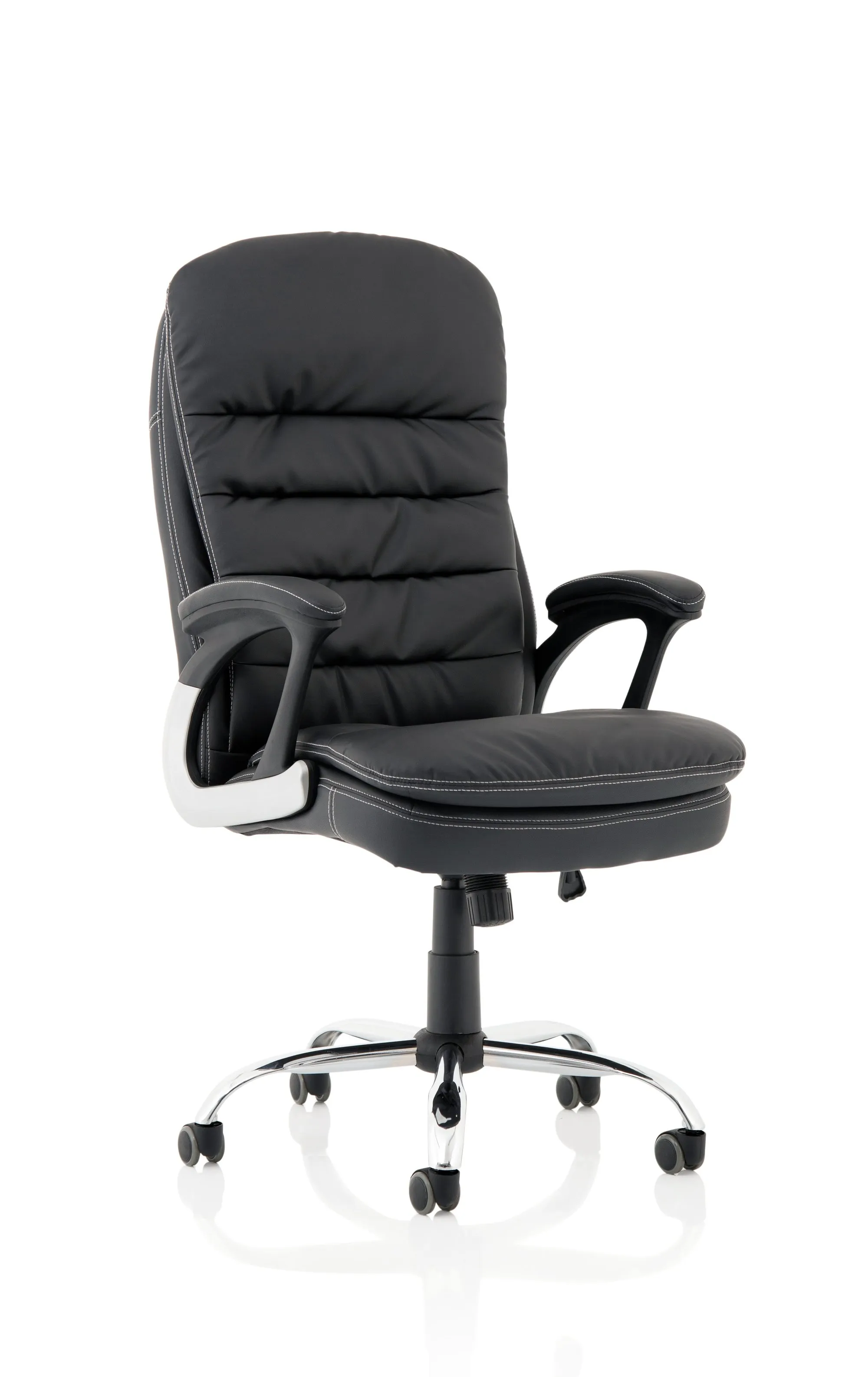
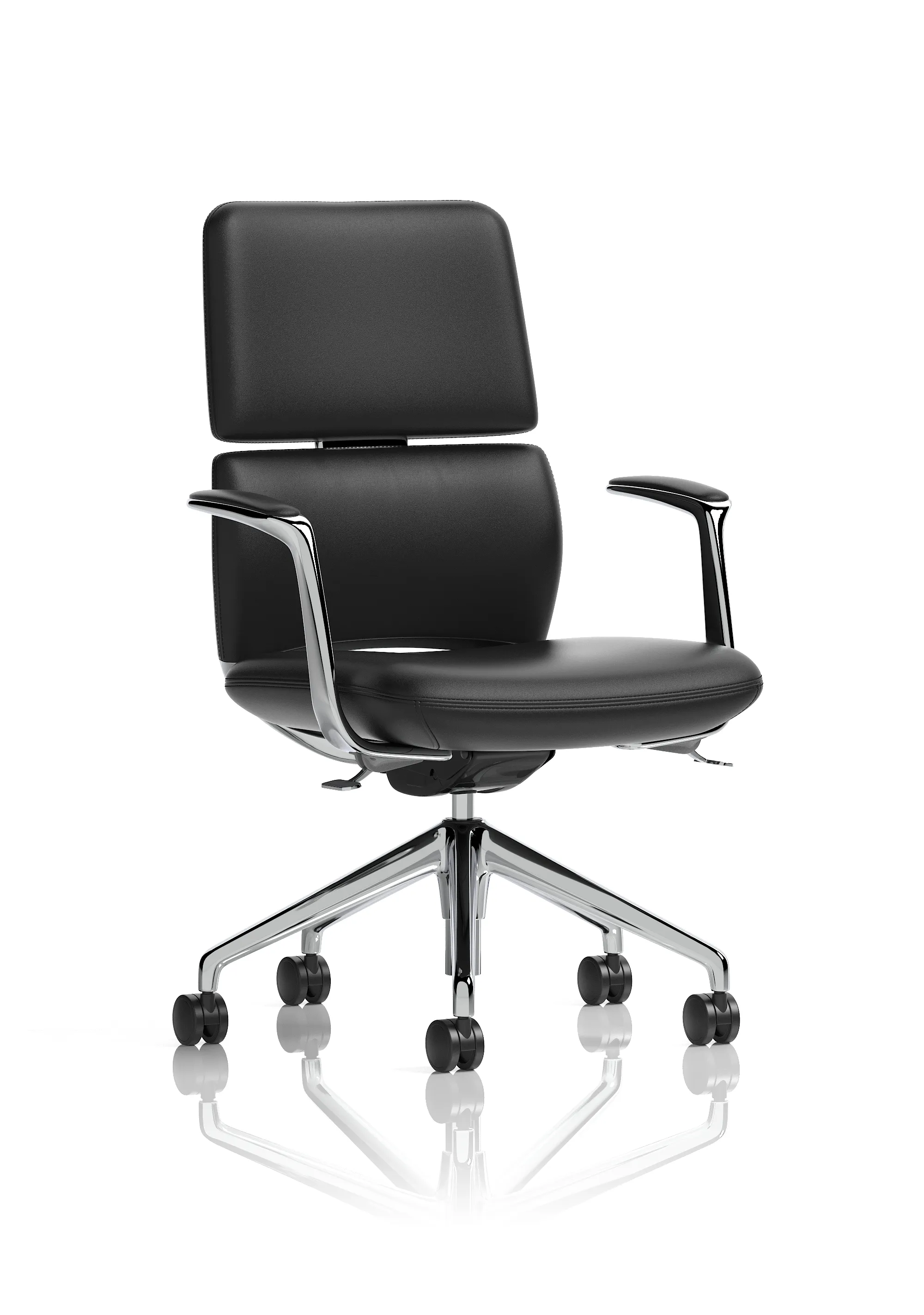
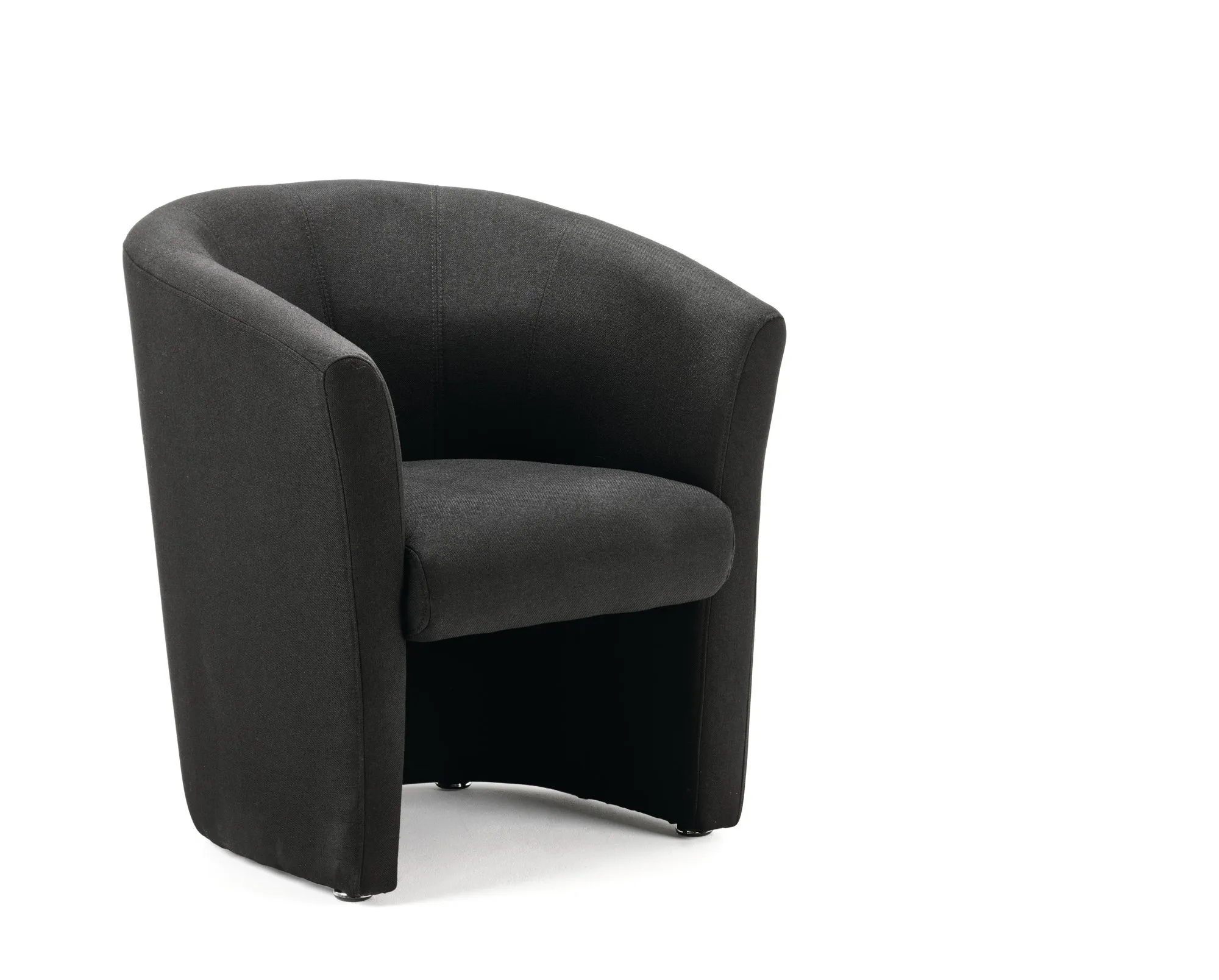
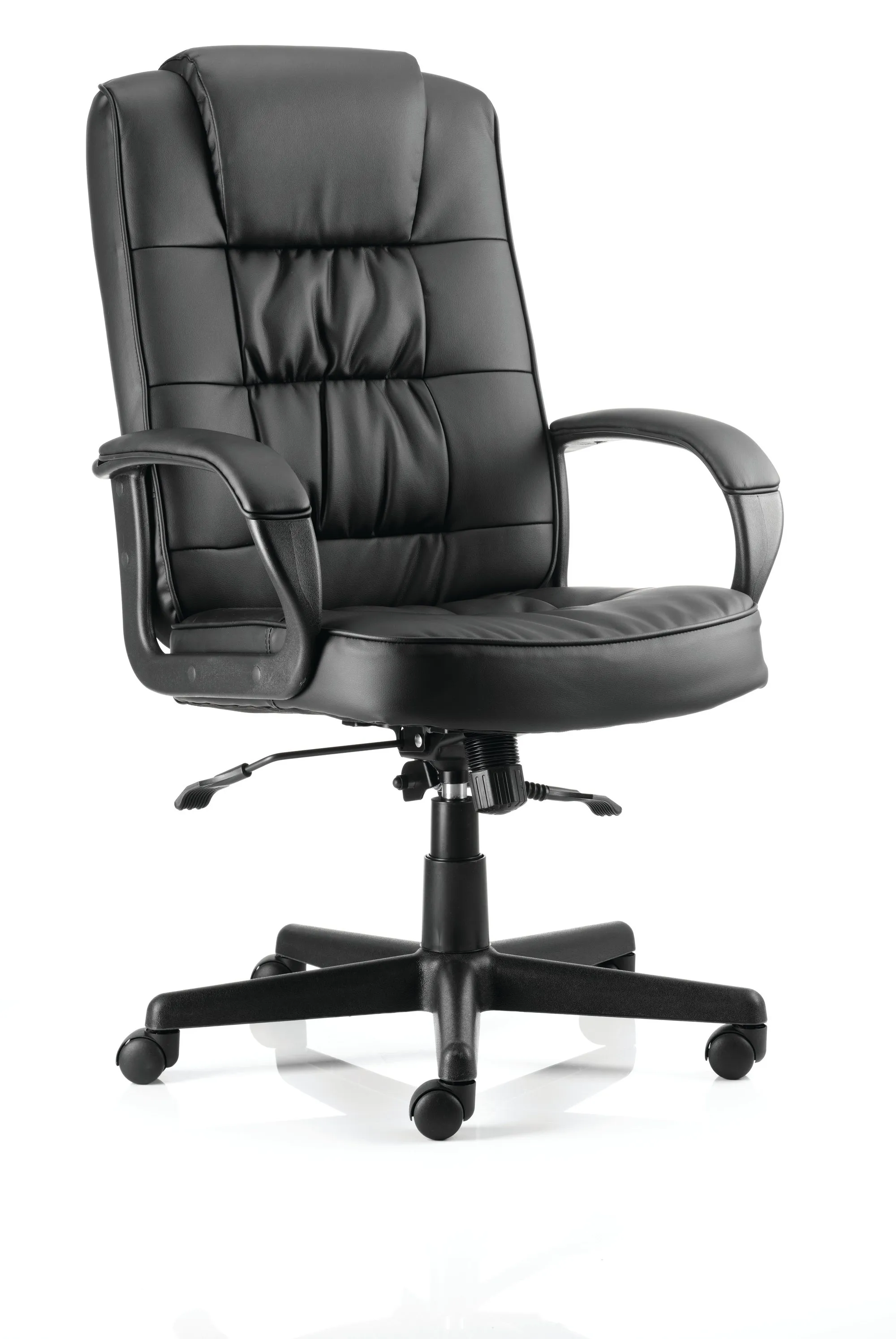
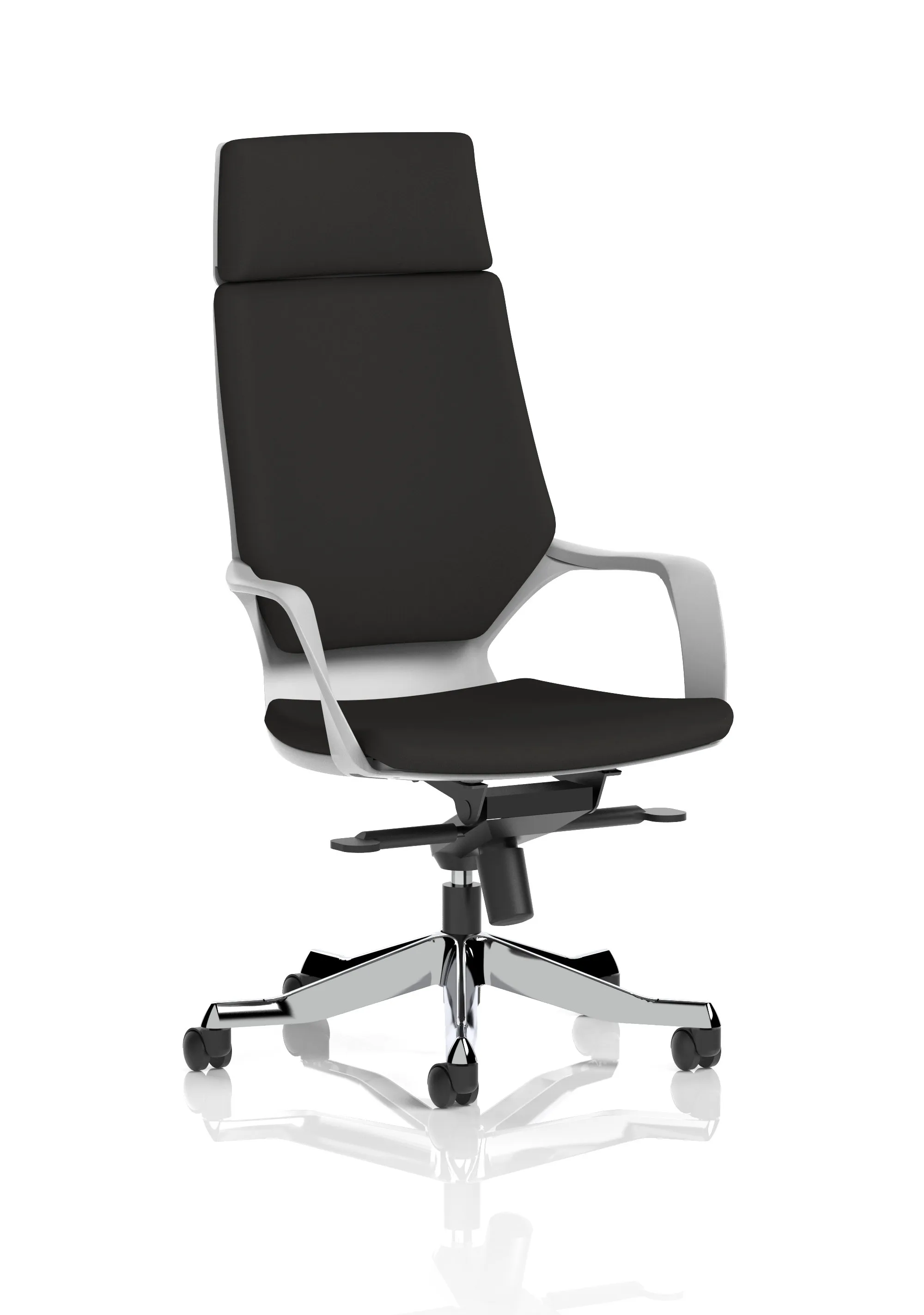
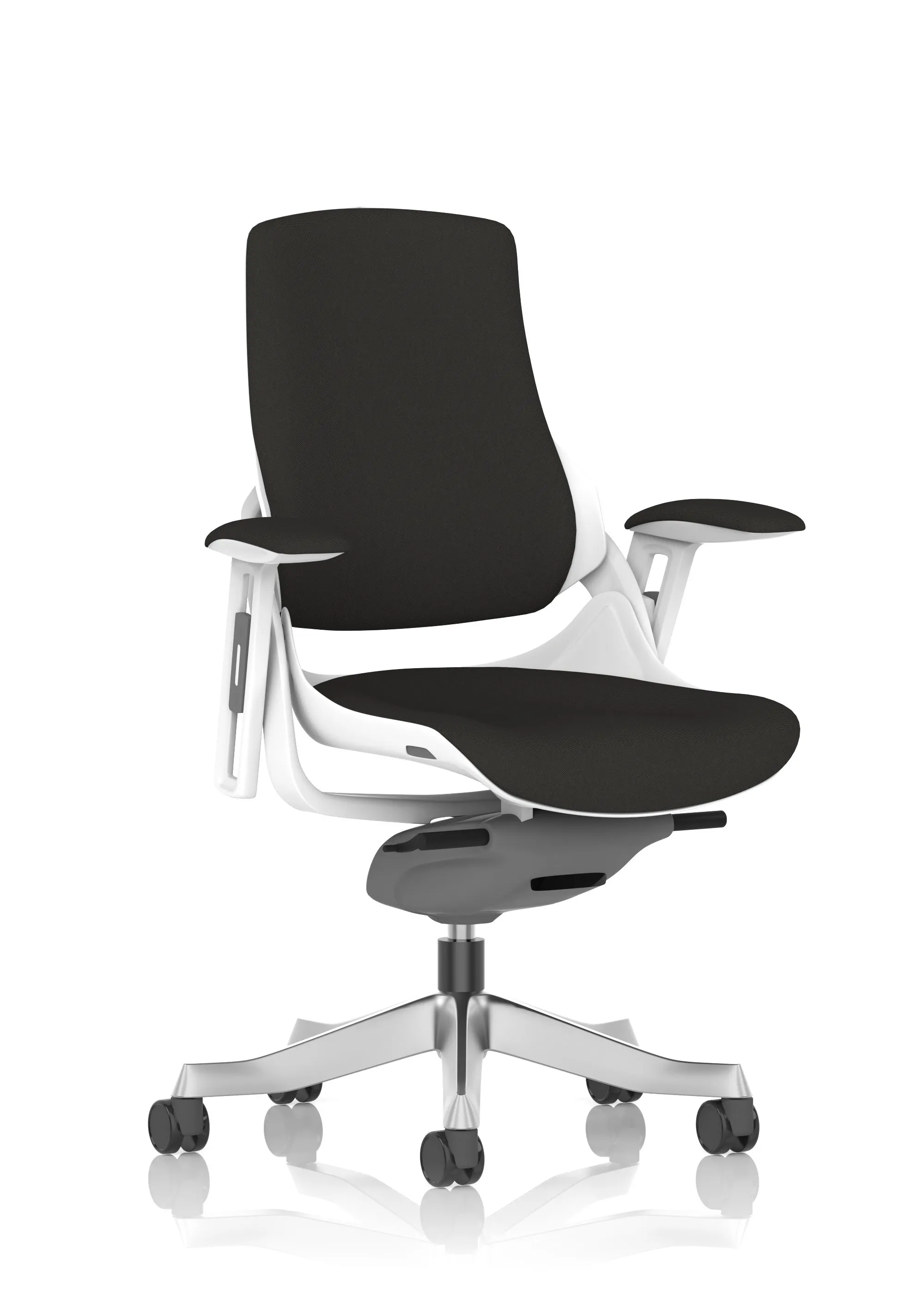
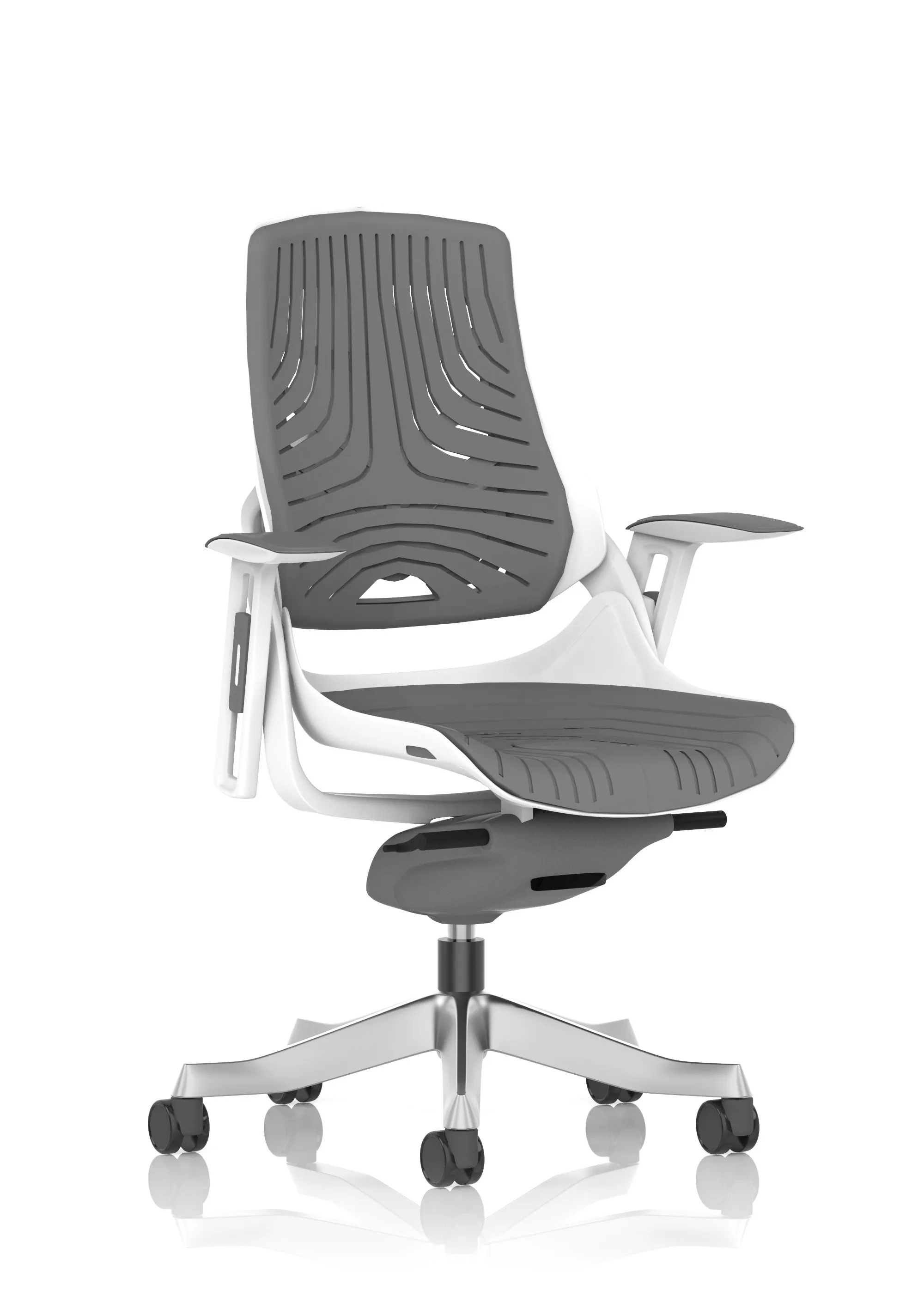
Our widest seating range, covering upholstered task, operator, executive and visitor chairs. Fabric is the quiet choice: it does not draw attention, it suits almost any room, and most people find it comfortable without having an opinion about it.
Why fabric is still the default for most offices
Mesh gets the attention, but fabric still furnishes more offices than anything else. It is warmer than mesh in a cold building, softer than leather to sit on, and it comes in enough colours to work with a scheme rather than against it.
It is also forgiving. A fabric chair in a slightly odd shade looks fine; leather in the wrong shade looks like a mistake.
The thing to actually check
Wear rating. Office fabric is tested for abrasion, and a chair specified for domestic use will look tired within two years in a busy office. Everything here is contract grade, which is the difference between a chair that ages and one that fails.
The second check is cleanability. Fabric holds marks in a way leather does not, so in a canteen, a reception, or anywhere near coffee, a wipe-clean surface may save you more than the fabric saved you at purchase.
Where fabric struggles
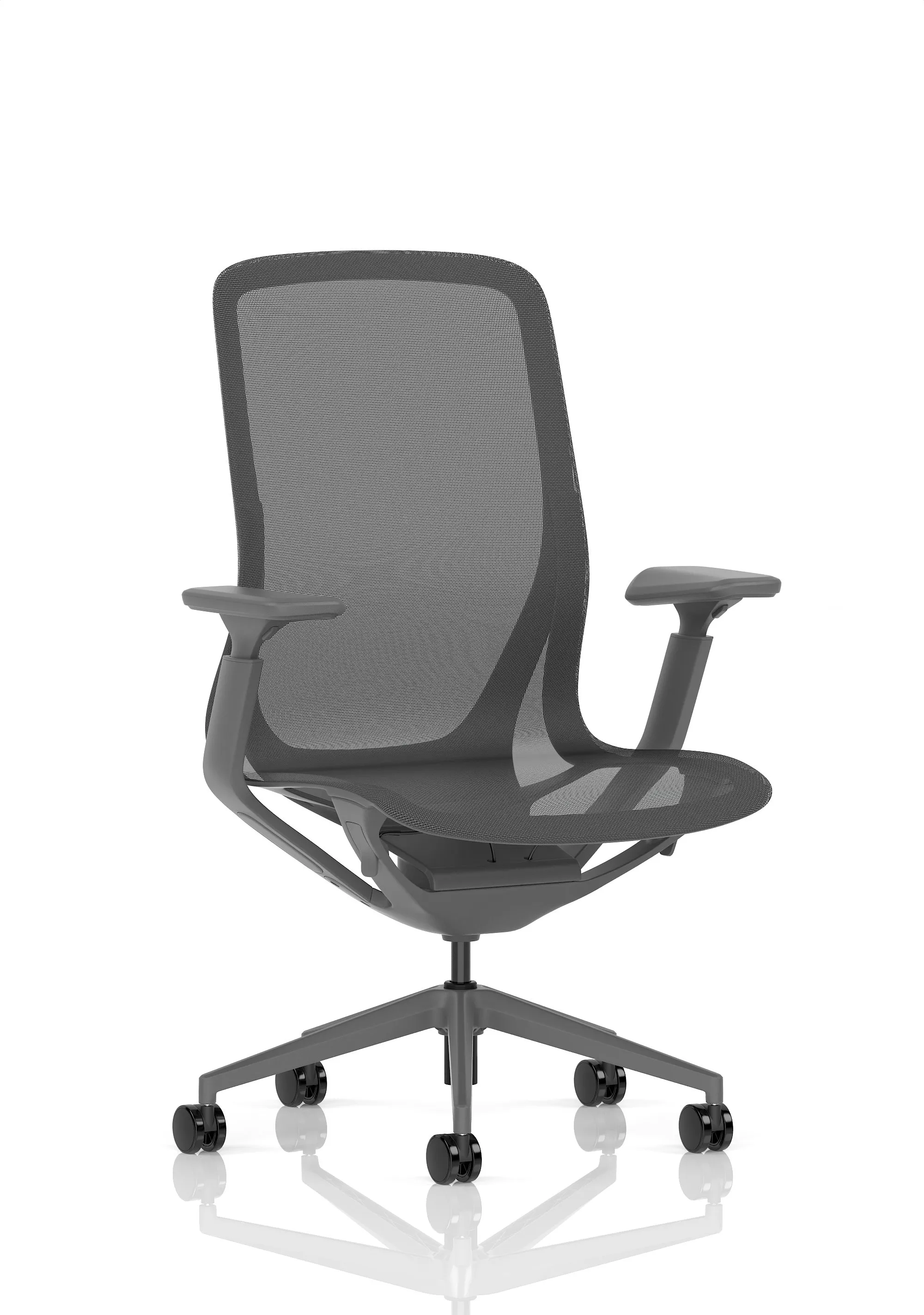
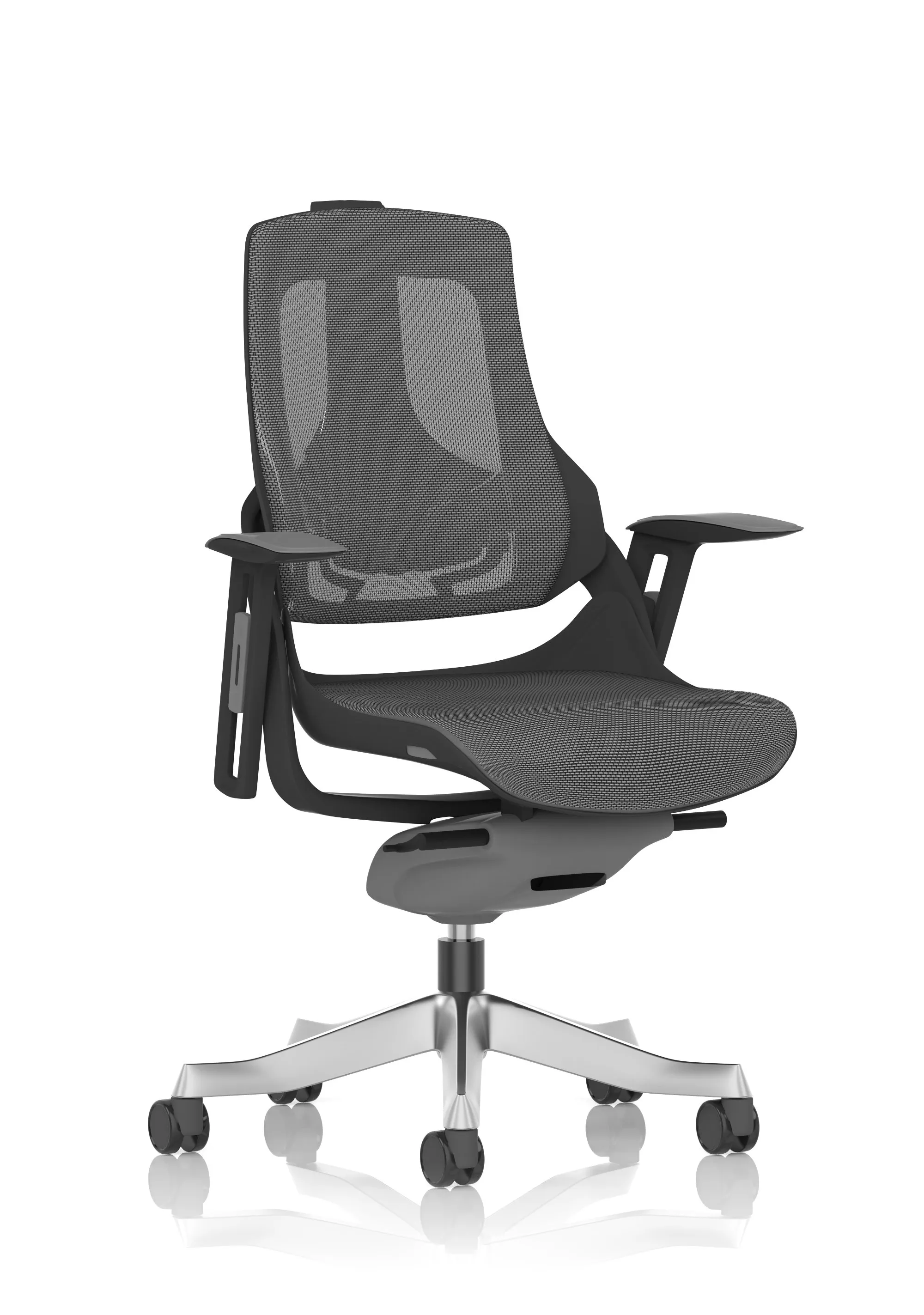
Warm offices, where mesh is the better answer, and formal rooms, where leather carries more weight. Those are the two cases worth spending differently on.
Across the ranges
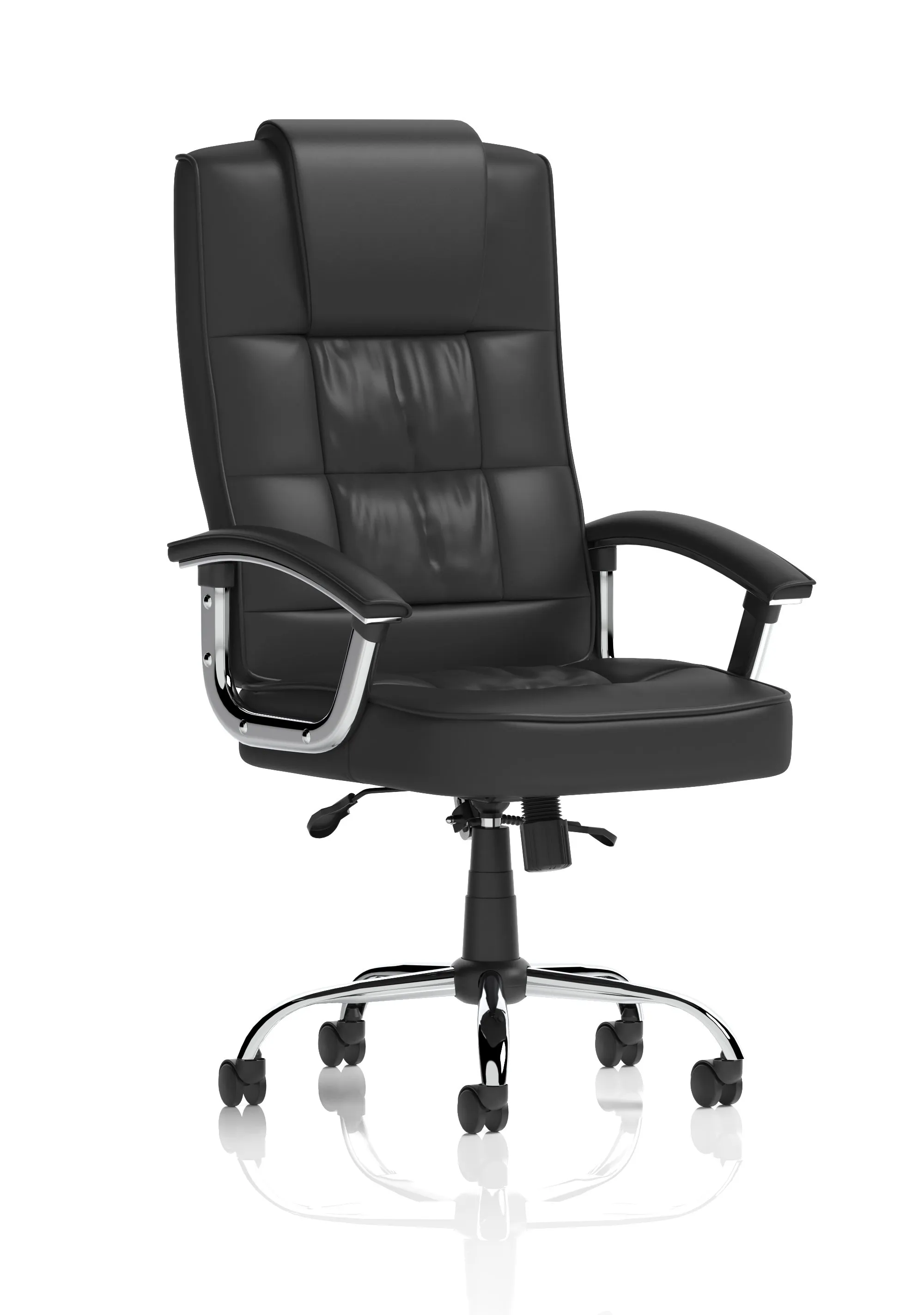
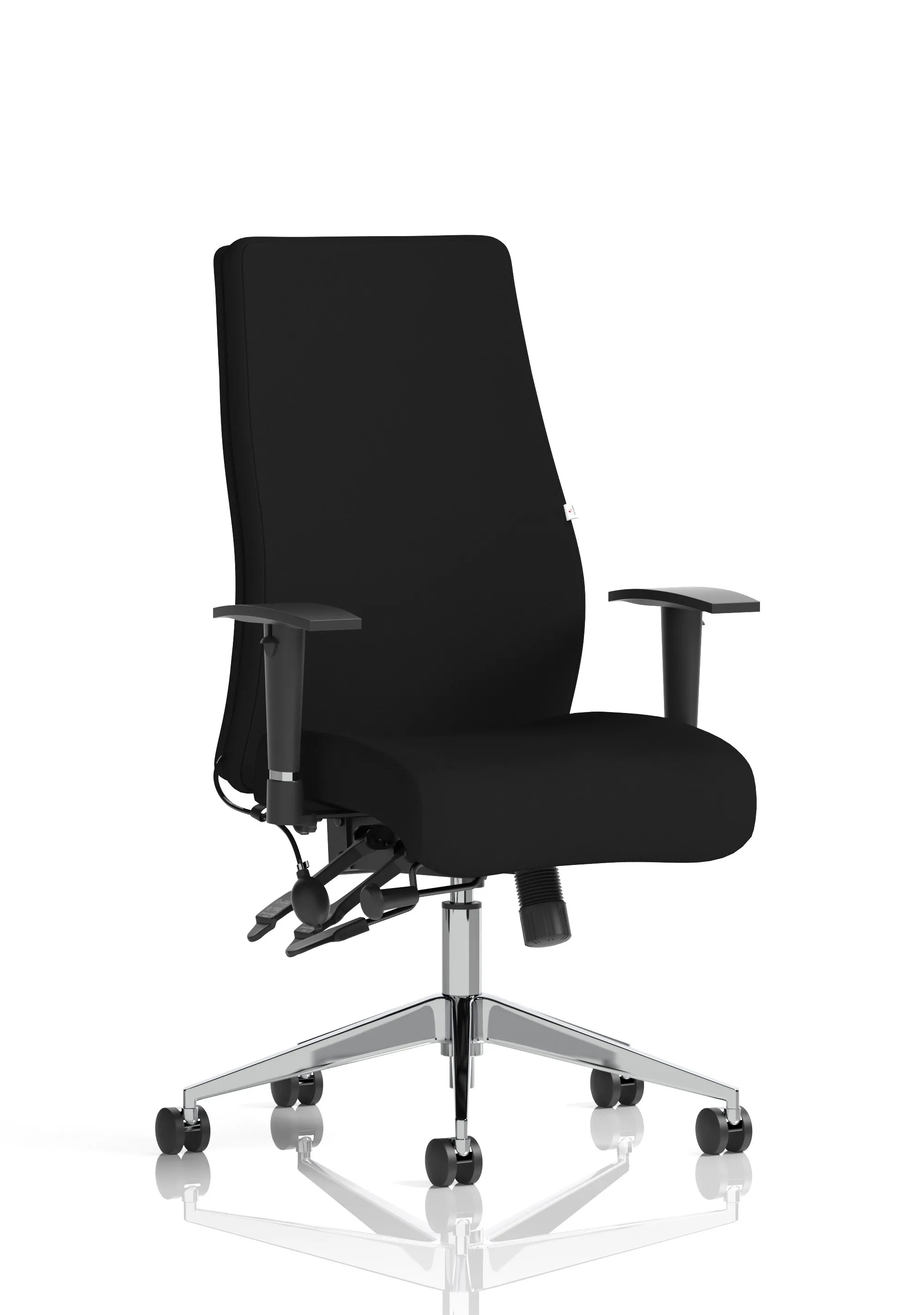
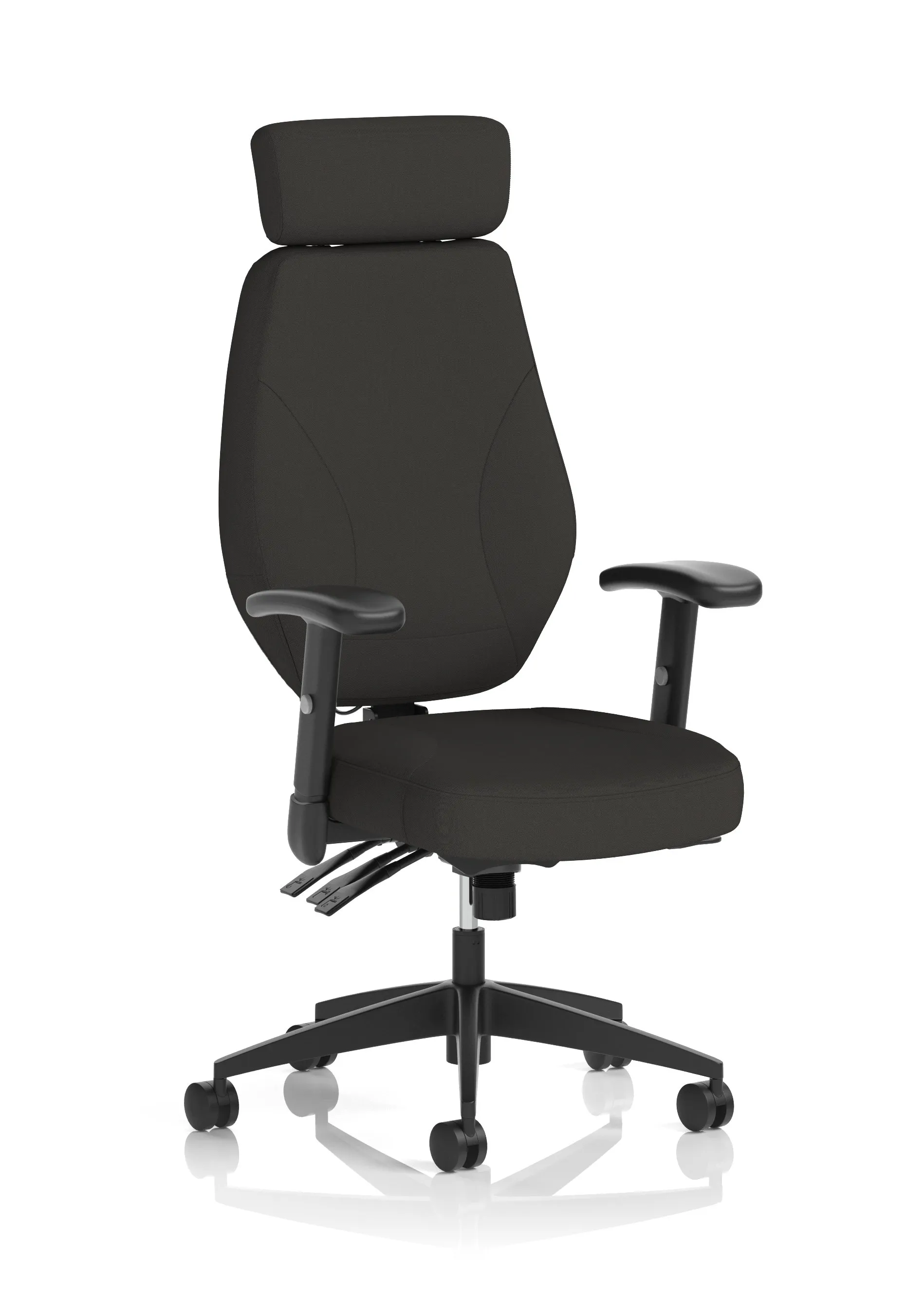
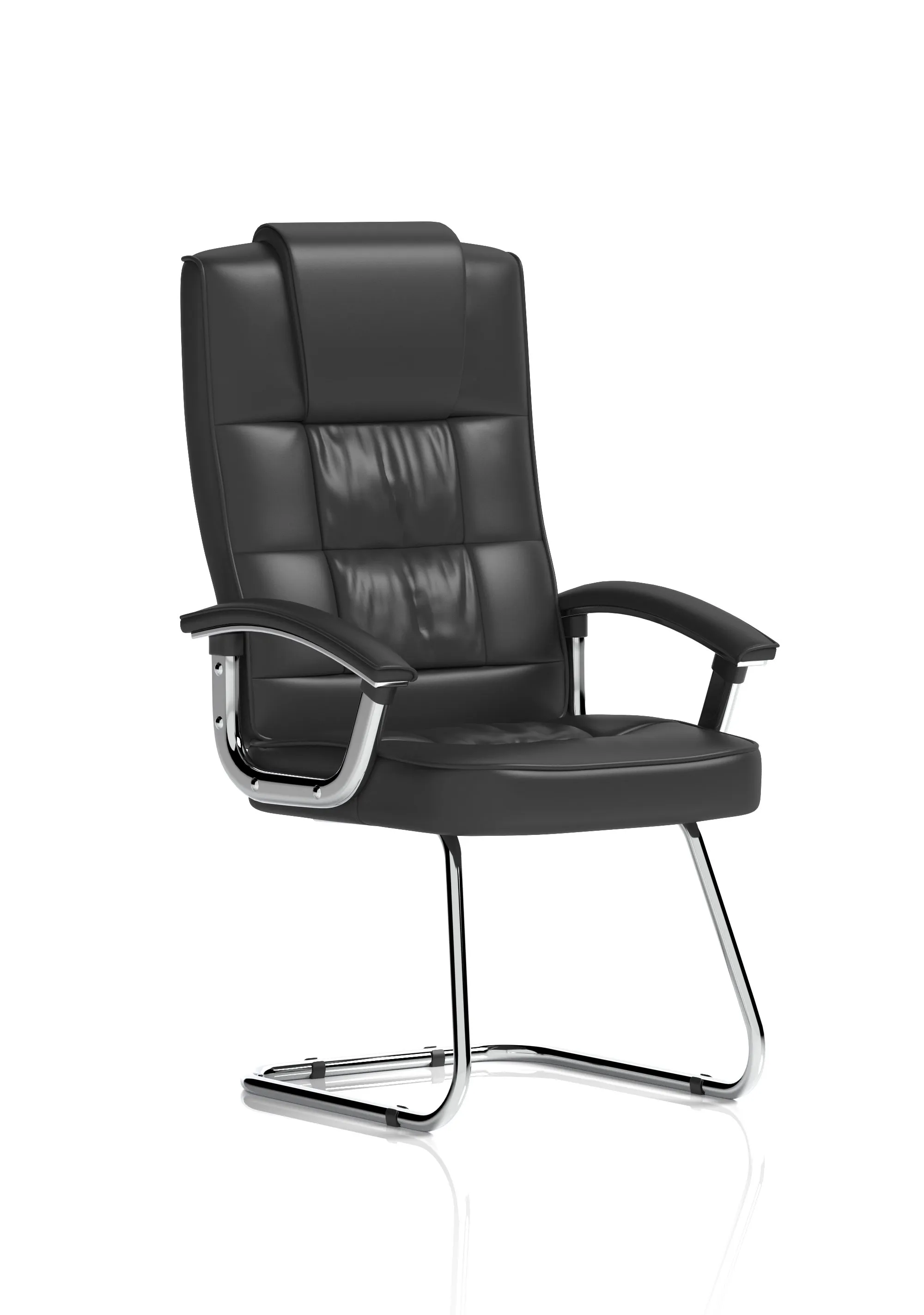
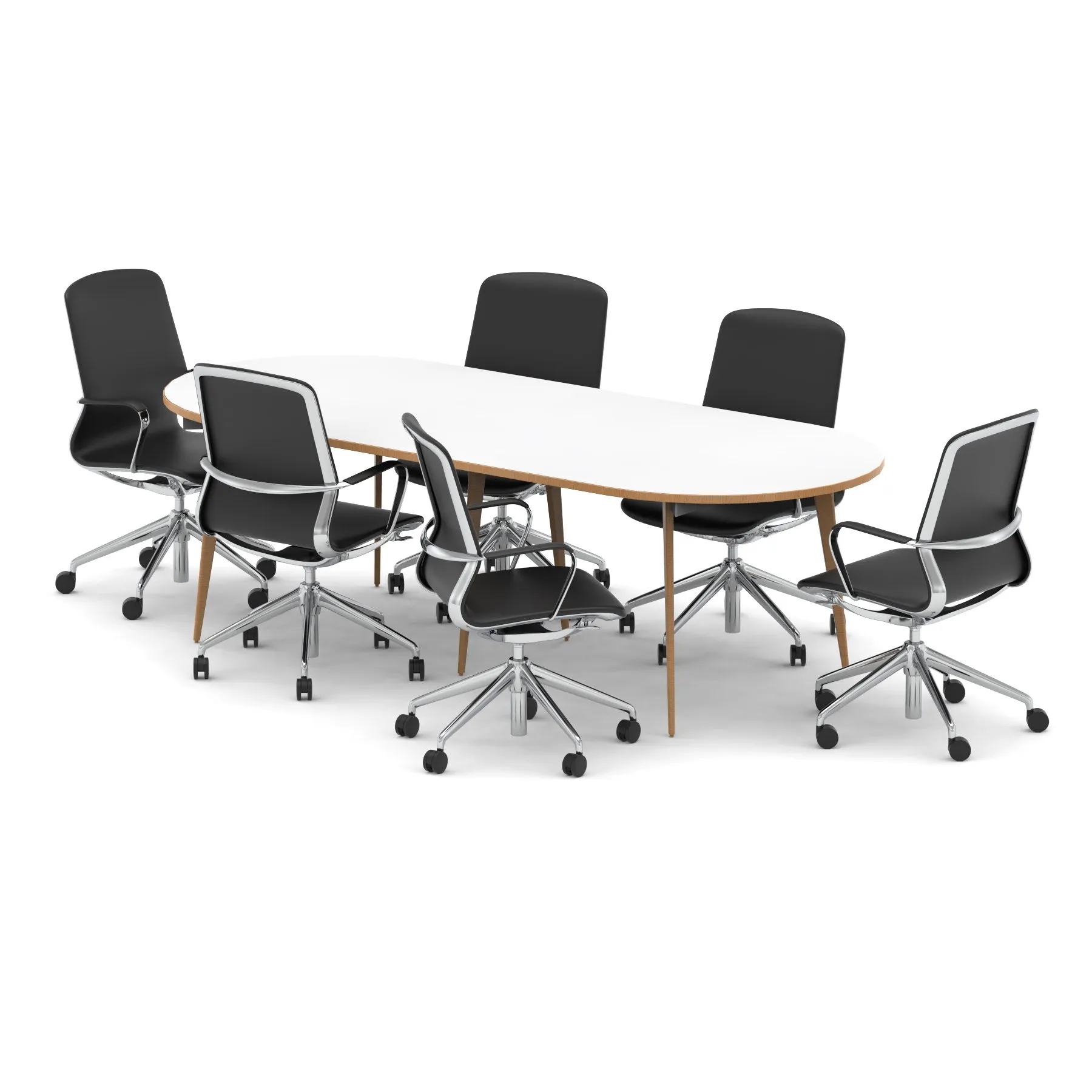
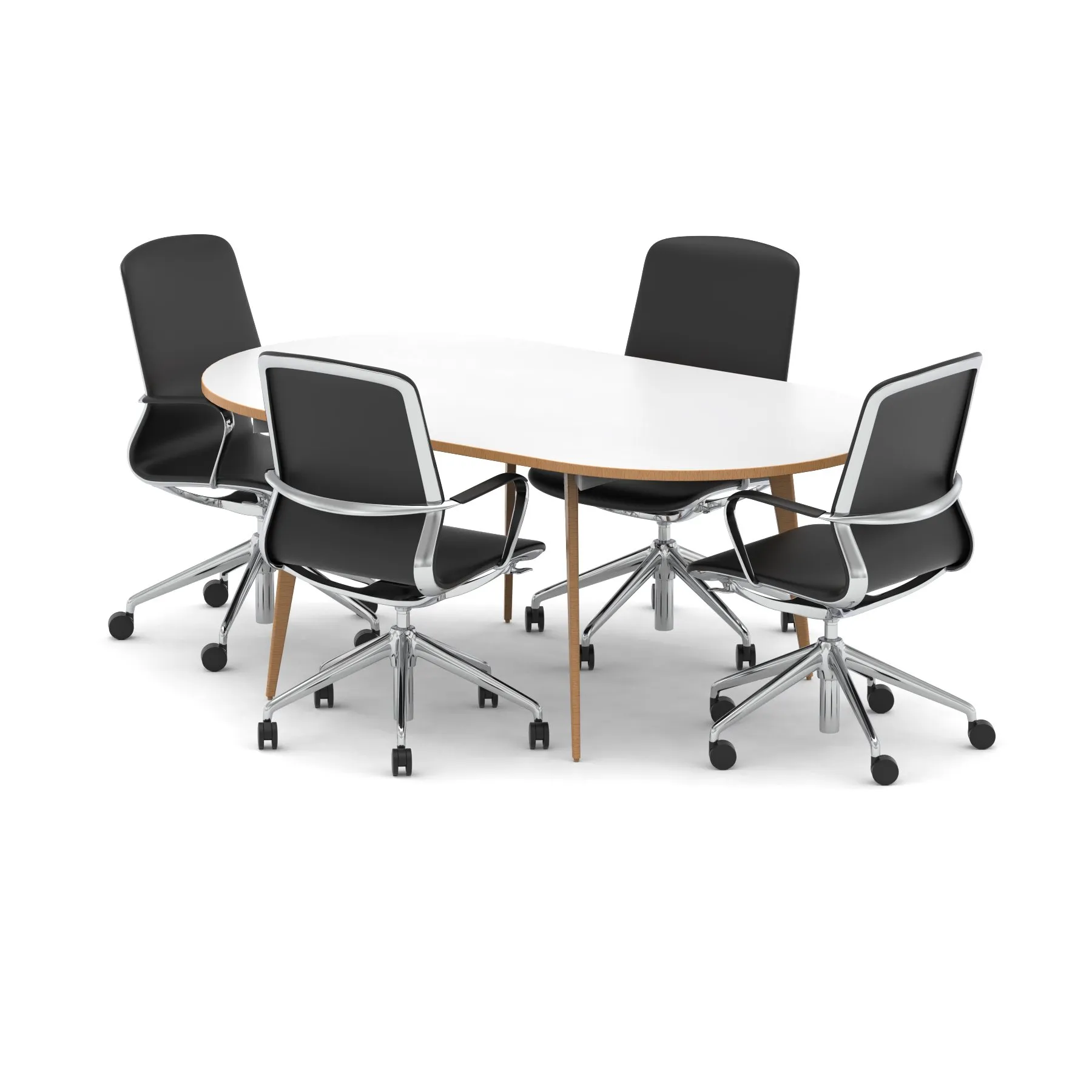
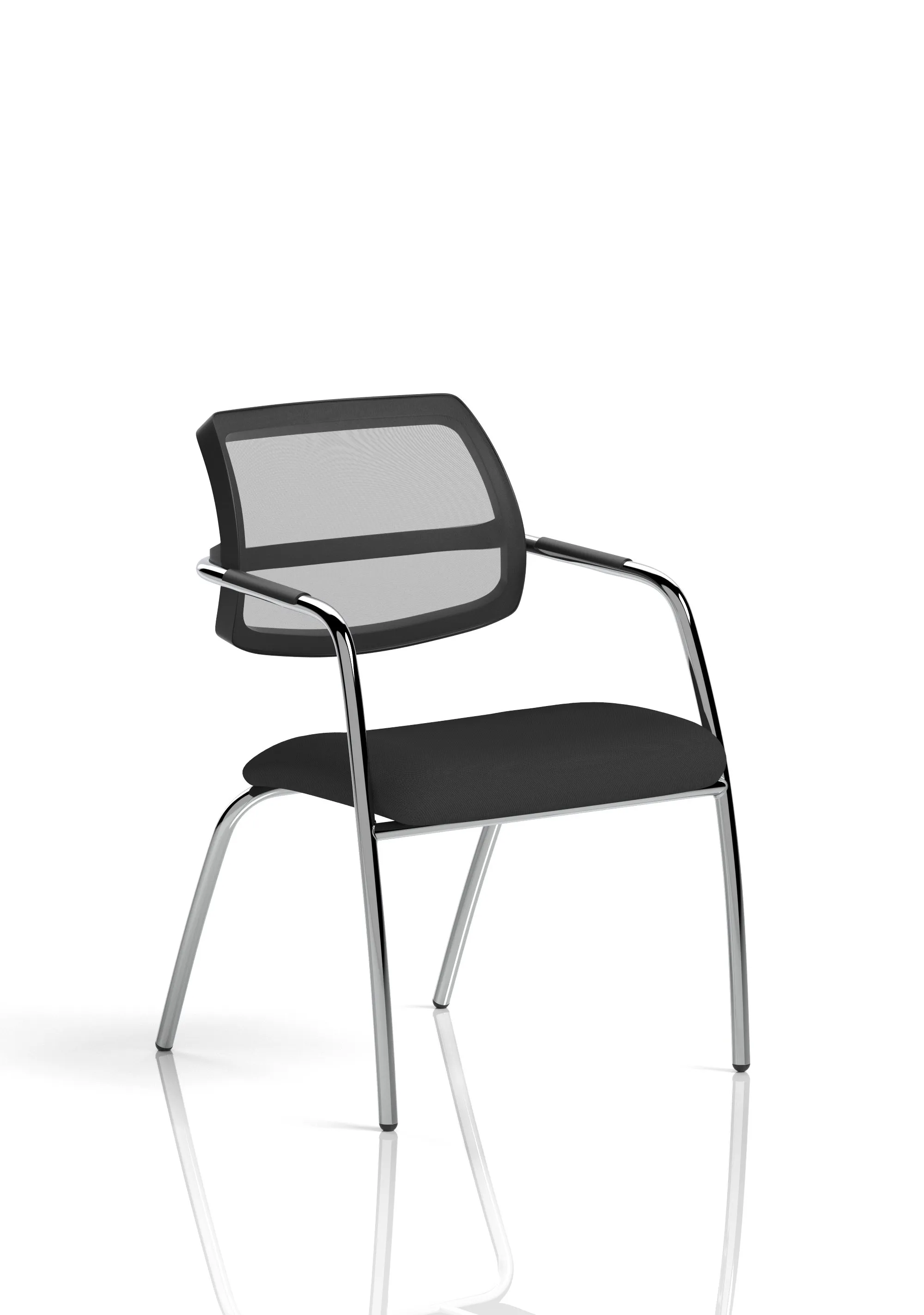
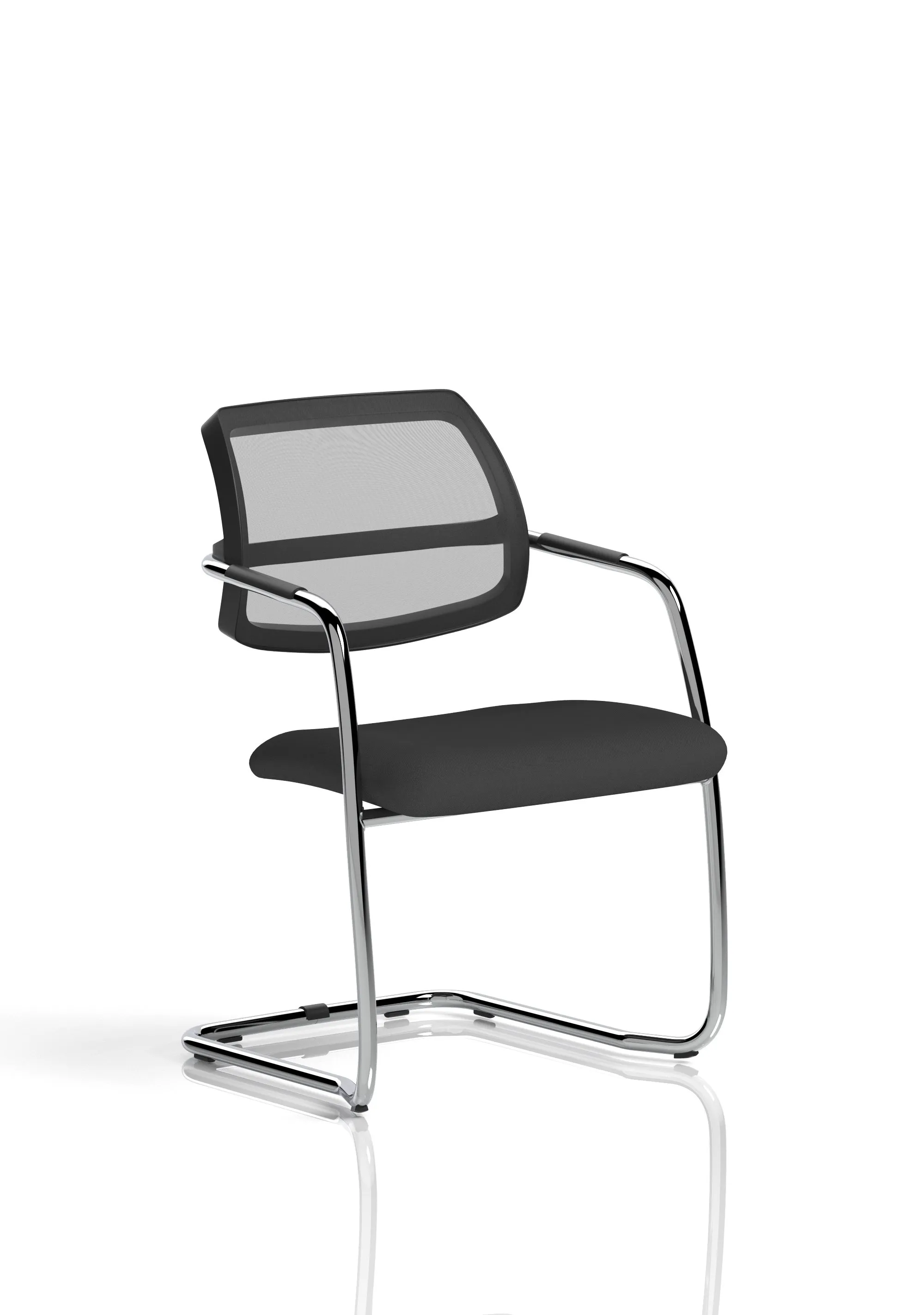
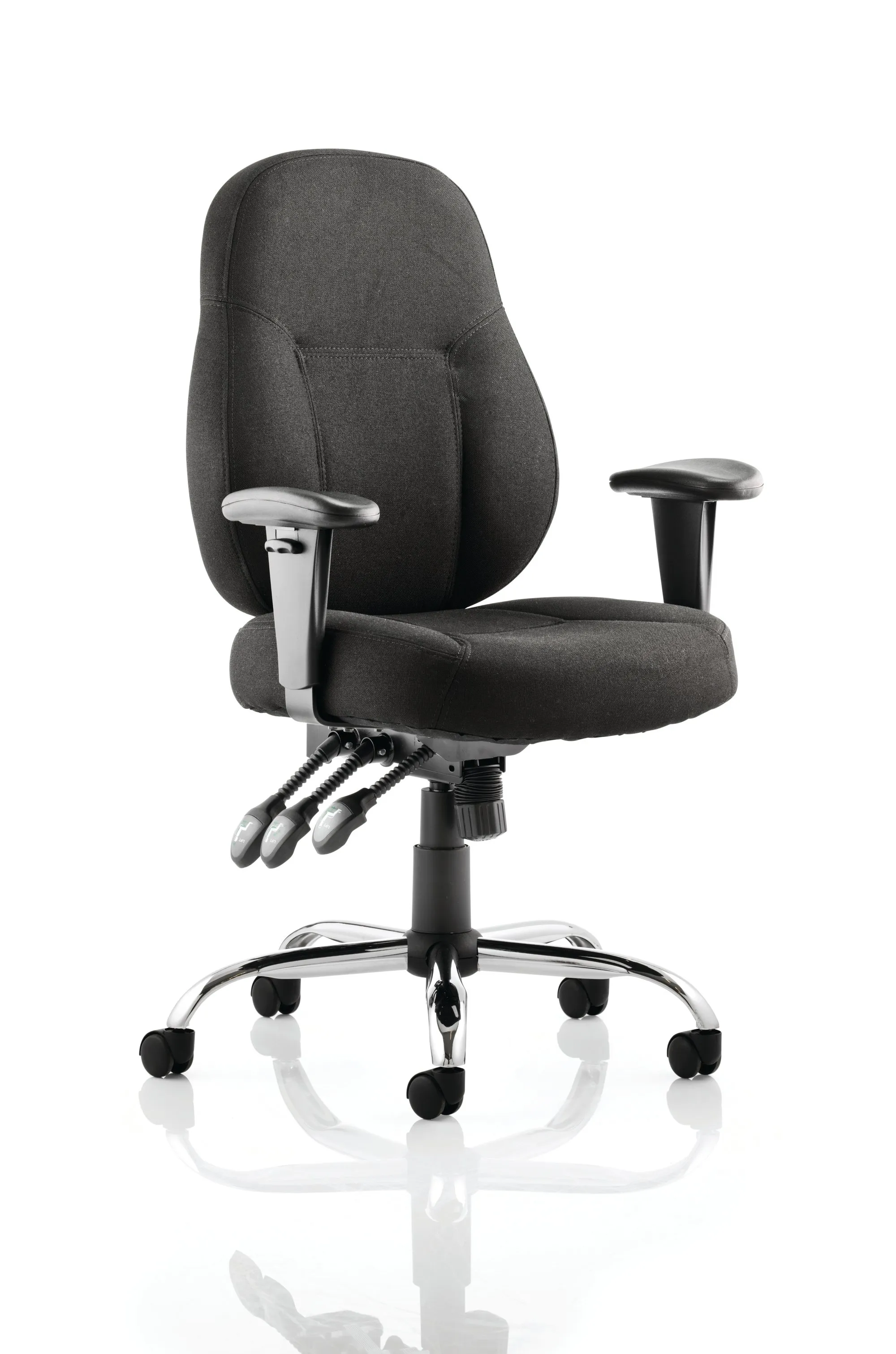
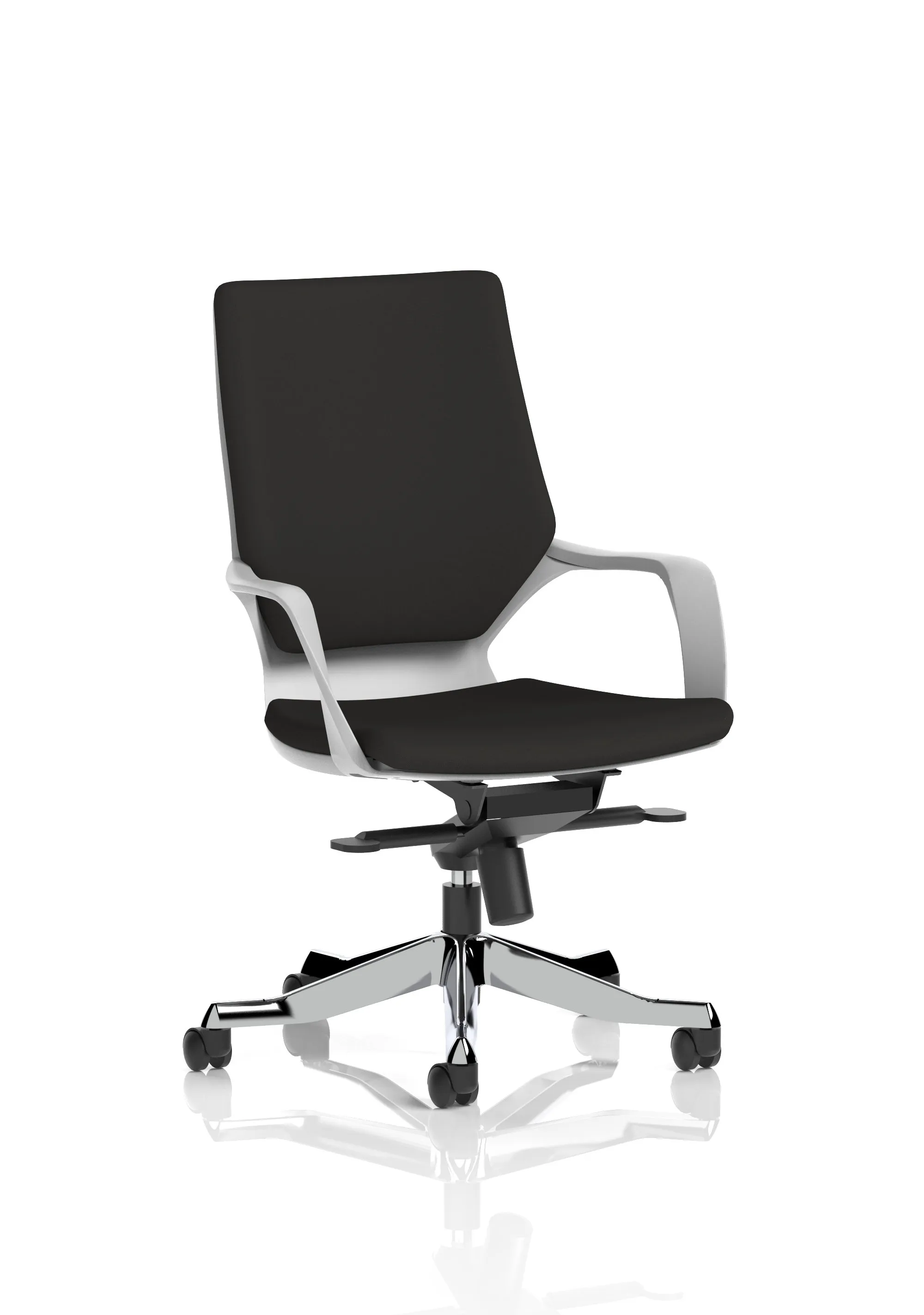
This cuts across roles: fabric task chairs for desk work, fabric executive chairs for private offices, and upholstered visitor seating for meeting rooms.