
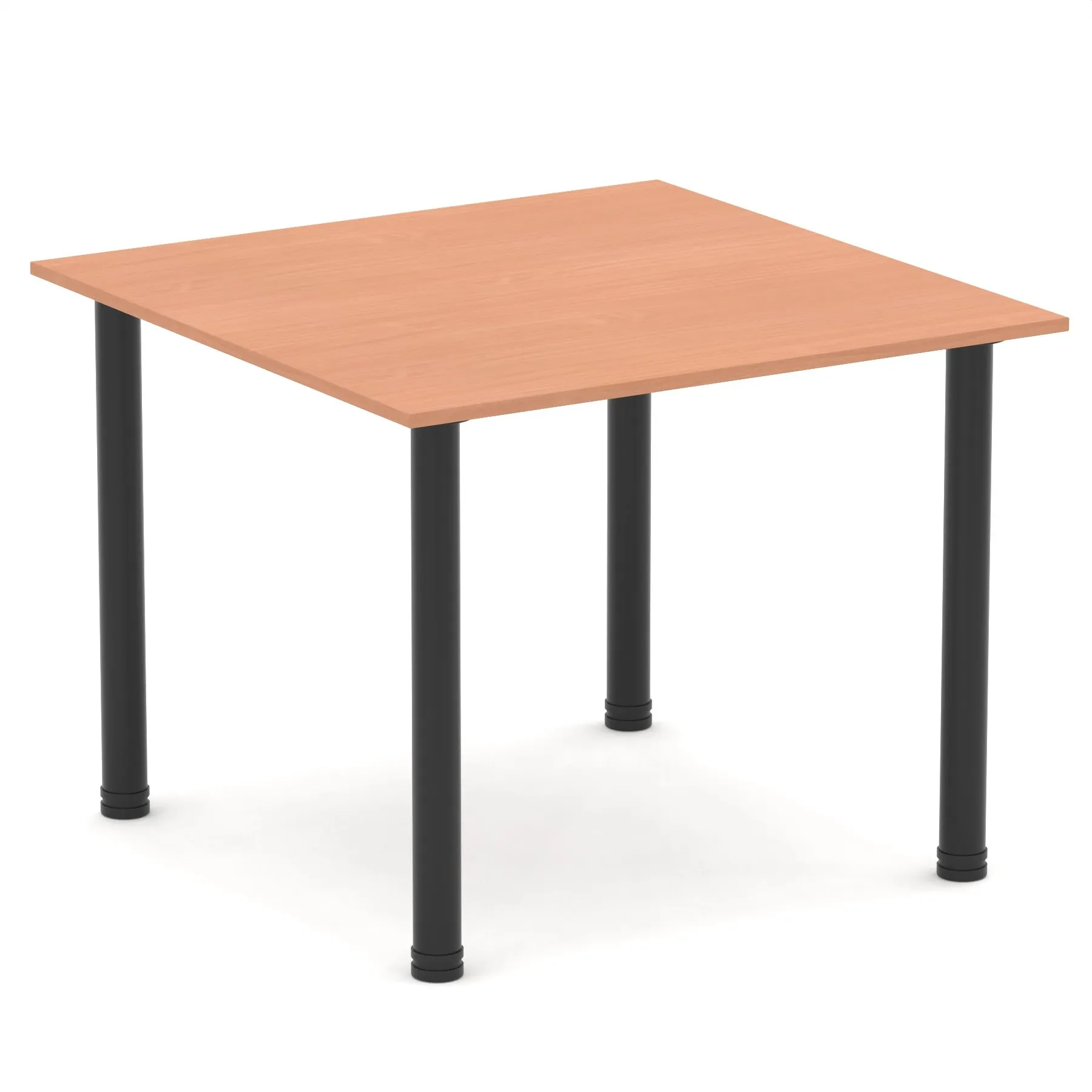
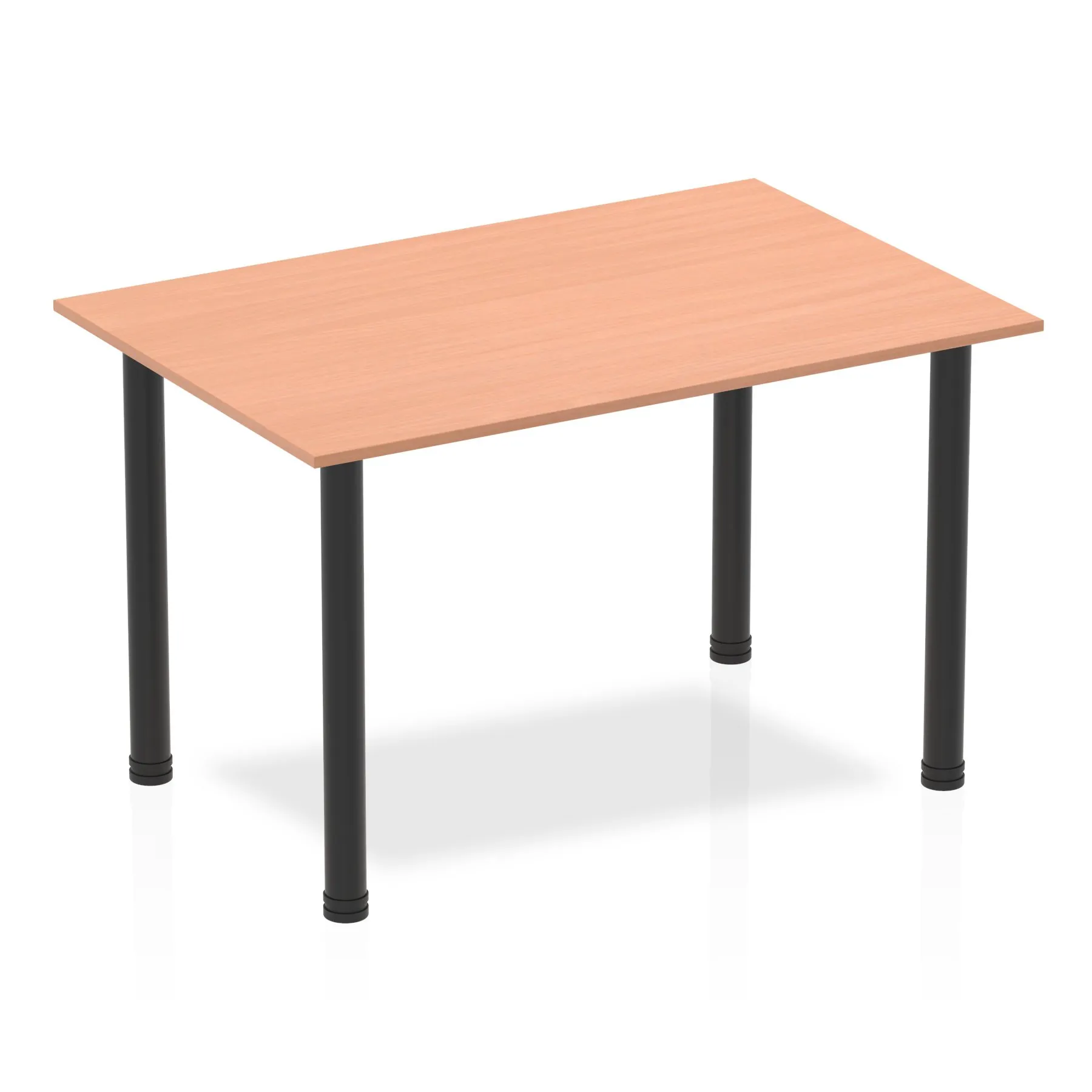
Choosing the right office table
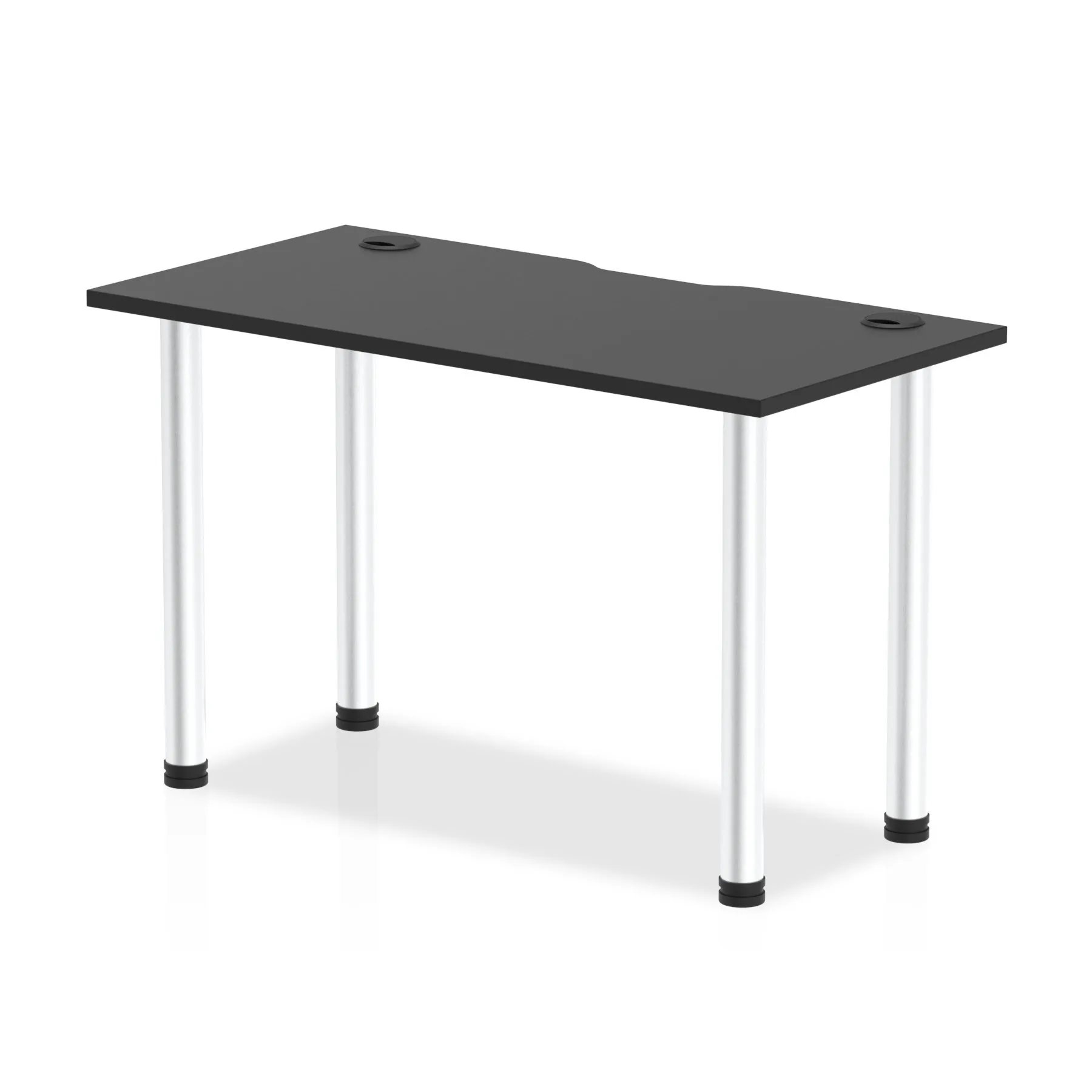
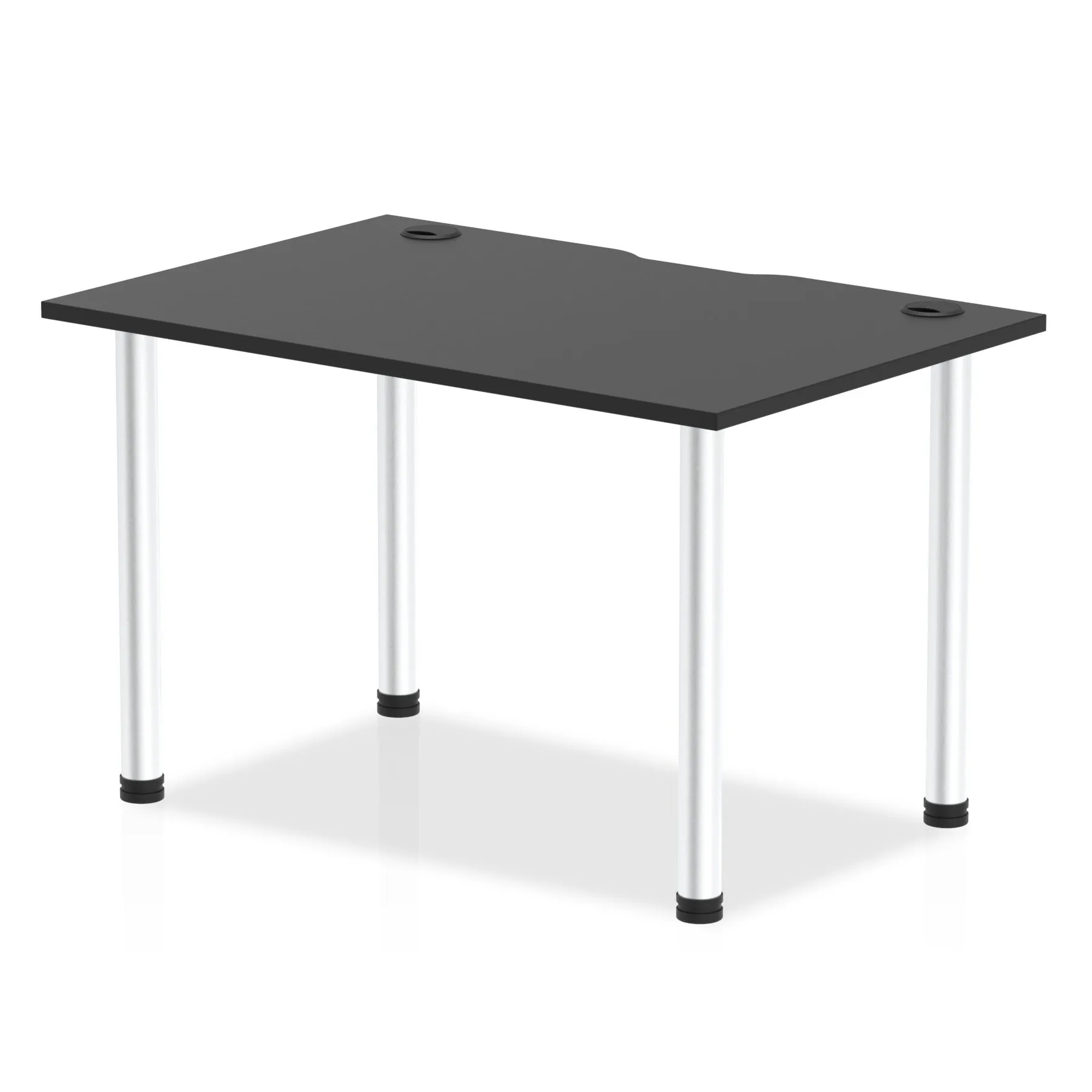
Every table we supply outside of desking. Tables get specified last in most fit-outs and then cause the most problems, usually because seat heights and table heights were decided by different people.
Work out the height first
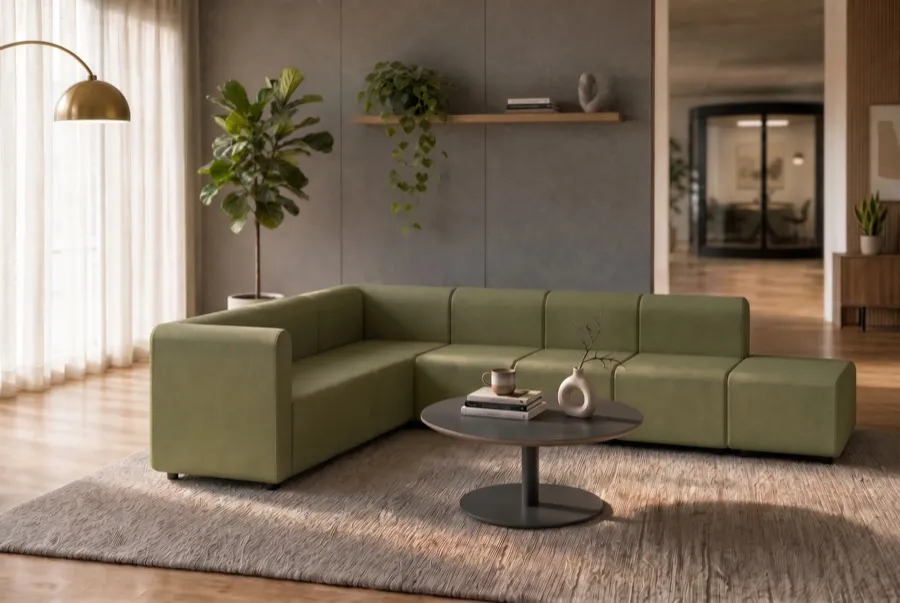
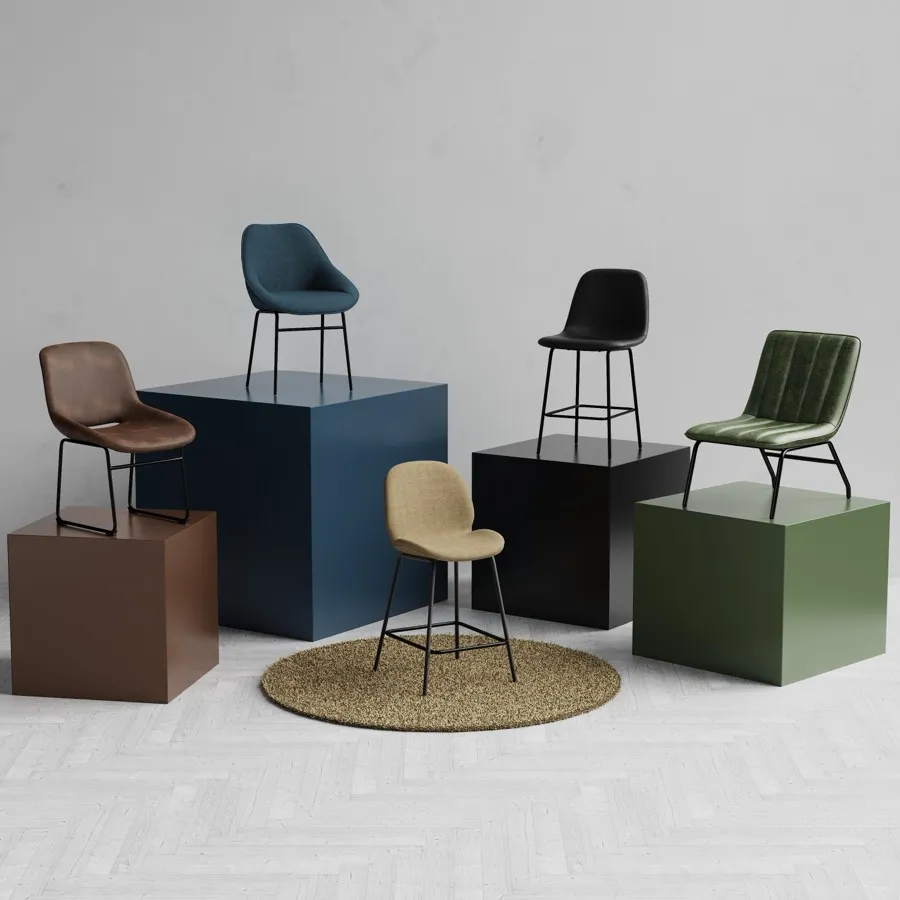
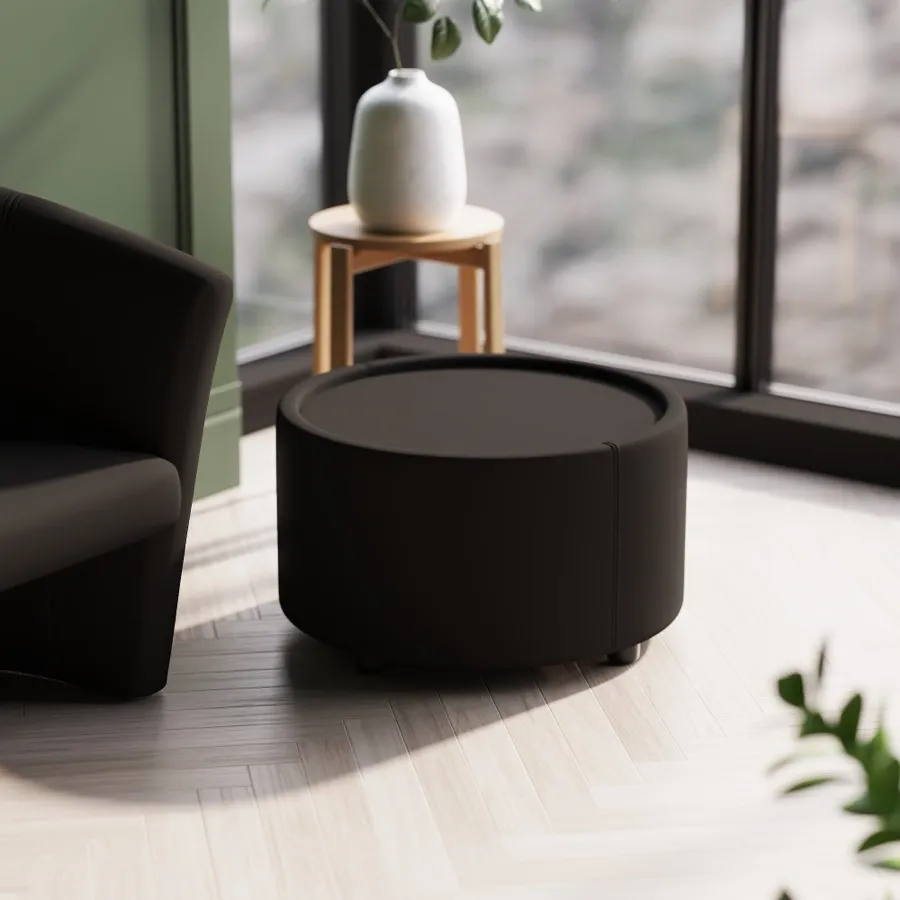
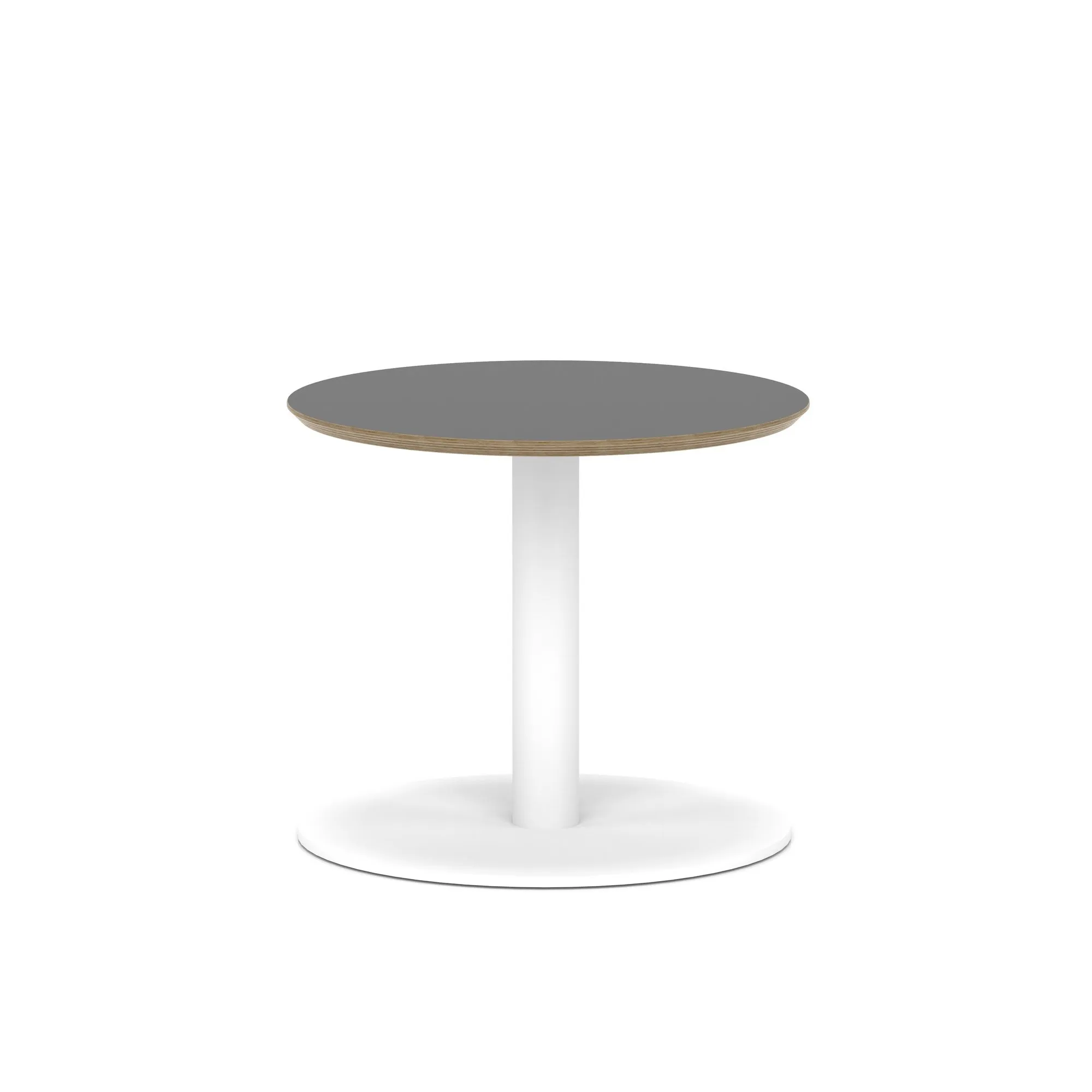
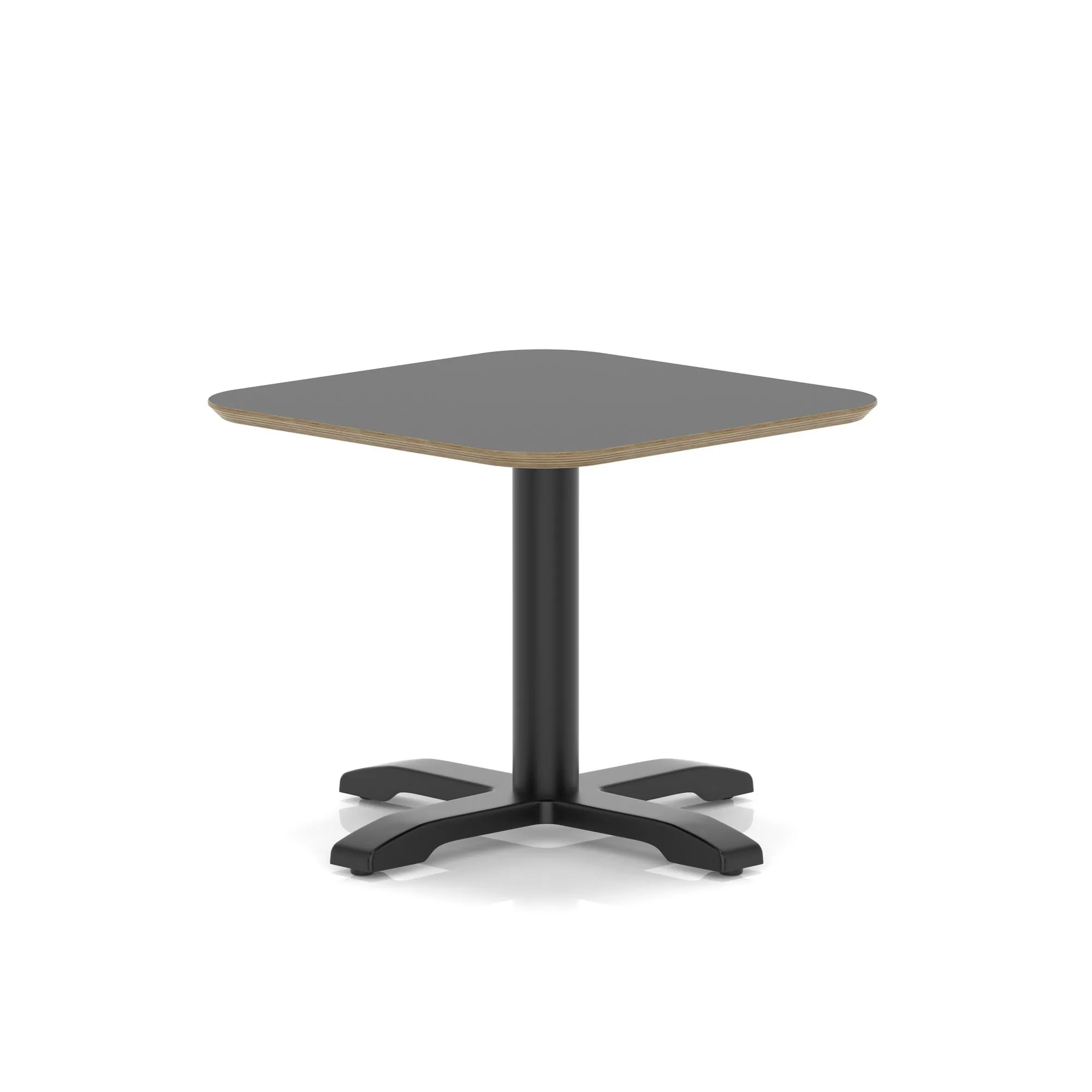
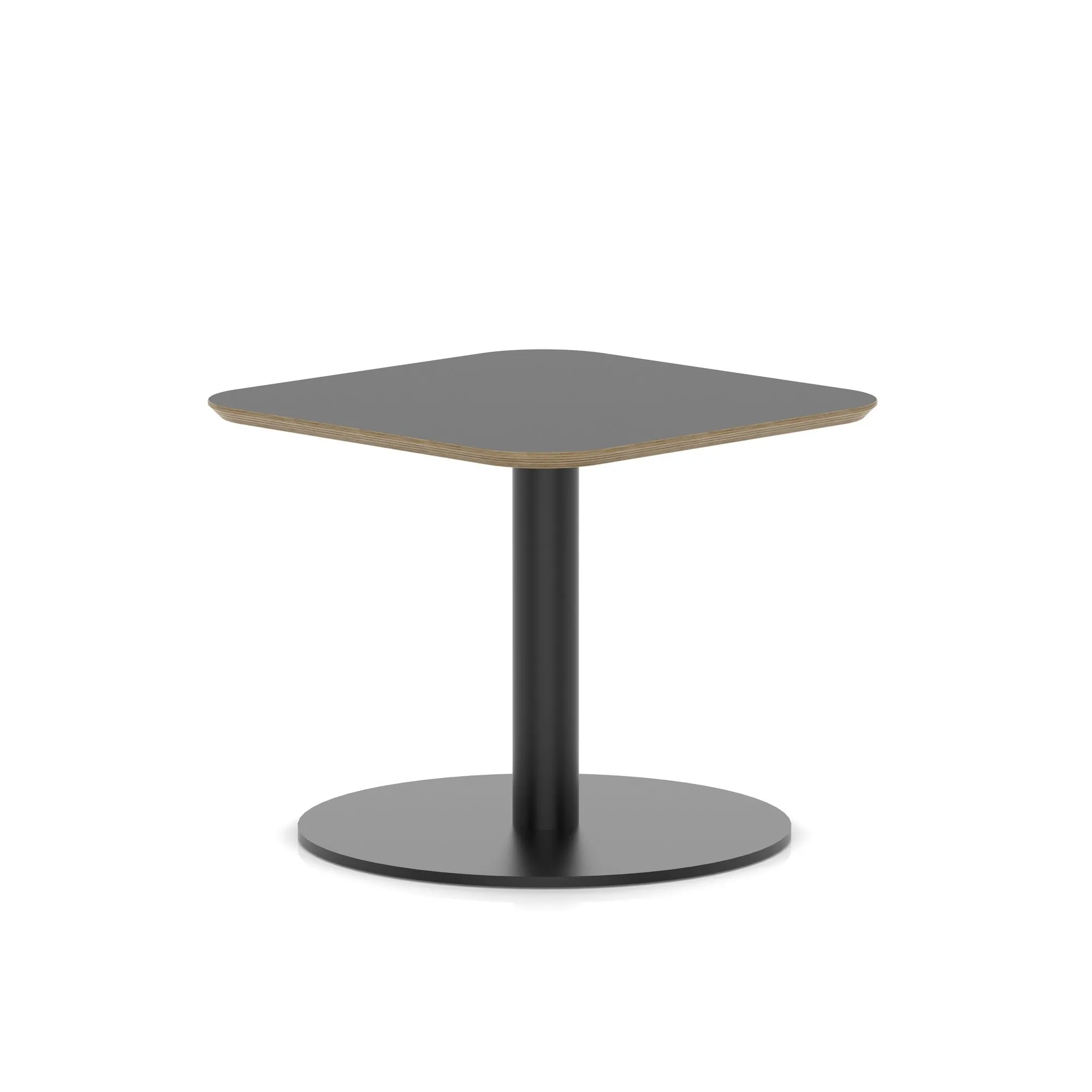
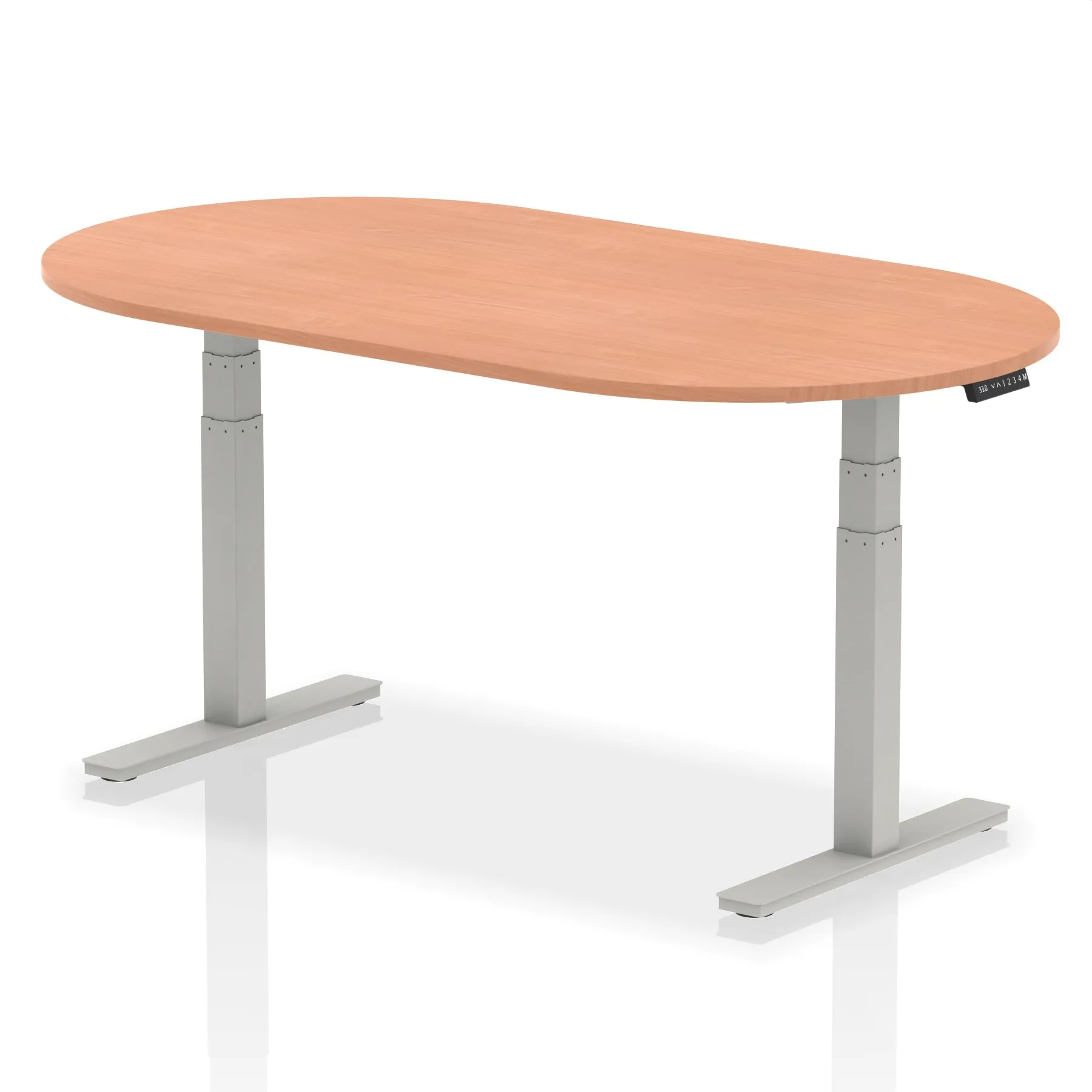
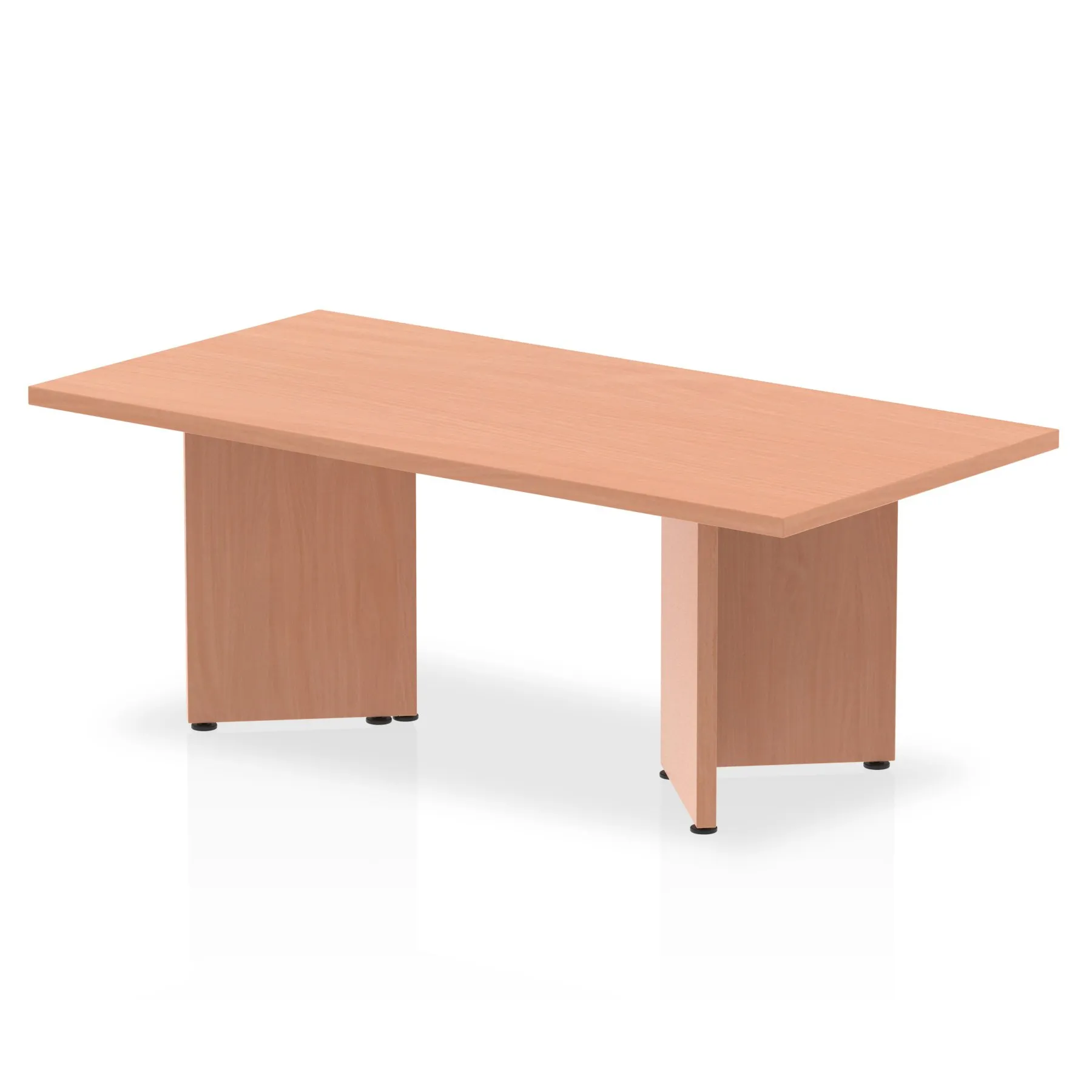
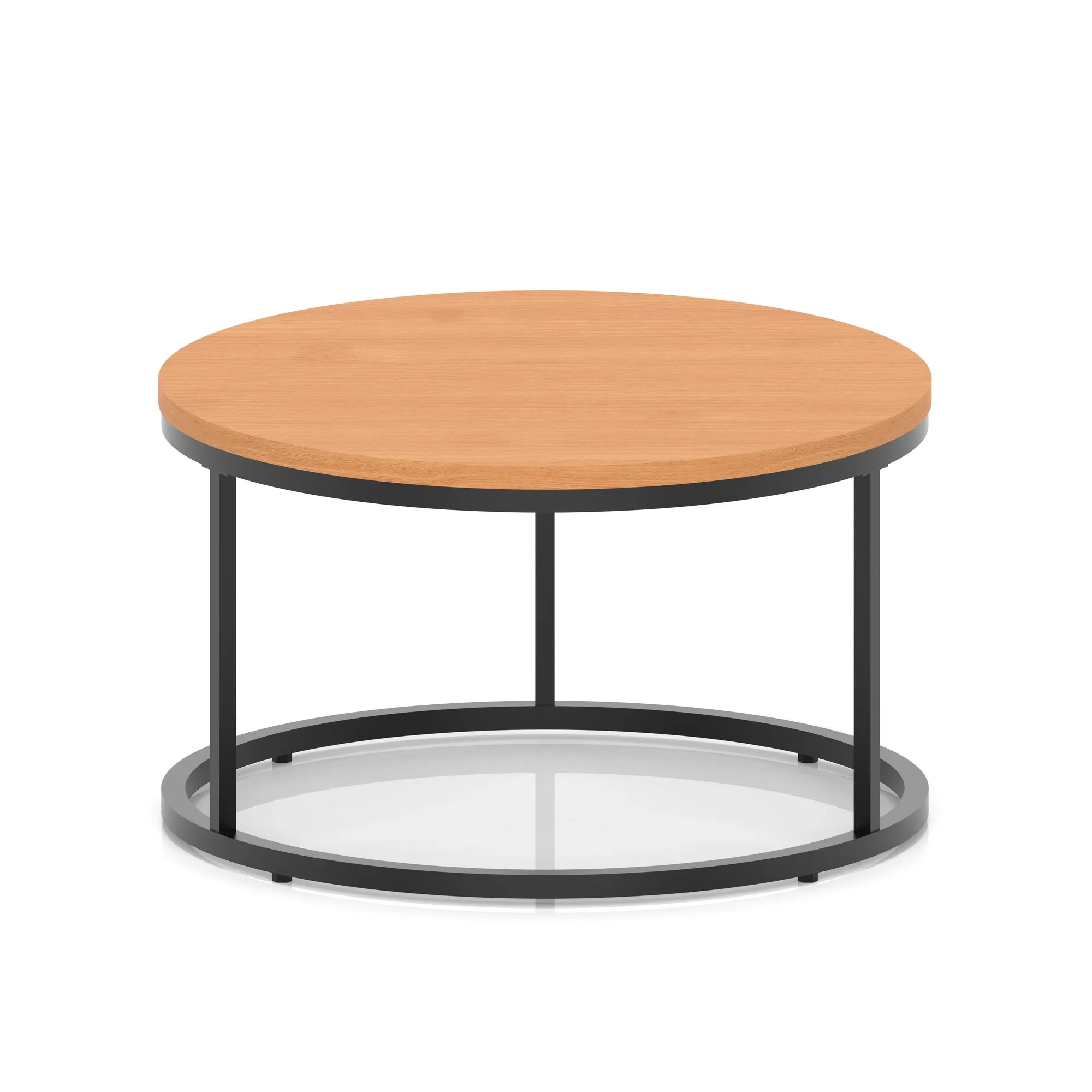
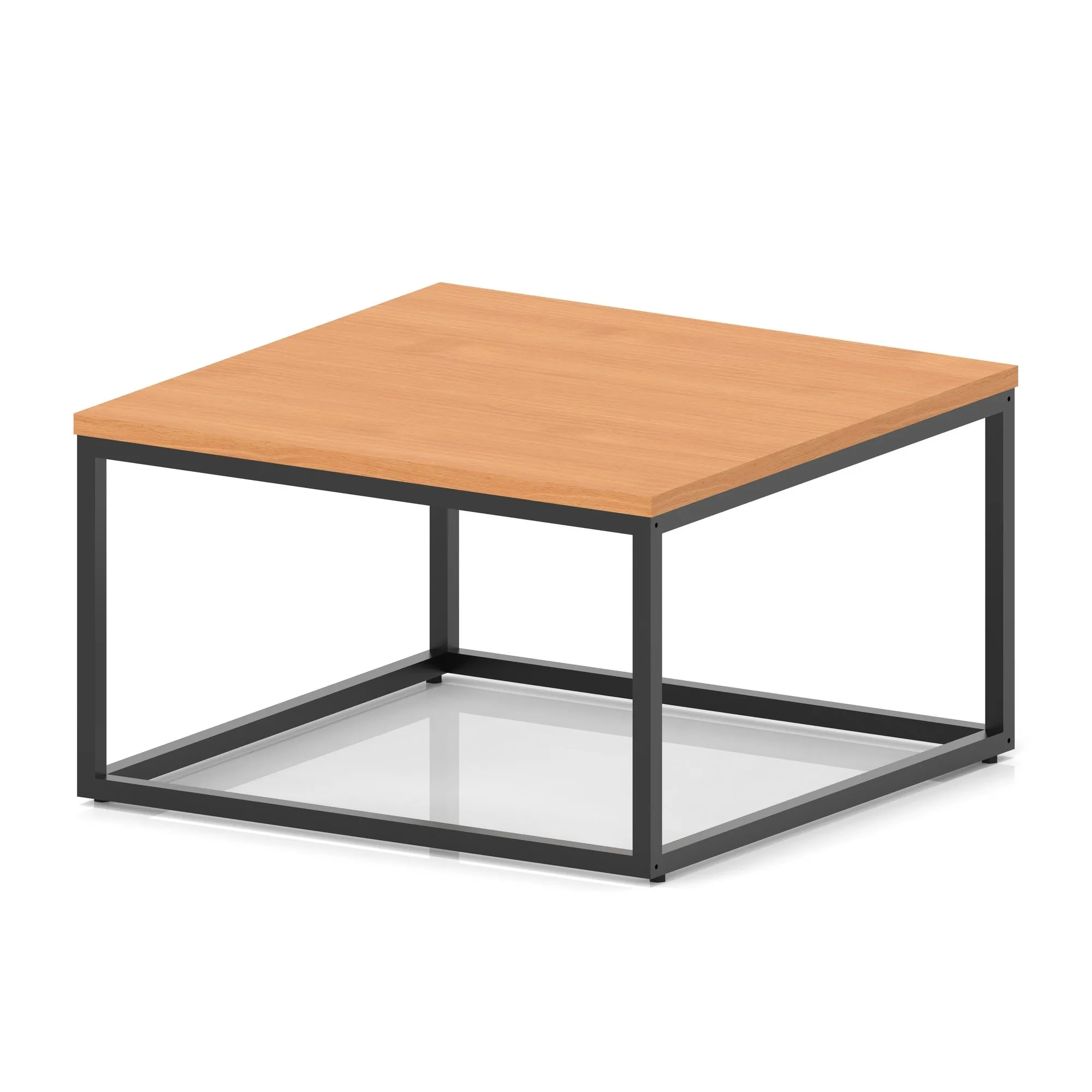
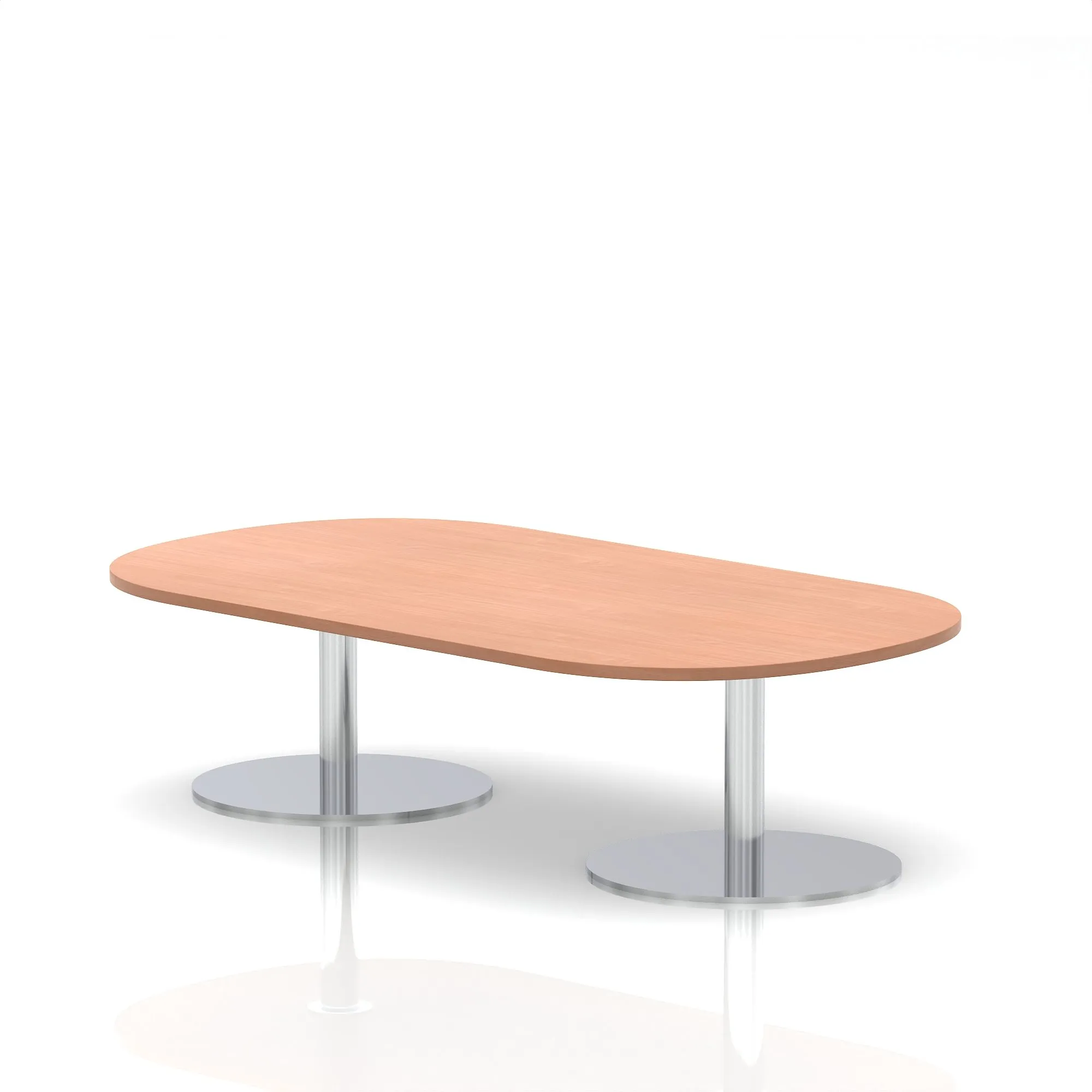
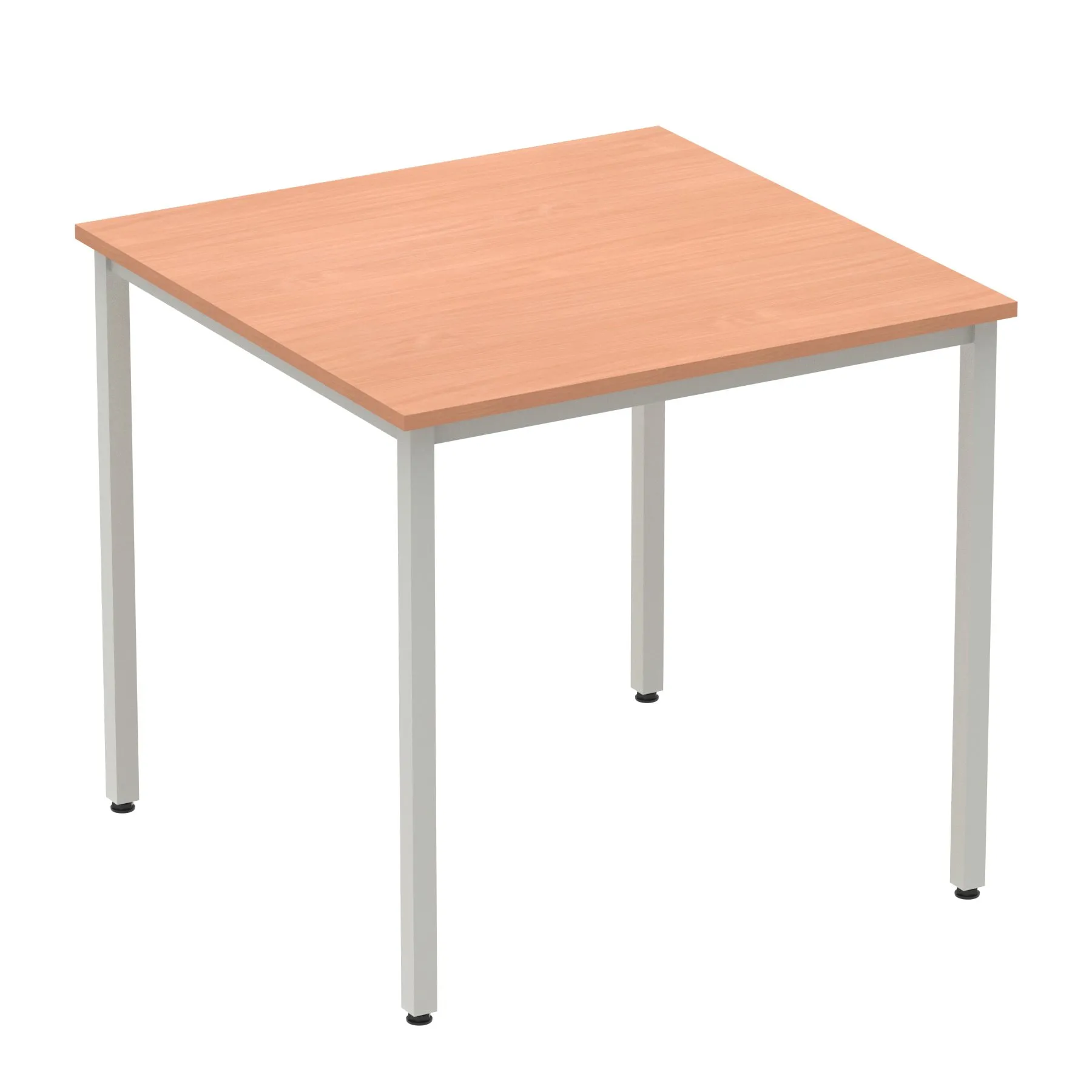
There are three heights in an office and they are not interchangeable. Standard table height suits ordinary chairs and covers meeting and boardroom tables. Coffee height is low, for reception and breakout, where a table is for putting a cup down rather than working at. Poseur height is standing height, for bar and poseur tables in breakout areas.
Ordering a table at one height and chairs for another is the single most common mistake, and it is not fixable after delivery.
Meeting rooms
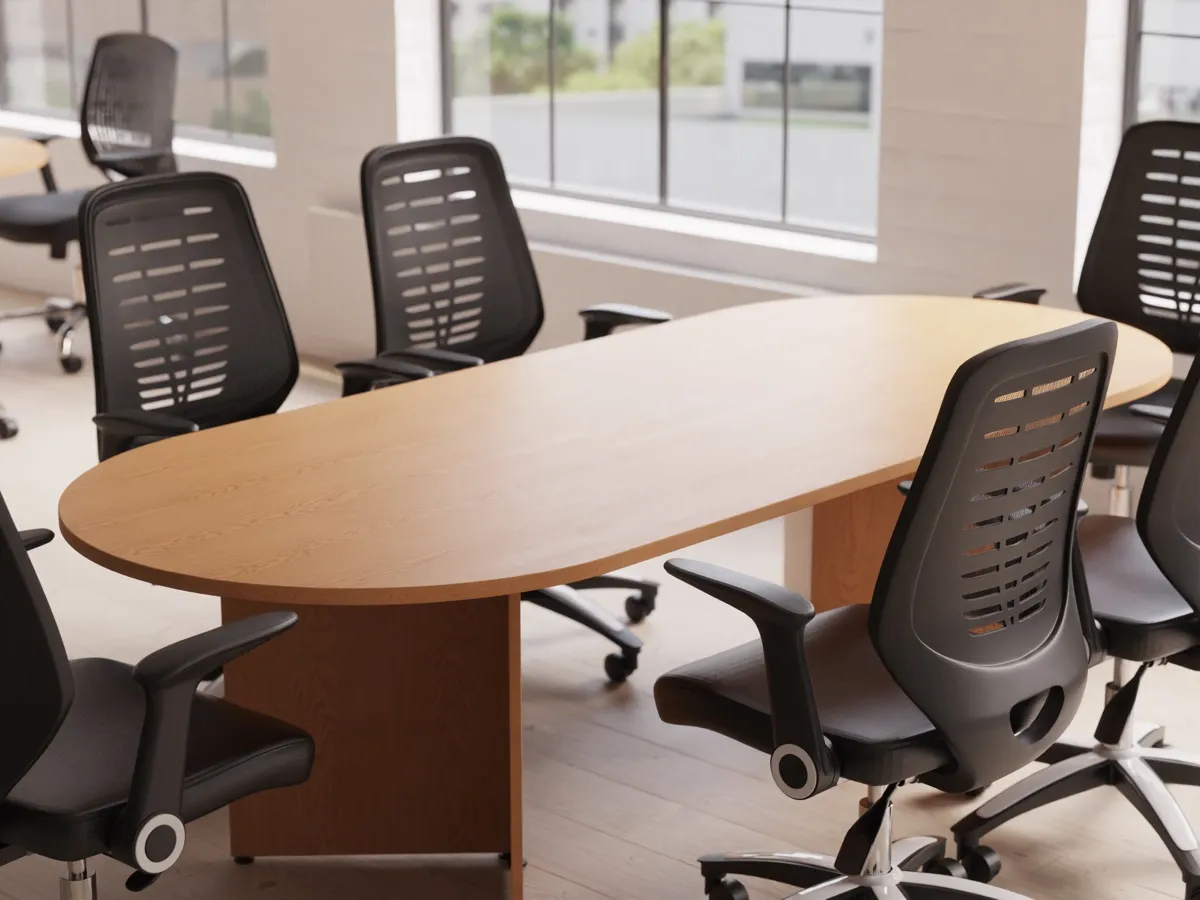
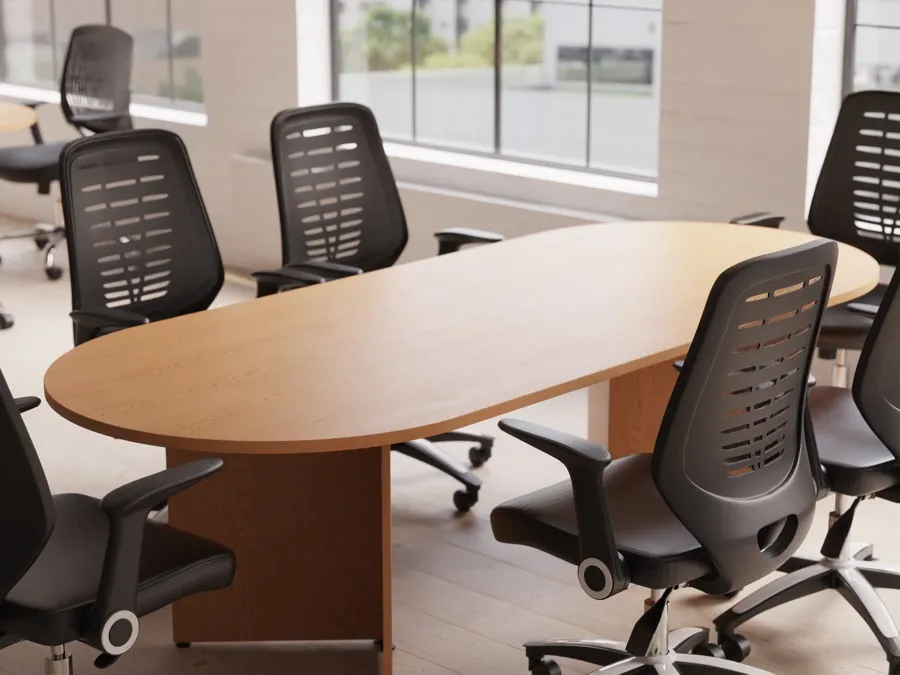
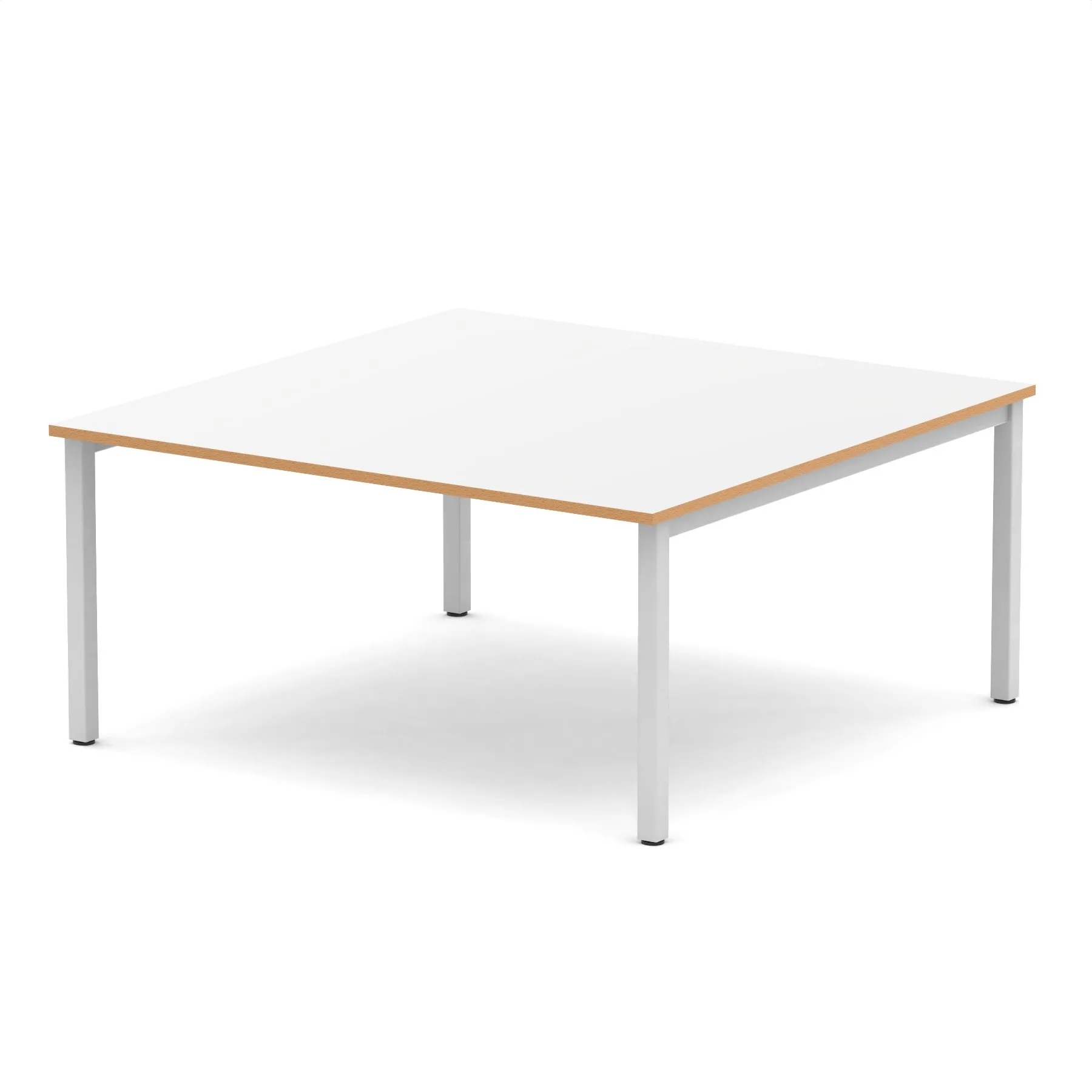
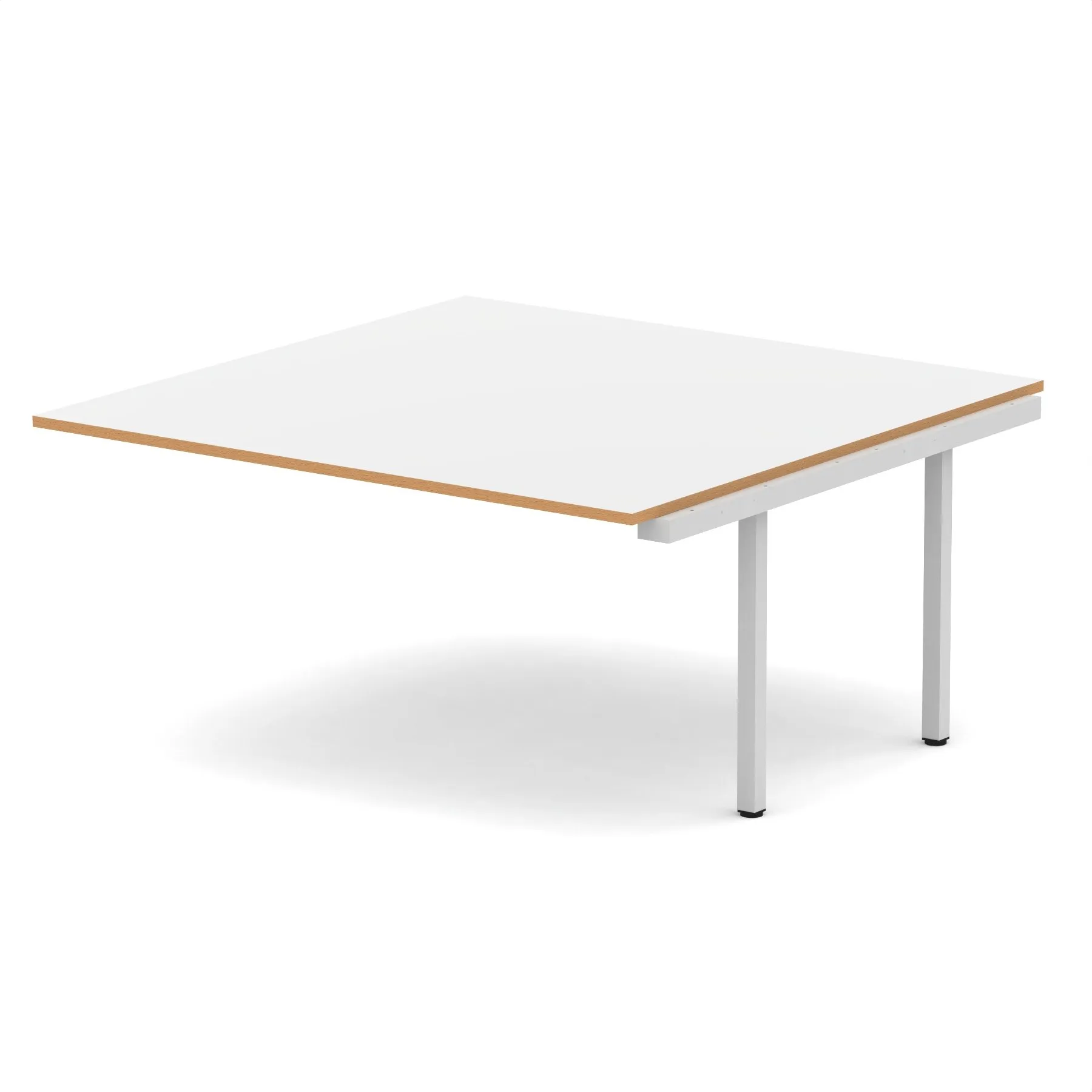
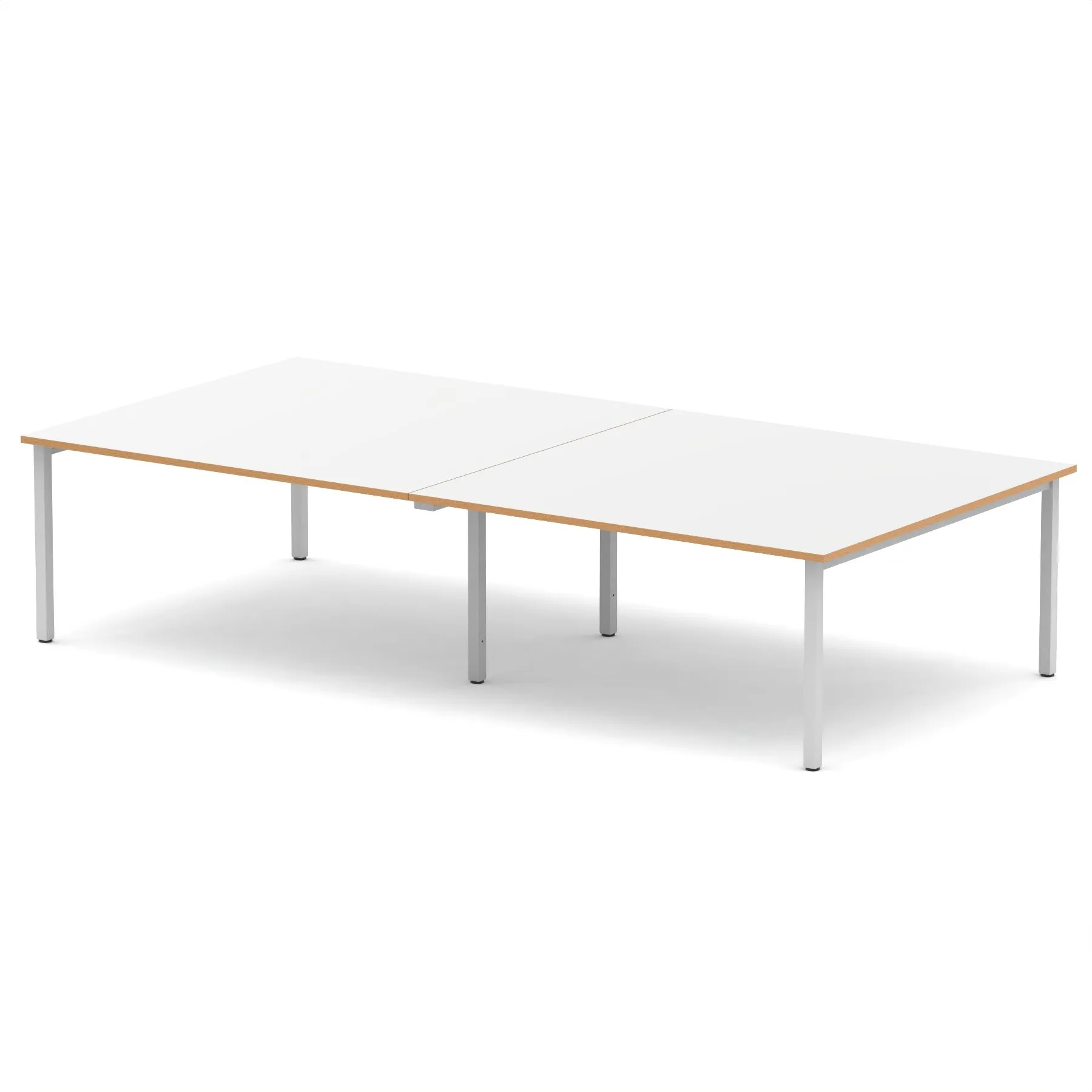
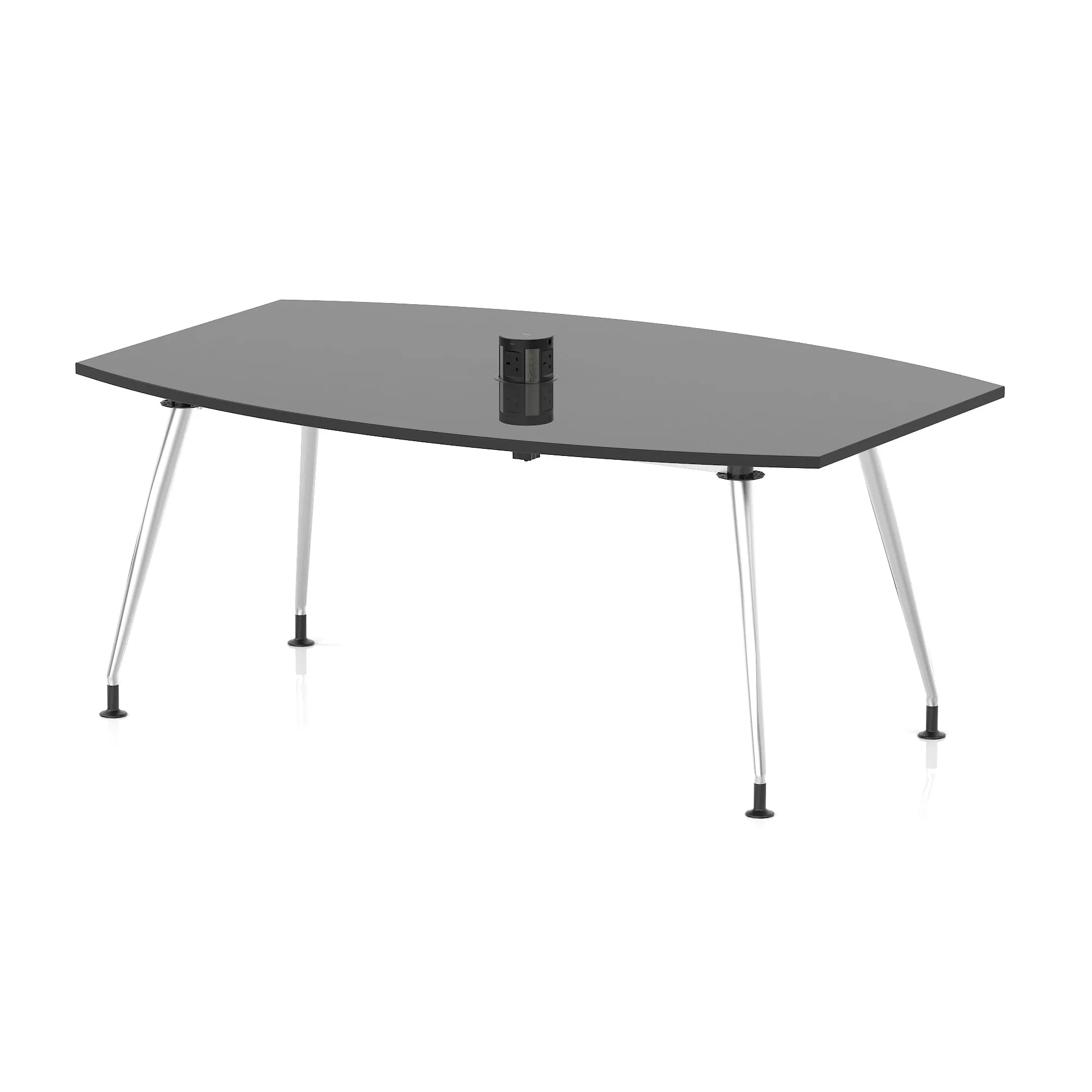
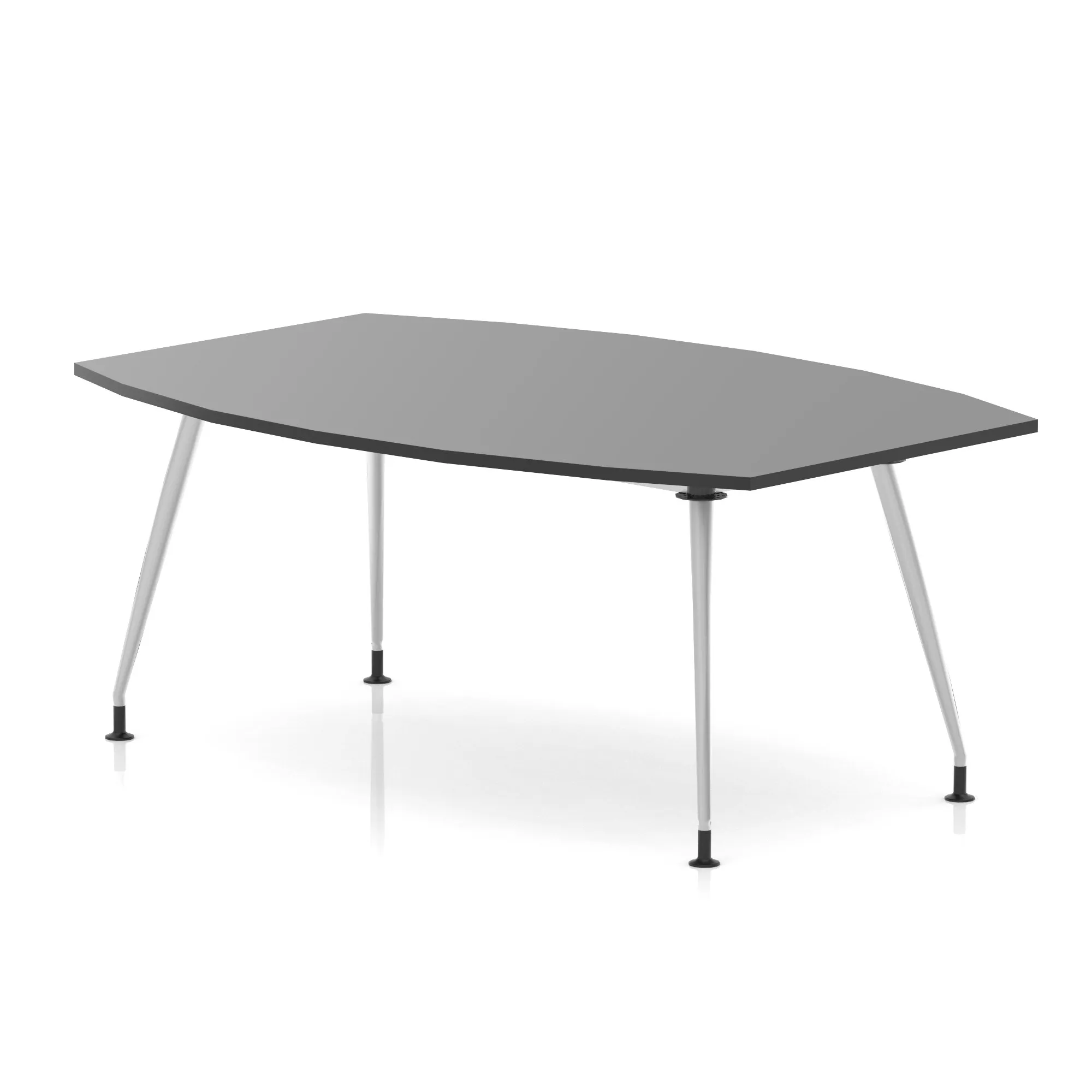
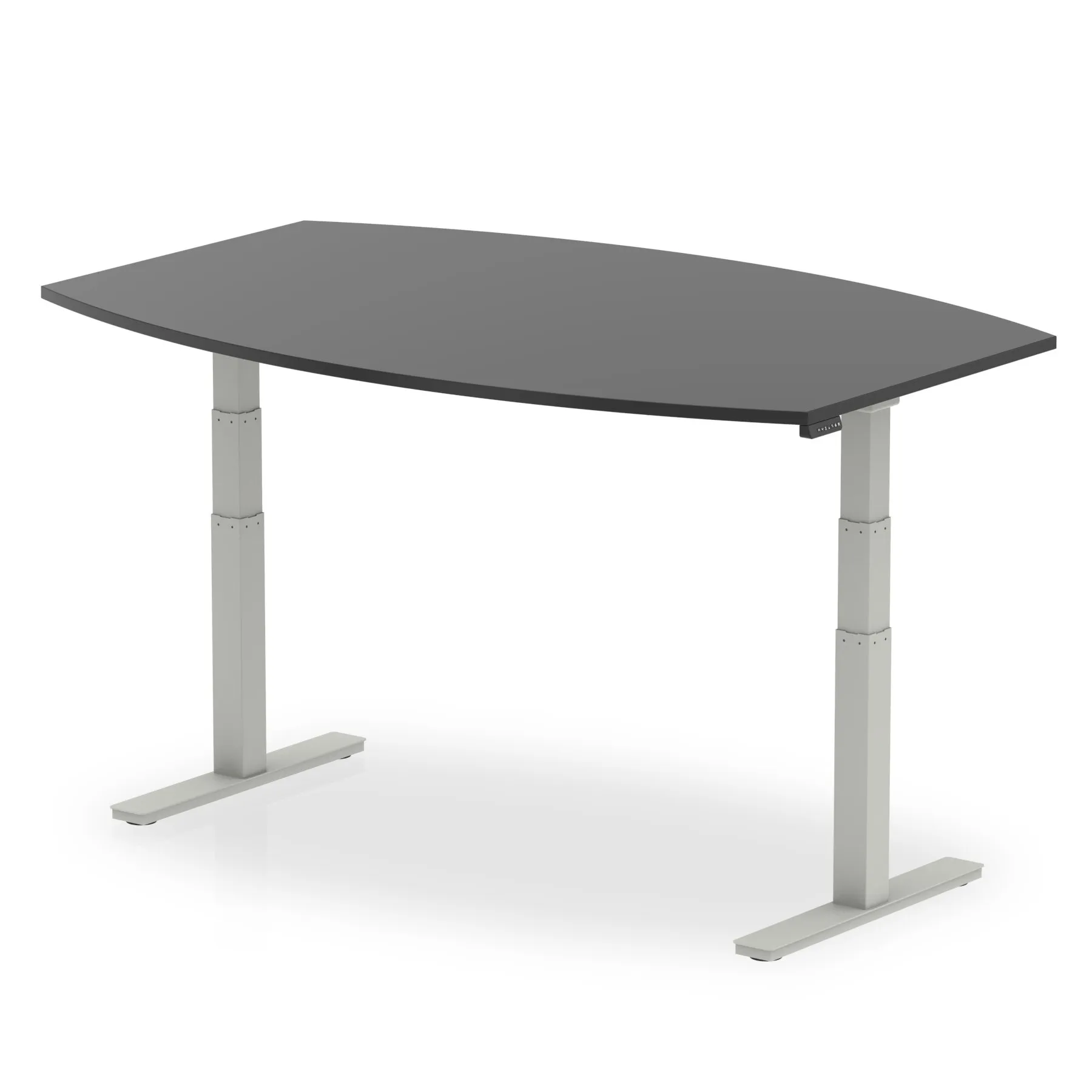
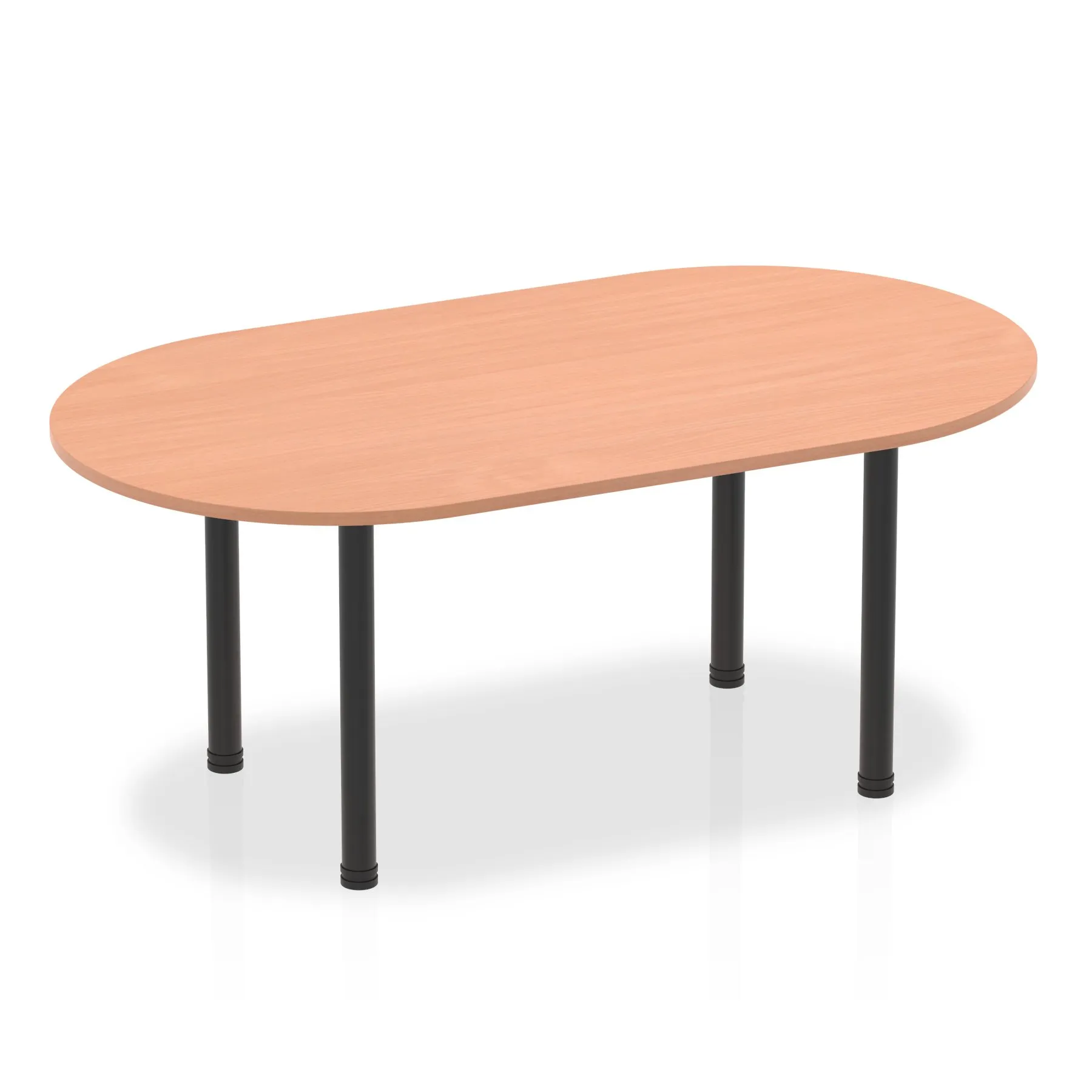
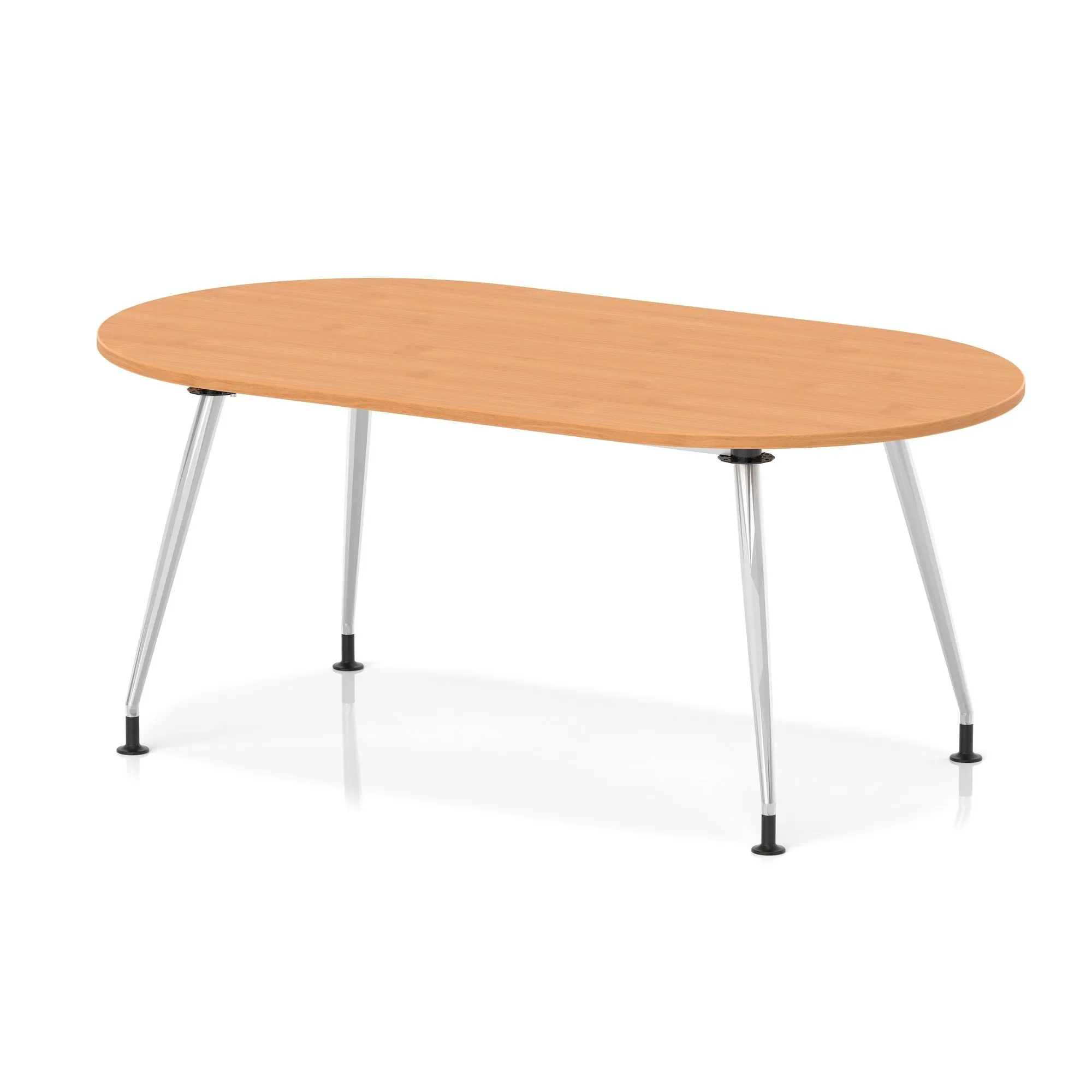
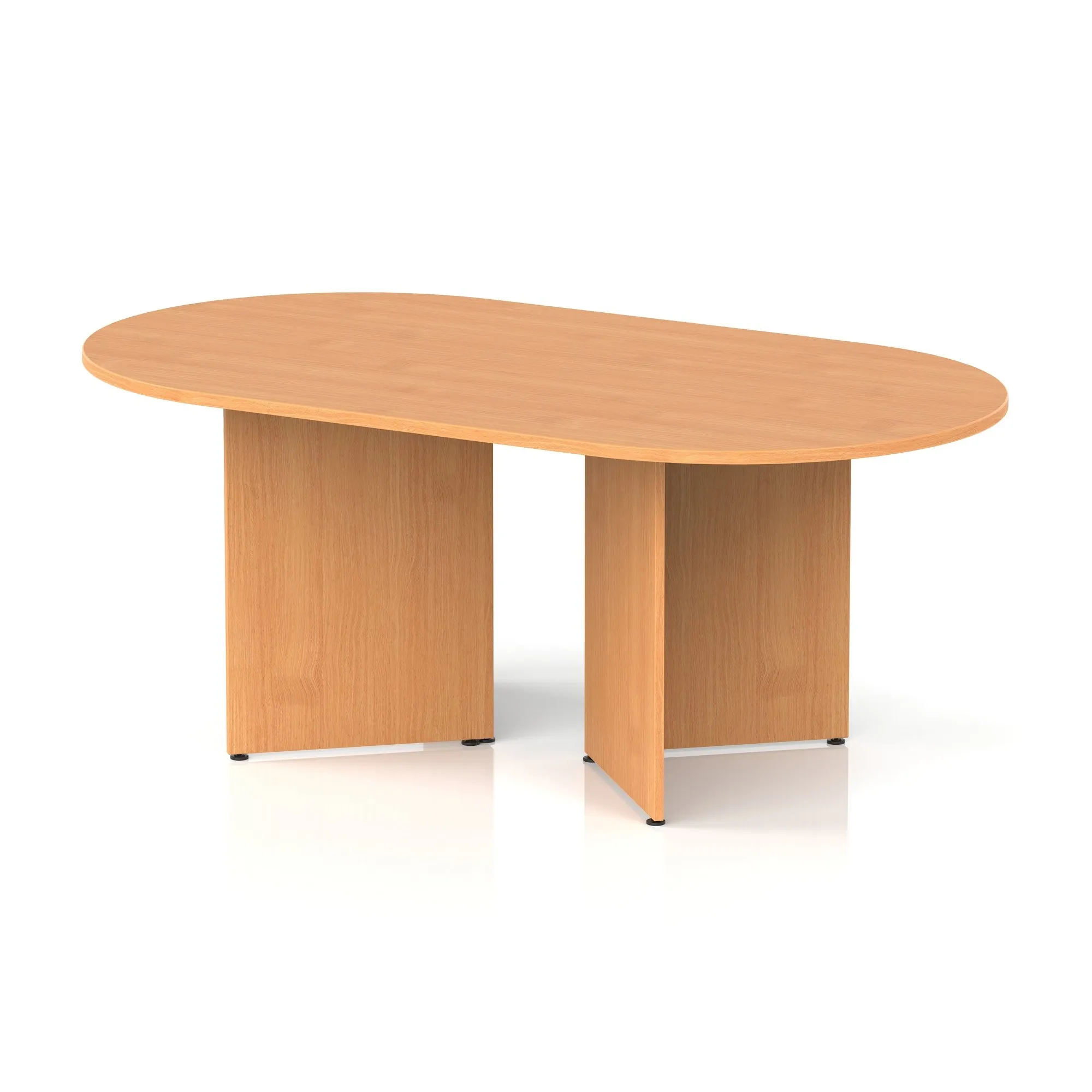
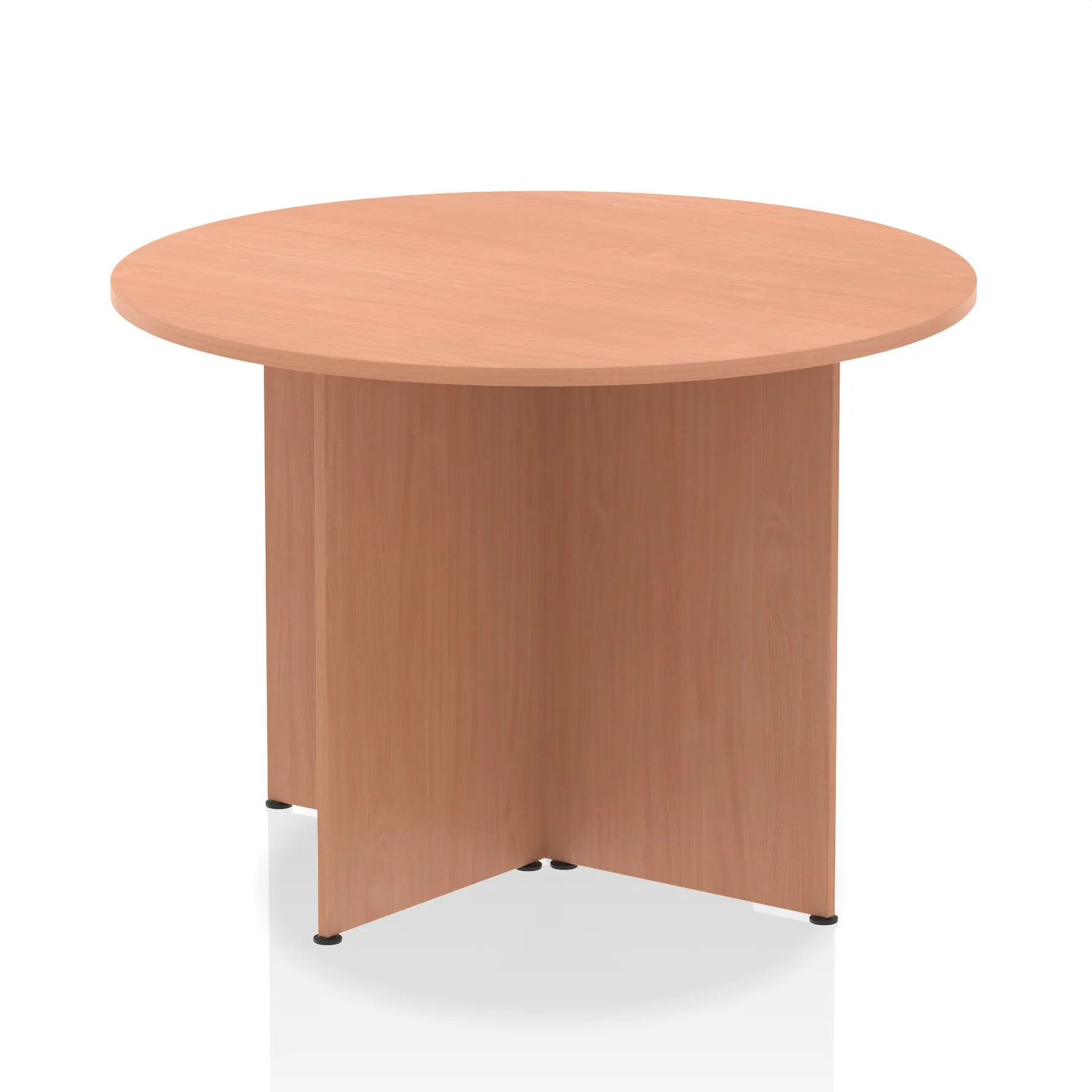
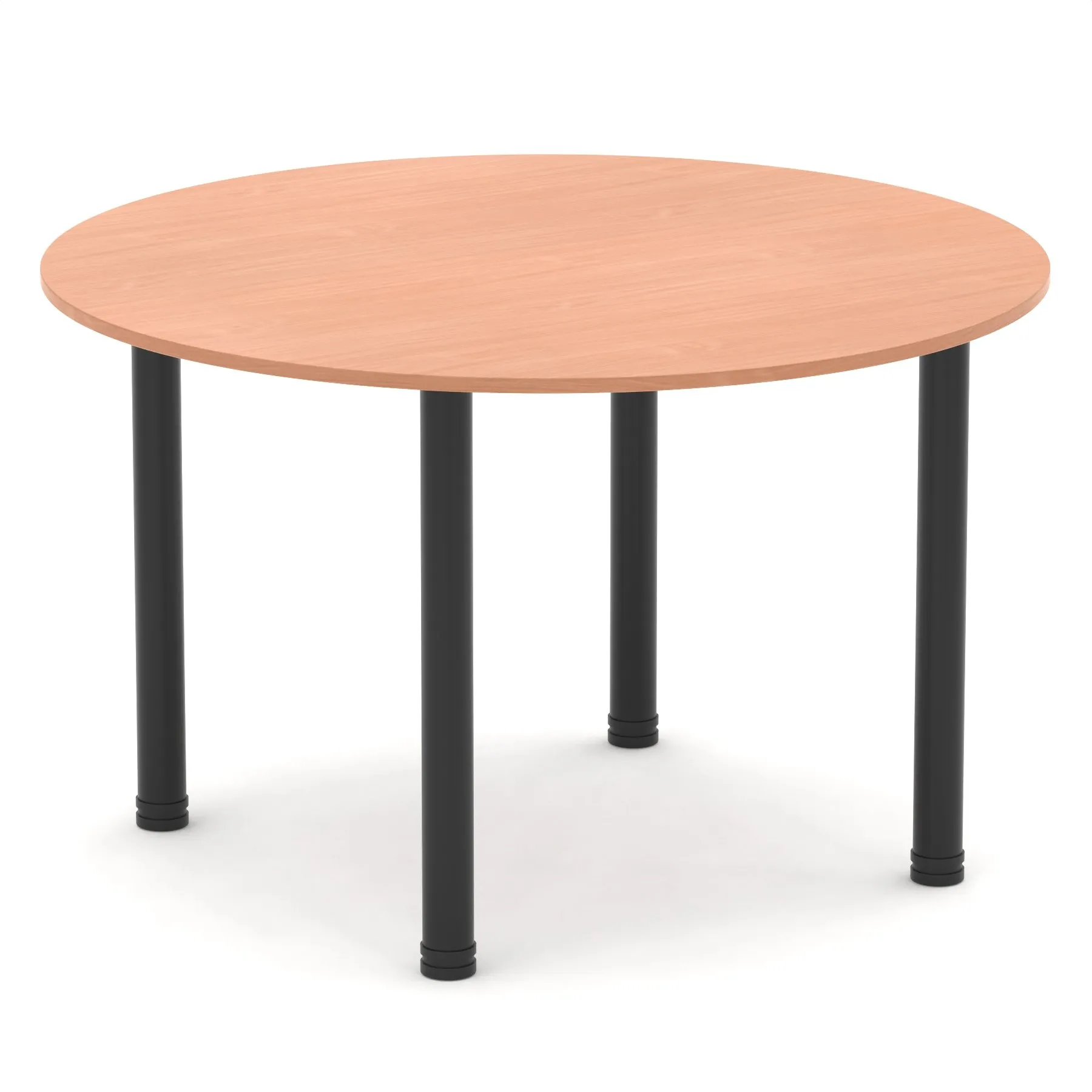
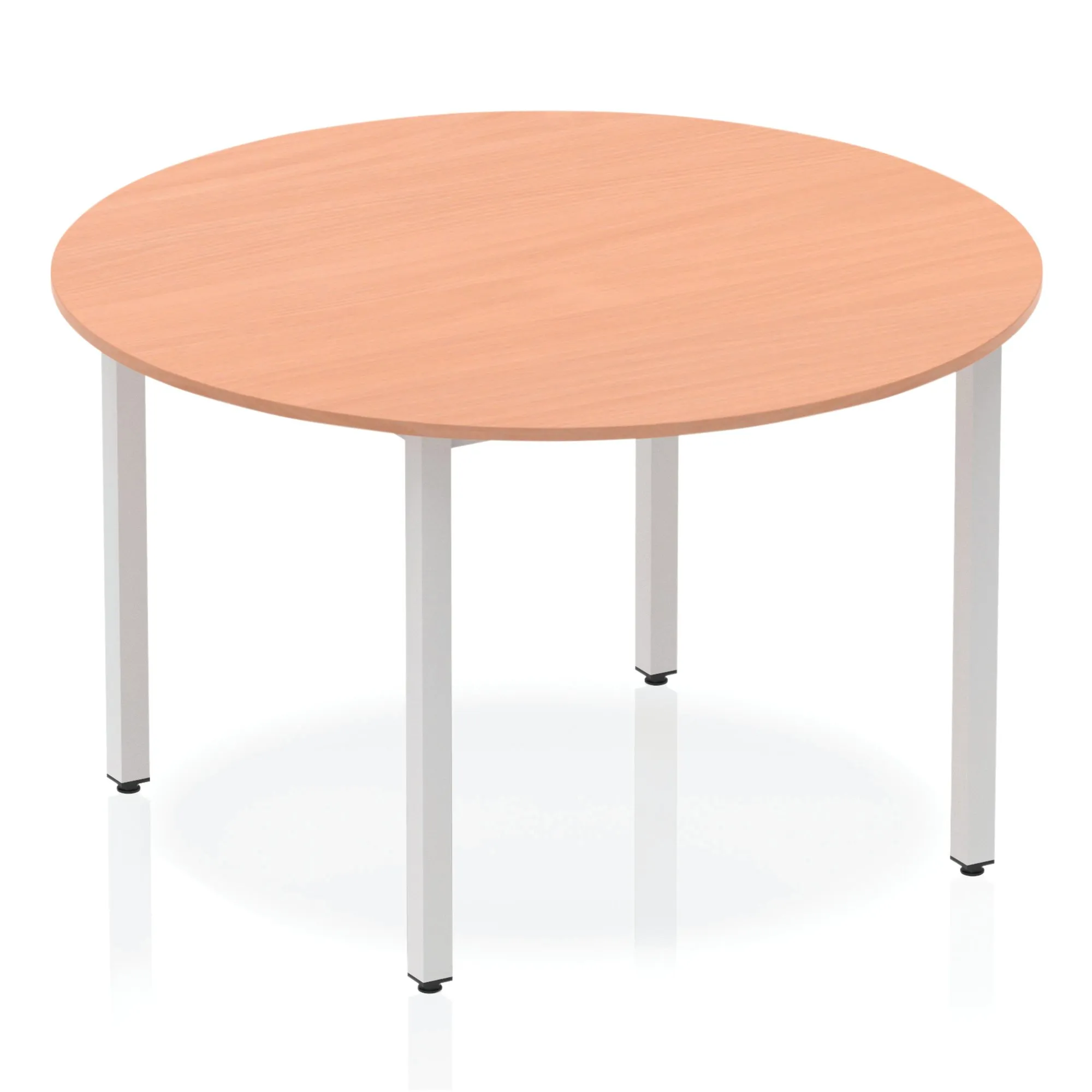
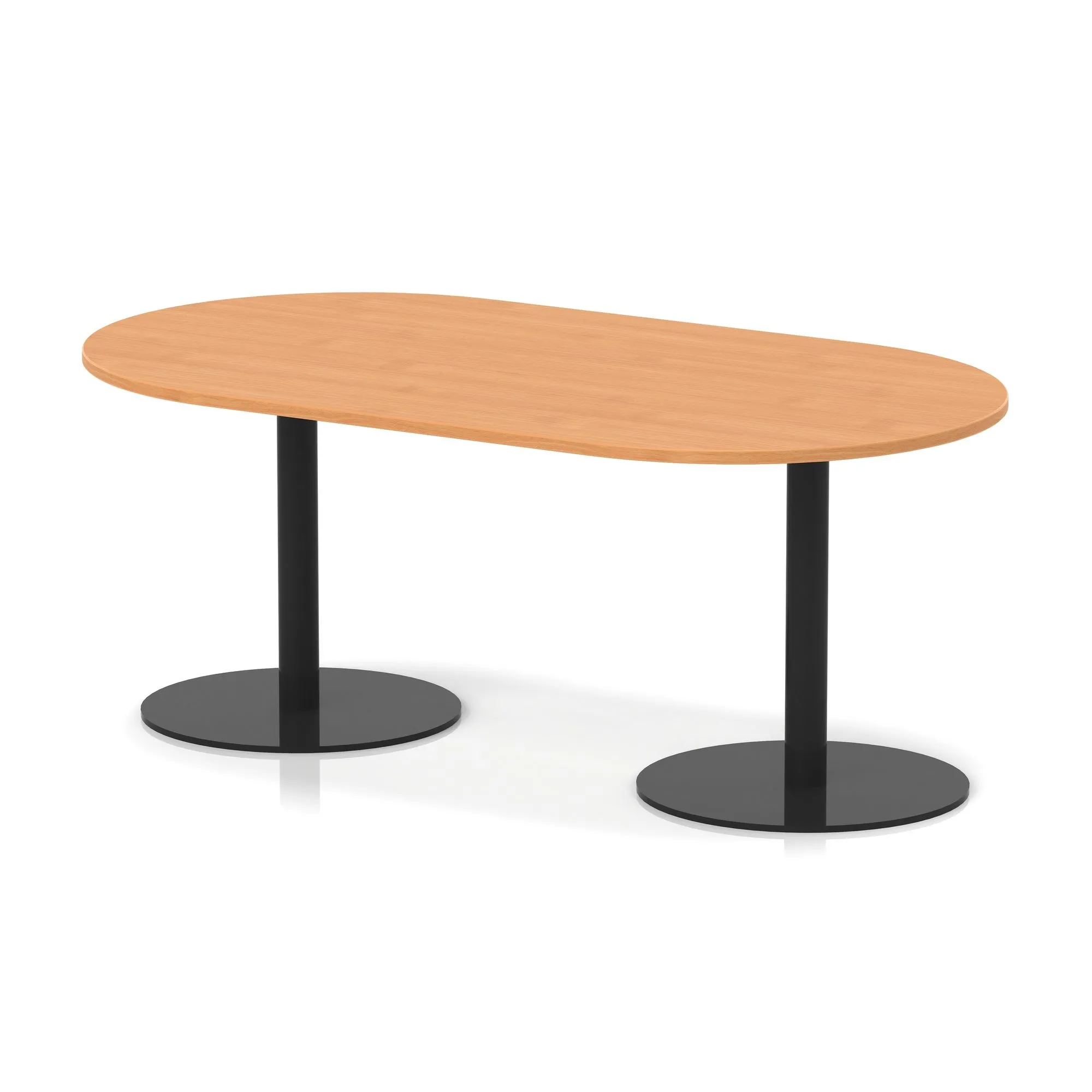
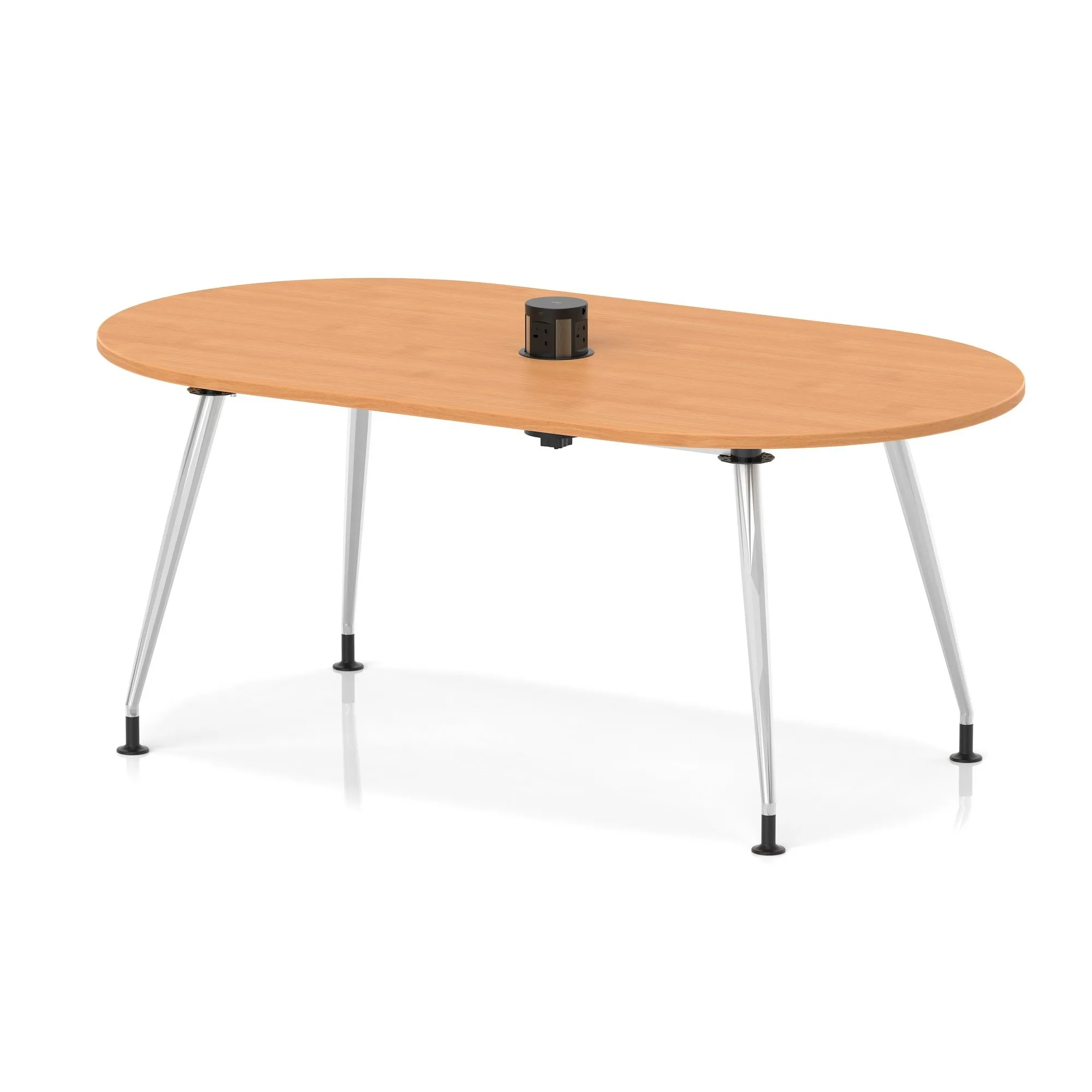
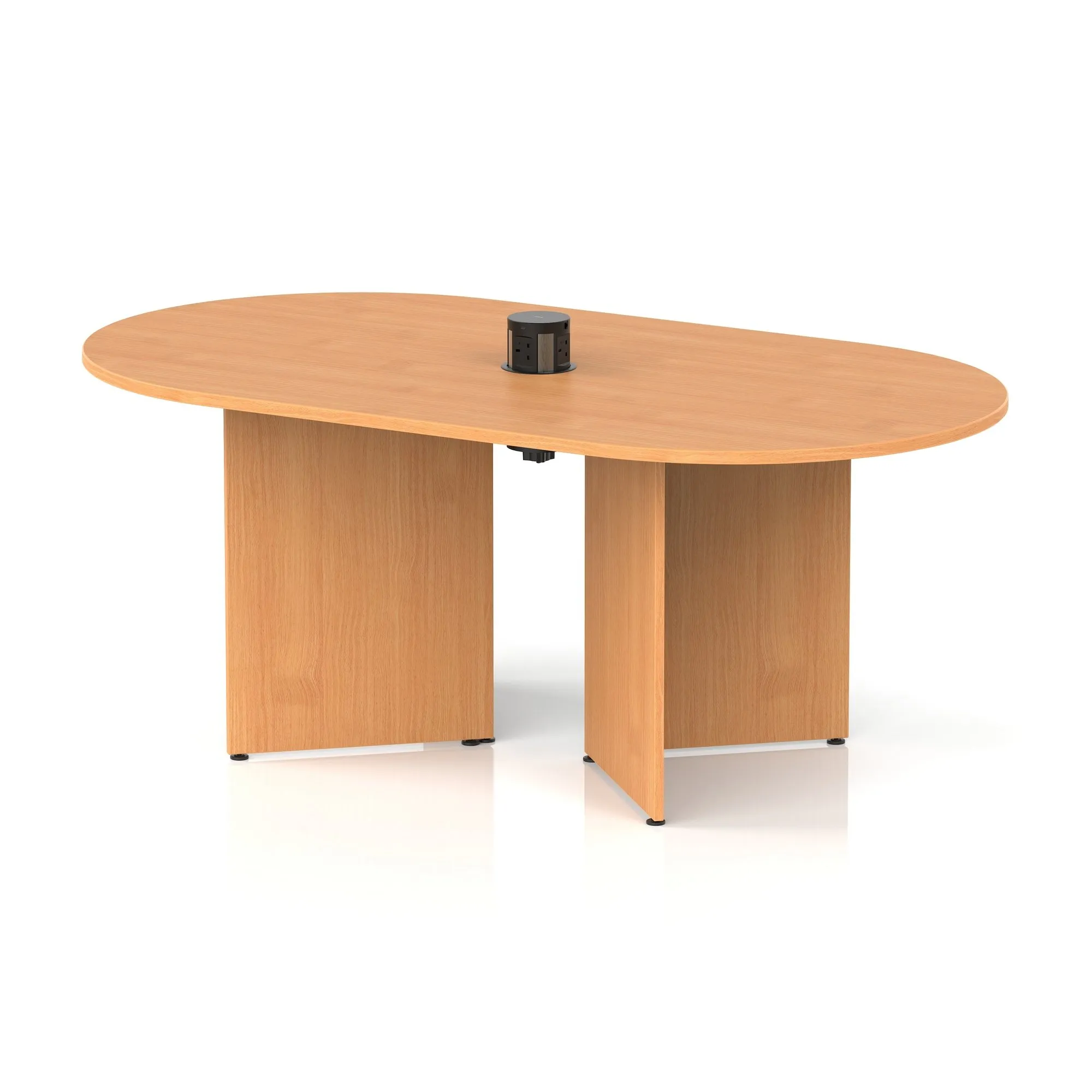
Size the table to the room, not the guest list. A boardroom table that fills the space leaves nowhere to walk behind seated people. If the room hosts laptop-heavy sessions, boardroom tables with power put sockets in the surface and remove the extension lead across the floor.
Rooms that change use
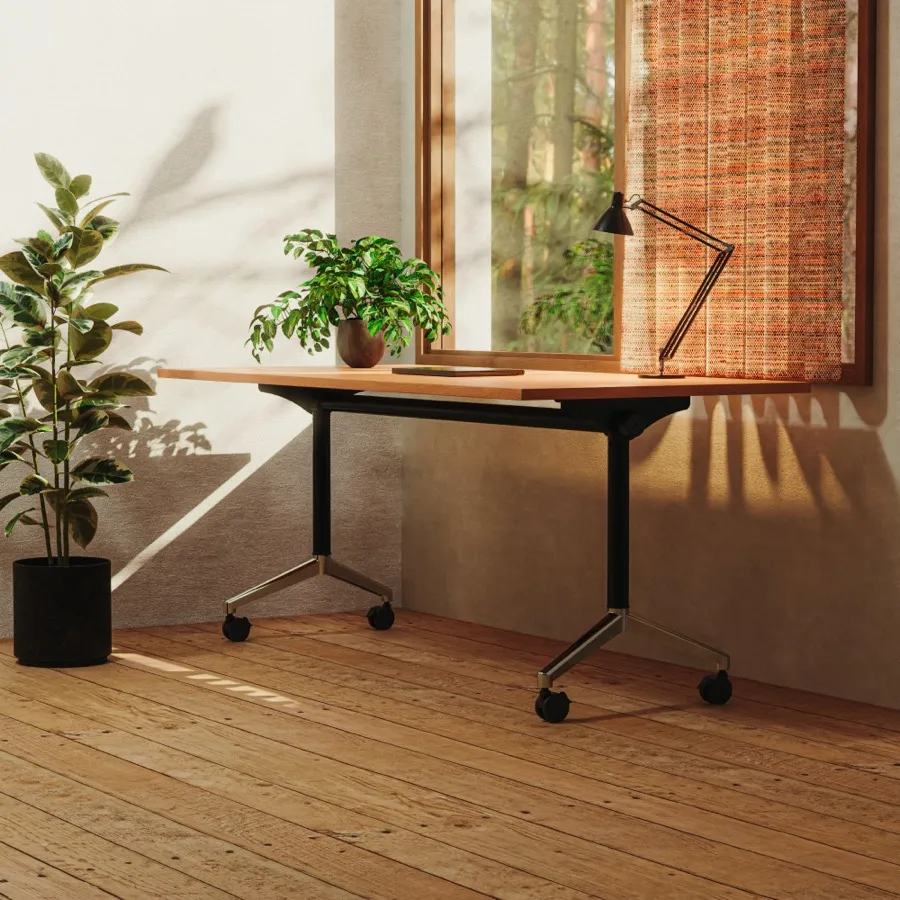
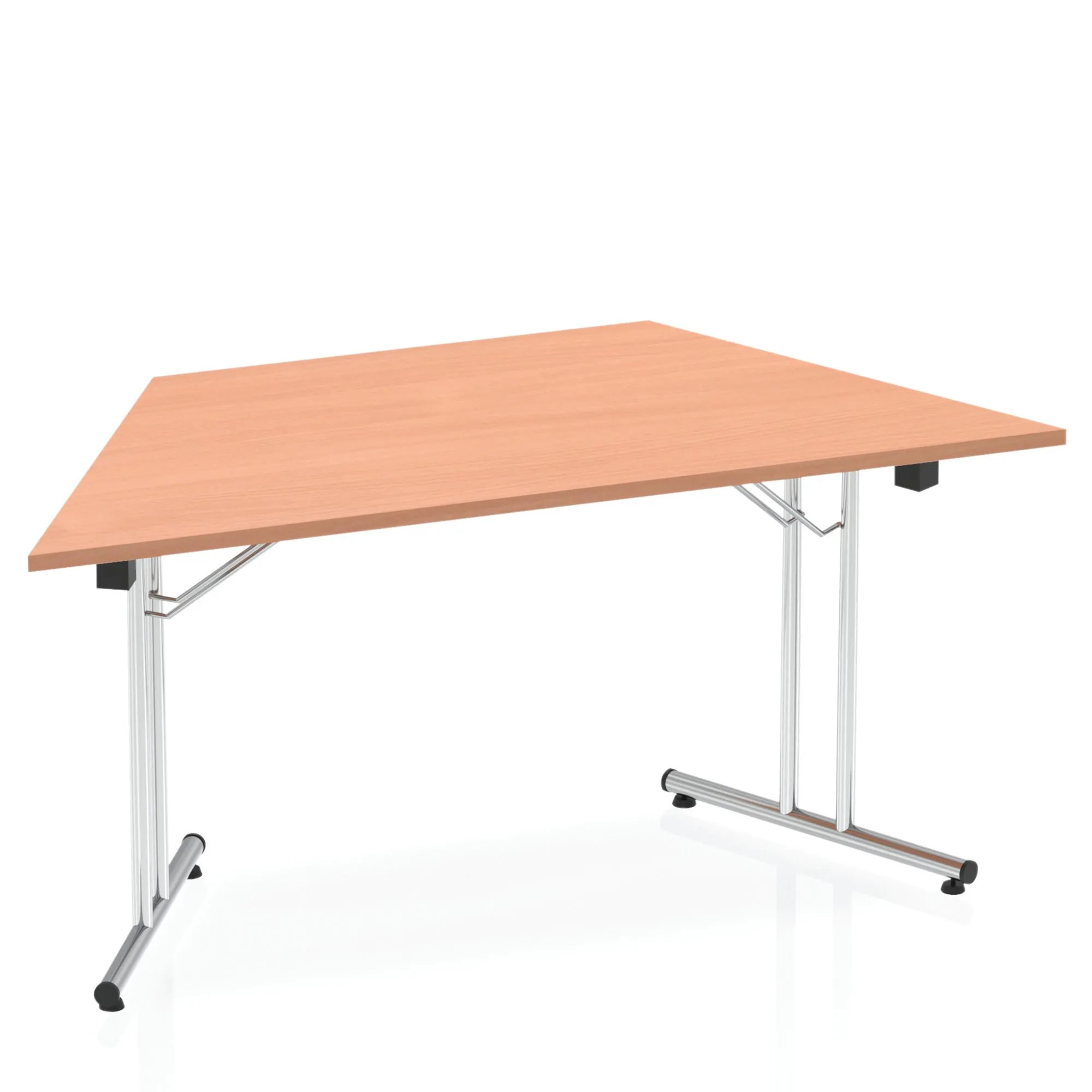
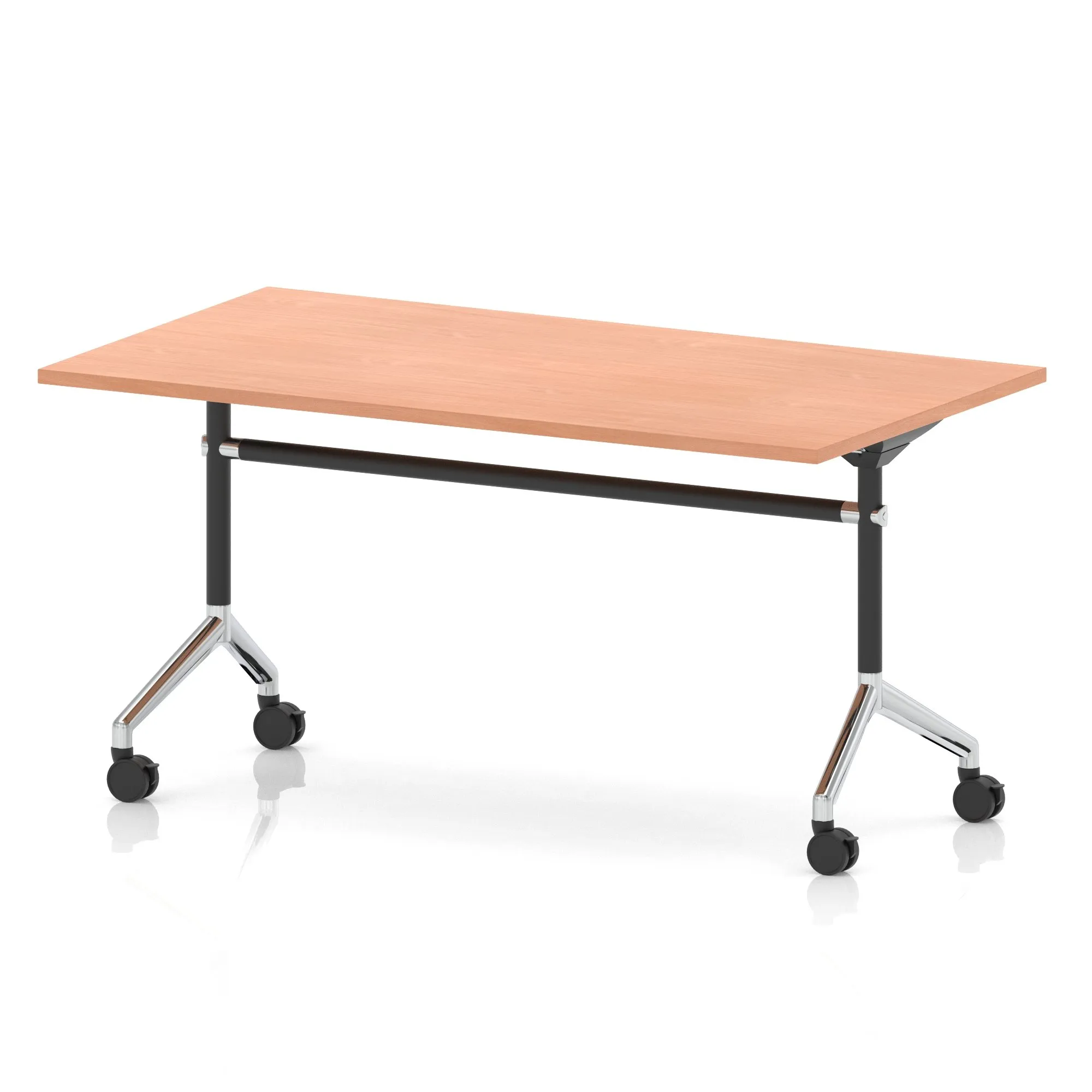
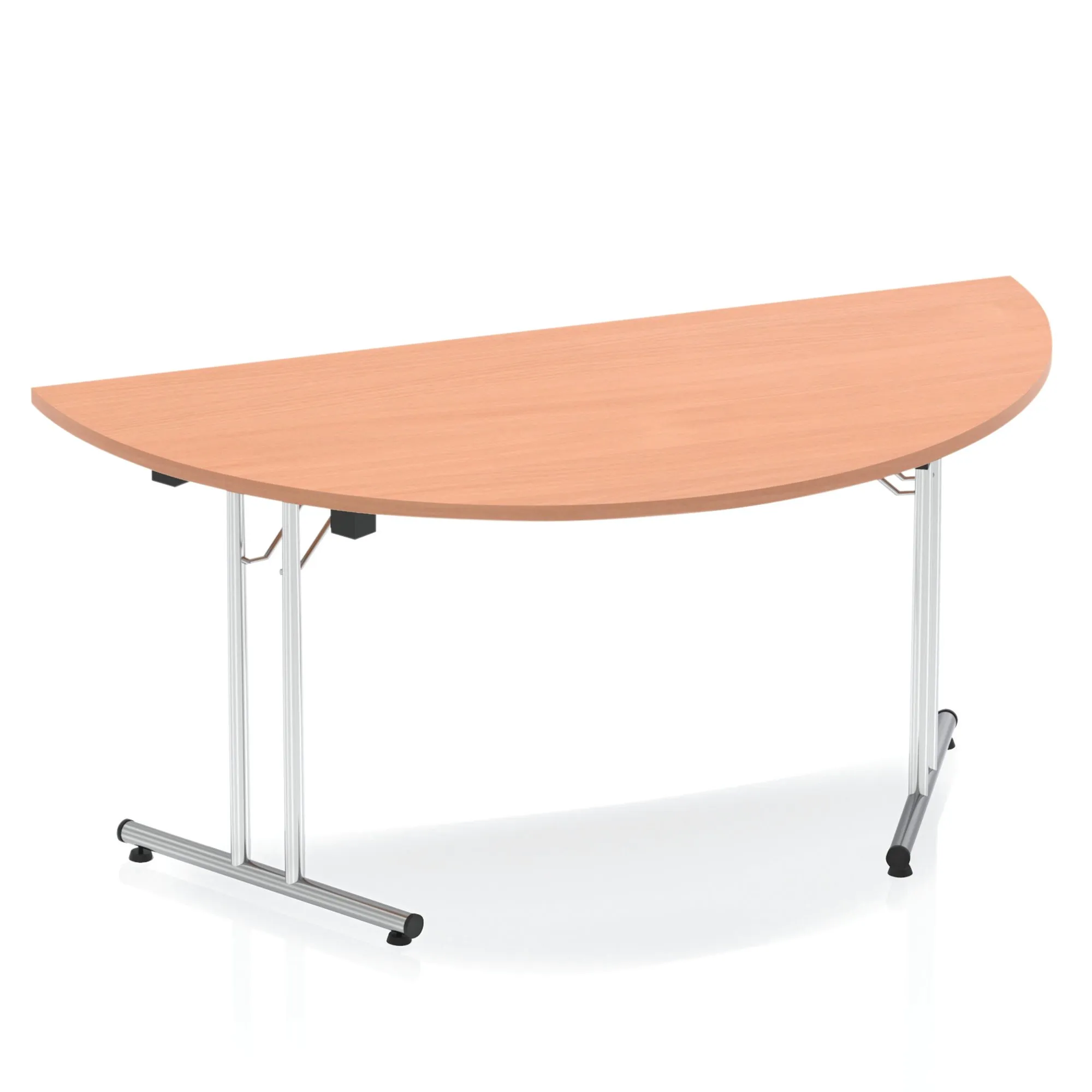
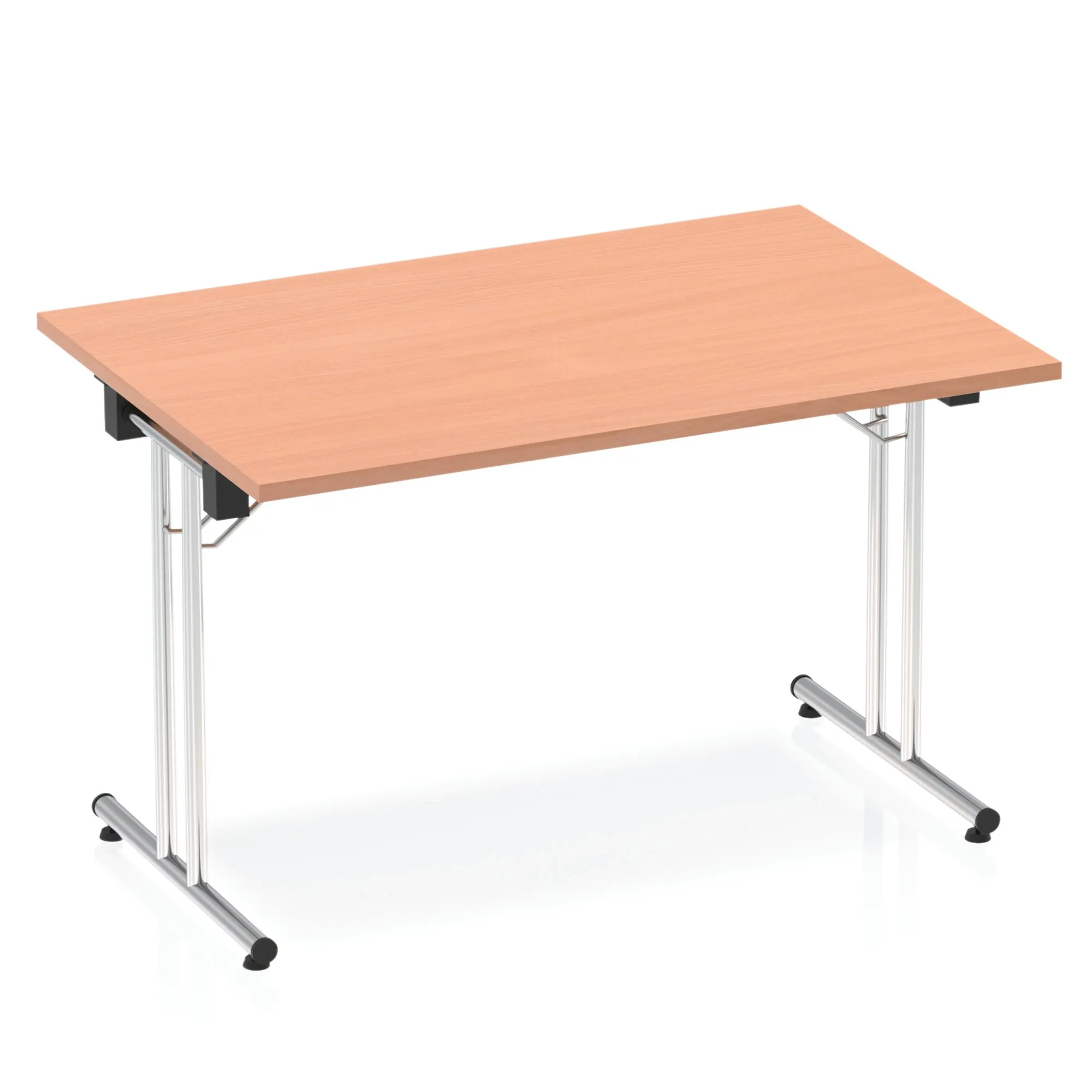
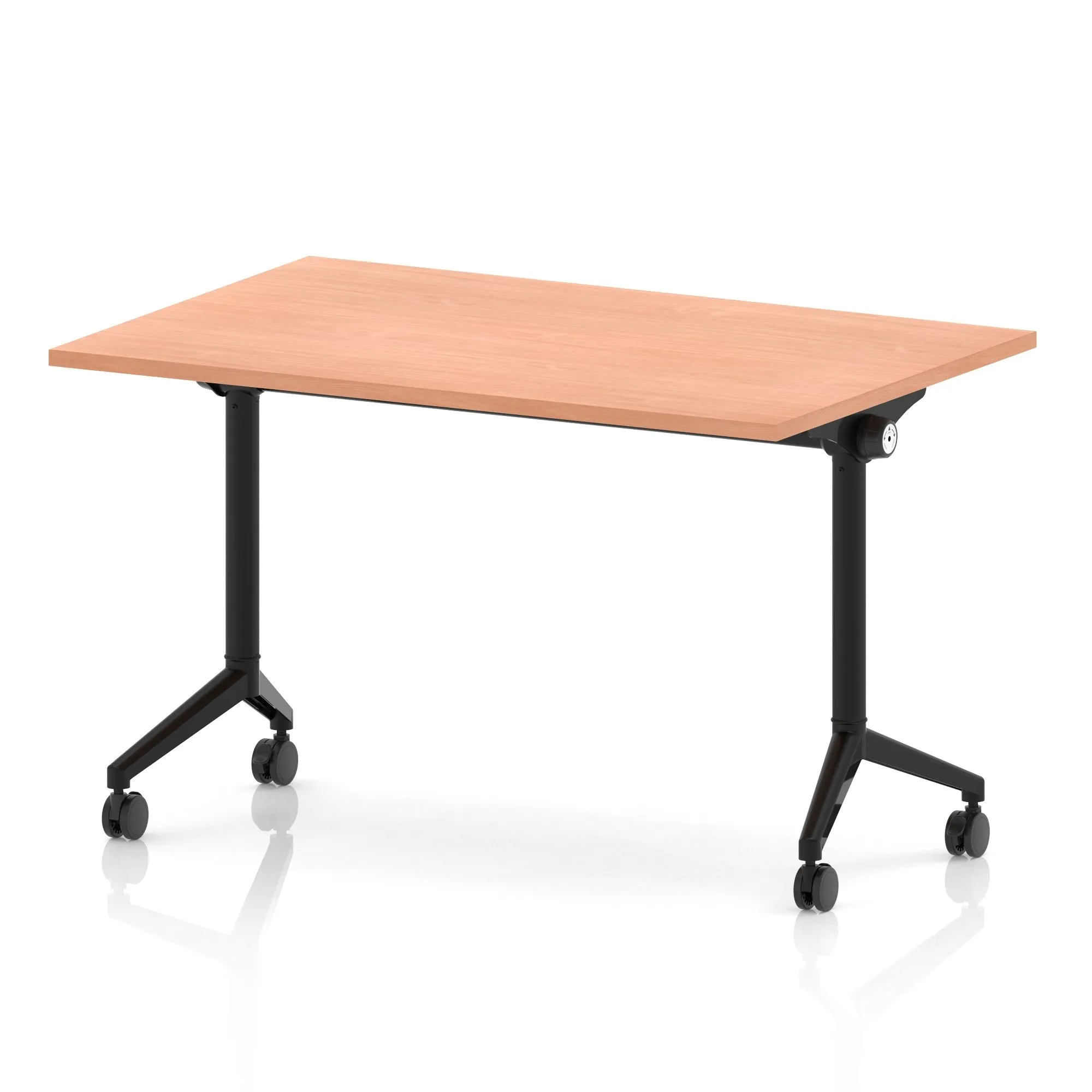
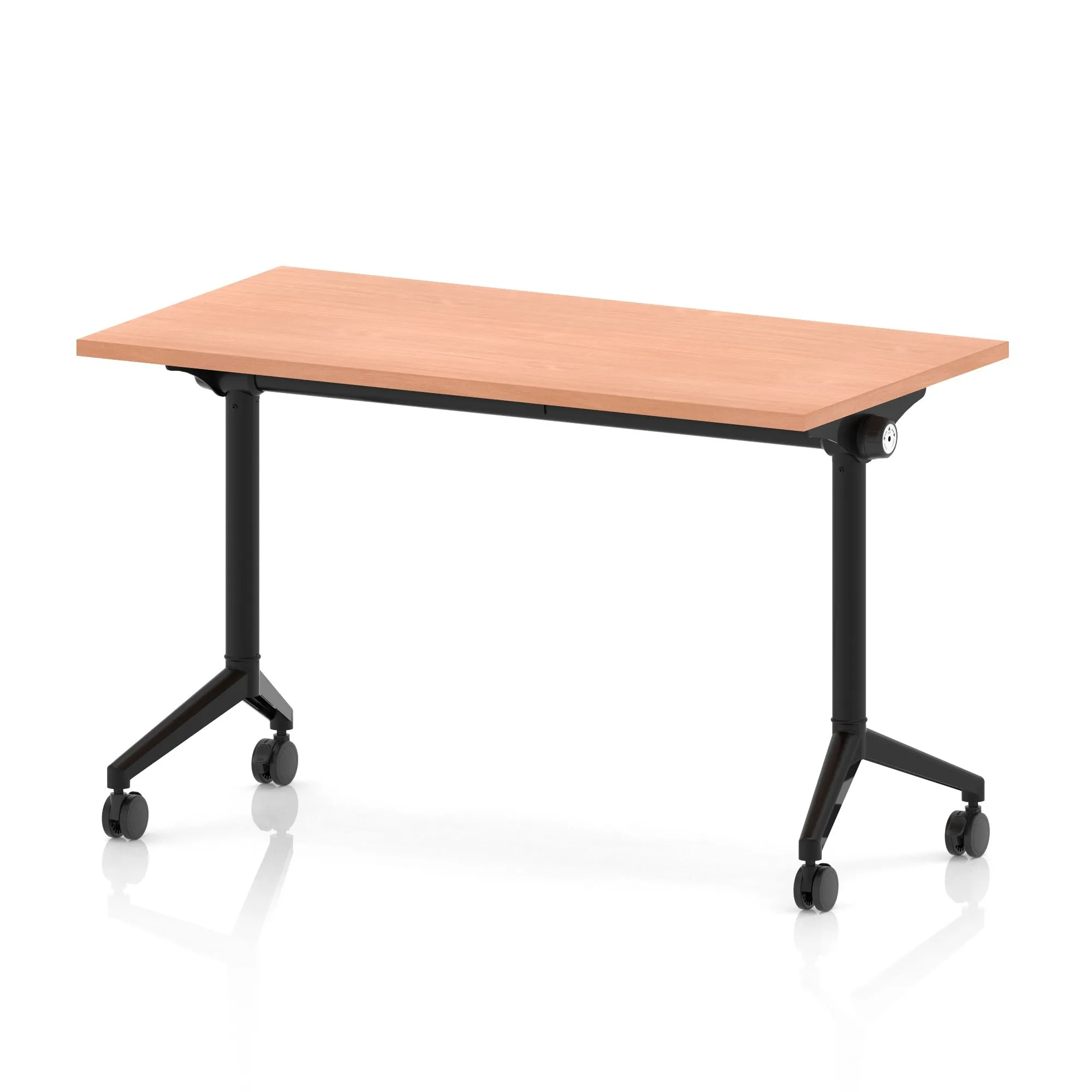
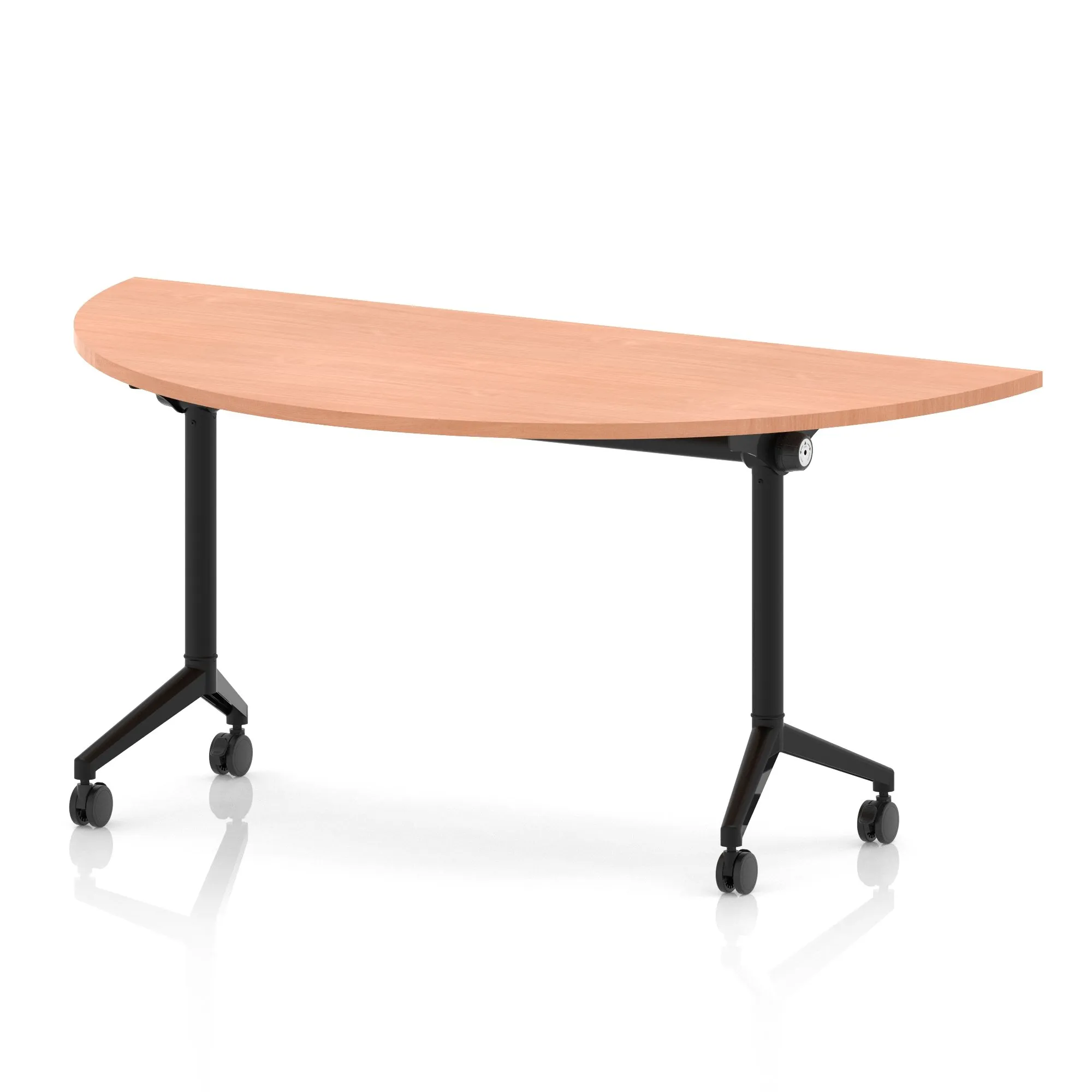
Folding and flip-top tables let a room switch from training layout to open space and back. Most nest once folded, though it is worth measuring the storage you actually have rather than assuming.
Breakout and informal
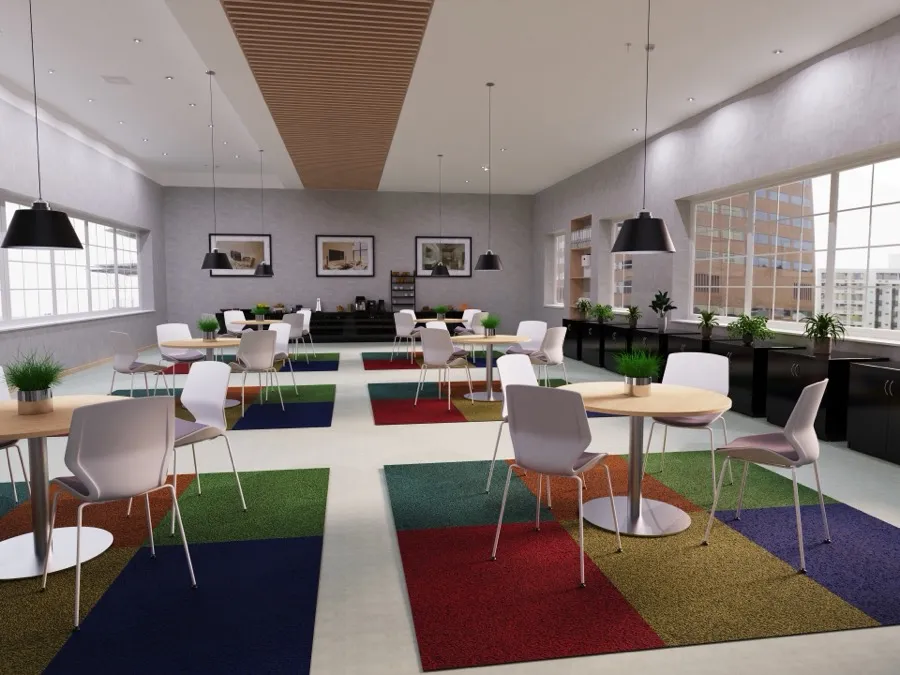
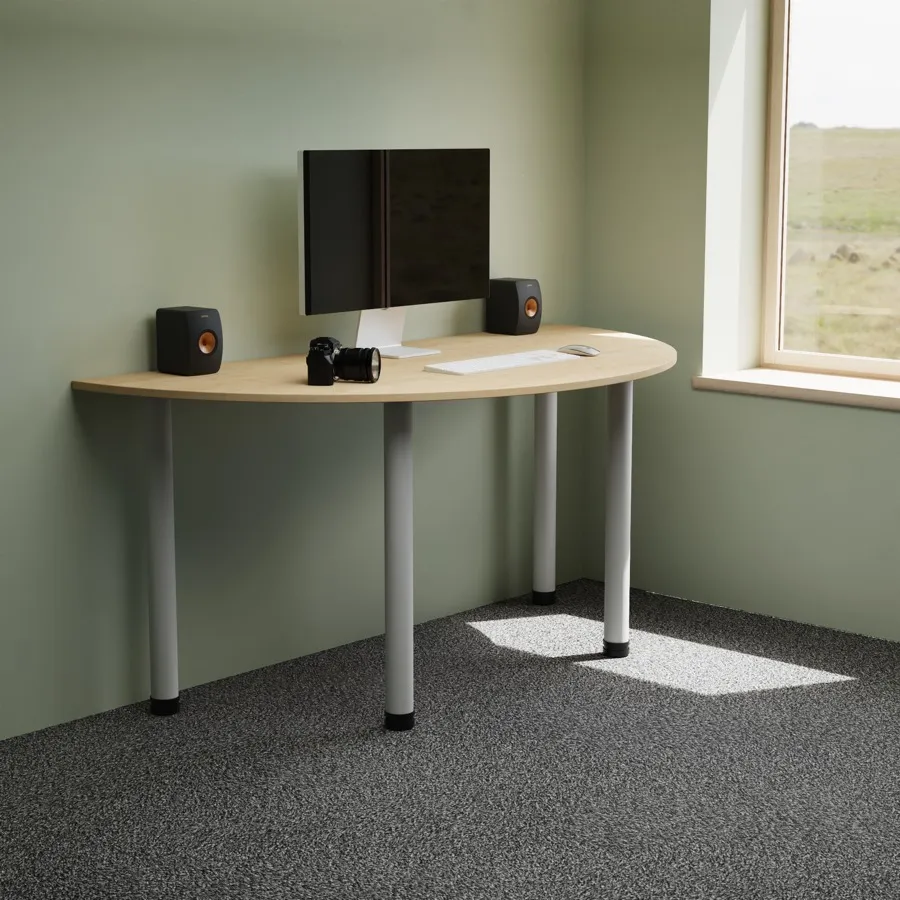
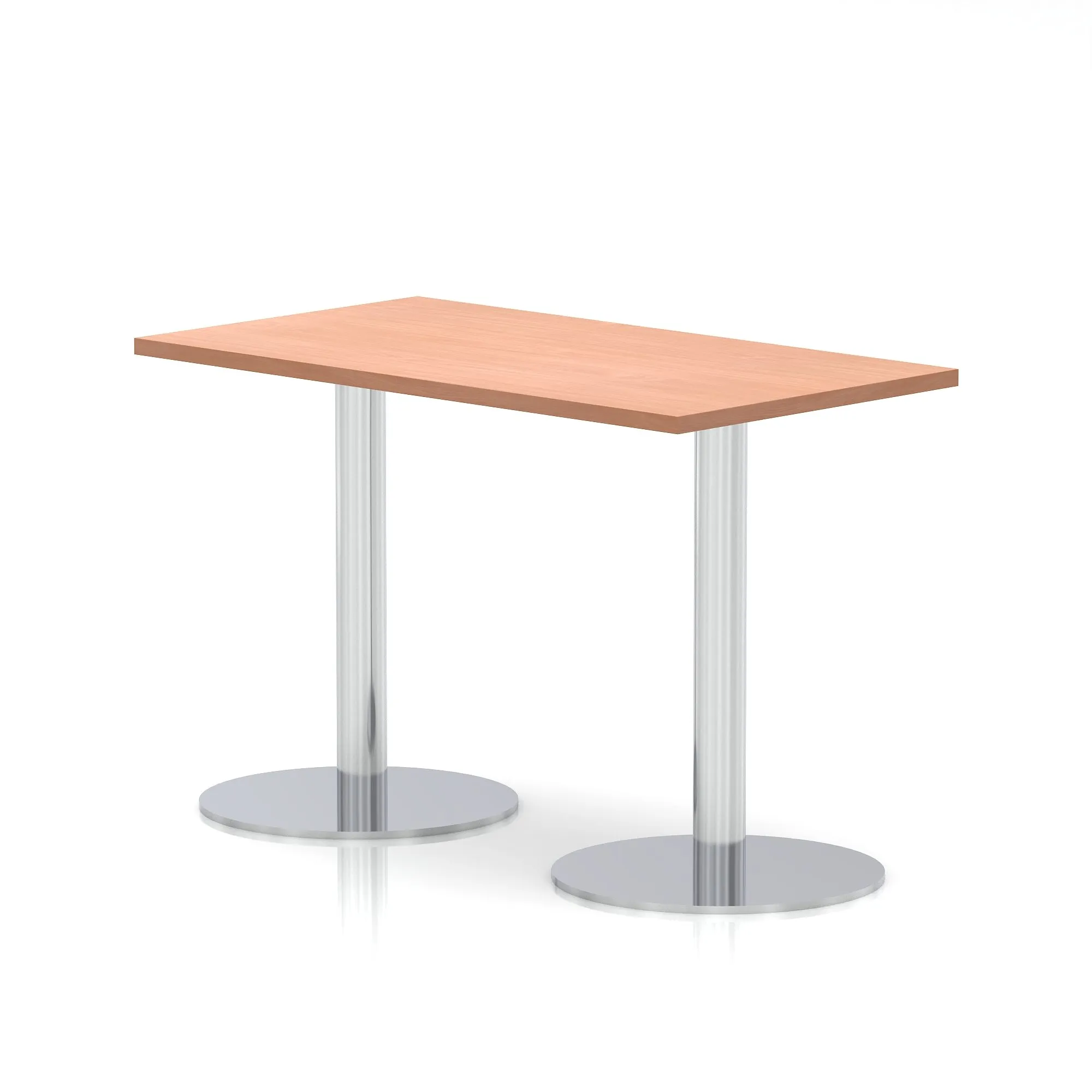
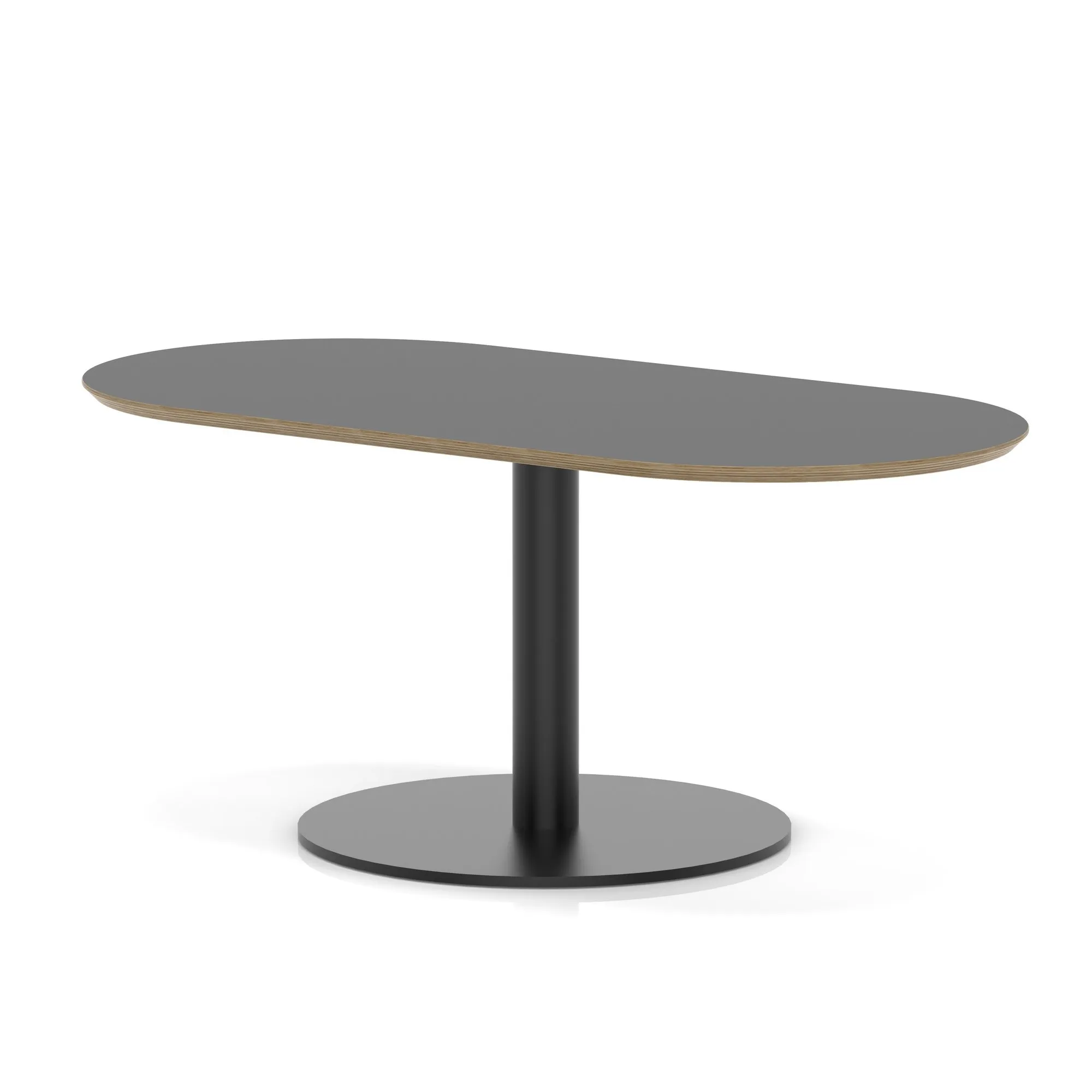
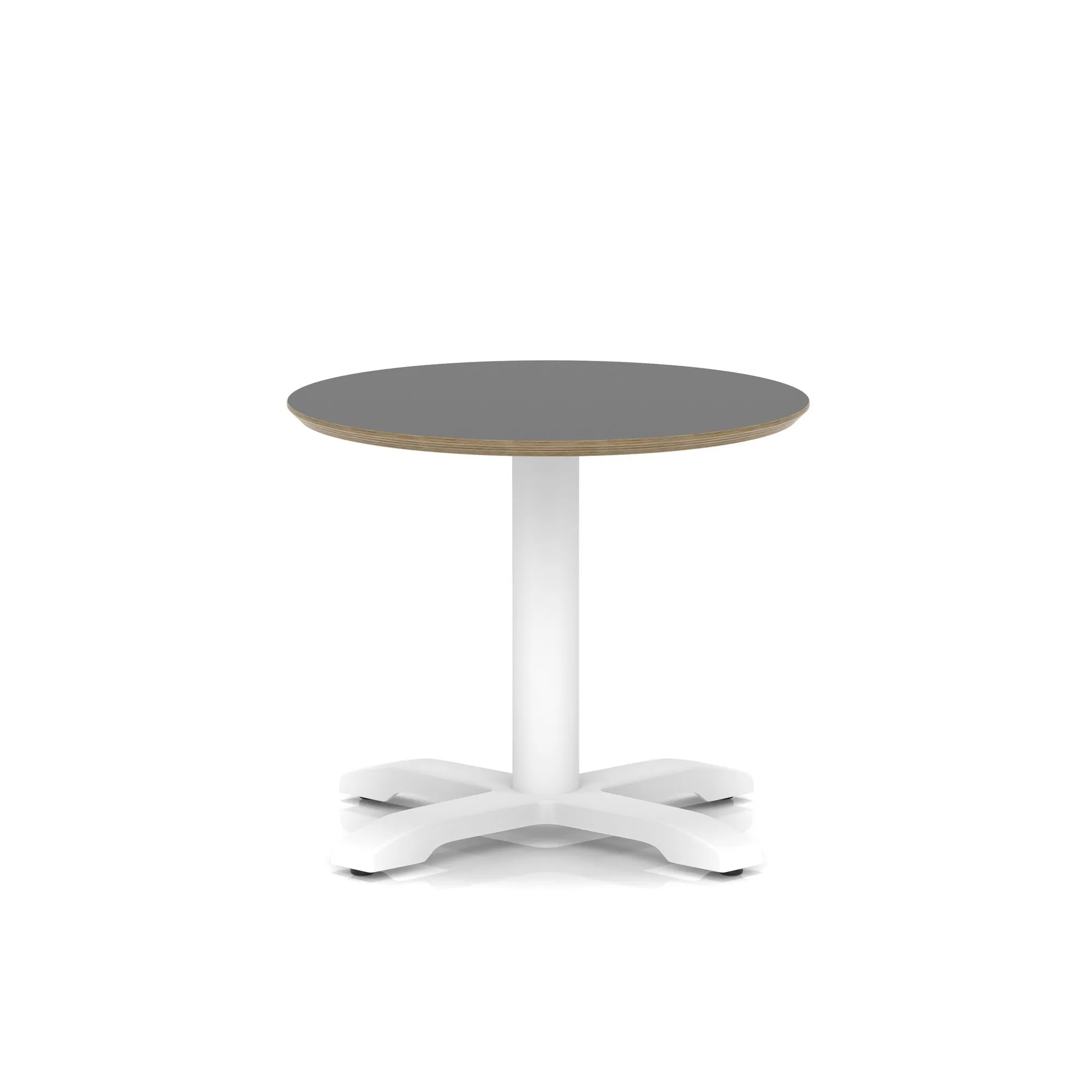
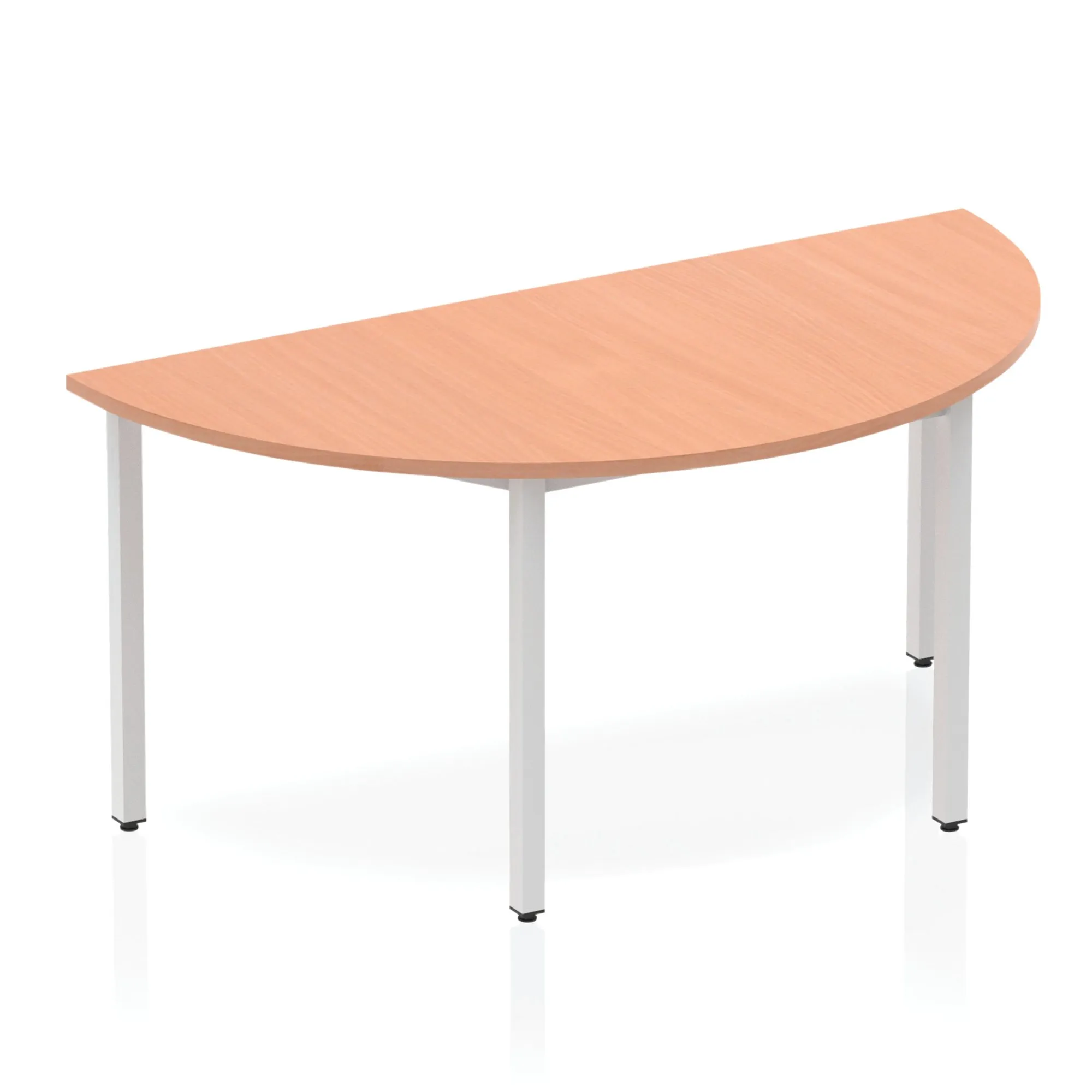
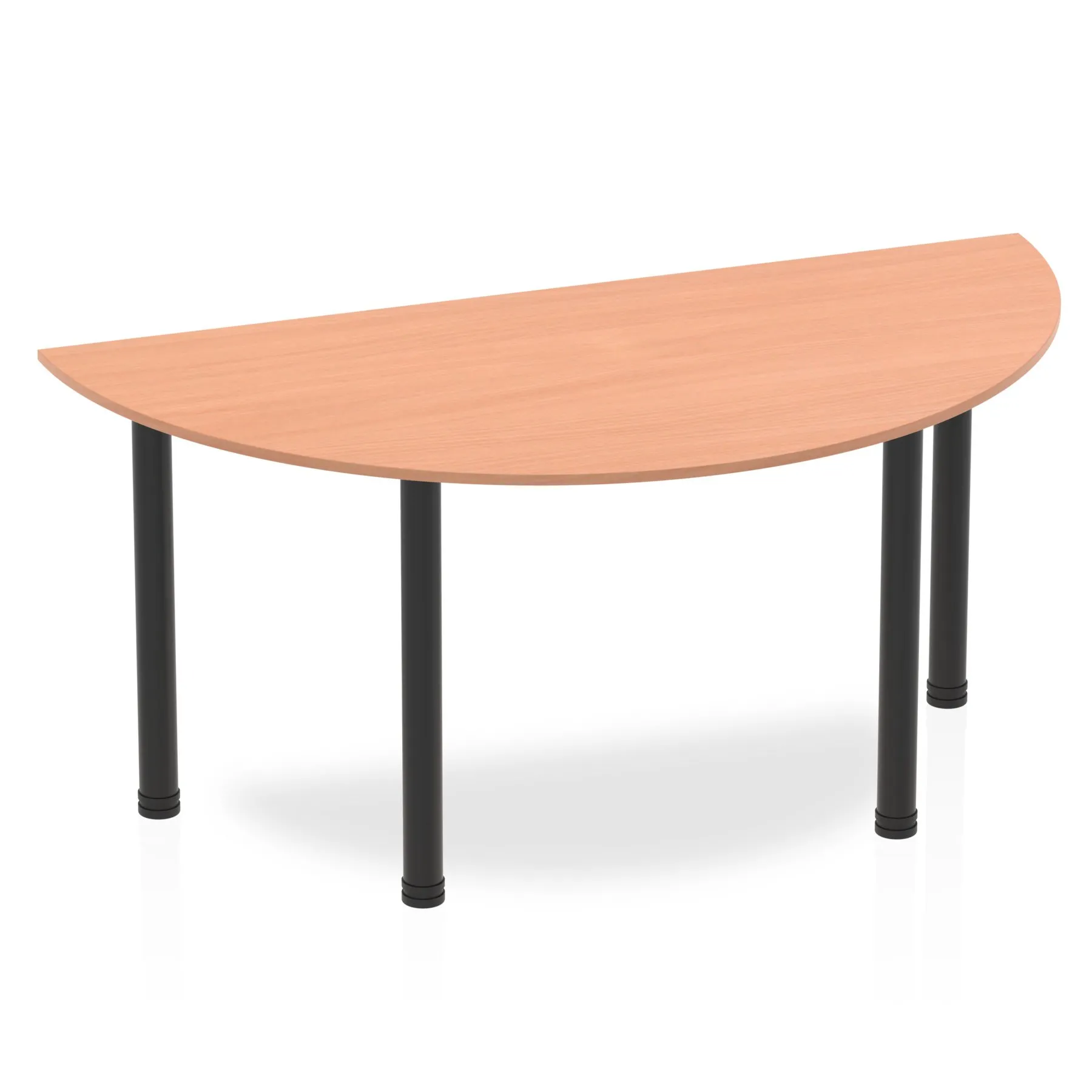
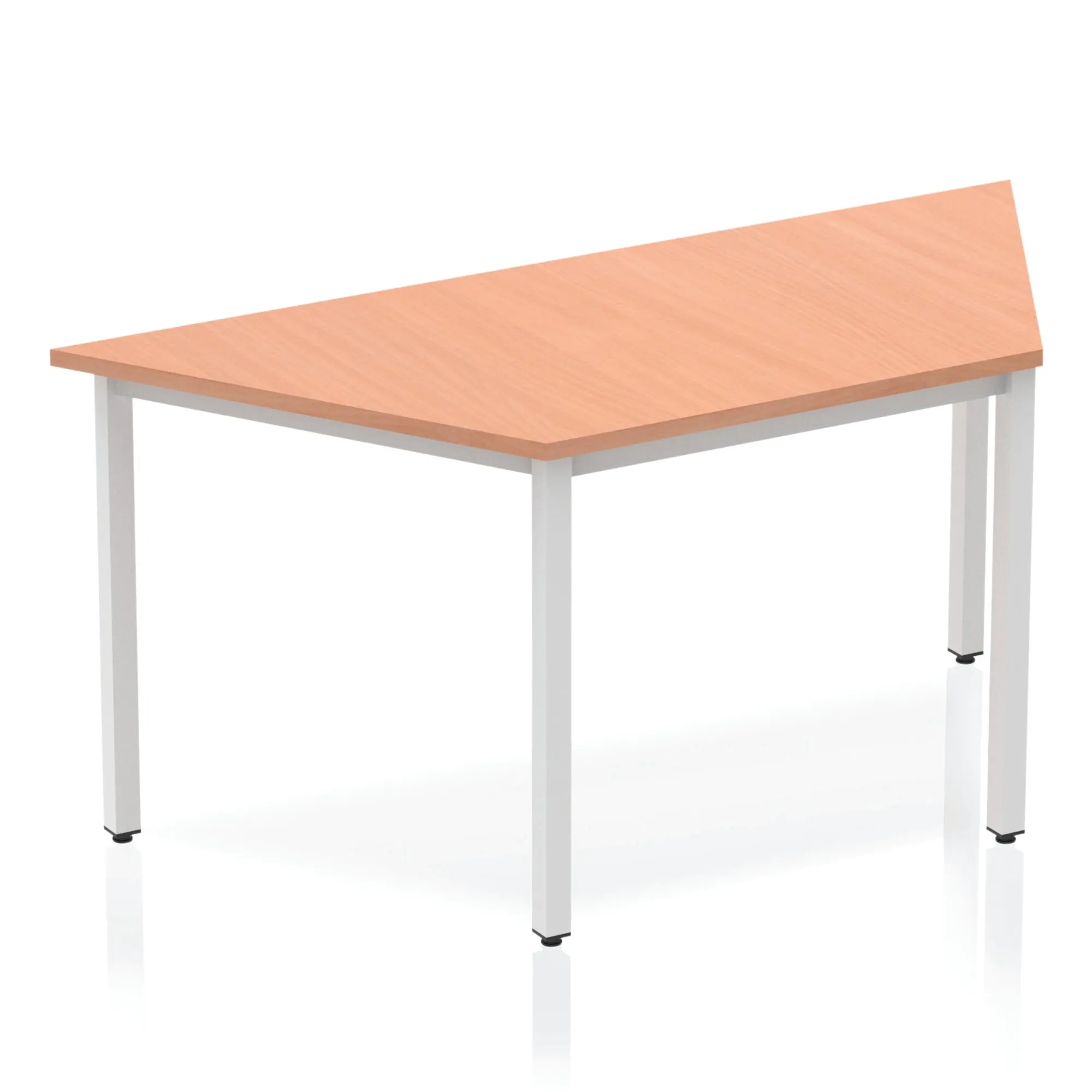
Bistro and cafe tables take constant knocks and need stable bases and wipeable tops. Breakout and shaped tables suit touchdown areas where a rectangle would feel too much like a meeting.
Matching a scheme
If you are furnishing a whole building, specifying from one range keeps finishes consistent. Italia Tables spans boardroom, coffee and poseur heights in one family, and High Gloss Furniture covers the more formal end.