



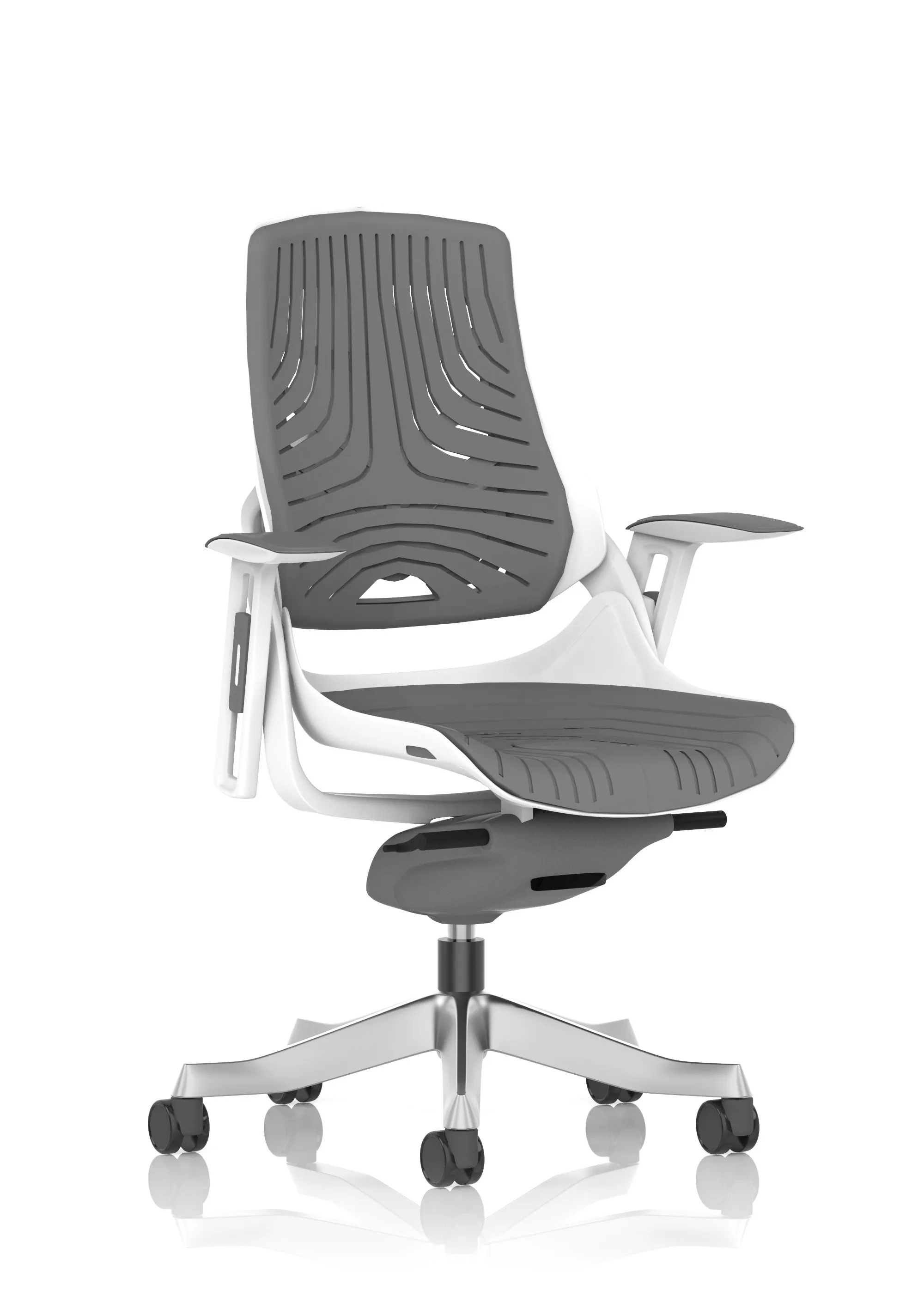
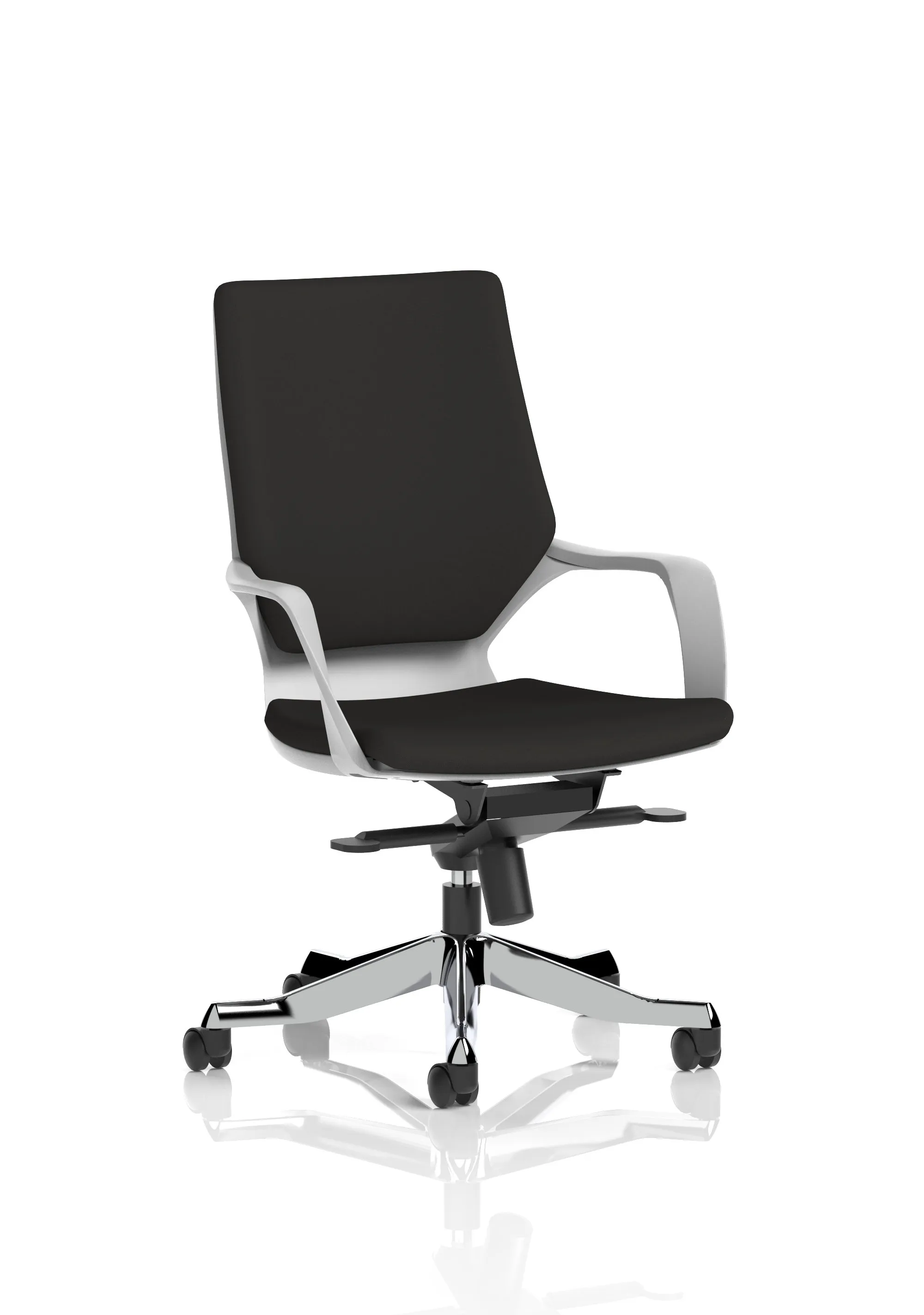
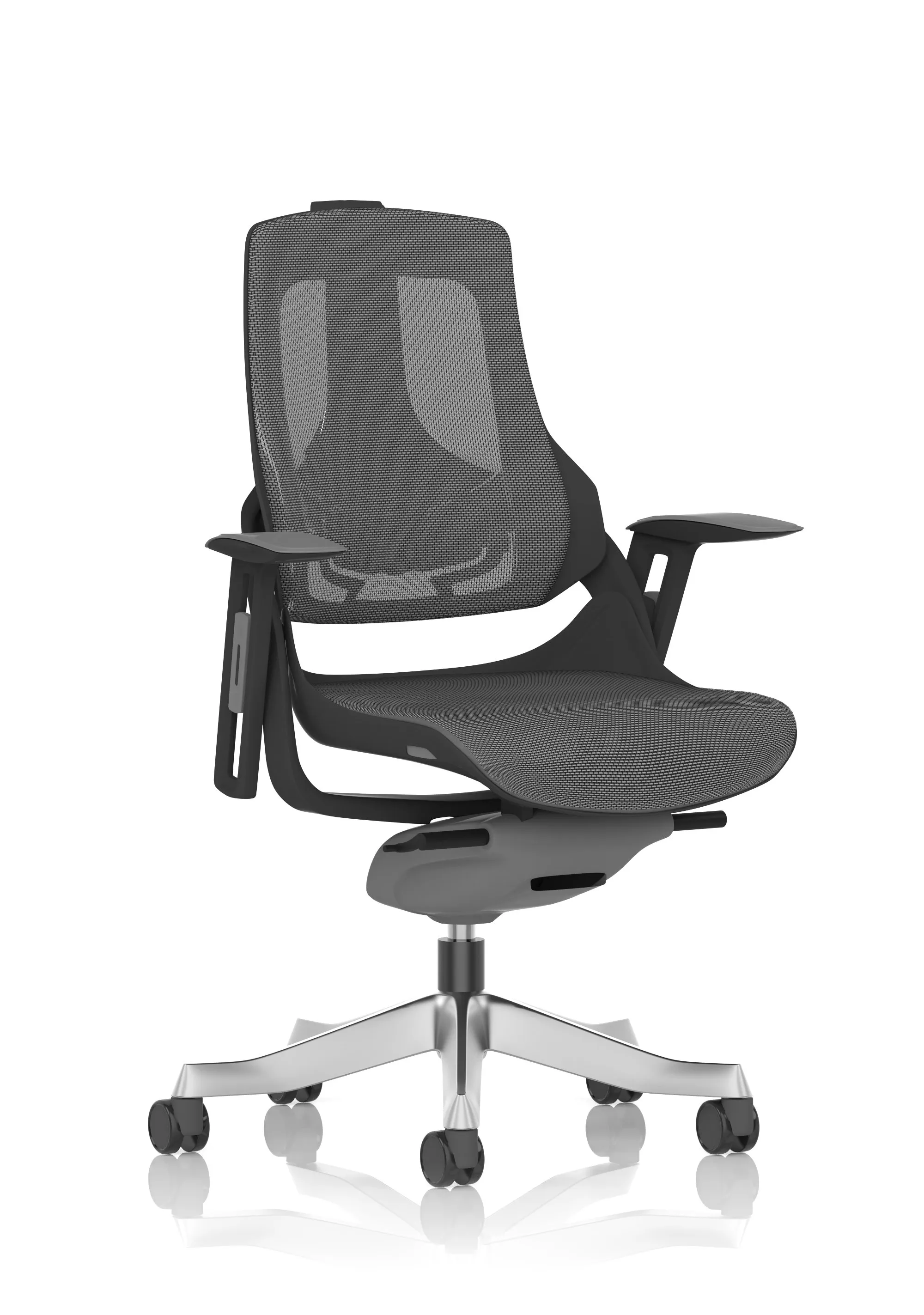
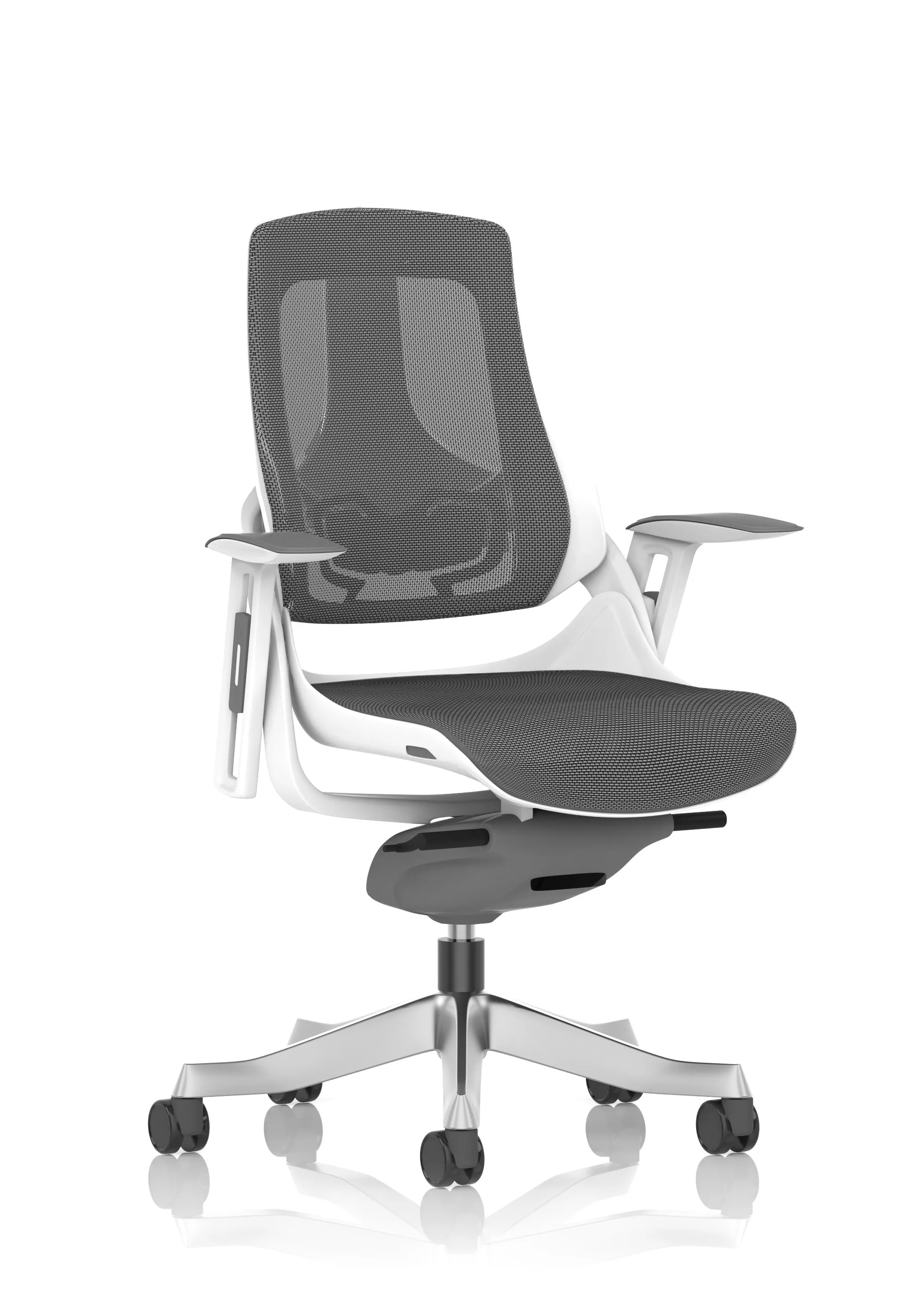
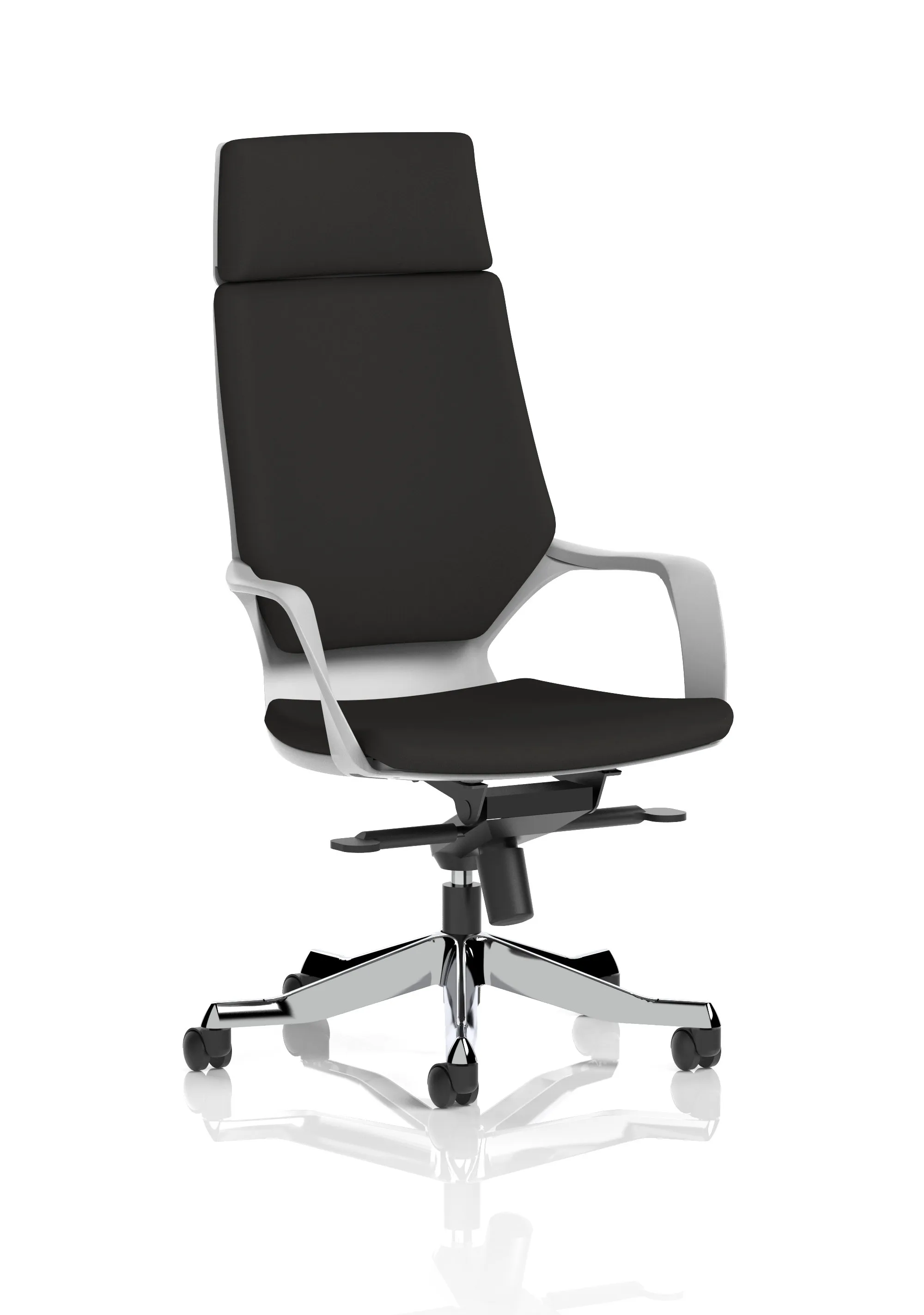
Choosing office seating that suits the job
Every office chair Dynamic supplies, from task seating someone sits in for eight hours a day through to visitor chairs used for twenty minutes at a time. The right chair depends far more on how long it will be occupied than on how it looks in a brochure.
Start with how long someone sits in it
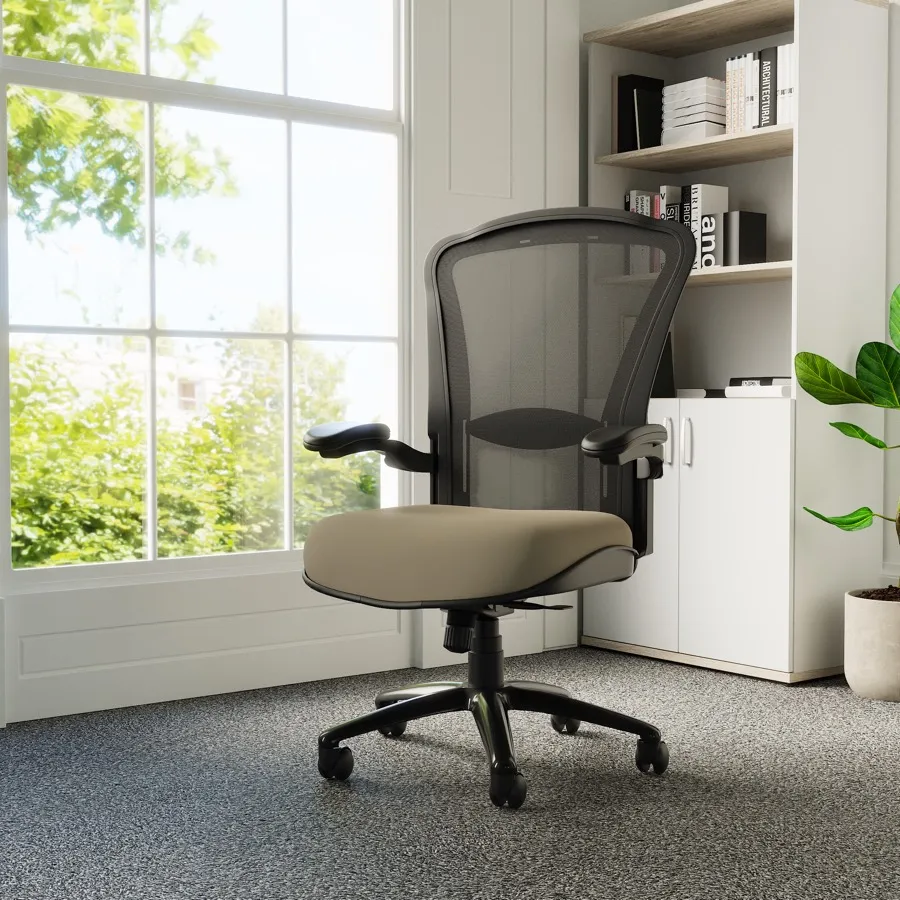
This is the question that decides everything else. A chair used all day needs adjustment, lumbar support and a mechanism that lets the sitter change position without thinking about it. A chair used for a short meeting needs none of that, and paying for it is money that would be better spent on the desks.
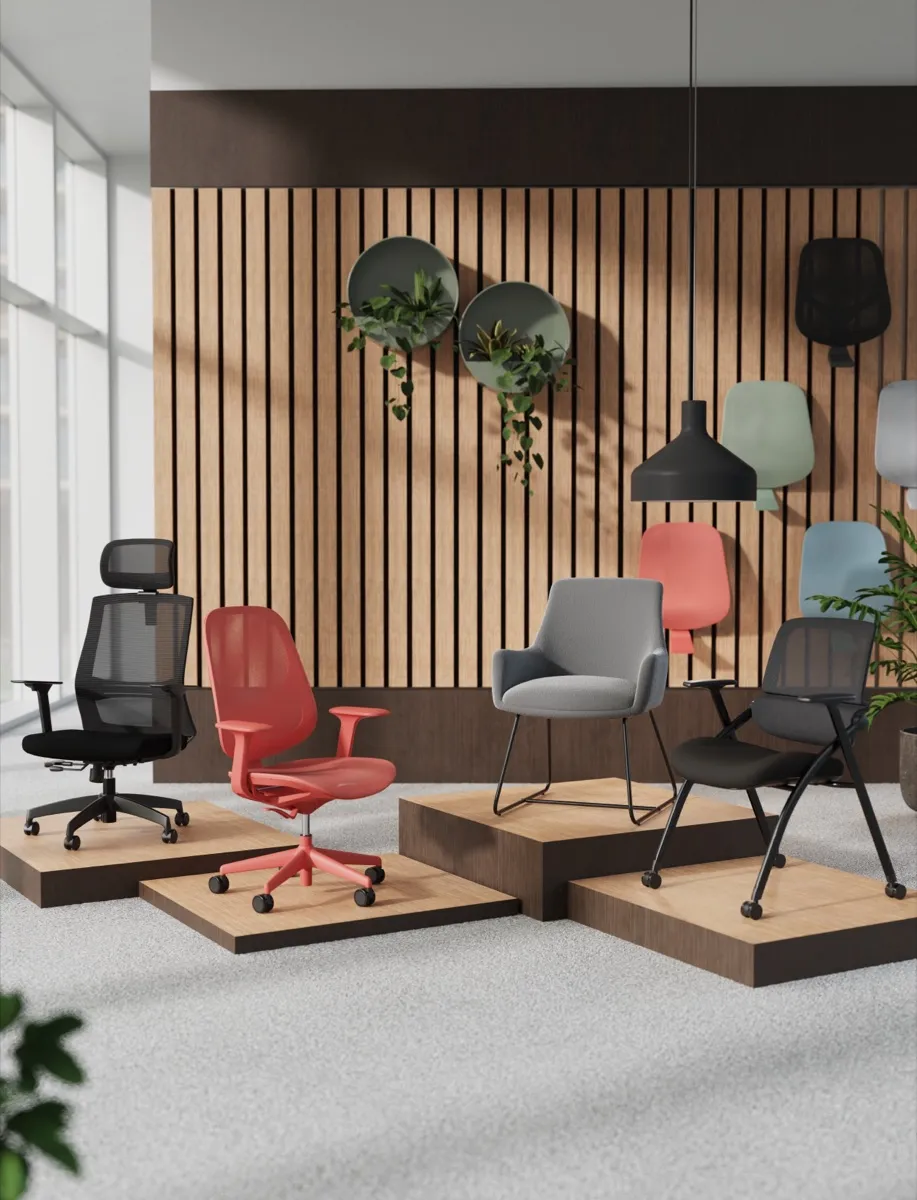
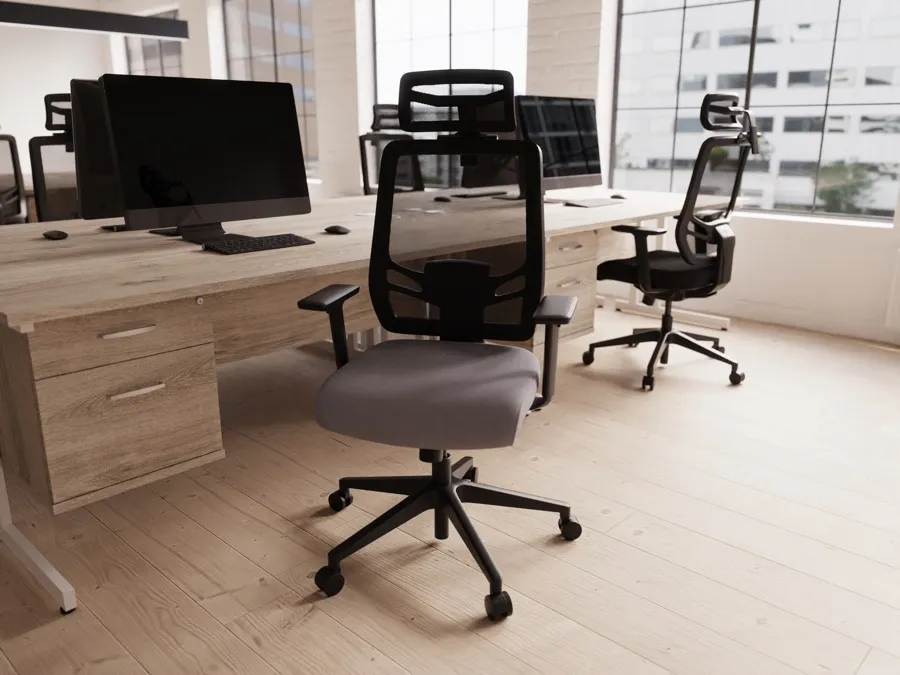
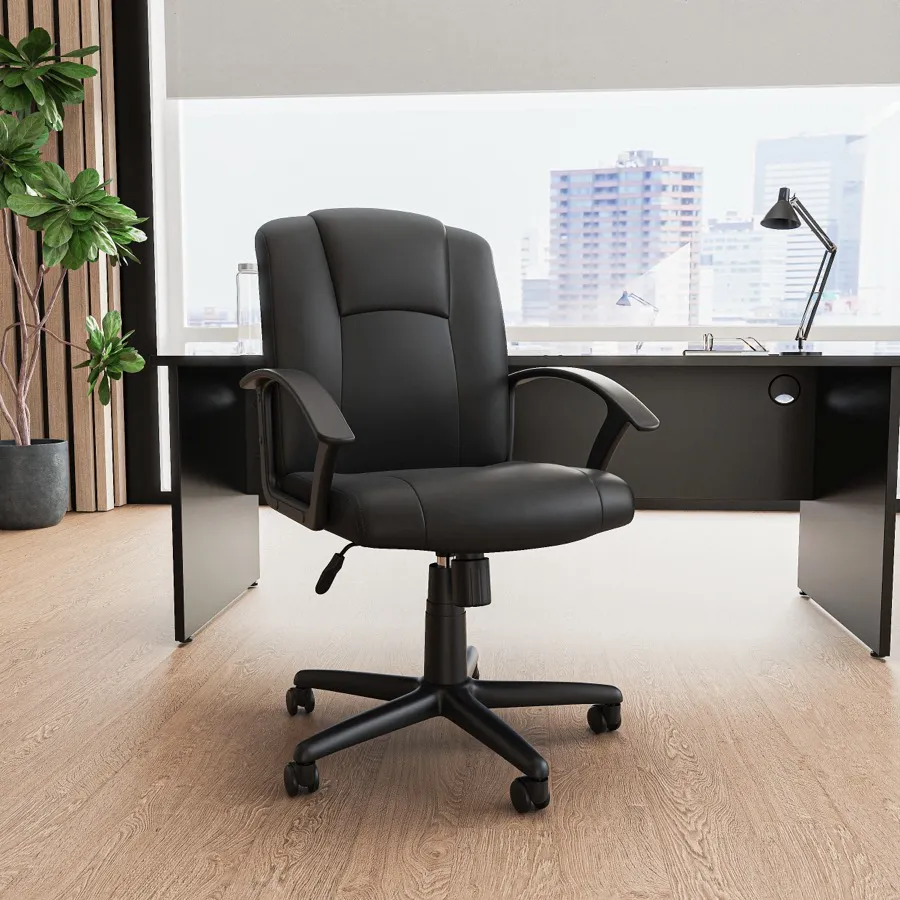
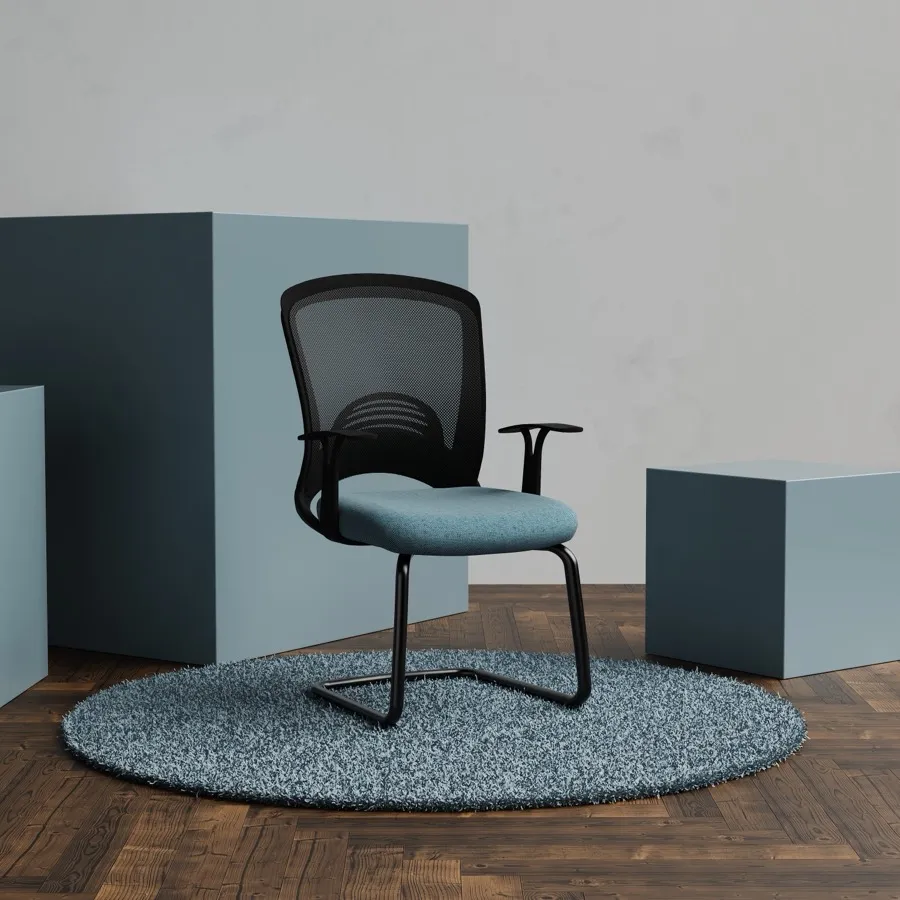
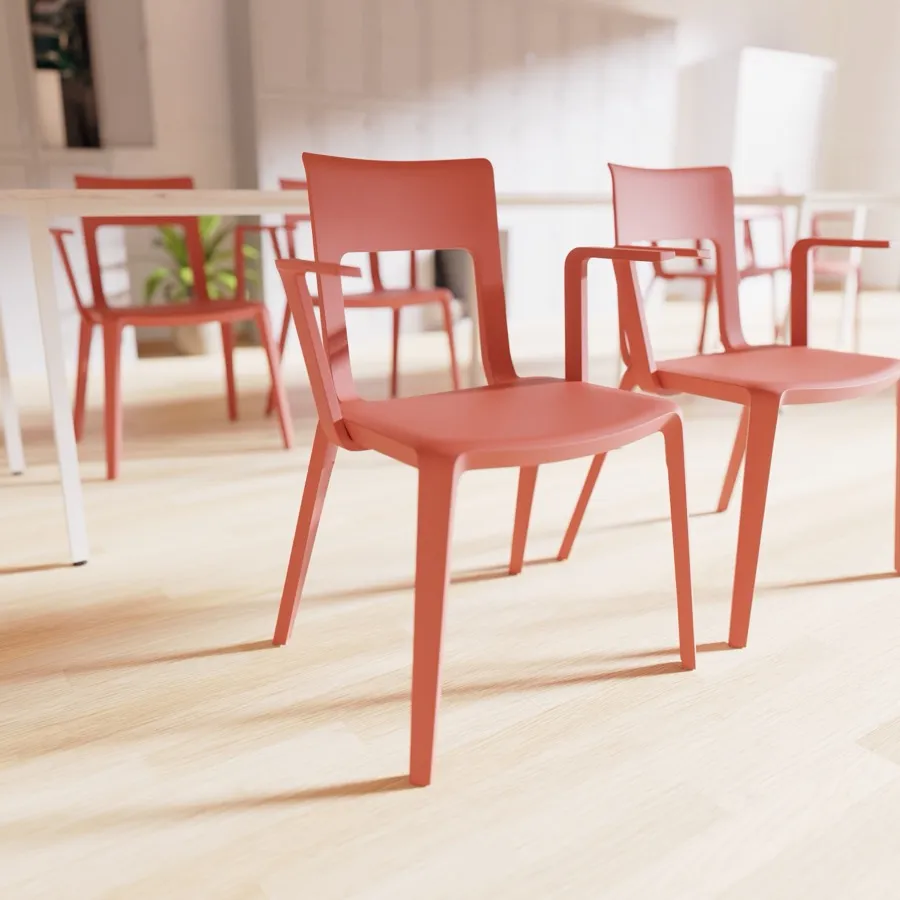
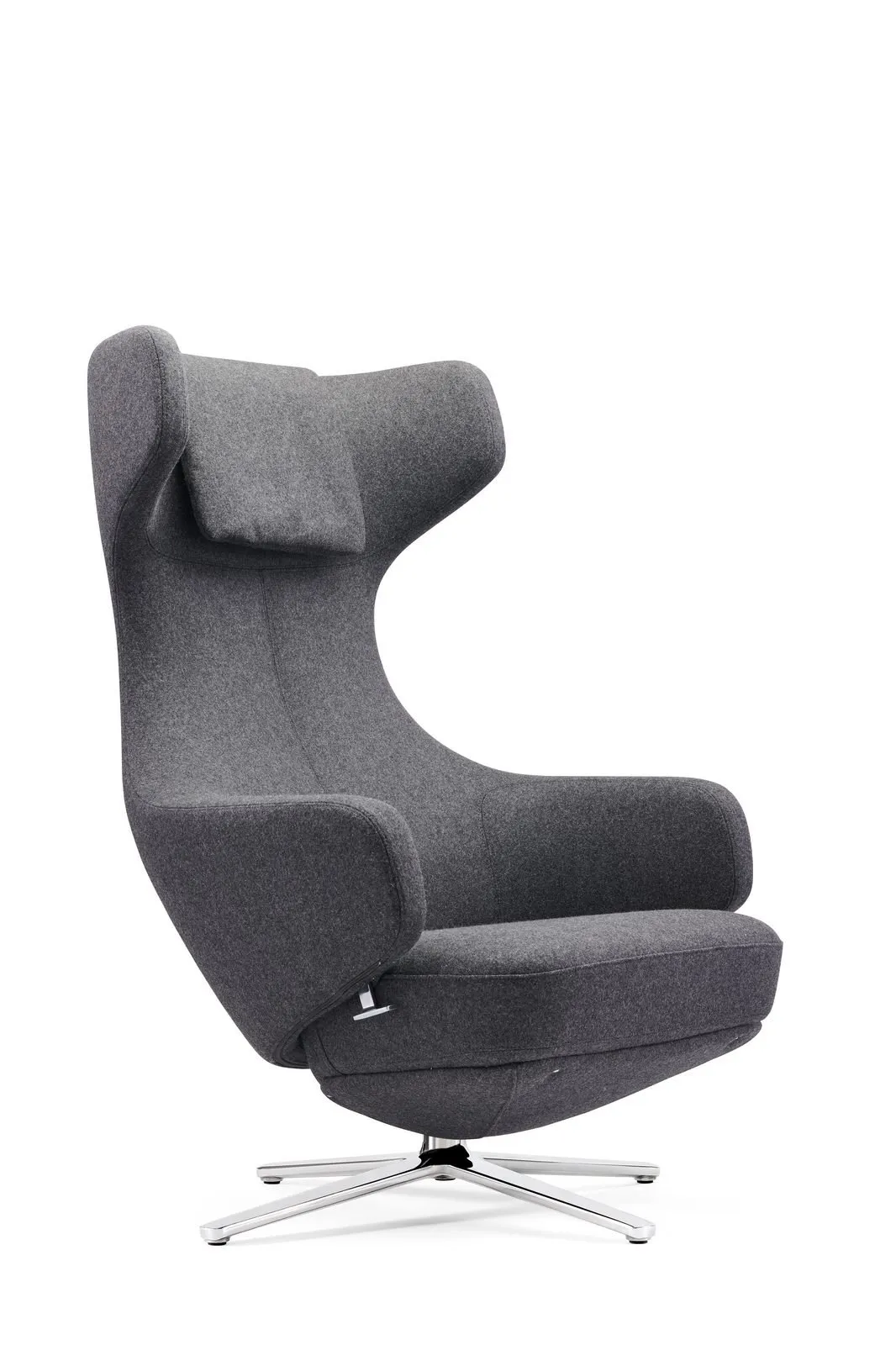
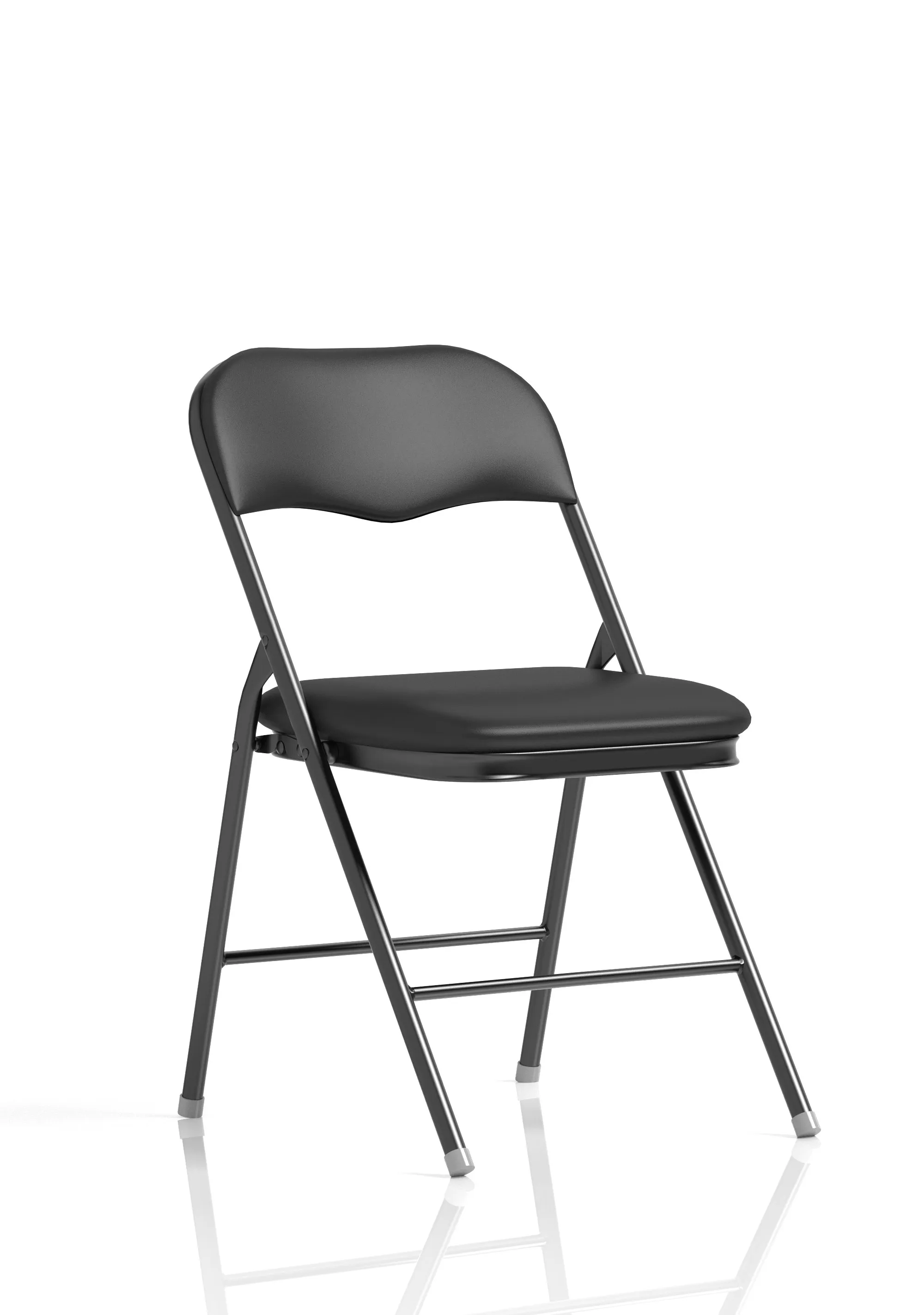
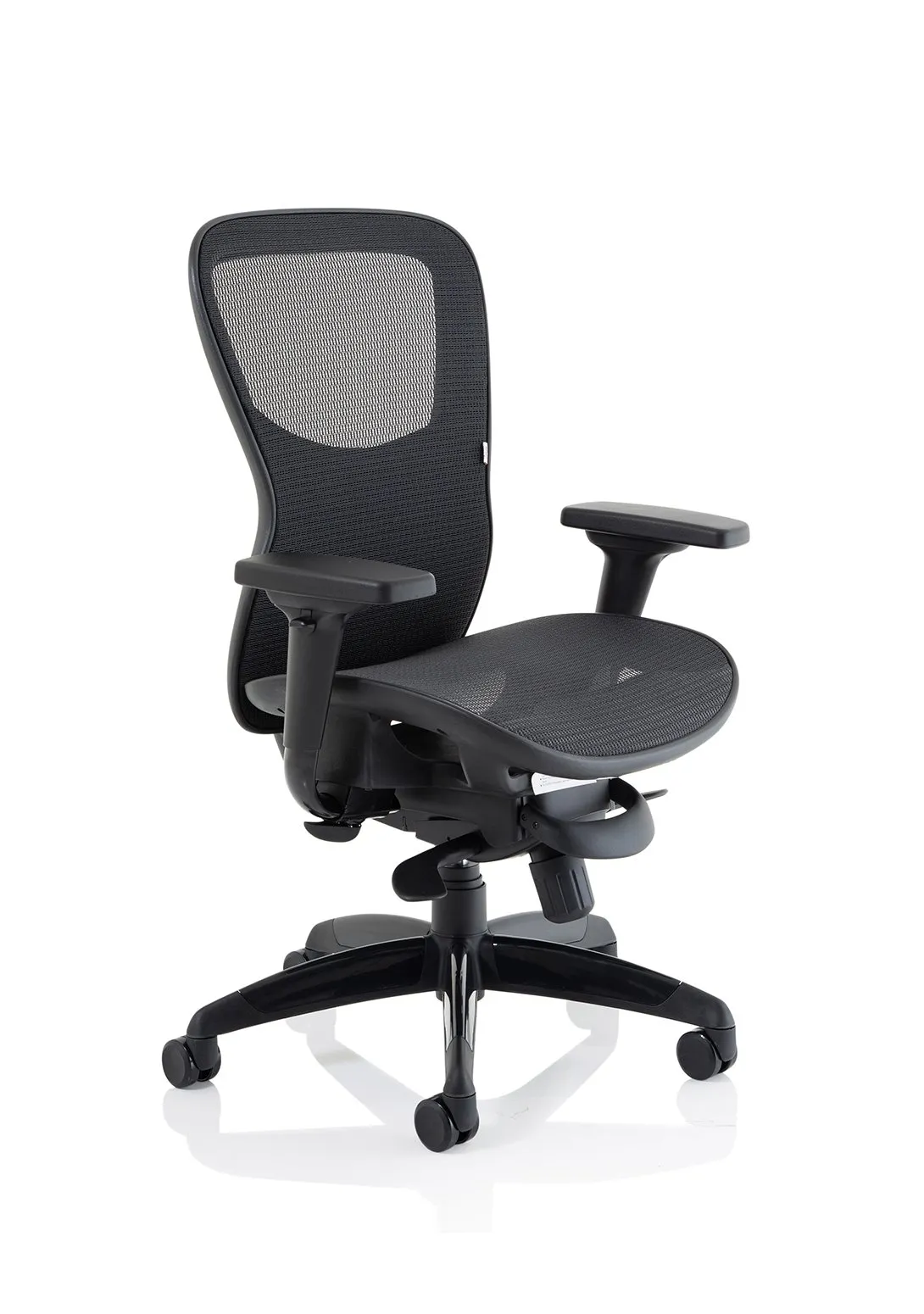
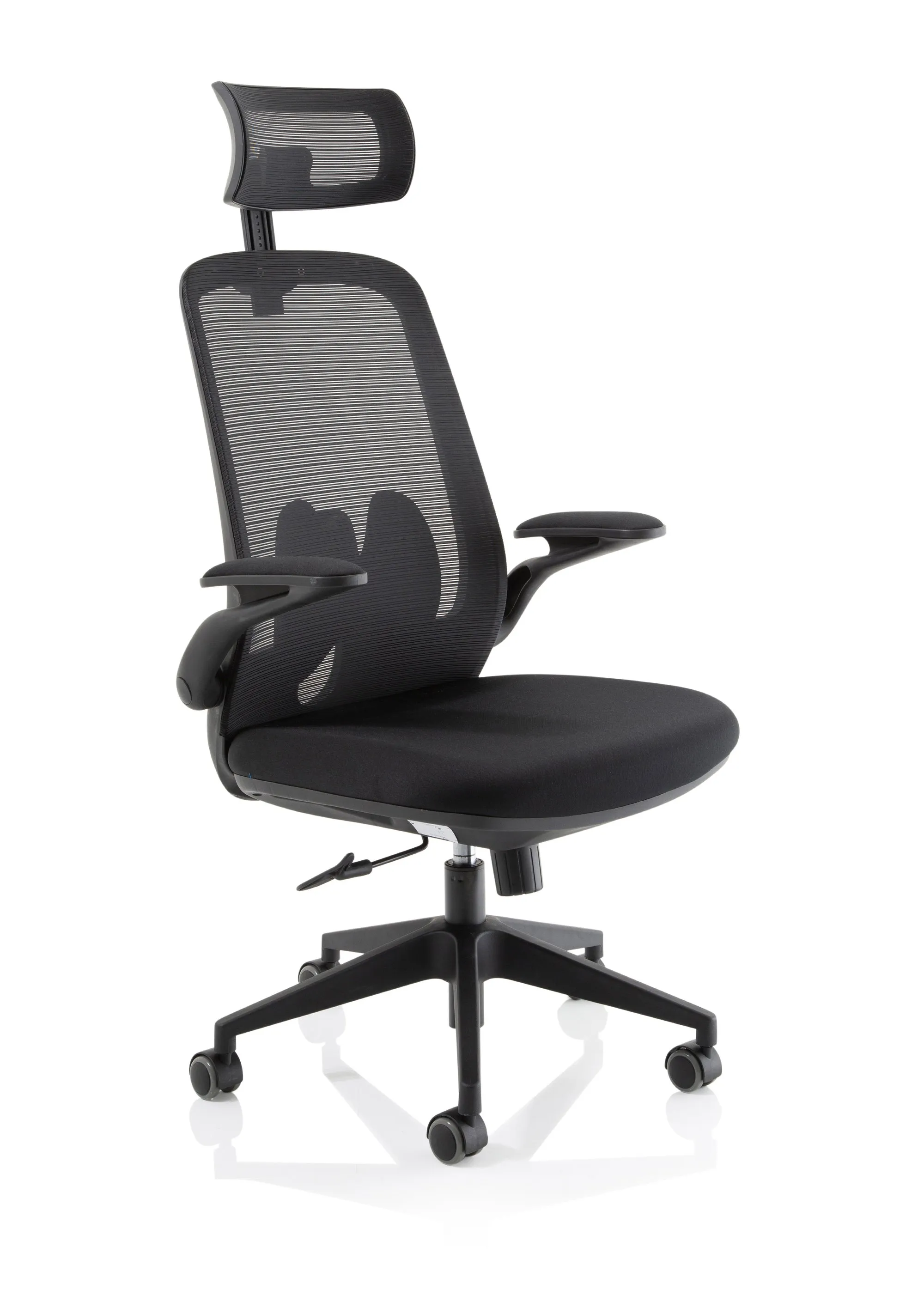
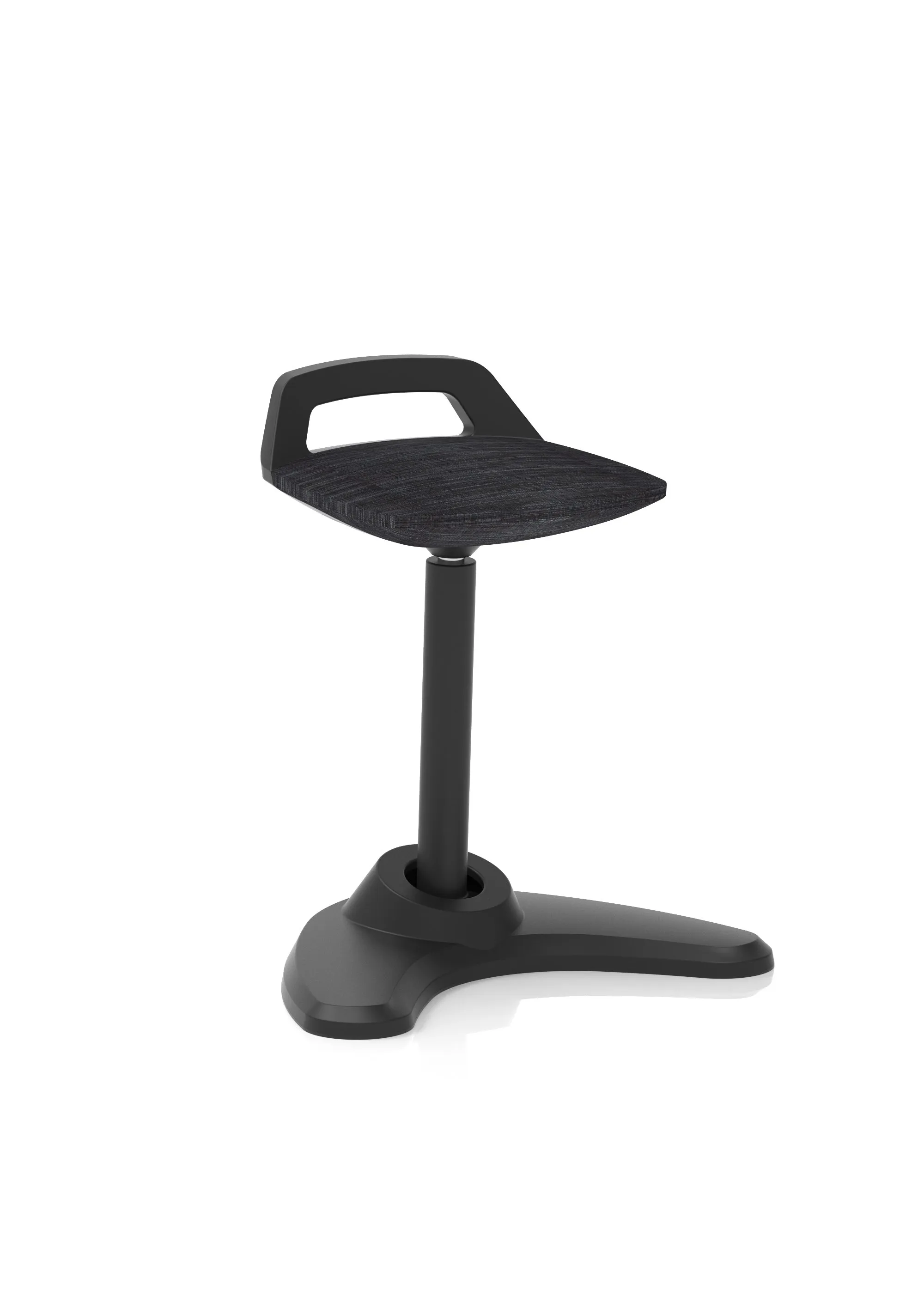
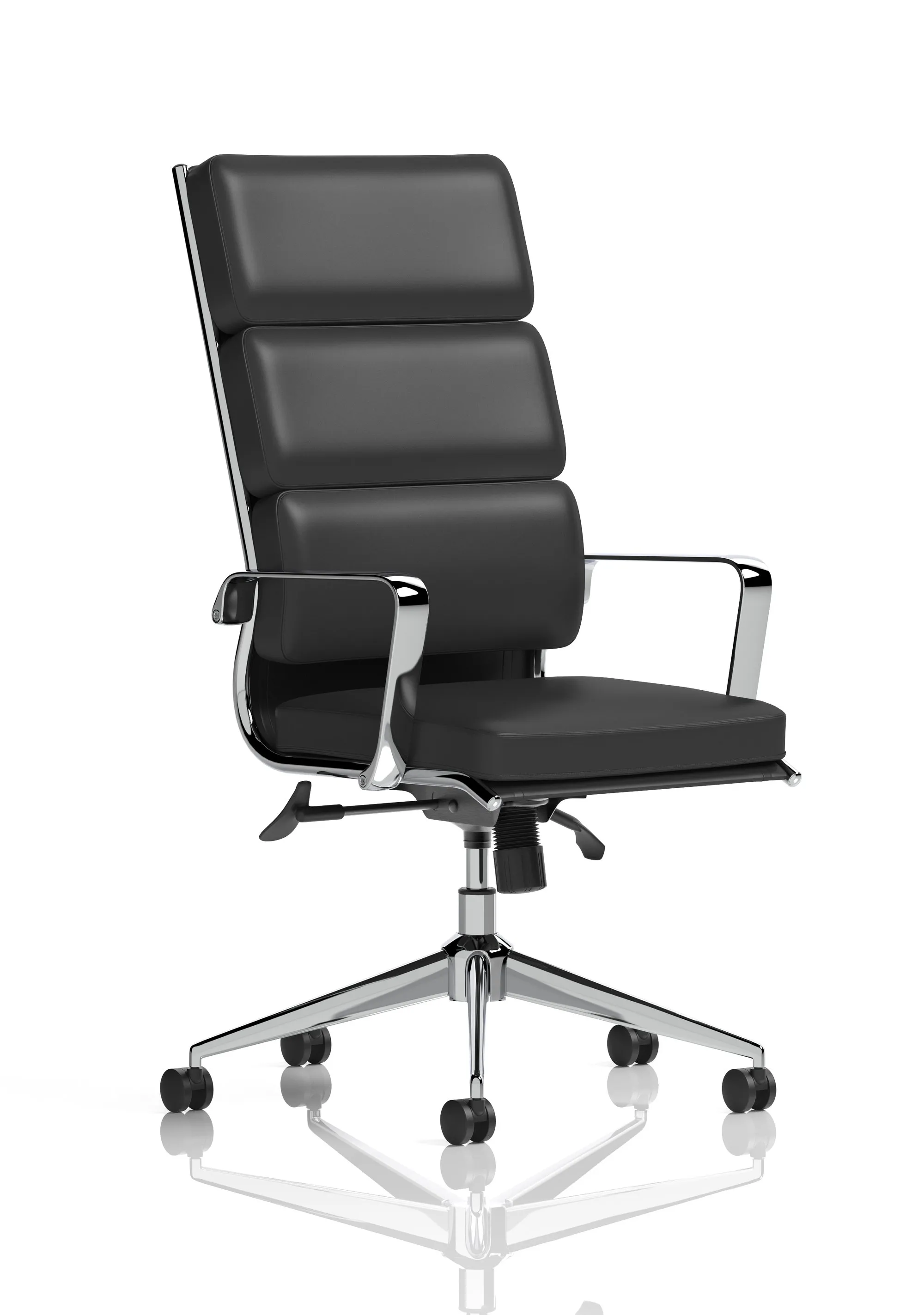
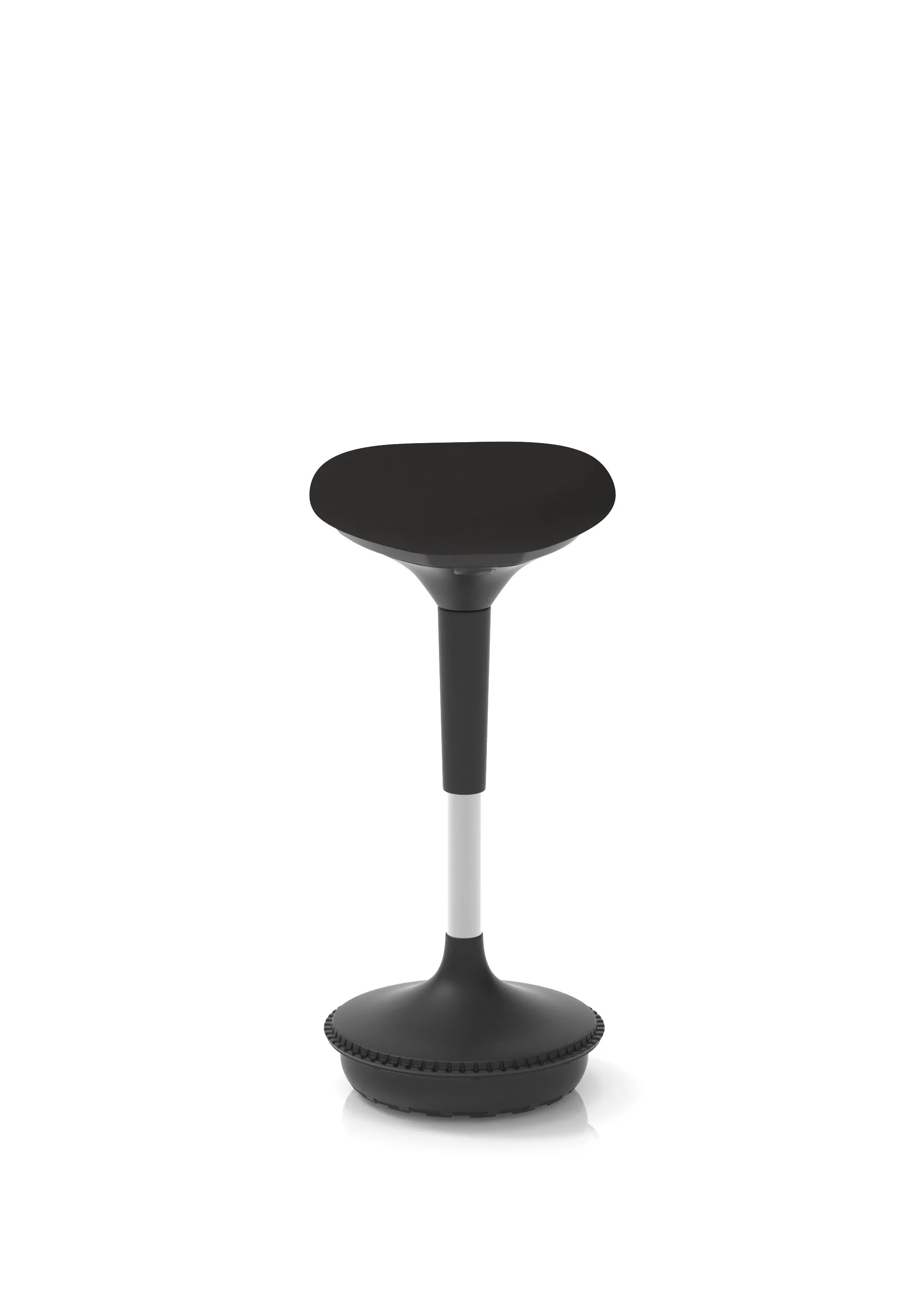
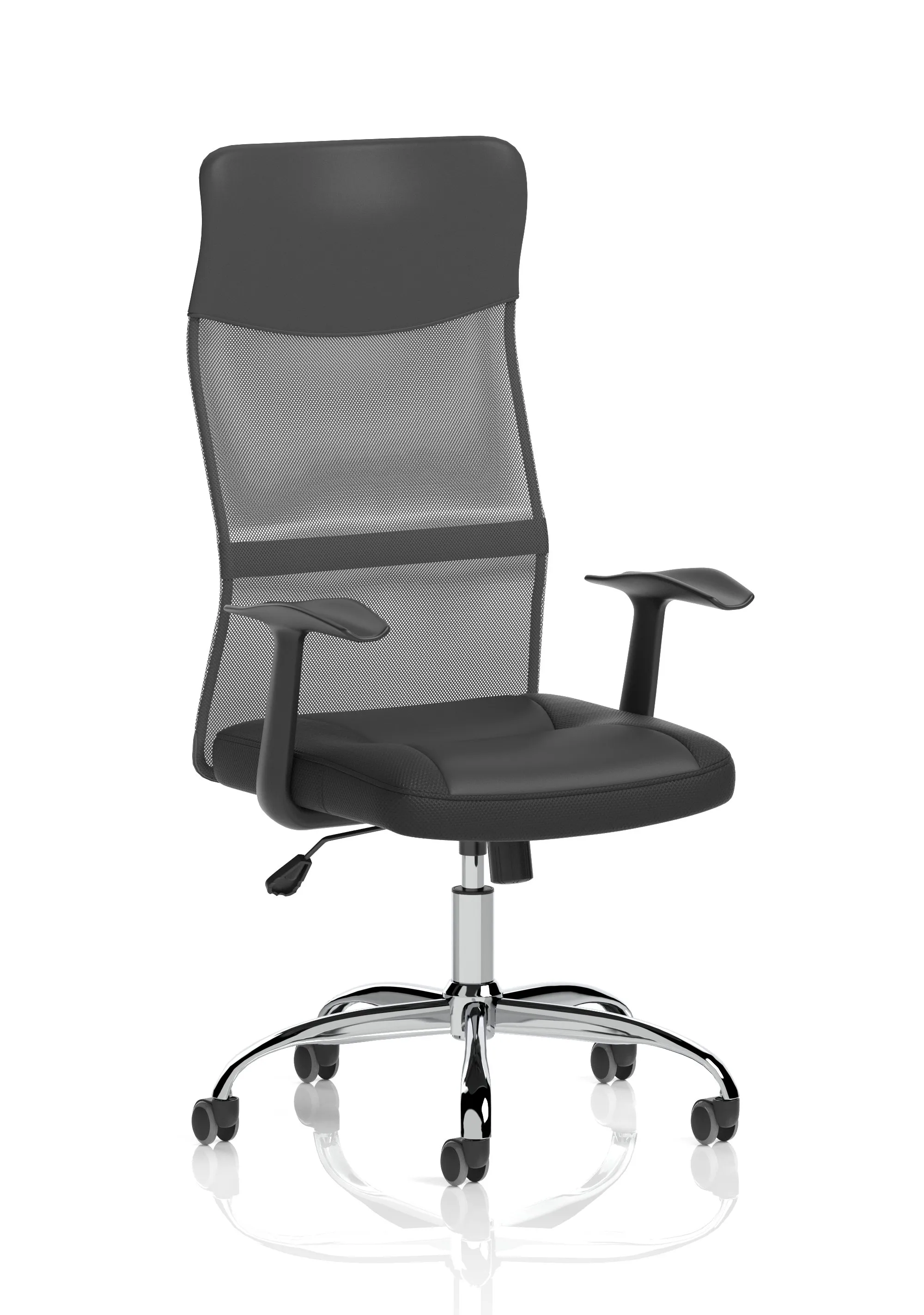
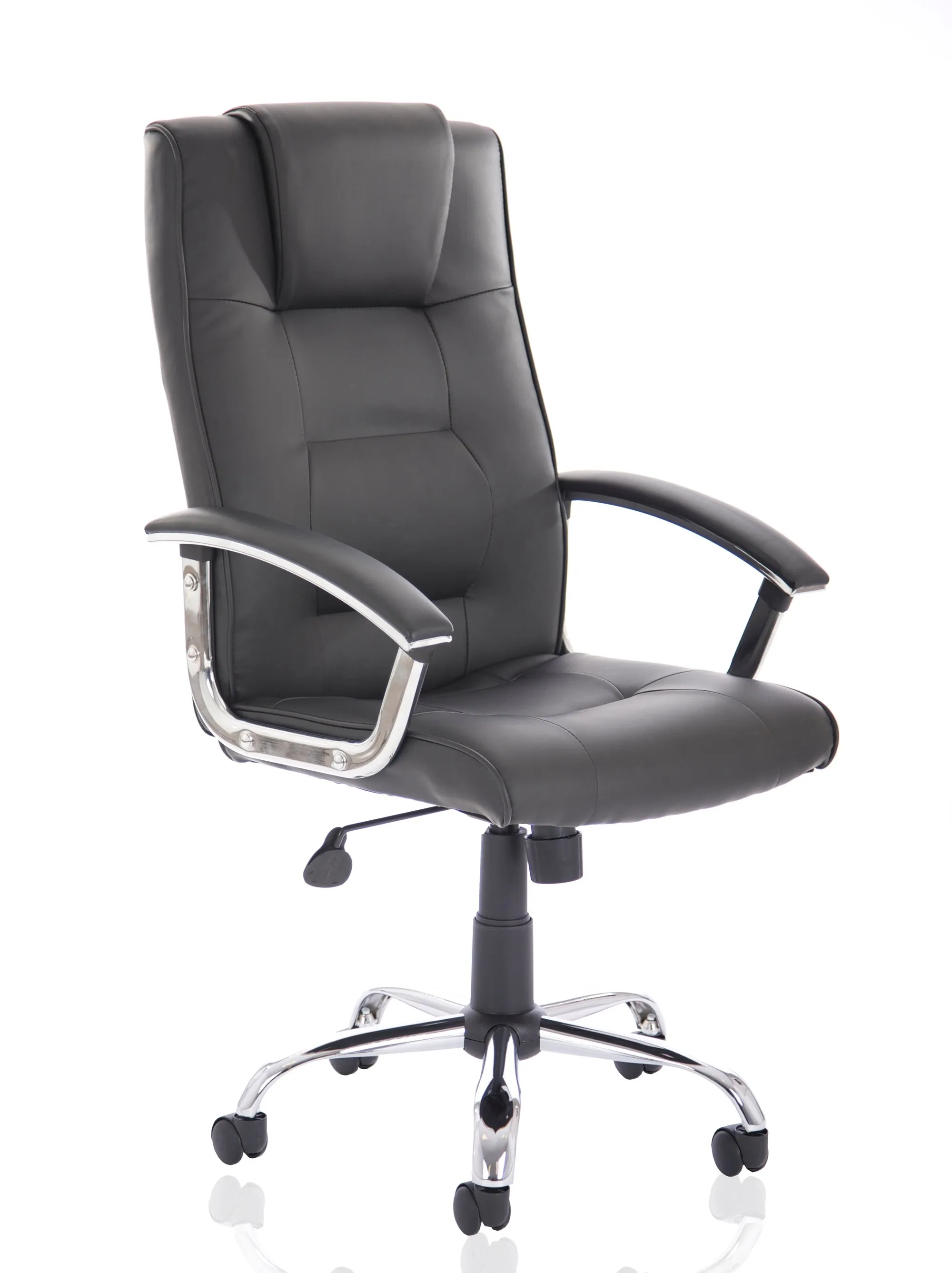
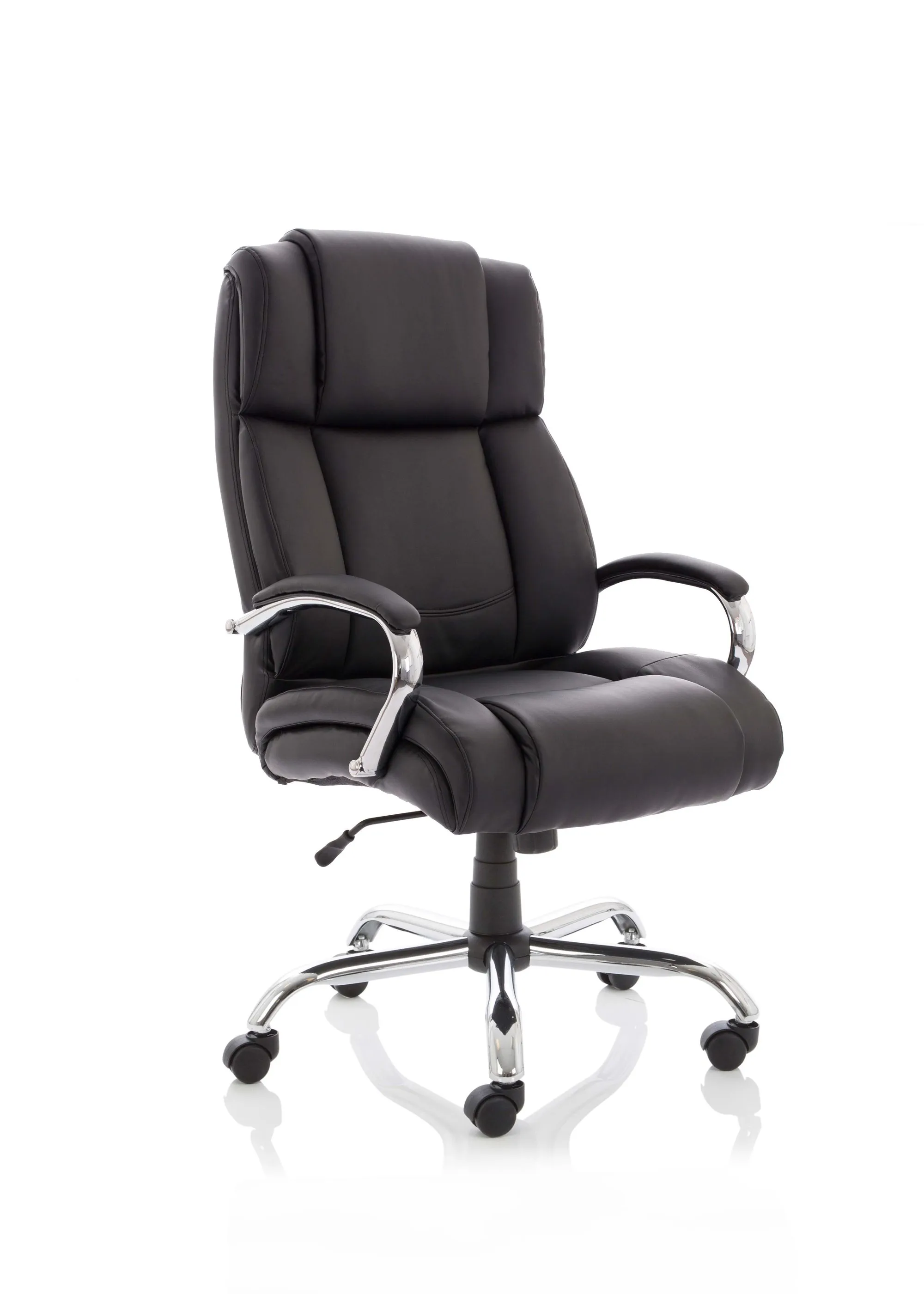
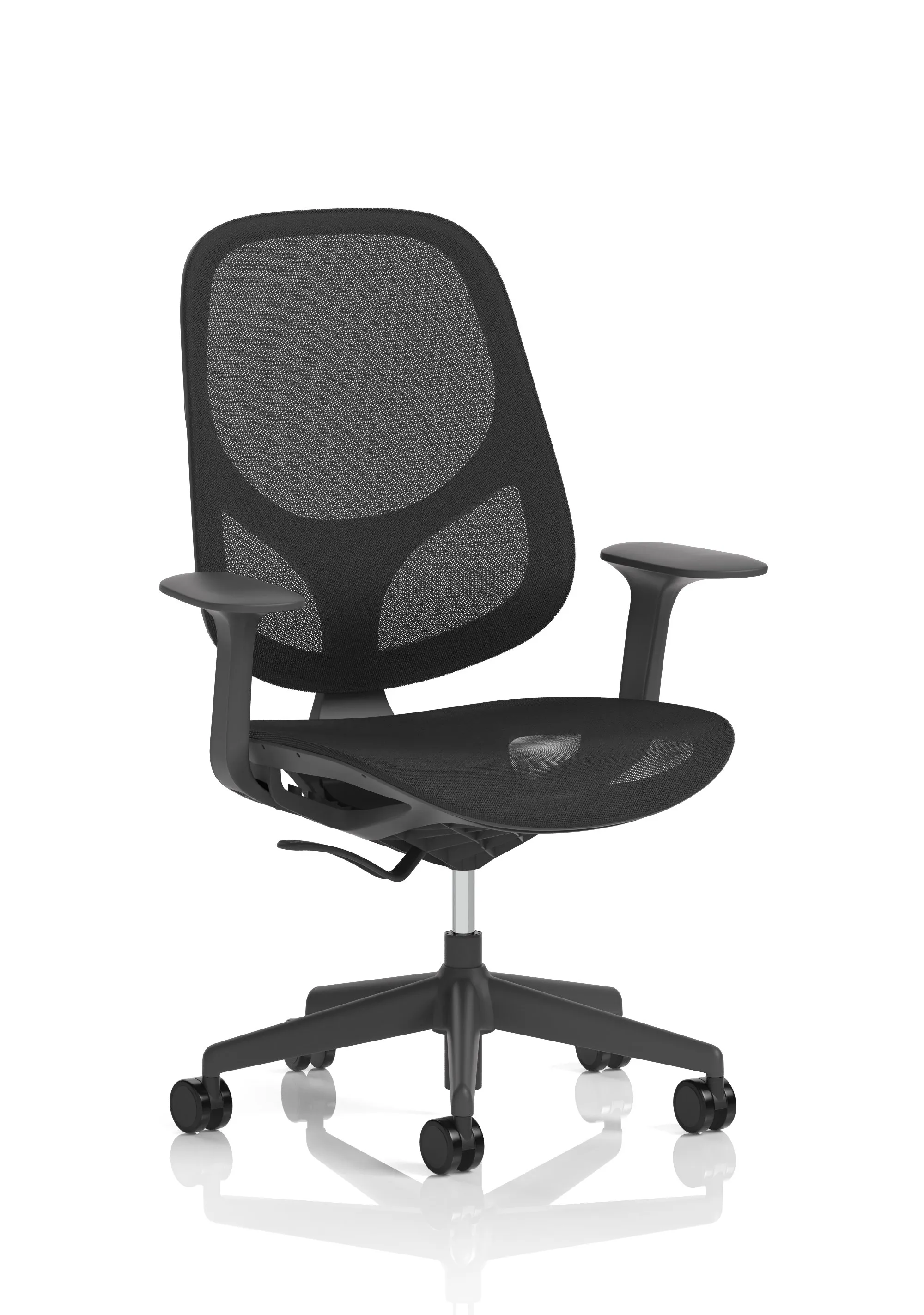
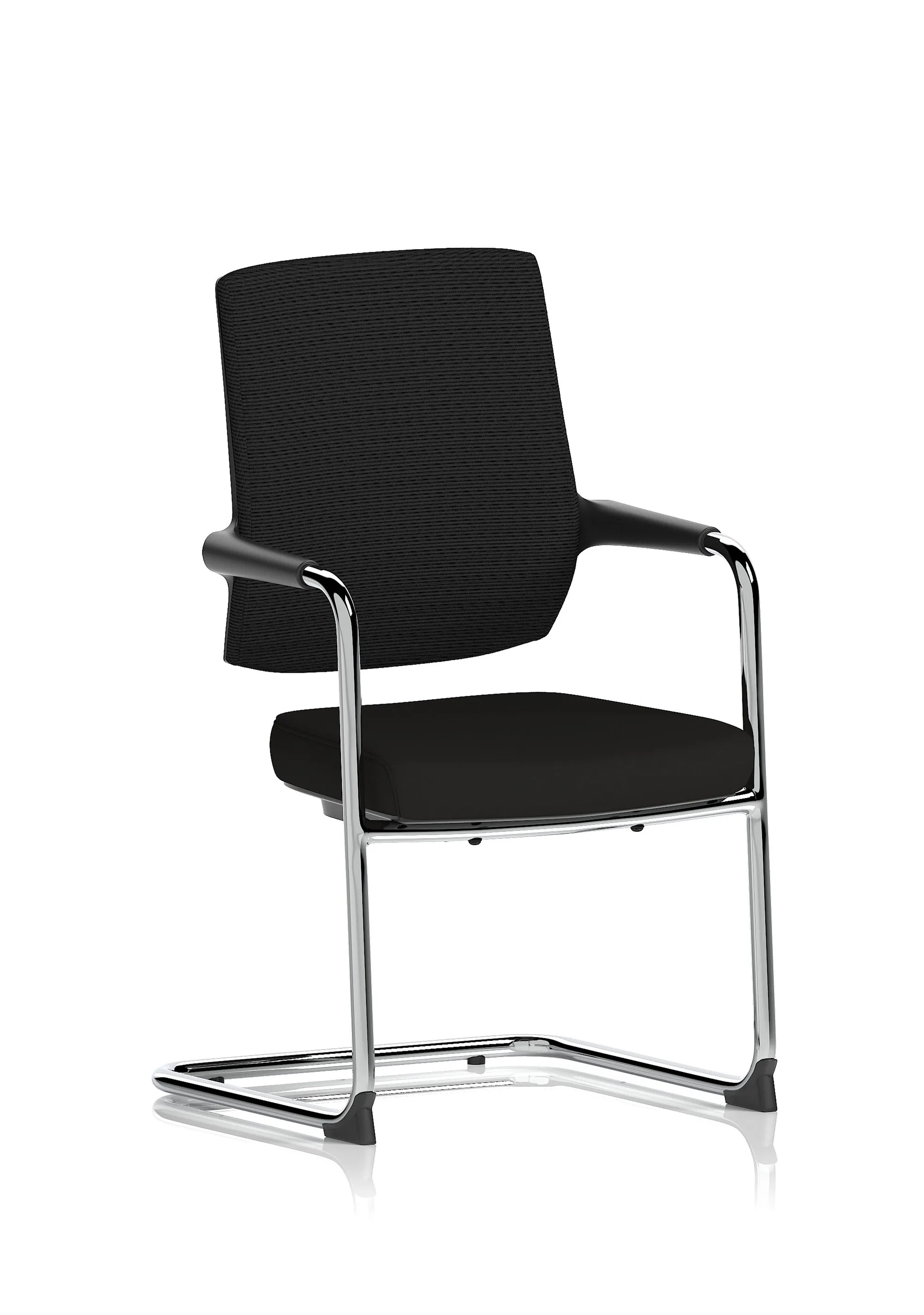
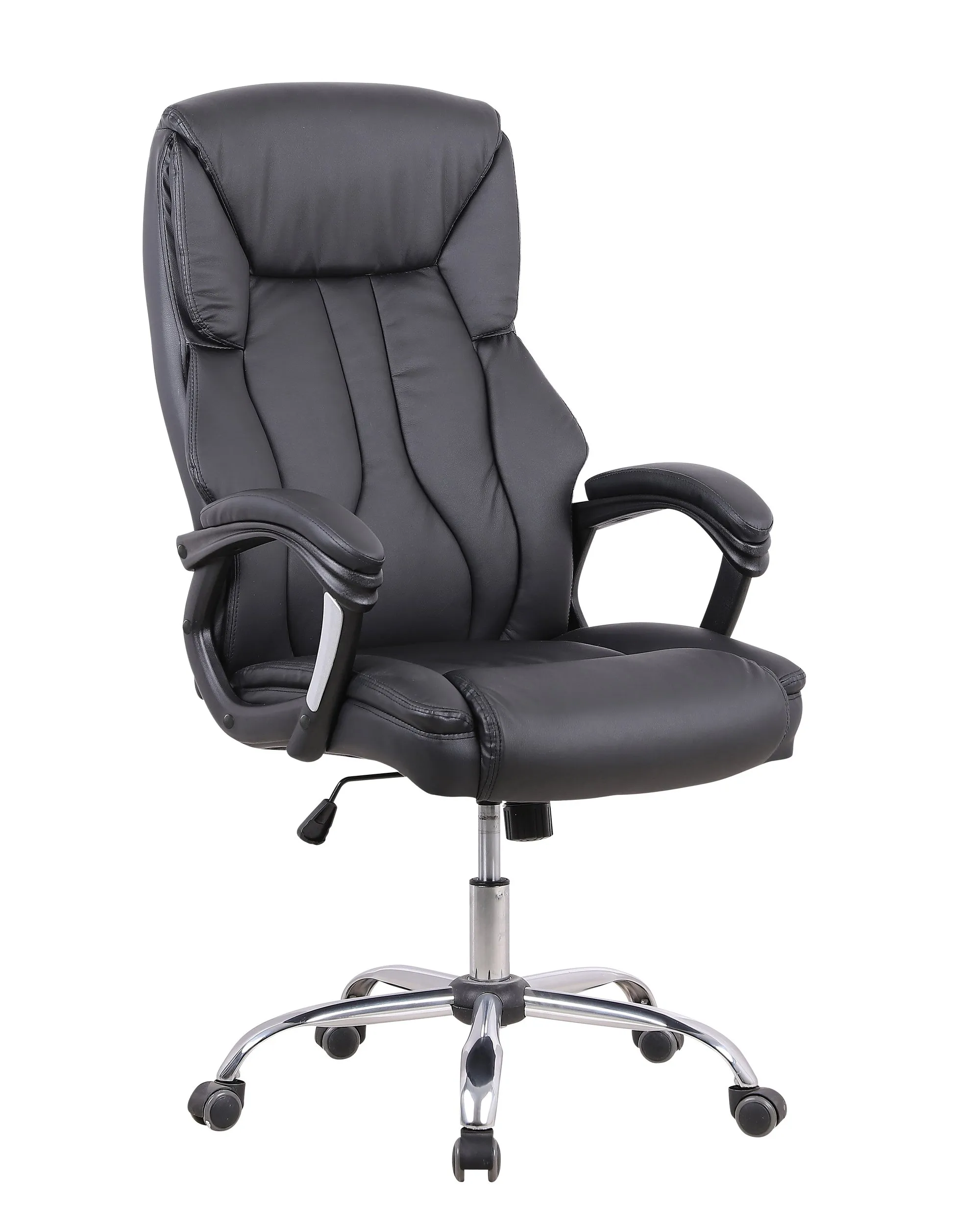
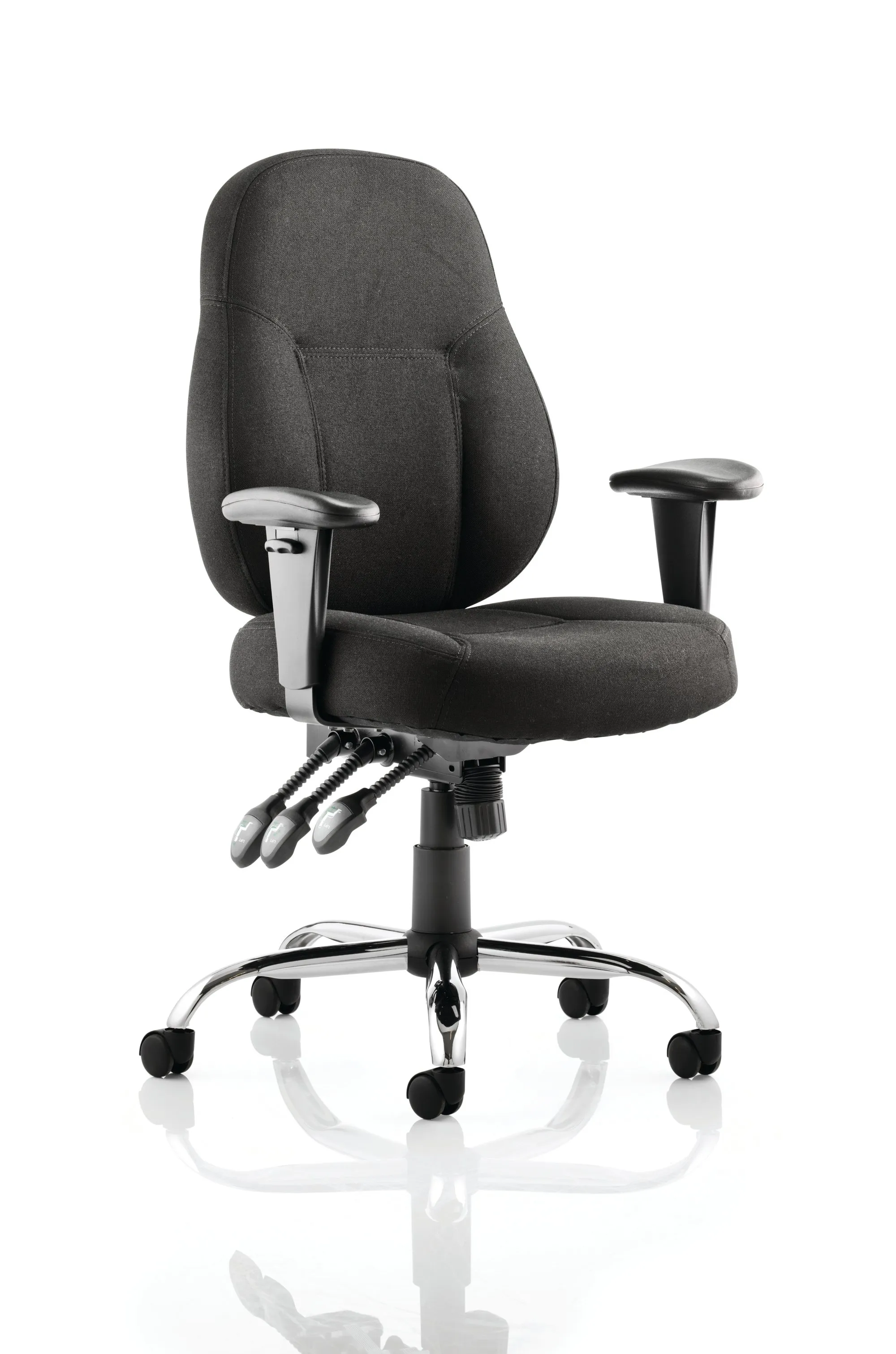
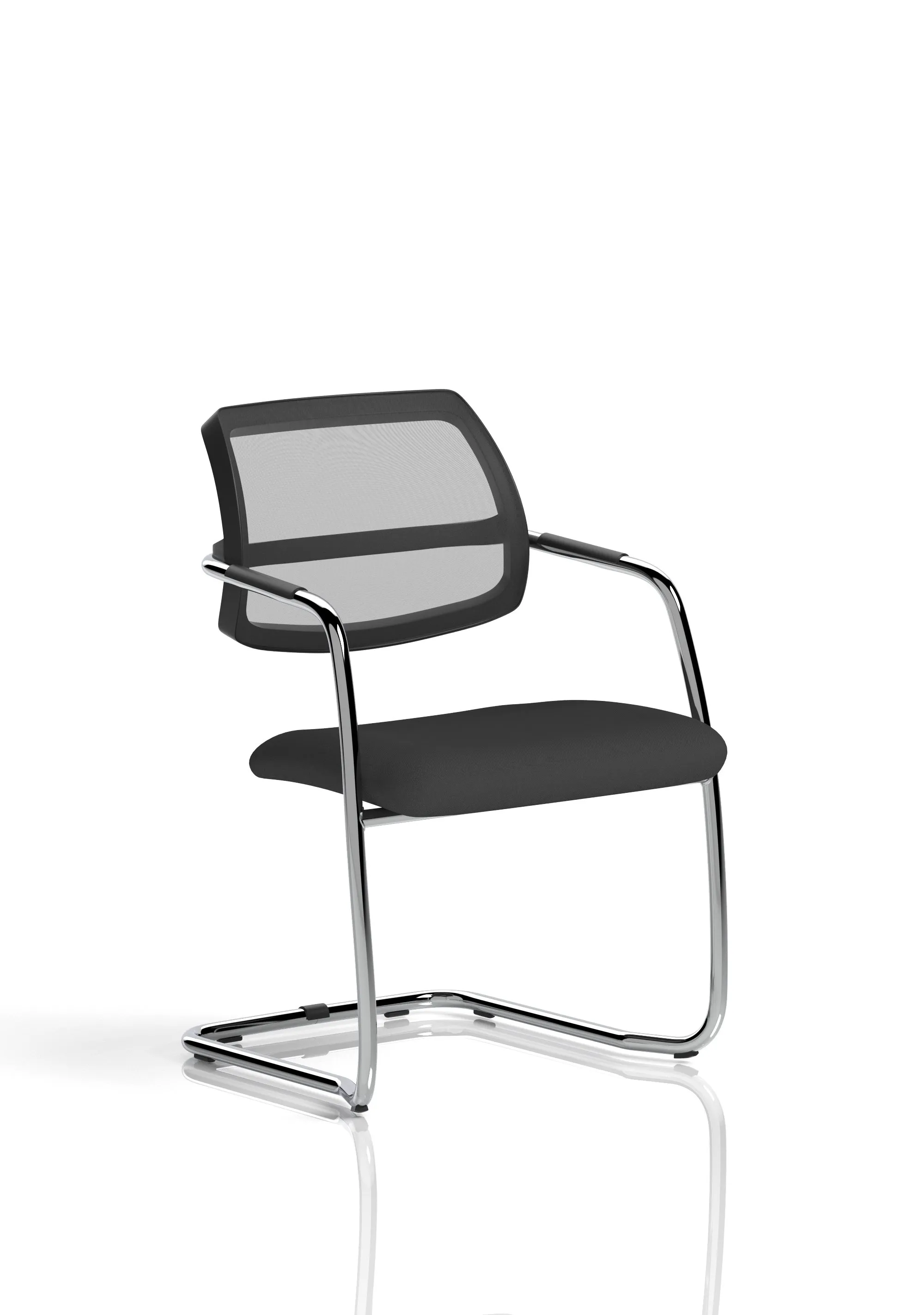
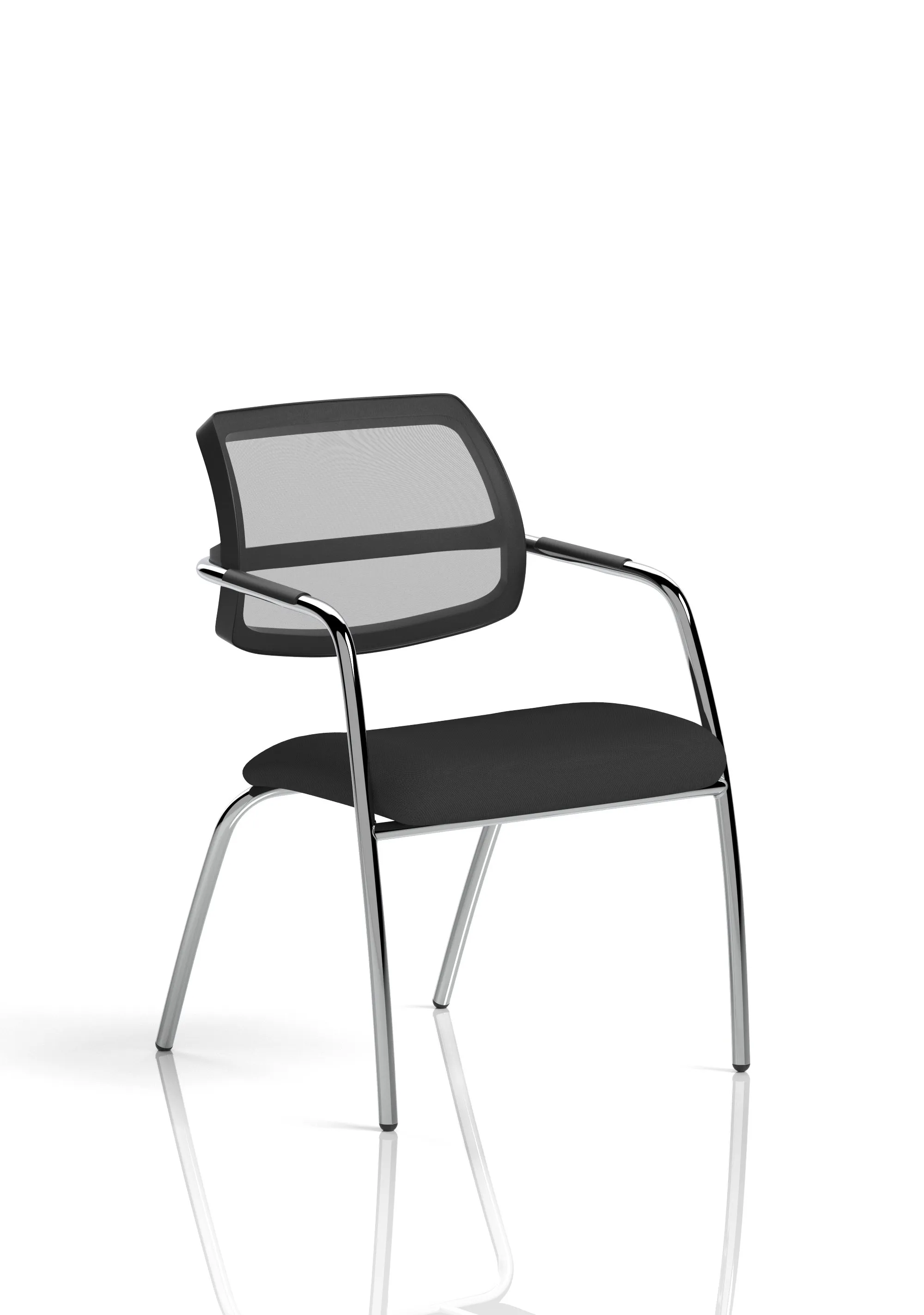
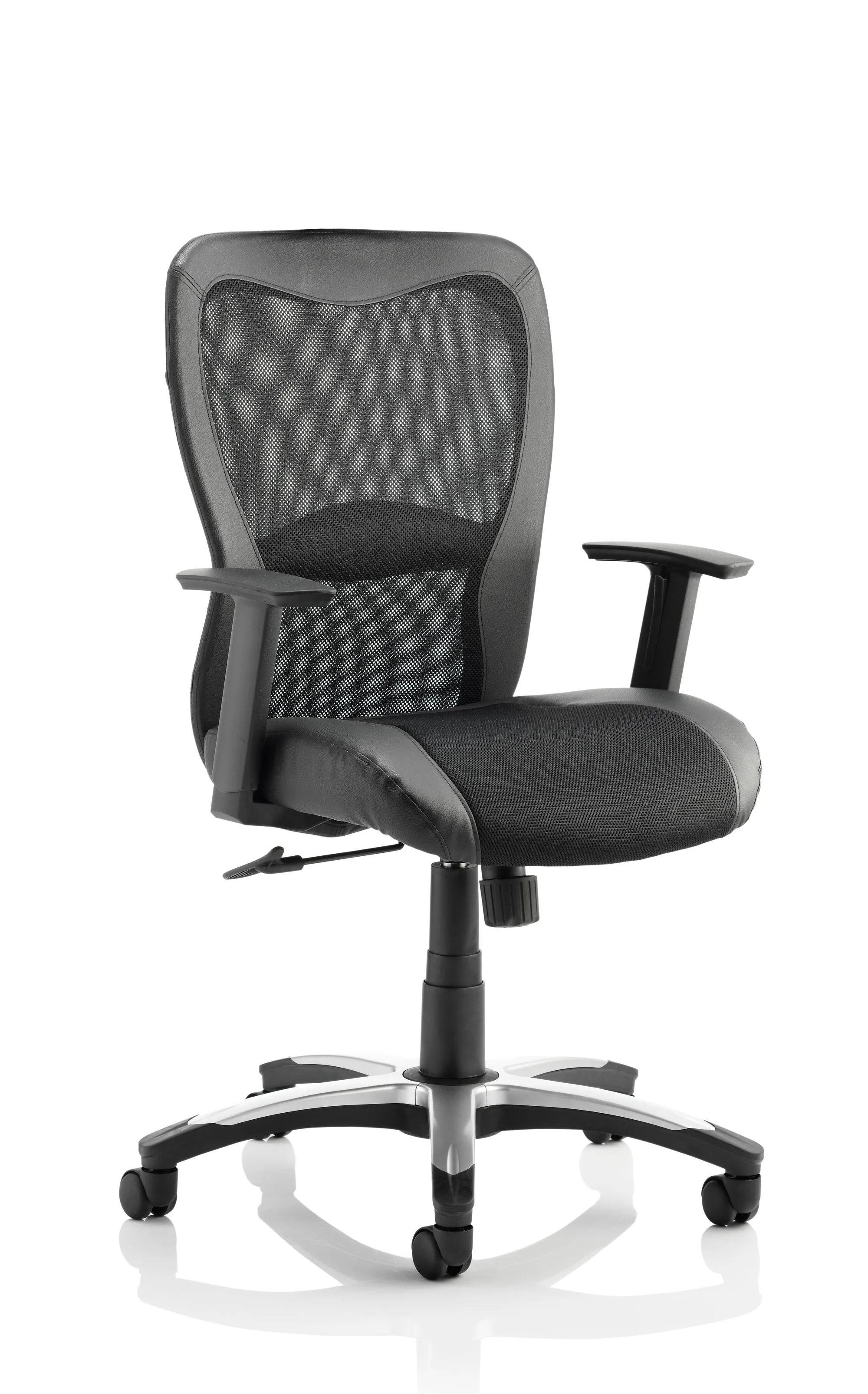
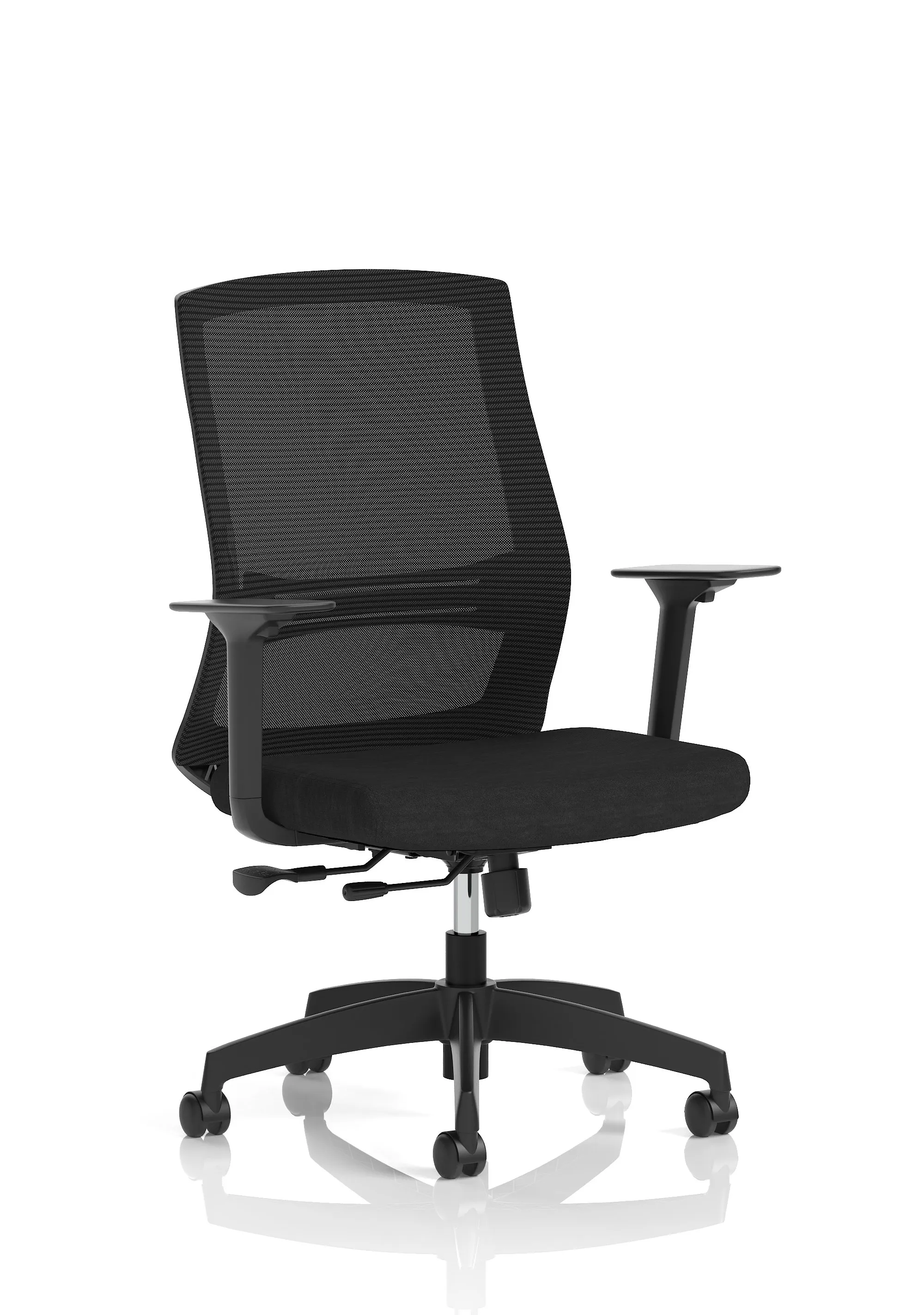
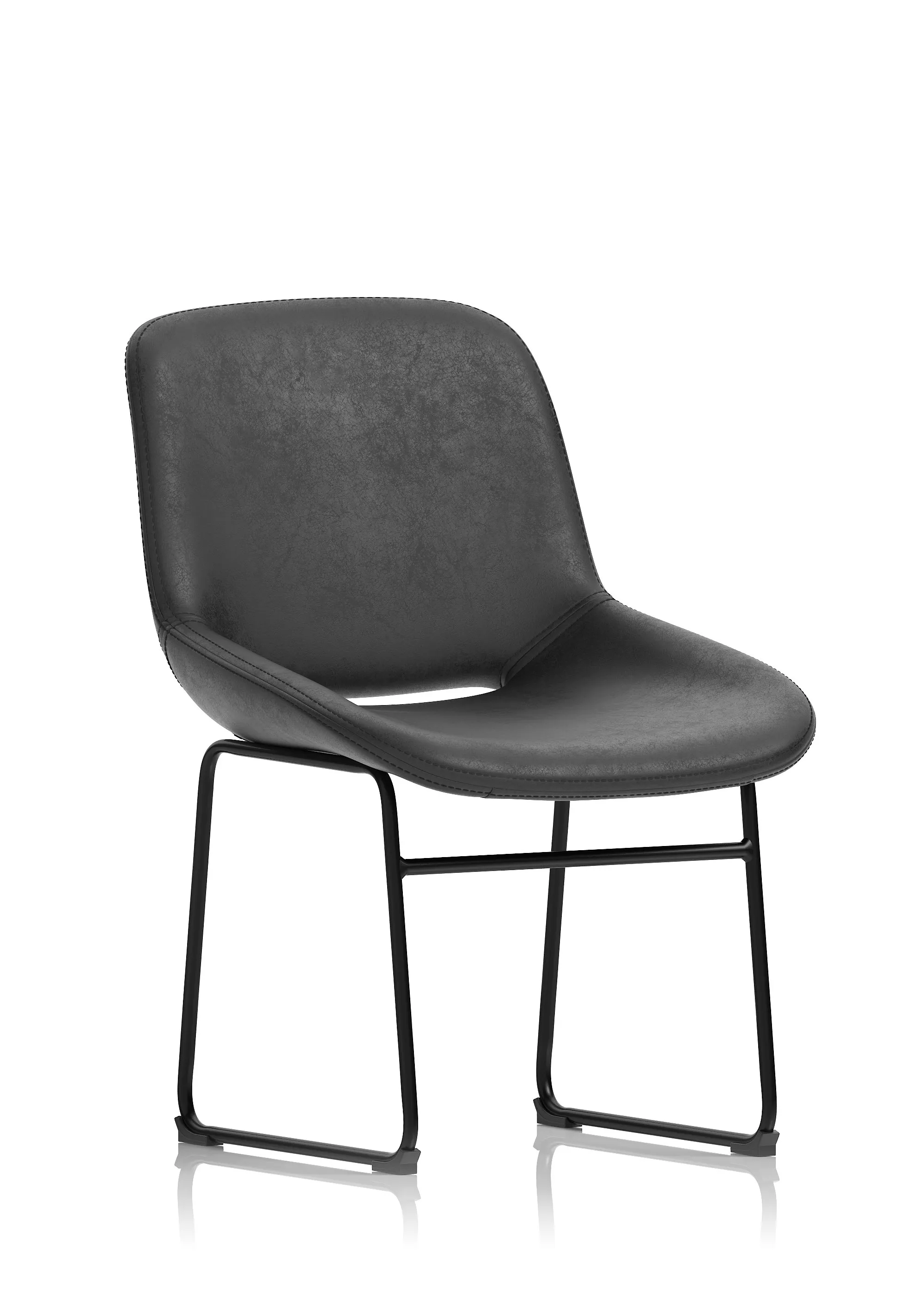
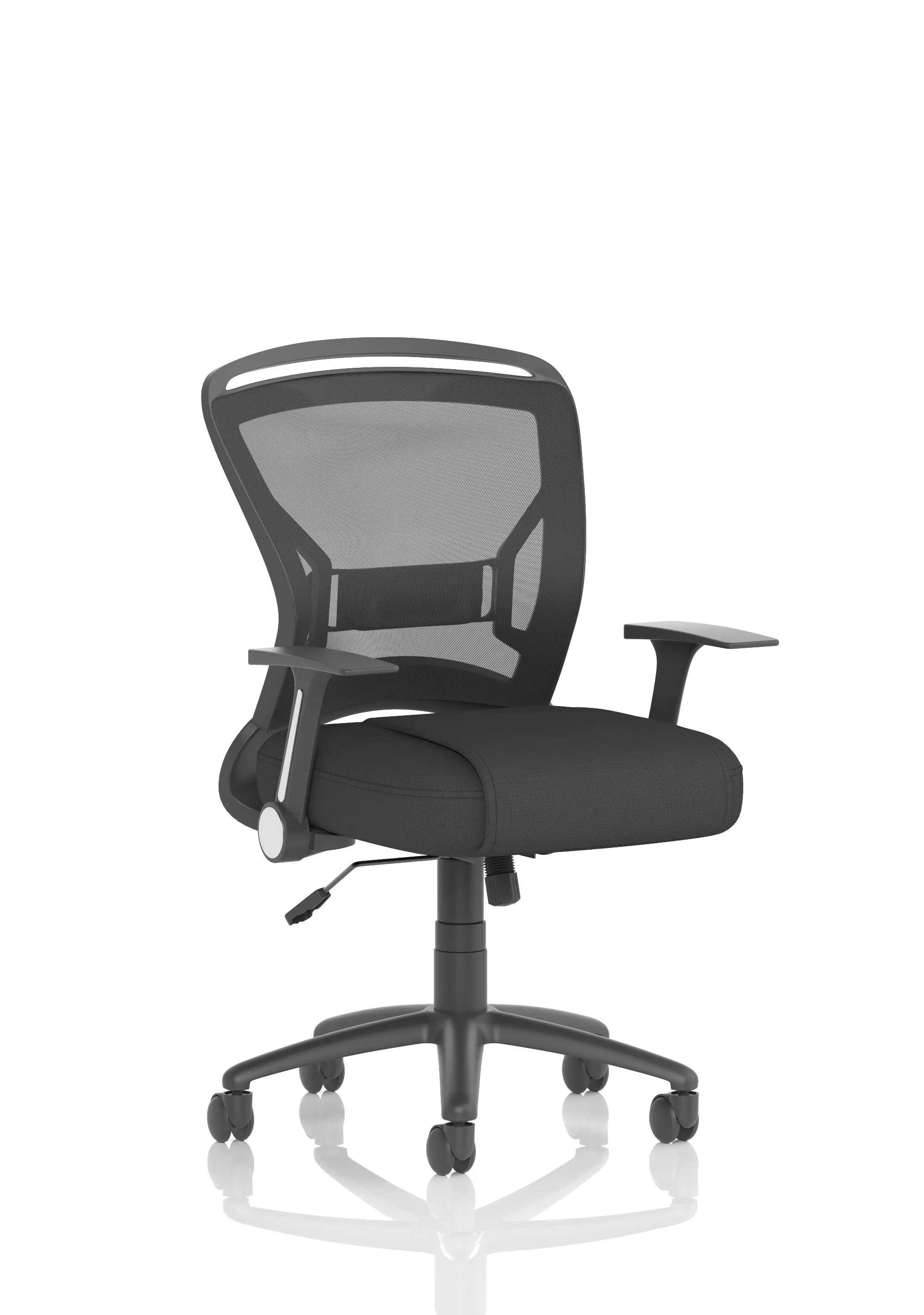
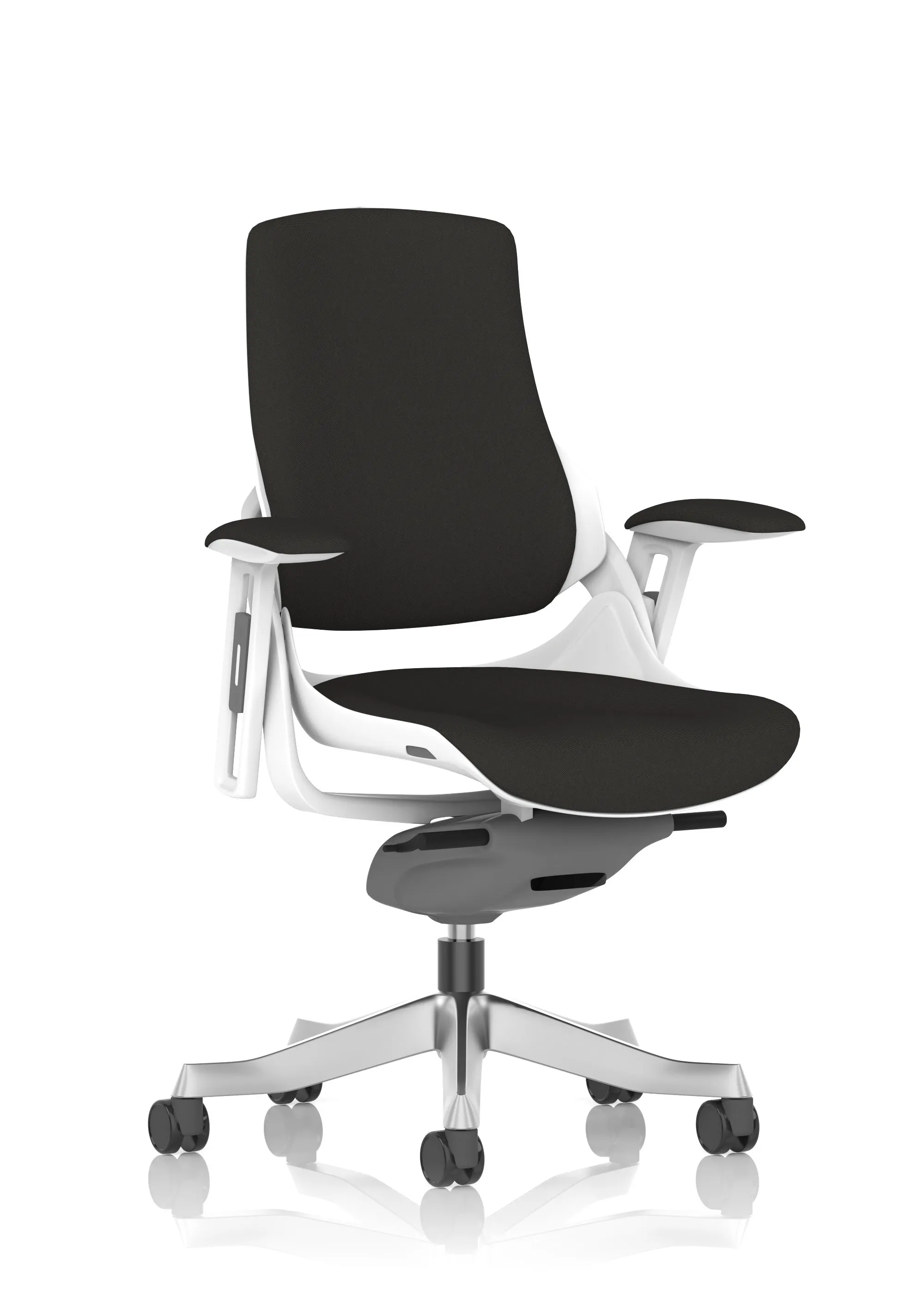
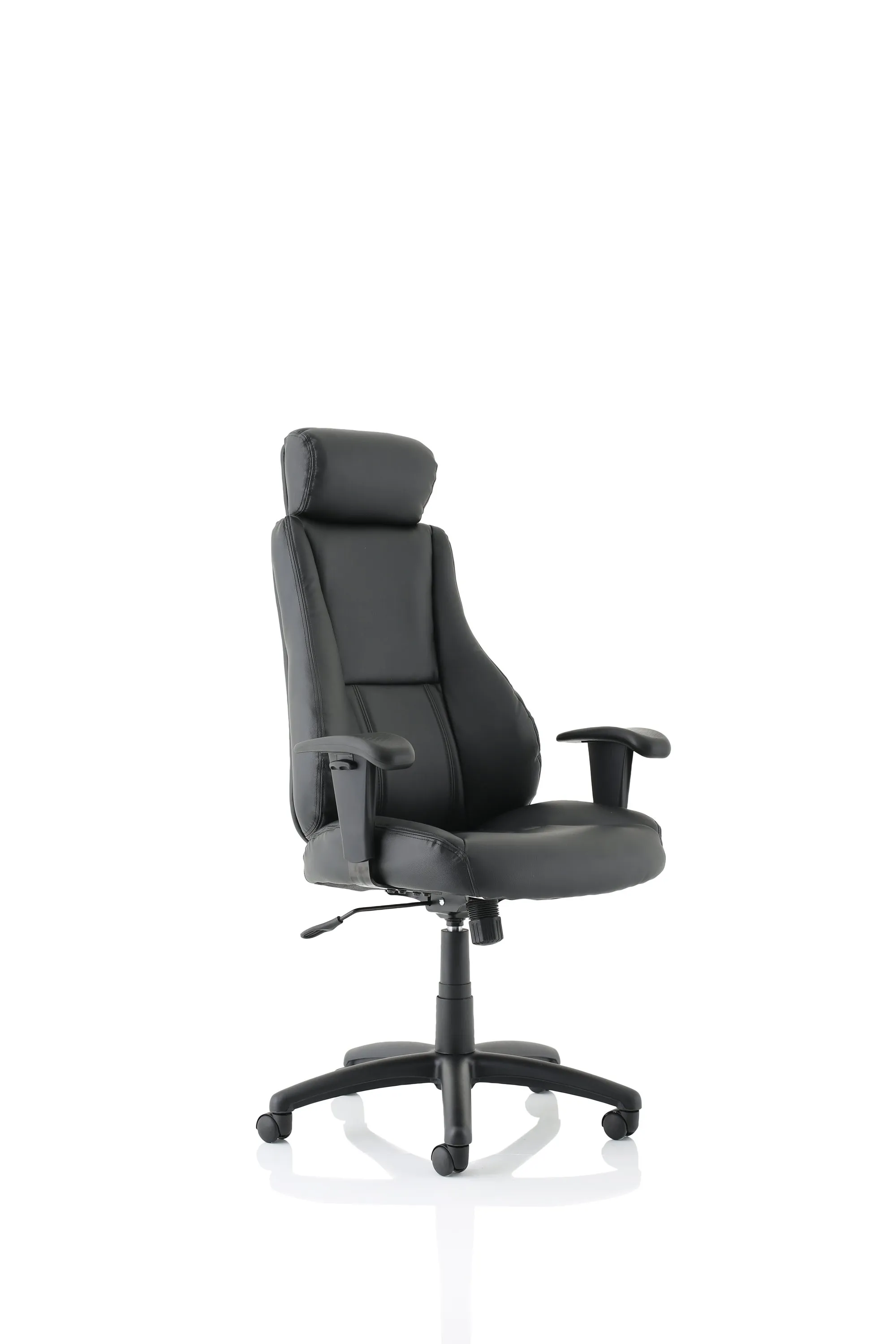
Our task and operator chairs cover the all-day case, executive chairs add presence and deeper padding for private offices, and visitor and conference chairs handle everything short and occasional.
Choosing a back material
Material is the second decision, and it is mostly about temperature and appearance rather than comfort.
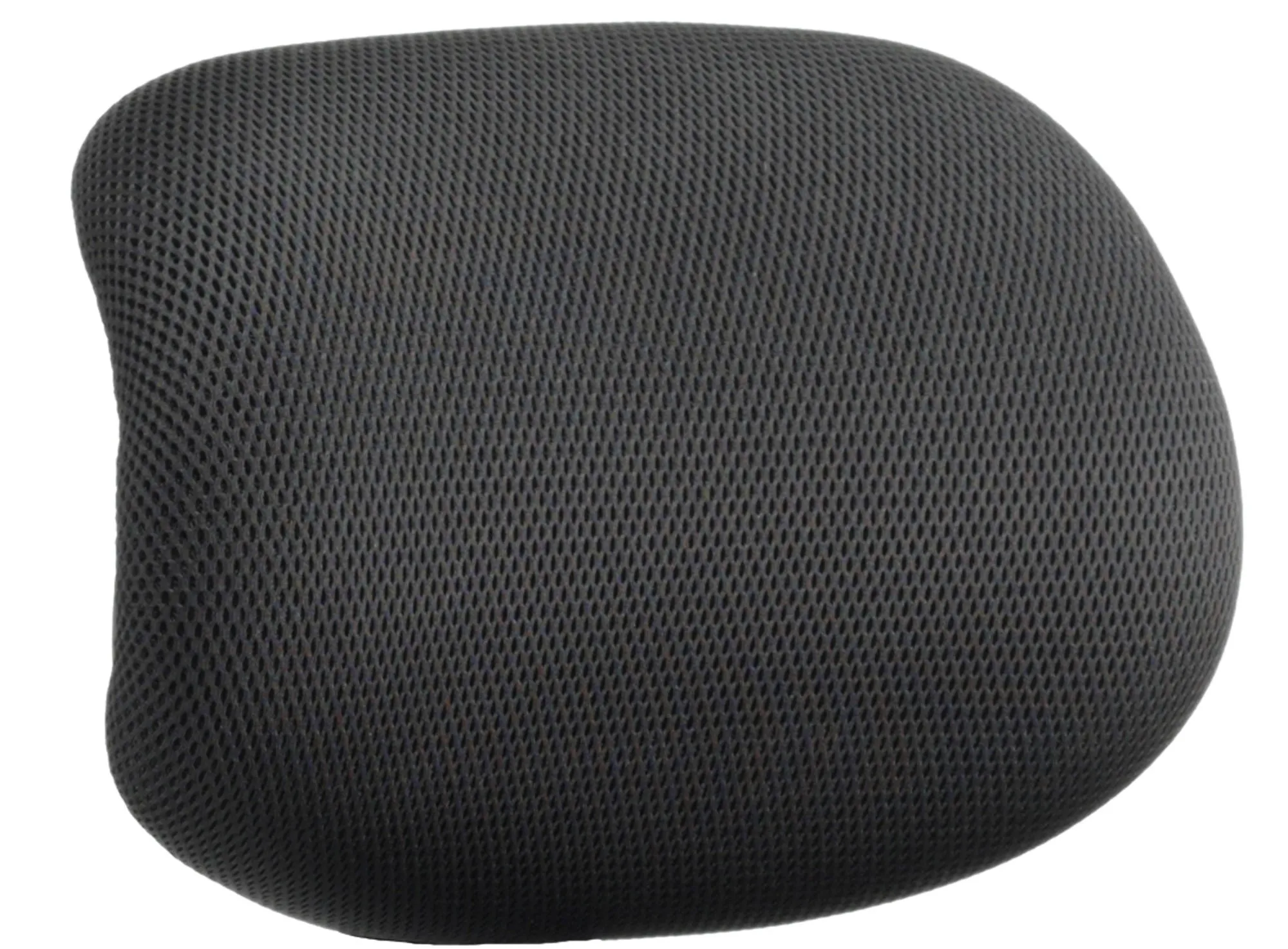
- Mesh keeps air moving against the back. The sensible default in warm open plan offices, and the reason mesh has taken over from foam in task seating.
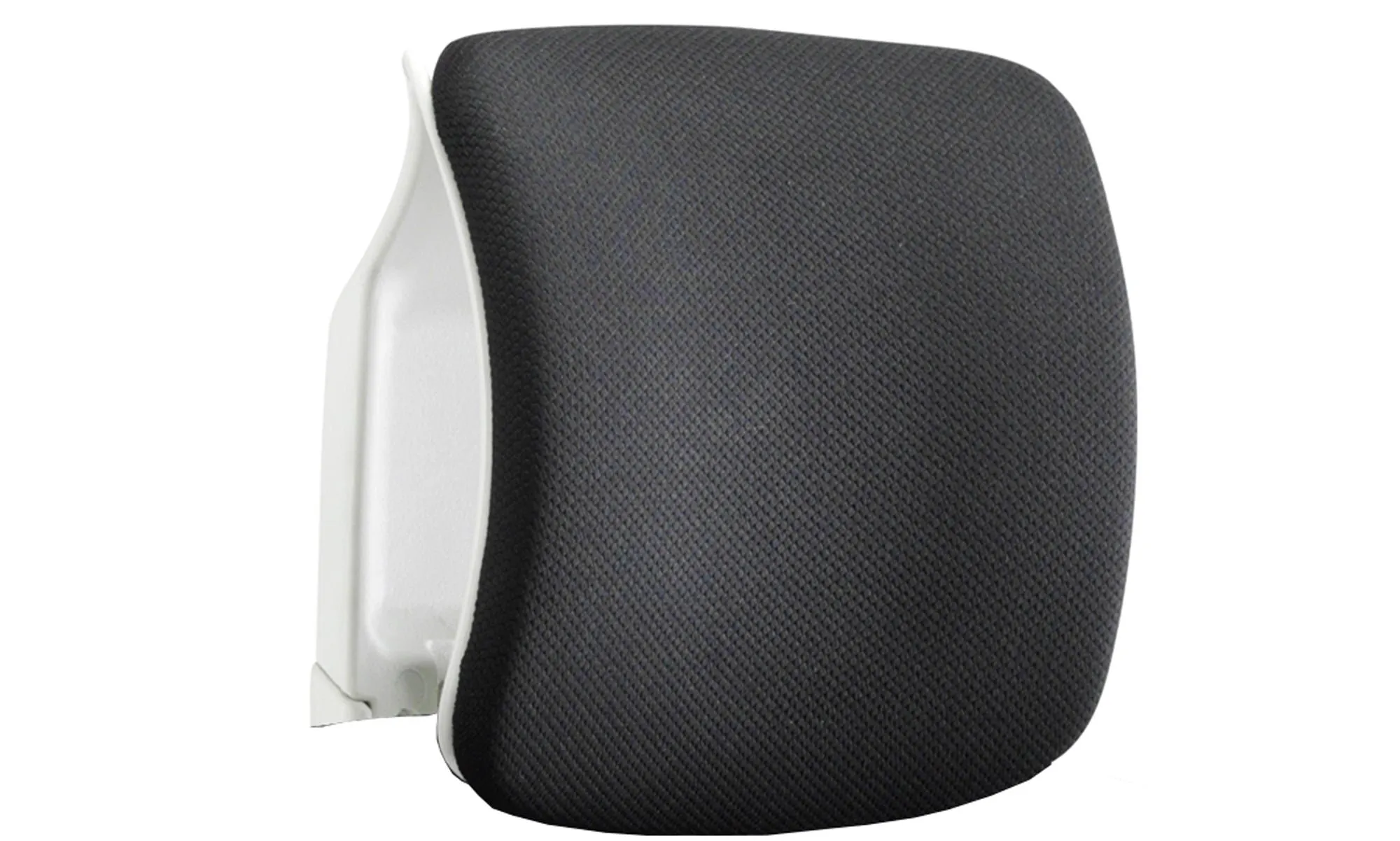
- Fabric is warmer and quieter in appearance, and blends into a room rather than standing out. Our widest range.
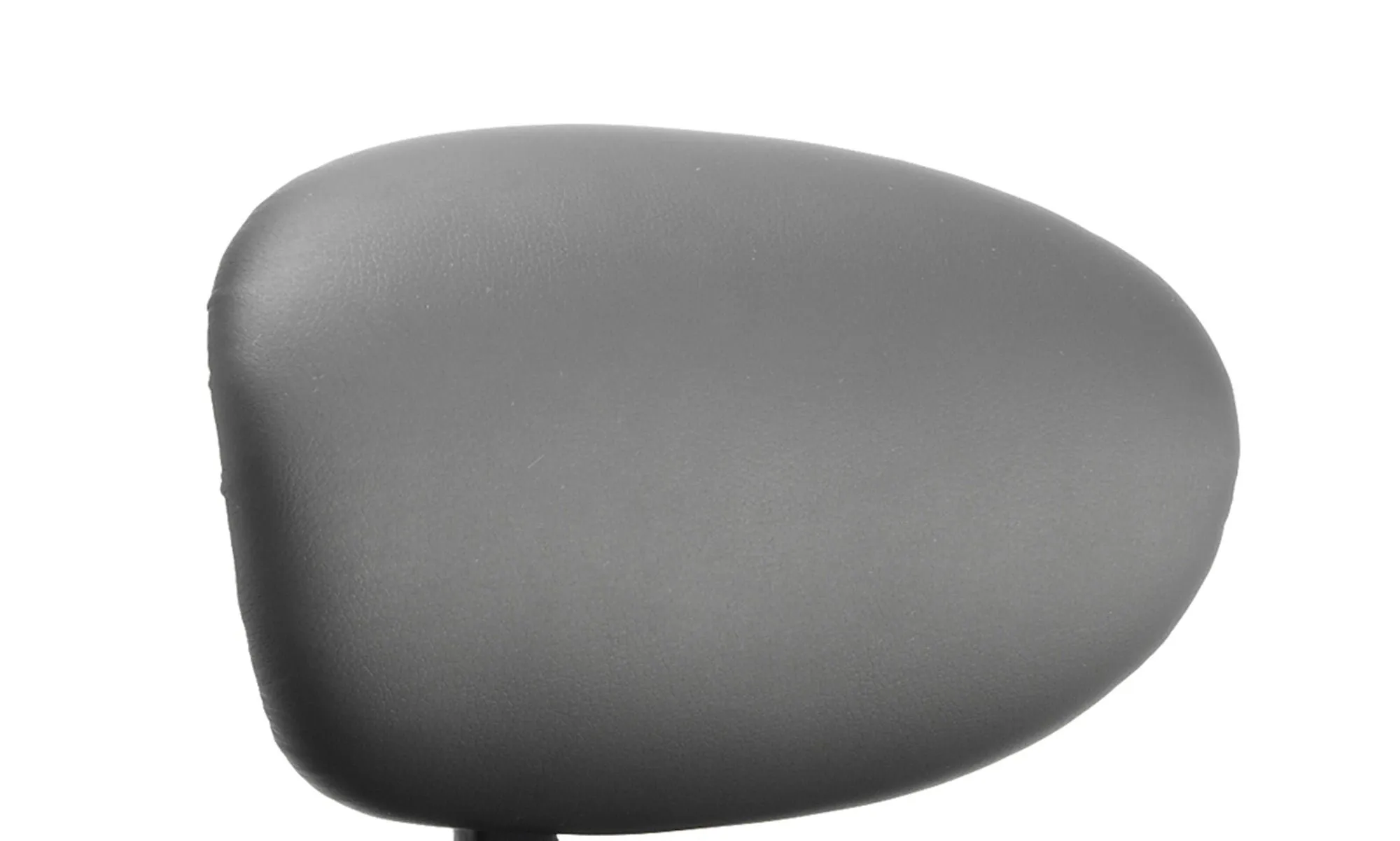
- Leather reads as formal and wipes clean in seconds, which is why it stays the choice for boardrooms and client facing offices.
Where people get it wrong
The most common mistake is buying one chair for the whole office. A finance team at their desks all day and a meeting room used twice a week have genuinely different needs, and a single specification either overspends on one or short-changes the other.
The second is ignoring weight ratings. Standard office chairs are rated for typical use, and a chair used across three shifts or by a heavier user will fail early. Our heavy duty chairs carry reinforced frames and stronger gas lifts for exactly that.
Rooms that change use
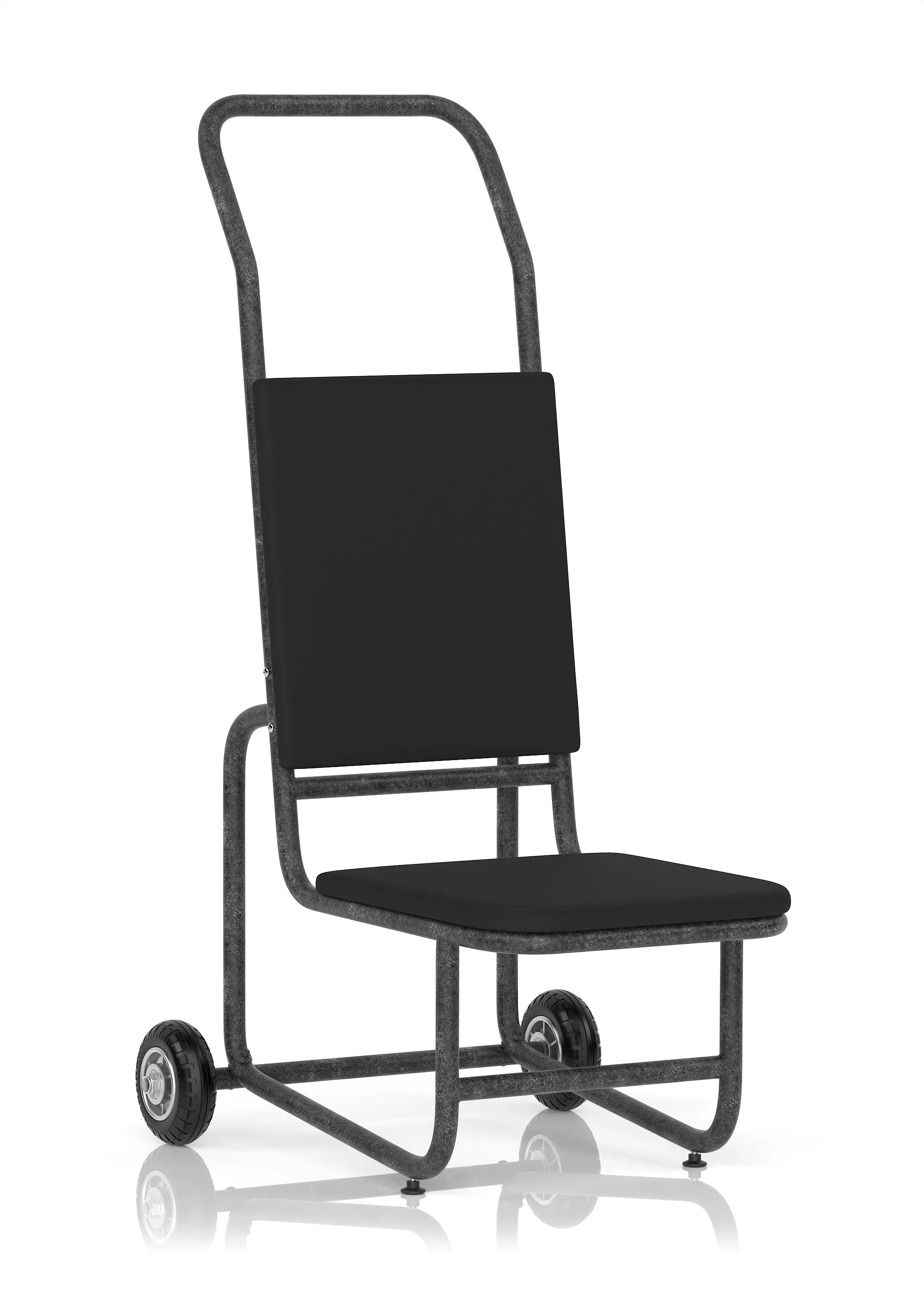
Training rooms, canteens and event spaces need seating that stores away. Our stacking chairs do that, though it is worth checking the stack height against the cupboard you actually have before ordering forty of them.
Before you replace, check the castors
A chair that rolls badly or sits at the wrong height often needs a five pound part rather than a replacement. Our chair spares and parts range covers castors and wheels. Measure the stem diameter first, as fittings are not universal across ranges.