
How to choose an office desk
Every desk Dynamic supplies. The range looks large until you realise it is really two shapes, three leg types and two tops, combined. Work out which of each you need and the choice narrows quickly.
First decide the shape
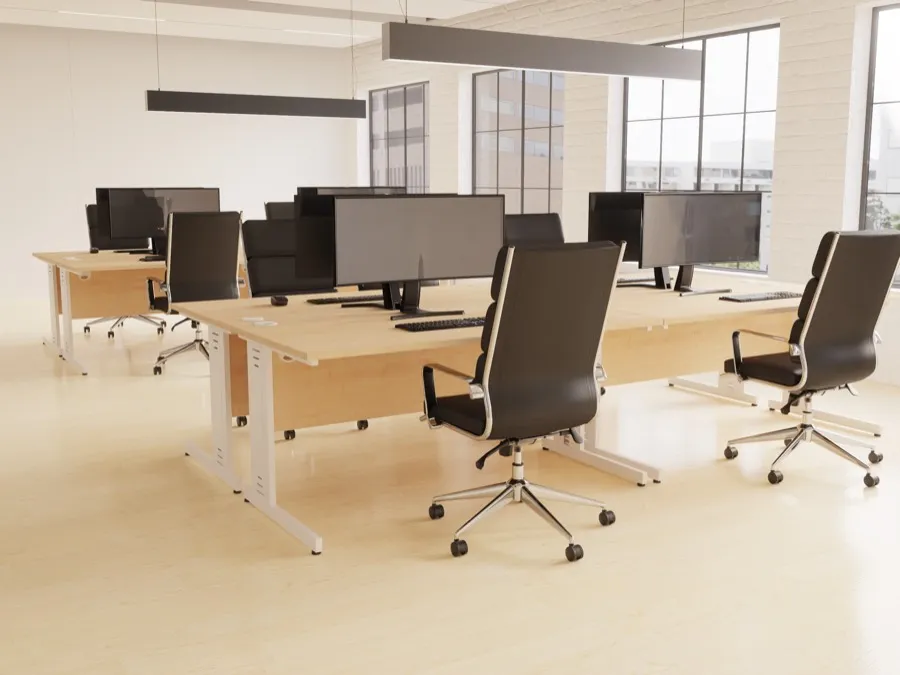
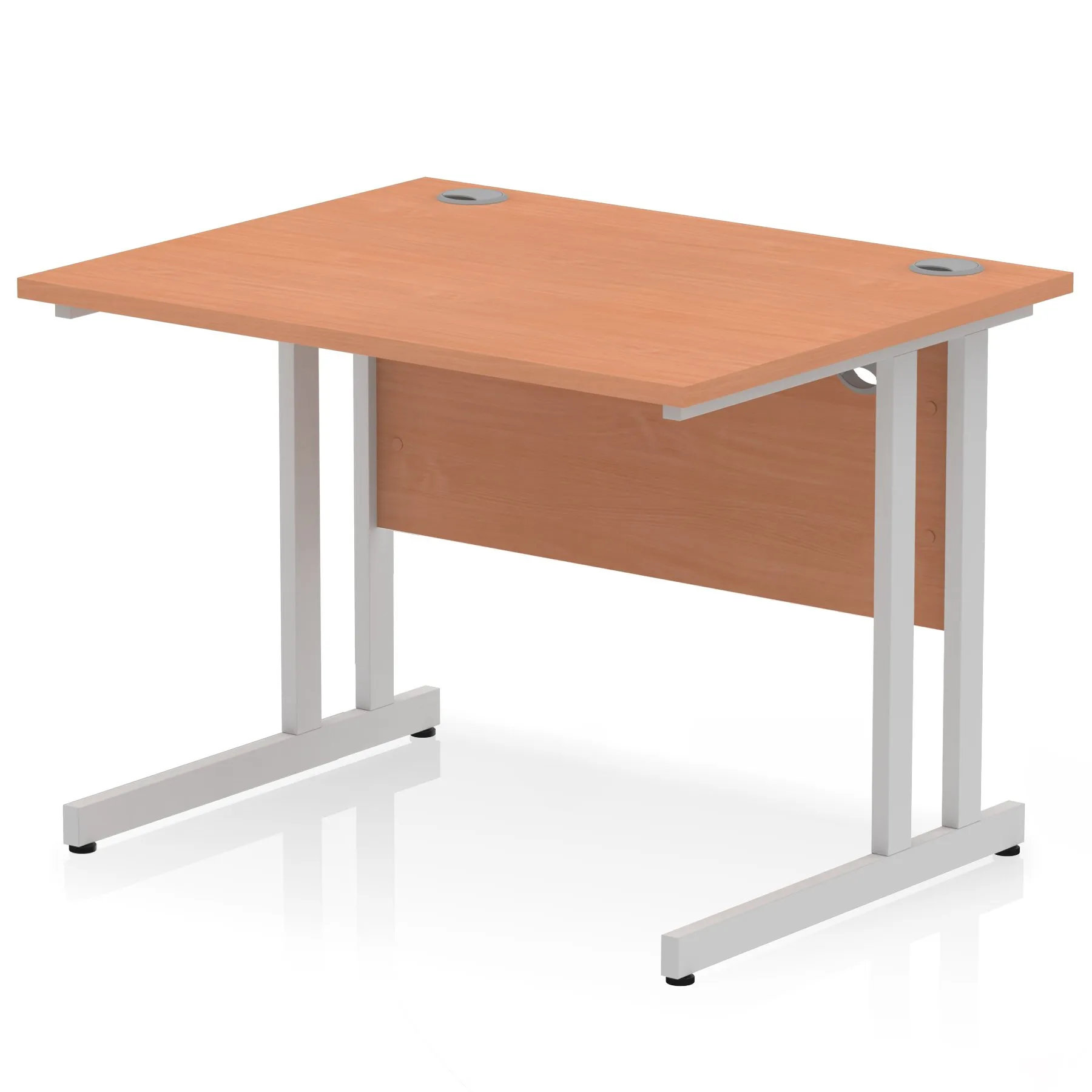
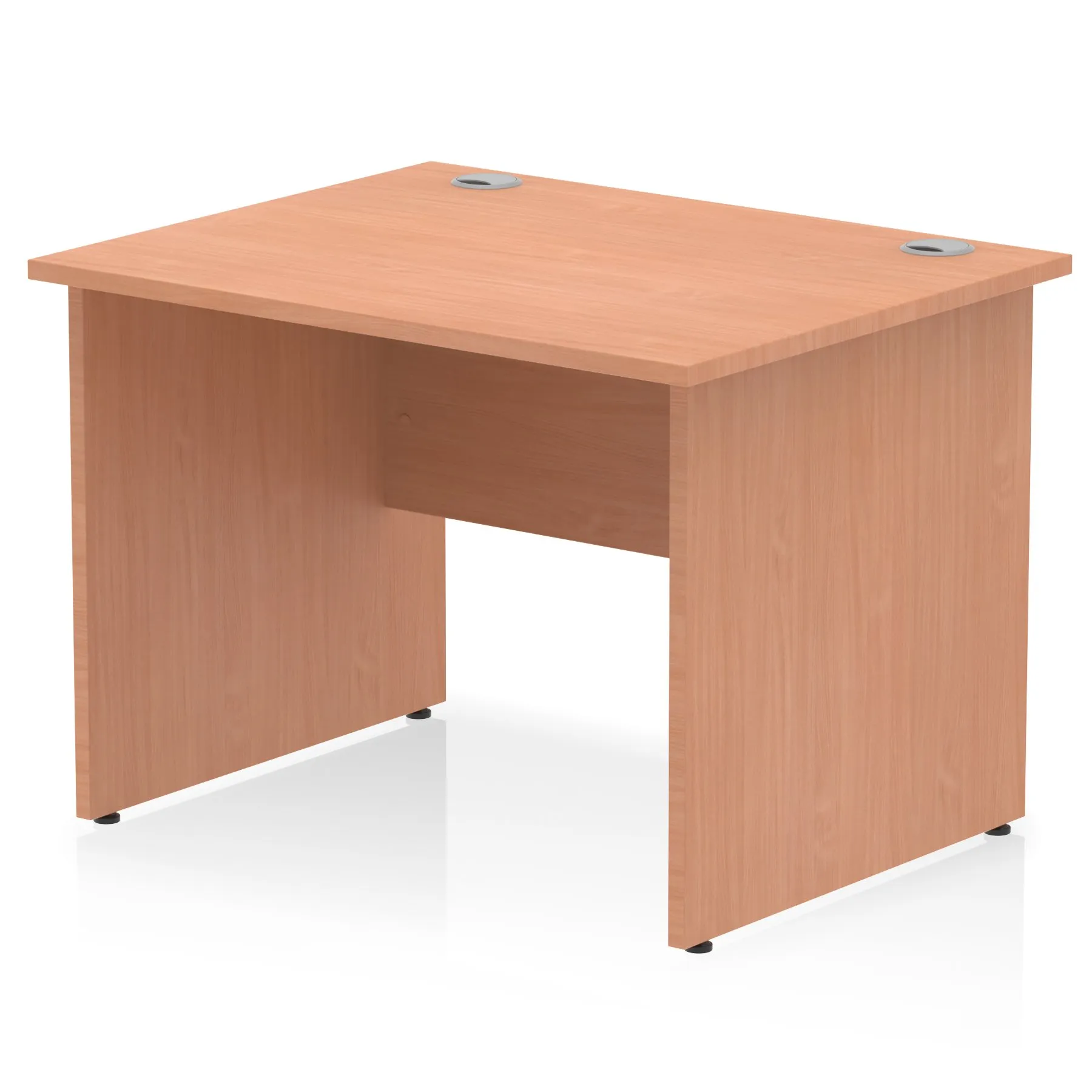
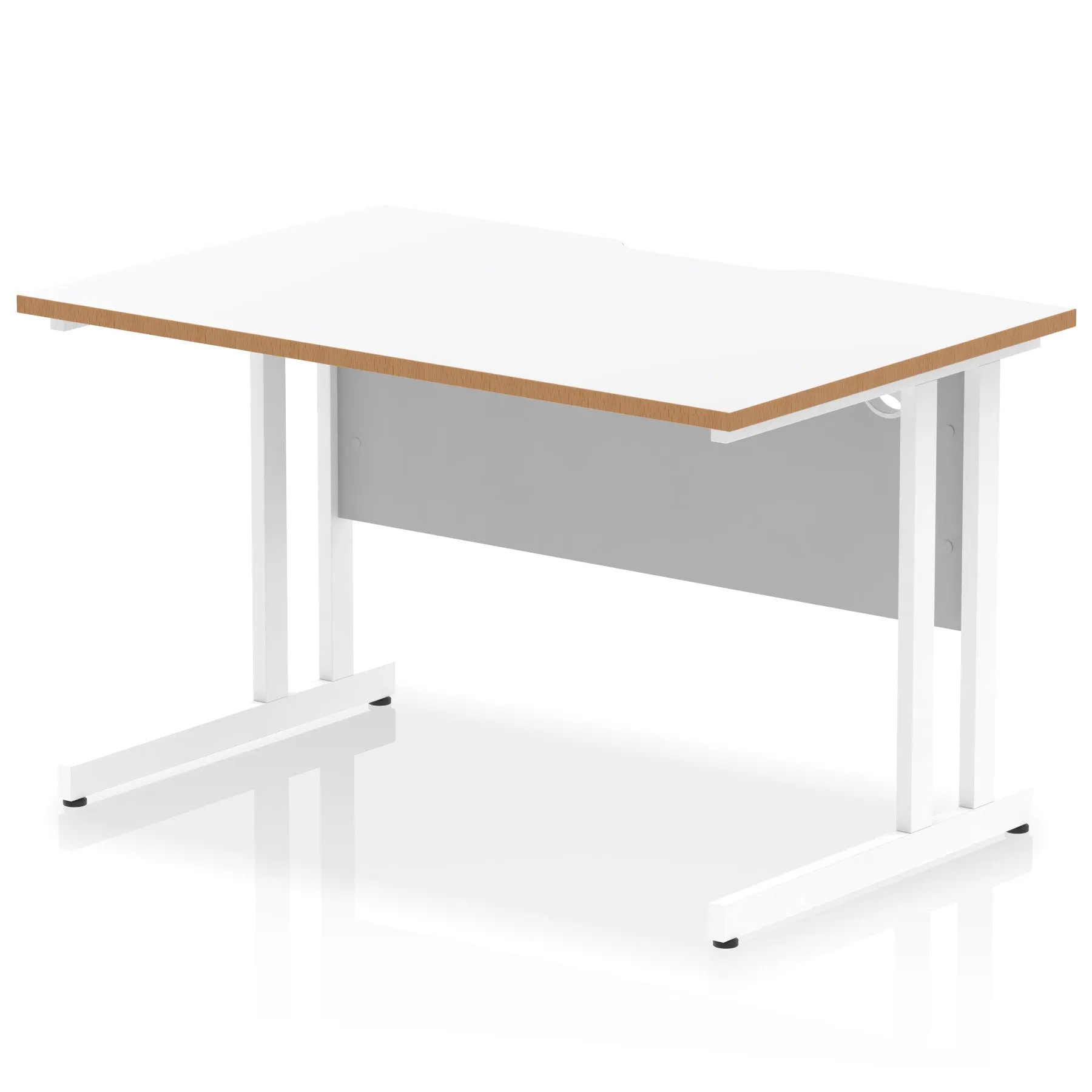
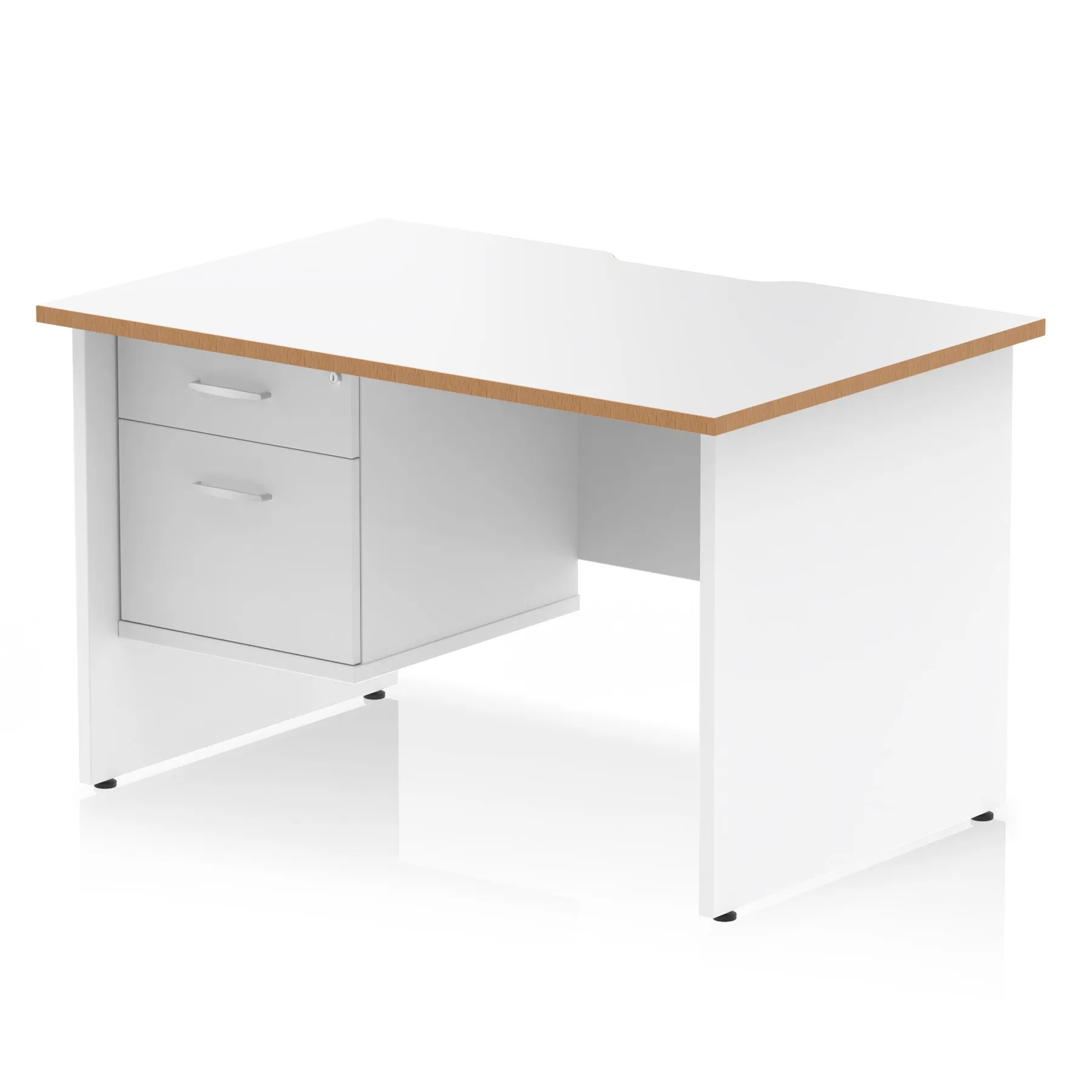
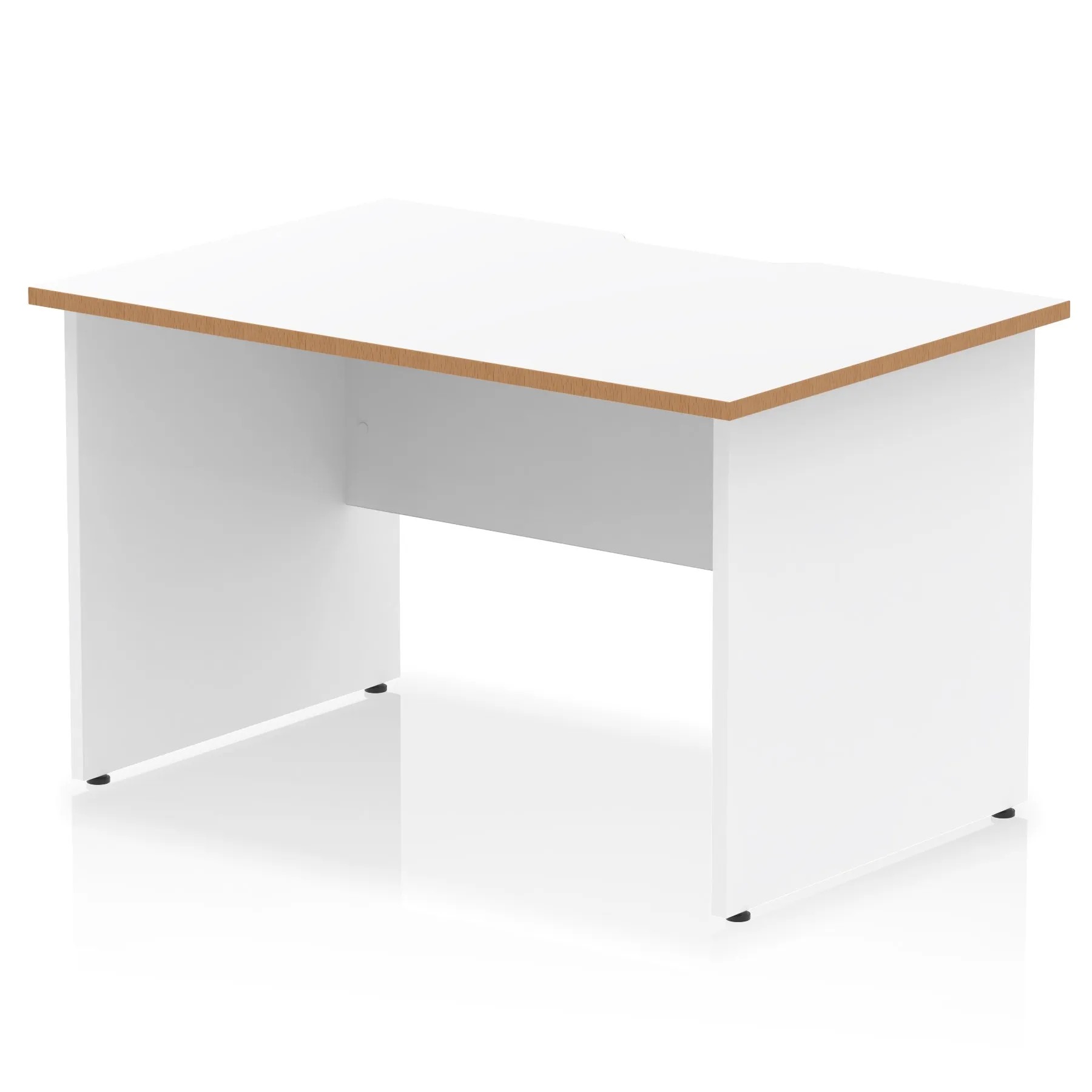
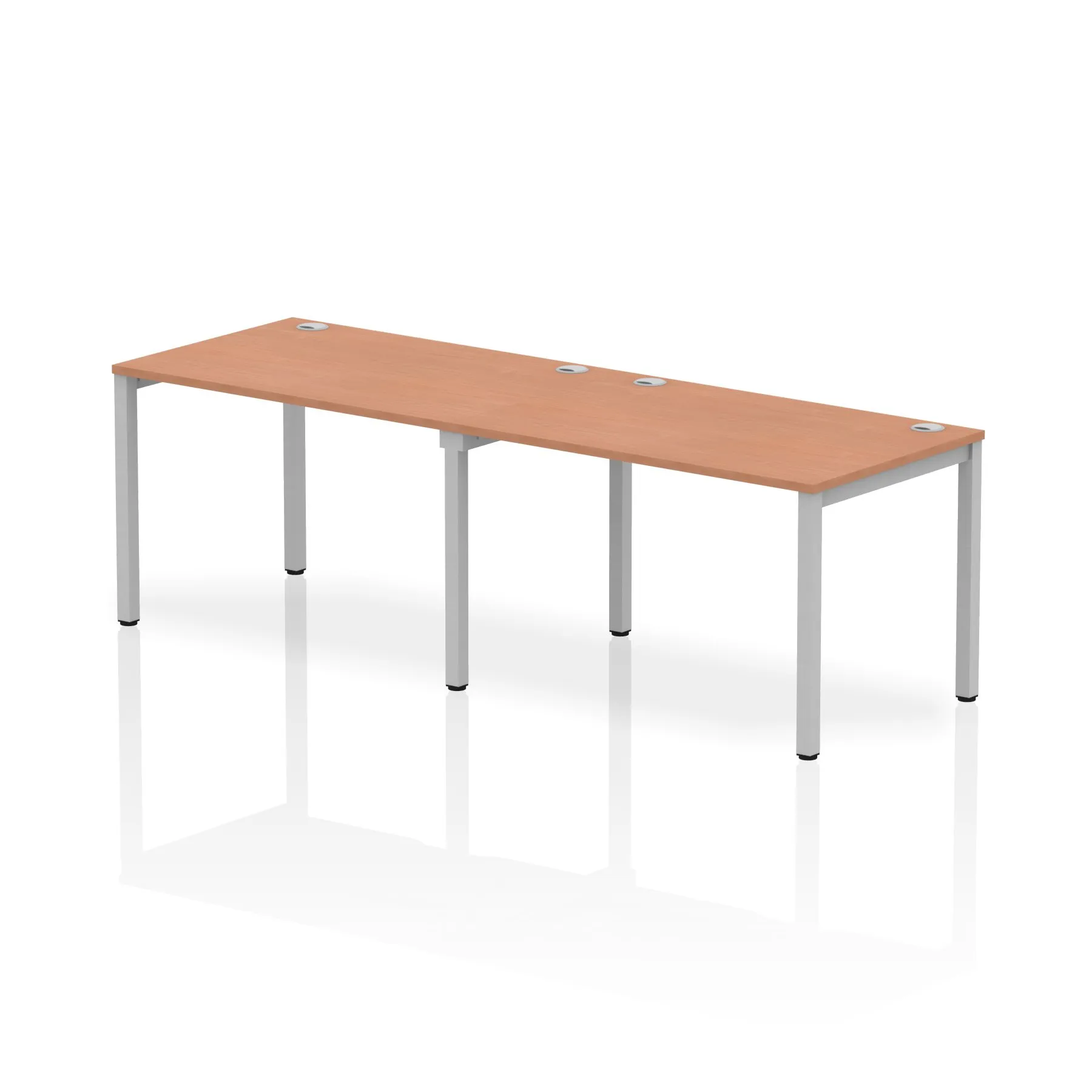
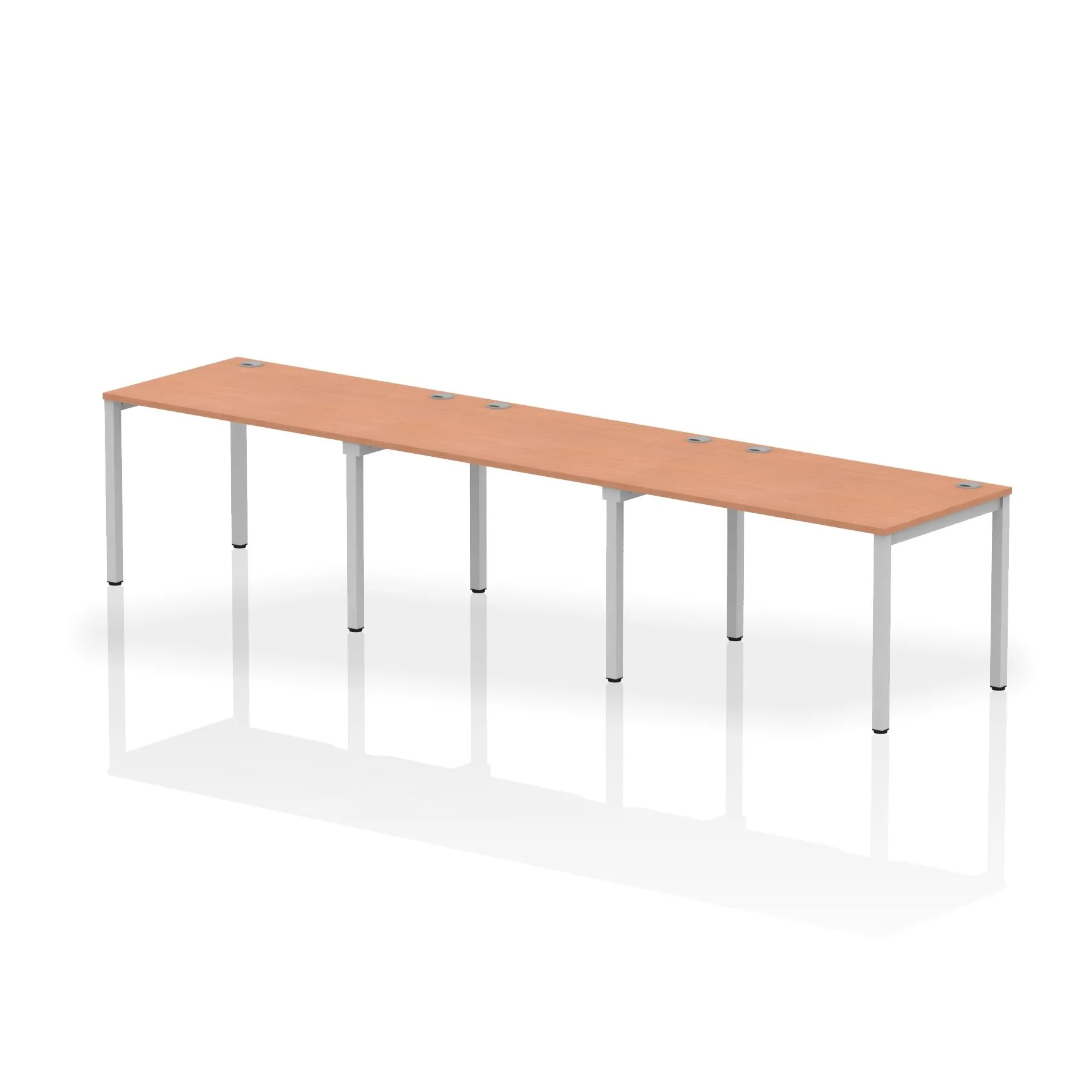
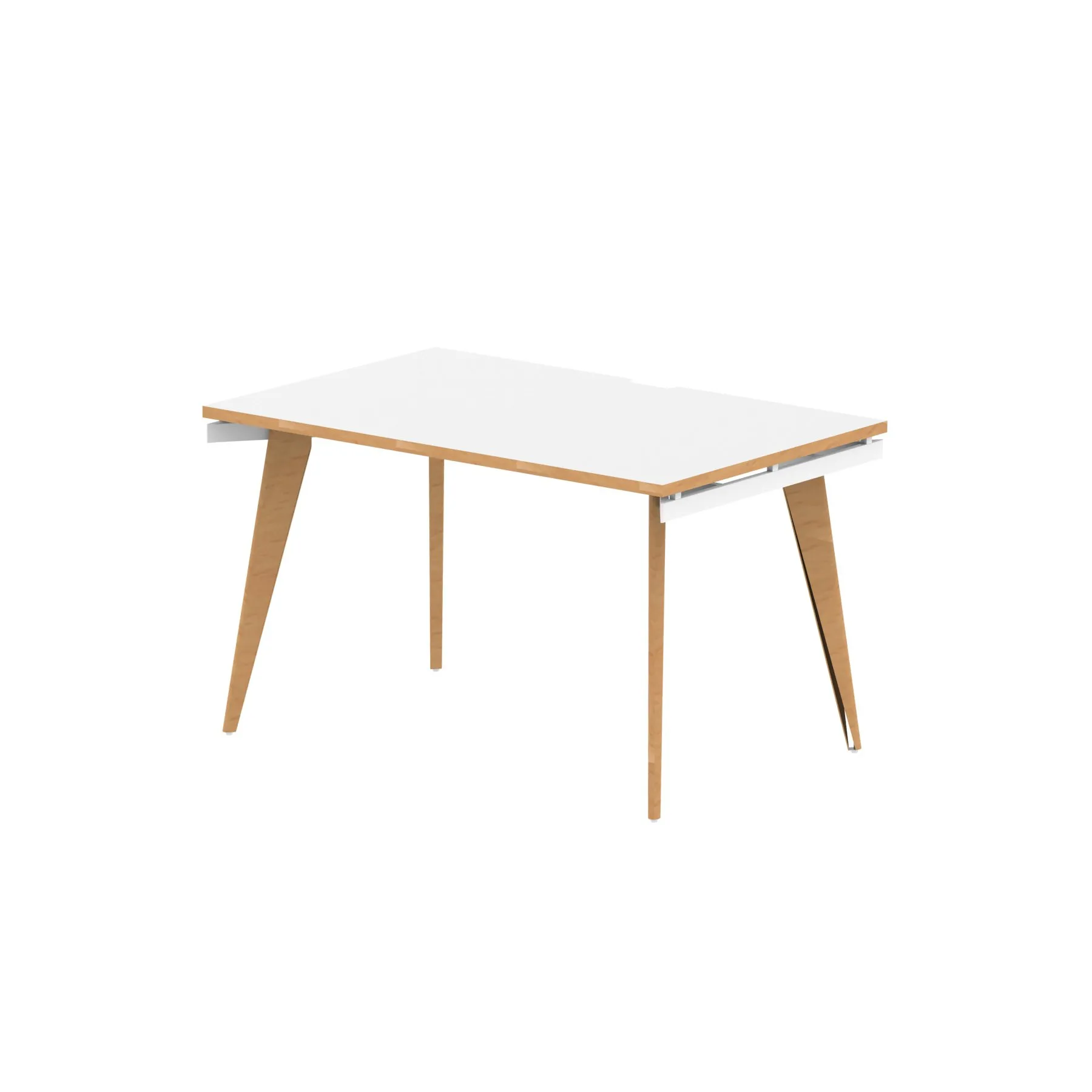
Straight desks are rectangles. They line up in rows and banks, they suit almost any layout, and they are what most offices need.
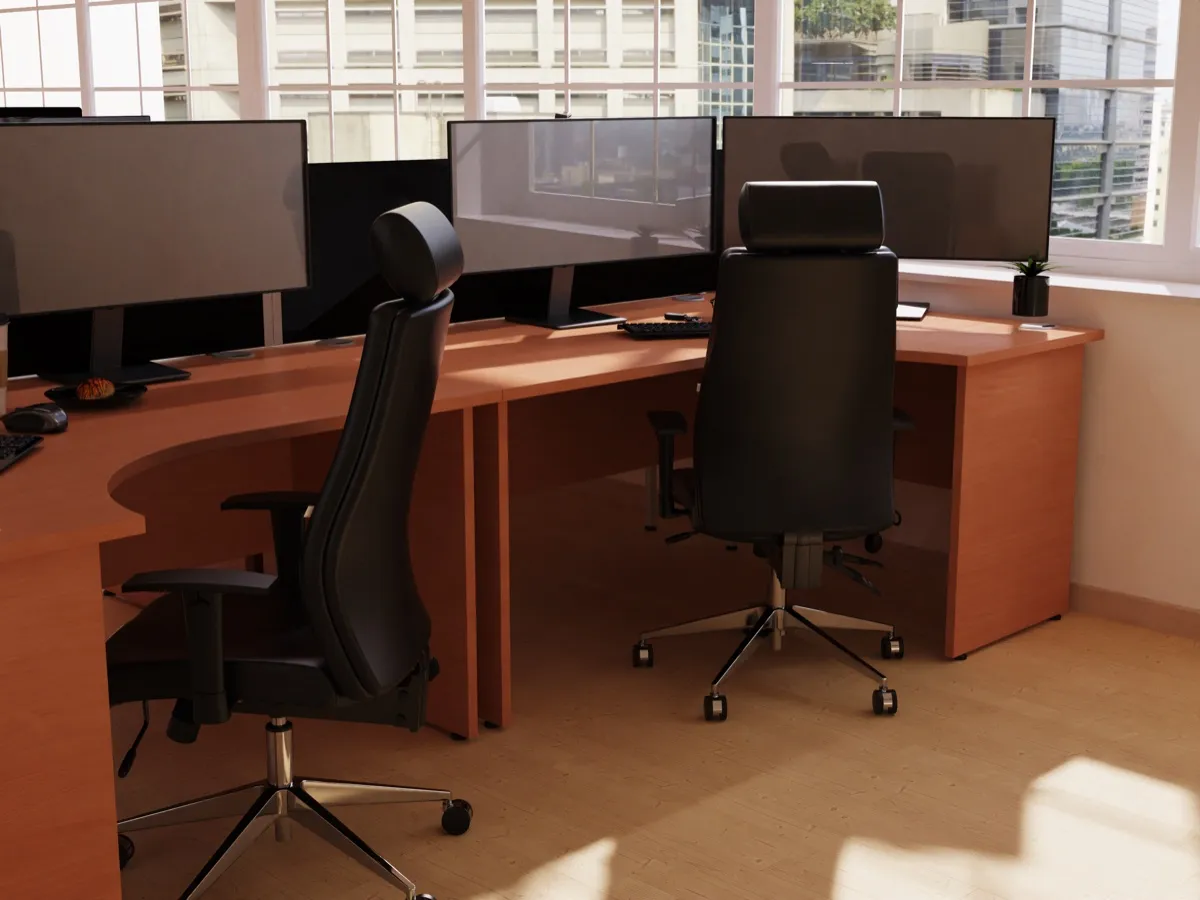
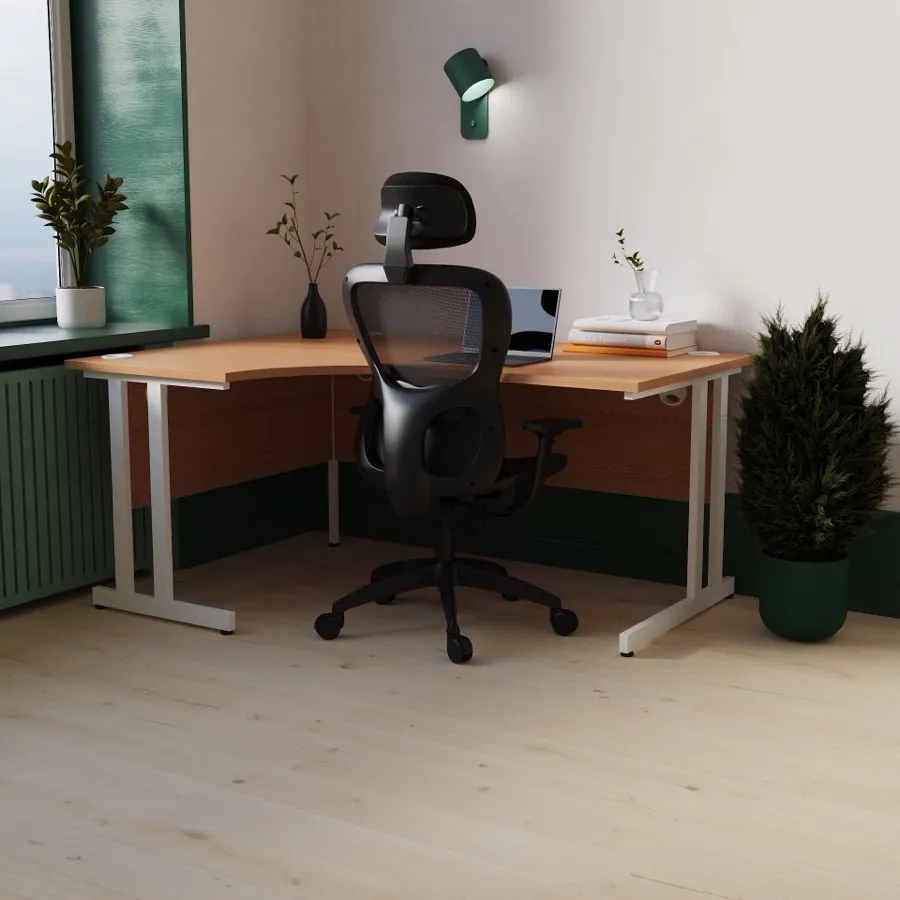
Corner desks use a return to give noticeably more usable surface in the same floor area. Worth it where someone needs space for paperwork alongside a screen, and where the room has a corner to put them in. Check the handing, as left and right hand versions are not interchangeable.
Then the leg type
This is where most of the visual difference lives, and it also decides how much cable routing you get.
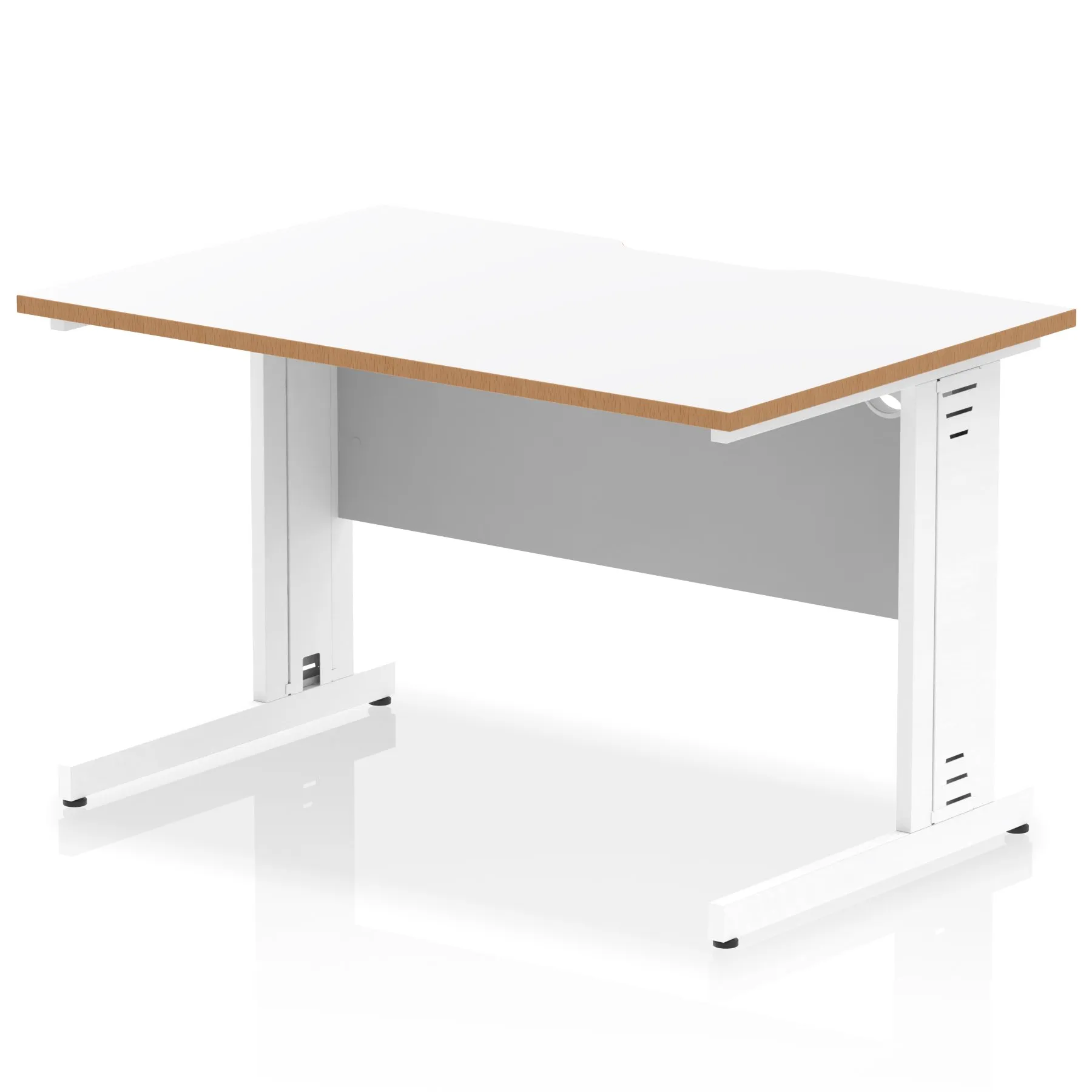
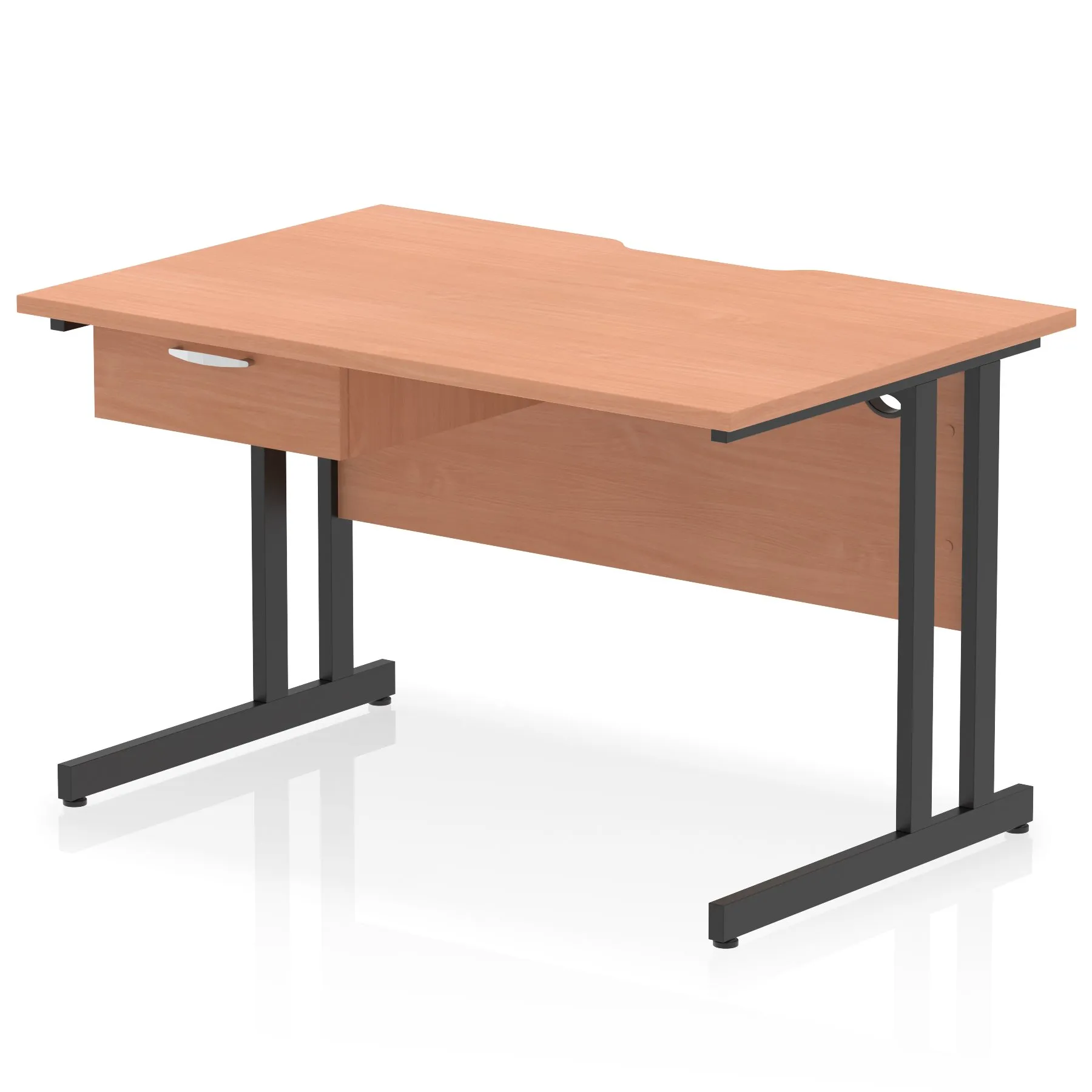
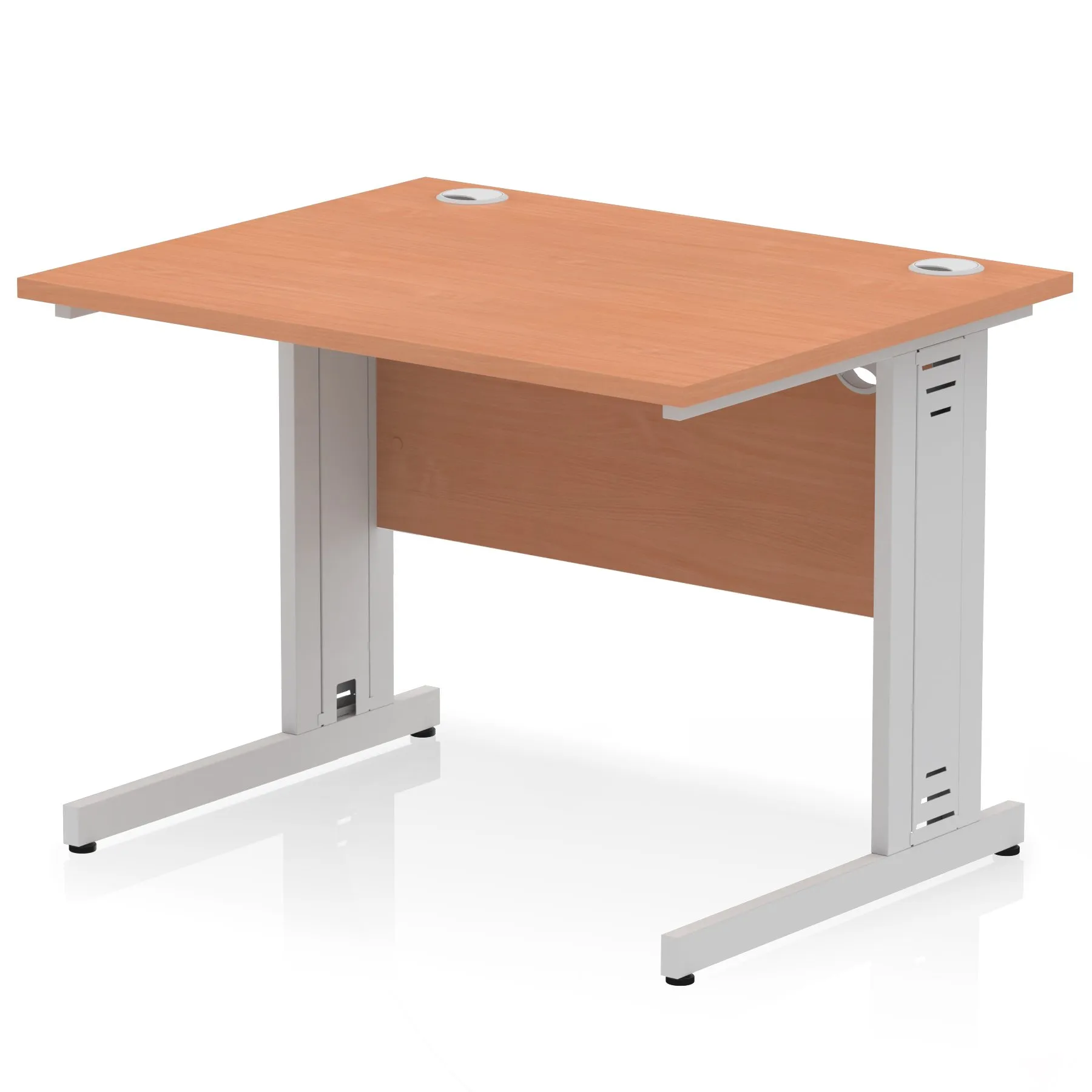
- Cantilever legs curve back from a single upright, leaving the space under the desk clear. Best for hot desking and rooms where chairs move about.
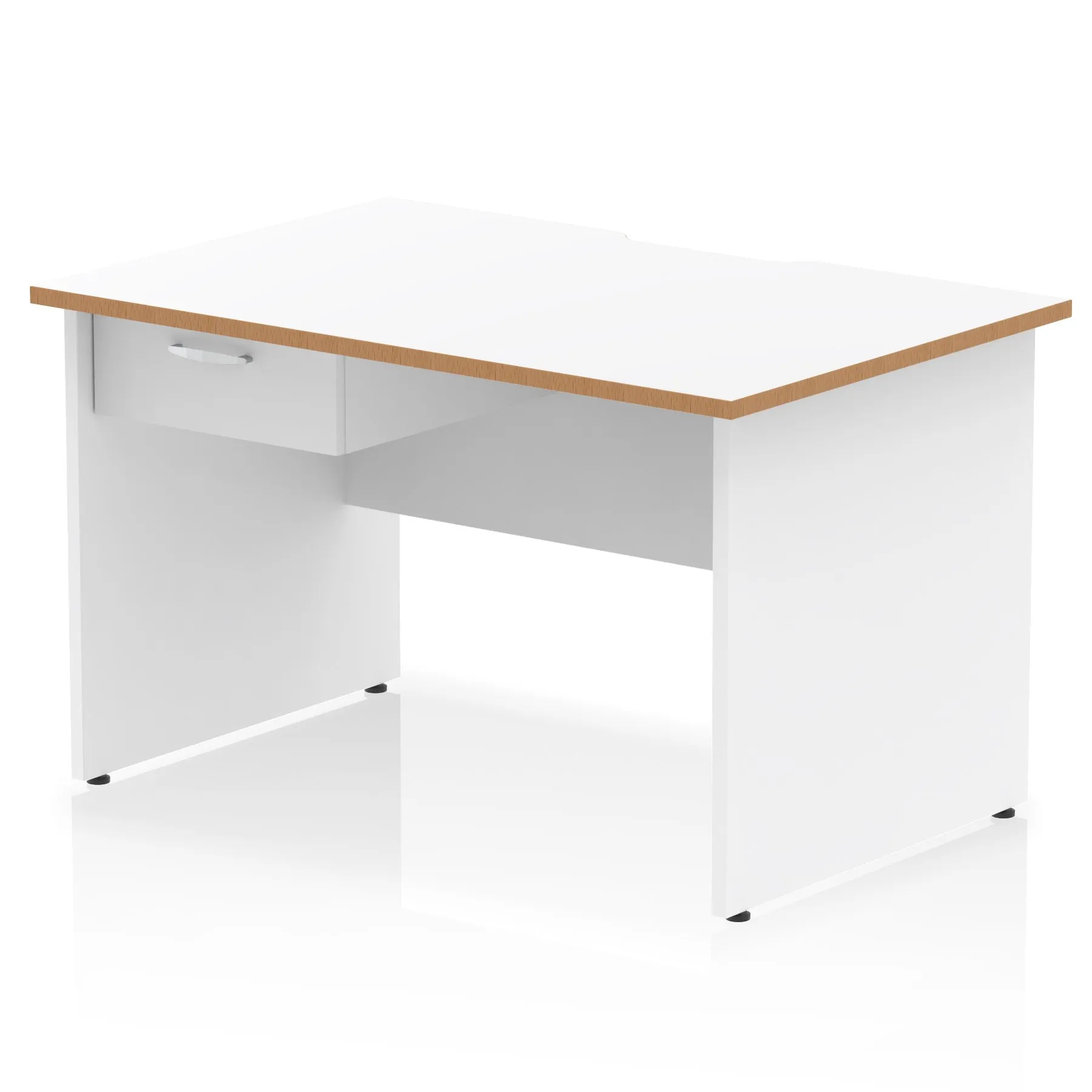
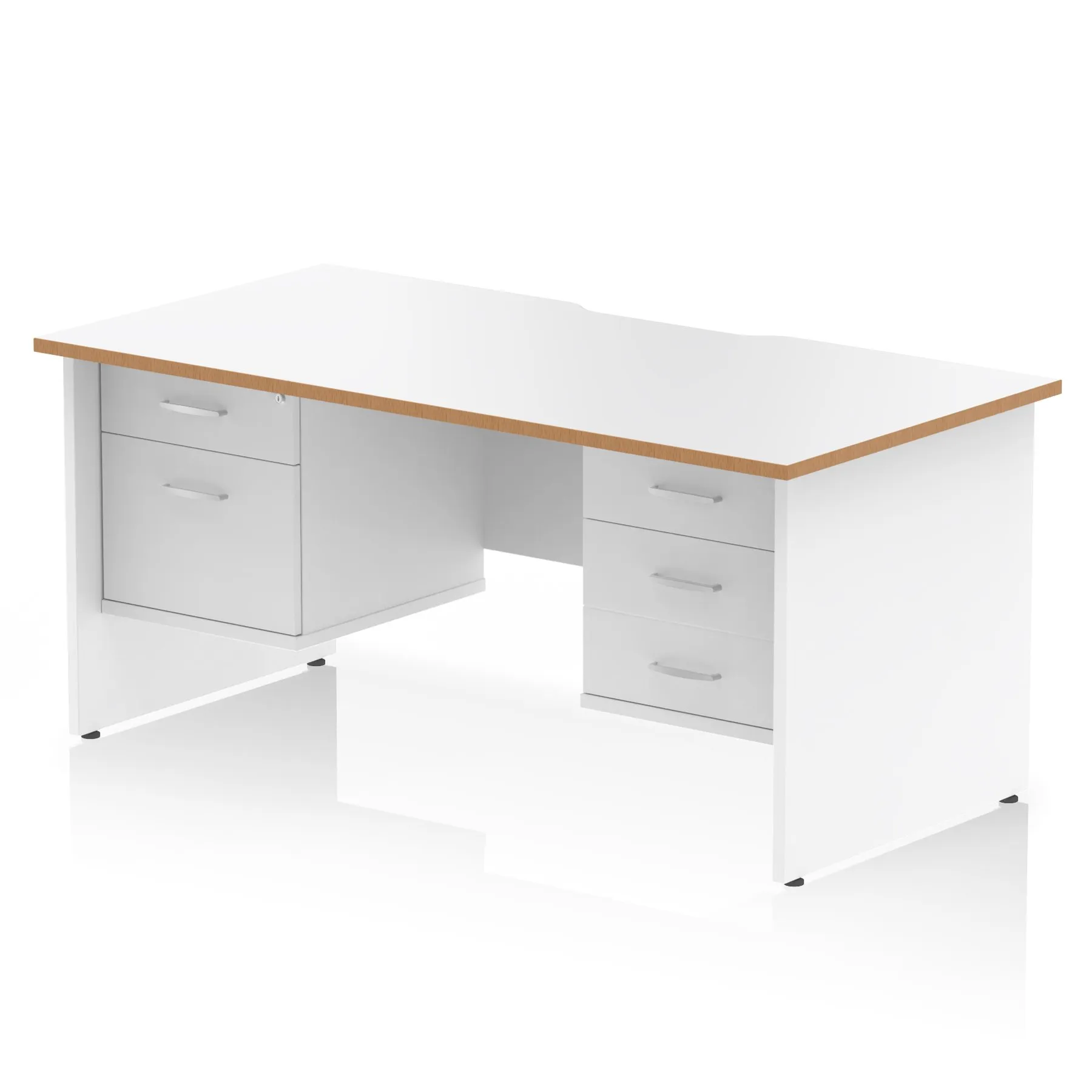
- Panel ends use a solid panel instead of a leg. Heavier looking, more finished, and gives a degree of modesty screening at the sides.
- Cable managed legs run power and data down inside the frame. Worth the small premium anywhere cables would otherwise be visible.
Then the top
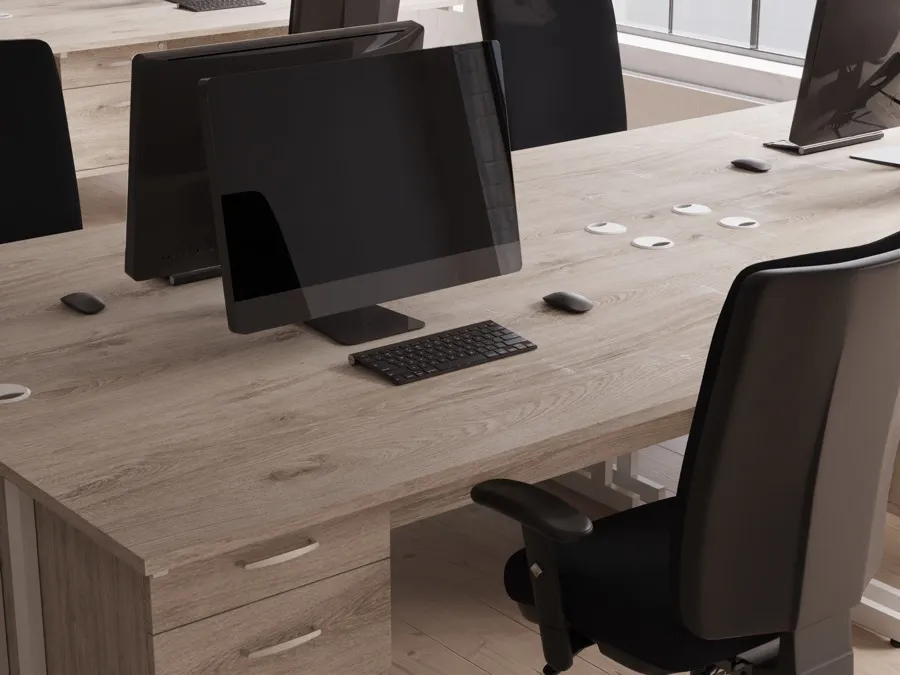
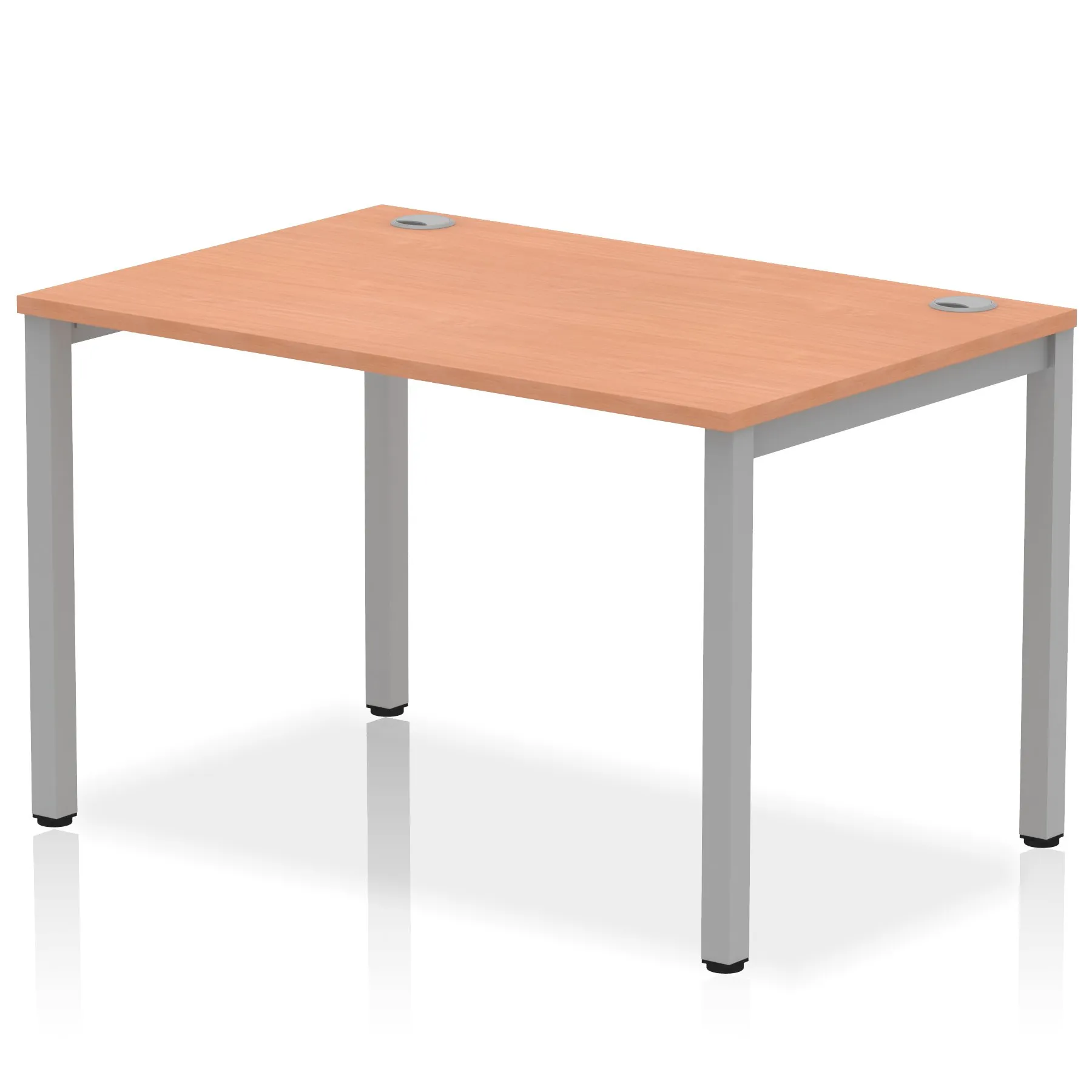
Cable port tops have holes drilled through for cables to drop away. This is the standard and the right default. Scalloped edge desks use a continuous cut-out along the back instead, so cables can pass through anywhere along the width, which is the better answer if your floor boxes might move.
If people will stand
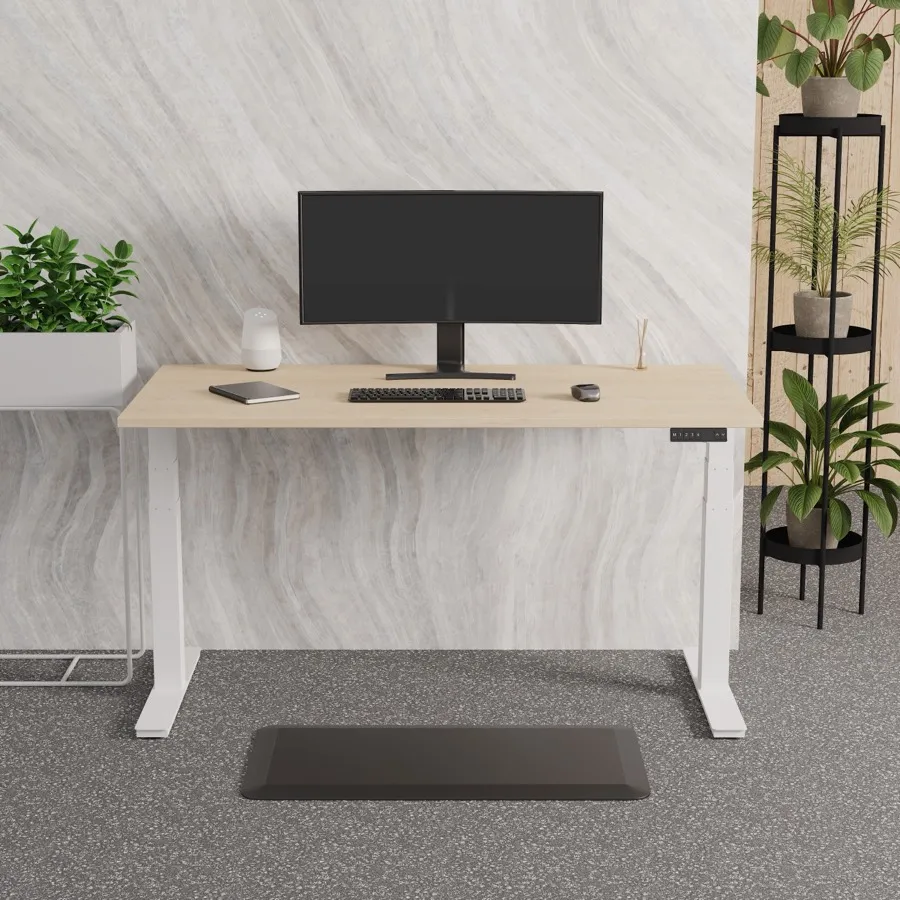
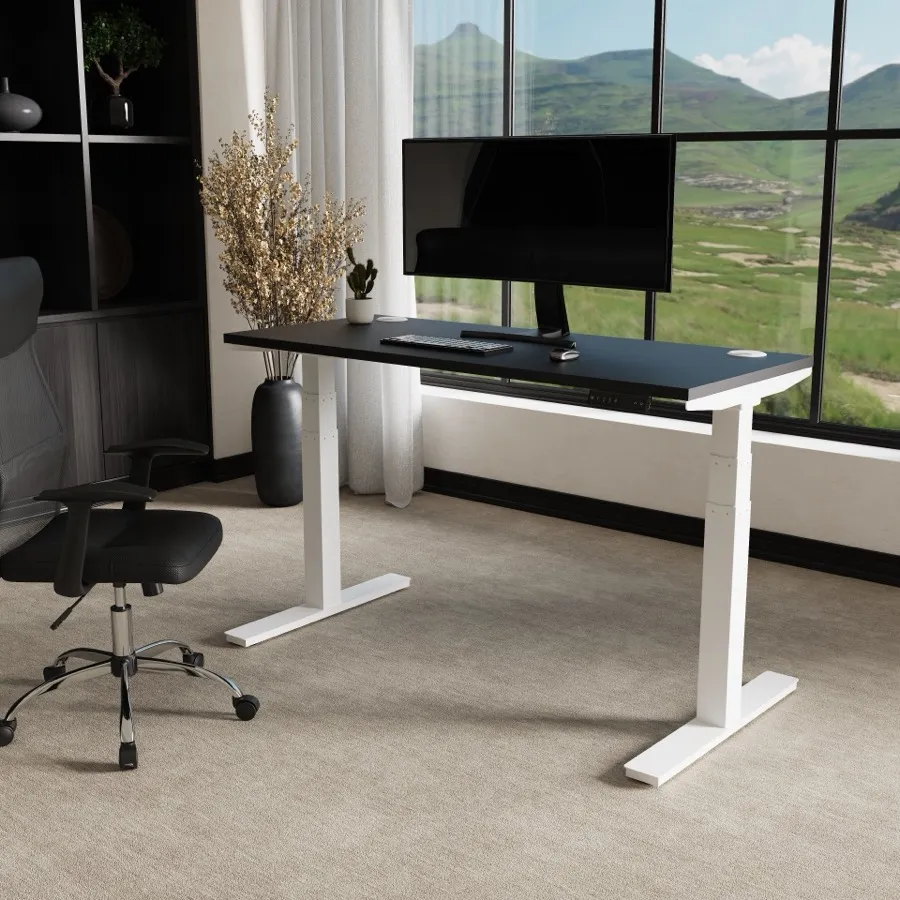
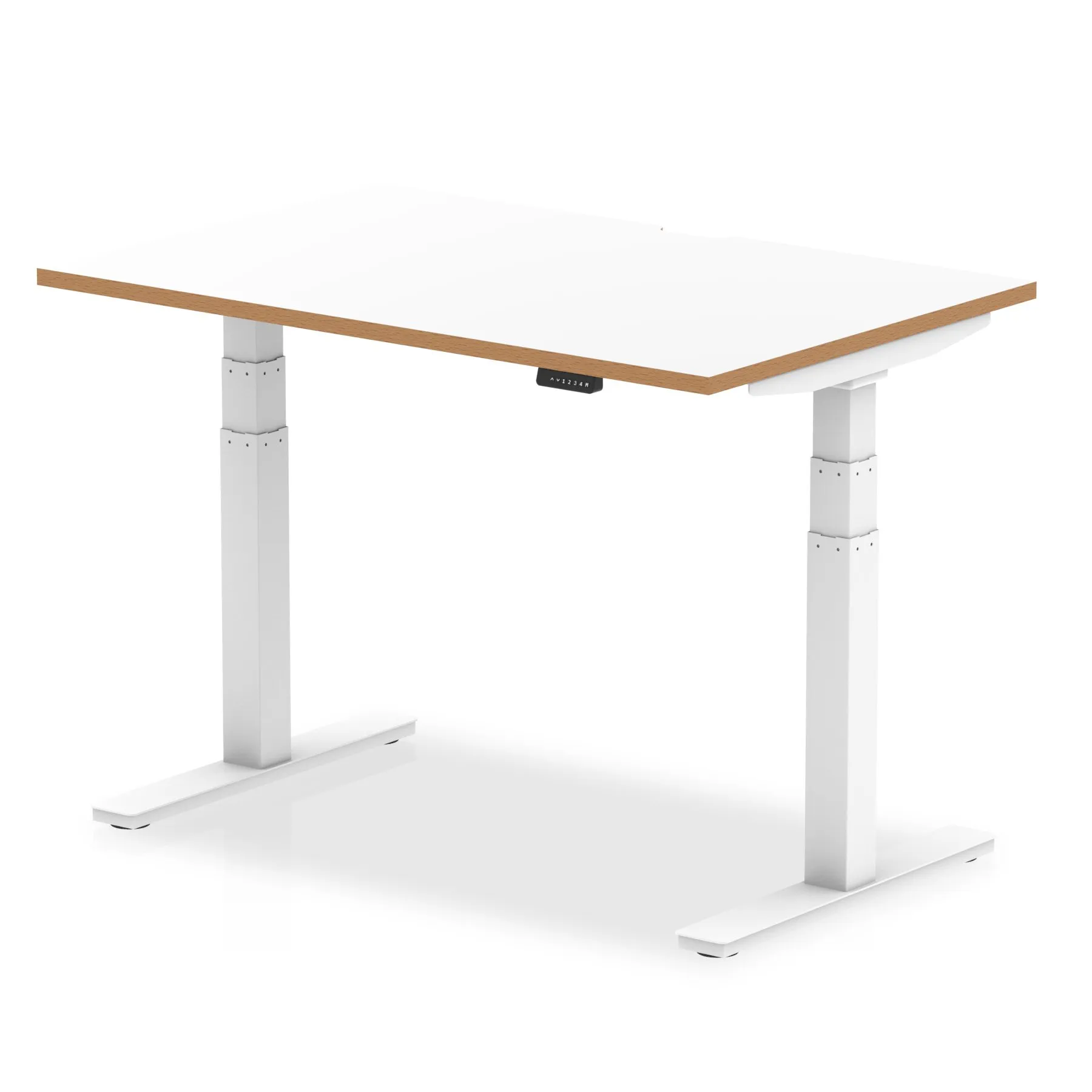
Height adjustment is a separate decision that overrides the rest. Our height adjustable desks cover both single sit-stand desks and back-to-back bench versions for whole teams.
For teams rather than individuals
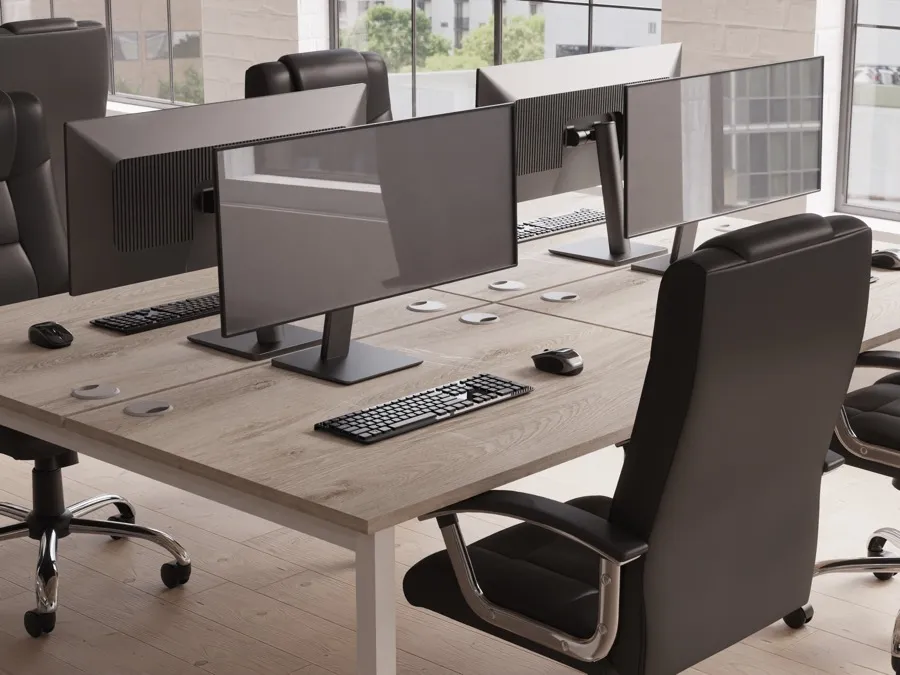
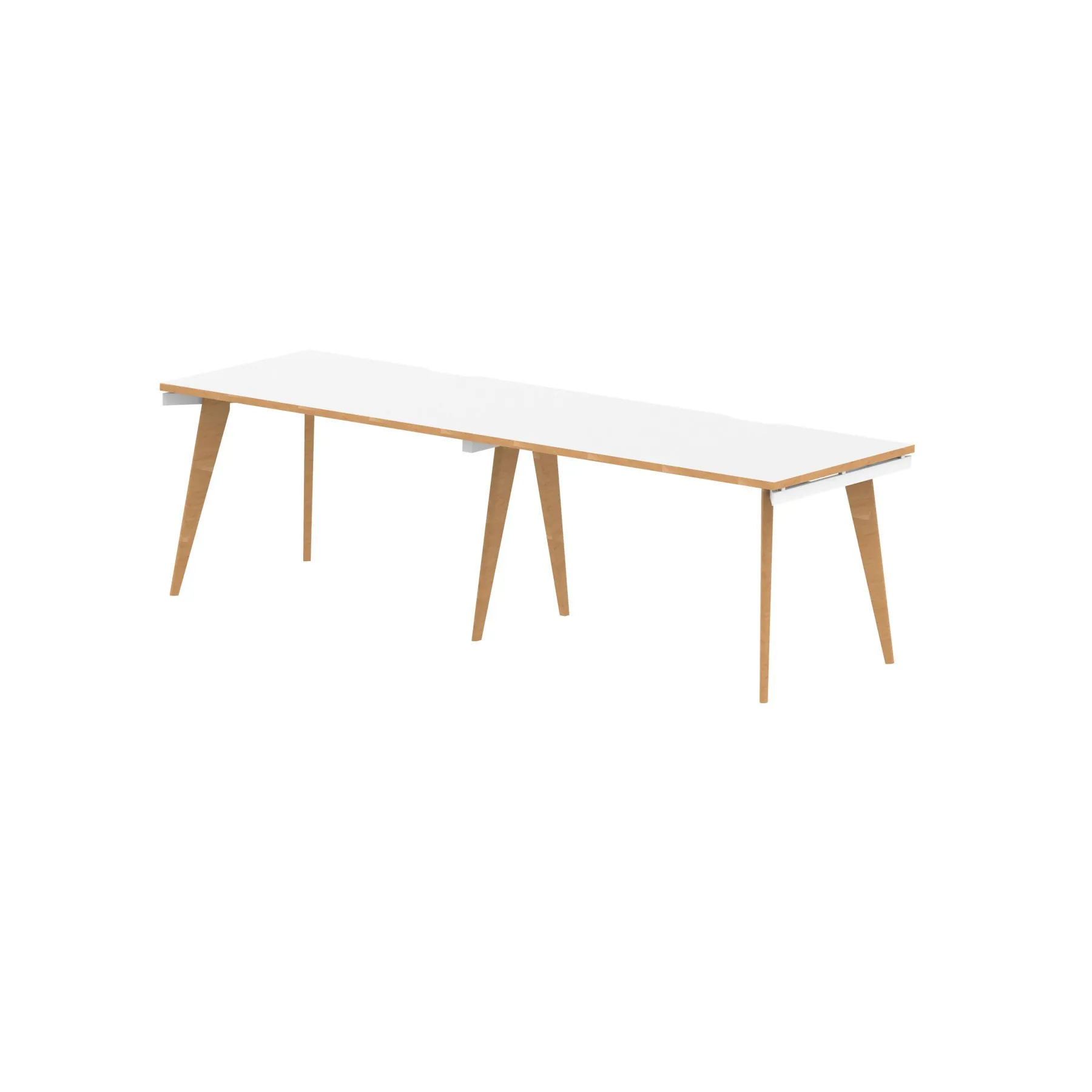
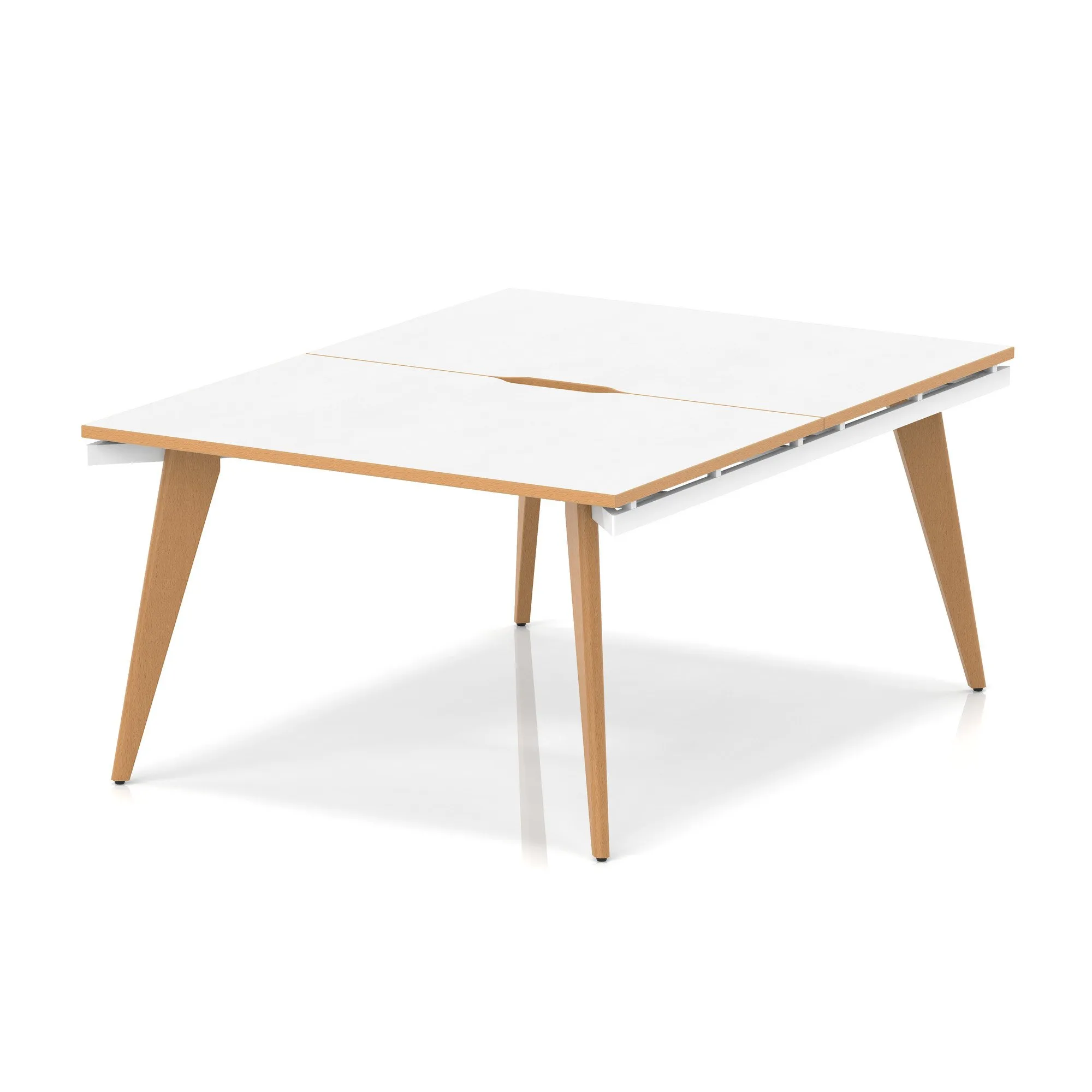
Bench desking puts several people on one shared frame. It uses floor space more efficiently than individual desks and makes power distribution dramatically simpler, which is why it dominates larger fit-outs.